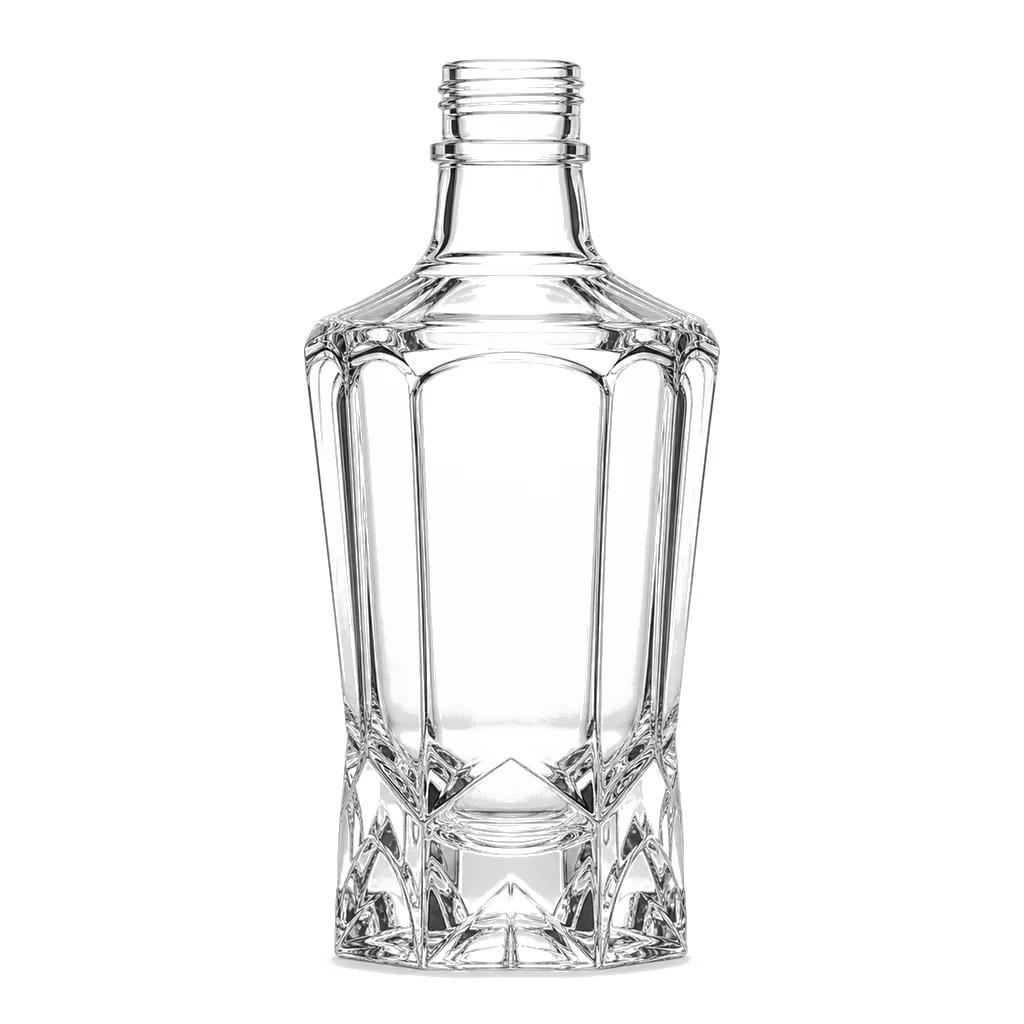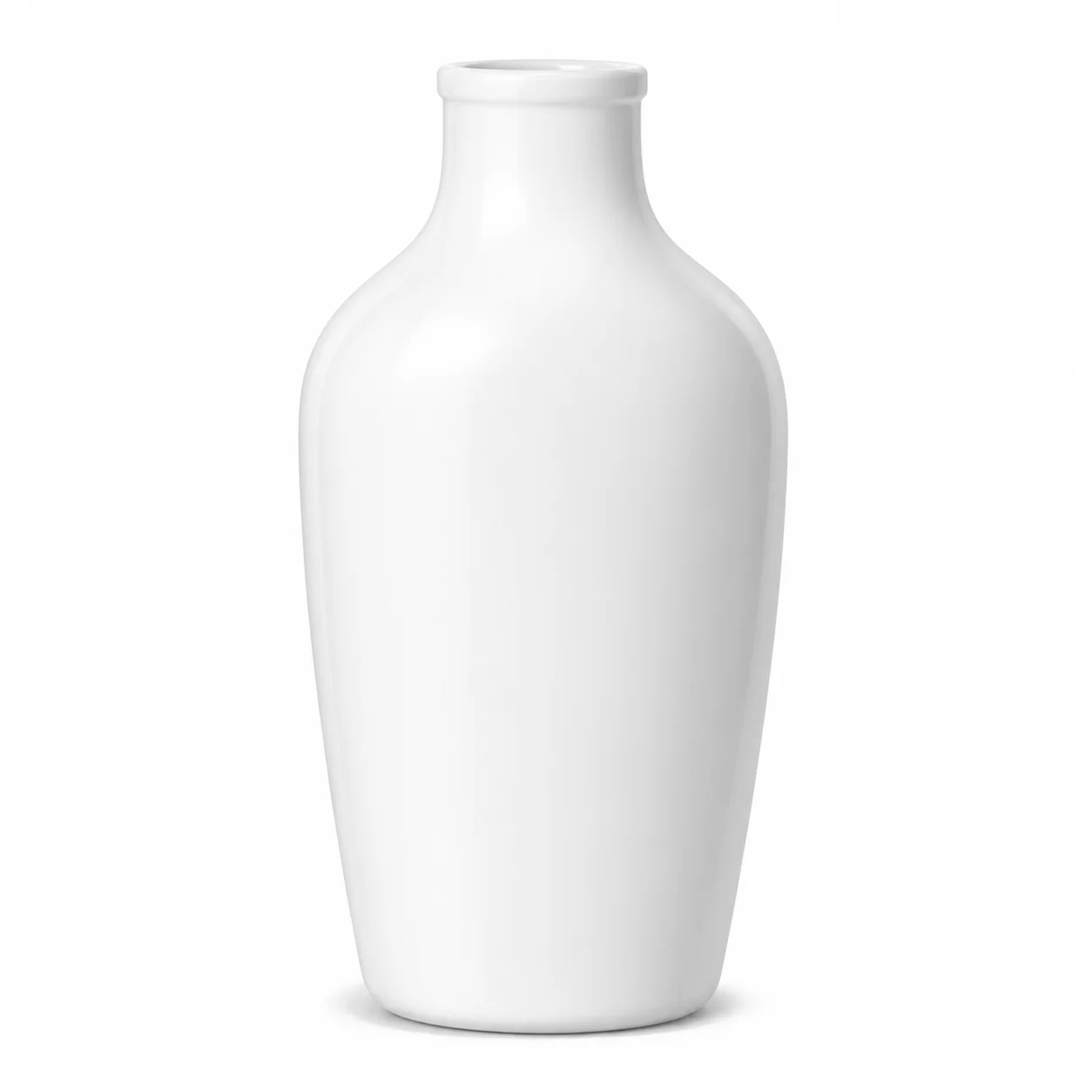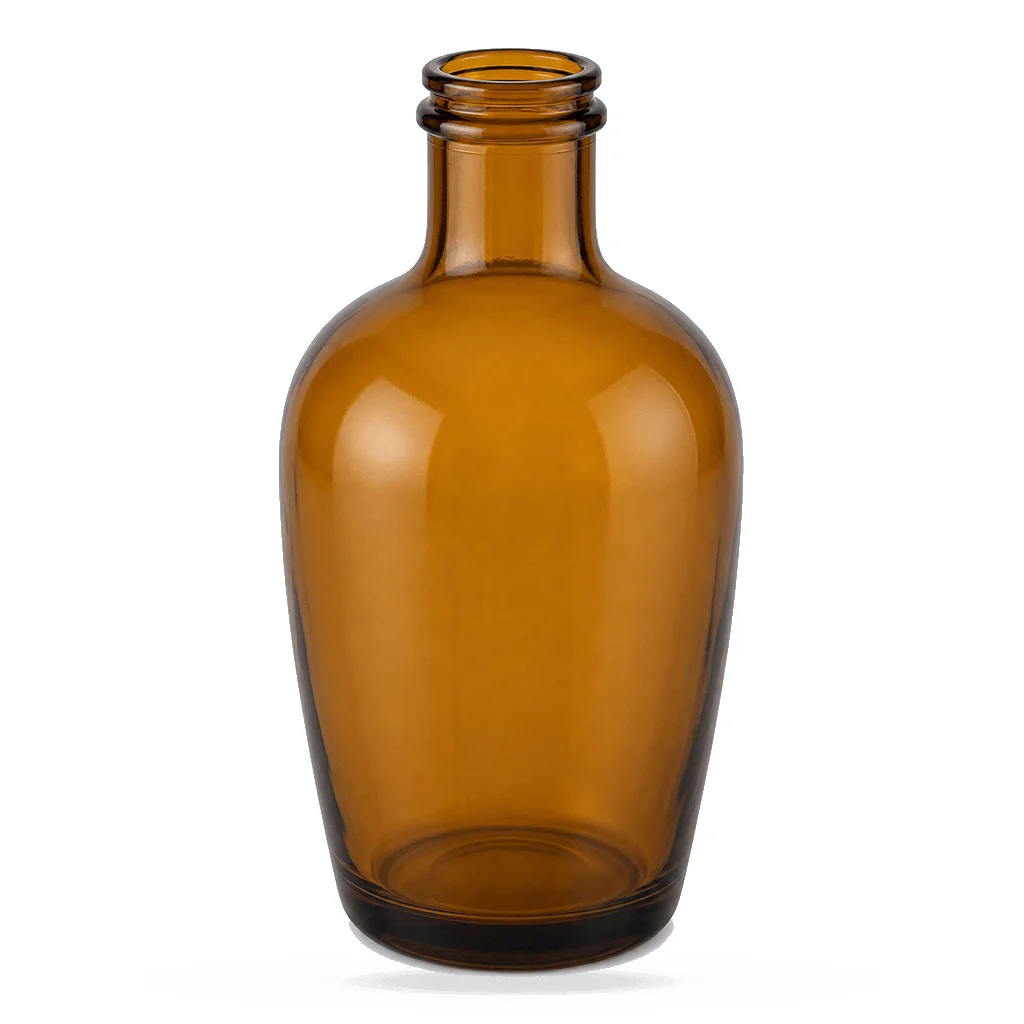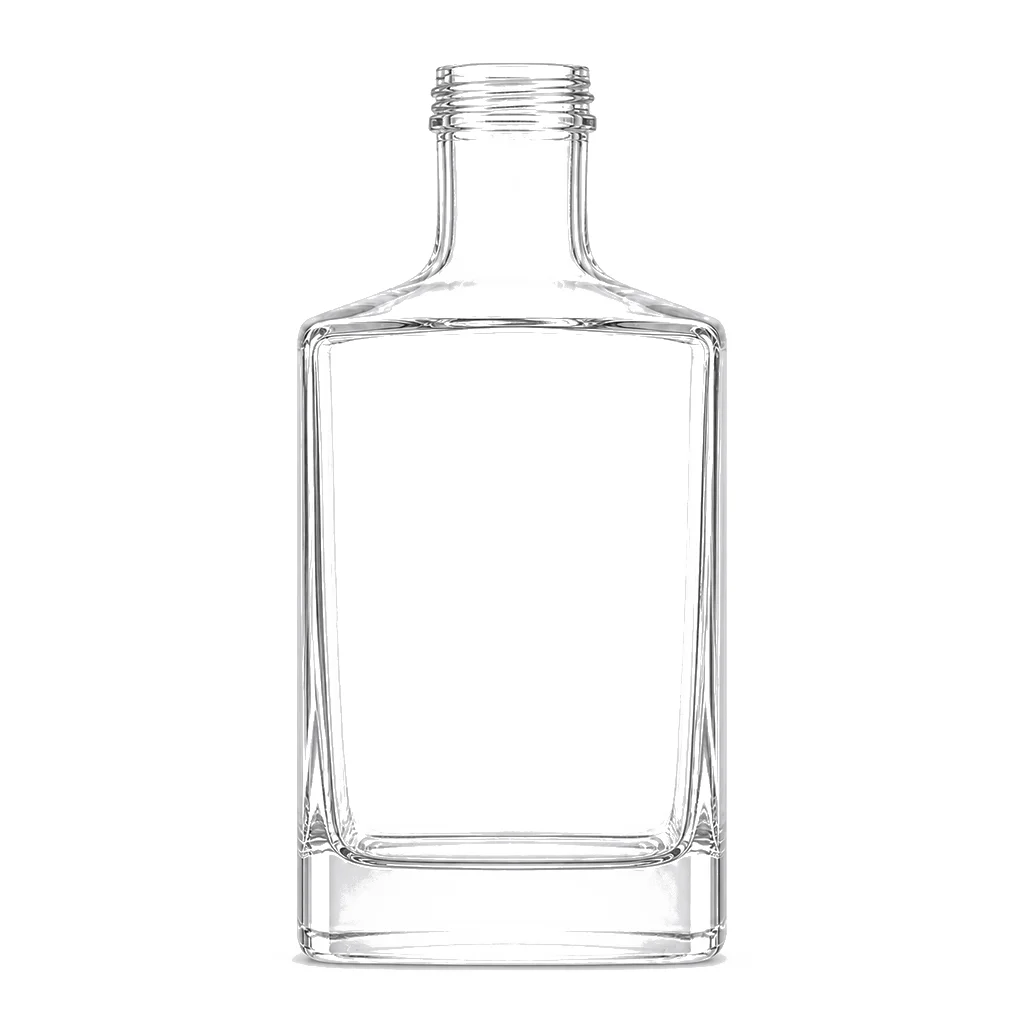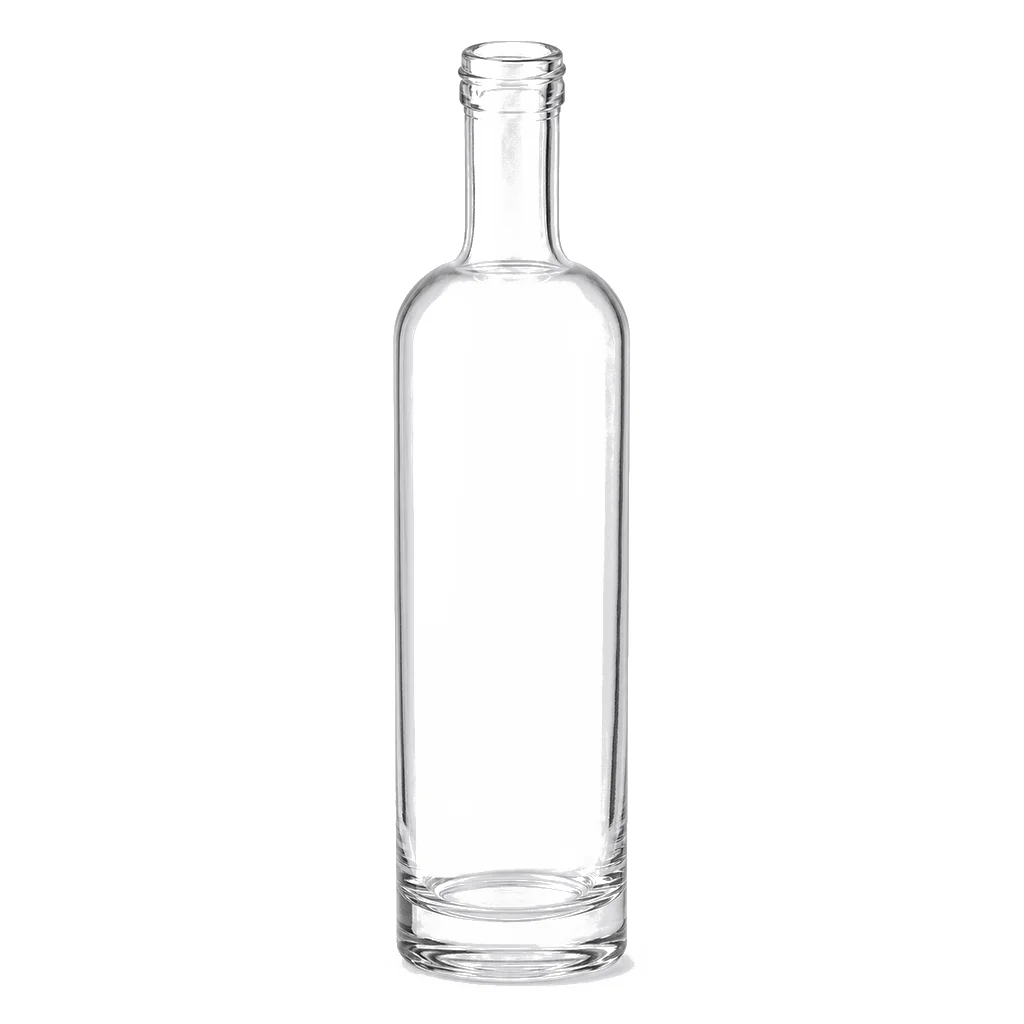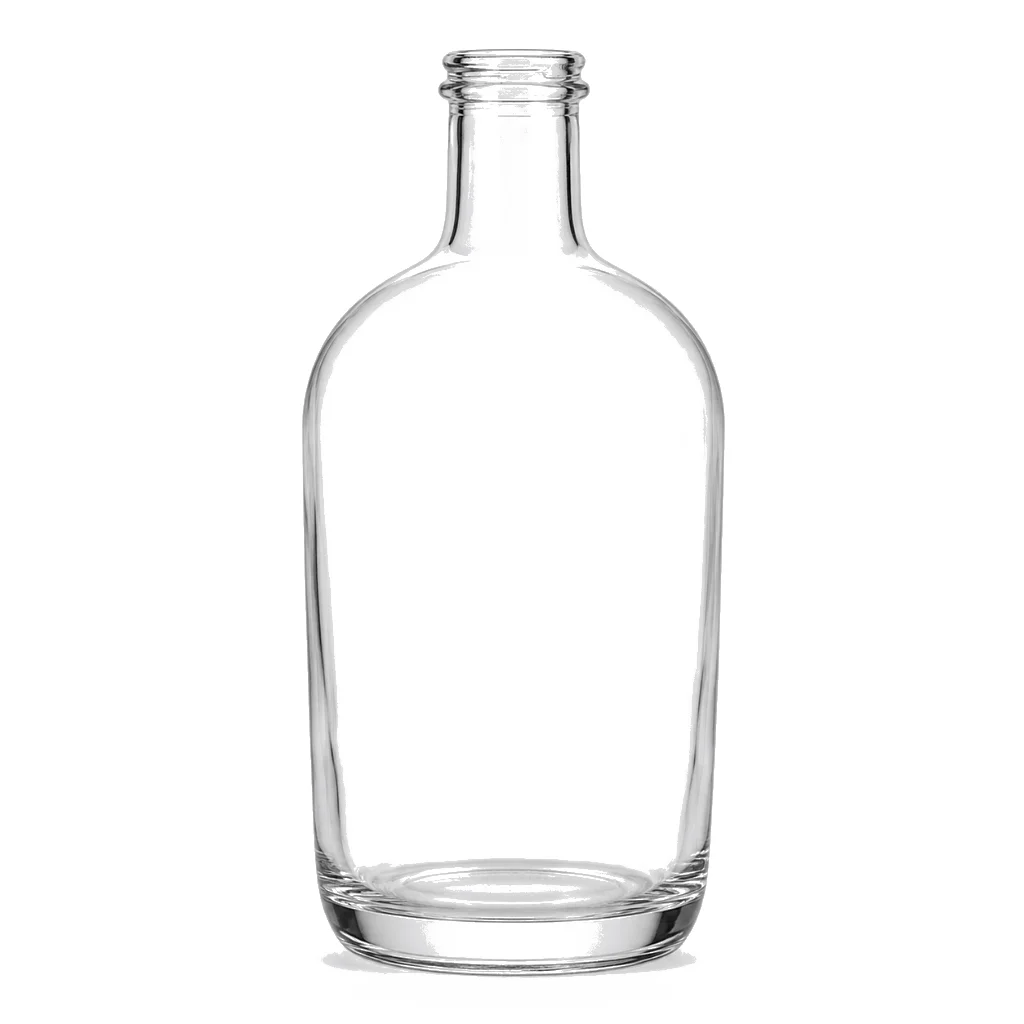
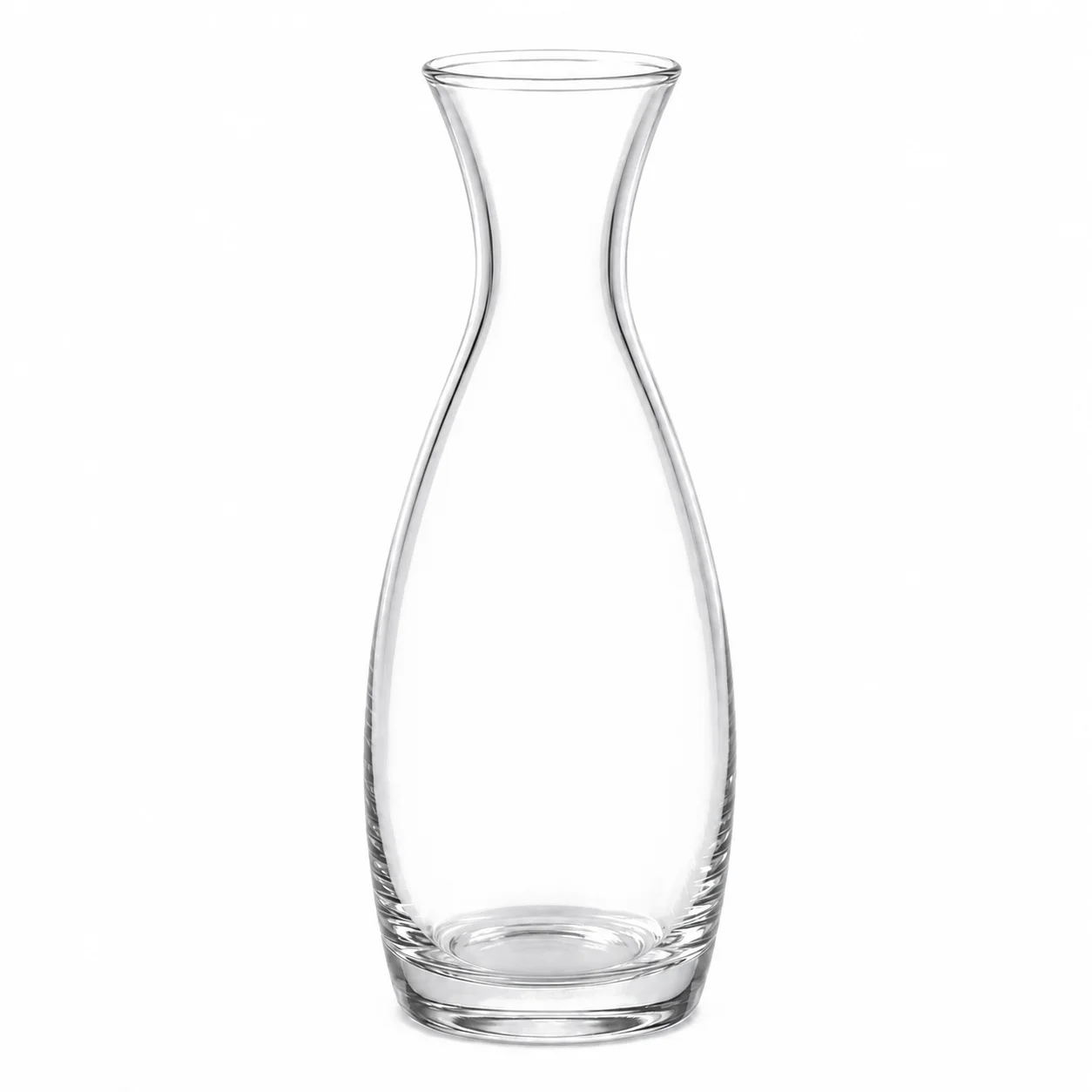
Tall dark green bottle with a narrow neck and straight shoulders
Shown configuration · bare bottle / closure, capsule, label and sake not shown

Asian spirits & wines

Sake Bottle

A sake bottle in the 720 mL isshobin tradition or its smaller formats, where light and heat damage the product quickly and dark glass is a preservation decision.

720 mL and 1.8 L formatsLight-sensitive productOften unpasteurized
Stock status
In stock
Lead time
2–3 weeks
FOB price / pc
$0.80 - $1.10
MOQ
3,000 pcs

Final availability, dimensions, materials, assembled components and commercial terms are confirmed against the selected drawing and approved sample.

Light damages it in days

Dark glass is functional here

Cold chain for namazake

Unpasteurized styles need refrigeration

Traditional sizes persist

720 mL and 1.8 L are the conventions

Sake Bottle profile

A product damaged by light and heat, in a category where clear bottles are still common.

Light damage, pasteurization state & traditional formats

Six things that decide how sake reaches a customer in condition.

Sake degrades under ultraviolet light within days of exposure, developing off-aromas that brewers describe distinctly. It is also frequently sold unpasteurized, which makes refrigeration part of the pack rather than an option. Those two facts should drive glass color and distribution decisions, and often lose out to the visual appeal of clear glass.

01

Light damage is fast and specific

Ultraviolet exposure produces characteristic off-aromas in sake within days rather than months, which is why brewers wrap bottles in paper and why traditional bottles are dark green or brown. A clear bottle on a lit shelf is an active risk to the product, not a neutral choice, and the wrapping many producers add is a workaround rather than a style.

02

Unpasteurized sake needs a cold chain

Namazake and similar unpasteurized styles retain live enzymes and continue changing, so they require refrigeration from brewery to glass. That makes cold storage part of the product specification rather than a retailer preference, and a bottle sold into ambient distribution should be a pasteurized style rather than a hopeful one.

03

The traditional sizes have practical logic

The 1.8 liter isshobin and the 720 mL yongobin persist because they suit the way sake is bought and served — a large format for a household or a restaurant, a smaller one for a single occasion. Introducing an unfamiliar size into that category asks a customer to reconsider something they already understand.

04

Closure choice follows the serving occasion

A screw cap suits a bottle opened and returned to a refrigerator over several days; a cork or a traditional closure suits a bottle finished at one sitting. Since sake is often shared rather than drunk alone, reclosability is worth more than it would be for a wine bottle of the same size.

05

Paper wrapping is doing real work

The paper sleeve on many sake bottles blocks light, protects the label and gives space for calligraphy and brewery information that a bottle alone cannot carry. It is easy to read as decorative and it is the most effective light protection in the category short of using dark glass in the first place.

06

Serving temperature varies and the bottle sees both

Sake is served chilled, at room temperature or warmed depending on the style, so a bottle may be refrigerated and then stood in hot water. That thermal cycling is unusual among beverage packs, and the glass and any applied decoration should be specified with the range of service temperatures in mind.
Application guide

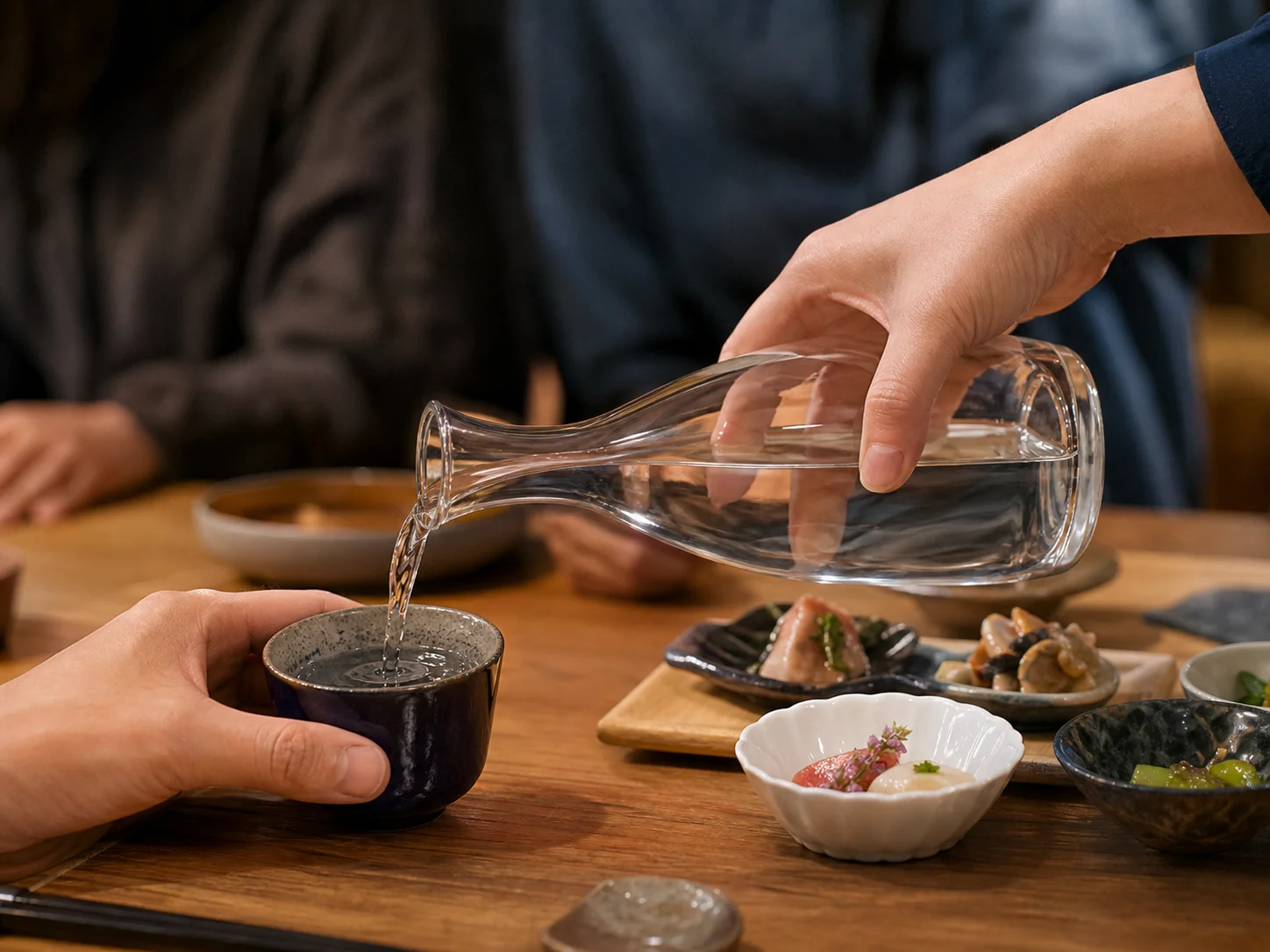
This vessel is brought to the table and poured from.

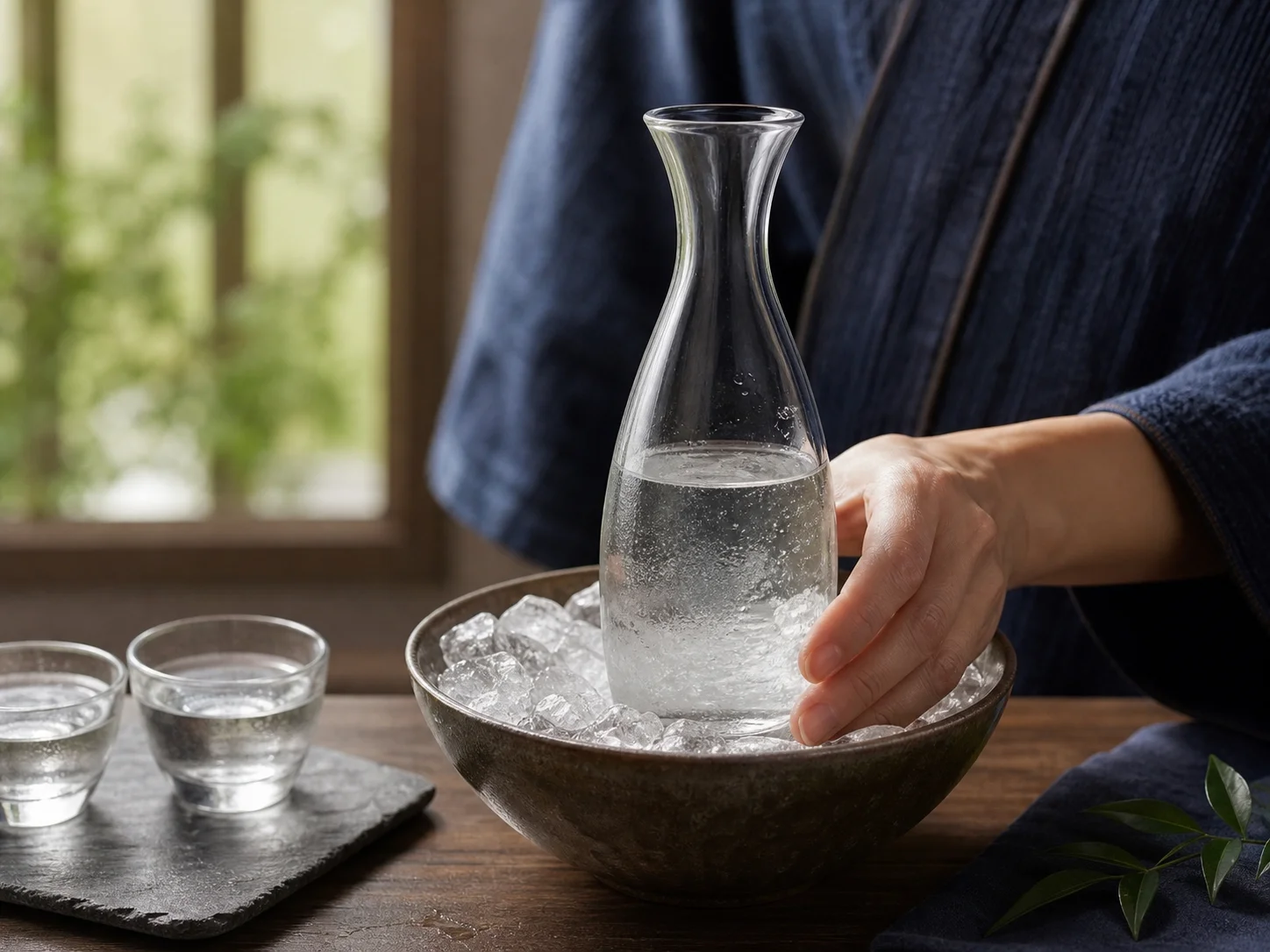
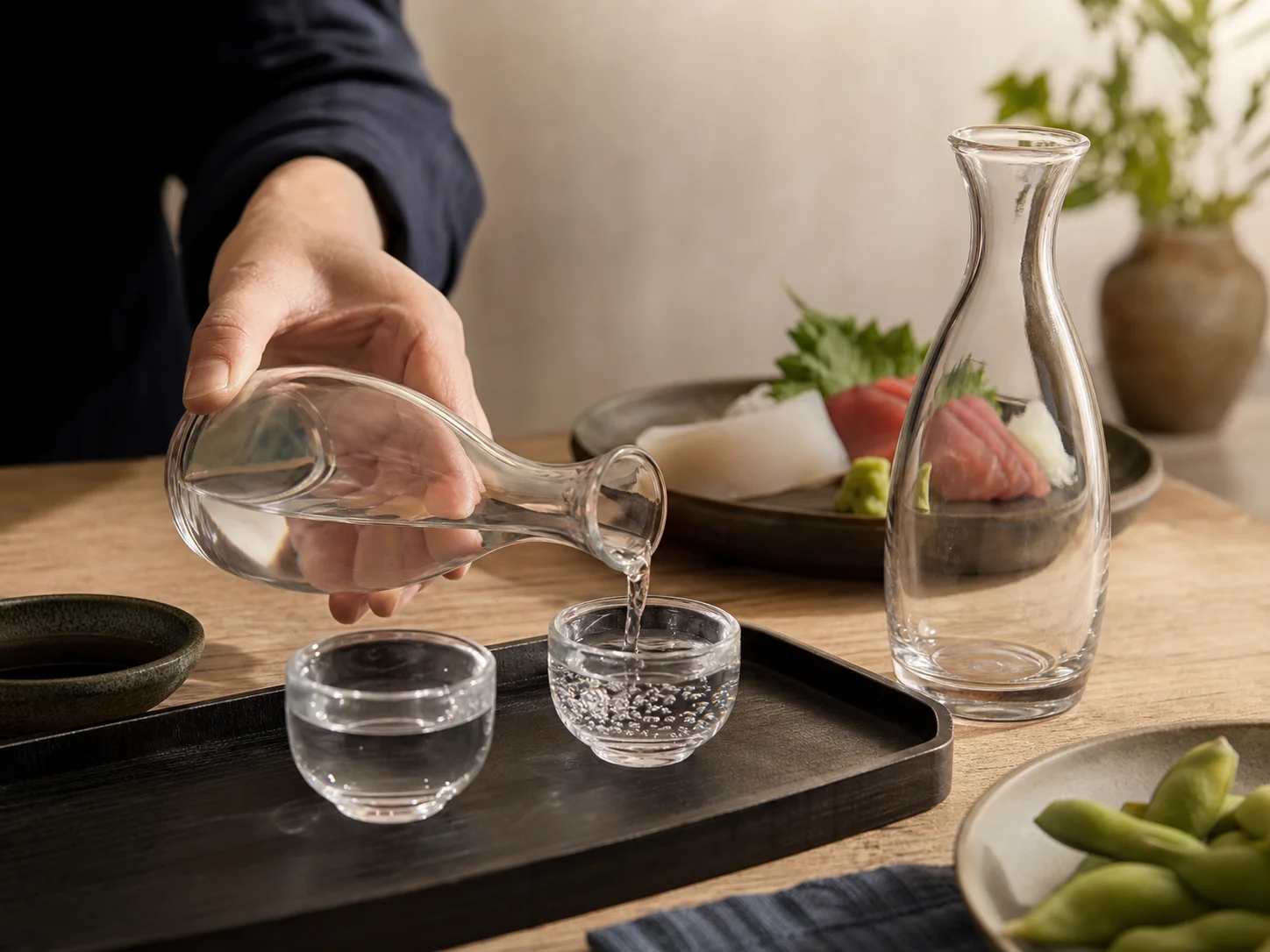
A waisted open sake vessel is serviceware as much as packaging: it is set on a table, held by the waist and poured into small cups, sometimes after being warmed. These are development directions confirmed with the actual beverage and service route.

Sake Bottle used for vessels poured for guests at a table in a restaurant service setting

Restaurant service

Vessels poured for guests at a table

For sake served from a shared vessel into individual cups, where a server or a guest pours repeatedly through a meal. The waist gives a natural grip for a controlled pour, and the open mouth means the vessel is filled at the venue rather than sealed at a producer.

  • Confirm the waist suits a pouring grip
  • Test a controlled pour into a small cup
  • Review filling at the venue
Sake Bottle used for sake served warm or chilled in a temperature setting

Temperature

Sake served warm or chilled

Sake is served across a wide temperature range, and a vessel may be stood in hot water or chilled before service. How the glass tolerates that, and how quickly it transfers heat to the hand holding it, both affect whether the serving ritual works as intended.

  • Confirm the glass tolerates warming
  • Check heat transfer to the hand
  • Test chilled and warm service
Sake Bottle used for vessels paired with matching cups in a presentation sets setting

Presentation sets

Vessels paired with matching cups

Sake serviceware is usually sold and used as a set, with the pouring vessel matched to cups in form and finish. Consistency across those pieces matters because they sit together on a table where any mismatch in clarity or tone is immediately visible.

  • Match the vessel to its cups
  • Confirm clarity is consistent
  • Review the set together on a table

Applications describe development directions. Beverage compatibility, service route and distribution outcomes are confirmed for the selected program.

Common questions

Sake Bottle questions

A product that light damages quickly, in a category that likes clear glass.

Does unpasteurized sake change the packaging?

It changes the distribution. Namazake and similar styles retain live enzymes and keep developing, so they need refrigeration from brewery to glass. That makes cold storage part of the specification rather than a retailer preference, and anything sold into ambient distribution should be a pasteurized style rather than a hopeful one.

Is the paper wrapping just decoration?

It is the most effective light protection in the category short of dark glass. The sleeve blocks light, protects the label and carries calligraphy and brewery information a bottle alone cannot. It reads as traditional styling, and it is doing genuine preservation work at the same time.

Does serving temperature affect the bottle?

It should be considered. Sake is served chilled, ambient or warmed depending on style, so a bottle may go from a refrigerator into hot water. That thermal cycling is unusual among beverage packs, and glass and applied decoration should both be specified with the full range of service temperatures in mind.
What decides the closure on a sake bottle?

The occasion it is opened for. A bottle poured out once at a table and one returned to a refrigerator across a week need different things from a closure, so the serving pattern rather than the format decides between a cap that reseals well and one that does not.

Next step

Send us the Sake Bottle brief.

Tell us the product, fill volume, closure preference and destination market. We will come back with the matching drawings, available configurations and a sample plan before anything is quoted.

  • 01Send the briefProduct, volume, closure and market
  • 02Get the optionsMatching drawings and configurations
  • 03Approve the sampleConfirm the pack before production