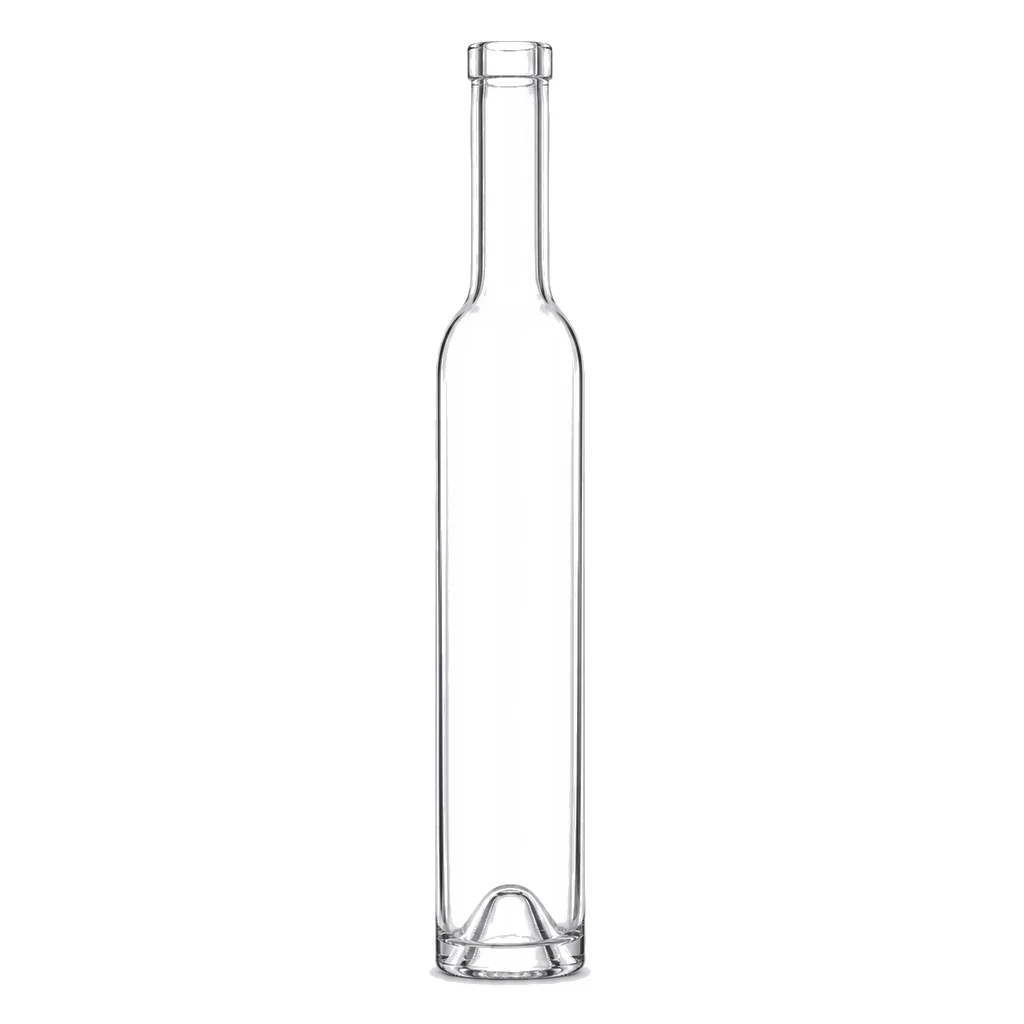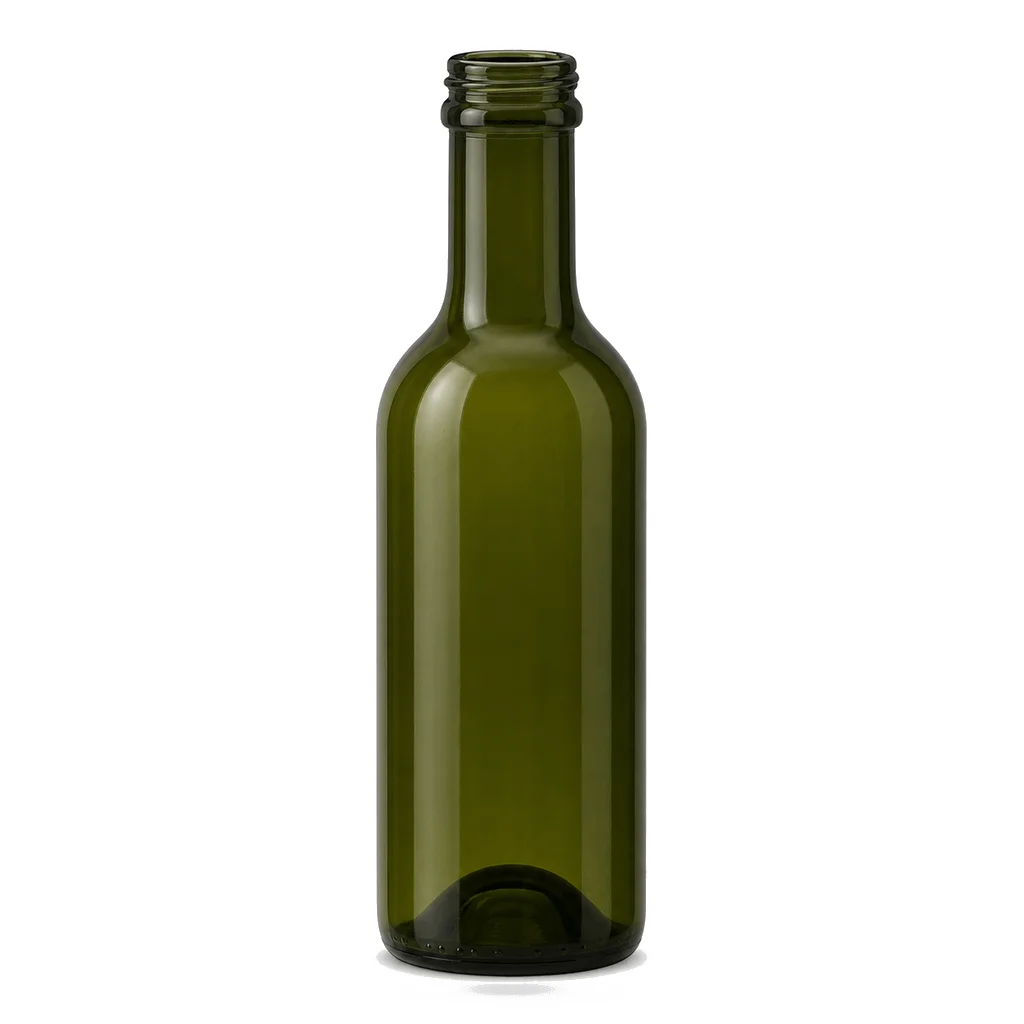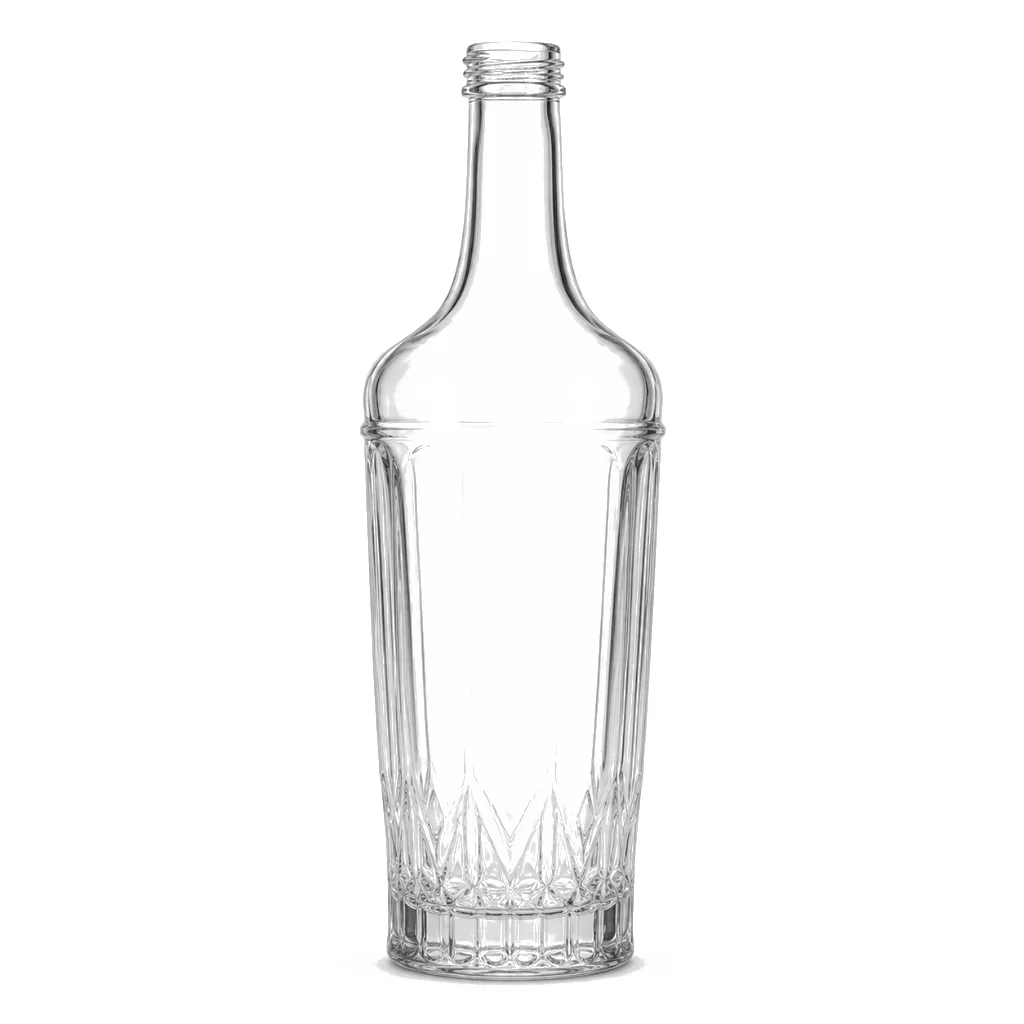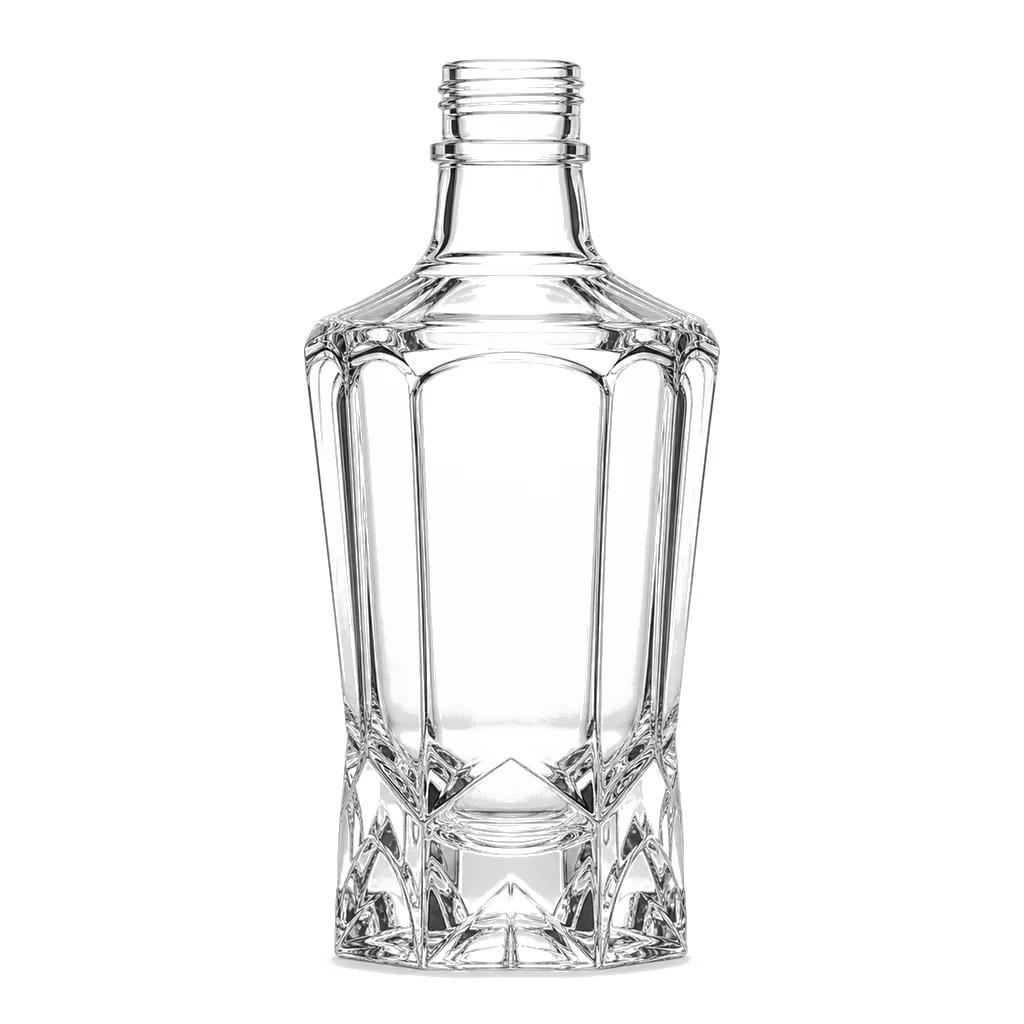
Solids in the pack, sweetness & use pattern
Six consequences of a bottle that contains fruit as well as liquid.
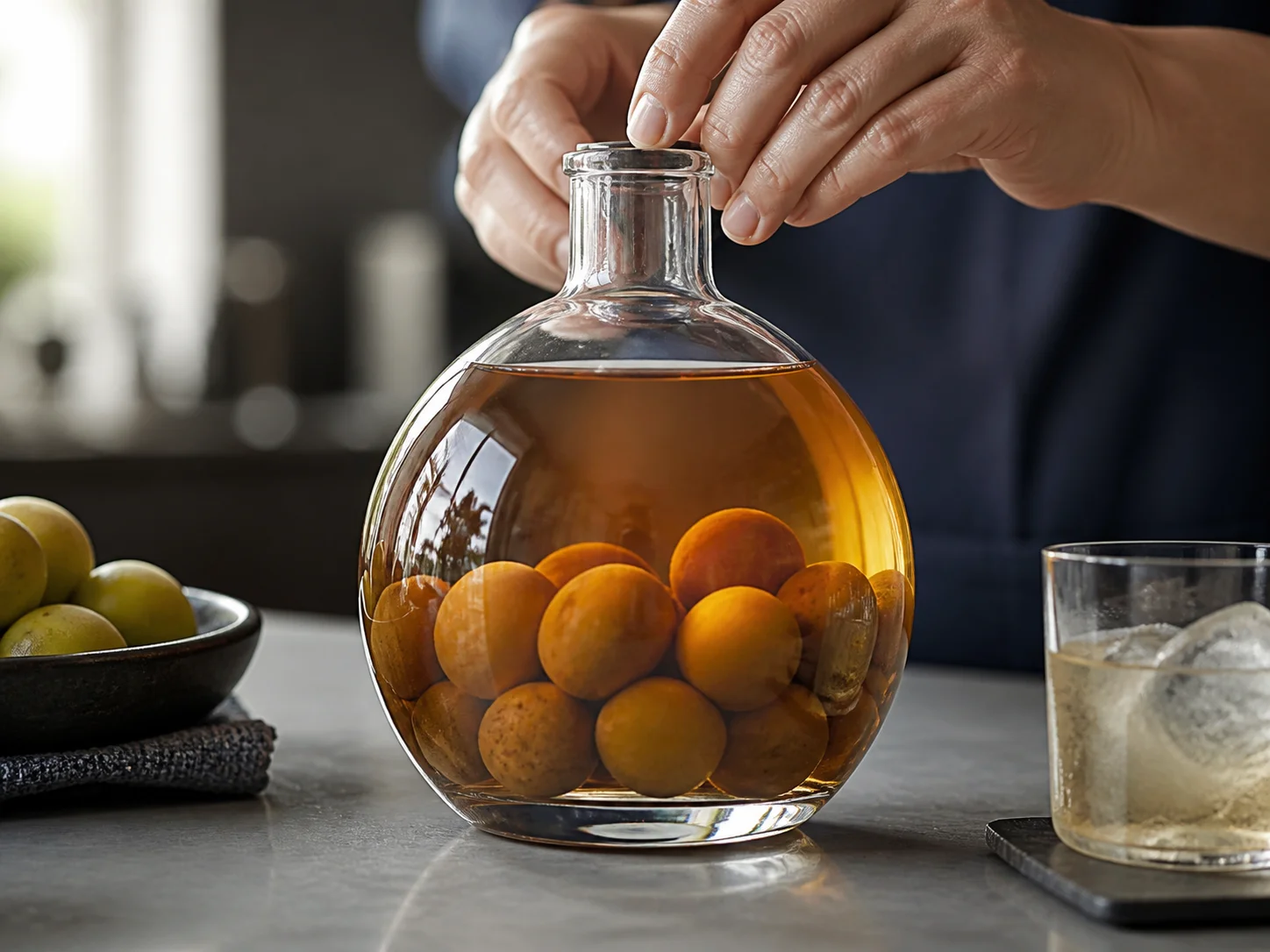
Plum wine is produced by steeping fruit in spirit with sugar, and a sizeable part of the category presents whole fruit in the finished bottle as evidence of how it was made. That single decision determines the neck bore, the filling method, the fill accuracy and how the bottle is handled — far more than the wine itself does.
The neck has to admit the fruit
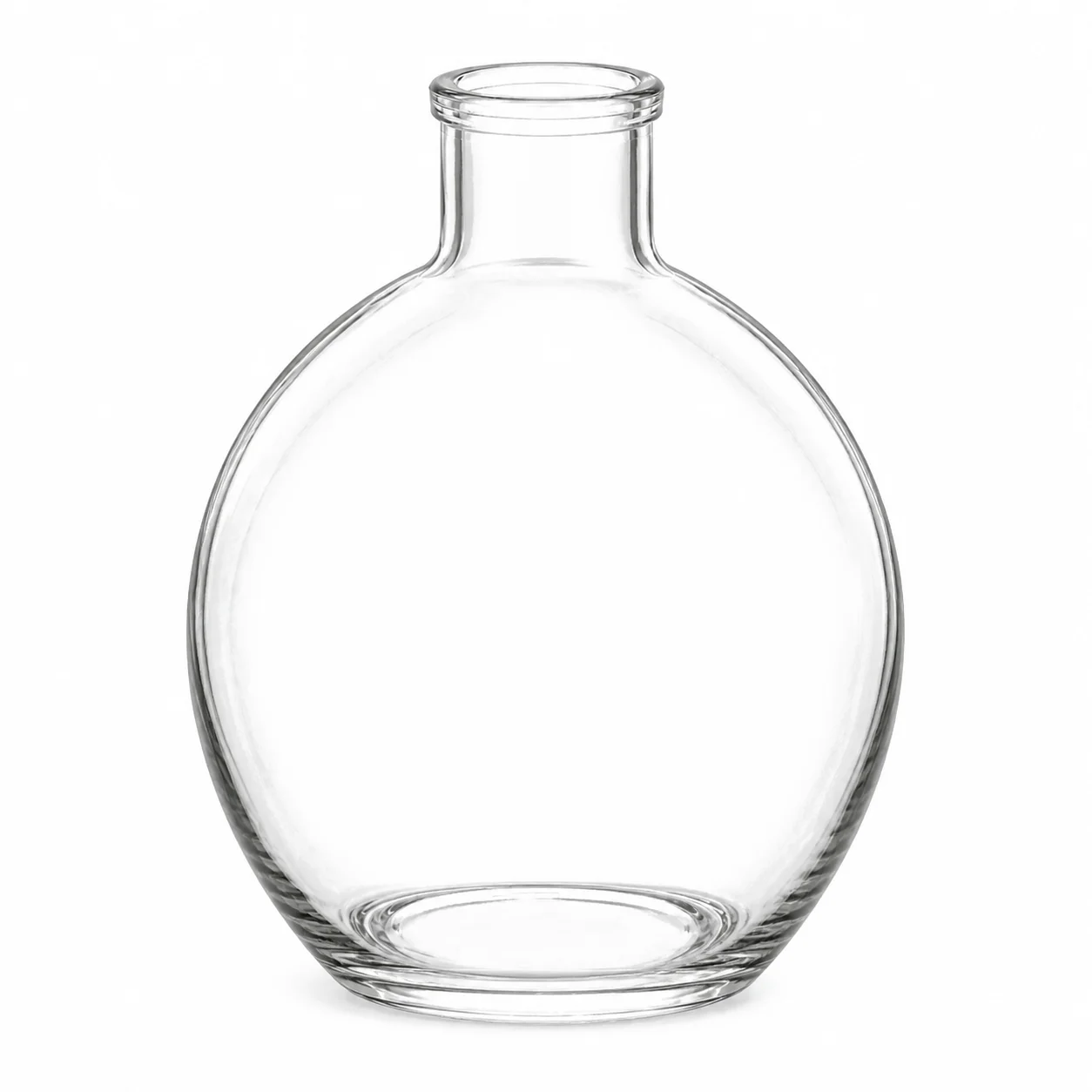
A whole plum has to pass through the finish, which sets a minimum bore considerably wider than a liquid alone would need. That reaches the closure choice, the pouring behavior and the appearance of the bottle, and it is the first dimension to establish rather than a detail to resolve later.
Automatic fillers do not handle solids
Standard liquid filling equipment cannot place fruit, so bottles containing whole fruit are filled with a manual or semi-automatic step for the solids. That constrains line speed and adds labor, and it means the production plan has to be built around the format rather than adapted to it afterwards.
Fill volume has to account for what the fruit displaces
Solids occupy volume, so the declared liquid content and the visible level in the bottle both depend on how much fruit is present. Establishing that relationship on real samples, with the actual fruit size in use, is what keeps the declared volume honest and the fill level consistent.
Sugar makes the liquid slow and sticky
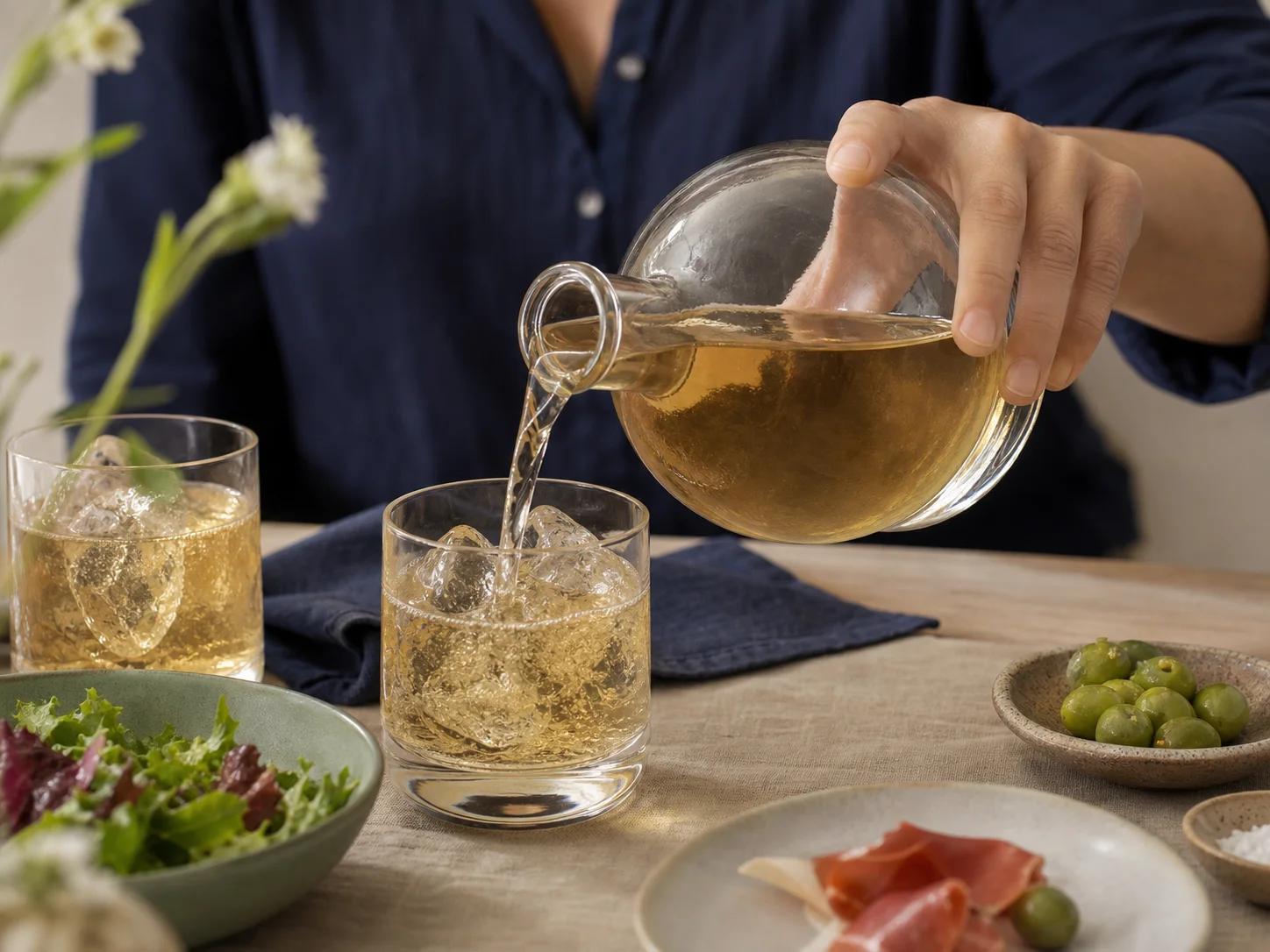
The high sugar content makes plum wine thicker than a spirit, so it pours slowly, clings to the glass and leaves residue on the finish and thread. A closure that reseals cleanly onto a sticky finish is worth more than one that only performs on a clean thread in a laboratory.
The bottle is opened repeatedly over a long period
Plum wine is drunk in small measures over ice or with mixers, so a bottle stays in use for weeks or months. Reclosure reliability, resistance to a sticky thread and a closure a customer can operate one-handed are what matter, rather than the single-opening performance a wine closure is judged on.
Clear glass shows the product and exposes it
The color of the wine and the visible fruit are the sales argument, so clear glass is close to obligatory. It also gives no light protection, and the color of a steeped fruit product does shift on a lit shelf. Where the wine sits in bright display for months, a sleeve or carton is the practical compromise.