Oxygen ratio, closure choice & format economics
Six consequences of shrinking a wine bottle.
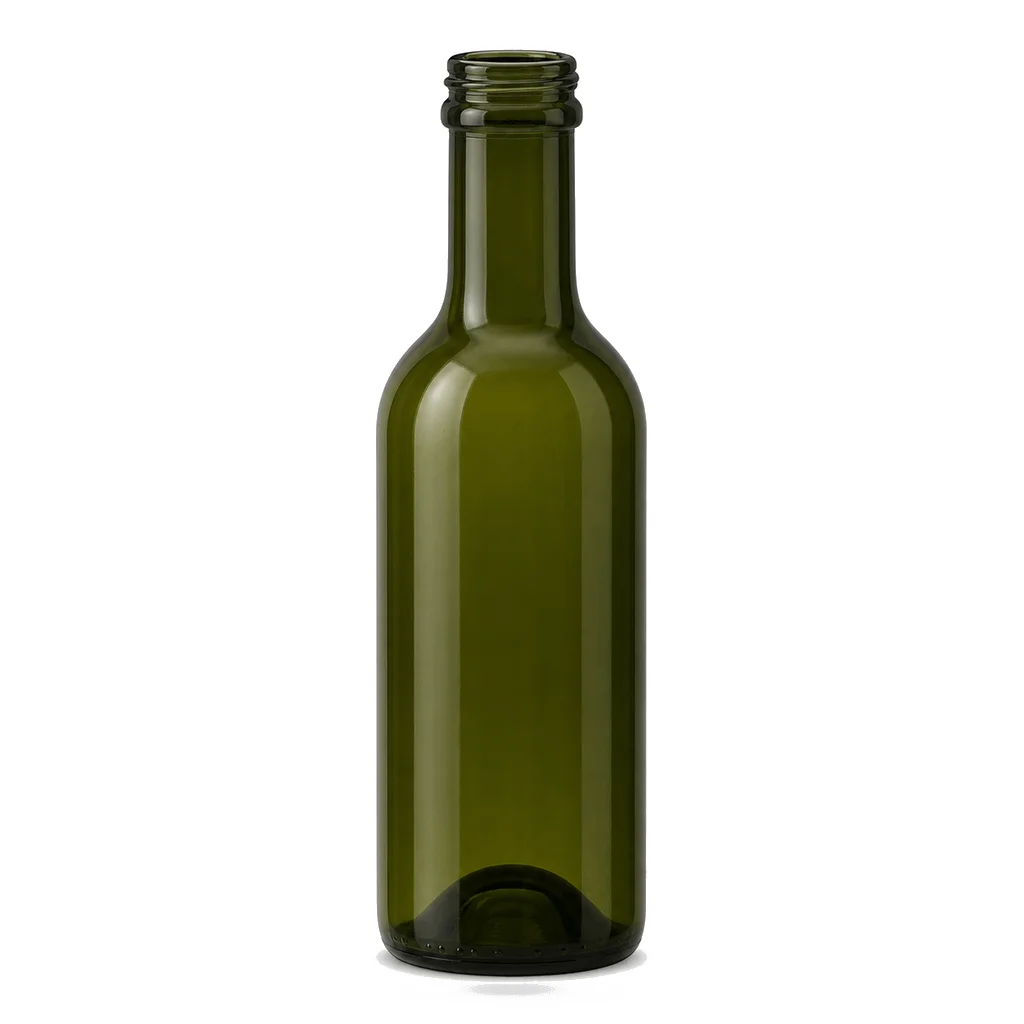
A quarter-size bottle is not simply a small version of a full one. The ratio of closure area and glass surface to the volume of wine rises sharply, so the oxygen that would develop a full bottle over years develops a small one over months. That is the defining technical fact of the format, and it shapes every other decision.
The same oxygen ingress affects a smaller volume more
Oxygen entering through a closure is roughly independent of how much wine is behind it, so a quarter-size bottle receives four times the oxygen per unit of wine that a full bottle does. Small formats therefore develop faster, which suits fresh styles intended to be drunk young and works against wines meant to age.
Screw closures suit the format on every axis
A screw finish gives consistent, low oxygen ingress, opens without a tool, reseals if the glass is not finished, and costs a fraction of a cork at a size where a cork is disproportionate. Where a full bottle can debate closures on tradition, a single-serve bottle has an unusually clear answer.
Fill accuracy matters more at small volumes
A variation that would be invisible in a full bottle is a visible difference in fill level at a quarter of the size, and it is also a larger percentage of the declared volume. Fill control and consistent neck geometry both matter more here, and the fill level is what a customer notices first.
Mandatory text competes for very little space
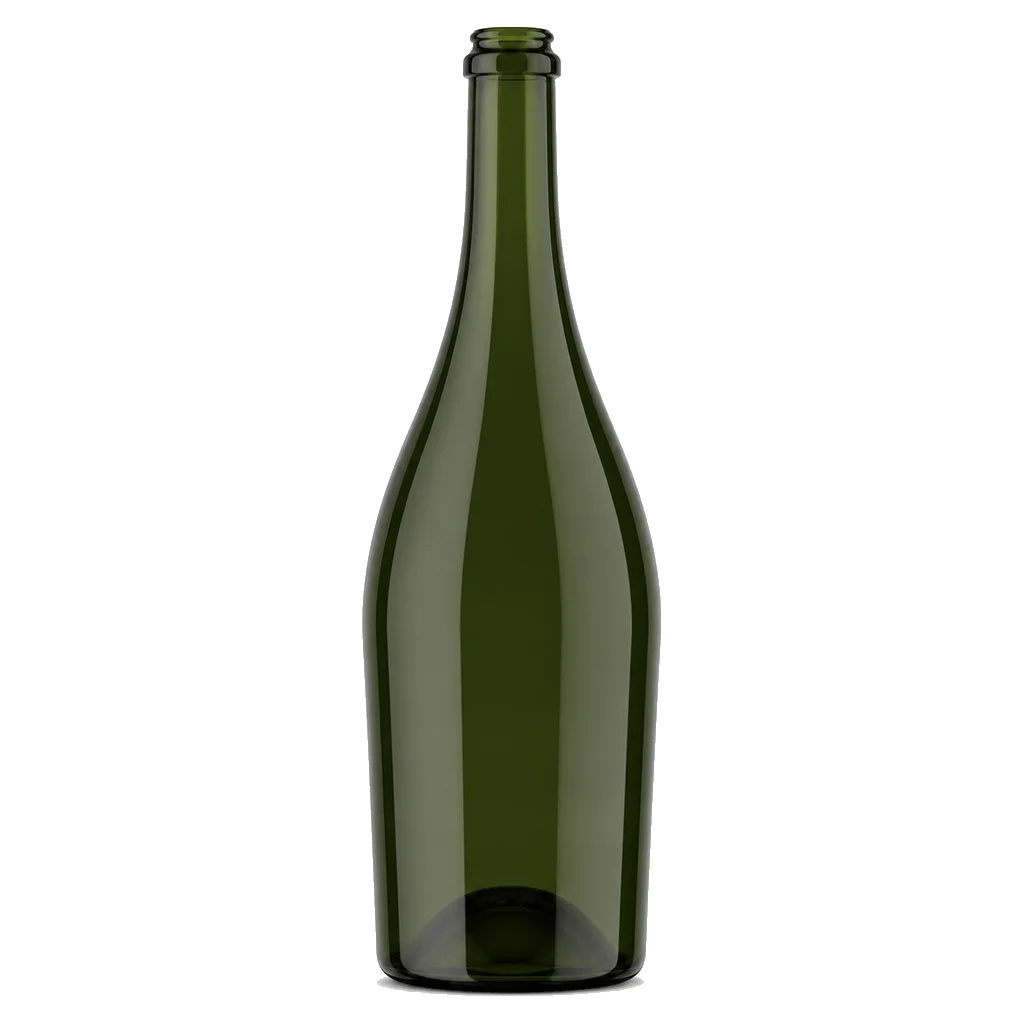
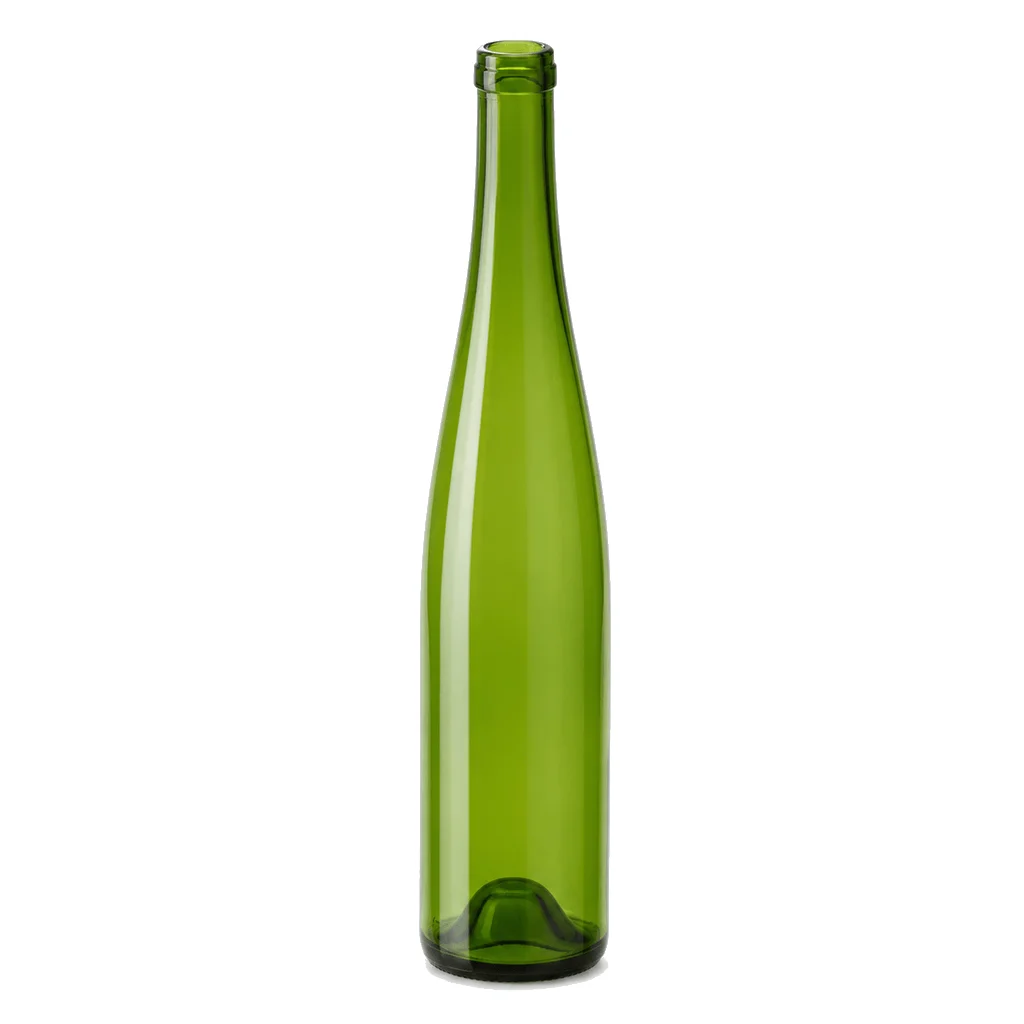
Alcohol declarations, allergen statements, health warnings where required and producer information all have to appear on a small panel. Laying that content out before choosing a bottle shape is the sensible order, because the label requirement can rule out a silhouette that otherwise looked ideal.
The format sells on occasion rather than on value
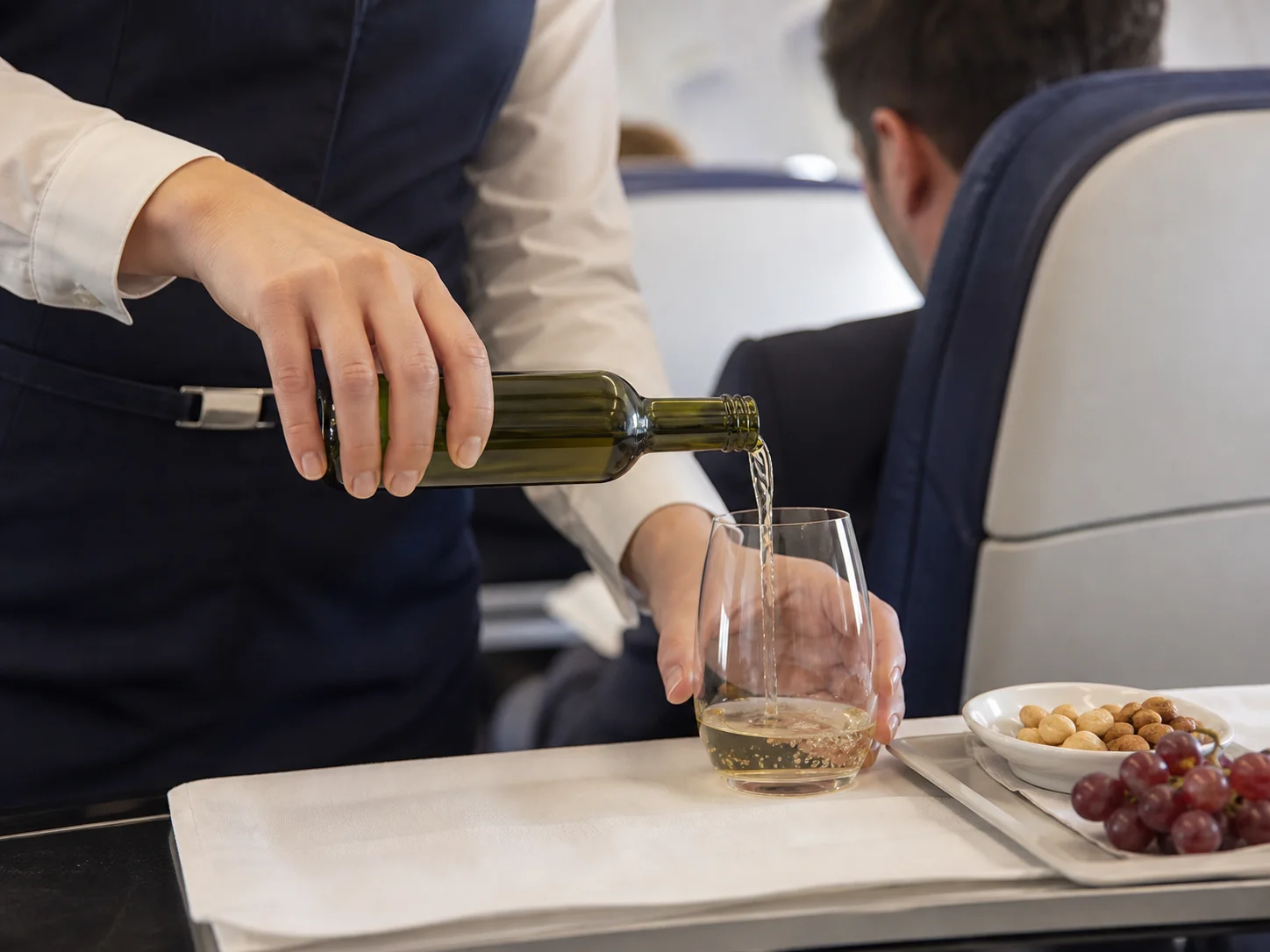
Per milliliter, a single-serve bottle costs more to package and ship than a full one, so it does not compete on price. It sells because it fits an occasion a full bottle does not — one glass, a flight, an event, a hotel room — and the pack should be designed for that moment rather than for a shelf comparison.
Handling in volume is where the format is tested
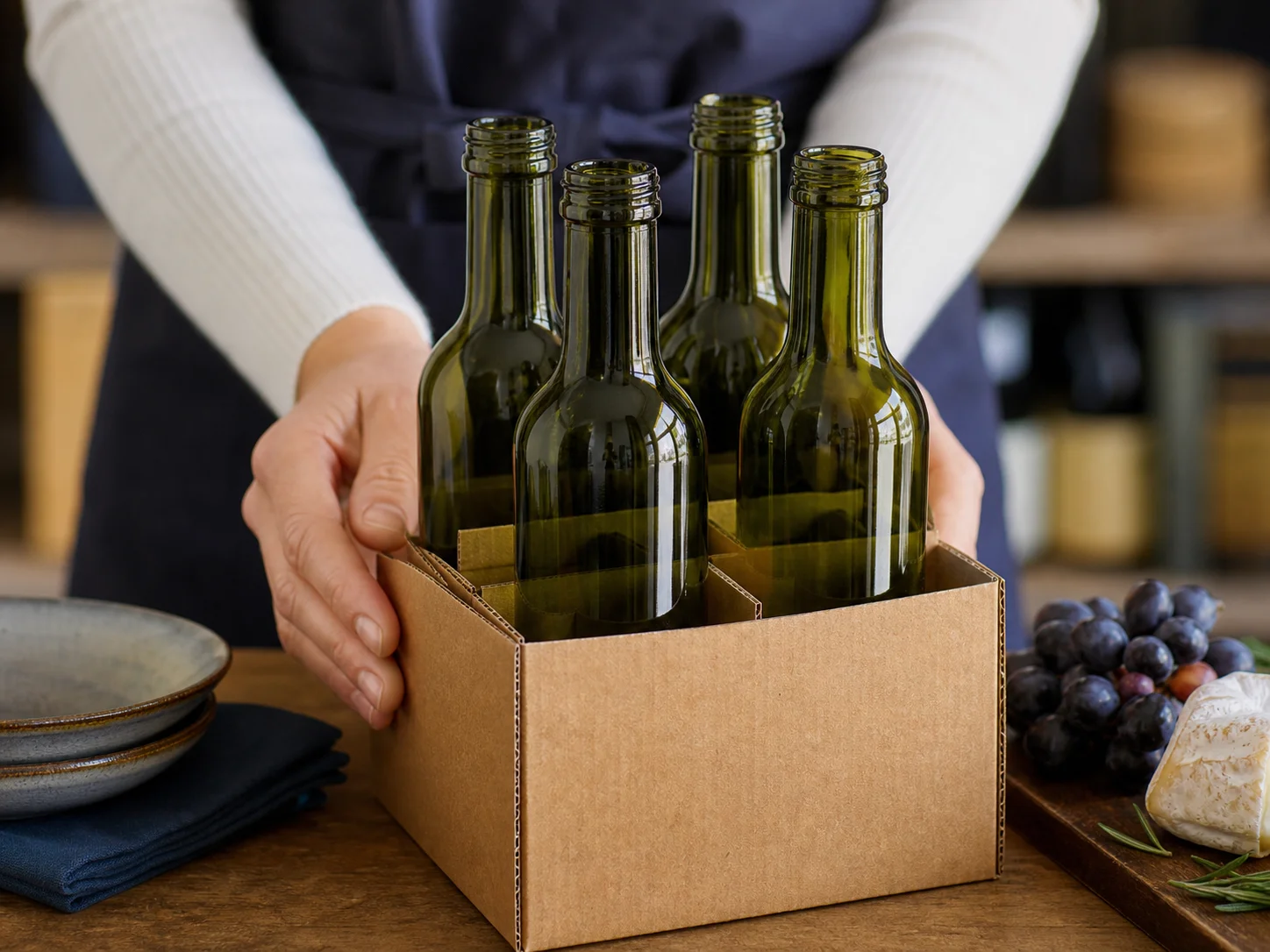
These bottles travel in trays, are handled individually by service staff and are frequently sold chilled and wet. Stability, grip and resistance to chipping at the finish matter more than they would for a bottle that is opened once at a table and set down carefully.