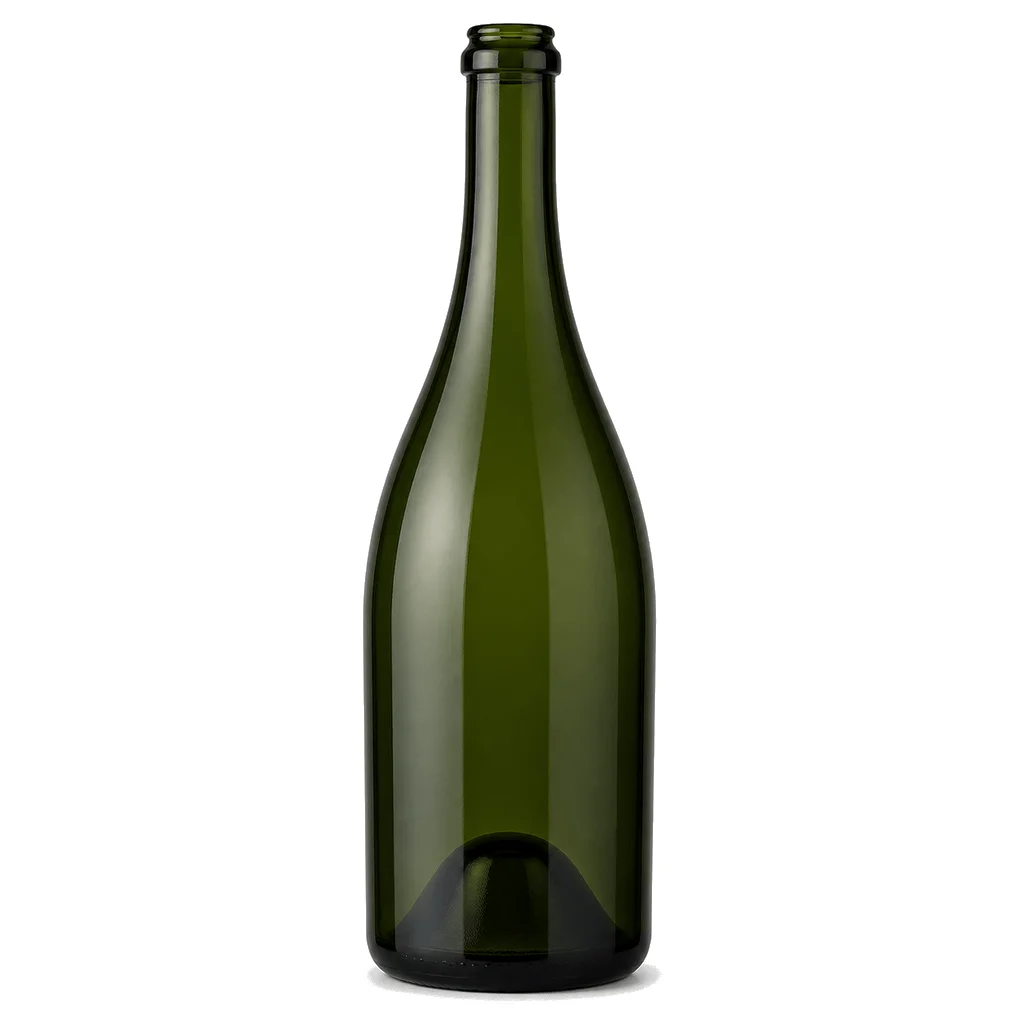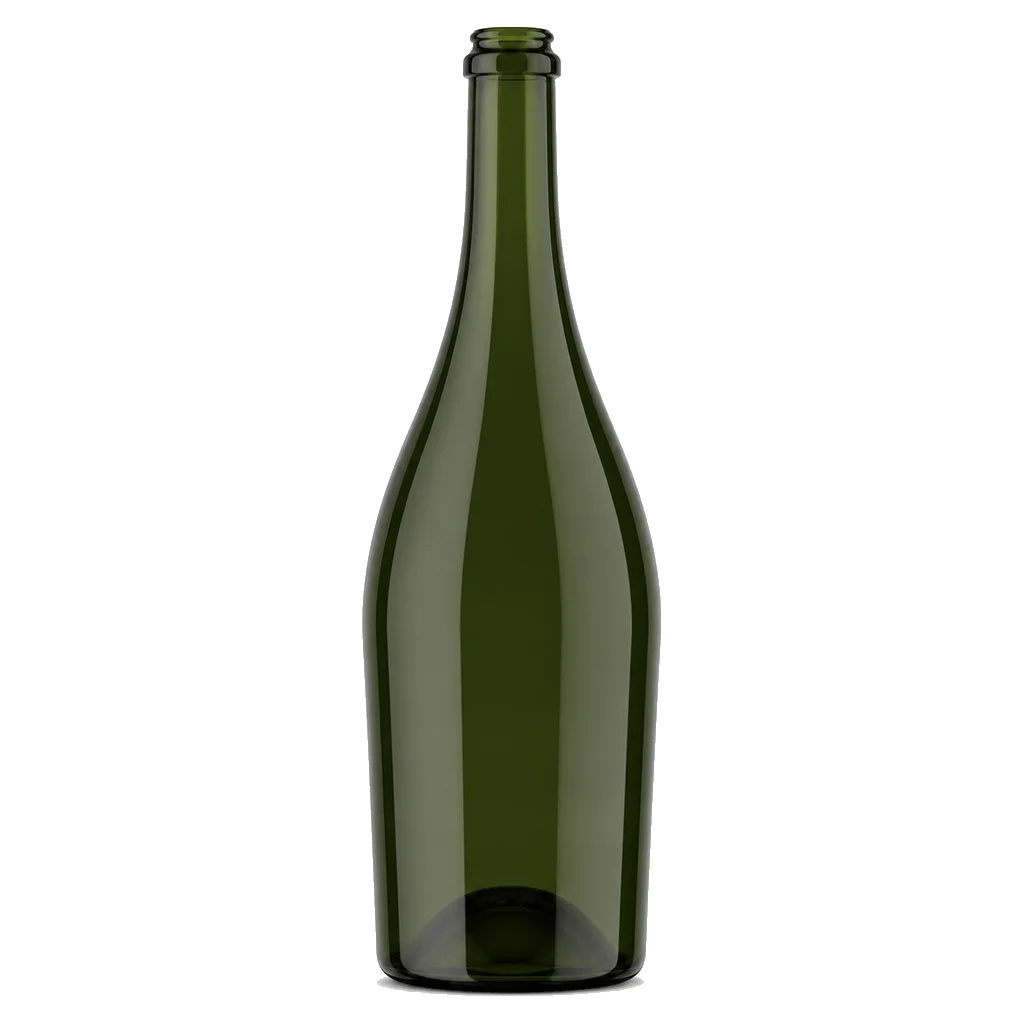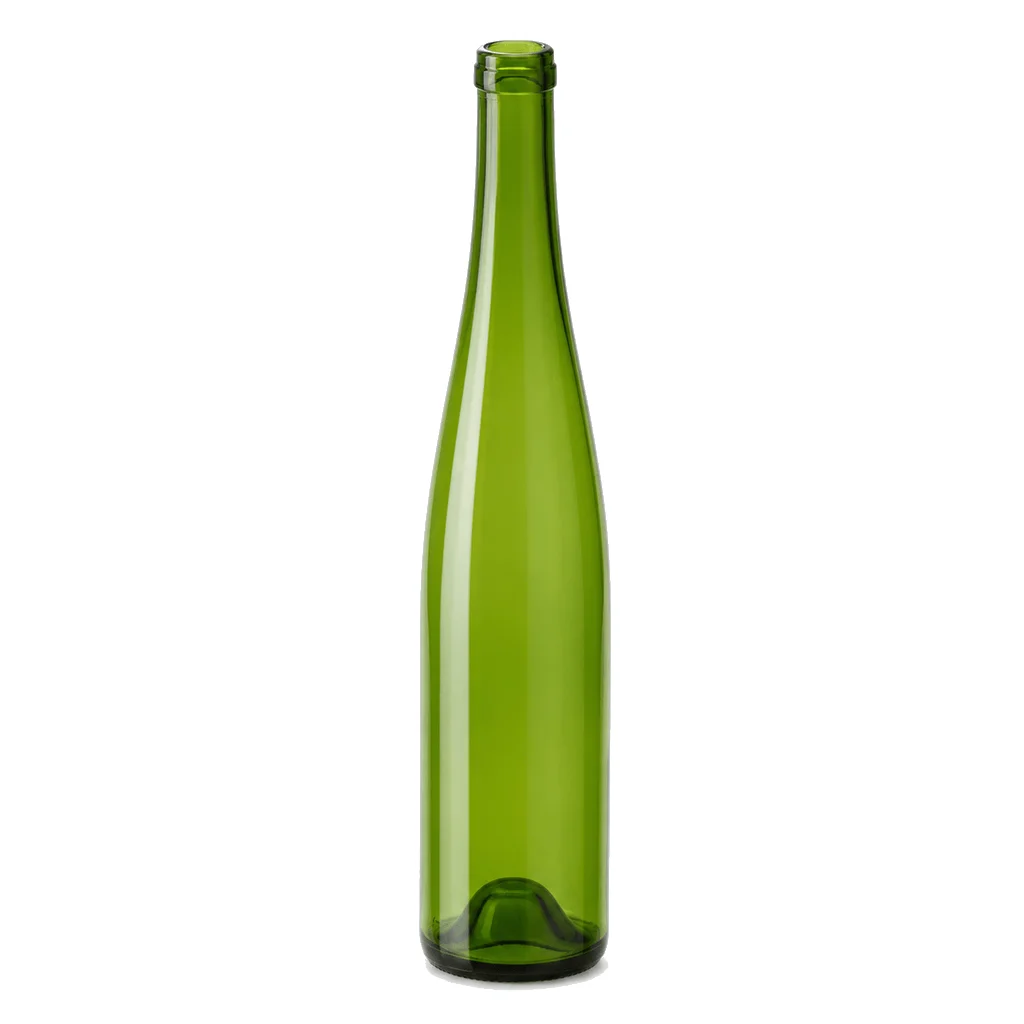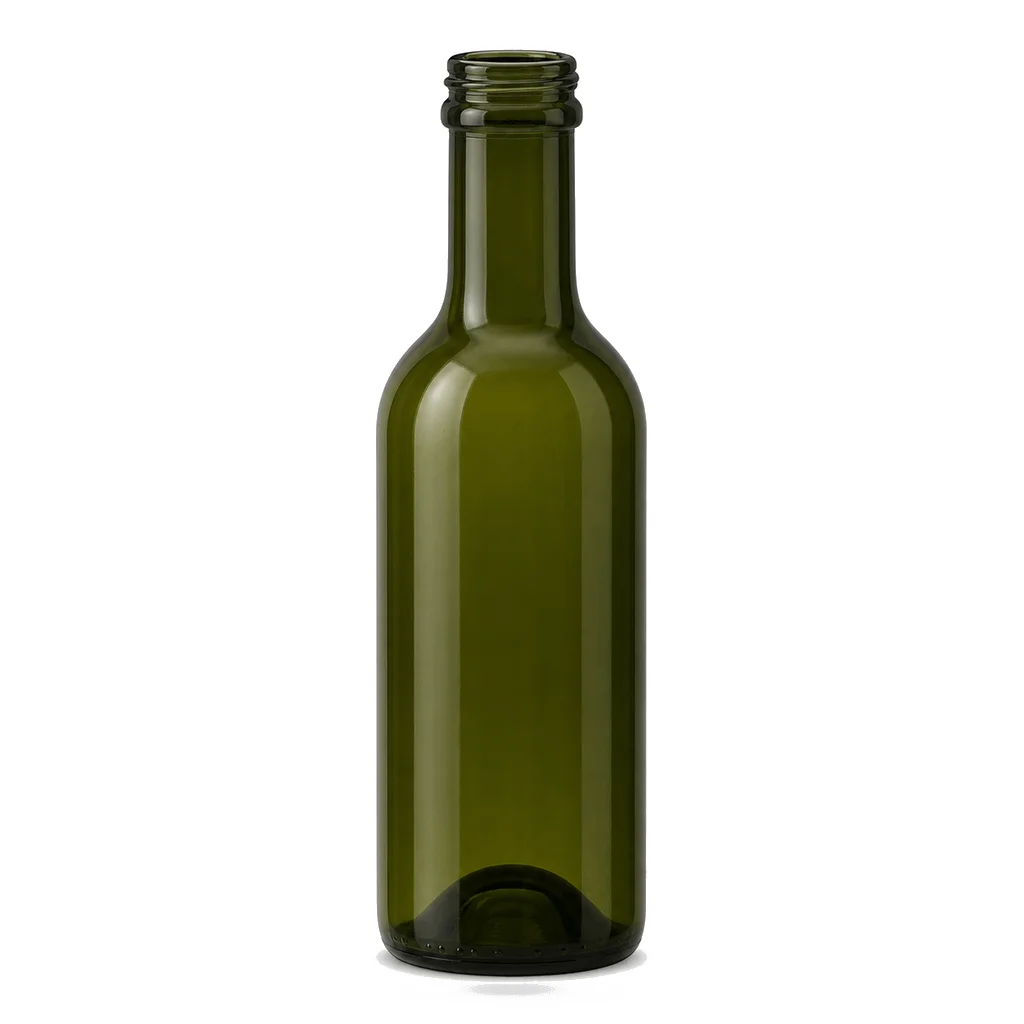
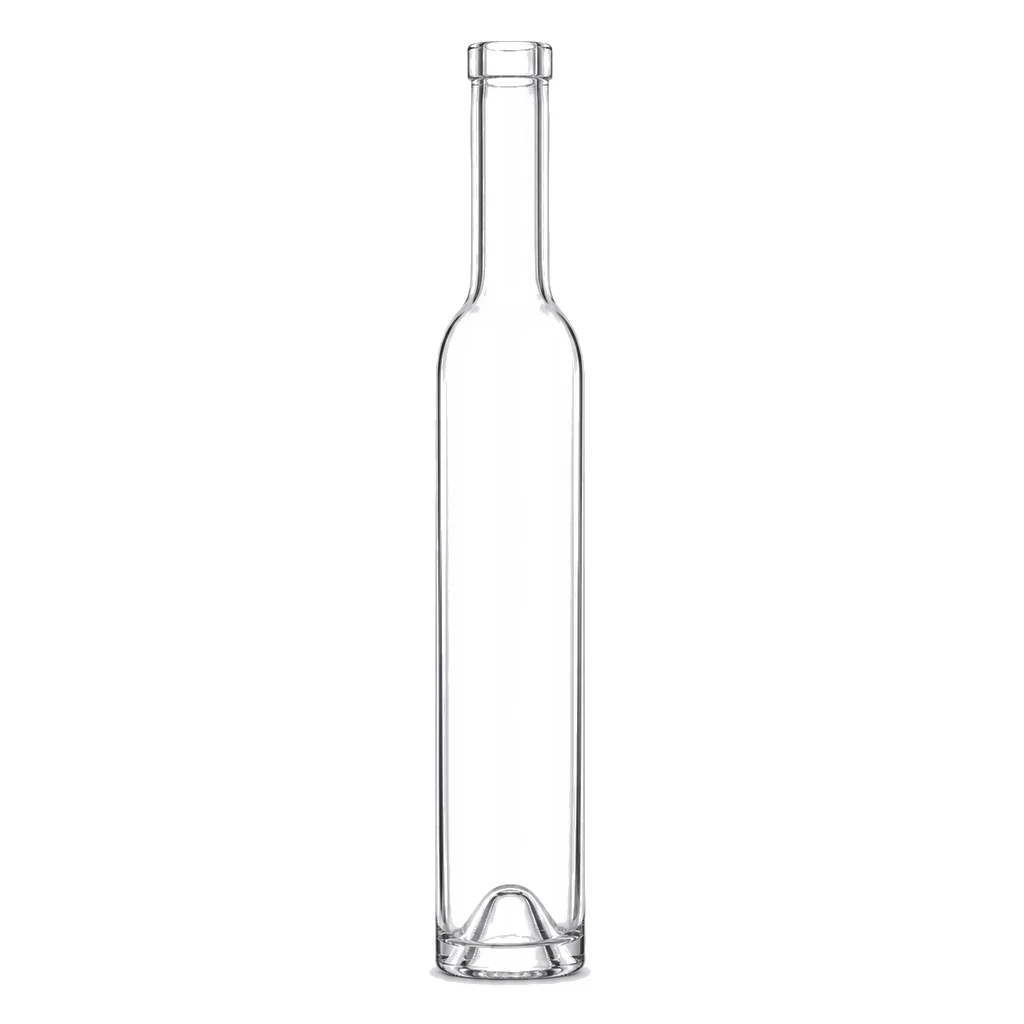
Slender tall half-size wine bottle with a long neck holding a golden dessert wine
Shown configuration · bare bottle / closure, capsule, label and wine not shown

Wine bottles

Ice Wine Bottle

A slim half-format bottle for intensely sweet dessert wines, where the liquid is thick enough to pour slowly and the packaging spend is justified by what is inside.

Half and smaller formatsViscous, slow-pouring wineSugar keeps it stable
Stock status
In stock
Lead time
2–3 weeks
FOB price / pc
$0.45 - $0.90
MOQ
5,000 pcs

Final availability, dimensions, materials, assembled components and commercial terms are confirmed against the selected drawing and approved sample.

Sold by the glass, not the bottle

Small formats are the norm

High sugar, high stability

Sweetness preserves

Expensive contents

Packaging cost is proportionally small

Ice Wine Bottle profile

A small bottle of a wine that costs more per milliliter than almost anything else on the shelf.

Format, viscosity & the economics of a rare wine

Six things that follow from a concentrated dessert wine.

Concentrated dessert wines are made from tiny yields and sold in small measures, which is why the half bottle and smaller are the standard formats. The high sugar concentration makes the wine unusually stable once opened, changes how it pours, and shifts the economics of packaging: relative to the contents, almost any bottle is inexpensive.

01

Small formats match how the wine is drunk

A dessert wine of this intensity is served in small measures at the end of a meal, so a full-size bottle would be opened and left far longer than most wines tolerate. The half bottle and smaller sizes reflect real consumption rather than a marketing convention, which is why they dominate the category.

02

High sugar makes the wine unusually forgiving once opened

Sugar concentration limits microbial activity and slows oxidative change, so an opened bottle keeps far longer in a refrigerator than a dry wine would. That makes a reliably reclosable closure more valuable than an elaborate one, since the customer will genuinely come back to the bottle over days or weeks.

03

The wine is viscous and pours slowly

Concentrated sugar makes the liquid noticeably thicker than a dry wine, and it moves slowly through a narrow neck and clings to the glass. A finish bore and lip profile that release a controlled stream rather than a dribble are worth checking on samples with a liquid of comparable viscosity.

04

The color is the sales pitch and light degrades it

The deep golden color of a concentrated dessert wine is a large part of its appeal, which pushes producers toward clear glass. That same clear glass offers the least protection against the light that dulls the color and flattens the aroma, and the compromise is best resolved by looking at how long the wine sits on a lit shelf.

05

Packaging spend is proportionally trivial

When the contents cost many times what any bottle costs, the usual arguments about glass weight and closure price lose their force. That is a rare freedom to specify the closure, the capsule and the secondary pack on performance and presentation alone, and it is one of the few categories where doing so is genuinely rational.

06

The bottle is often the gift, not the wine

A large share of these wines are bought as presents, so the pack is handled, examined and given rather than simply opened. Capsule quality, label finishing and the secondary carton all carry weight in that moment, and they are worth more attention here than the glass specification itself.
Application guide

A small bottle at a very high price per milliliter.

Ice wine is made from grapes harvested frozen, yields very little juice and sells in small formats at prices that put it among the most expensive wine by volume. The pack has to carry that. These are development directions confirmed with the actual wine.

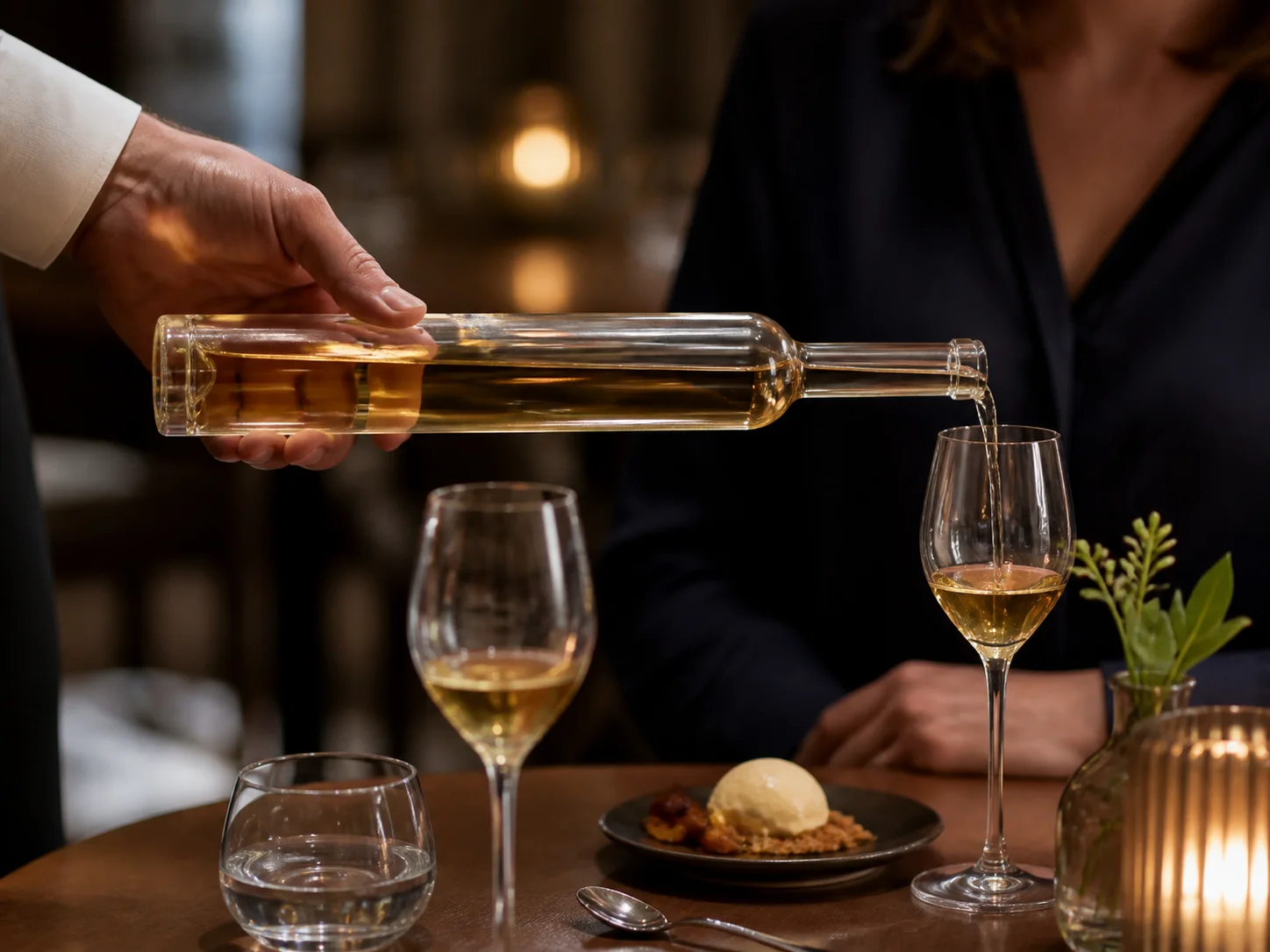
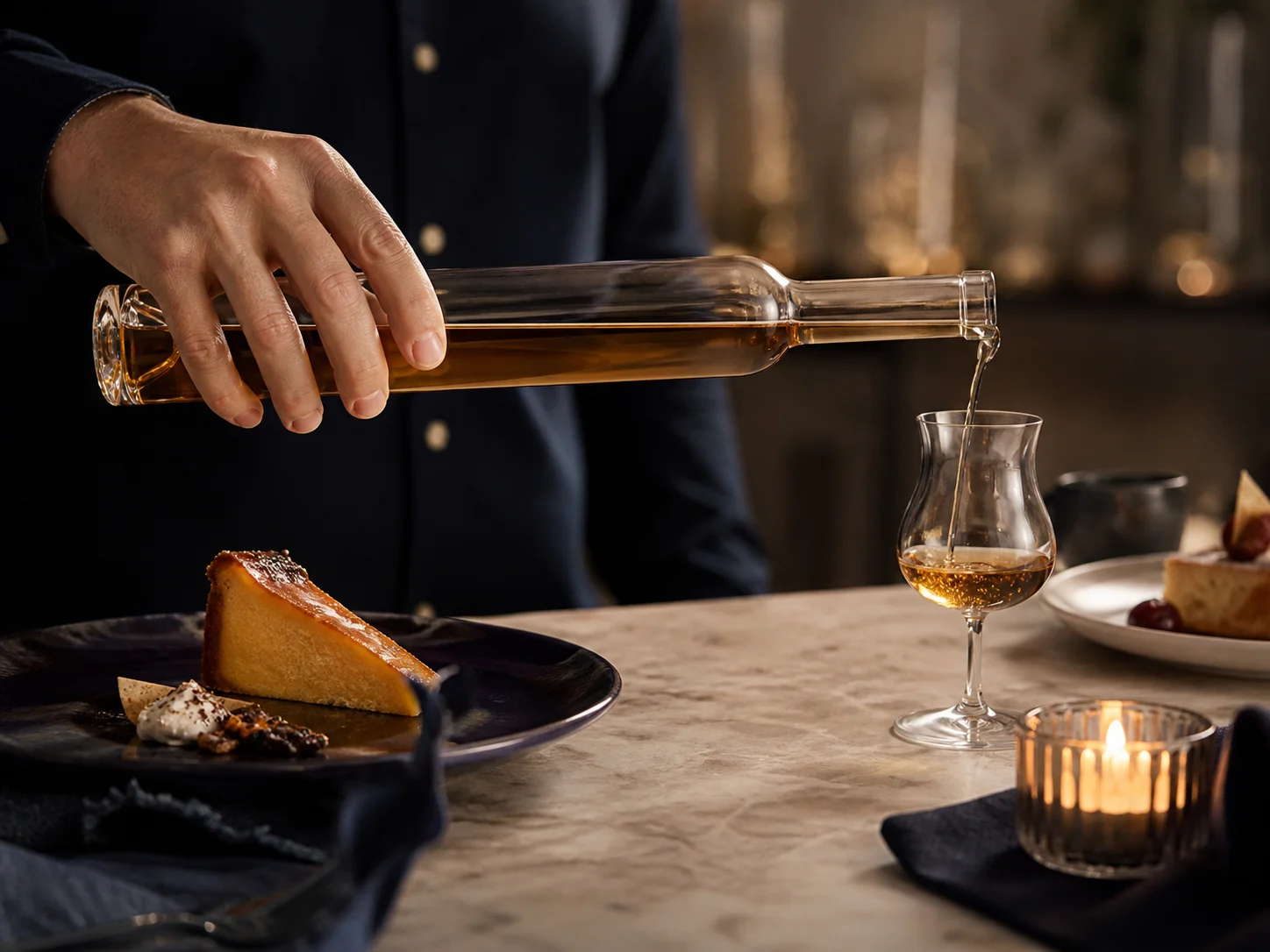
Ice Wine Bottle used for small bottles poured in tiny measures in a dessert wine setting

Dessert wine

Small bottles poured in tiny measures

For a wine served in 50 to 70 milliliter pours at the end of a meal, where a full-size bottle would be both wasteful and unaffordable. The slender format matches that serving reality, and the clear glass shows the deep golden color that is part of what the customer is paying for.

  • Match the format to a small serve
  • Let the golden color show
  • Confirm the size suits the price
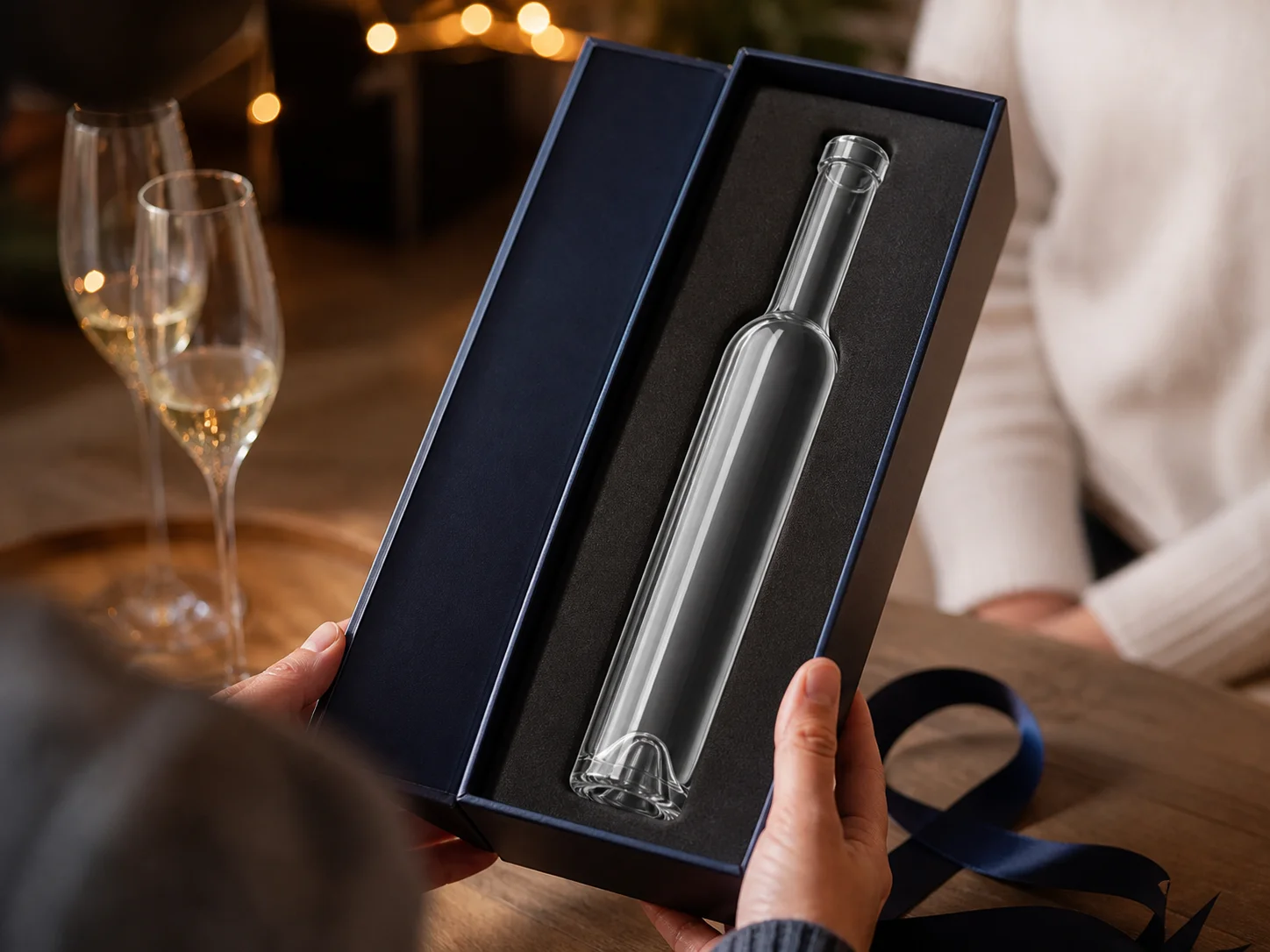
Ice Wine Bottle used for bottles bought almost entirely as presents in a gifting setting

Gifting

Bottles bought almost entirely as presents

Very little ice wine is bought for personal consumption, which makes the presentation box and how the slender bottle sits inside it central rather than secondary. The insert has to hold a small bottle securely enough that it does not rattle, since a loose gift reads as cheap.

  • Hold the slim bottle firmly in the insert
  • Design the box as part of the product
  • Confirm nothing rattles in transit
Ice Wine Bottle used for bottles opened for small pours in a tasting service setting

Tasting service

Bottles opened for small pours

In restaurants a bottle is opened and poured over several nights rather than finished at once, so what happens after opening matters unusually much. Whether the closure allows resealing, and how long the wine holds, both affect whether a venue will list it.

  • Consider resealing after opening
  • Confirm the wine holds after opening
  • Review the pour into a small glass

Applications describe development directions. Wine compatibility, closure fit, filling and distribution outcomes are confirmed for the selected program.

Common questions

Ice Wine Bottle questions

A tiny bottle of a wine that costs more per milliliter than almost anything nearby.

Why are these wines sold in half bottles?

Because that is how they are drunk. Served in small measures at the end of a meal, a full-size bottle would stand open far longer than most wines tolerate, so the format reflects real consumption rather than a marketing convention.

How long does an opened bottle last?

Much longer than a dry wine. Sugar concentration limits microbial activity and slows oxidative change, so a refrigerated opened bottle keeps well for a considerable time. That makes a closure that reseals reliably more valuable than an elaborate one, since customers genuinely return to the bottle over days or weeks.

Should we use clear glass?

It is a real trade rather than an obvious choice. The deep golden color is a large part of the appeal and clear glass shows it, while offering the least protection against light that dulls color and flattens aroma. Resolve it by looking at how long the wine actually sits on a lit shelf.

The bottle is often the gift — what follows from that?

The presentation carries the value, not the volume. A half bottle of dessert wine is bought to be given, so the box, the insert and how the bottle sits in the hand do work that the wine cannot do on shelf. Budget the pack accordingly; it is a small fraction of the bottle price here.

Next step

Send us the Ice Wine Bottle brief.

Tell us the product, fill volume, closure preference and destination market. We will come back with the matching drawings, available configurations and a sample plan before anything is quoted.

  • 01Send the briefProduct, volume, closure and market
  • 02Get the optionsMatching drawings and configurations
  • 03Approve the sampleConfirm the pack before production