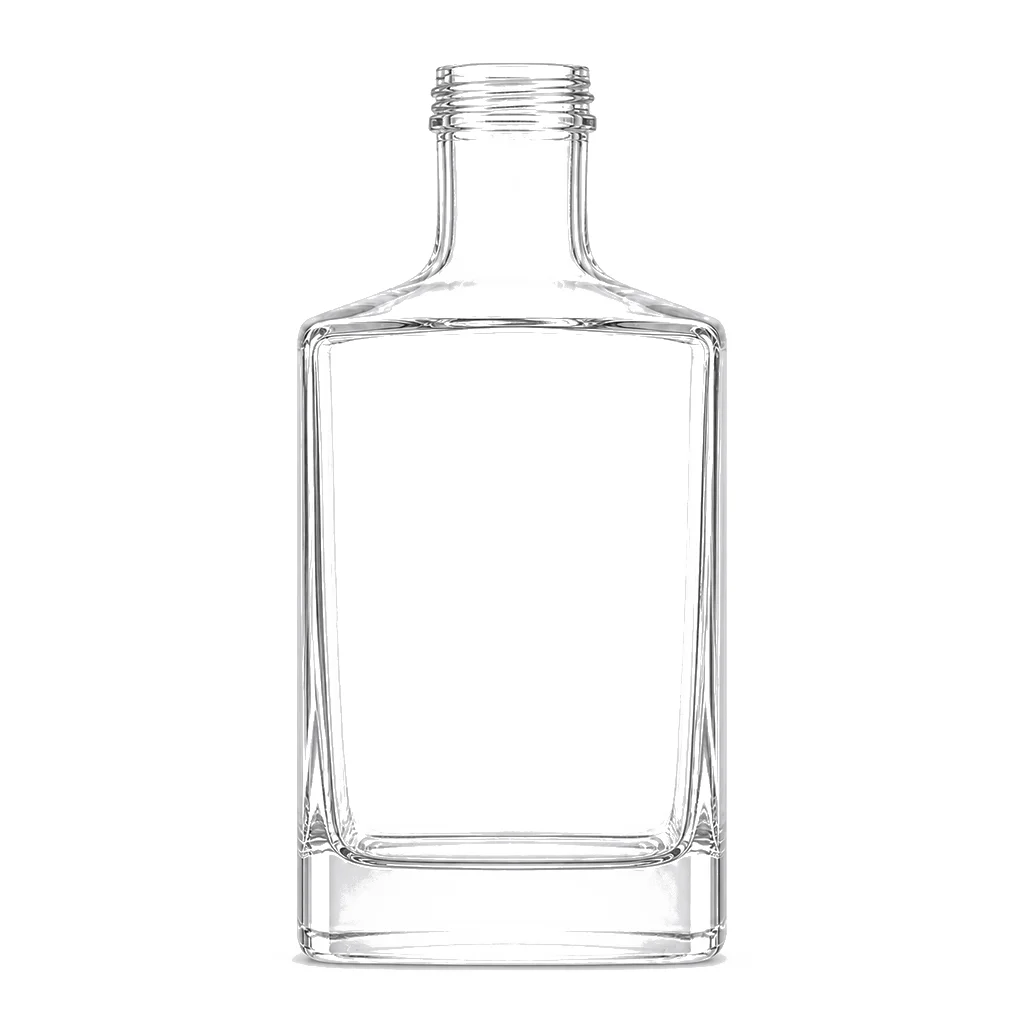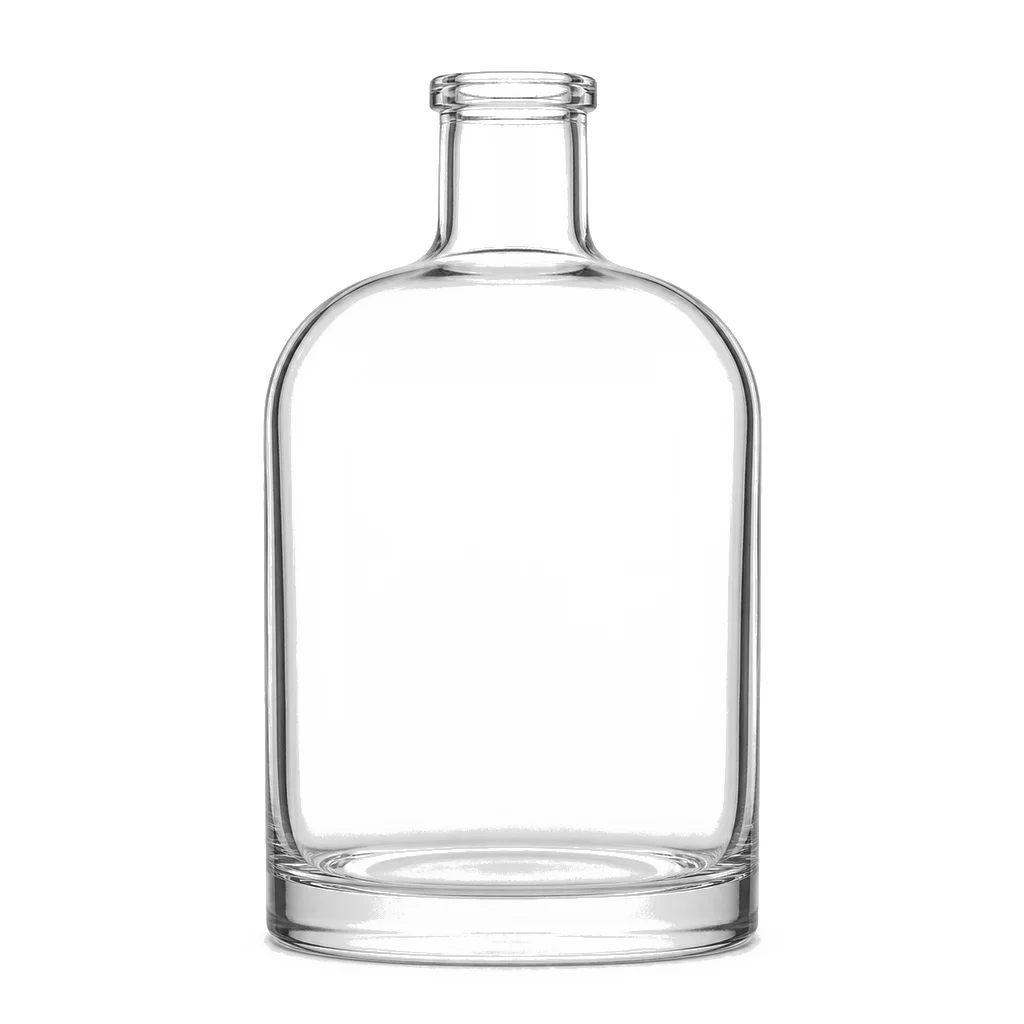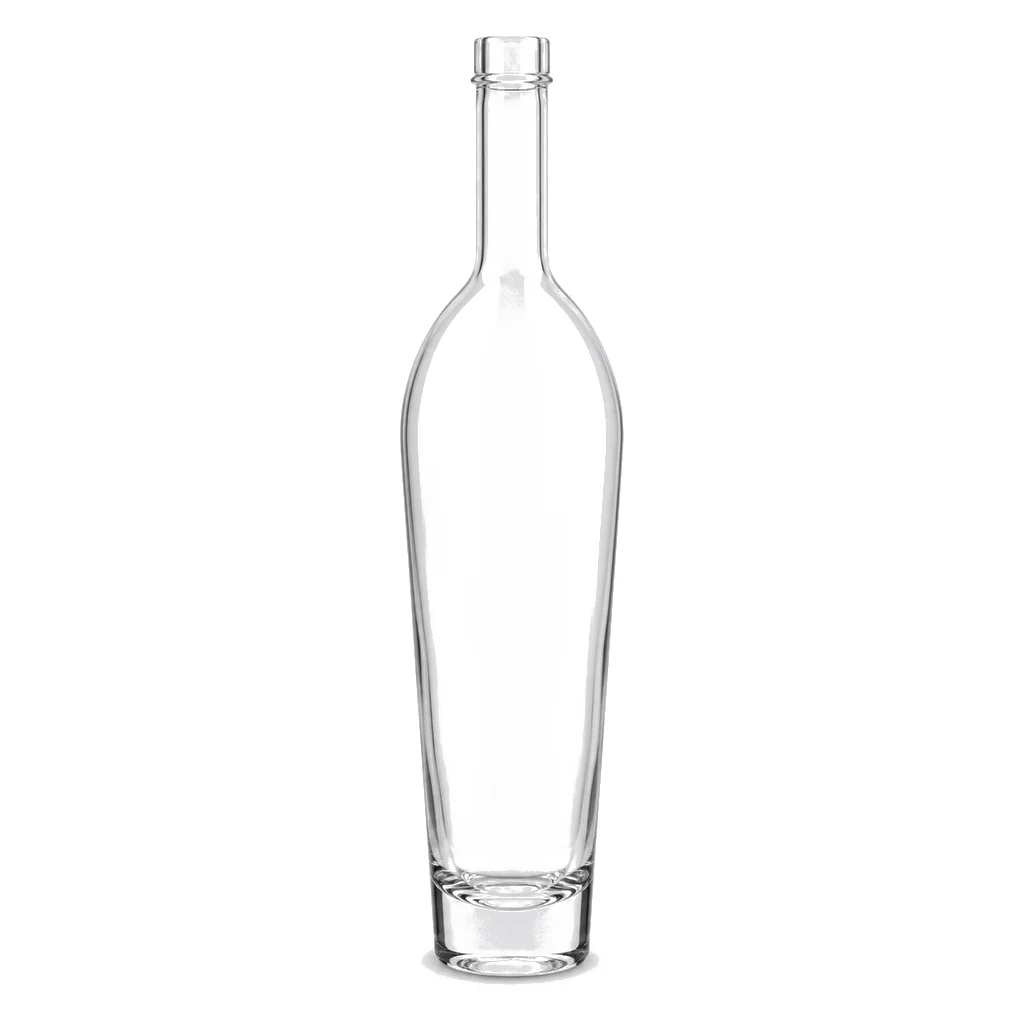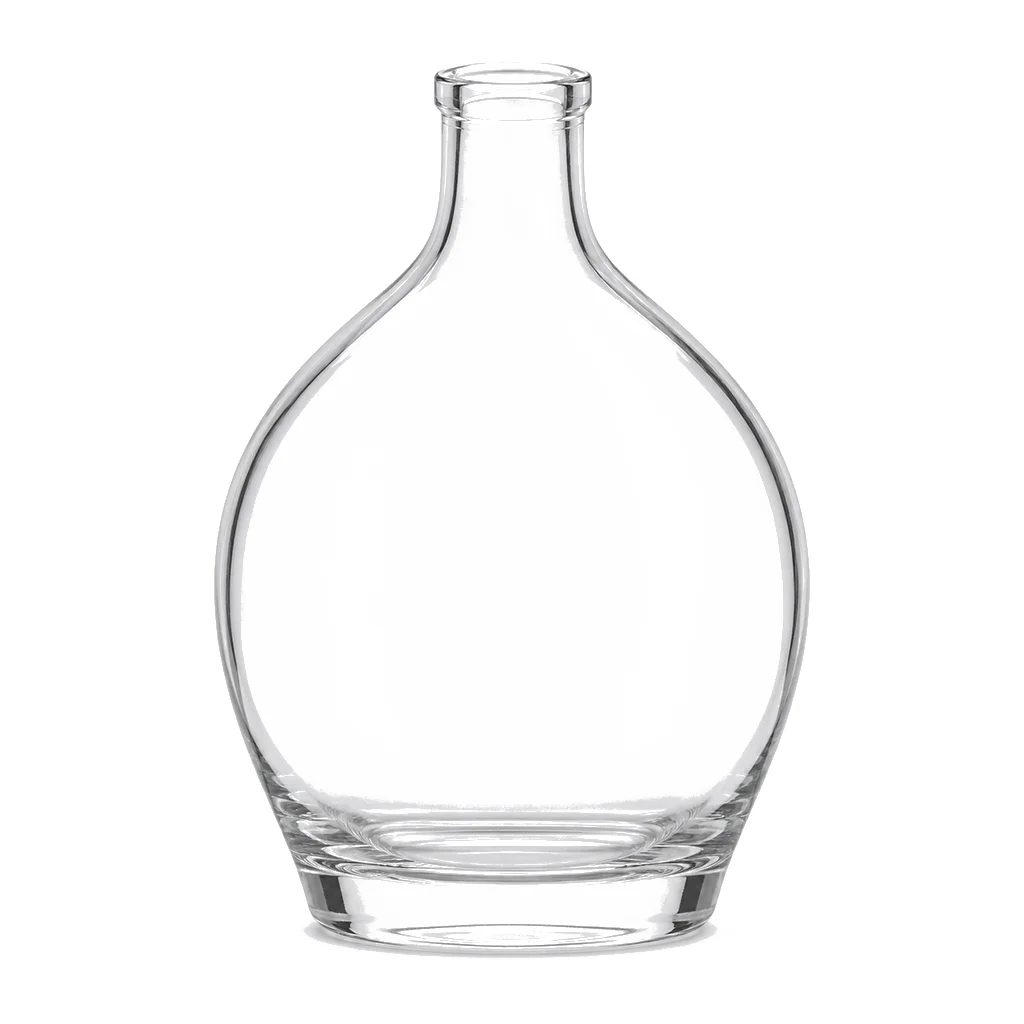
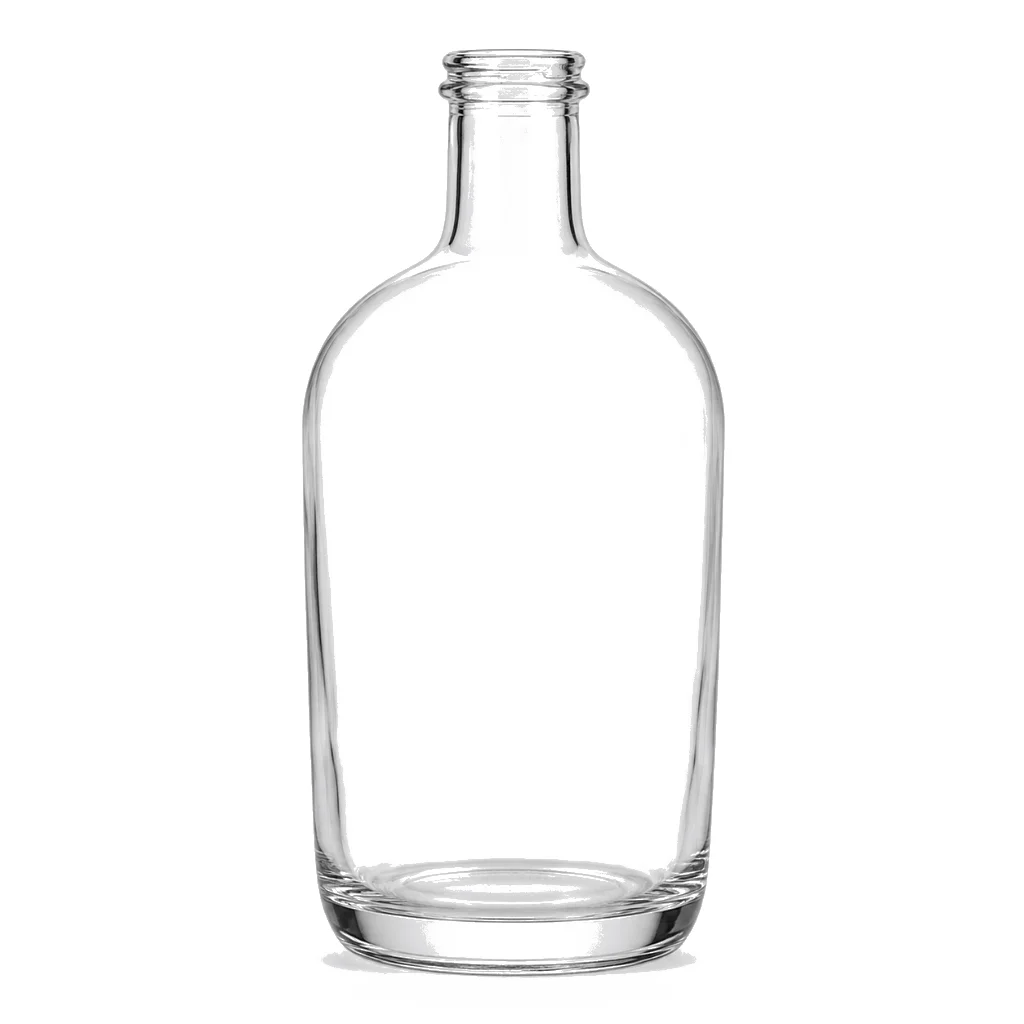
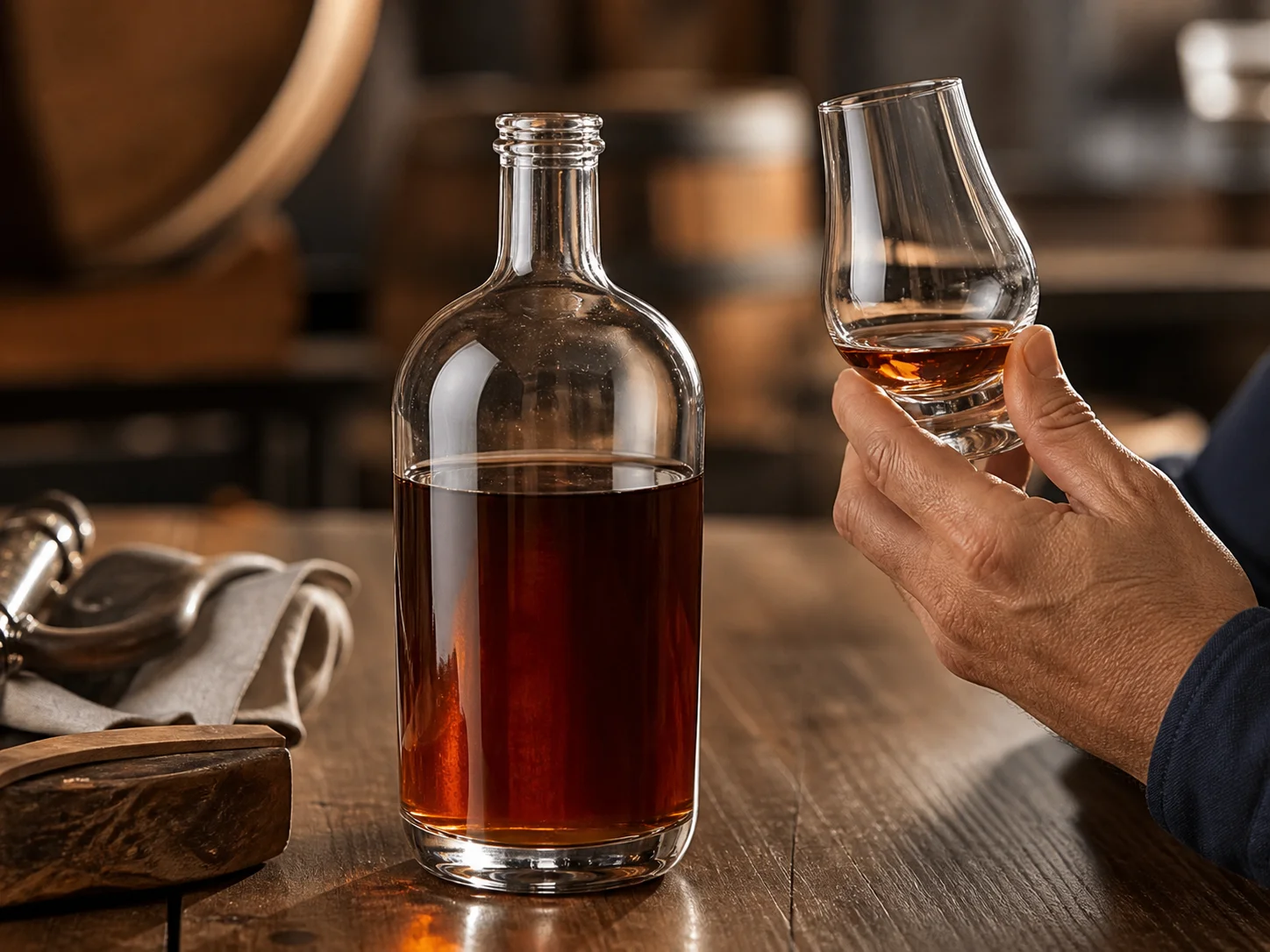
Broad-shouldered spirit bottle with a short neck holding a dark rum
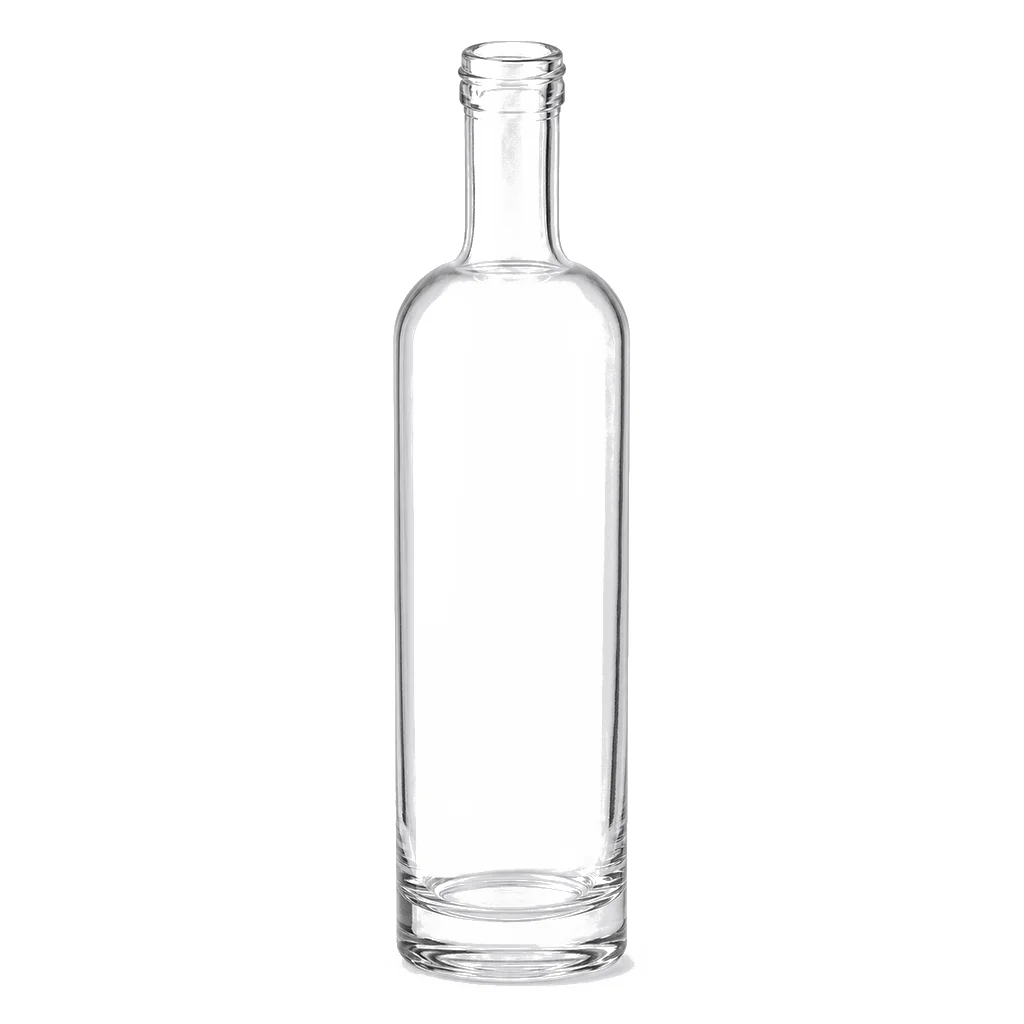
Shown configuration · bare bottle / closure, label and spirit not shown

Spirits bottles

Rum Bottle

A rum bottle, where the color range runs from water-clear to near black, the spirit may carry added sugar, and shipping routes pass through genuine heat.

Color spans the whole rangeSugar leaves residueTropical routes get hot
Stock status
In stock
Lead time
2–3 weeks
FOB price / pc
$0.95 - $1.40
MOQ
2,000 pcs

Final availability, dimensions, materials, assembled components and commercial terms are confirmed against the selected drawing and approved sample.

Dark hides, clear exposes

One family, two problems

Sticky finishes are common

Reclosure has to cope

Heat in transit

Expansion and label adhesion

Rum Bottle profile

One category, spanning a clear neutral spirit and an almost opaque one, with different packaging problems at each end.

Color range, sugar content & tropical distribution

Six things that vary across a rum portfolio.

A rum range typically runs from an unaged white through gold to a dark expression, and the packaging requirements move with it. The clear end exposes glass quality and any liner taint; the dark end hides both but often carries added sugar that makes the finish sticky. Between them sits a distribution route that frequently includes real heat.

01

The clear expressions are judged like a neutral spirit

An unaged white rum in clear glass shows every inclusion in the bottle and offers no cover for anything a liner contributes. Those expressions should be specified with the tighter glass standards and the sensory testing that a colorless spirit demands, even where the rest of the range does not need them.

02

The dark expressions are more forgiving and look heavier

A dark rum conceals glass defects, hides fill variation and reads as substantial in the same bottle that looks unremarkable holding a clear spirit. That means the same glass can serve both ends of a range while performing very differently, which is worth confirming visually rather than assuming from the specification.

03

Added sugar leaves the finish sticky

A number of rums carry residual or added sugar, and any spirit that reaches the thread during pouring dries to a tacky residue. A closure that reseals reliably onto that surface, and does not become progressively harder to open, is a practical requirement rather than a refinement.

04

Distribution passes through heat

Rum is frequently produced in warm regions and shipped in containers that reach high temperatures. Liquid expands, headspace pressure rises and label adhesives are tested well beyond what a temperate supply chain requires. Specifying adhesives and closures against those conditions prevents problems that only appear after the first summer shipment.

05

Heat and humidity attack labels before anything else

Warm, humid conditions in transit and storage lift label edges, soften adhesives and can wrinkle uncoated papers. Label material and adhesive selection is where a tropical supply chain shows up first, and it is worth testing labeled bottles under humid warmth rather than only in a laboratory at ambient conditions.

06

The category expects some visual character

Rum carries associations of place and craft, and the packaging is generally expected to acknowledge it through embossing, a distinctive shoulder or a cork closure rather than a plain cylinder. That expectation supports investment in the bottle in a way a strictly commodity spirit would not.
Application guide

Rum ranges from clear to almost black in the same bottle.

Unlike vodka or gin, rum arrives in every shade from white to deep mahogany, and a clear bottle puts that color at the center of the presentation. These are development directions confirmed with the actual spirit.

Rum Bottle used for bottles where color signals maturity in a aged expressions setting

Aged expressions

Bottles where color signals maturity

For aged and dark rums where a customer reads depth of color as an indication of time in cask before reading anything on the label. Clear glass and a broad body display that generously, which is why the category rarely hides its spirit behind tinted or opaque bottles.

  • Judge the spirit color in the bottle
  • Confirm the body displays it well
  • Review under retail lighting
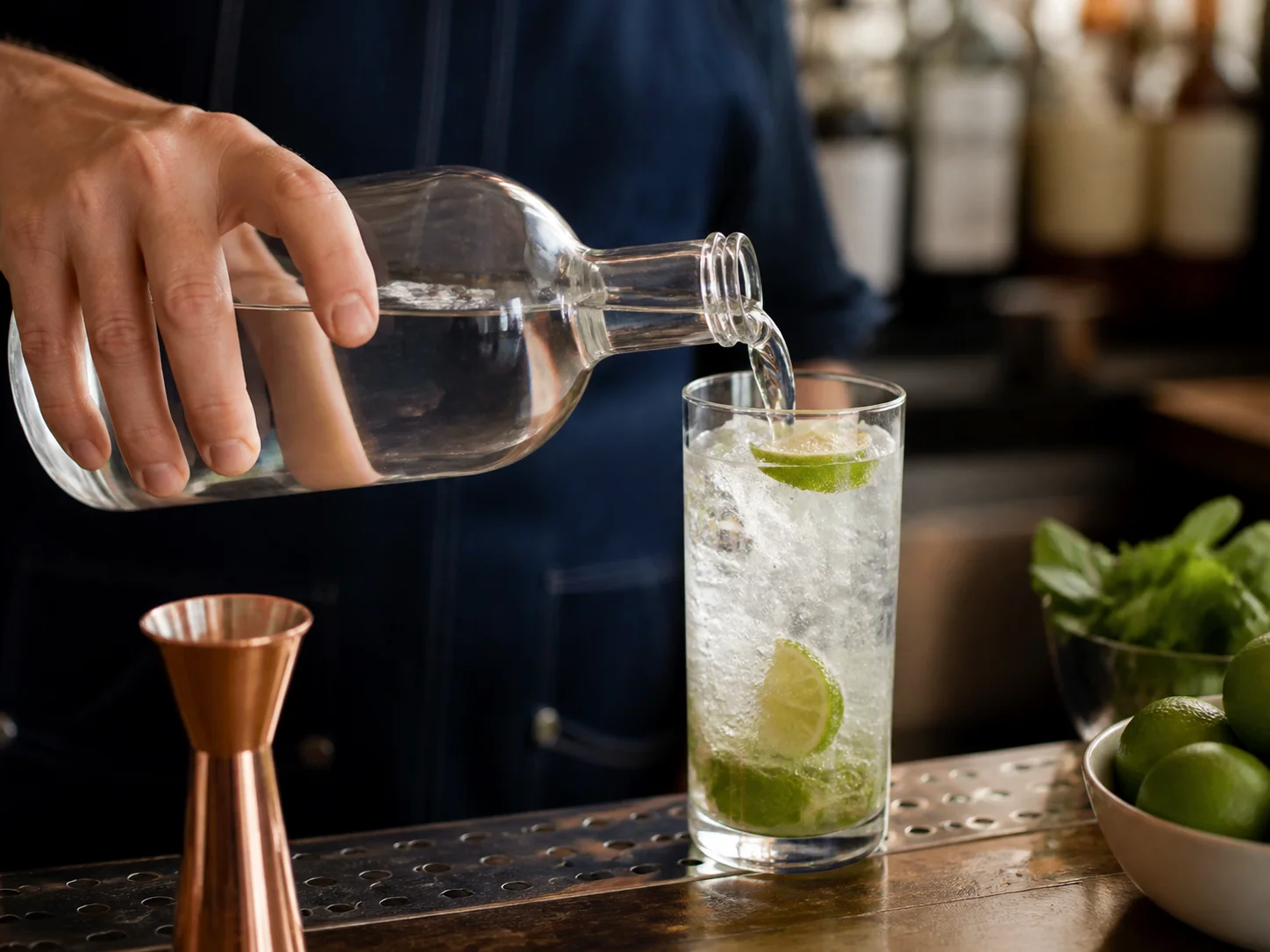
Rum Bottle used for bottles poured into cocktails at volume in a white and mixing rums setting

White and mixing rums

Bottles poured into cocktails at volume

For white rums used mostly in mixed drinks, where the bottle spends its life on a busy bar rather than a display shelf. Grip during a rapid pour and a closure that opens quickly matter more than presentation, since the customer usually never sees the bottle at all.

  • Confirm grip during a fast pour
  • Test the closure at service speed
  • Check the bottle fits a rail
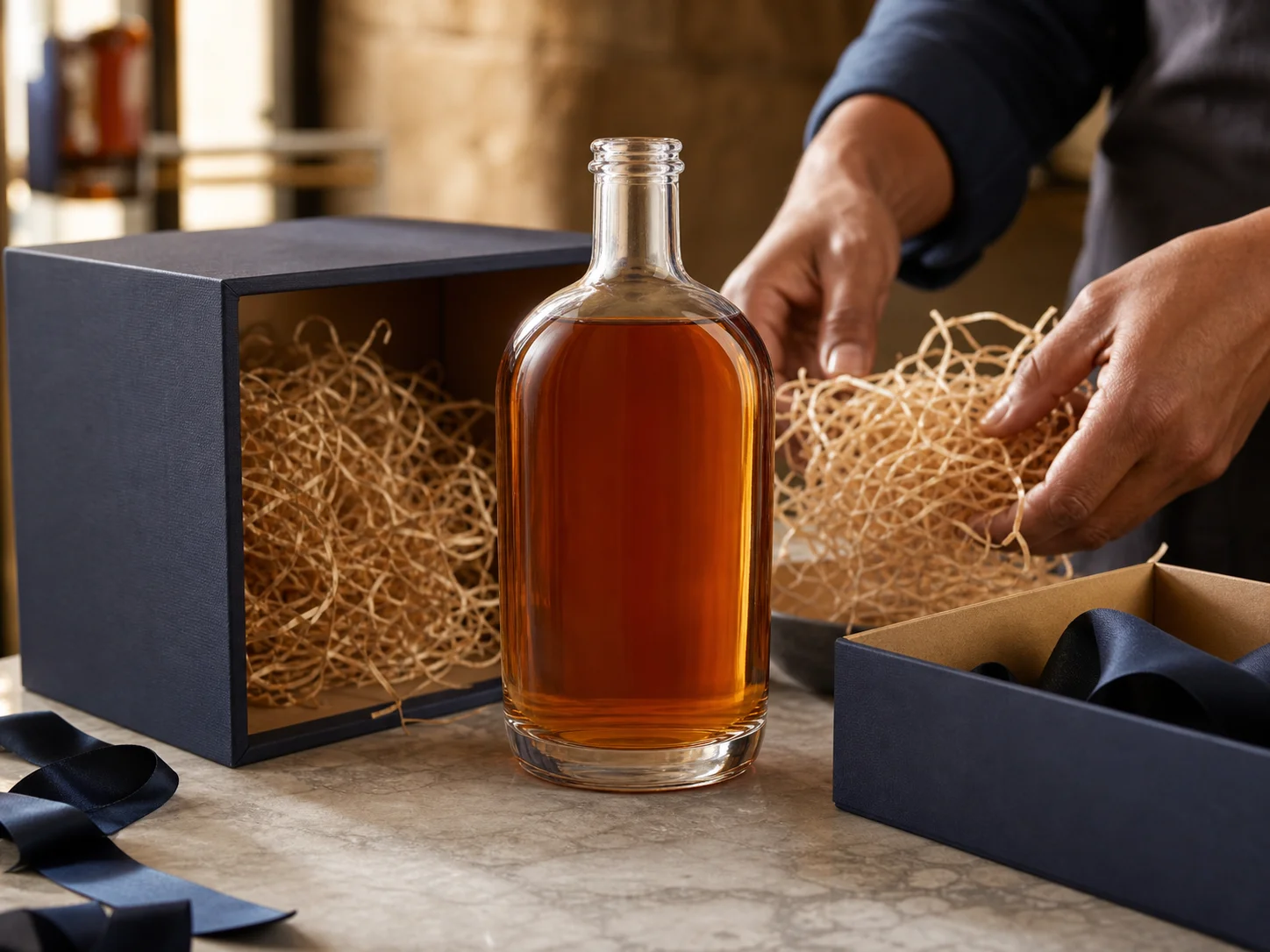
Rum Bottle used for boxed rums with heavy decoration in a premium gifting setting

Premium gifting

Boxed rums with heavy decoration

Premium rum leans on Caribbean and heritage imagery, often with substantial applied decoration and boxed presentation. The generous body carries that artwork, and the decoration has to survive both the carton and the handling a gift bottle receives before it is opened.

  • Confirm decoration survives the carton
  • Coordinate bottle and box artwork
  • Test the boxed bottle filled

Applications describe development directions. Spirit compatibility, closure fit, filling and distribution outcomes are confirmed for the selected program.

Common questions

Rum Bottle questions

One family of products with two different packaging problems at its ends.

Can one bottle serve our whole range?

It can, and it will perform differently at each end. A clear white rum exposes every glass inclusion and any liner taint, while a dark expression conceals both and reads as more substantial in the identical bottle. Confirm that visually with each expression filled rather than assuming from the glass specification.

Do the clear expressions need different standards?

They need the standards a colorless spirit demands — tighter limits on glass inclusions and sensory testing of the closure system — even where the rest of the range does not. Applying the looser standard across a portfolio because most of it is dark is how the white expression ends up looking worst.

Does shipping from a warm region change the specification?

It should. Containers on tropical routes reach high temperatures, so liquid expands, headspace pressure rises and adhesives are tested well beyond temperate conditions. Specifying against those temperatures prevents problems that otherwise appear only after the first summer shipment has already been delivered.

How plain can a rum bottle be?

Less plain than a vodka bottle can. The category carries an expectation of visual character — embossing, a shaped body, some weight in the base — and a completely plain bottle tends to read as own-label. Decide how much of that expectation to meet before the mold is chosen.

Next step

Send us the Rum Bottle brief.

Tell us the product, fill volume, closure preference and destination market. We will come back with the matching drawings, available configurations and a sample plan before anything is quoted.

  • 01Send the briefProduct, volume, closure and market
  • 02Get the optionsMatching drawings and configurations
  • 03Approve the sampleConfirm the pack before production