Cork contact, closure choice & long ownership
Six things behind a brandy bottle specification.
Wine bottles are laid down so the cork stays wet. A spirit bottle must not be, because alcohol at spirit strength degrades cork on prolonged contact, softening it and drawing extract into the liquid. That single difference governs how these bottles are stored and displayed, and it sits behind a category that has settled on wide, short-necked, decanter-like proportions.
Spirit strength and cork do not tolerate long contact
Alcohol at spirit concentration breaks cork down over time, unlike wine at a much lower strength where the cork stays intact and swollen. That is why spirits are stored upright and why the guidance appears on retailer training rather than being obvious to a customer who has learned to lay wine down.
The closure is a T-top for reclosure, not a driven cork
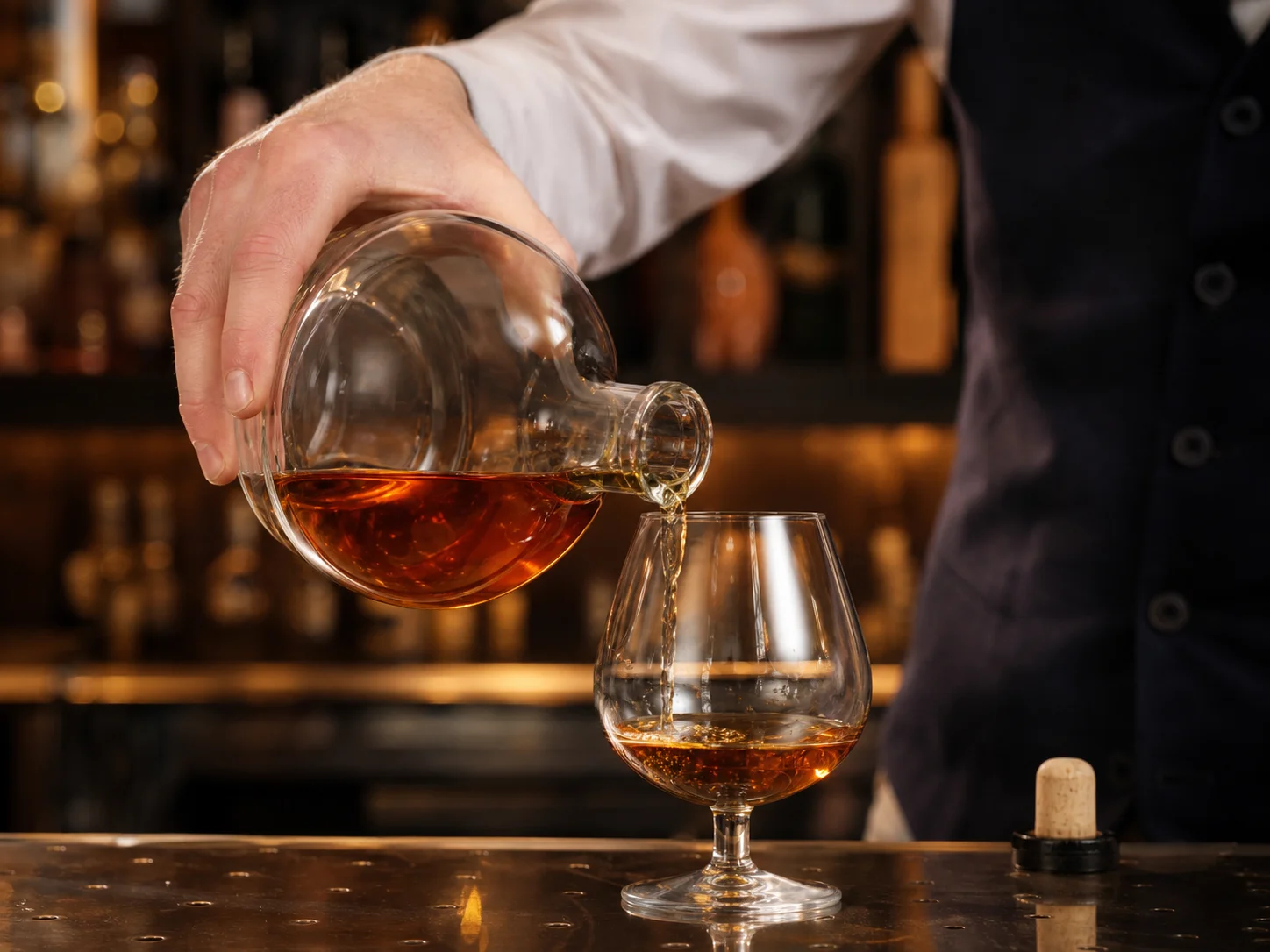
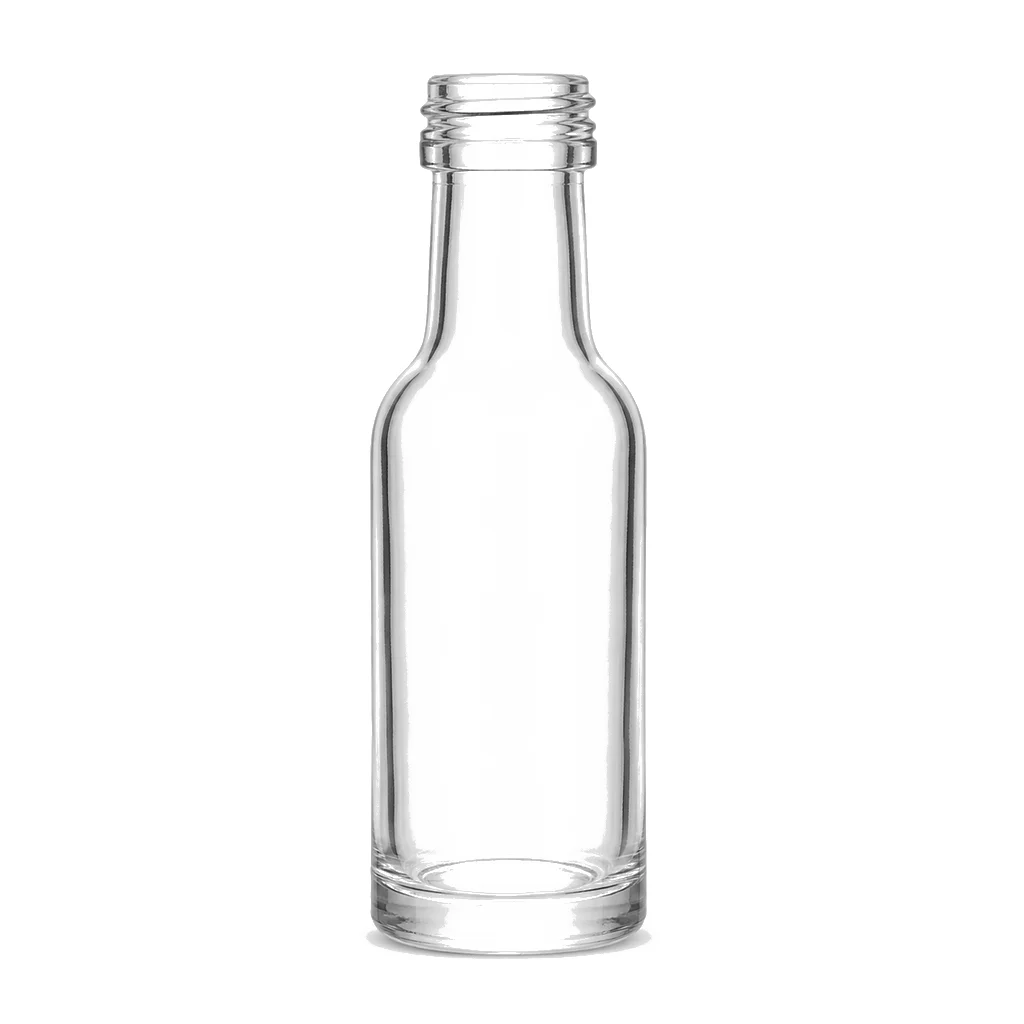
A brandy bottle is opened and reclosed many times over months, so the closure has a head to grip and a shank that reseals, rather than the driven cork used for wine. That distinction is functional, and it also explains why the finish is different from a wine finish and not interchangeable with it.
A bottle stays open for a long time
A spirit at this strength does not spoil once opened, but the fill level drops and the headspace grows, so slow oxidative change over months is real. A closure that reseals consistently after many openings does more for the last measure in the bottle than any other packaging decision.
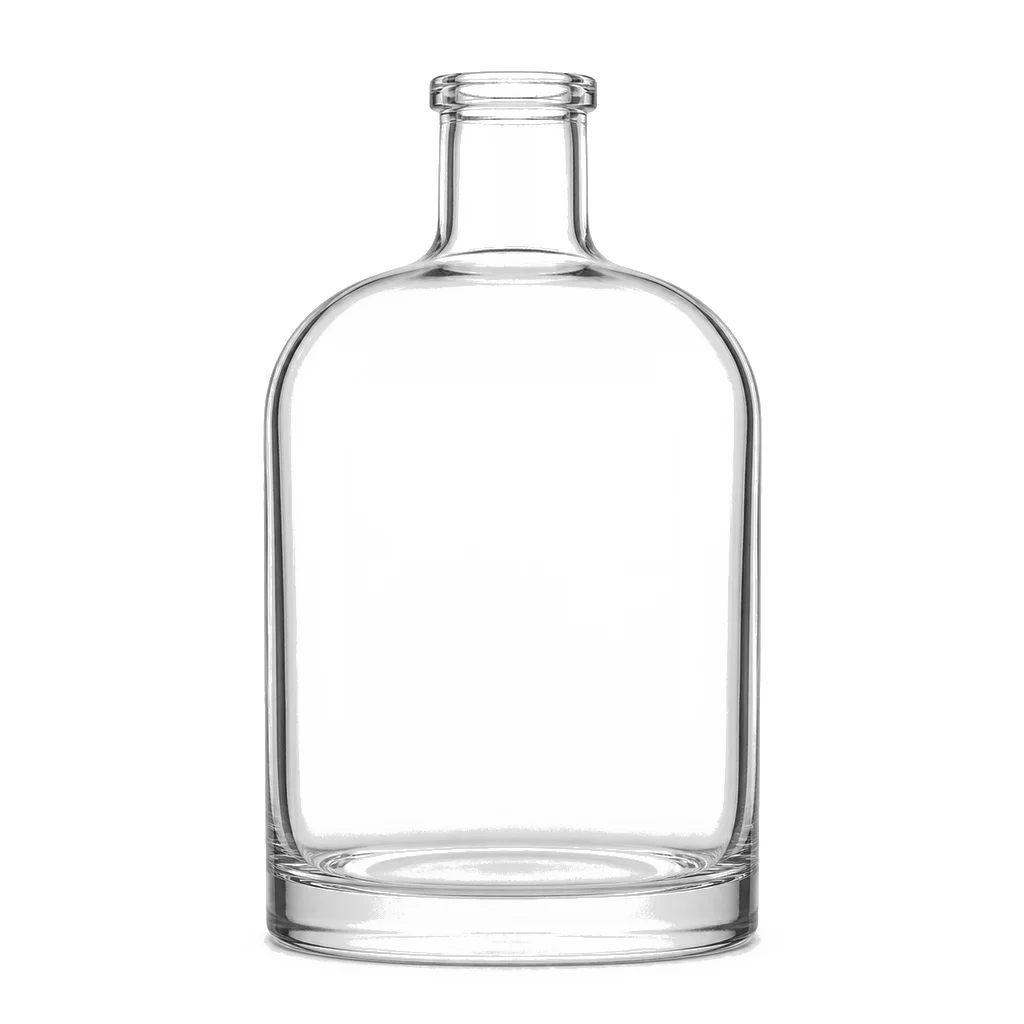
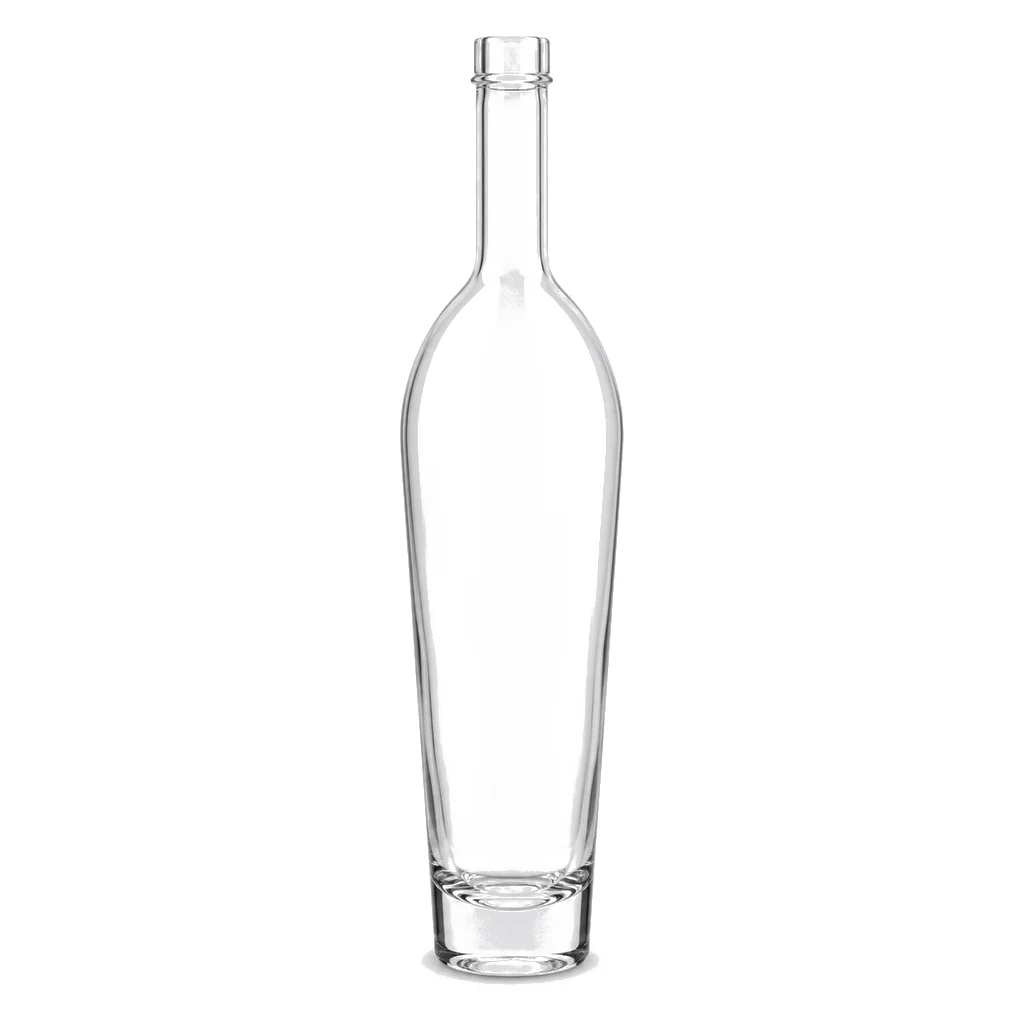
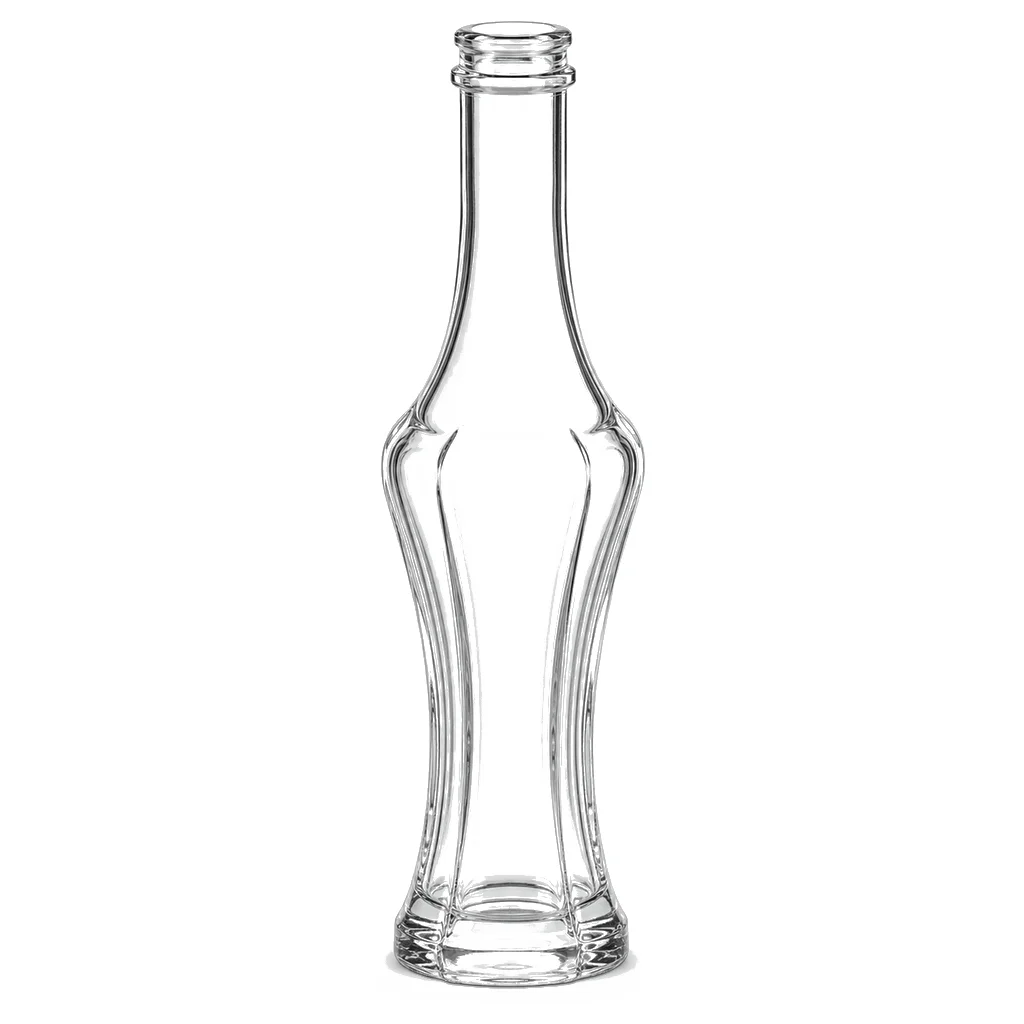
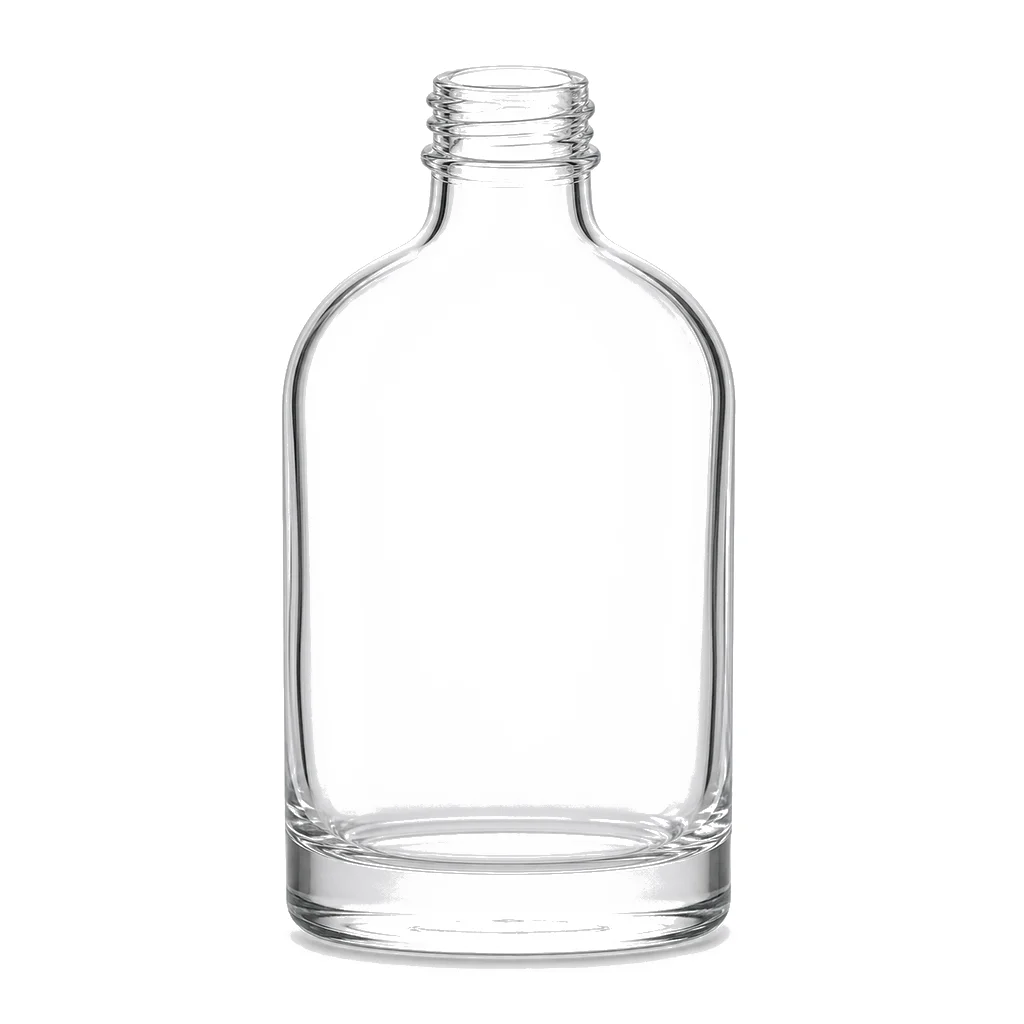
Wide, short-necked proportions are about presence
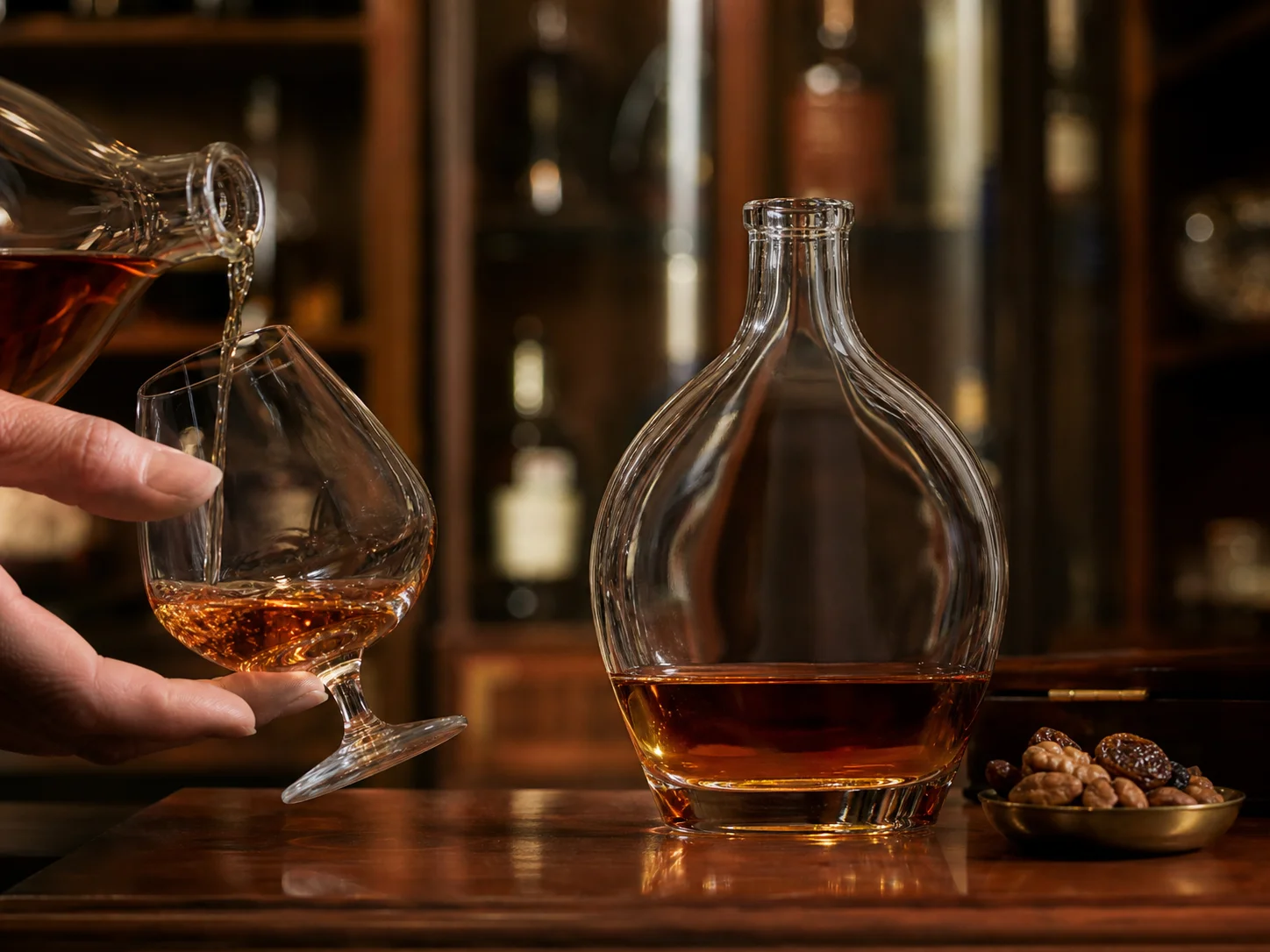
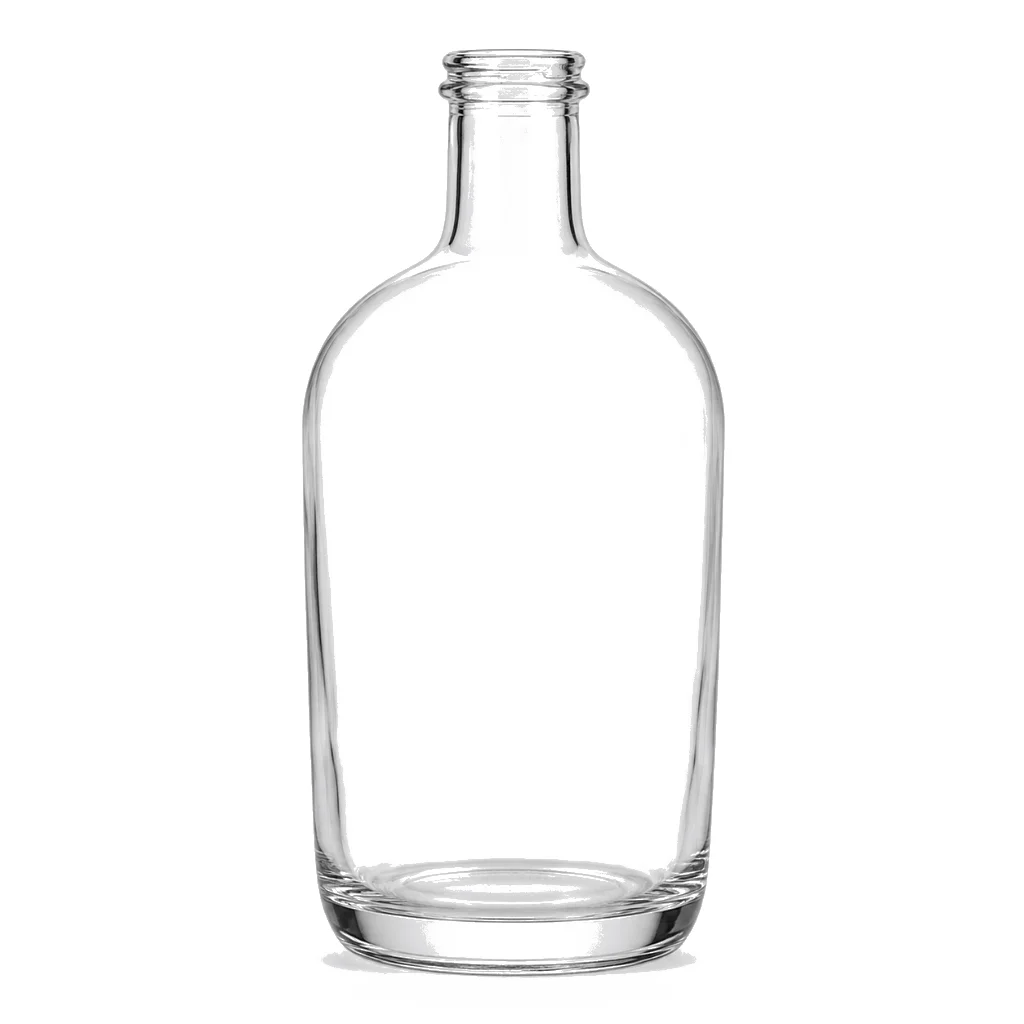
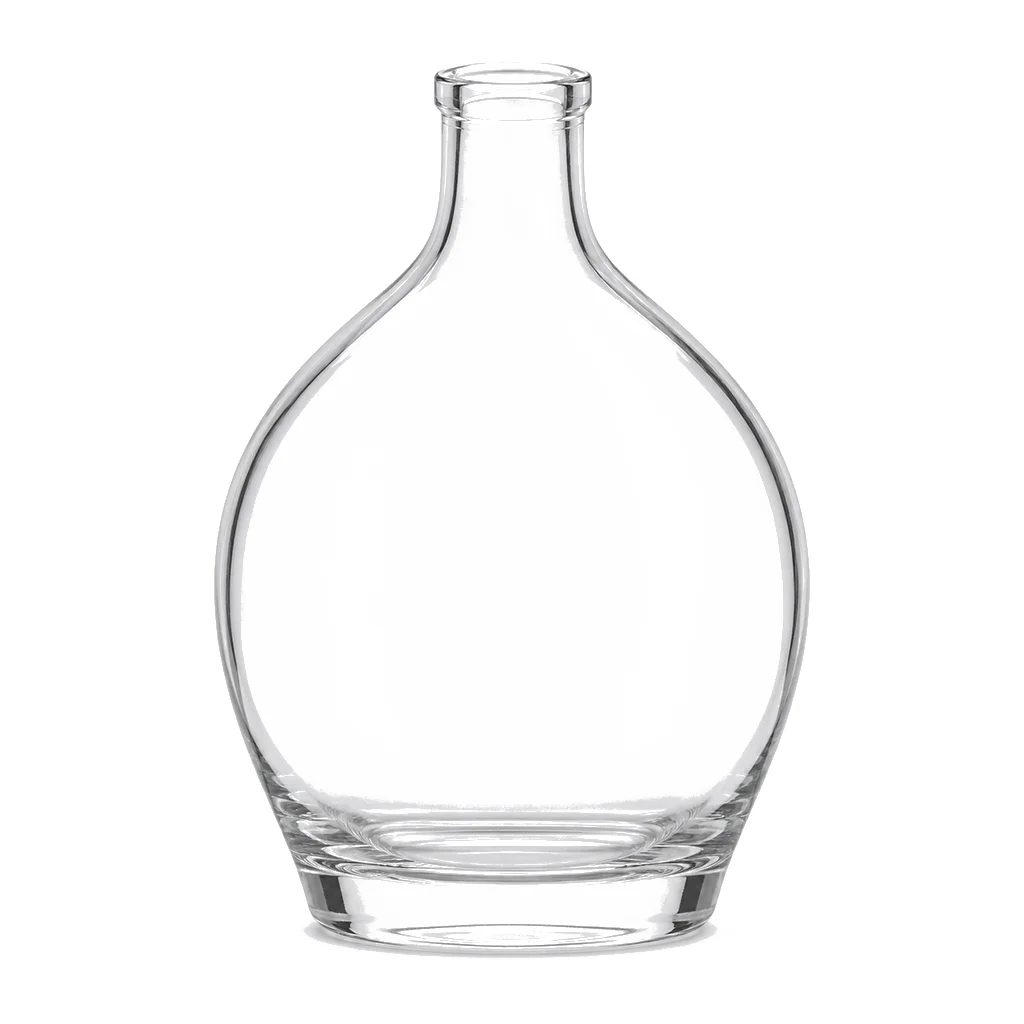
The category shape sacrifices packing efficiency for a substantial, decanter-like appearance that suits how the spirit is served and displayed. It also puts the mass low, which makes the bottle stable, and gives a broad label panel that suits the horizontal lockups the category tends to use.
Capsule and closure carry as much weight as the glass
At this price tier the customer notices the capsule material, how cleanly it cuts or peels, and how the cork feels in the hand. Those components are handled directly at the moment of opening, often in front of others, which makes them a poor place to save money relative to their share of the cost.
Aged spirits are frequently bought as gifts
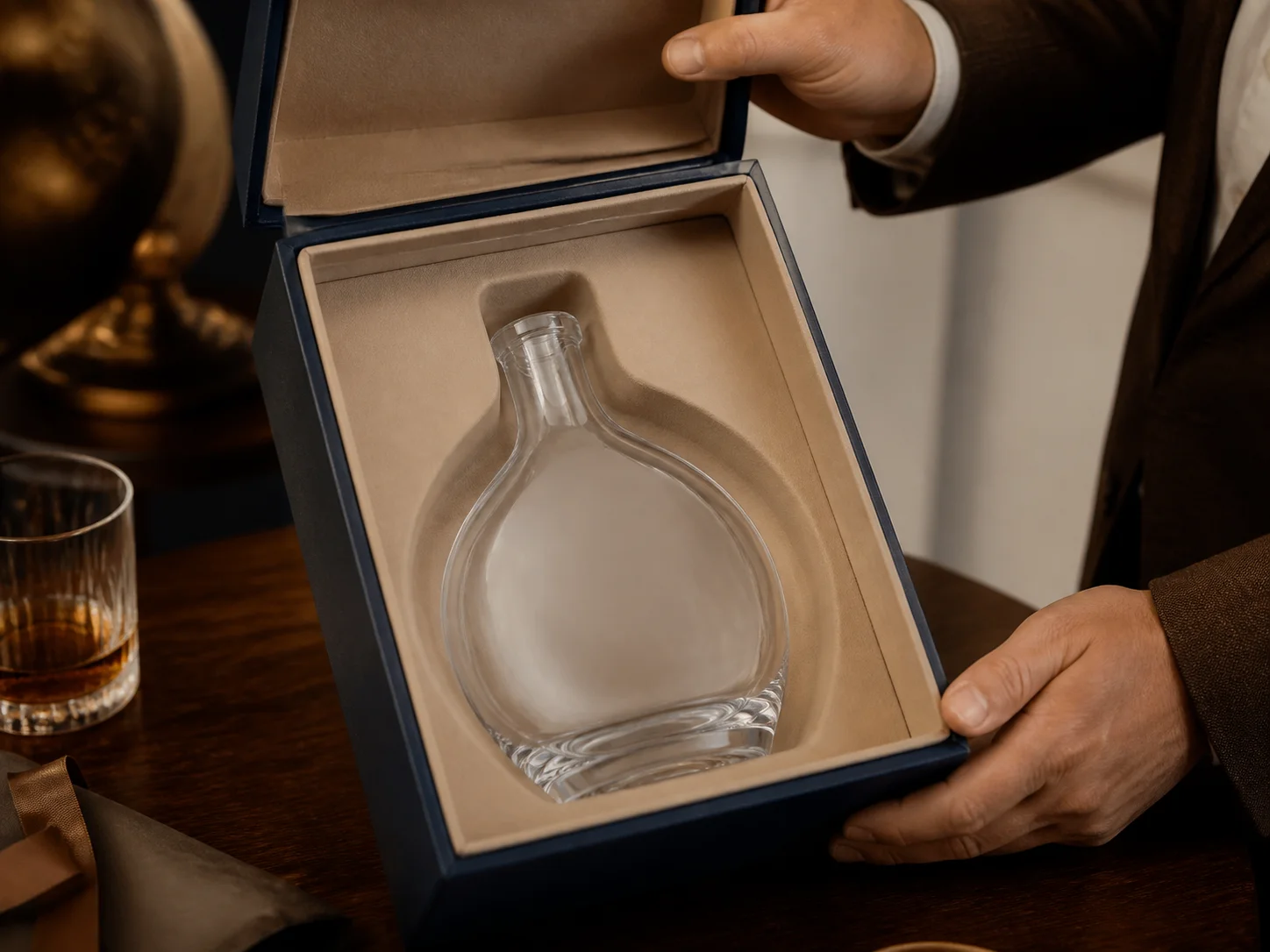
A large share of the category moves as presents, so the carton, insert and the sense of occasion when it is opened matter commercially. Developing the outer pack alongside the bottle, rather than after it, is how that moment is designed rather than left to chance.