
Denomination rules, expression families & the kept bottle
Six things that shape an agave spirit pack.
Agave spirits under protected denominations are governed by rules covering where they may be produced and, in defined cases, where and how they may be bottled. Those rules affect whether bulk export and local filling are options at all, which makes them a supply chain question that has to be settled before a bottle program is designed around it.
Where it may be bottled is part of the regulation
Protected denominations set requirements on production region and can also govern bottling, including whether a product may be exported in bulk and filled elsewhere. That determines where a bottle needs to be delivered and in what quantity, so it belongs at the start of a packaging plan rather than being discovered during logistics.
Category claims need documentation behind them
Statements about agave content, denomination, production method and aging carry regulatory weight, and the packaging carries those statements. Artwork should be developed against the evidence the producer holds for each claim rather than against category language borrowed from other brands.
A range should look like a family and stay distinguishable
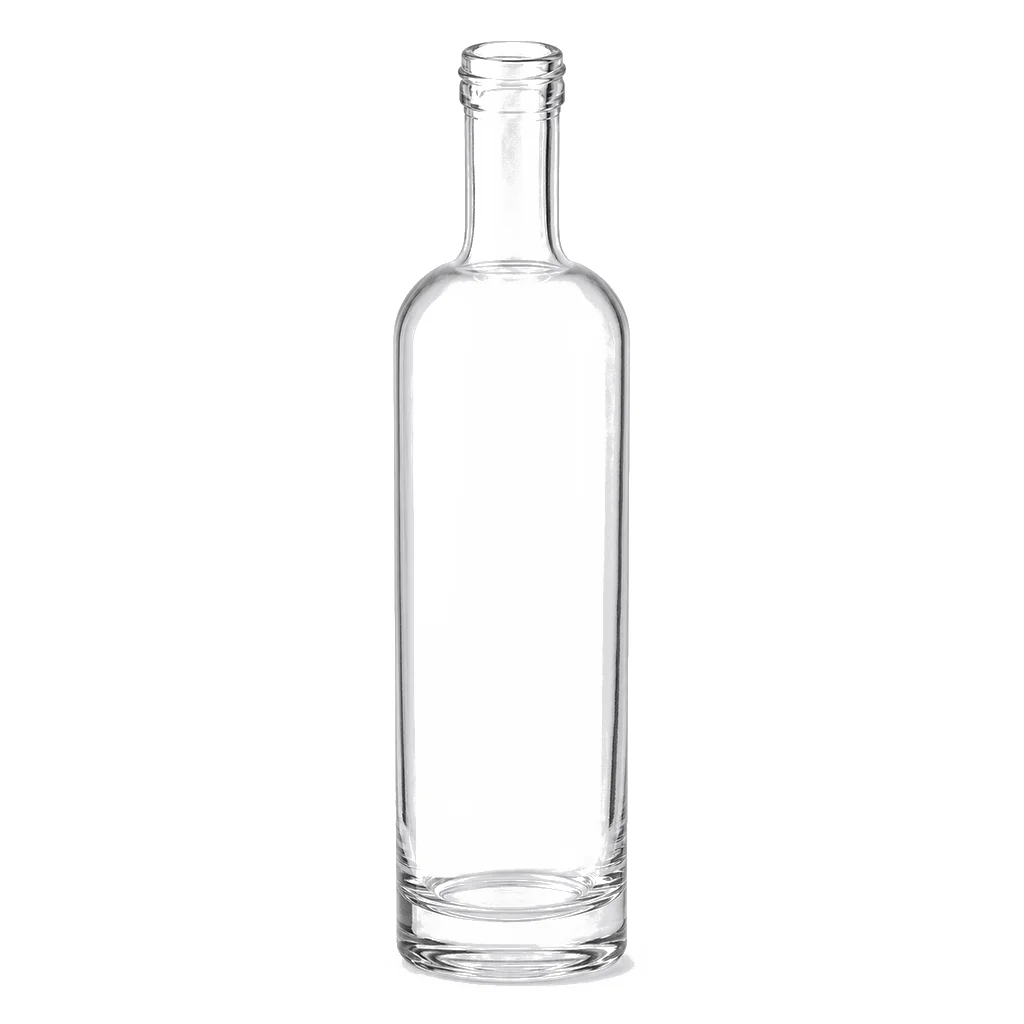
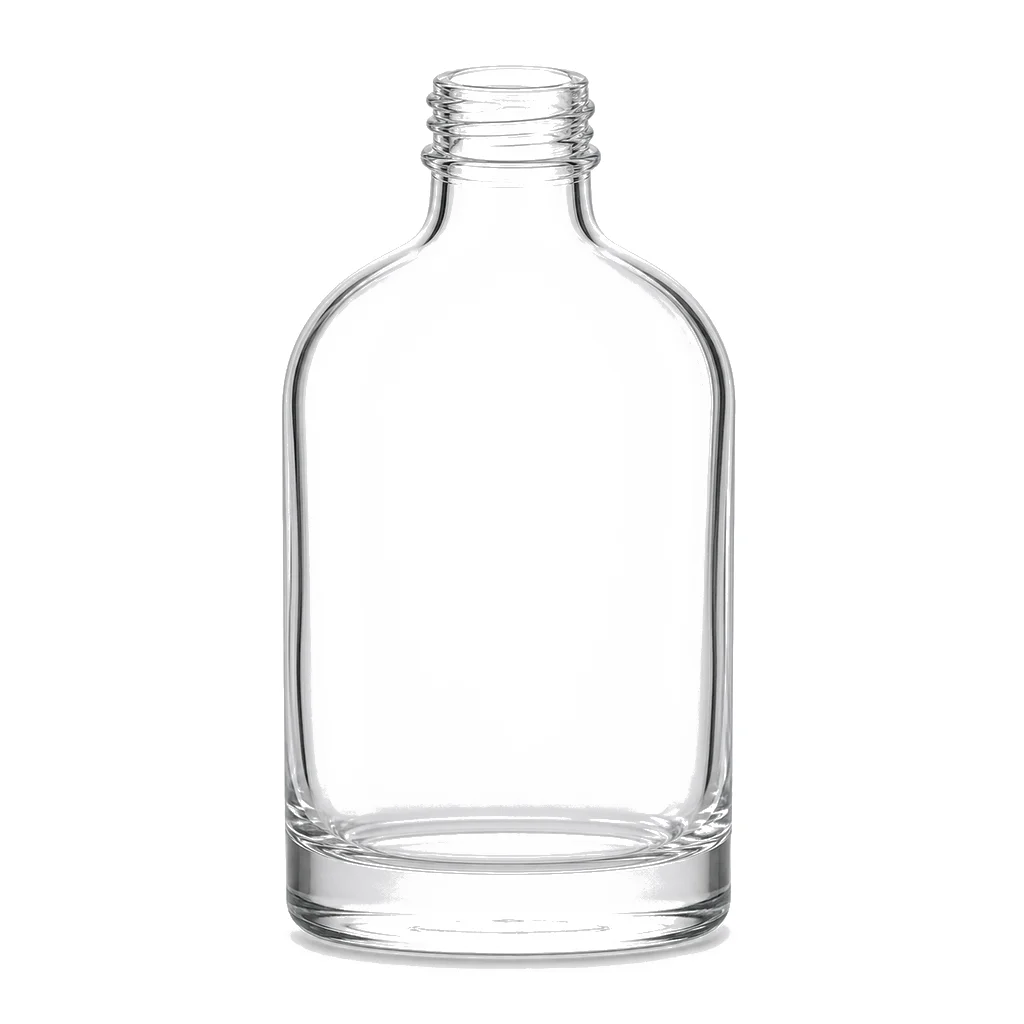
Producers typically run several expressions distinguished by aging, and customers expect them to be recognizable as one range while remaining easy to tell apart on a back bar. Holding the silhouette constant and varying label, capsule and closure color is what makes that work without multiplying tooling.
The bottle is kept and displayed after it is emptied
Bottles in this category are frequently kept as objects, so the glass quality, the seam and the base are examined at leisure and in good light long after the purchase. That second inspection is more searching than the first and is the reason to spend on finish quality rather than on additional decoration.
Tall sculpted forms have to survive bar service
A striking silhouette can be awkward to pour quickly and unstable if knocked on a wet bar. Balance when full, grip at the point a bartender actually holds the bottle, and behavior when set down at speed all deserve testing on samples before the form is committed to tooling.
Cork closures suit the ritual and the price
A natural or synthetic T-top gives the opening sound and reclosure expected at this tier, and it presents better on a back bar than a screw cap. It also applies more slowly and varies more between pieces, so the choice should be made knowing what it costs on the line as well as what it adds on the shelf.