Melt coloring, light transmission & order economics
Six differences between color in the glass and color on it.
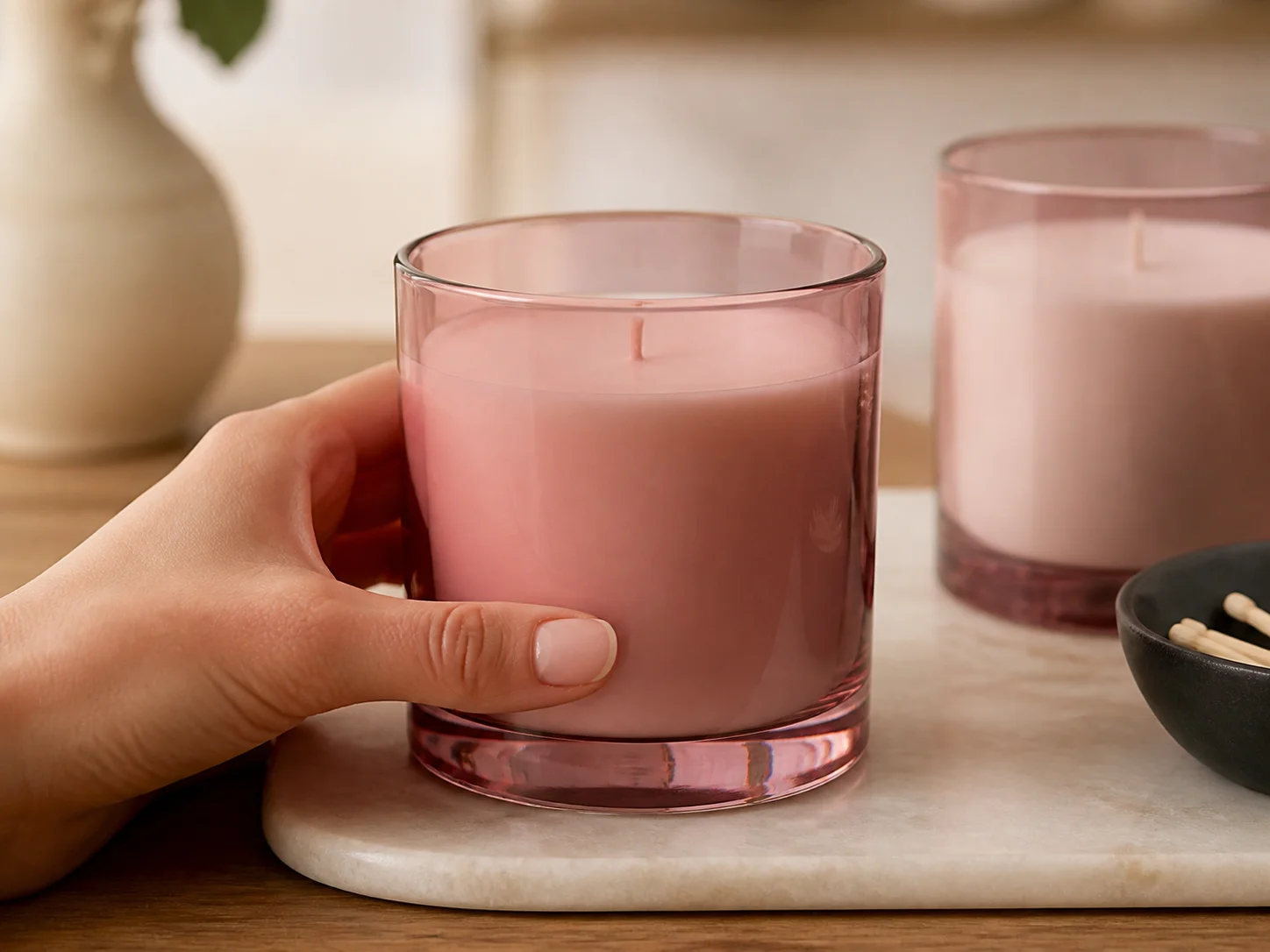
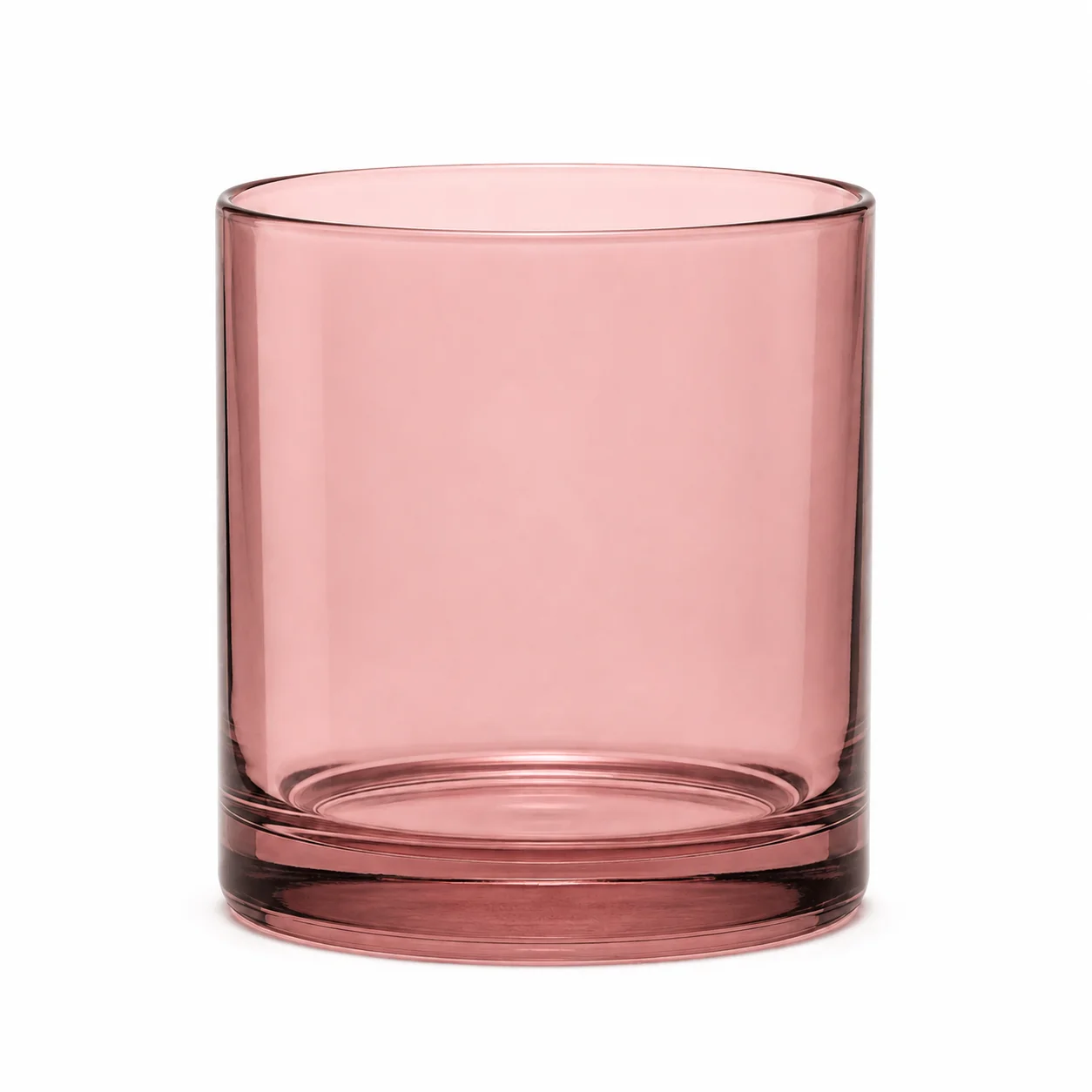
Pot color is produced by adding metal oxides to the melt, so the tint is the glass itself. Nothing can craze, peel or wear, and a candle behind it glows through the color rather than being hidden by it. The trade is commercial: changing color means changing what the furnace is making, which sets minimum quantities that coating never does.
The tint cannot fail because it is not a layer
Metal oxides in the melt color the whole body of the glass, so there is no film to craze at the wax line, nothing to abrade in a carton and nothing that changes appearance as the candle burns down. For a program that has had a coating fail, that reliability is the entire argument and it is usually decisive.
Translucent color is a lighting decision
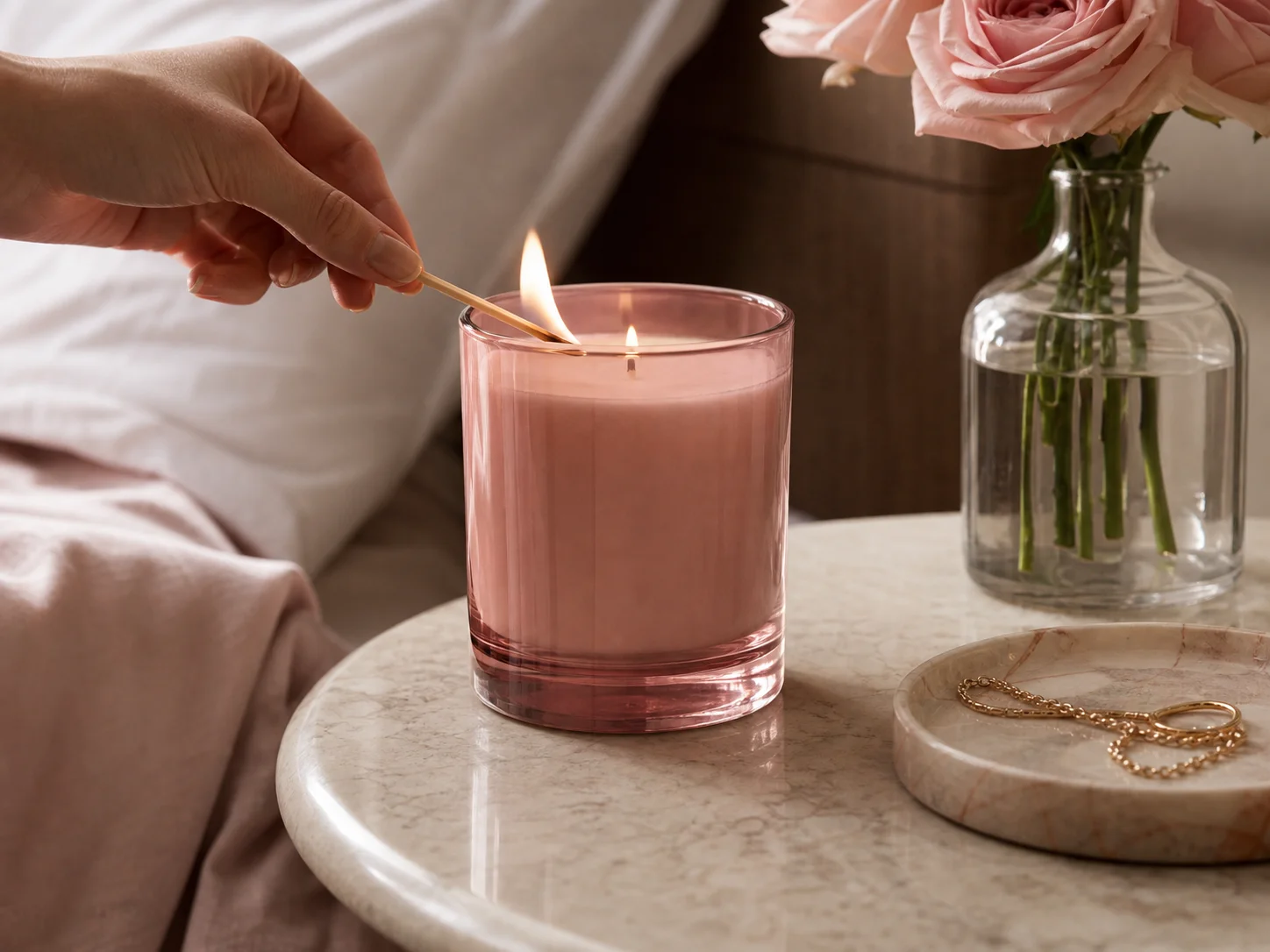
A tinted vessel transmits the flame through its color, so the candle glows amber, green or blue rather than simply sitting inside a colored container. That is a different product experience from an opaque coating, and it is judged with a lit candle in a dark room where the color and the flame combine.
Color changes are furnace changes
A glass plant colors a whole campaign, not a pallet, so a new tint means minimum quantities measured in metric tons rather than in cartons. That reality shapes what colors a range can carry: a house color that runs continuously is affordable, and a seasonal shade in pot color usually is not, however good it looks in a sample.
Batch color varies and is approved as a range
Melt chemistry drifts slightly between campaigns, so tinted glass is approved against light and dark limit samples rather than a single reference. A customer comparing this season's vessel against last season's will see a small difference, and setting that expectation is easier than defending an unrealistic tolerance.
Tint and wax color interact
A colored wax inside a colored glass produces a third color that neither sample predicted, and it changes again as the wax melts and clarifies. Any tinted-vessel program should look at filled samples in the intended wax color rather than at empty glass, which is the version everyone reviews and nobody buys.
Tint depth changes with wall thickness, so a shaped vessel is not one color
The same glass looks paler where the wall is thin and deeper where it thickens at the base or the shoulder, which on a curved form produces a gradient nobody specified. Approving color on the actual shape rather than on a flat sample is the only reliable route.