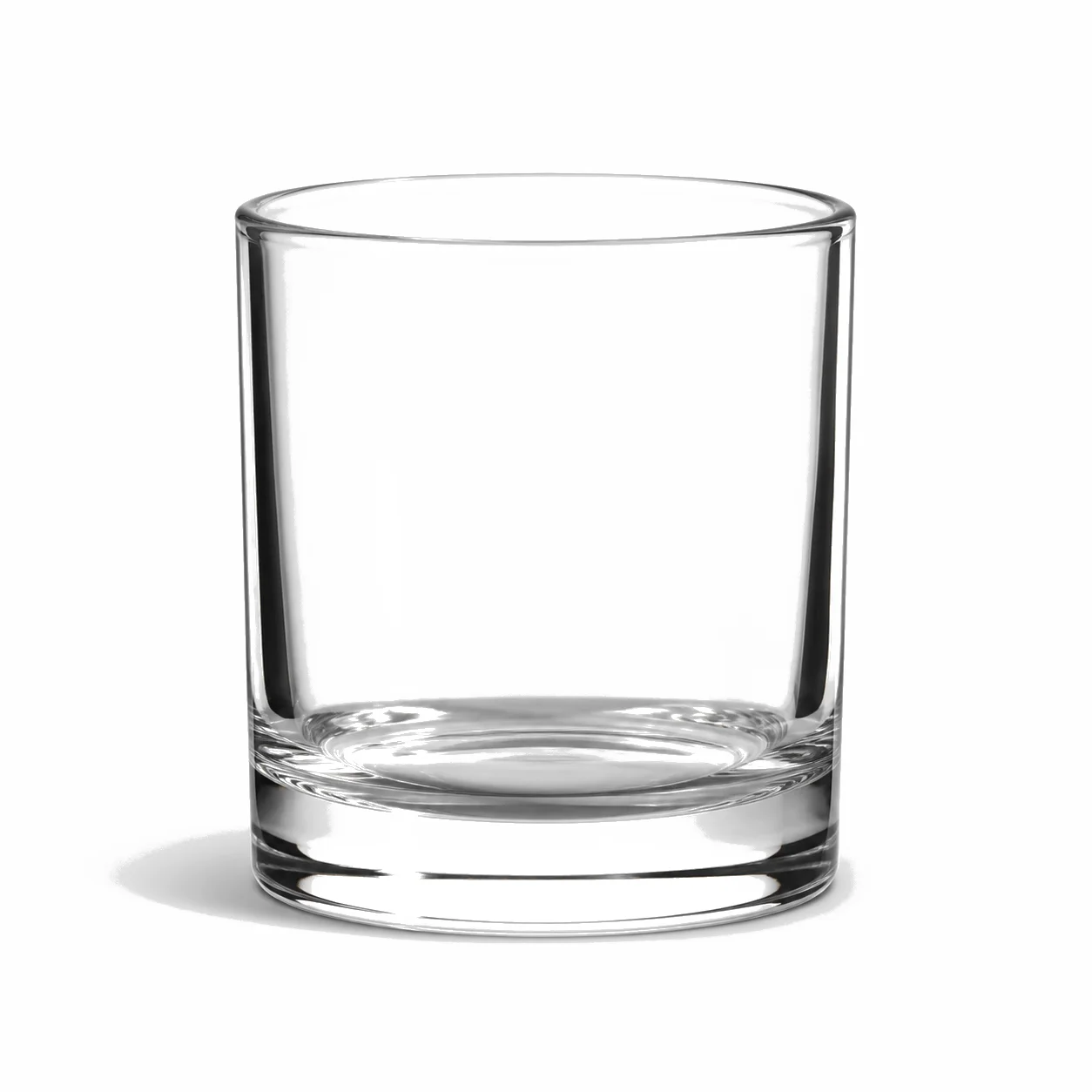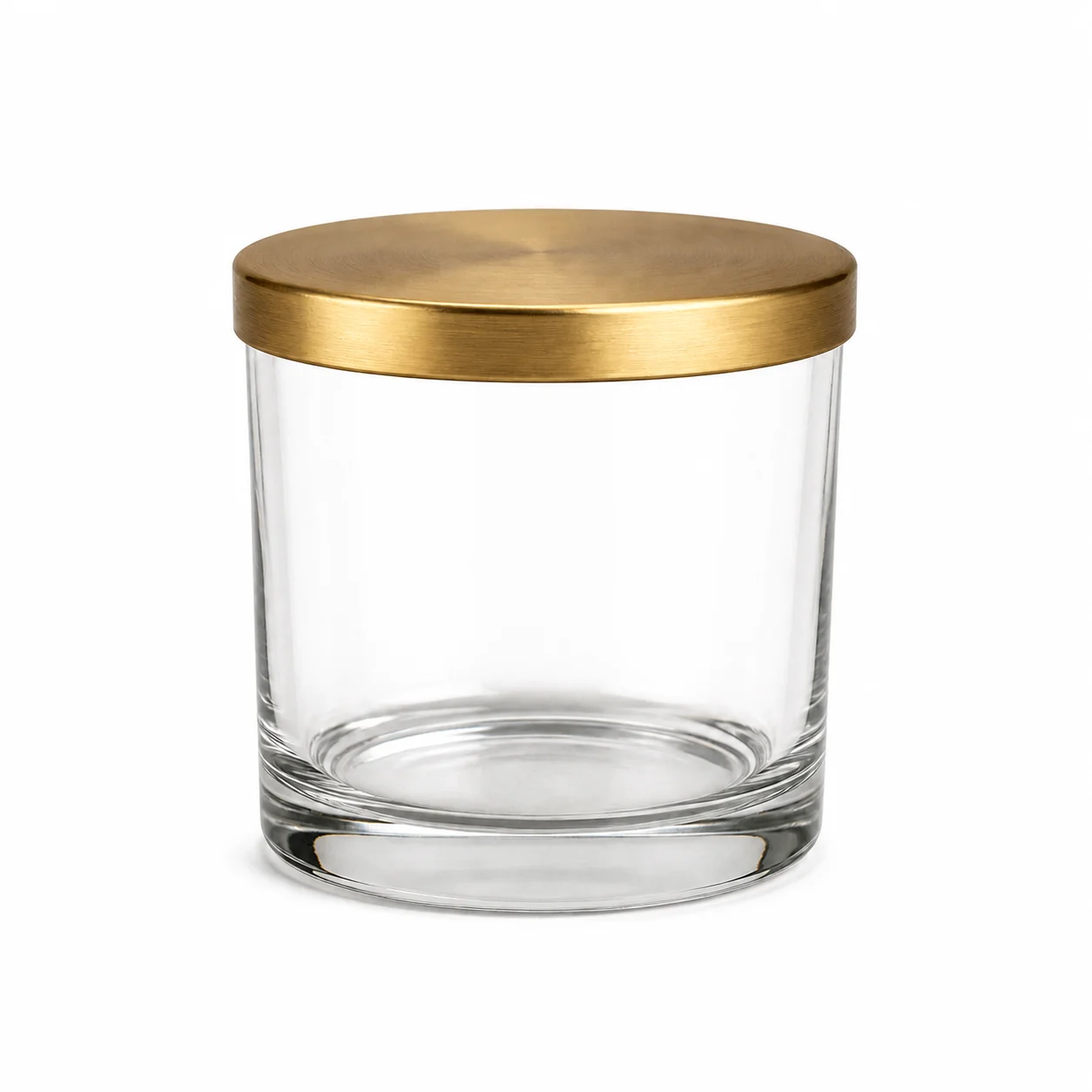
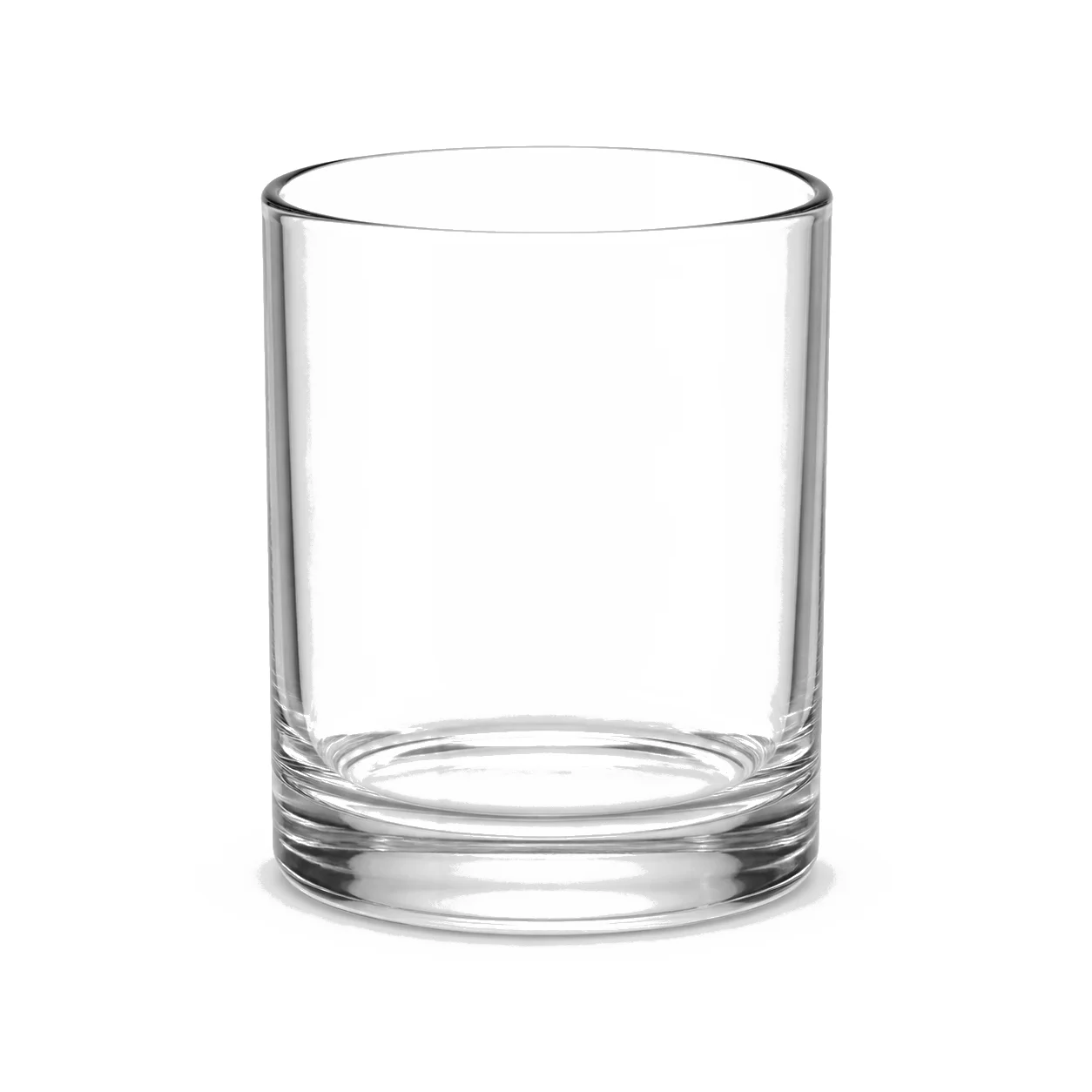
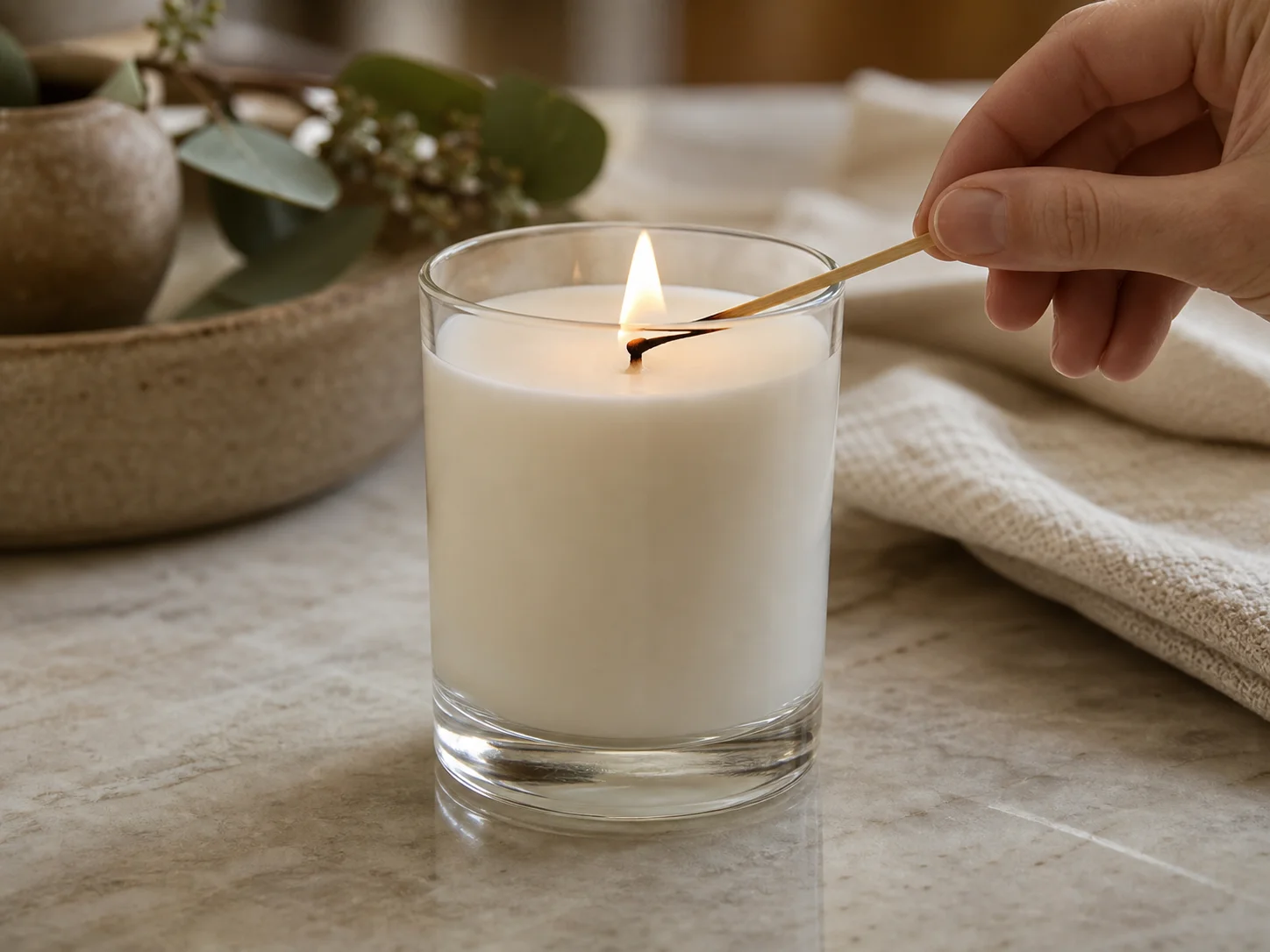
Clear straight-walled candle tumbler with a thick base and a plain rim
Shown configuration · empty tumbler / wax, wick, lid and label not shown

Candle vessels

Tumbler Candle Vessel

The tumbler: a straight-walled candle glass with a heavy base, the default format for poured candles because it wicks predictably and survives a shelf.

Heavy base for stabilityStraight bore, simple wickingASTM F2179 candle glass
Stock status
In stock
Lead time
2–3 weeks
FOB price / pc
$0.80 - $1.05
MOQ
2,000 pcs

Final availability, dimensions, materials, assembled components and commercial terms are confirmed against the selected drawing and approved sample.

Mass at the base

Lowers the center and takes the heat

Rim finished for a lid

Flat land accepts wood, metal or glass

The industry reference

Wick data widely available for the format

Tumbler Candle Vessel profile

The format everything else is compared against.

Base mass, wicking familiarity & format economics

Six reasons this shape became the industry default.

A tumbler is a straight-sided glass with a substantial base, and it is the default candle vessel for good reasons: predictable wicking, a stable footprint, a flat rim that takes any lid, and enough published wick experience that a maker can start from a sensible guess rather than from nothing.

01

The heavy base does three jobs at once

It lowers the center of mass so a full candle resists being knocked over, it puts glass mass where the melt pool is deepest at the end of a burn, and it gives a flat, stable seat on a table. Thin-based decorative vessels have to solve those three problems separately, and usually solve at most two.

02

Wicking a tumbler starts from known ground

Because the format is so common, most wick families publish diameter guidance that maps directly onto tumbler sizes. That does not remove the need to burn test with your own wax and fragrance, but it means the first test set is centered on a realistic size instead of a guess, which typically saves a round of testing on a new candle.

03

A flat rim keeps every lid option open

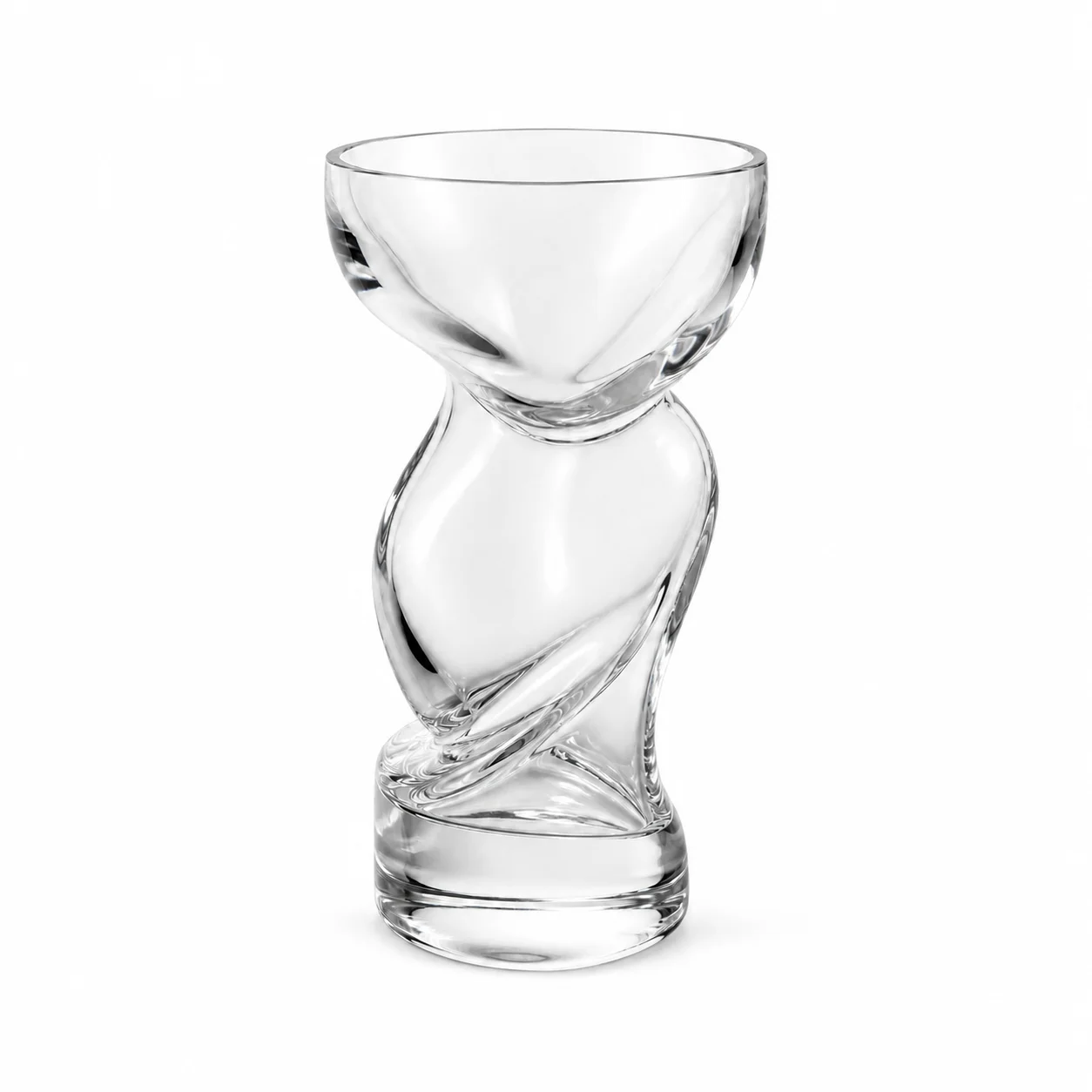
The rim is finished as a flat land wide enough for a lid to seat on, which is what allows the same vessel to be sold plain, with a wood lid, with a lined metal cap or with a glass cover. A decorative rolled or flared rim closes off some of those options and commits the format earlier than most brands want.

04

Straight walls suit labels and shrink sleeves

A parallel wall takes a rectangular pressure-sensitive label without die-cutting and accepts a shrink sleeve with minimal distortion, so artwork translates from the flat file to the vessel with few surprises. On tapered and bellied vessels the same artwork needs distortion work that has to be redone whenever the design changes.

05

Cost per unit of capacity is hard to beat

A simple cylinder uses glass efficiently, forms quickly and packs densely, so at any given capacity it is usually the cheapest candle vessel available in that quality of glass. Brands move away from it for appearance rather than performance, and understanding what that move costs per unit is worth doing before the decision rather than after.

06

Familiarity has a marketing cost

The same properties that make the tumbler the sensible default make it the least distinctive object on a shelf. Decoration, lid choice and label design have to carry the whole visual difference, which is why so much of the innovation in this category happens in coatings and lids rather than in the shape of the glass.
Application guide

Use the tumbler where clean geometry supports the candle story.

A tumbler vessel can carry a wide range of candle concepts, from everyday fragrance to premium gifting. The final role depends on the tested candle system and the visual program built around it.

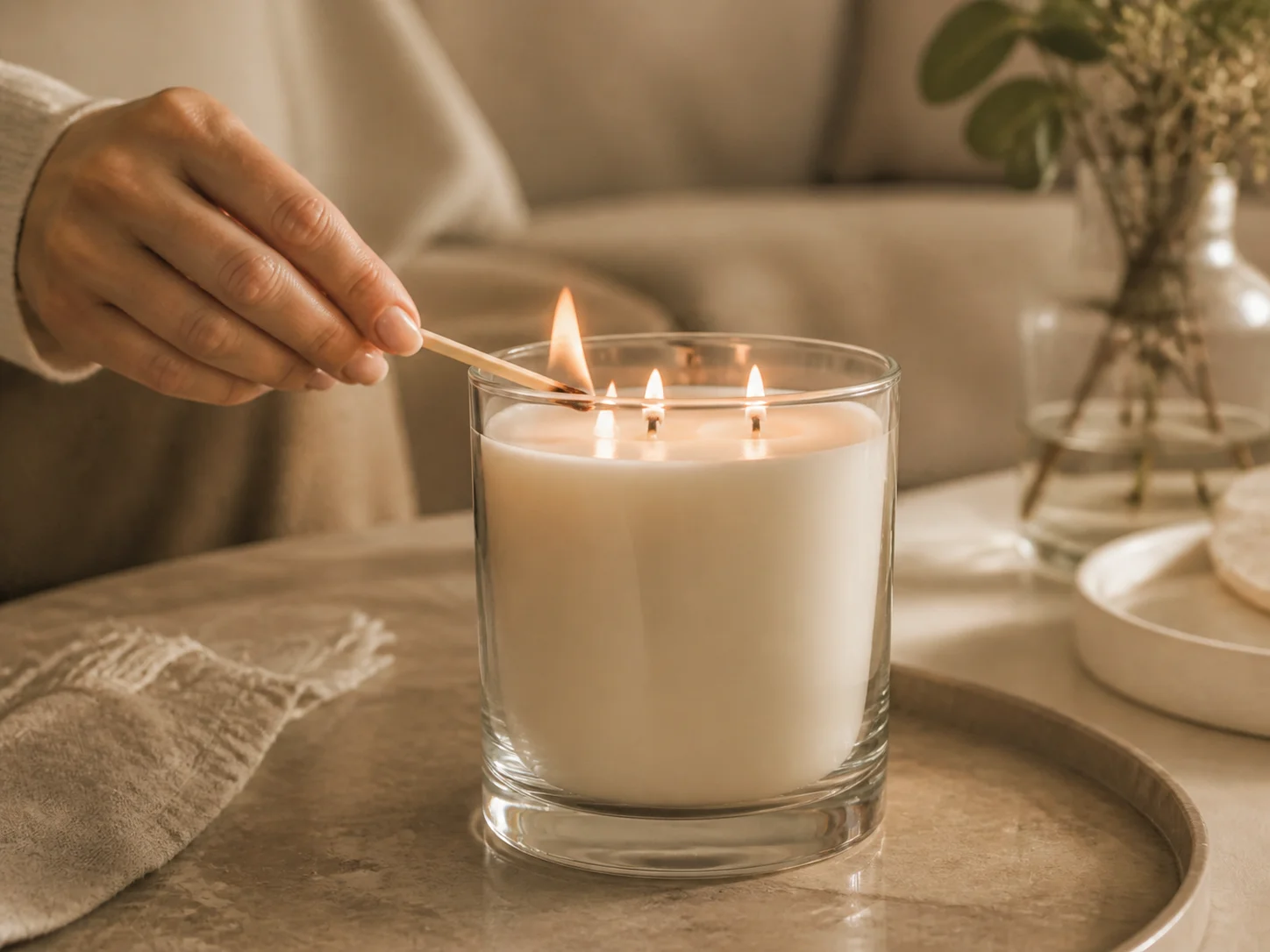
Tumbler Candle Vessel used for single-wick home candles in a signature fragrance setting

Signature fragrance

Single-wick home candles

For the core candle a household buys again and again, where a calm straight-sided glass stays out of the way and gives the label a clean, generous panel. Because parallel walls keep the melt pool the same width from first light to last, a wick sized correctly at the top stays correct all the way to the base.

  • Test with final wax and fragrance
  • Define a single-wick route
  • Plan label panel and safety copy
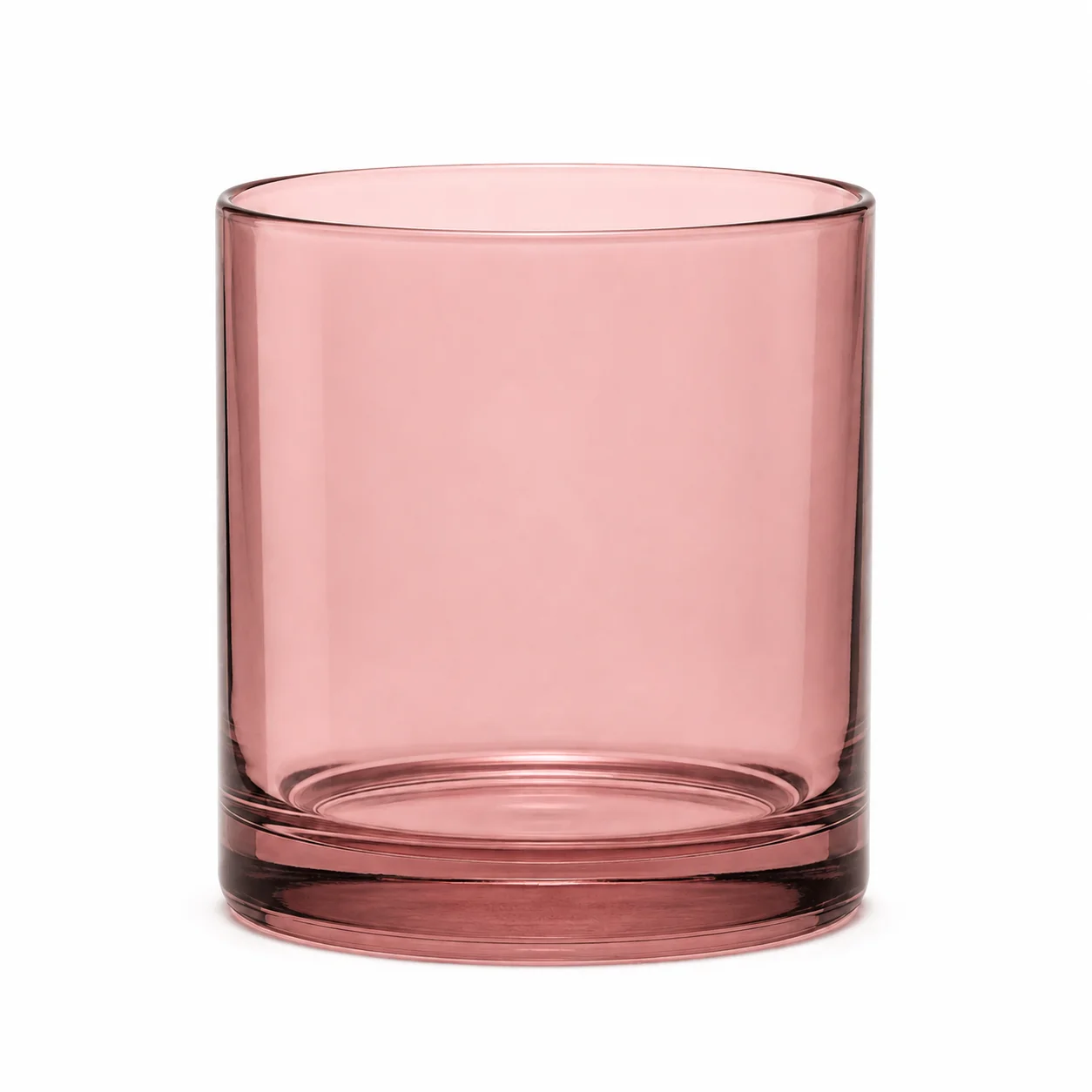
Tumbler Candle Vessel used for gift and limited-edition candles in a premium release setting

Premium release

Gift and limited-edition candles

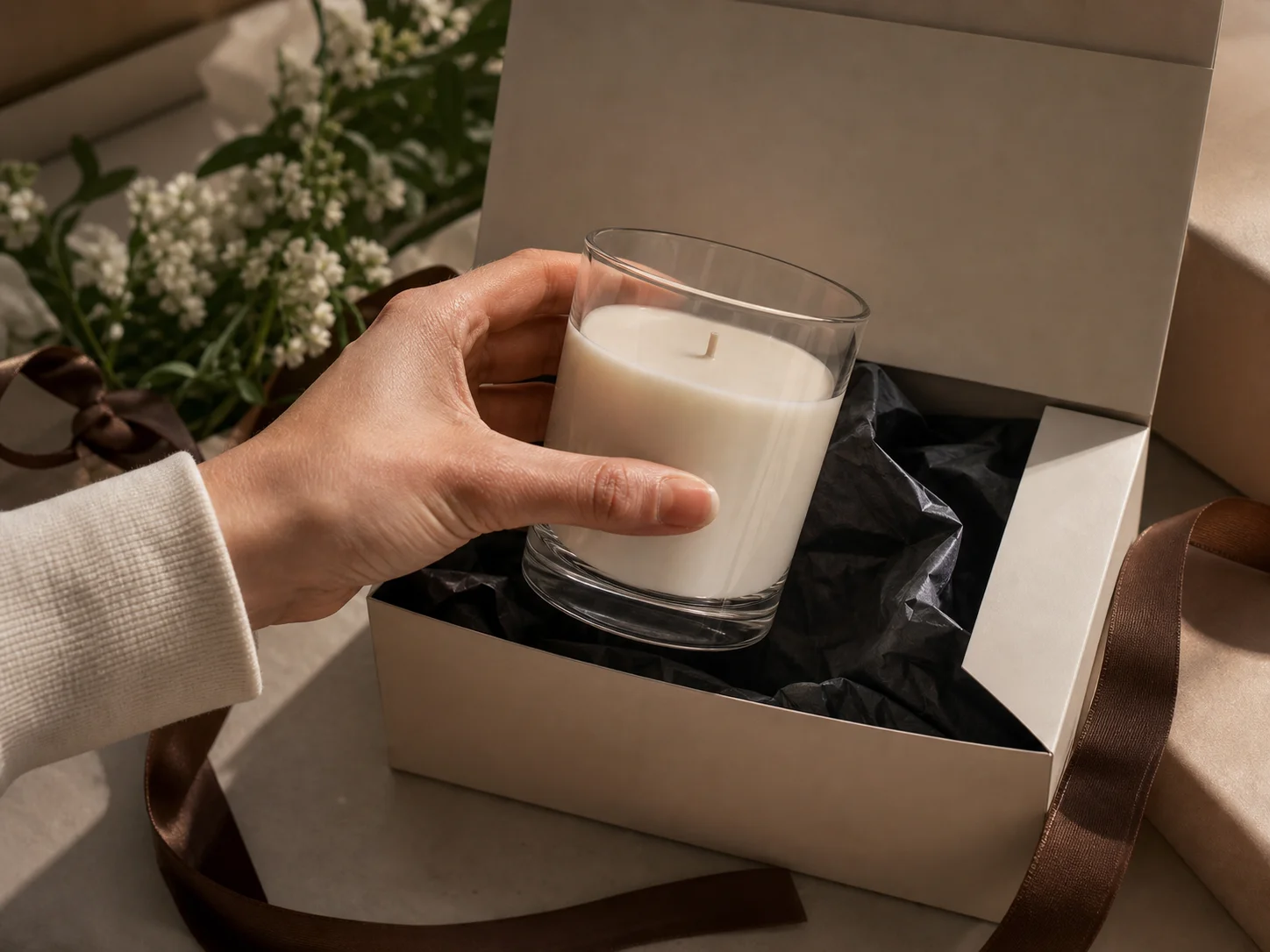
For launches where a coating, print, lid or carton is meant to make the customer treat the piece as collectible rather than consumable. Decorative finishes need approving alongside the finished candle rather than in isolation, since a treatment that looks striking on a bench can complicate filling, labeling or handling on the line.

  • Coordinate vessel and carton
  • Confirm lid or dust-cover fit
  • Protect decoration in transit
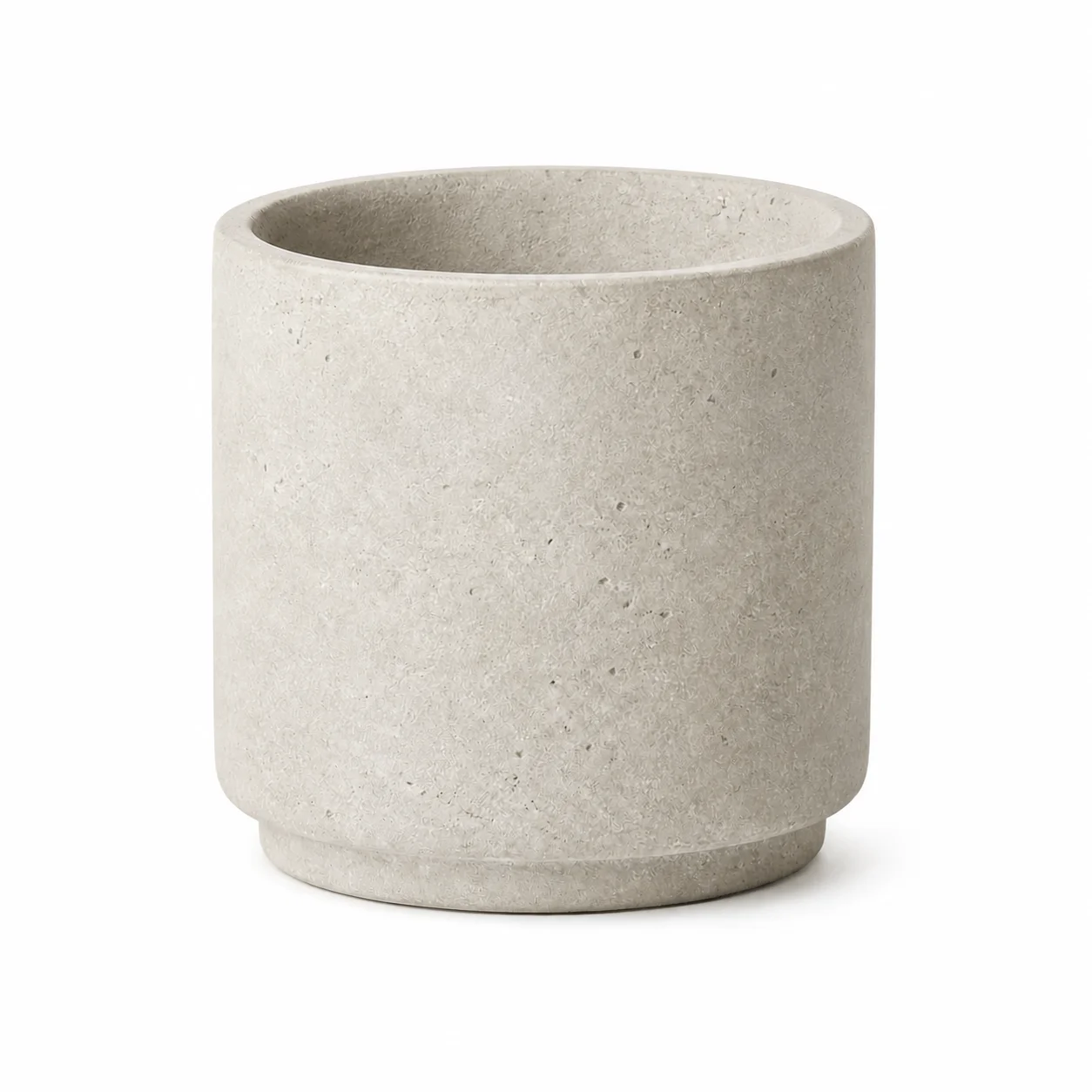
Tumbler Candle Vessel used for multi-wick statement candles in a larger format setting

Larger format

Multi-wick statement candles

For wider vessels where a customer expects a broad pool of light and noticeable fragrance from a single lighting, which one flame cannot deliver past a certain diameter. Wick spacing and thermal behavior have to be established through their own burn testing rather than scaled up from a smaller single-wick candle in the same family.

  • Set wick layout through testing
  • Review end-of-burn performance
  • Use a stable secondary pack

All candle systems require representative testing; the vessel alone does not establish burn time, heat resistance or safety performance.

Common questions

Tumbler Candle Vessel questions

The default format, and the reasons it became one.

Can we use published wick charts for a tumbler?

As a starting point, yes, and that is a real advantage of the format. Most wick families publish diameter guidance that maps onto tumbler sizes, so your first test set is centered on a realistic size rather than a guess. It does not replace burn testing with your own wax and fragrance, but it usually saves a round.

Does the rim shape matter?

It decides which lids are available to you. A flat land wide enough to seat a lid keeps wood, lined metal and glass all open; a rolled or flared decorative rim closes off some of them and commits the format earlier than most brands intend. If lid strategy is undecided, keep the rim flat.

Is a tumbler cheaper than a shaped vessel?

Usually, at the same capacity and glass grade. A simple cylinder uses glass efficiently, forms quickly and packs densely. Brands move away from it for appearance rather than performance, which is a legitimate reason — it is just worth knowing the per-unit cost of that move before committing rather than after the first invoice.

How do we make a tumbler look distinctive?

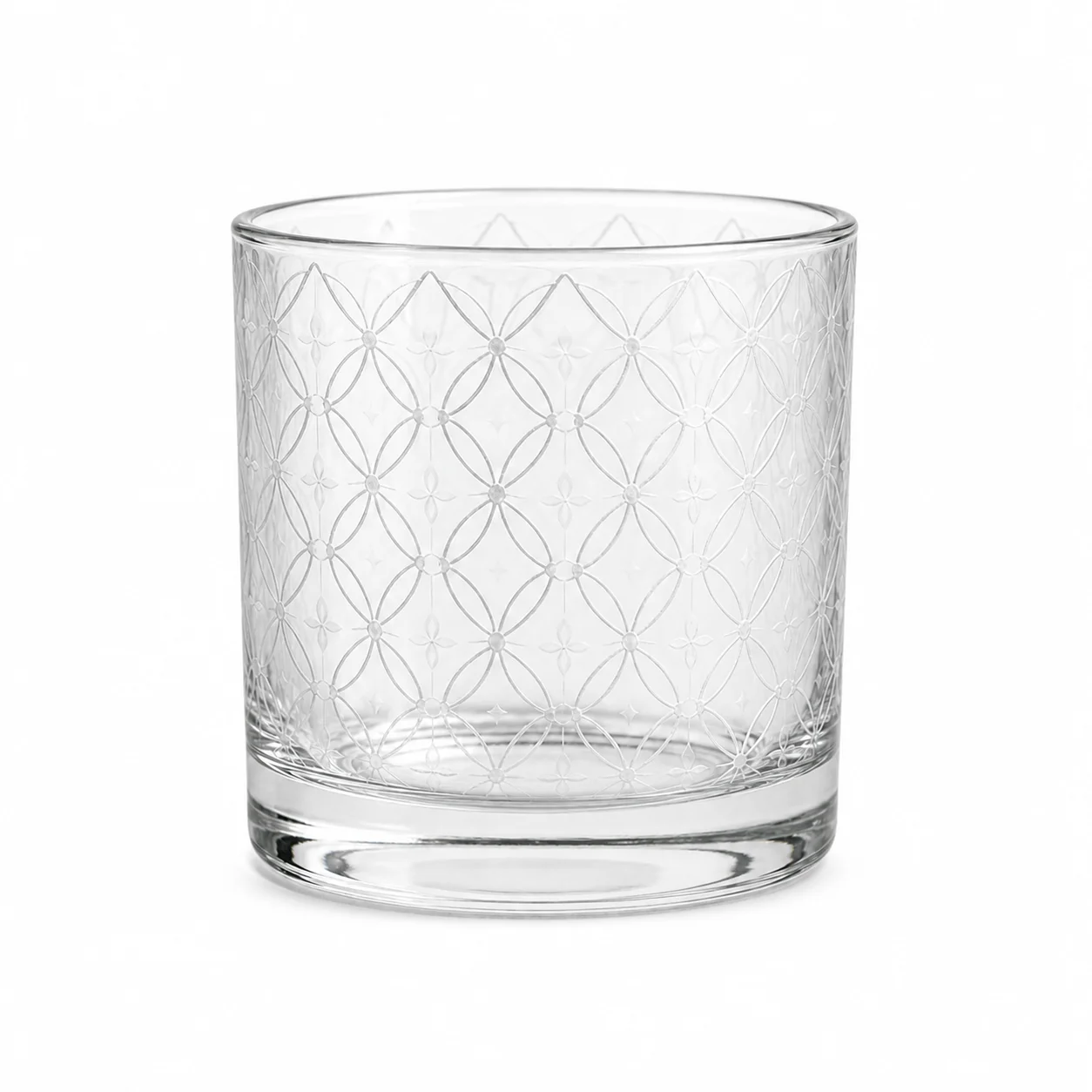
Through decoration and lid, because the shape will not do it. That is why most innovation in this category happens in coatings, etching and lid materials rather than in glass form. It also means artwork and finish carry more weight in the brief than they would on a sculptural vessel that stands out on its own.

What does the familiarity cost?

Distinctiveness. A tumbler is the most recognizable candle vessel there is, which makes it cheap, easy to wick and easy to label — and also means the glass will not differentiate the product. The decoration and the closure have to do that work instead.

Next step

Send us the Tumbler Candle Vessel brief.

Tell us the product, fill volume, closure preference and destination market. We will come back with the matching drawings, available configurations and a sample plan before anything is quoted.

  • 01Send the briefProduct, volume, closure and market
  • 02Get the optionsMatching drawings and configurations
  • 03Approve the sampleConfirm the pack before production