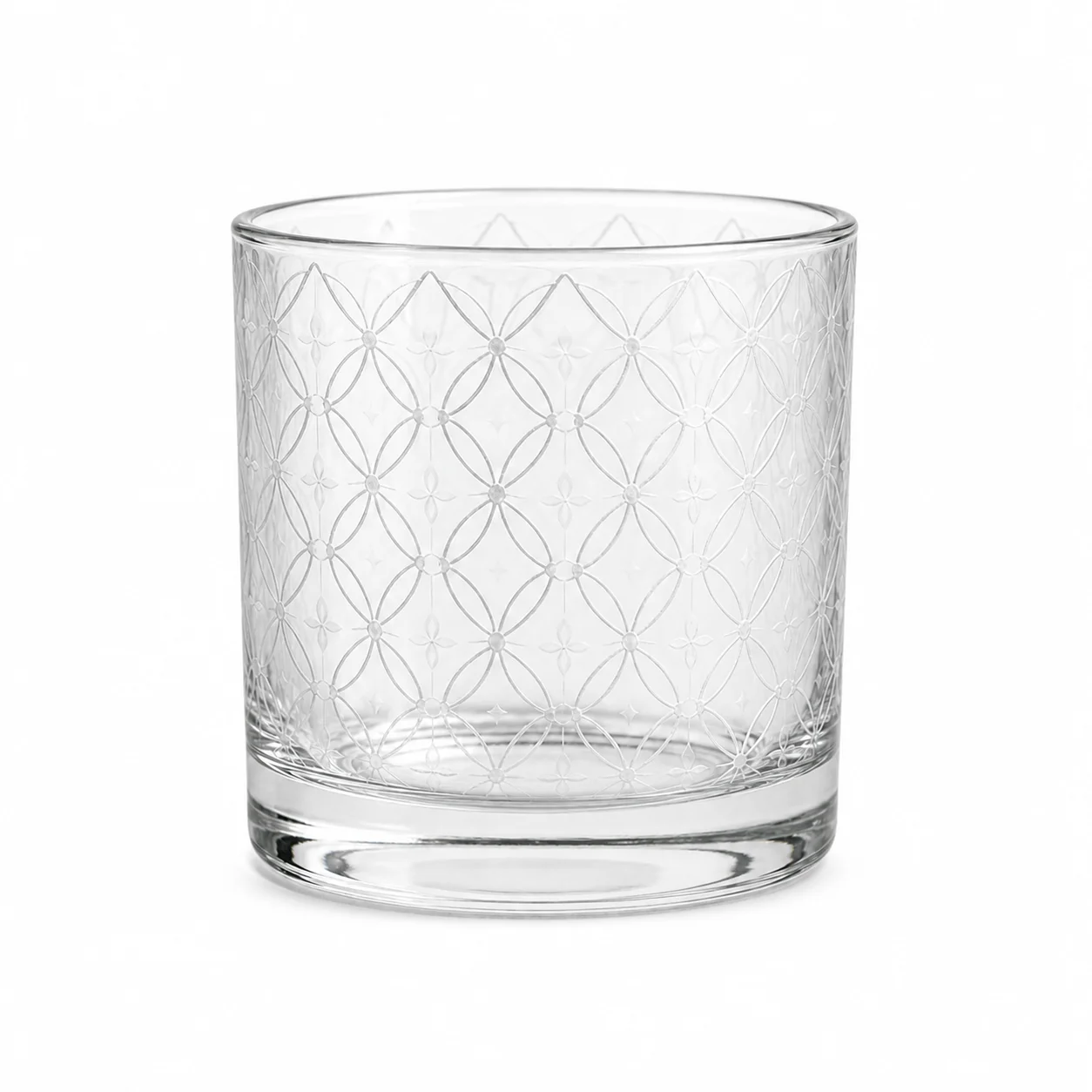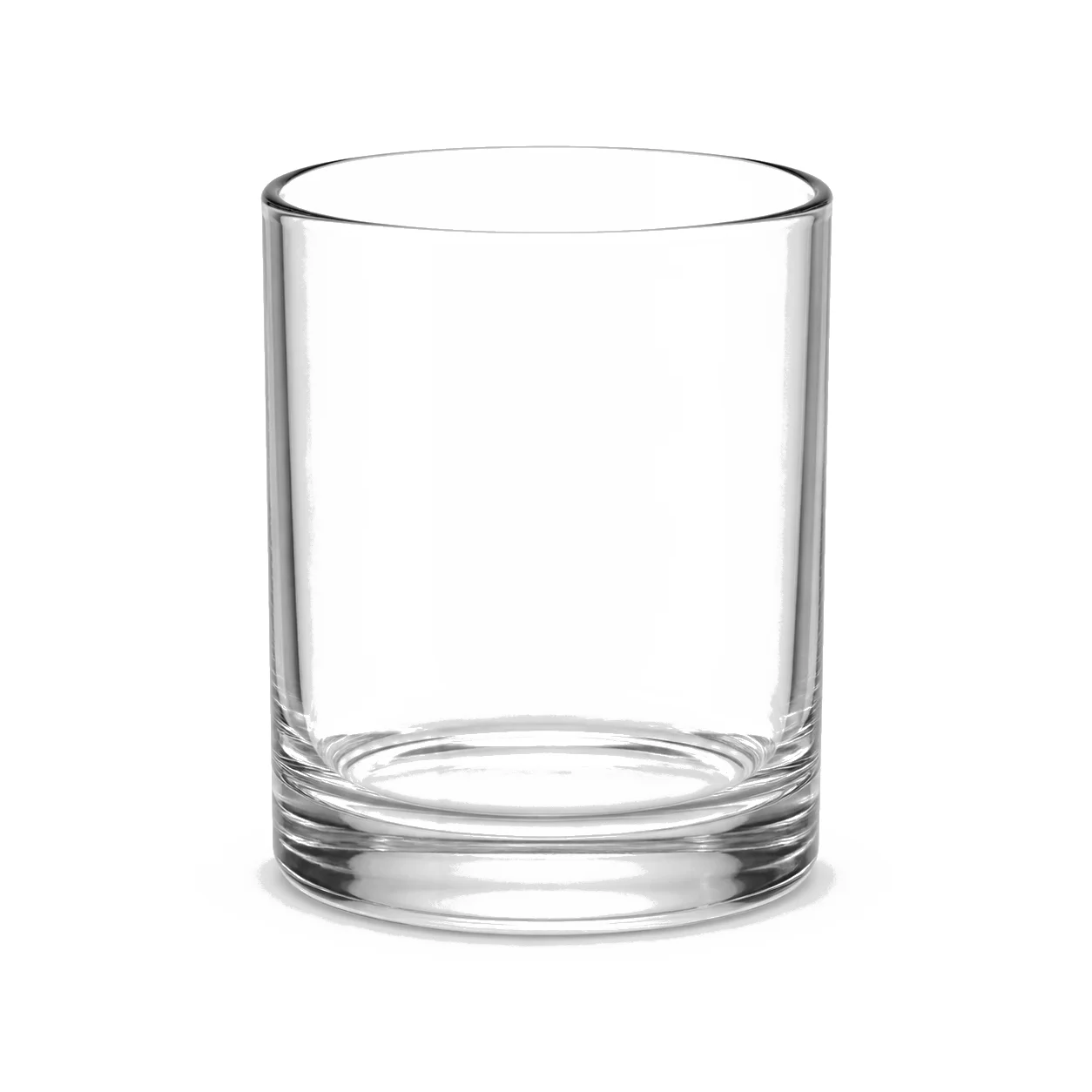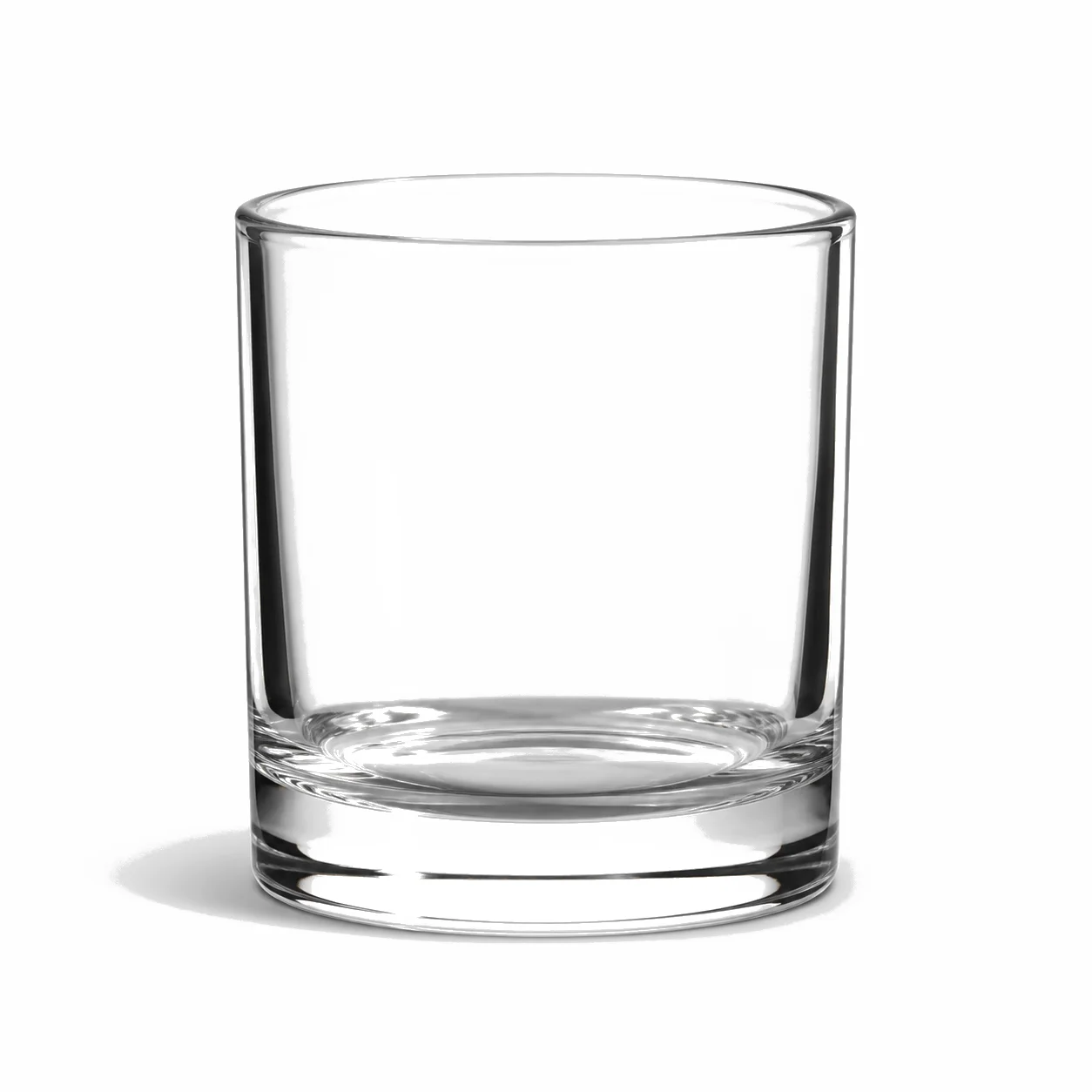
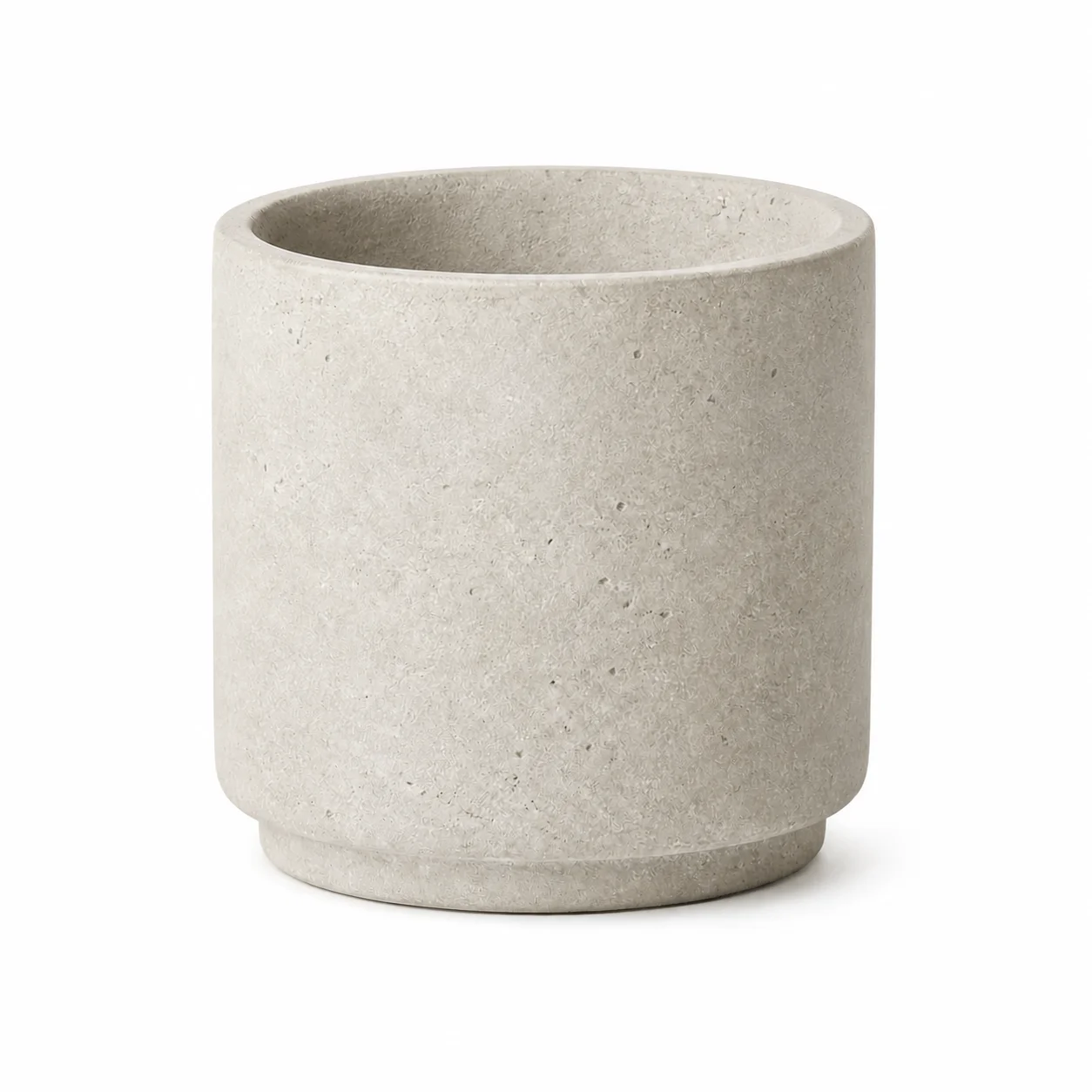
Candle vessel with a matte gray textured surface resembling cast concrete
Shown configuration · empty vessel / wax, wick, lid and label not shown

Decorated candle vessels

Stone / Concrete-look Vessel

A glass vessel coated to look like stone or concrete, giving the appearance of a heavy mineral vessel with the weight, cost and thermal behavior of glass.

Textured mineral coatingGlass weight, stone lookOpaque, so no fill level
Stock status
In stock
Lead time
2–3 weeks
FOB price / pc
$0.70 - $1.10
MOQ
5,000 pcs

Final availability, dimensions, materials, assembled components and commercial terms are confirmed against the selected drawing and approved sample.

Looks cast, ships like glass

Real concrete is heavy and porous

Texture hides handling

Rough coating forgives marks

Coating is the whole product

Its durability is the specification

Stone & Concrete Look Vessel profile

The appearance of a cast vessel without the problems of casting one.

Coating texture, comparison with cast vessels & practicalities

Five reasons this finish exists, and the one thing it depends on.

Real concrete candle vessels are heavy to ship, porous enough to stain, prone to hairline cracking and slow to produce. A textured mineral coating on glass reproduces the appearance with none of that, and moves the entire specification onto one question: how well does that coating survive handling, heat and time.

01

Cast concrete has real drawbacks this avoids

Concrete vessels are two to three times the shipping weight of glass, absorb oil and fragrance into a porous surface, chip at the rim and can develop hairline cracking as they cure and age. A coated glass vessel avoids all of them while looking the same at arm's length, which is why the format grew so quickly.

02

The coating carries the entire product

Unlike a tint or an etch, everything the customer is buying here is a layer on the surface. Its adhesion at candle temperatures, its resistance to scuffing and whether it marks when something is spilled on it are the specification. A stone-look vessel with a marginal coating is simply a gray jar with a problem.

03

Texture is an asset in handling

A deliberately rough mineral surface hides fingerprints, minor scuffs and packing marks far better than a smooth matte finish, so units survive retail handling with less attrition. It also grips well in the hand, which matters on a vessel that will be picked up warm. The texture is doing more than imitating stone.

04

Opacity removes the fill level and the glow

The finish is opaque, so the customer cannot see how much wax remains and the candle does not glow through the wall. What the format offers instead is the light thrown upward from the open top. Brands that want both a stone look and a glow usually reserve an uncoated band or a translucent panel for the purpose.

05

Color and texture are agreed on physical samples

Stone and concrete effects are variable by nature and are meant to look it, so approving them against a printed reference does not work. Limit samples showing acceptable texture coarseness and color range, agreed before production, are what prevent a delivery being rejected for looking exactly as intended.

06

It looks porous, and customers will treat it as if it were

A convincing stone finish invites people to assume the vessel absorbs water and can be scrubbed, neither of which is true of a coated glass container. Care instructions matter more on a finish that deliberately imitates a different material than on one that looks like what it is.
Application guide

It should look like concrete and behave like glass.

A mineral-look finish borrows the weight and quiet of poured concrete while keeping the thermal predictability and cleanability of glass underneath. Customers judge it by touch first. These are development directions confirmed on finished samples.

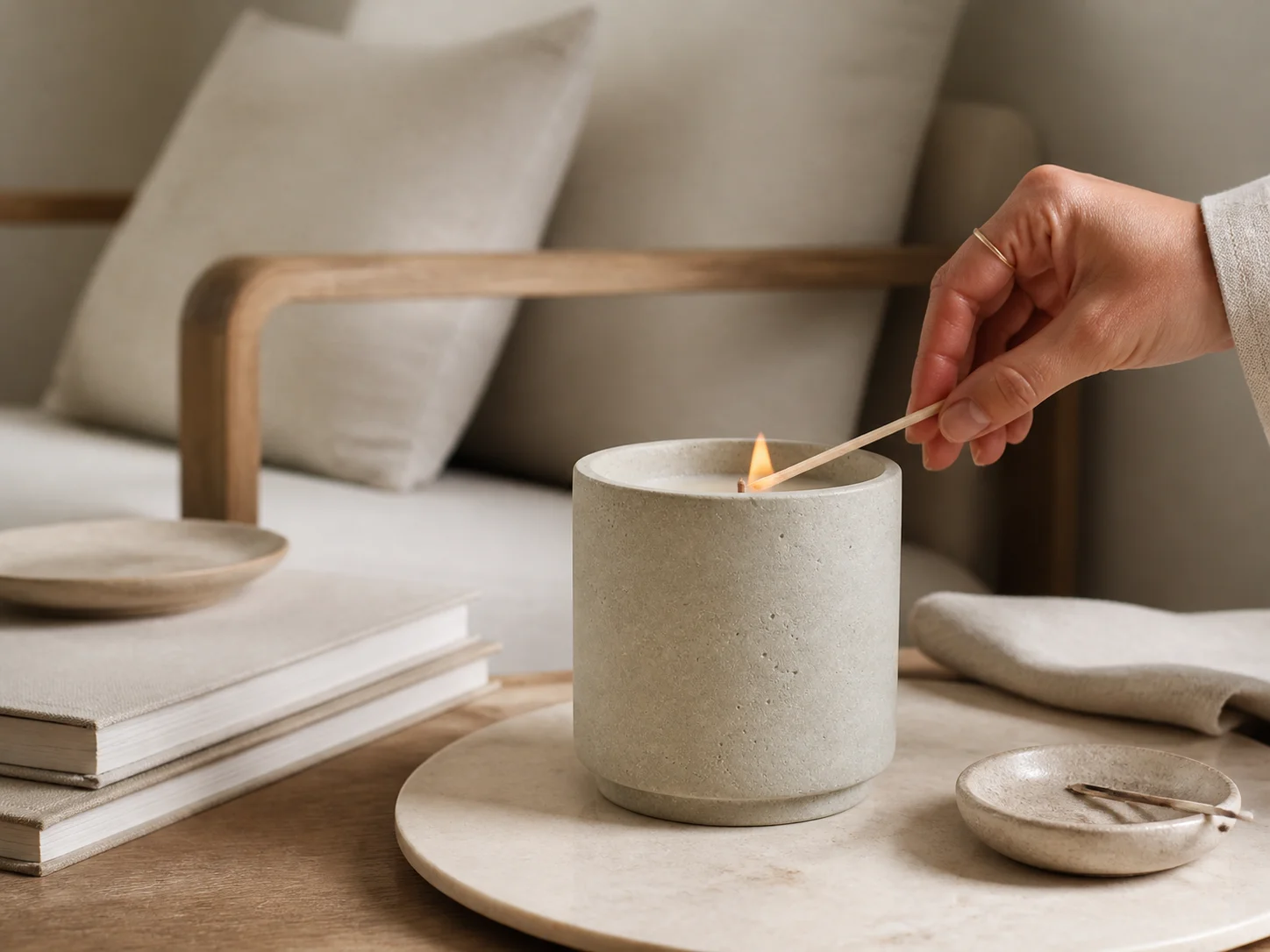
Stone / Concrete-look Vessel used for neutral pieces for pared-back rooms in a interior candles setting

Interior candles

Neutral pieces for pared-back rooms

For customers furnishing in stone, linen and pale wood, who want a candle that disappears into that palette rather than announcing itself. The mineral surface reads as a considered object, and because nothing of the wax shows, the piece looks the same full, half burned and empty.

  • Match the tone to stone and linen
  • Confirm it looks right when empty
  • Judge the surface by touch
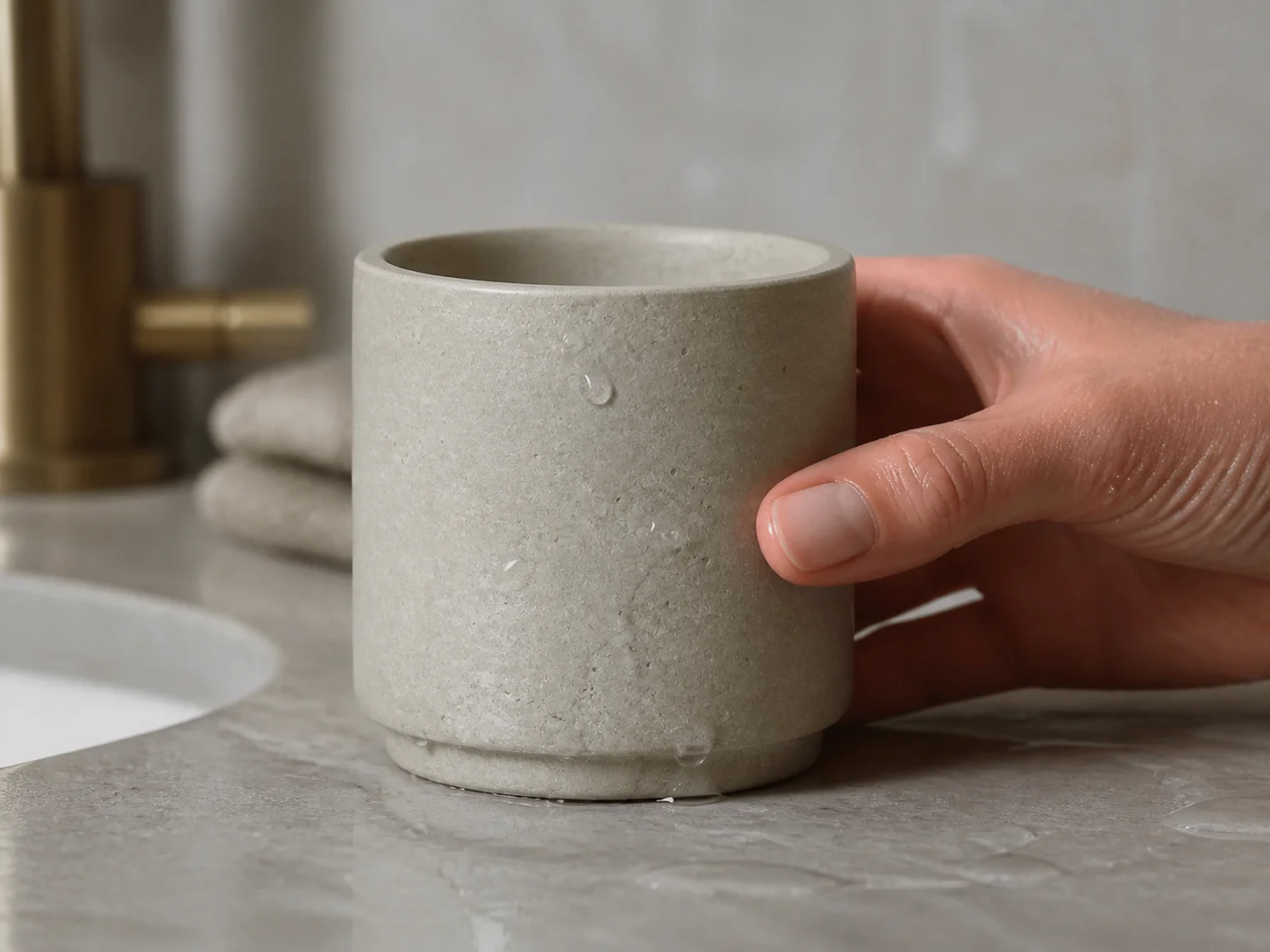
Stone / Concrete-look Vessel used for a matte surface touched with damp hands in a bathroom counters setting

Bathroom counters

A matte surface touched with damp hands

For candles that live beside a basin and get moved every time someone cleans around them. Mineral-look coatings are matte and slightly rough, so they hold the oils from a hand and show marks that would wipe straight off gloss, and a spill of wax down the side is the real test of the finish.

  • Test handling marks and cleaning
  • Check the surface against spilled wax
  • Confirm the finish covers evenly
Stone / Concrete-look Vessel used for a vessel that ends up holding soil in a windowsill plants setting

Windowsill plants

A vessel that ends up holding soil

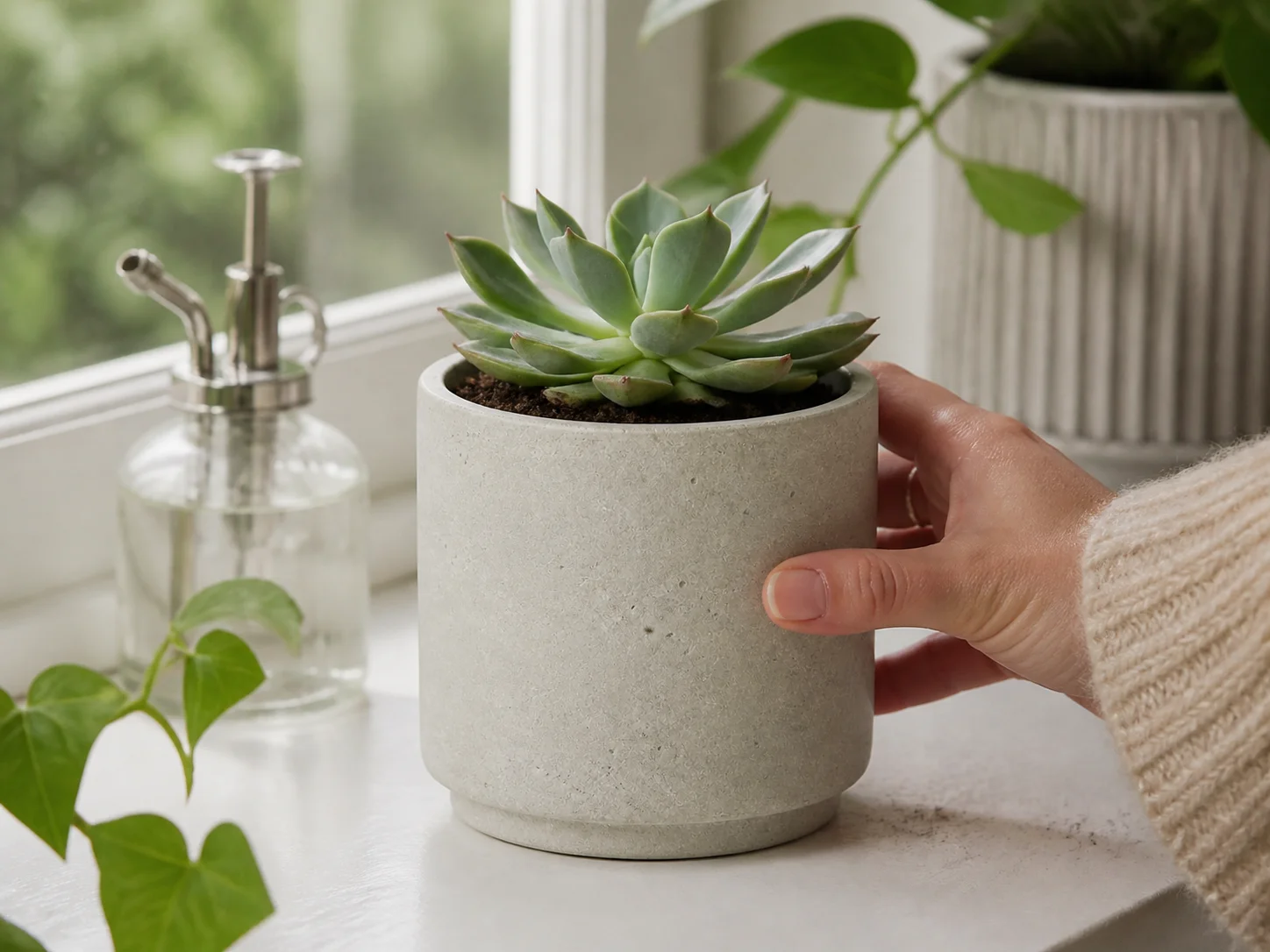
For customers who finish the candle and put a succulent in the jar rather than throwing it out. Water sits against the coating for months and the rim gets handled every time the plant is moved, so both have to survive that second life if the piece is going to keep the brand in the room.

  • Finish the rim for handling
  • Test the coating against water
  • Consider the reuse the form suggests

Applications describe visual directions. Material, durability, heat, burning, safety, handling and distribution outcomes are confirmed for the selected program.

Common questions

Stone & Concrete Look Vessel questions

The appearance of cast stone with the practicality of glass — provided the coating holds.

Why not use real concrete?

Because a coated glass vessel avoids the weight, the porosity, the chipped rims and the hairline cracking of cast concrete while looking the same at arm's length. That is why the format spread as quickly as it did.

Does the texture cause difficulties?

It helps more than it hinders. A deliberately rough surface hides fingerprints, scuffs and packing marks far better than smooth matte, so units survive retail handling with less attrition, and it grips well when the vessel is picked up warm. The texture is doing real work beyond imitating stone.

What do we lose by making it opaque?

The fill level and the glow. Customers cannot see how much wax remains, and the candle does not light the wall — what you get instead is light thrown upward from the open top. Brands wanting both usually reserve an uncoated band or a translucent panel, which has to be planned rather than added later.

Customers will treat it as porous — does that matter?

It shapes the care instructions. The finish looks like concrete, so people assume it stains and hesitate to wash it, when the glass underneath is entirely non-porous. Say so on the pack; it turns a perceived limitation into a selling point.

Next step

Send us the Stone / Concrete-look Vessel brief.

Tell us the product, fill volume, closure preference and destination market. We will come back with the matching drawings, available configurations and a sample plan before anything is quoted.

  • 01Send the briefProduct, volume, closure and market
  • 02Get the optionsMatching drawings and configurations
  • 03Approve the sampleConfirm the pack before production