Sprayer selection, compatibility & practical details
Six decisions that live in the closure rather than the bottle.
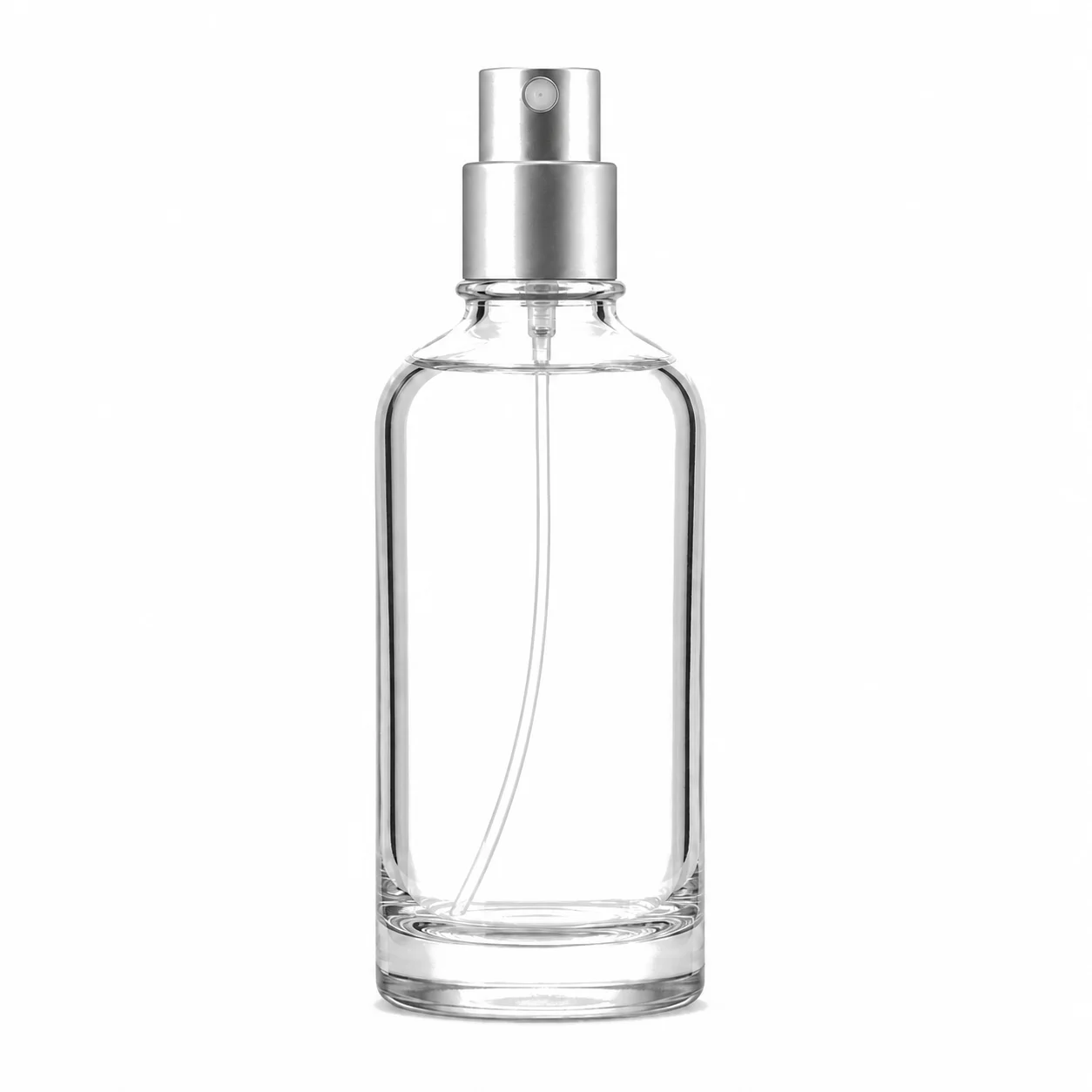
A cosmetic spray bottle serves toners, mists, hair products and treatments, and the glass is largely interchangeable between them. What is not interchangeable is the sprayer: output per stroke, droplet size, plume shape and material compatibility all vary, and matching them to the formula is what separates a pack that works from one that merely fits.
Output and pattern are chosen, not inherited
Sprayers vary widely in volume per stroke and in how tightly they focus the plume, and the right combination depends on whether the product is applied to a face at arm's length, into hair, or onto a small area. Accepting whichever unit a supplier stocks with the bottle is how a pack ends up almost right.
The formula rules some components out
Alcohol swells or hardens many elastomers, oils attack others, and both escape through seals that hold water. Gasket, dip tube and pump internals are selected against the actual formula, and a sprayer specified on water performance can degrade within weeks in service without any change to the bottle around it.
Dip tube length is bottle-specific
A tube cut for a straight-sided bottle strands product in one with a punt or a curved base, and on a small fill that is a visible share of what the customer paid for. Length is set from the internal geometry, and an angled cut helps the tube sit against the base as the level falls rather than lifting into air.
The overcap prevents an expensive accident
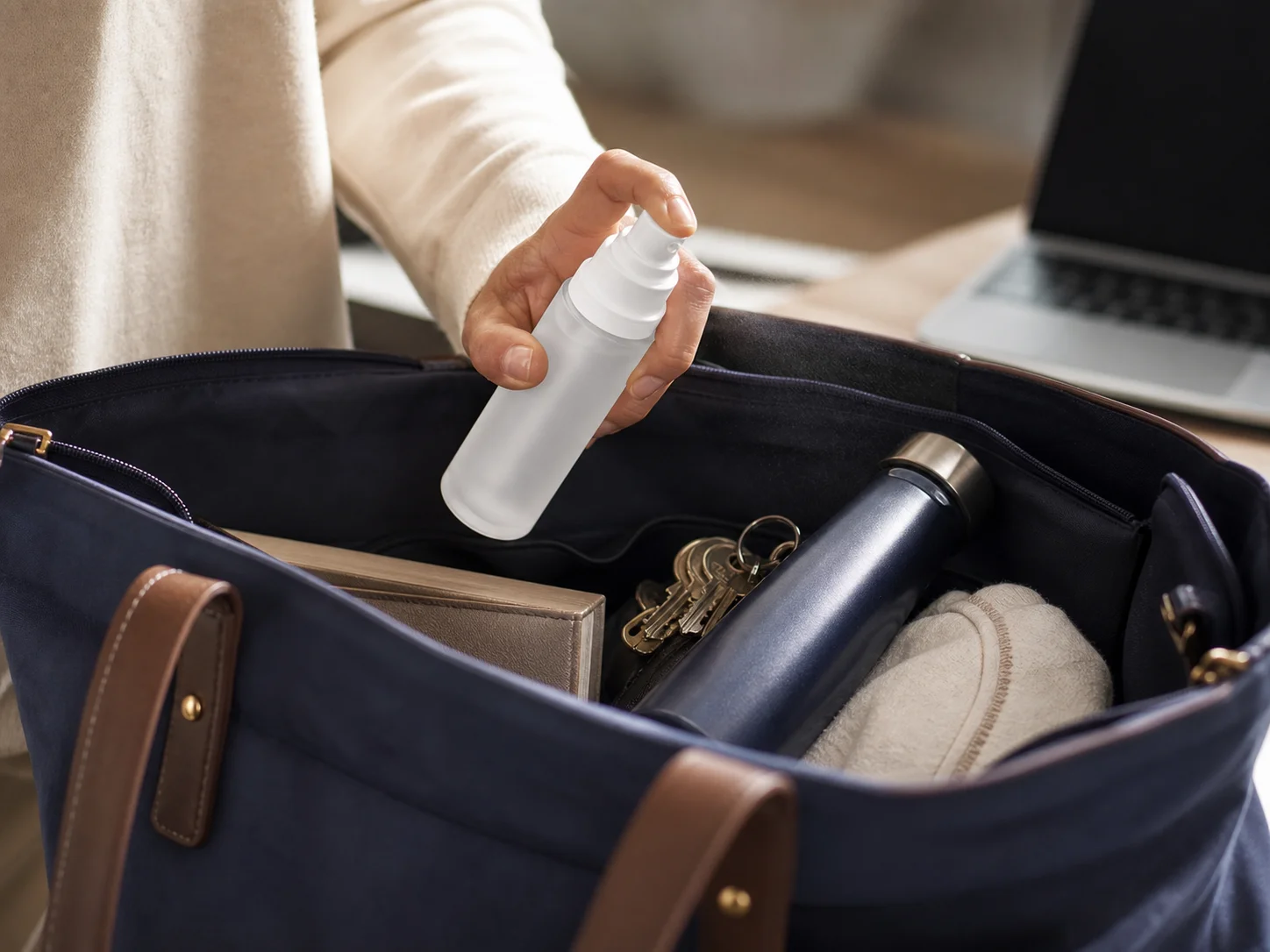
An unprotected actuator in a bag presses against other objects and empties itself. A retained overcap or a lock-down sprayer prevents that, keeps dust off the nozzle and slows evaporation through it. On any product intended to travel, one of the two is part of the specification rather than an accessory.
Neck choice follows the sprayer, not the bottle's proportions
Sprayers are made for specific finishes, so choosing 18-410, 20-410 or 24-410 is really choosing which sprayers are available. Designing a bottle to a preferred silhouette and then looking for a sprayer to fit it is the reverse of how the decision should run, and it narrows the options unhelpfully.
Spray direction is decided by the actuator orientation, and it must be repeatable
A sprayer that can rotate on the neck points wherever it was last left, which for a facial product is a real problem. Either the closure indexes to a fixed position or the actuator is symmetrical, and that is settled with the component supplier rather than assumed.