Dilution, material attack & aroma retention
Six things that separate this from a plain roller bottle.
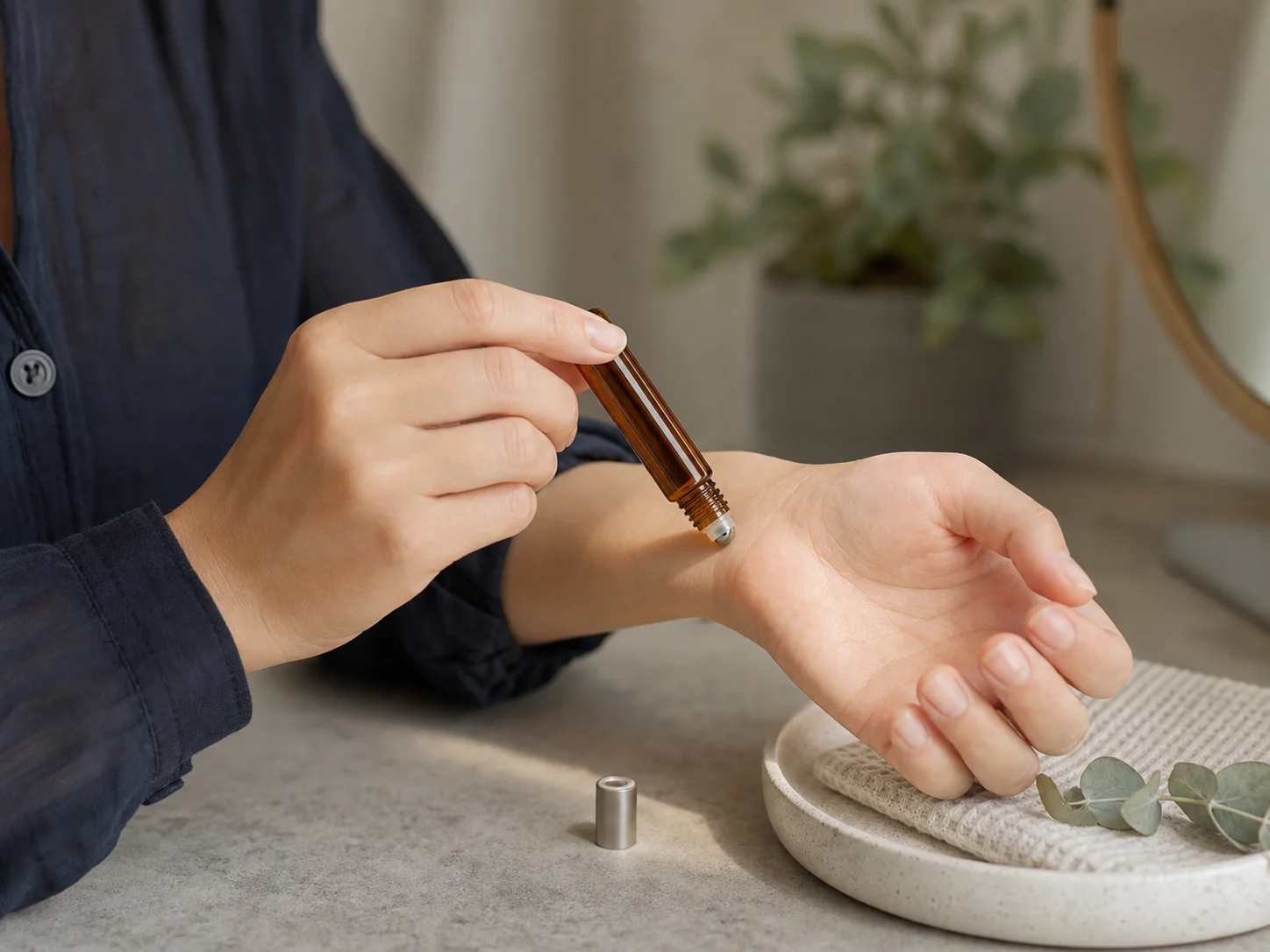
A roll-on essential oil blend is diluted oil applied to pulse points several times a day. The carrier keeps it safe on skin; the terpene content attacks the fitment materials; and the open path around the ball lets the lightest notes escape continuously. Those three facts decide the housing, the cap and the glass.
The blend is diluted for skin safety
Neat essential oils can sensitize or irritate, so roller blends carry a low percentage in fractionated coconut, jojoba or a similar base. That dilution also sets the viscosity passing the ball, so the formulation and the fitment clearance are decided together rather than one after the other.
Terpenes attack the wrong materials
Citrus and conifer oils swell and degrade several common plastics and elastomers, so housing material, cap liner and any gasket are chosen against the blend rather than against water. A fitment that behaves perfectly with a plain carrier oil can distort within weeks on a citrus-heavy blend and start leaking in a bag.
The cap is the only aroma barrier
There is no seal below the ball, so aromatics escape continuously and the lightest notes go first. A cap with an inner plug that closes on the housing bore slows that substantially. On a product bought for its scent, that cap contributes more to the experience across a month than the glass or the ball does.
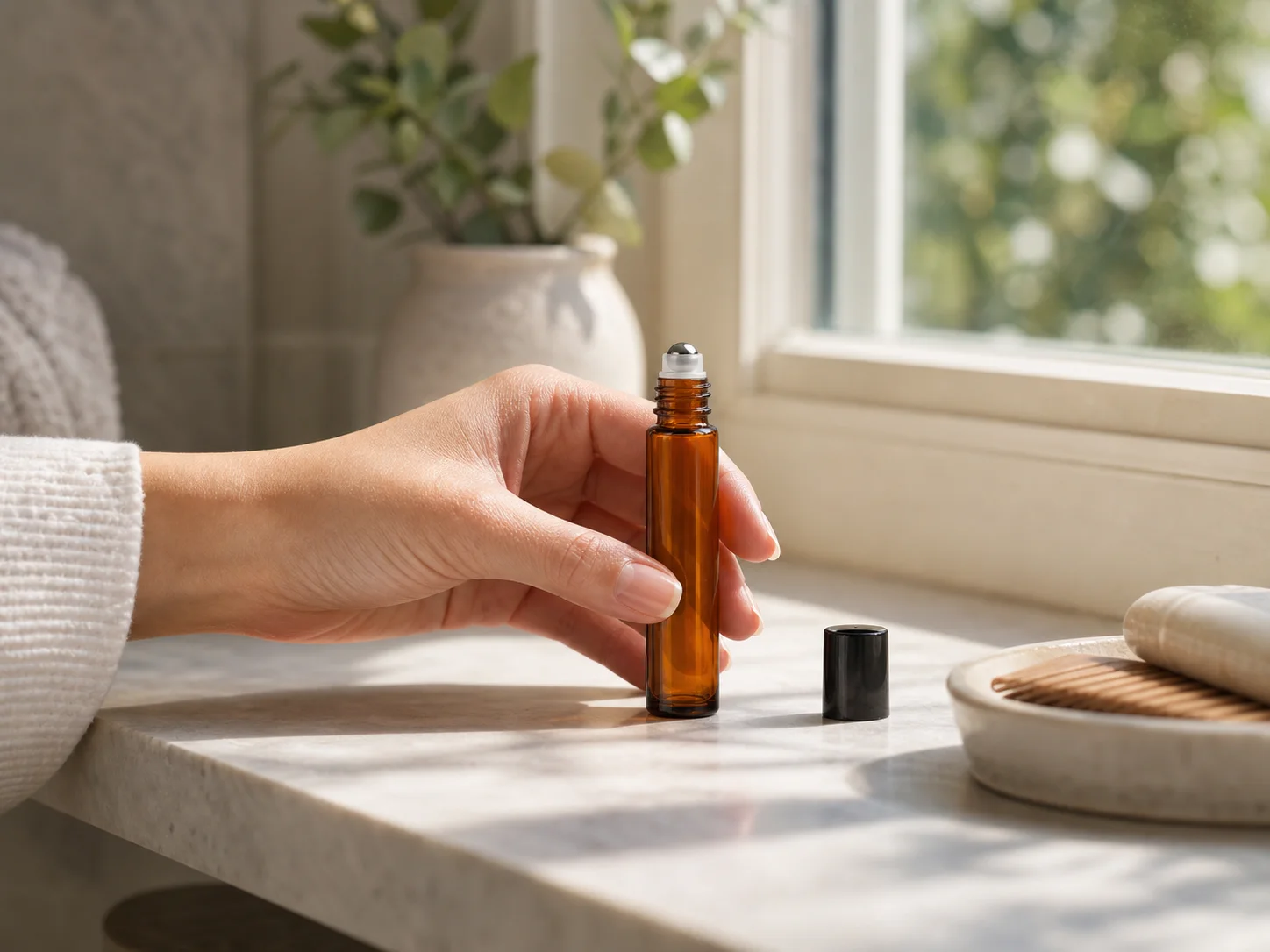
Amber earns its place here
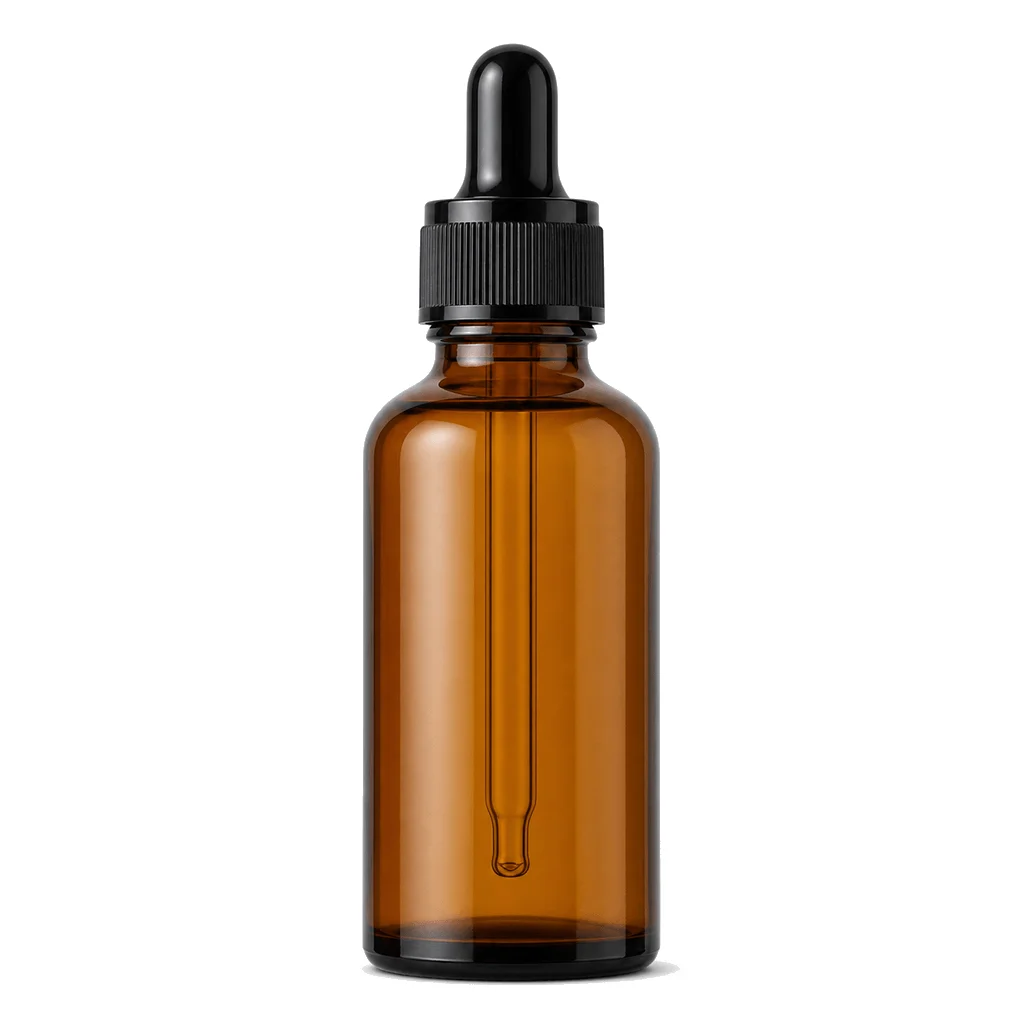
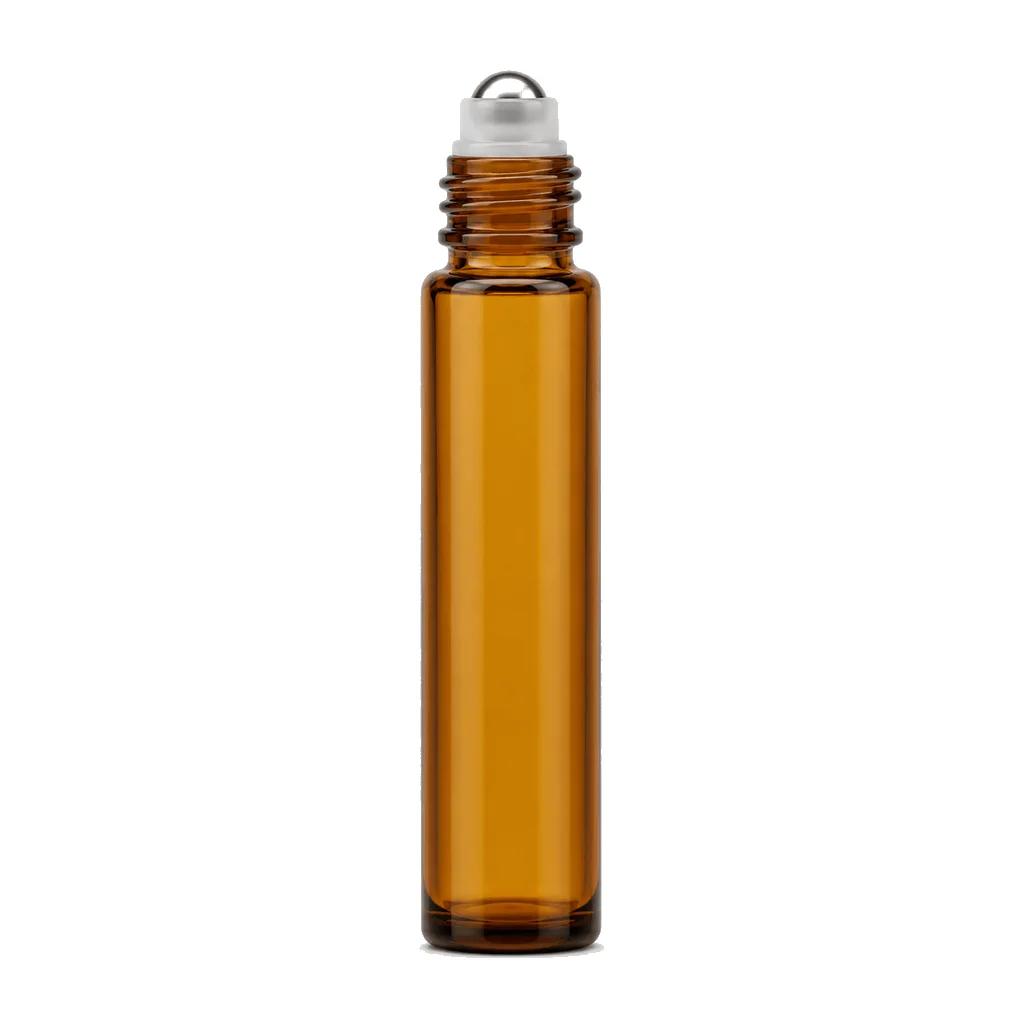
These bottles live on desks, in cars and in bags opened outdoors, so light exposure is far higher than for a bottle kept in a cupboard, and terpenes oxidize under short-wavelength light into less pleasant compounds. Amber absorbs those wavelengths, and the visibility lost matters little on a fill judged by weight.
It is carried on its side and tested that way
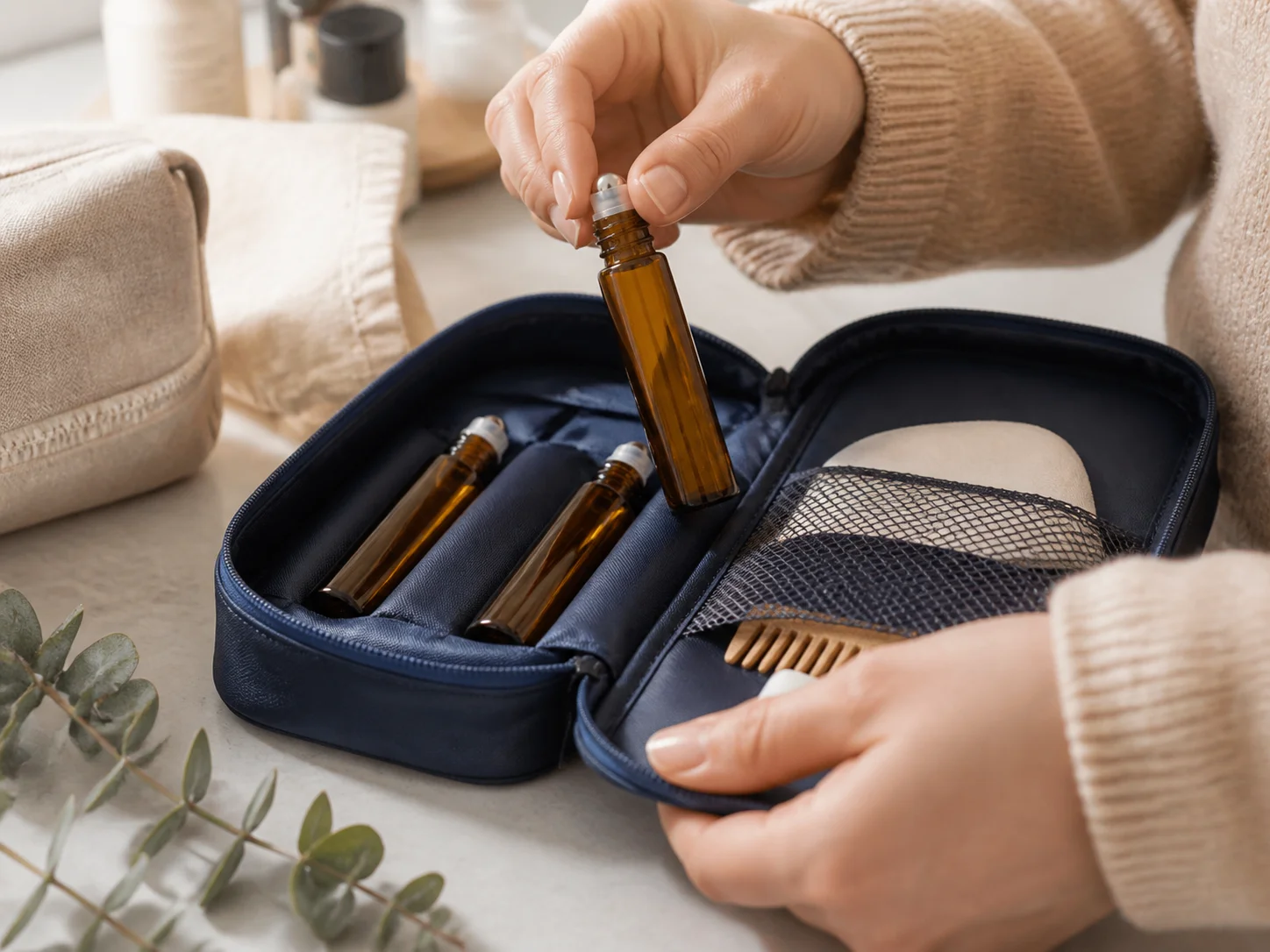
The realistic failure is a bottle lying in a warm bag, not standing on a shelf. Filled units stored on their side at elevated temperature find the leaks that upright bench testing misses entirely, and a leaked roller ruins the bag it was in, which generates complaints out of proportion to the product's price.
Ball drag changes with temperature, and these are carried in a pocket
A blend that rolls smoothly at room temperature stiffens in a cold bag and runs freely in a warm one, changing both the feel and the amount delivered. Testing the roller across the temperature range it will actually meet is more informative than a single bench check.