Atomization, plume travel & face application
Six things the sprayer decides that nothing else can.
A setting spray is judged on whether it lands as an even veil that sets makeup or as visible droplets that disturb it. That distinction is entirely the atomizer and the nozzle. The formula matters, the bottle holds it, and the pump is the part the customer actually experiences the moment they press it in front of a mirror.
Fine mist and ordinary spray are different products
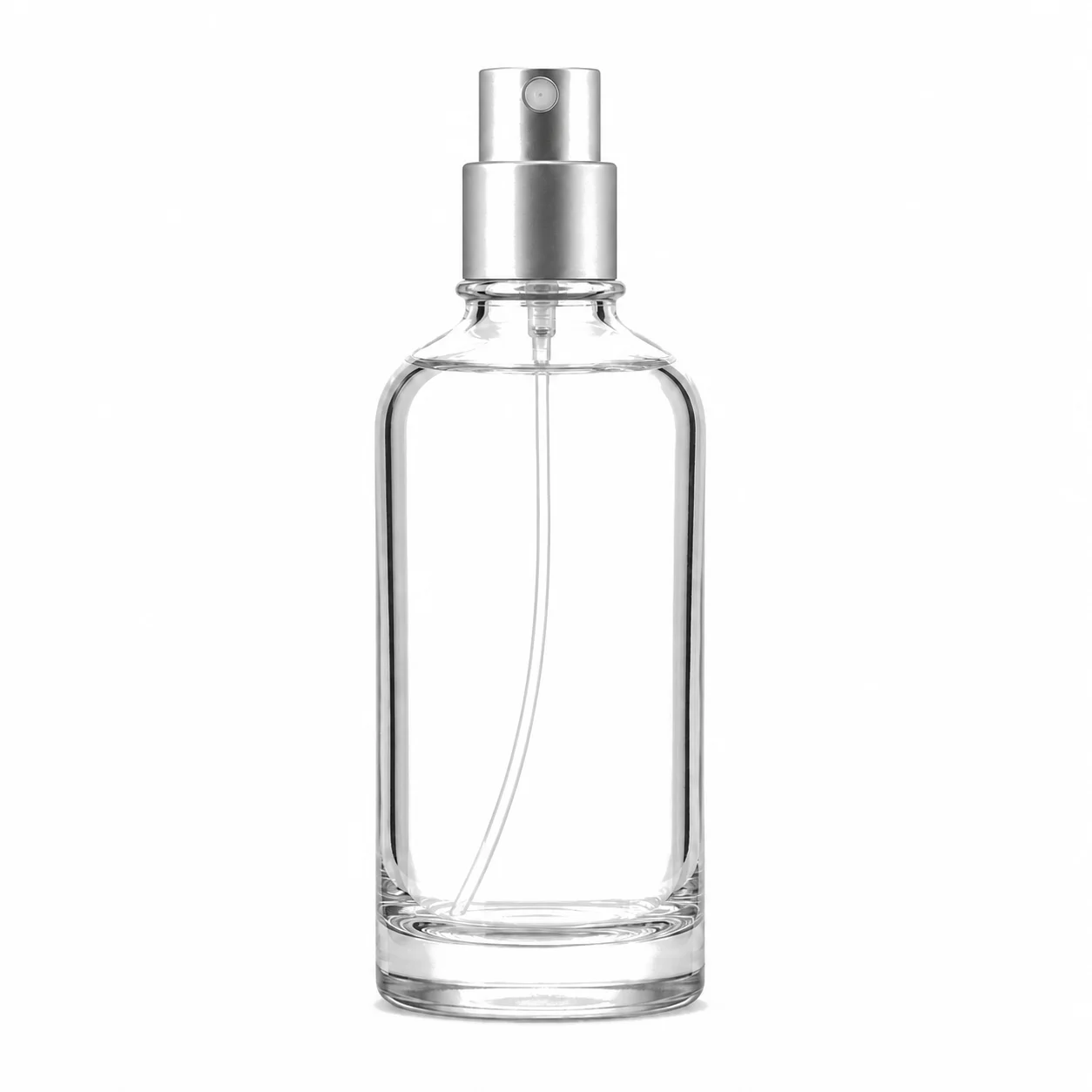
A fine mist atomizer produces droplets small enough to settle evenly and dry without disturbing what is beneath them. A standard sprayer produces droplets that land as spots, run and mark the makeup. Customers describe the difference as the product being good or bad, and it belongs entirely to the pump rather than the formula.
The plume has to survive the distance
Setting spray is used at arm's length, so the mist must stay dispersed across twenty or thirty centimeters rather than collapsing into droplets halfway. That is a property of nozzle and pressure together, and it is judged by spraying at a mirror from a real distance rather than at a card on a bench.
It is sprayed toward the face and eyes
Nozzle direction, a plume that does not jet, and an overcap that prevents accidental actuation all matter more here than in a product aimed at a room. A sprayer that occasionally spits rather than atomizes is a safety complaint in this category rather than a quality one, which is worth remembering when comparing on cost.
Continuous and standard sprayers feel very different
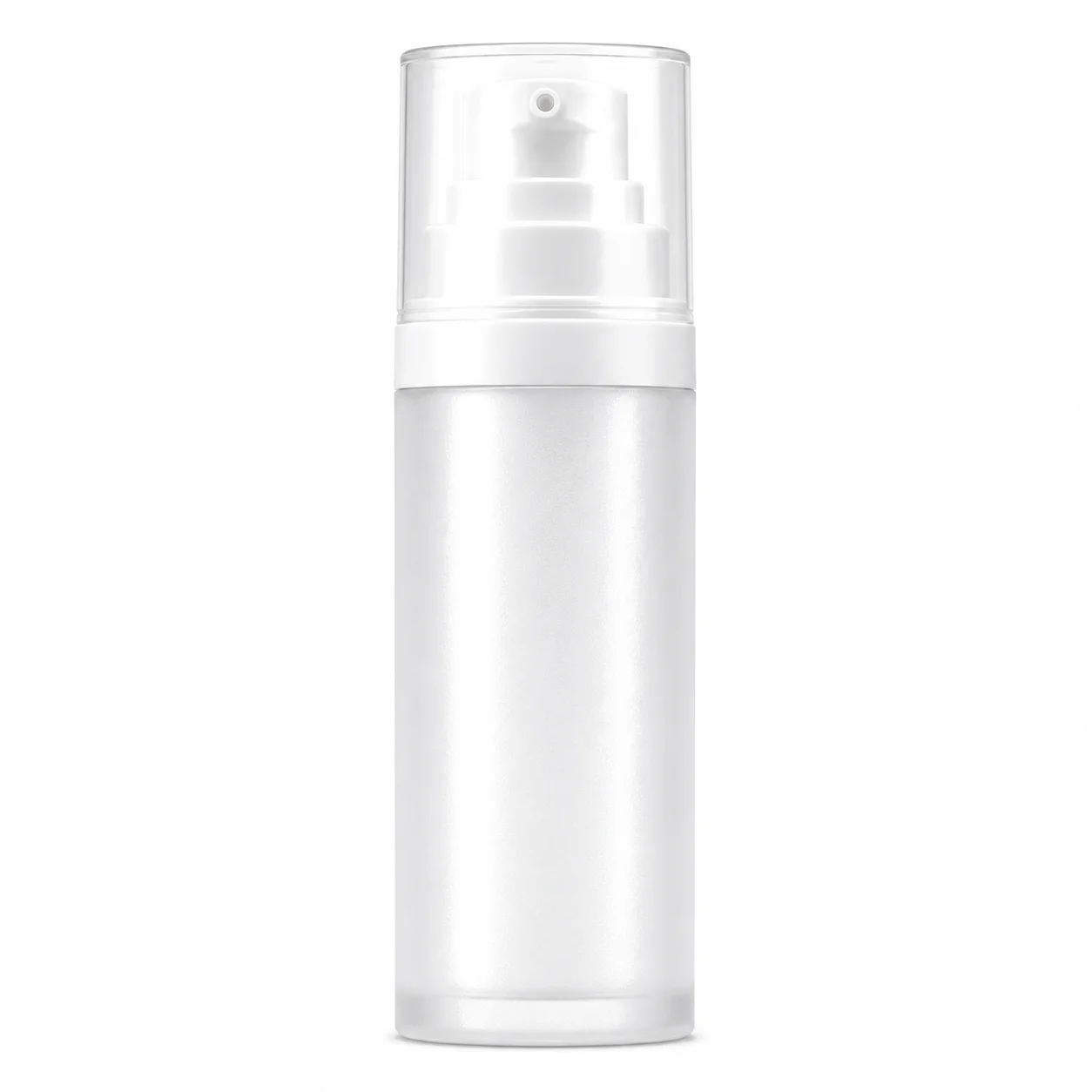
A continuous-spray system delivers an uninterrupted mist for as long as it is held, which suits a full-face application, while a standard pump gives a burst per stroke. The continuous type costs more and changes the bottle, so it is chosen for the application ritual rather than as a general upgrade.
The last of the bottle matters at this price
Facial mists are used generously and bought regularly, and a dip tube that leaves the final centimeter unreachable is noticed. Tube length is cut to the internal geometry, and on a slim bottle a slight angle at the cut helps it stay against the base as the level falls rather than lifting into air.
A fine mist takes longer to leave the bottle, and customers hold the button down
Low output per stroke means a longer actuation, and continuous sprayers invite a long press that empties more than intended. Communicating the intended use, and choosing an actuator that gives feedback at the end of a stroke, controls the consumption rate.