Creep, oxidation & dose metering
Six properties of oil that shape the pack around it.
Facial oils are used a few drops at a time, are usually rich in unsaturated fatty acids that oxidize, and creep down the outside of a bottle in a way aqueous products do not. Those three behaviors set the specification: a metering dispenser, protection from light and headspace, and a label that survives permanent contact with the product.
Oil travels down the outside
Whatever is dispensed leaves a trace on the neck, and it runs. Within weeks a label that was chosen for a water-based product is lifting at the edges with smeared print. Chemical-resistant synthetic stock with an oil-rated adhesive is not a refinement here; it is what stops the pack looking neglected halfway through its life.
Unsaturated oils oxidize with light and air
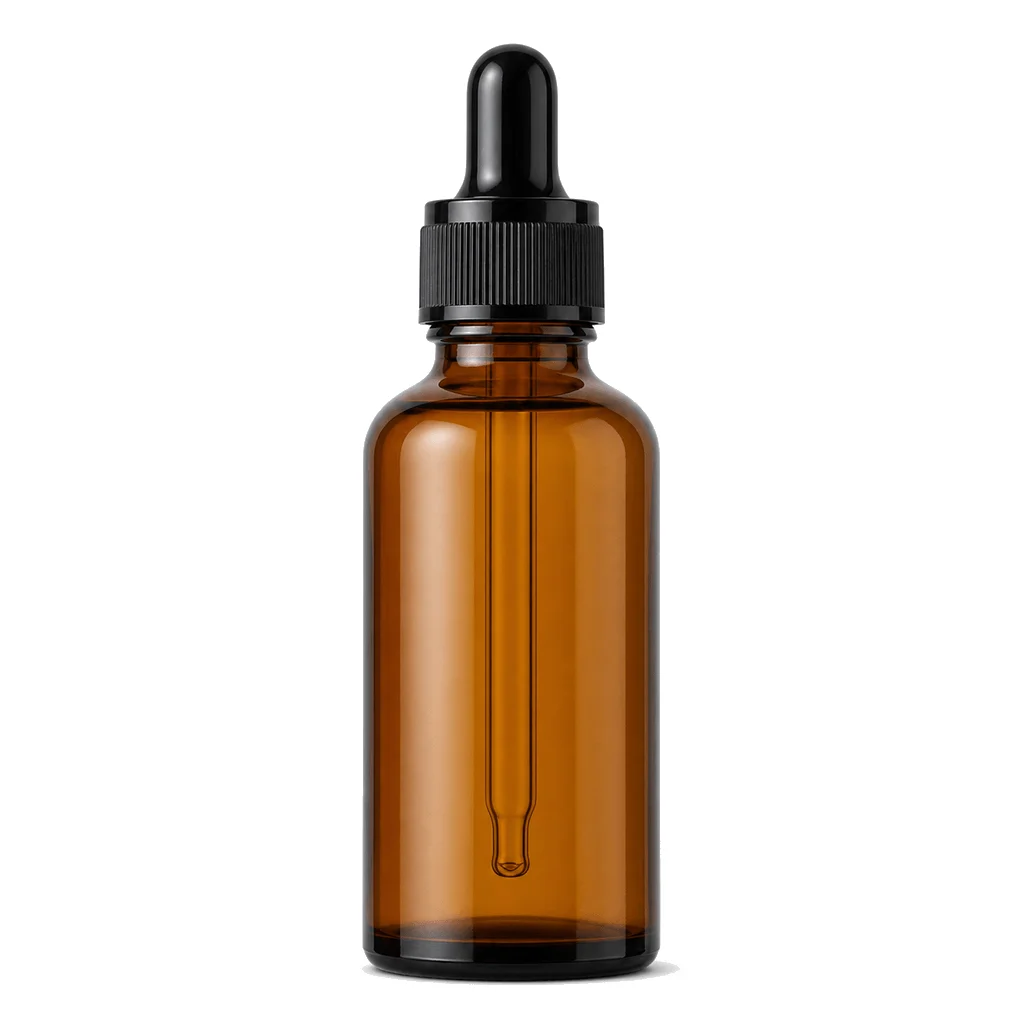
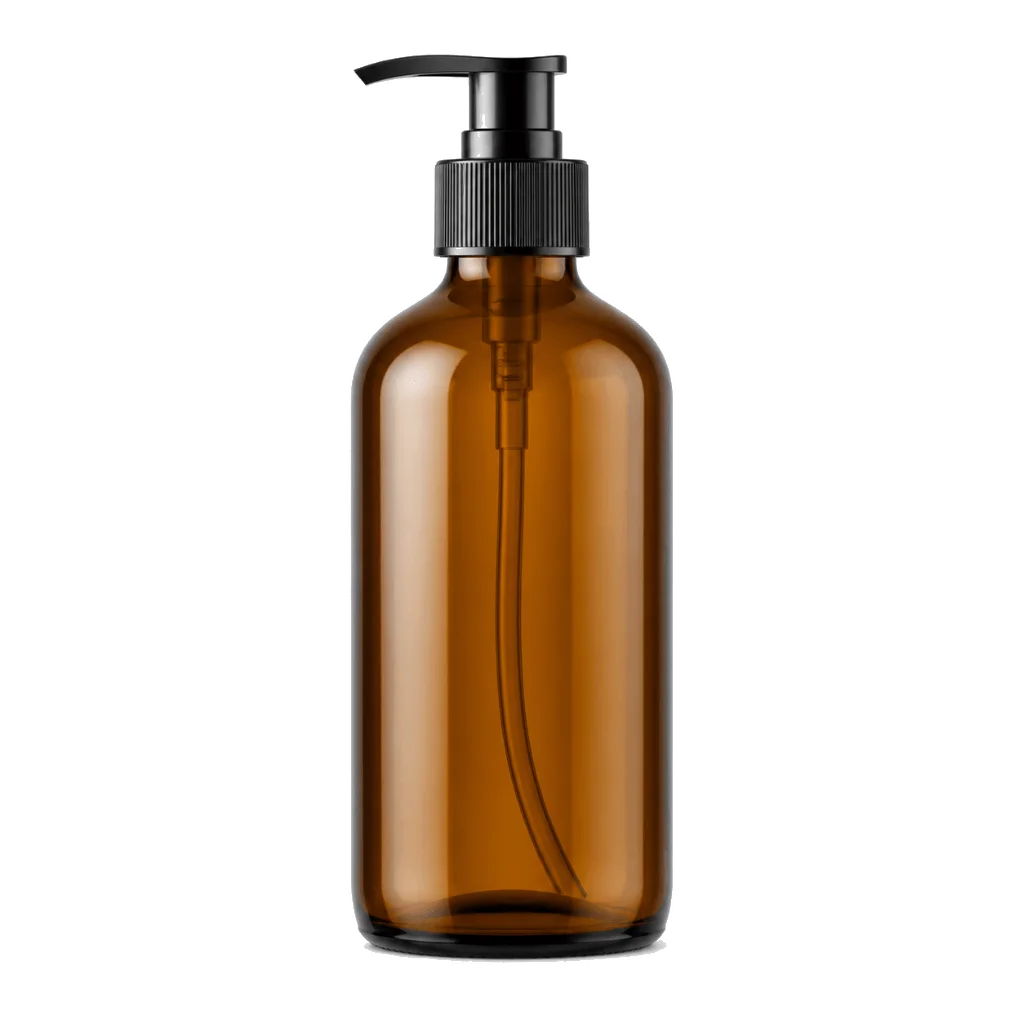
Rosehip, argan and similar oils rancidify through the same chemistry as any culinary oil, and the pack can only slow it. Amber glass absorbs the short wavelengths that drive photo-oxidation, and a bottle sized so headspace stays small does more than any closure improvement. Both belong in the specification for a serious oil product.
The dose is counted, so the dispenser meters
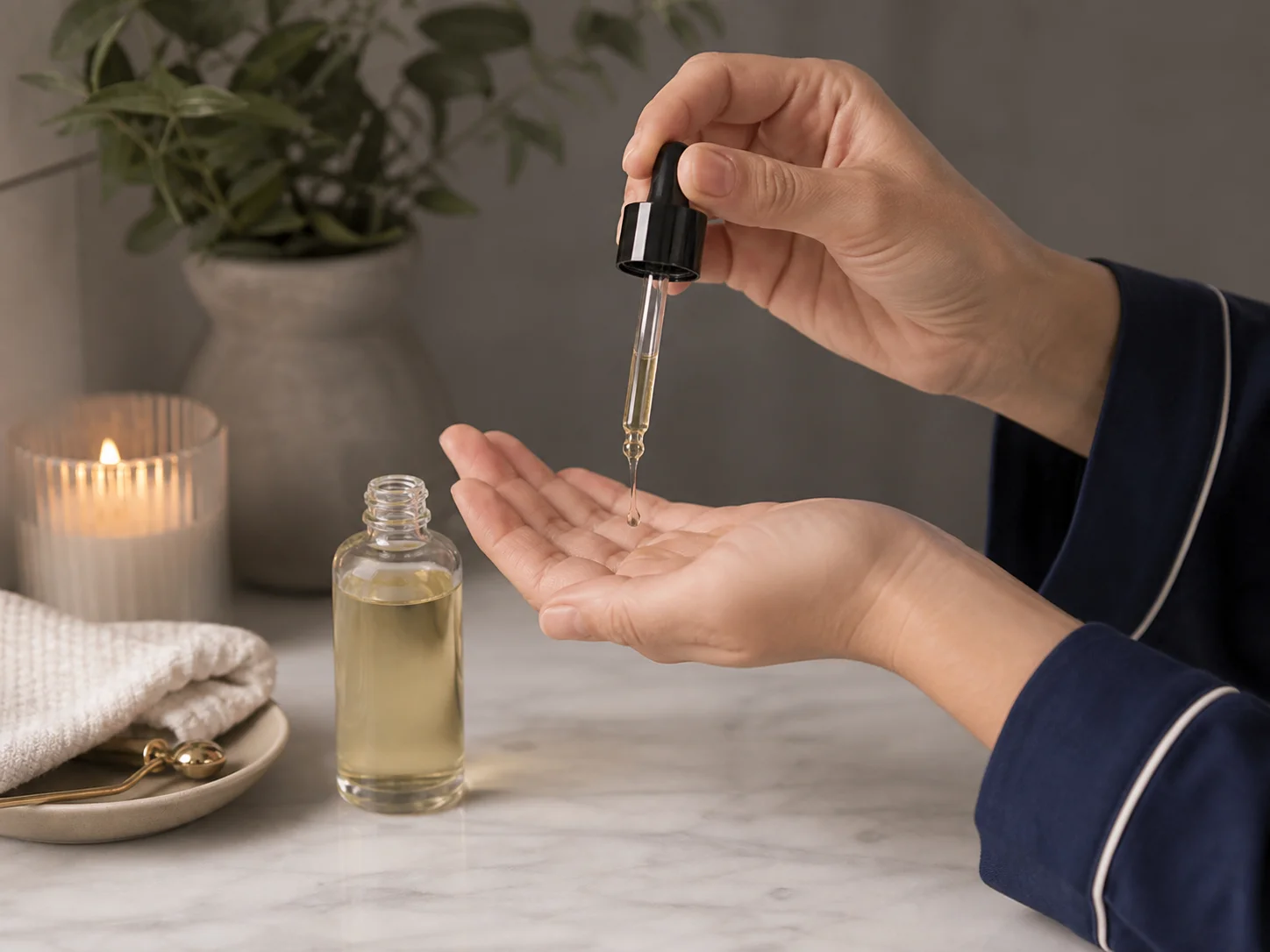
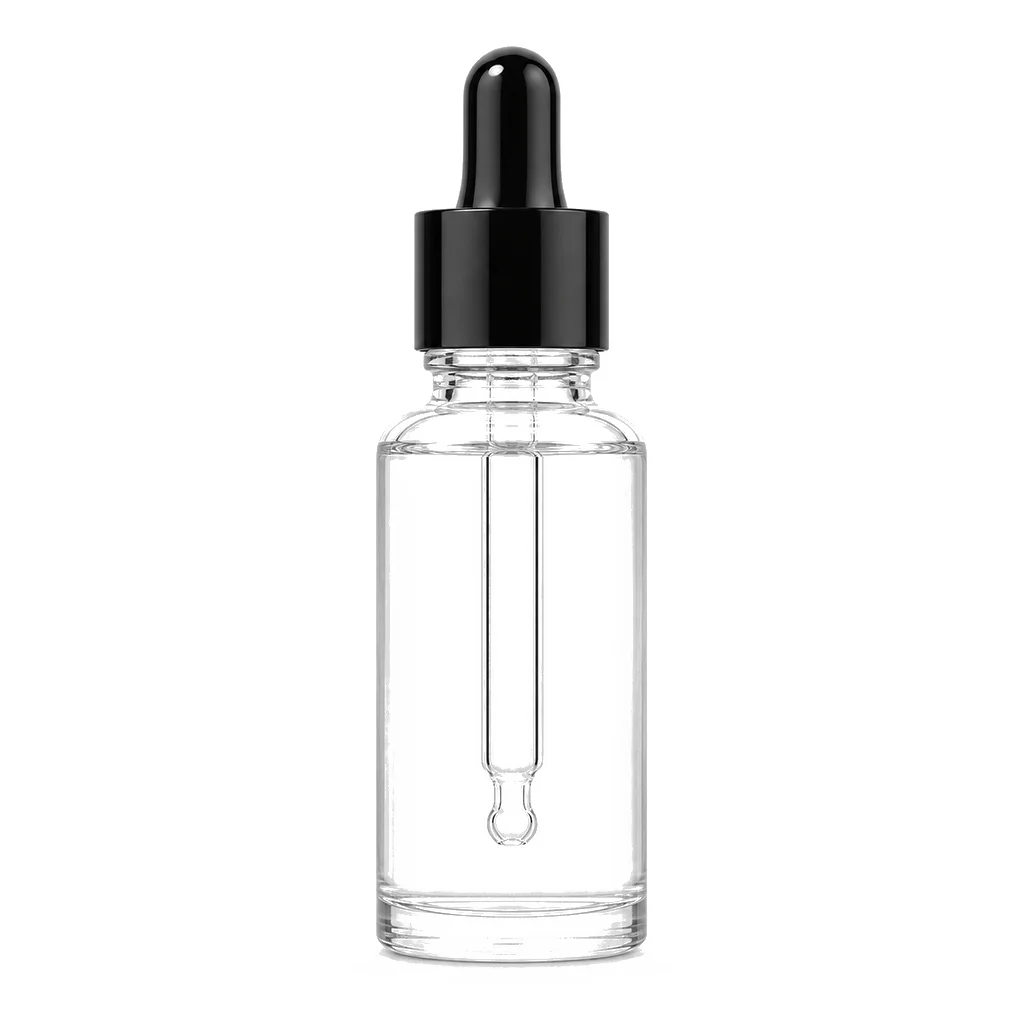
Facial oils are applied in a few drops, not poured, which makes a dropper or a small pump the appropriate dispenser and an open neck the wrong one. Drop size follows the pipette tip and the oil's viscosity together, and it is what customers use to gauge how far the bottle will go.
Bulbs and liners have to hold against the oil
Natural rubber softens against many plant oils and against any essential oil content, so nitrile or silicone bulbs and PTFE-faced or cone liners are the appropriate specification. A component chosen for an aqueous serum can be tacky and deformed within months in an oil, which shortens the draw and eventually leaks.
Grip matters on a slippery bottle
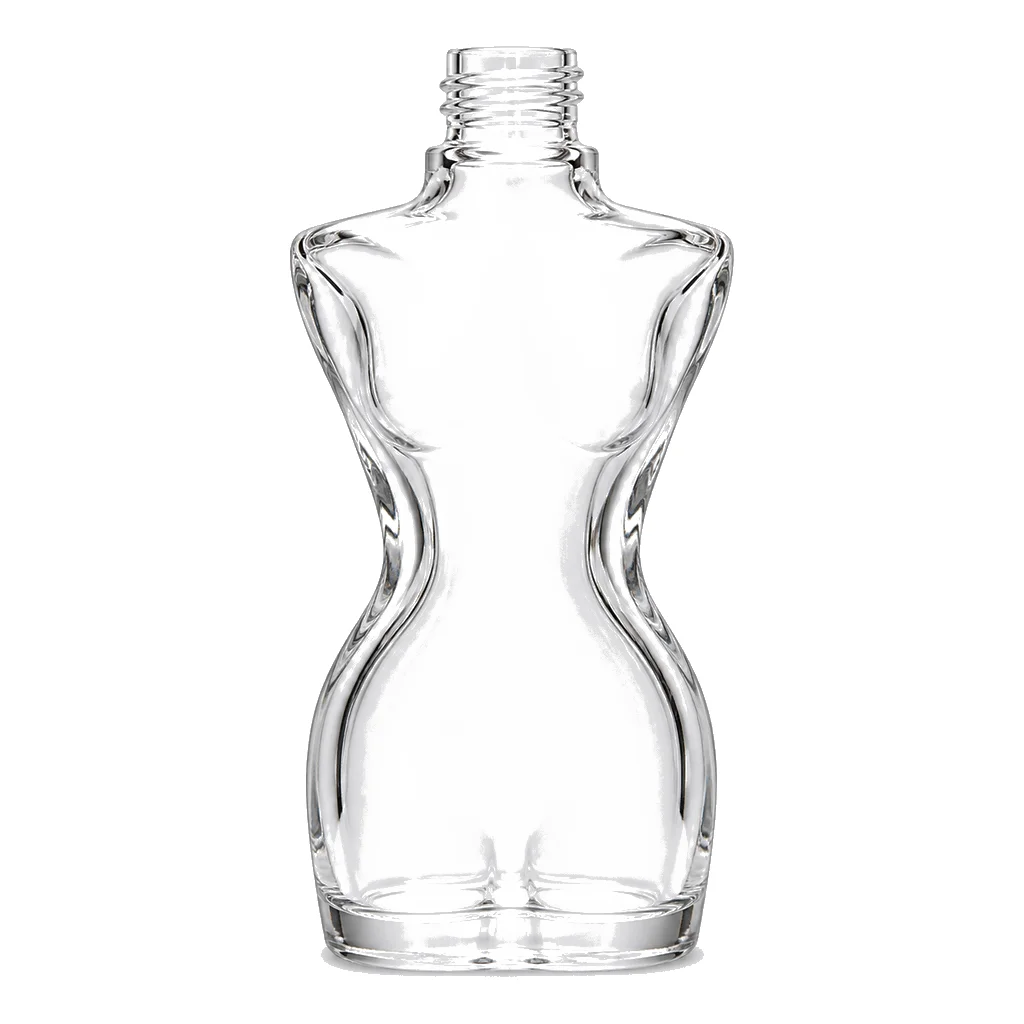
An oil bottle is handled with oil on the fingers, which makes a smooth slim cylinder easy to drop. Ribs, a textured coating, a flat panel or a waisted profile all help, and on glass over a hard bathroom surface the consequence of getting it wrong is more than an inconvenience.
A clear bottle sells the color and lets the customer watch it change
Plant oils darken and cloud as they age, and in clear glass a customer sees that happening on their own shelf. Either the glass protects the oil or the label sets the expectation, but a clear bottle with a twelve-month claim invites a complaint the formulation cannot answer.