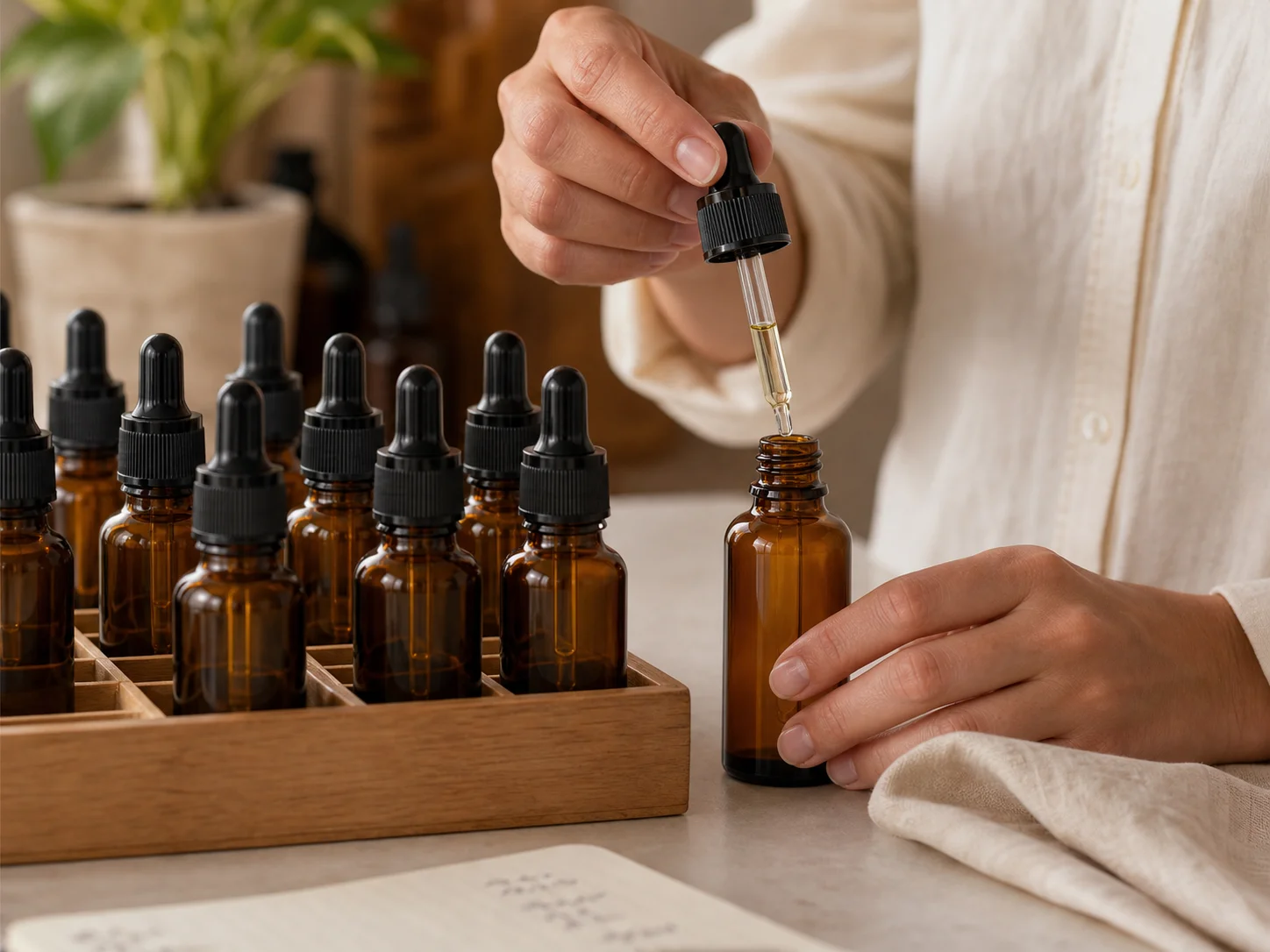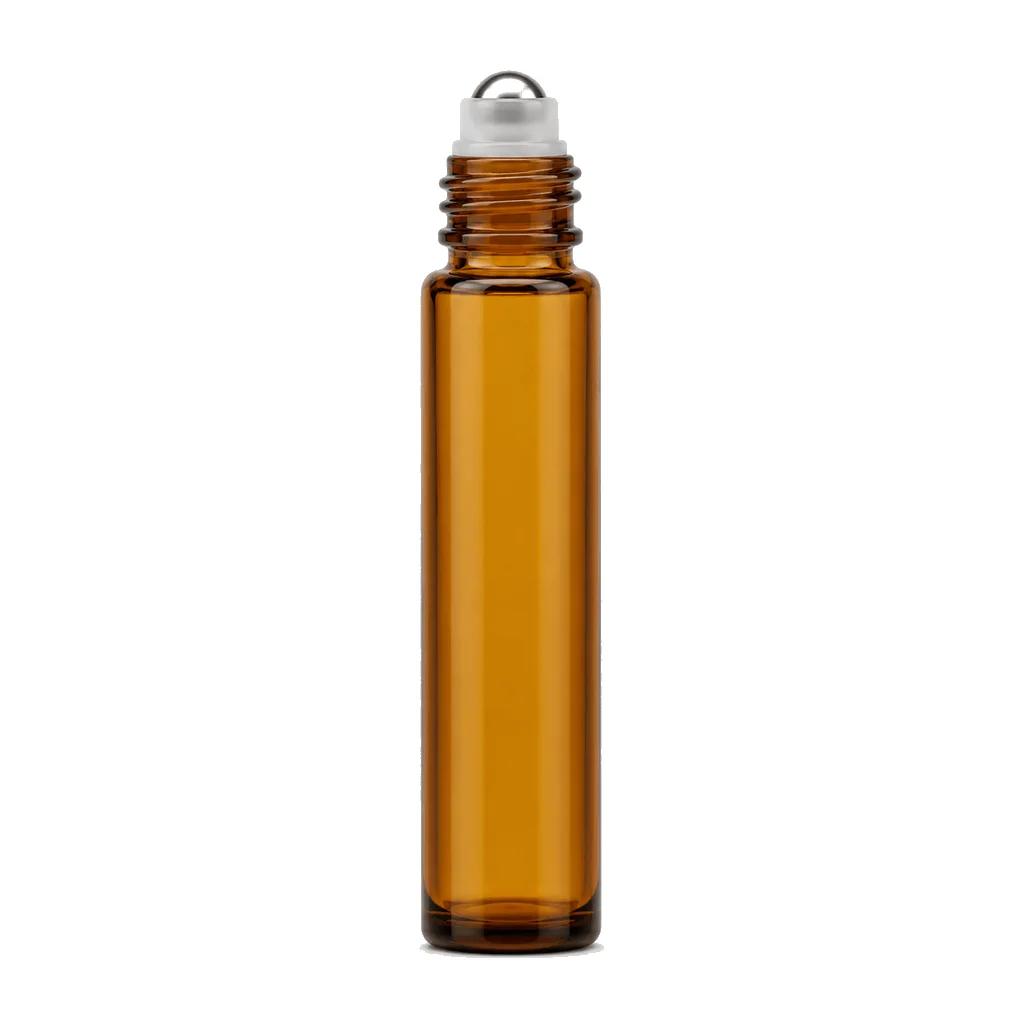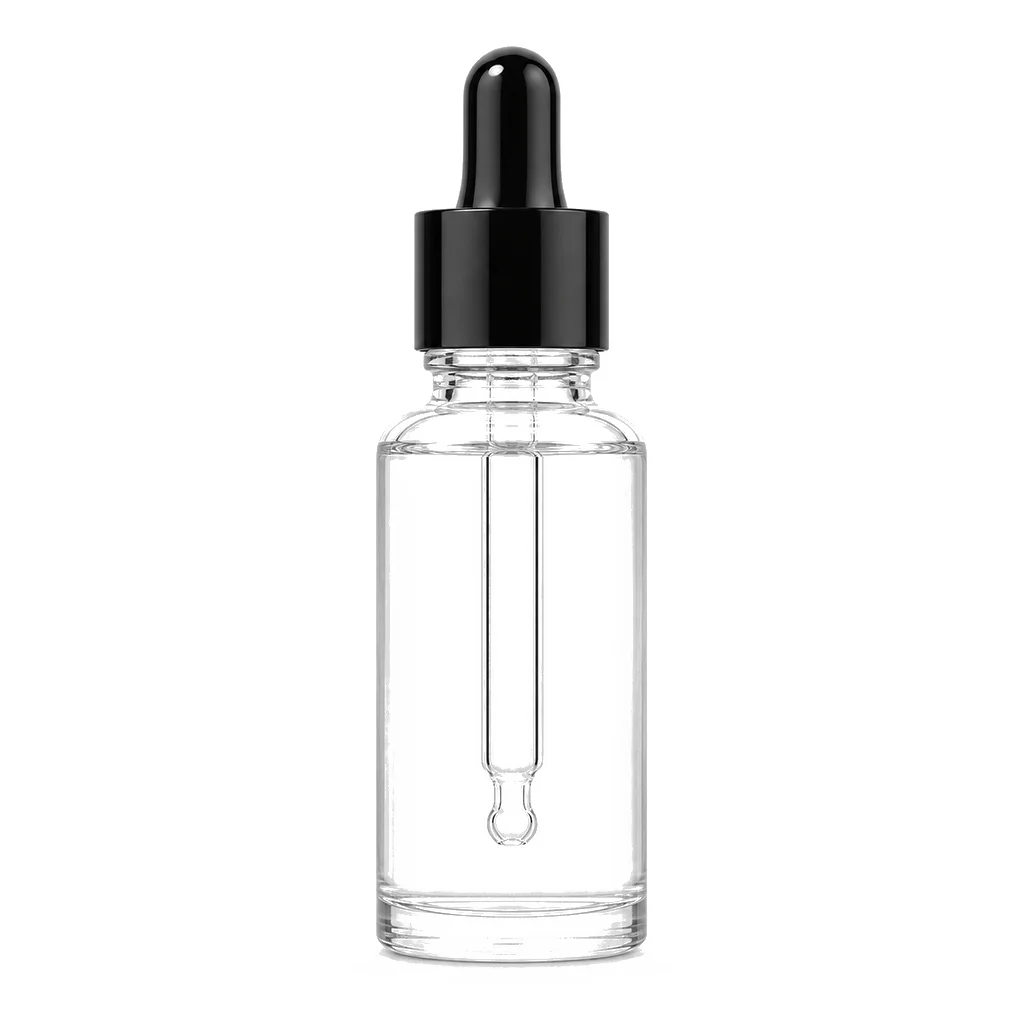
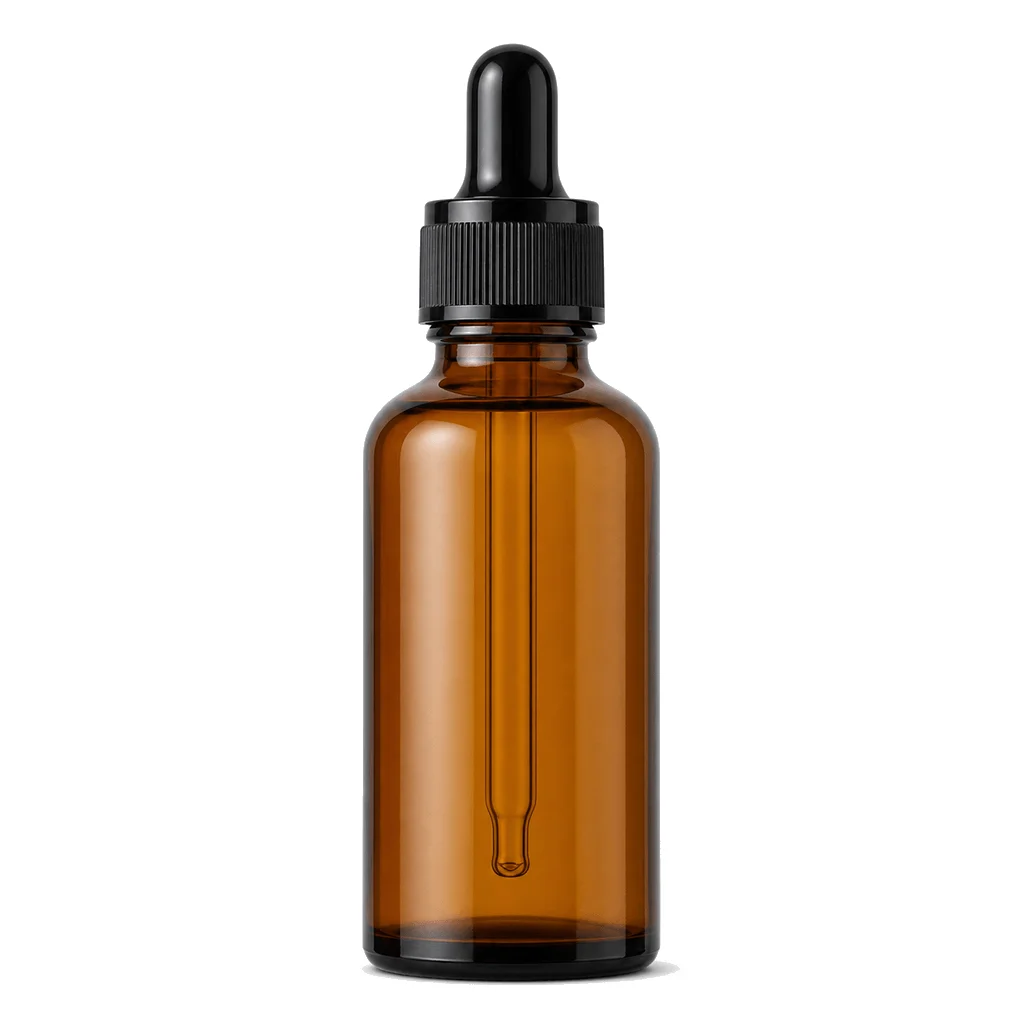
Small amber glass bottle with a narrow neck and a black ribbed cap
Shown configuration · bottle with cap / oil, orifice reducer, liner and label not shown

Essential oils

Essential Oil Bottle

An amber essential oil bottle on an 18-400 or 20-400 neck, fitted with an orifice reducer and a liner that has to hold against undiluted terpenes for a shelf life.

18-400 and 20-400 necksOrifice reducer for dropsPTFE-faced or cone liner
Stock status
In stock
Lead time
2–3 weeks
FOB price / pc
$0.55 - $0.90
MOQ
10,000 pcs

Final availability, dimensions, materials, assembled components and commercial terms are confirmed against the selected drawing and approved sample.

Amber is functional here

Citrus oils photo-oxidize in daylight

Reducer sets the drop

Bore and viscosity together

Neat oil defeats cheap liners

Foam and pulp fail within months

Essential Oil Bottle profile

A small bottle holding one of the most aggressive liquids in personal care.

Light, liner chemistry & drop metering

Five things that decide whether the oil is the same at the end of the bottle.

Undiluted essential oils attack liner materials, dissolve some plastics, oxidize in light and evaporate through any imperfect seal. The bottle has to hold that for a shelf life while being opened repeatedly for a few drops at a time. Amber glass, a properly specified liner and a reducer that meters consistently are what make it work.

01

Photo-oxidation is why the glass is amber

Citrus and conifer oils oxidize under short-wavelength light into compounds that smell noticeably worse, and these bottles sit on worktops rather than in cupboards. Amber absorbs the wavelengths that drive it. The lost visibility matters little, since level is judged by weight or by tilting the bottle rather than by looking through it.

02

Liner failure is the commonest packaging fault in this category

Terpenes swell foam liners, dissolve pulp backings and extract additives from some polyolefins, and the failure is a leak and a contaminated oil at the same time. PTFE-faced discs or cone liners are the correct specification. A liner that performs on a diluted blend will not survive the neat oil of the same fragrance.

03

The orifice reducer is a dosing component

Users count drops, so drop consistency is the product experience. Bore diameter, oil viscosity and temperature together set the size, which means a recipe written in drops implicitly assumes the oil it was developed with. A thin citrus and a thick absolute give visibly different drops through the same reducer.

04

Headspace grows and cannot be avoided

Because the bottle is used a few drops at a time over months, the air above the oil increases steadily while the oil is exposed to it repeatedly. That is the main driver of deterioration in an otherwise well-packaged oil, and it argues for smaller bottles bought more often rather than a larger bottle at a better unit price.

05

Child resistance changes the whole closure stack

Several markets require child-resistant closures for certain essential oils, and a CR cap has to work with the reducer rather than around it. Retrofitting one to a pack designed with a plain cap usually means changing the neck as well, so the requirement belongs in the first specification rather than a later market extension.

06

The cap is opened and closed more often than any closure in the range

A 10 mL bottle used daily is opened hundreds of times over its life, and every cycle wears the liner a little further. Liner durability across that count, not just chemical compatibility on day one, is what decides whether the last of the oil is still worth using.
Application guide

Undiluted oils are counted in drops, and they attack plastic.

Neat essential oils are dispensed a few drops at a time into a diffuser or a carrier, and they are far more aggressive toward dropper components than any cosmetic liquid. These are development directions confirmed with the actual oil.

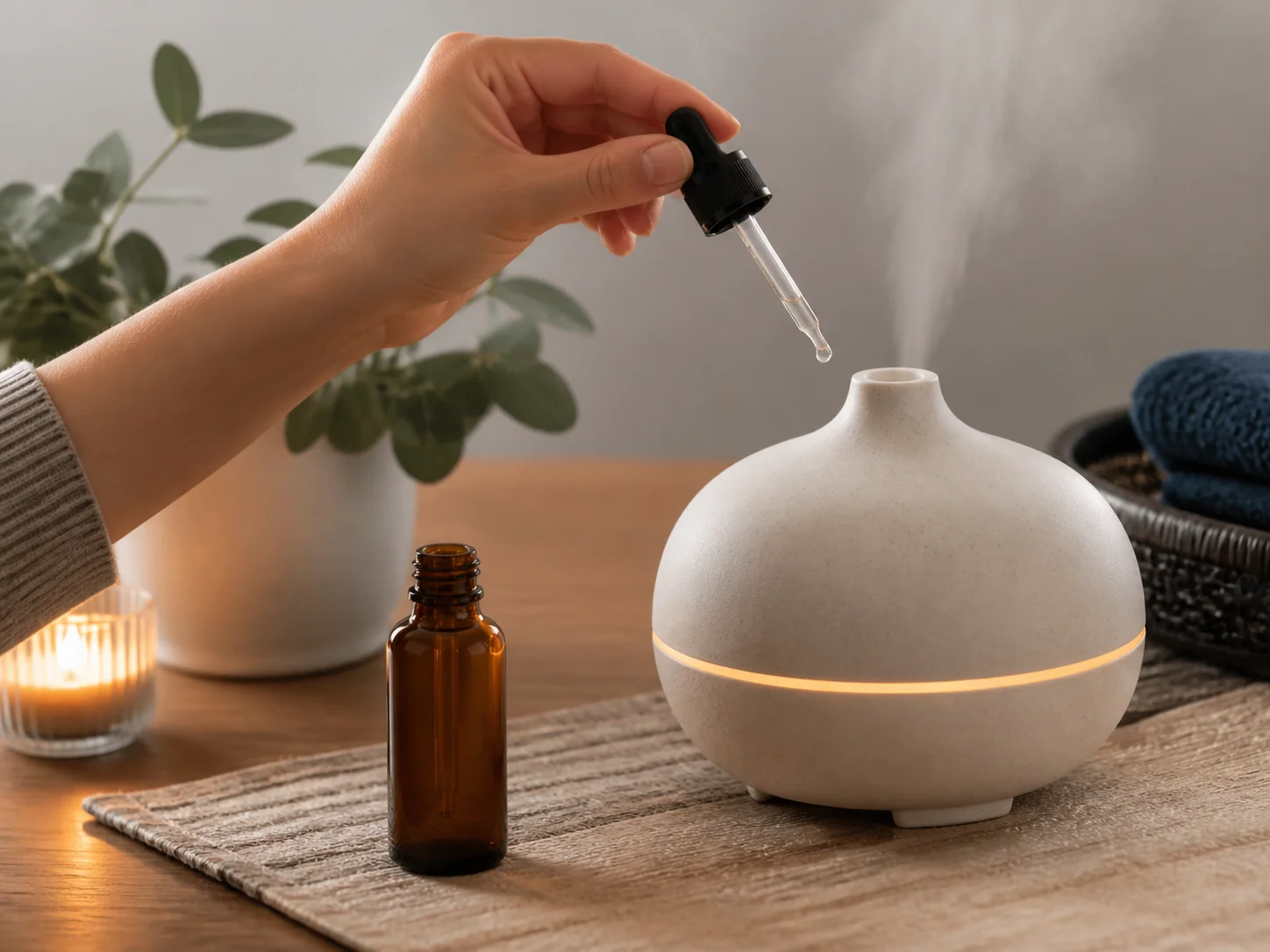
Essential Oil Bottle used for neat oils dosed into diffusers in a diffusion setting

Diffusion

Neat oils dosed into diffusers

For someone adding five or six drops to water in a diffuser each evening, counting as they go. Drop size has to be consistent enough that a recipe repeats, and because these oils are used neat, the pipette and bulb must tolerate them without softening or clouding over months.

  • Confirm drop size stays consistent
  • Test the bulb against the neat oil
  • Watch the pipette for clouding
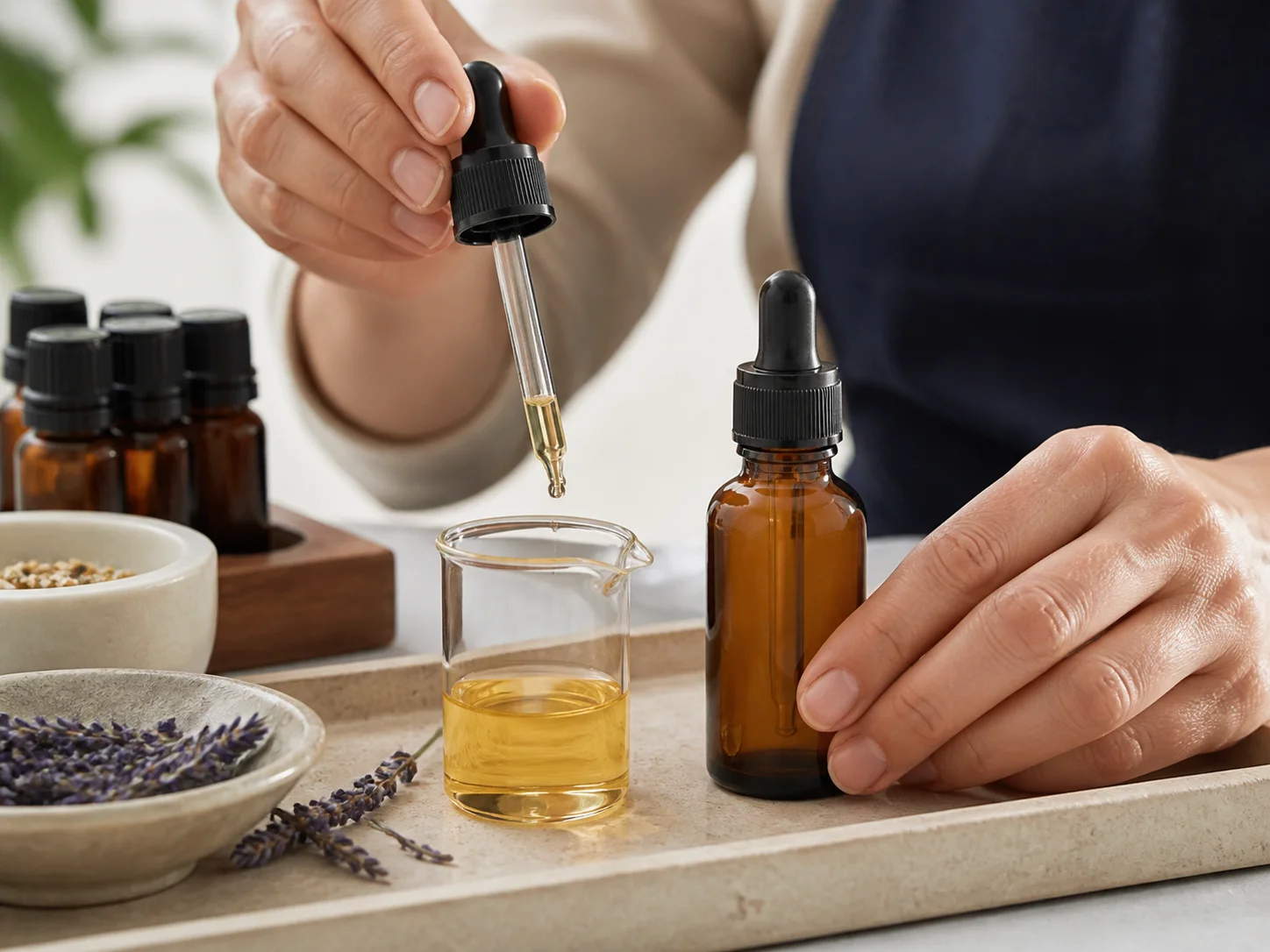
Essential Oil Bottle used for carrier dilution and custom blends in a blending setting

Blending

Carrier dilution and custom blends

Hobbyist and professional blenders measure oils into carriers by drop count, so accuracy at the tip matters more than volume in the bottle. Amber glass is the category norm because many of these oils degrade in light, and customers expect it as a sign the product has been handled properly.

  • Support accurate drop counting
  • Keep amber consistent across the line
  • Confirm the neck suits a reducer
Essential Oil Bottle used for starter kits and oil libraries in a collections setting

Collections

Starter kits and oil libraries

Essential oils sell as growing collections, where someone owns fifteen identical amber bottles distinguished only by a label. Legibility on a small curved surface, and a labeling system that still works when the collection doubles, are the practical constraints on how the range is designed.

  • Design labels for a growing library
  • Test legibility on the curve
  • Plan storage and rack compatibility

Liquid compatibility, ingredient information, safety requirements, dropper system, filling, stability and distribution are confirmed for the selected program.

Common questions

Essential Oil Bottle questions

Neat oil is aggressive. These questions are about surviving it.

Does the glass have to be amber?

For citrus and conifer oils it effectively does. They oxidize under short-wavelength light into compounds that smell distinctly worse, and these bottles live on worktops rather than in cupboards. Amber absorbs the wavelengths responsible. Losing visibility costs little, since users judge the level by weight or by tilting rather than by looking through the glass.

Why do liners fail on essential oils?

Terpenes swell foam liners, dissolve pulp backings and extract additives from some polyolefins — a failure that leaks and contaminates the oil at the same time. Specify PTFE-faced discs or cone liners, and qualify them on the neat oil rather than on a diluted blend.

Should we sell larger bottles for better value?

It works against the product. Because the bottle is used a few drops at a time over months, headspace grows steadily while the oil is repeatedly exposed to it, and that is the main driver of deterioration in an otherwise well-packaged oil. Smaller bottles bought more often preserve quality even at a worse unit price.

When do we need child-resistant closures?

Several markets require them for certain essential oils, and a CR cap has to work with the orifice reducer rather than around it. Retrofitting one to a pack designed for a plain cap usually means changing the neck too, so the requirement belongs in the original specification rather than in a later market extension.

Which component wears out first on this pack?

The cap, because it is opened more than any other closure in the range. A few drops at a time means dozens of open-and-close cycles across one bottle, so thread wear, liner recovery and the reducer's grip on the finish all have to survive that count rather than a single opening.

Next step

Send us the Essential Oil Bottle brief.

Tell us the product, fill volume, closure preference and destination market. We will come back with the matching drawings, available configurations and a sample plan before anything is quoted.

  • 01Send the briefProduct, volume, closure and market
  • 02Get the optionsMatching drawings and configurations
  • 03Approve the sampleConfirm the pack before production