Pump selection, priming & the pairing
Six things that decide how a pump-and-bottle pair is judged.
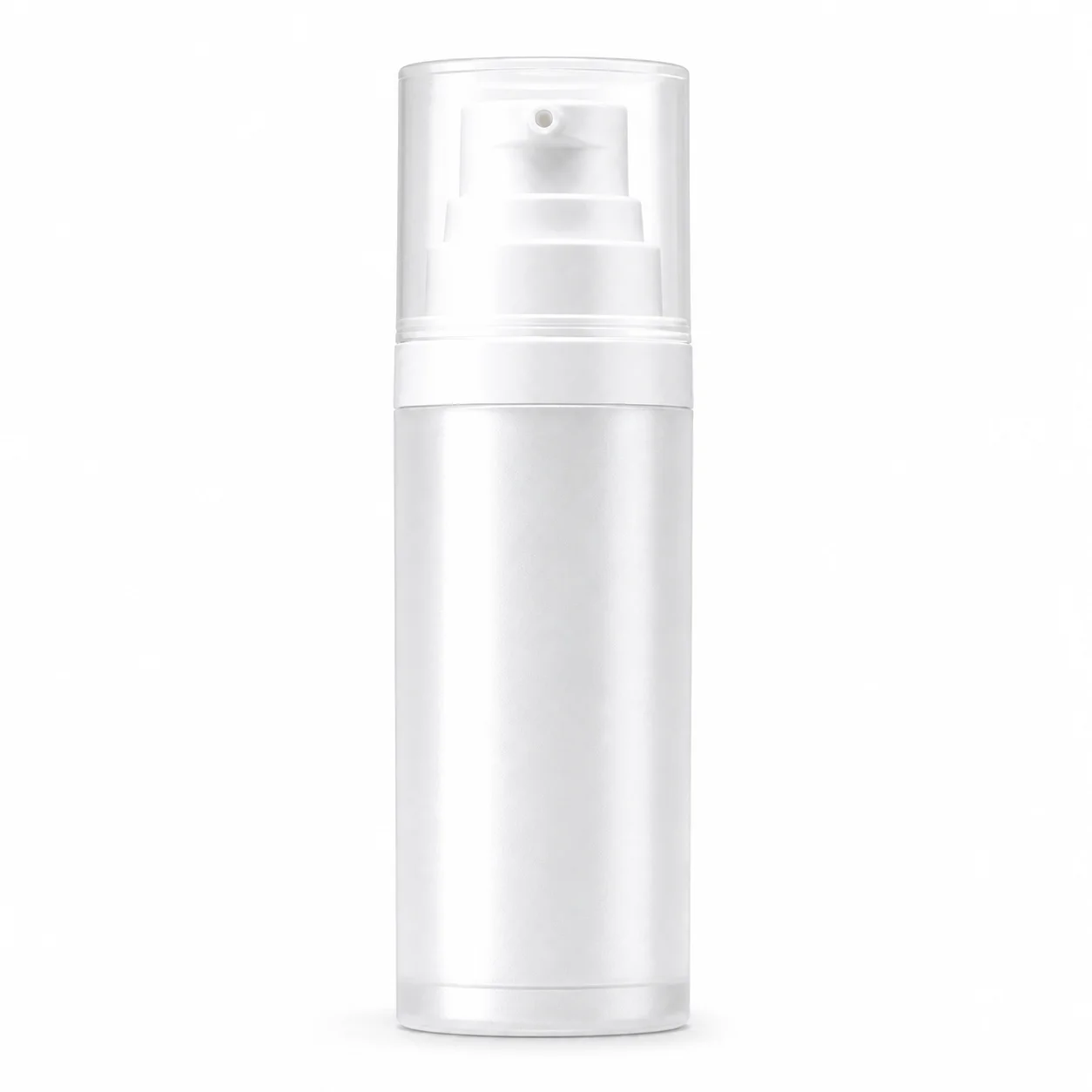
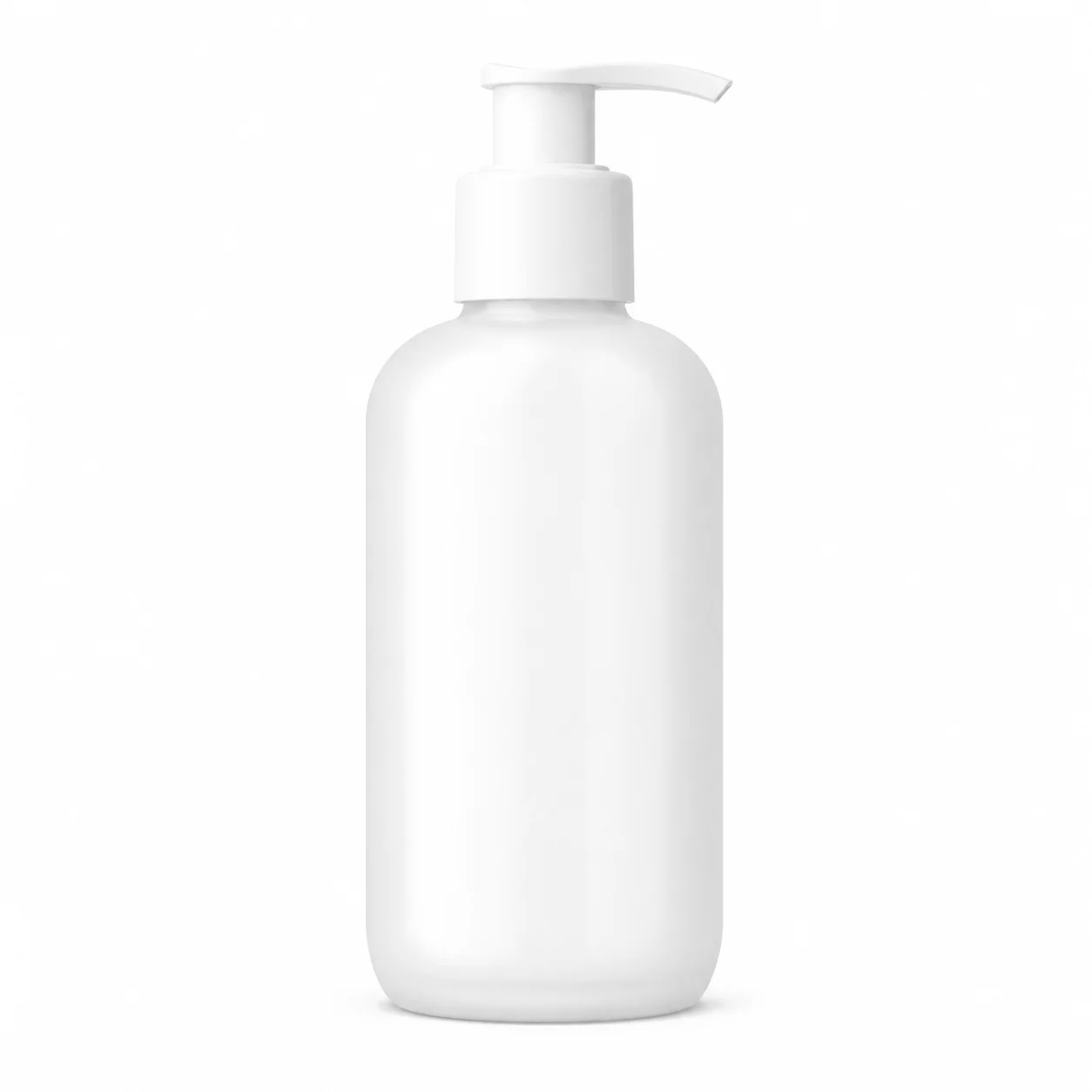
When a lotion is sold with a pump already fitted, the customer's whole impression of the pack comes from the stroke: how much it delivers, how smooth it feels, whether it primes quickly and whether it locks for travel. The bottle supplies the neck the pump needs and the internal height its tube is cut to.
The pump is chosen first and the neck follows
Pumps are made for specific finishes, so selecting 24-410 or 28-410 is really selecting which pumps are available. Designing a bottle to a preferred proportion and then hunting for a pump narrows the options unhelpfully, and it is how programs end up with a stroke that does not suit the product it dispenses.
Priming is the customer's first experience
A new pump has air in the chamber and takes several strokes to deliver properly. A customer who presses four times and gets nothing concludes the pack is broken before they have used the product. A pump that primes in one or two strokes, or a line on the label explaining it, prevents a bad first impression.
Stroke feel is remembered more than output
Two pumps delivering the same volume can feel completely different — one smooth and progressive, one with a hard break and a sudden release. Customers describe the second as cheap without being able to say why. Assessing pumps by pressing them with the actual formula, rather than by comparing output figures, is what catches it.
Lock-down is a transit requirement, not a feature
A free actuator fires in a carton or a suitcase and empties into whatever is around it. A lock-down pump or a transit clip prevents that, and on a filled bottle the volume released is enough to ruin a shipment. It belongs in the component specification rather than in the packing instruction.
The dip tube is cut to that bottle
A tube cut for a straight-sided bottle strands lotion in one with a punt or a curved base, and customers cut bottles open rather than accept visible residue. Length is set from the internal geometry, with a slight angle at the cut so the tube stays against the base as the level falls.
Shipping a pump upright and shipping it locked are different decisions
An unlocked pump can prime itself under vibration and arrive with product across the carton, while a locked one arrives clean but has to be explained to the customer. Which of those a brand chooses is a distribution decision, and it belongs in the specification rather than with the filler.