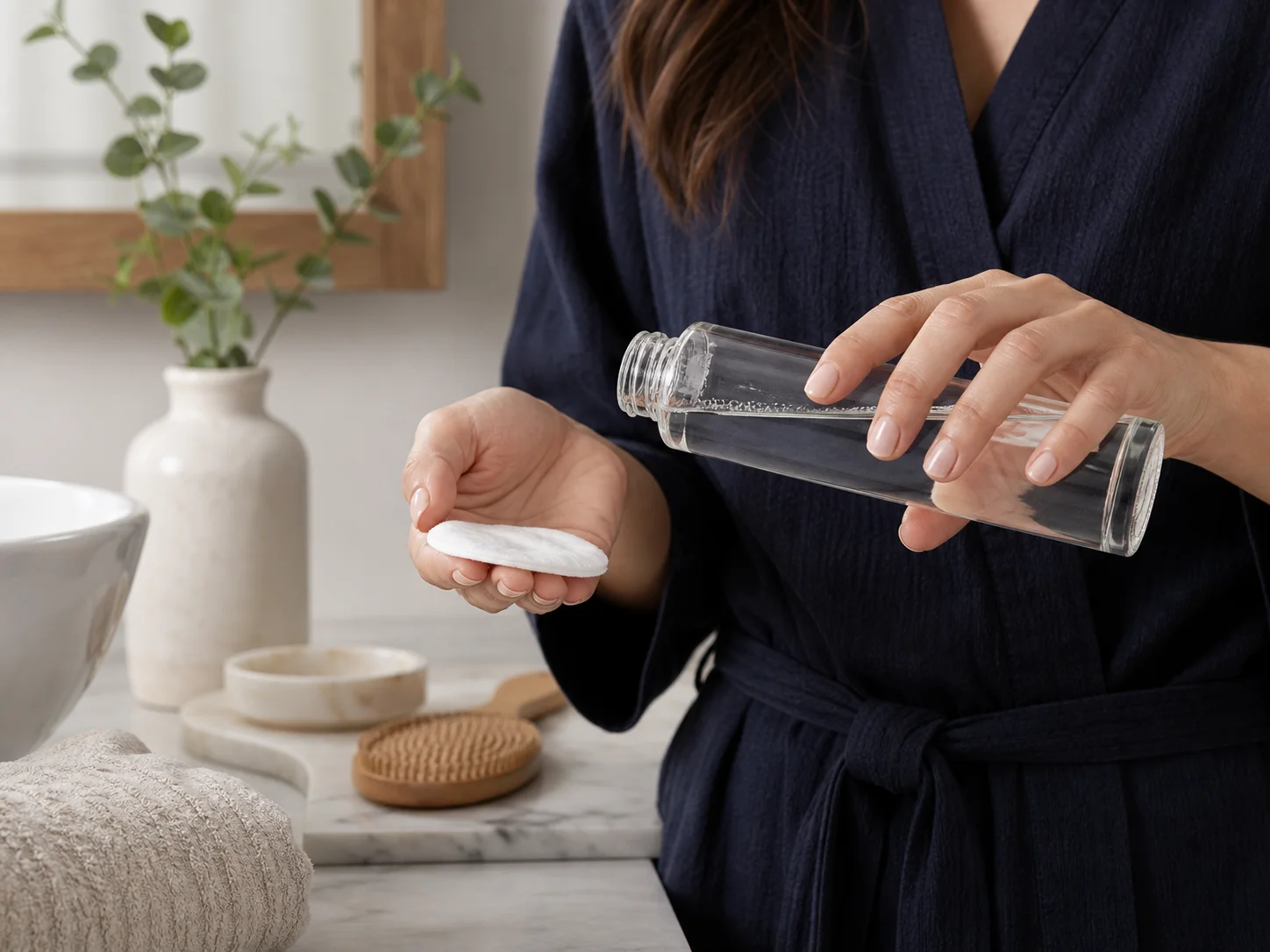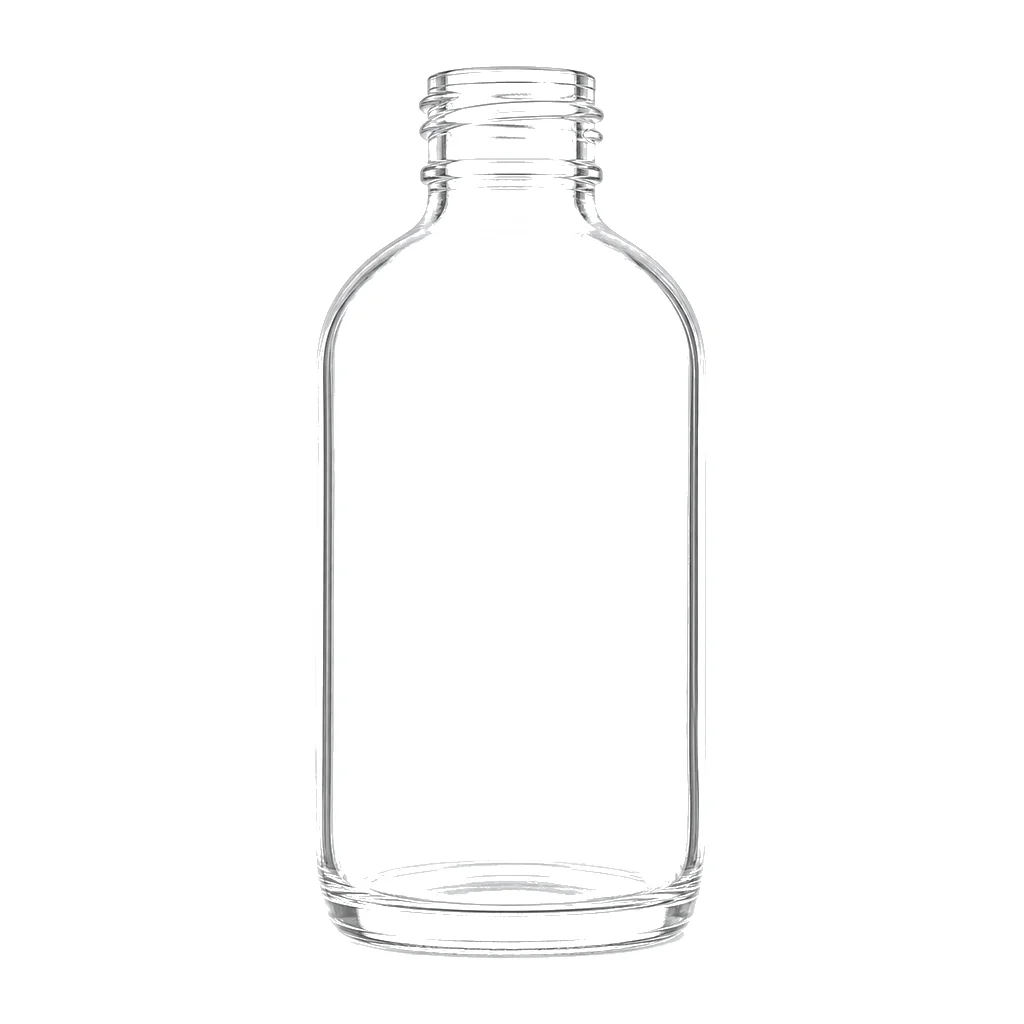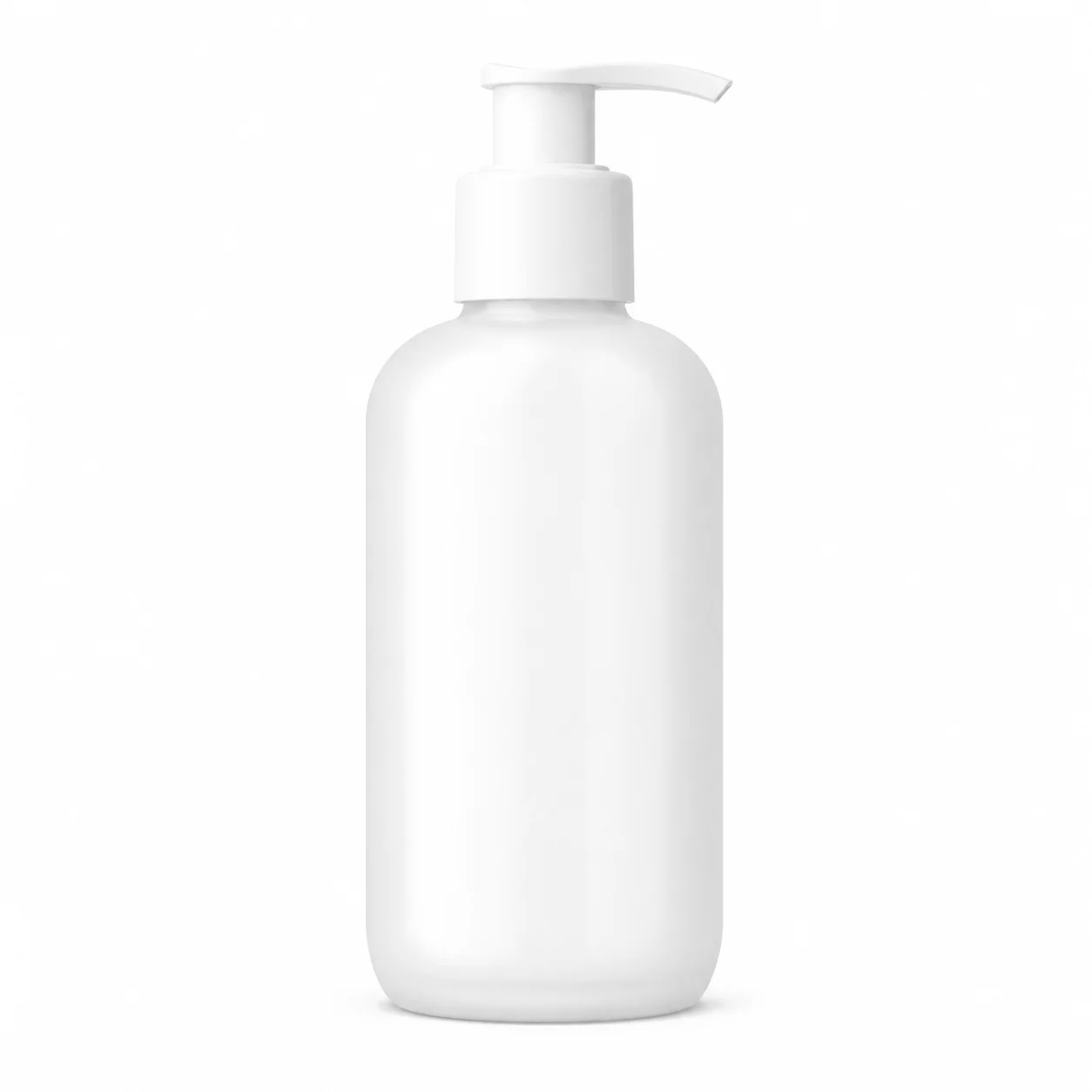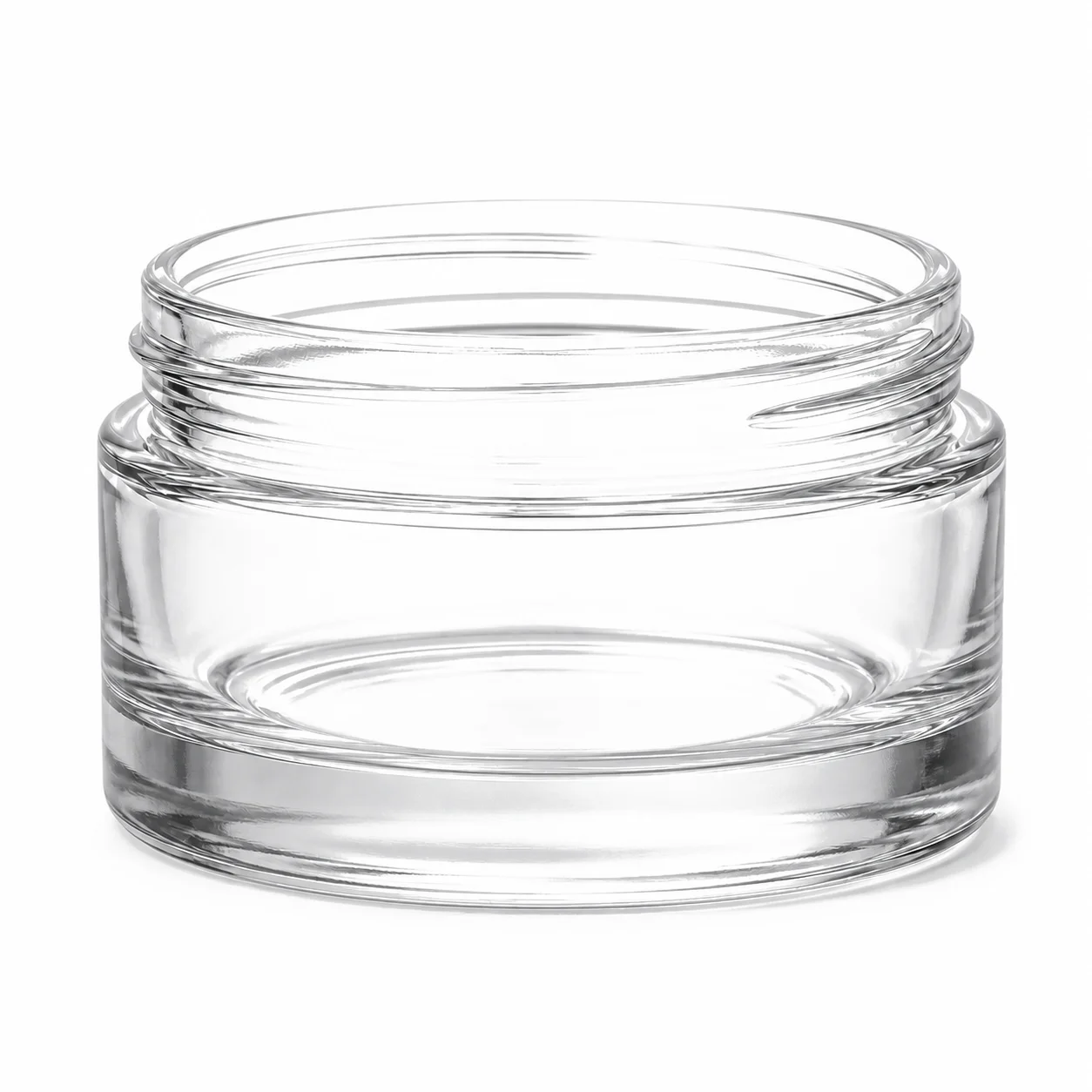
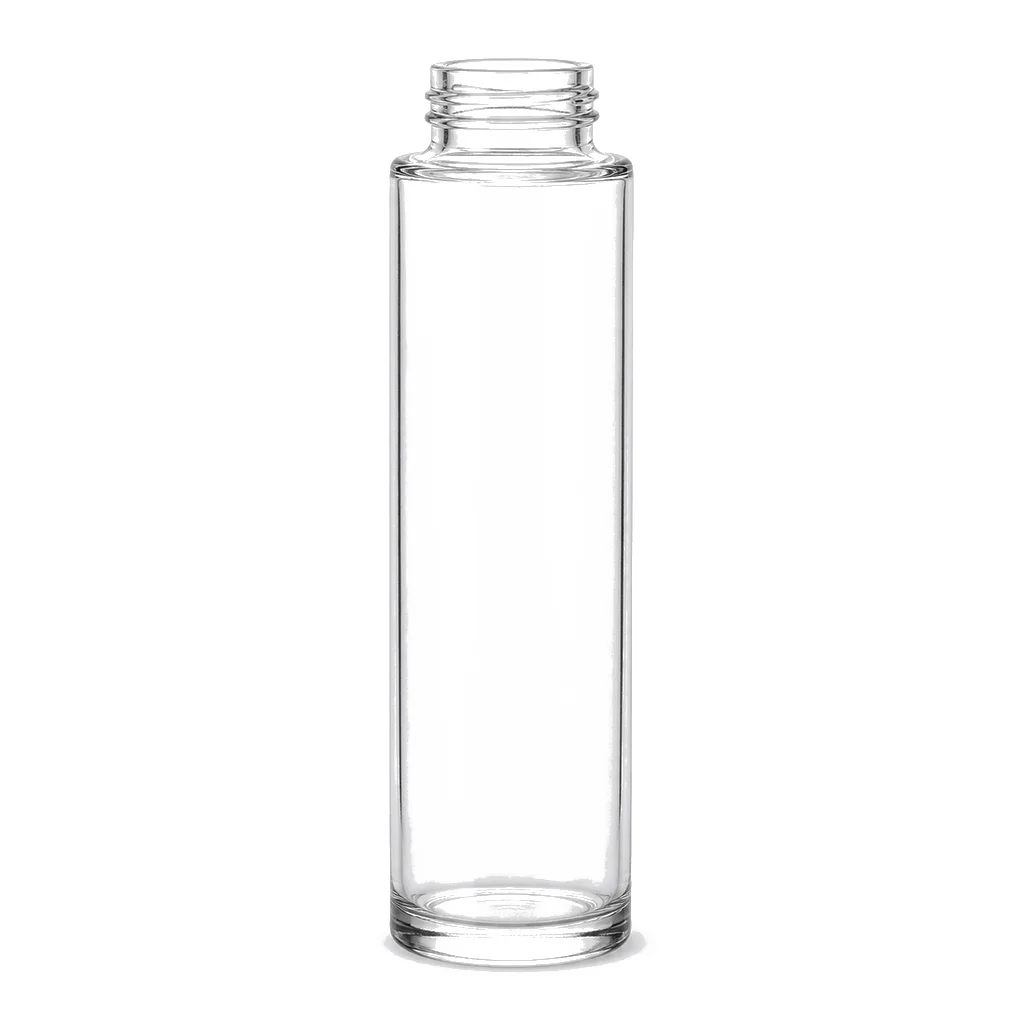
Tall clear bottle with a straight body, narrow neck and a plain screw cap
Shown configuration · bottle with cap / toner, reducer, liner and label not shown

Skincare bottles

Toner Bottle

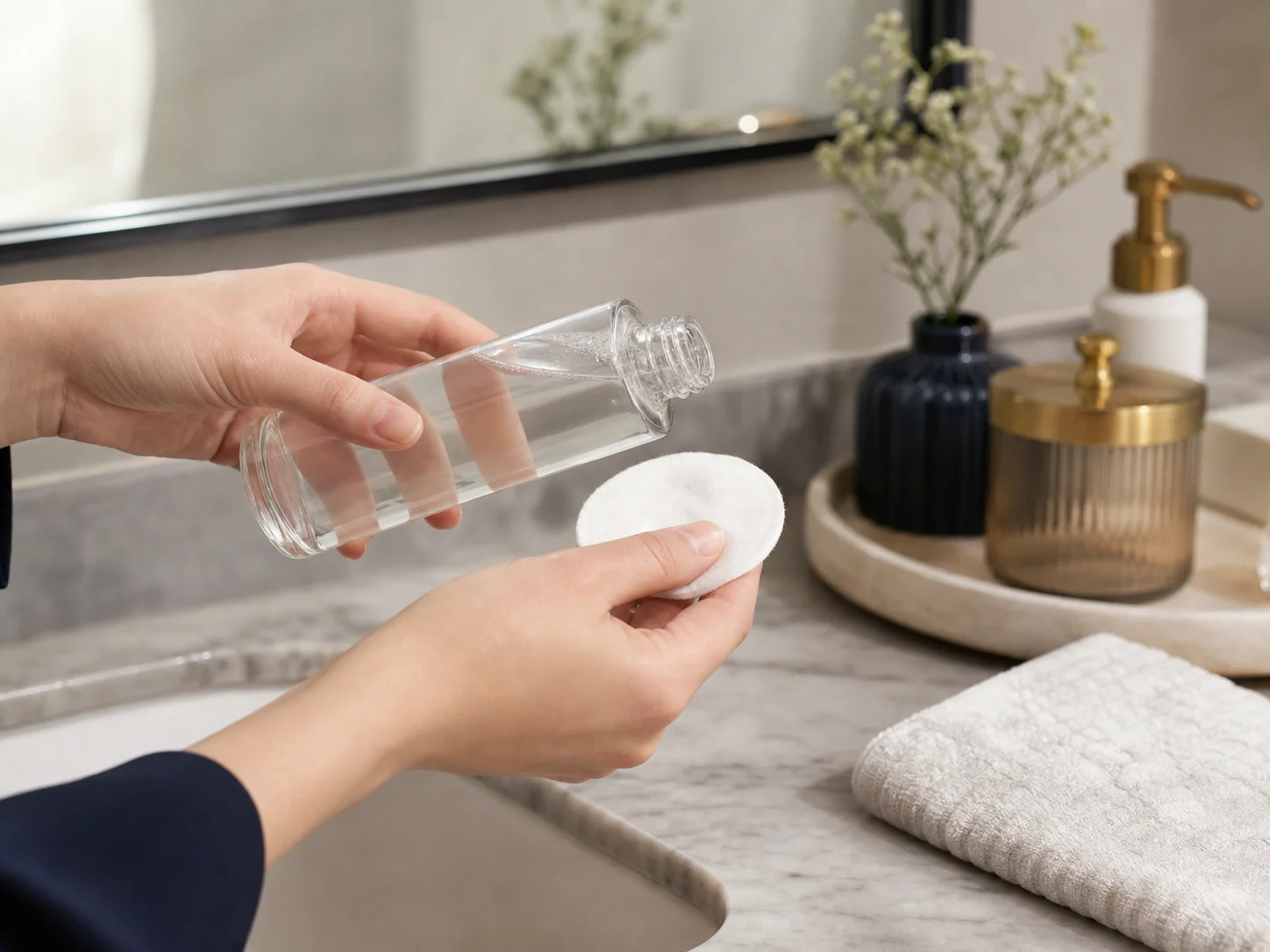
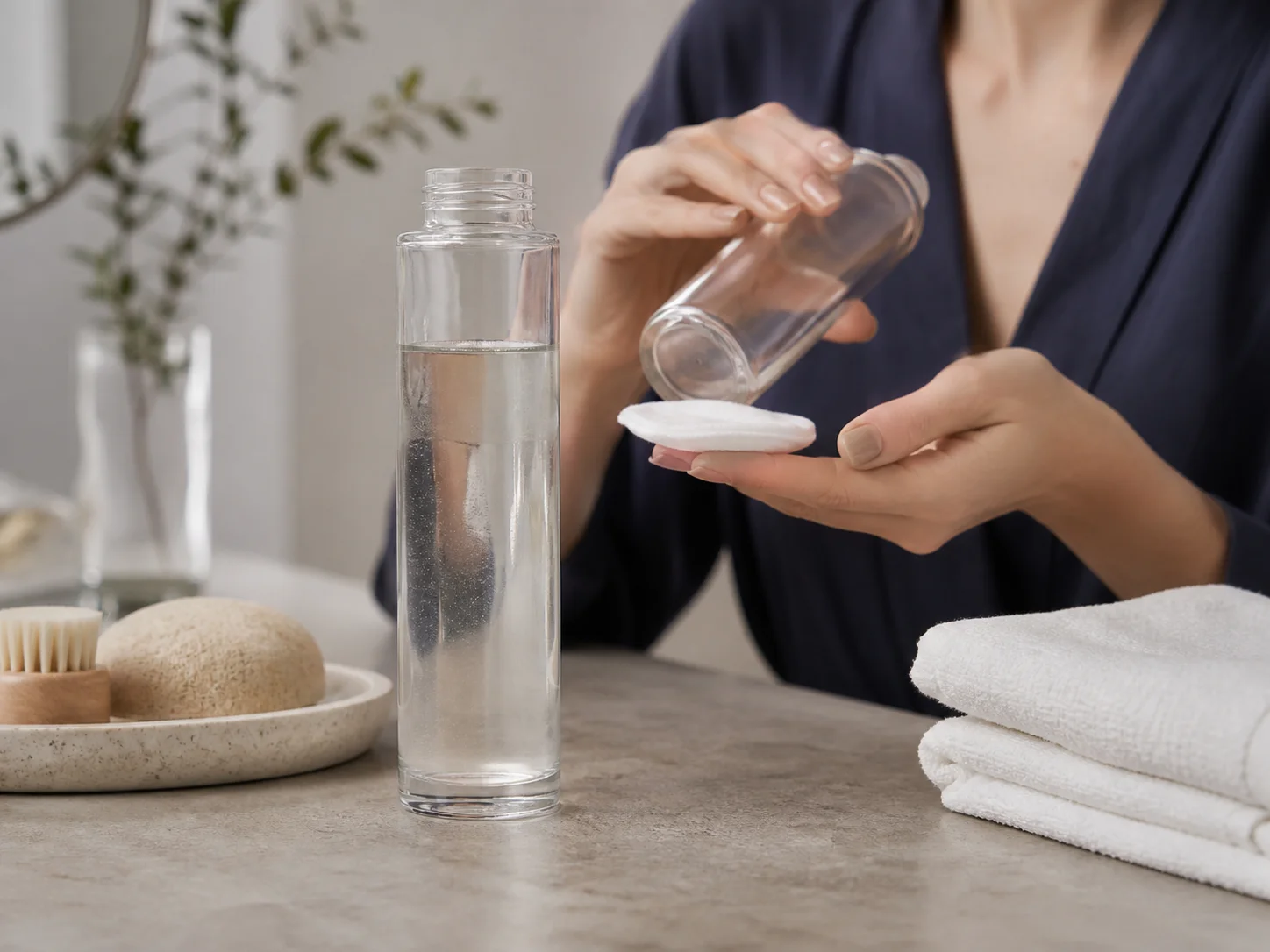
A toner bottle sized for a large watery fill, usually dispensed onto a cotton pad through a reducer or a wide-open neck rather than through a pump.

Large fills, thin liquidReducer controls the pourWet hands, open bathroom
Stock status
In stock
Lead time
2–3 weeks
FOB price / pc
$0.75 - $1.20
MOQ
5,000 pcs

Final availability, dimensions, materials, assembled components and commercial terms are confirmed against the selected drawing and approved sample.

Poured, not pumped

Cotton pad is the applicator

Thin liquid runs fast

A reducer stops overdosing

Big fills, real weight

200 mL of glass is handled wet

Toner Bottle profile

The largest fill in a skincare routine and the least controlled dispensing.

Aperture control, format weight & bathroom handling

Five things that separate a toner pack from a serum pack.

Toner is used generously — poured onto a cotton pad or into a palm several times a day — so the pack is large, the liquid is thin and fast, and the only dispensing control available is the aperture. That combination makes the orifice reducer the most consequential component and the bottle's weight a genuine handling question.

01

The reducer is the only dose control

A thin toner poured from an open neck floods a cotton pad and runs off it, and customers routinely use twice what they need. A press-in reducer with an appropriate bore slows the pour to something controllable, and it is the single component that most changes how far a bottle goes and how the product is perceived.

02

Fill sizes are large, so weight becomes a factor

Toner is sold in 150 to 300 mL fills, and a full glass bottle at that size is heavy enough to matter when handled with wet hands over a hard basin. Grip features, a lower center of mass and a base that resists tipping all become relevant in a way they are not on a 30 mL serum.

03

Pumps are usually the wrong answer here

A pump meters a small dose, and toner is used in quantities a pump would take many strokes to deliver. Where a pump does appear it is normally a large-output lotion type rather than a treatment pump. For most toner products, a reducer and a cap remain the more sensible and cheaper solution.

04

Watery formulas find every weakness in a closure

A thin, often alcohol-containing liquid moves through a marginal liner far more readily than a viscous cream does, so a closure adequate for a lotion can weep on a toner. Liner selection and torque control matter more than the fill volume suggests, and inverted transit testing is worth doing on this format specifically.

05

Glass is heavy for the value it carries here

Toner sits at a lower price point than serum, and glass at 200 mL adds real weight to freight and real risk in a bathroom. Brands choose it for range consistency and perceived quality, which are legitimate reasons, but it is worth pricing the format honestly against a plastic alternative before committing a range to it.

06

A large glass bottle of watery product is poured, not dispensed, and it drips

Customers tip toner onto a cotton pad, which means liquid runs back down the neck onto the label every single time. A lip profile that cuts the flow cleanly is worth more here than any closure refinement, and it is judged by pouring rather than by looking.
Application guide

Use a clear cylinder where the liquid is the product.

This format suits watery textures used in volume. The scenes below are development directions rather than approved product-process outcomes.

Toner Bottle used for toners & hydrating essences in a core routine setting

Core routine

Toners & hydrating essences

For the step applied after cleansing, usually onto a pad or into the palm. A reducer keeps a generous product from becoming a wasteful one, and the clear body lets the customer judge how much of the bottle is left at a glance.

  • Select the reducer orifice
  • Size the pack to the routine
  • Reserve a clear viewing strip
Toner Bottle used for exfoliating & acid toners in a treatment step setting

Treatment step

Exfoliating & acid toners

For actives applied with a pad where dose control and clear information carry weight. Product contact between the formula and the liner or reducer needs review, and the label has to carry usage guidance without covering the product view entirely.

  • Review liner against the formula
  • Plan usage information
  • Confirm cap and reducer retention
Toner Bottle used for larger-format lotions & tonics in a body & hair setting

Body & hair

Larger-format lotions & tonics

For scalp tonics, body mists and larger hair or body formats where volume and repeat use matter more than a compact silhouette. Weight, base stability and how the filled bottle behaves in a shower or on a shelf all become practical considerations.

  • Check filled stability
  • Confirm handling weight
  • Plan transit protection

Formula compatibility, sealing, dispensing and shelf-life suitability are validated for the selected bottle, closure and production route.

Common questions

Toner Bottle questions

A big fill of thin liquid, dispensed by pouring. These are the consequences.

Do we need an orifice reducer?

For a thin toner, it is the most useful component on the pack. Poured from an open neck the liquid floods a cotton pad and runs off it, and customers routinely use twice what they need. A reducer with an appropriate bore slows the pour to something controllable and changes how far a bottle goes.

Should we use a pump instead?

Usually not. A pump meters a small dose and toner is used in quantities that would take many strokes, so customers find it tedious and the pack feels mean. Where a pump appears it is normally a large-output lotion type rather than a treatment pump. For most toners a reducer and a cap are better and cheaper.

How do we make a large bottle easier to handle?

Grip features, a lower center of mass and a base that resists tipping. A full glass bottle at 200 to 300 mL is handled with wet hands over a hard surface, which makes those details relevant in a way they simply are not on a 30 mL serum in the same range.

A 200 mL bottle of watery product is poured — what does that mean for the pack?

Drips, mostly. The customer tips a heavy bottle onto a cotton pad rather than dispensing a measured dose, so the neck geometry and the reducer decide how much lands where it should. Judge it by pouring a filled bottle at the angle a customer actually uses.

Next step

Send us the Toner Bottle brief.

Tell us the product, fill volume, closure preference and destination market. We will come back with the matching drawings, available configurations and a sample plan before anything is quoted.

  • 01Send the briefProduct, volume, closure and market
  • 02Get the optionsMatching drawings and configurations
  • 03Approve the sampleConfirm the pack before production