Finish sizes, in-use contamination & labeling rules
Six things that decide whether a jar suits the formula it is holding.
A cream jar is chosen for how it feels and how the product presents, and it accepts an inherent trade: the contents are open to the air and to fingers every time it is used. That shapes the closure, the inner seal, the preservative discussion and the labeling, and it is why the format persists at the premium end rather than the functional one.
Finish size is set by the fill, and 400 series is the convention
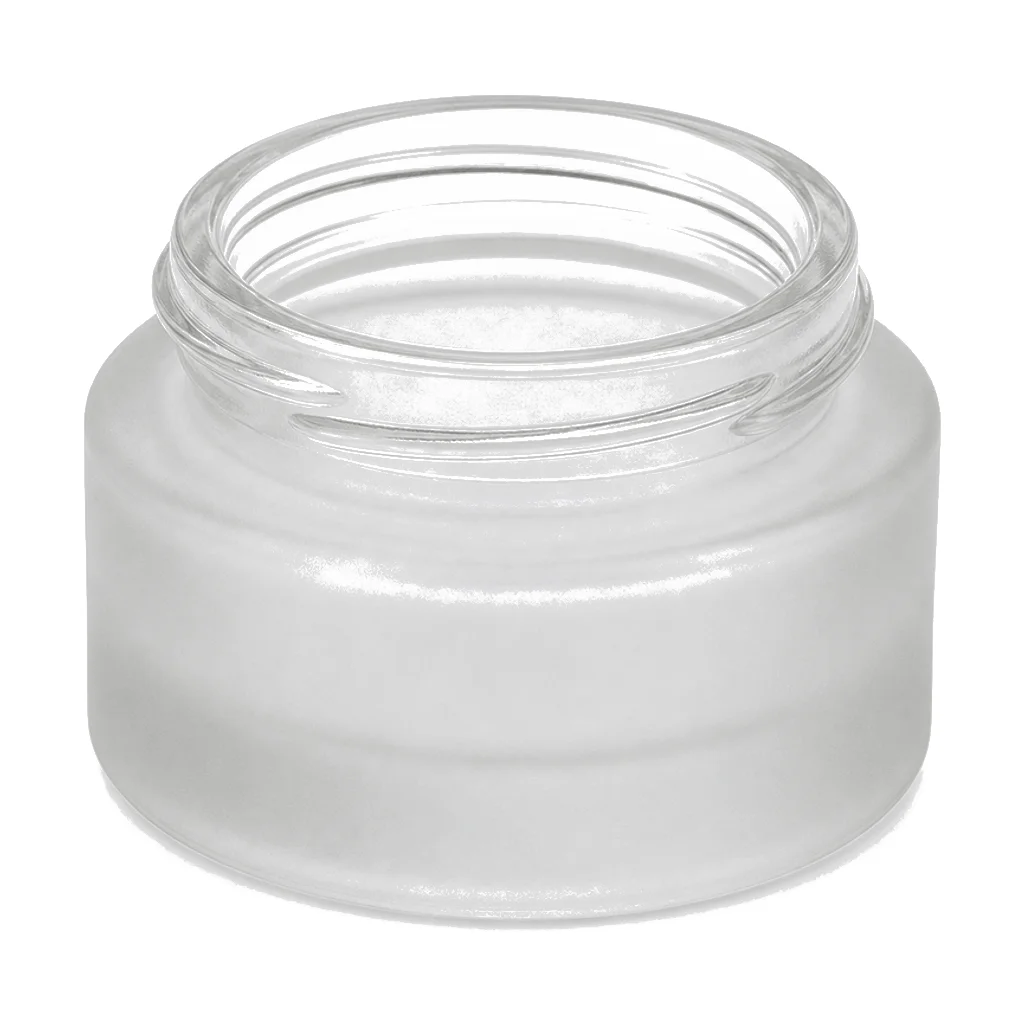
Cosmetic jars run on continuous-thread finishes such as 48-400, 58-400 and 70-400, matched to 15, 30 and 50 mL fills. The finish and the cap have to be quoted together, since a diameter alone does not identify a thread. It is the same convention as any CT closure, and it is where jar orders most often go wrong.
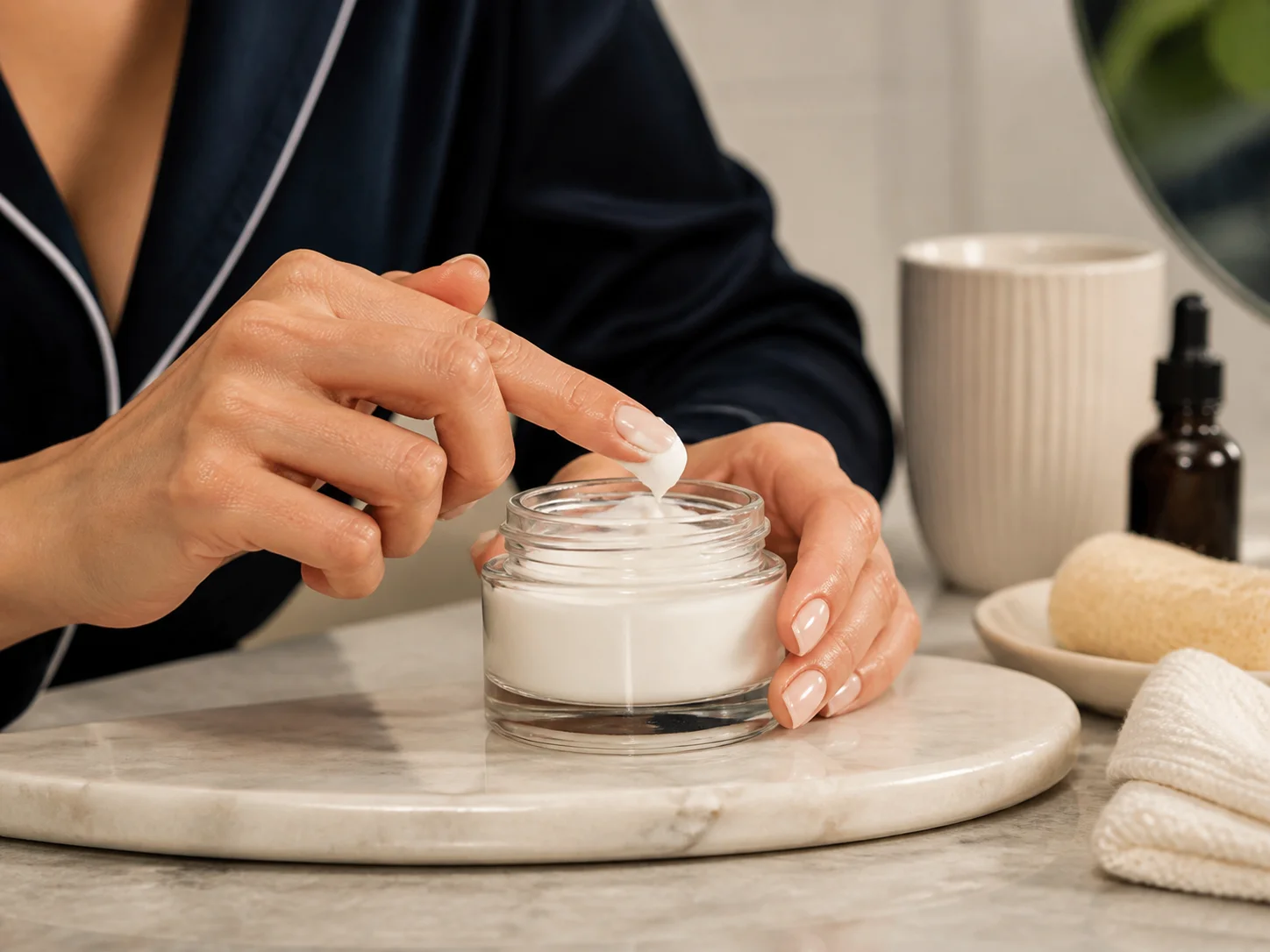
Fingers are the contamination route, and packaging can only mitigate
A jar is opened, a finger enters, and the finger has been somewhere else. No closure prevents that. An inner disc keeps the surface clean in transit and a spatula supplied with the pack shifts behavior a little, but the real answer is a preservative system designed for repeated open exposure. The jar makes that requirement, not the formula.
The heavy base is doing brand work, not technical work
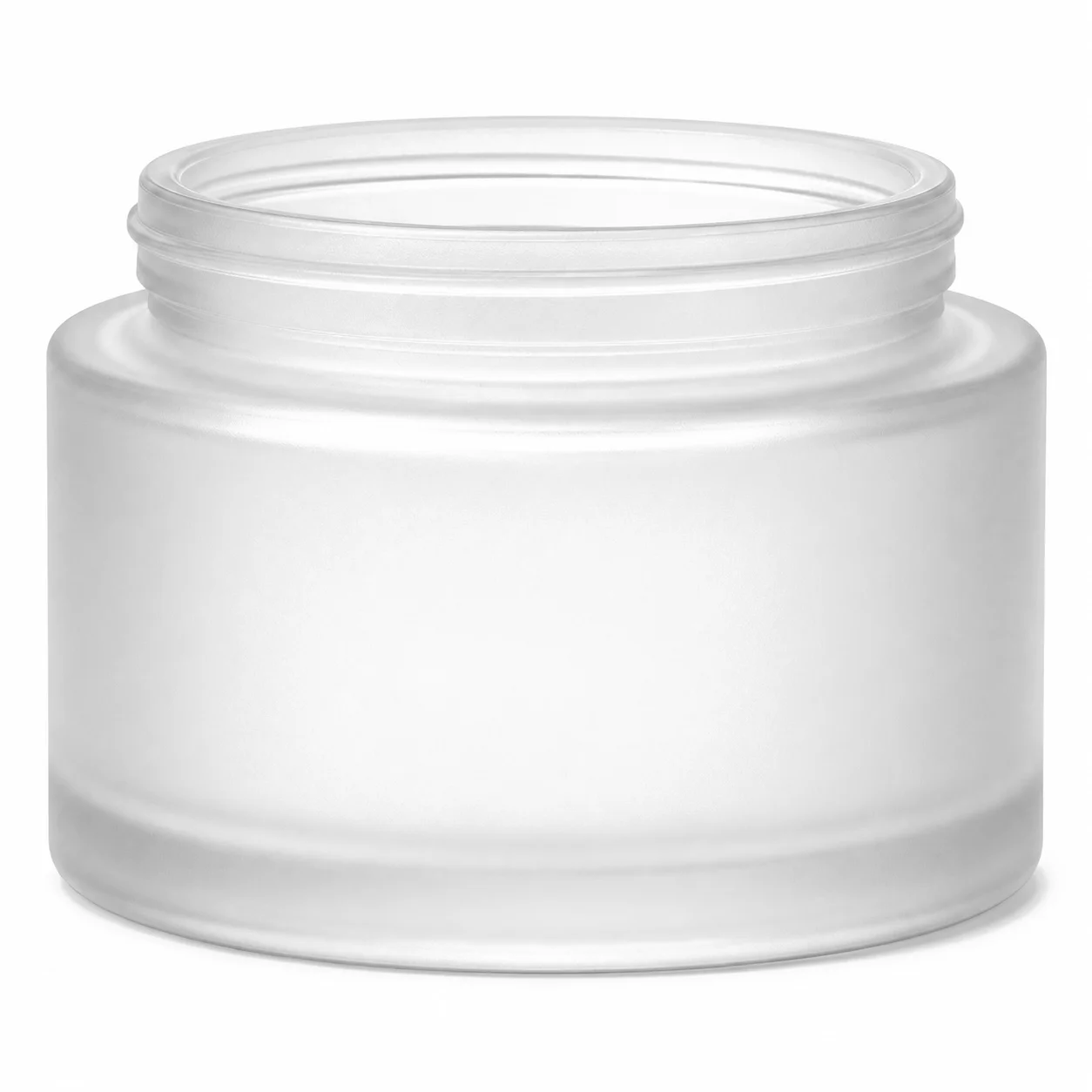
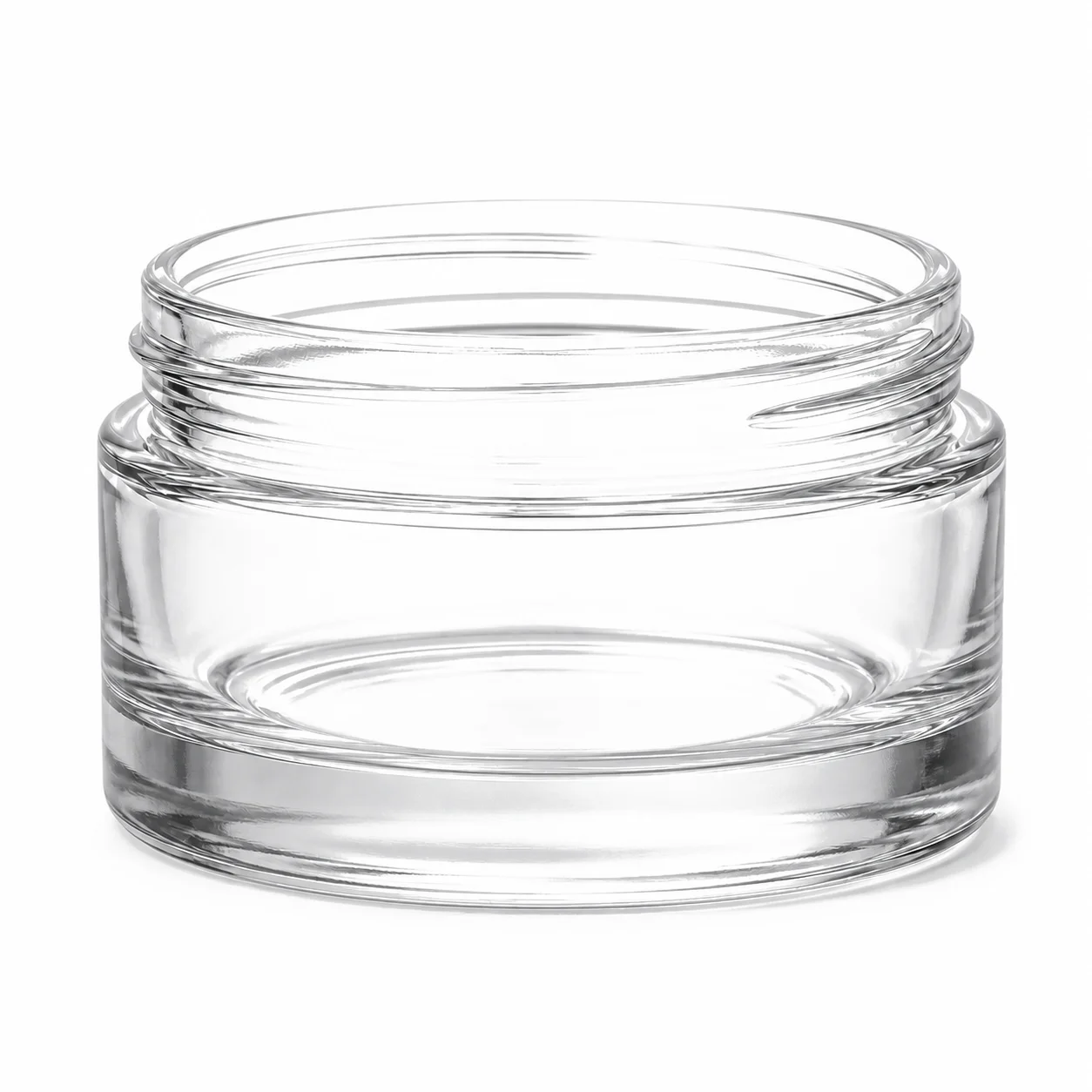
Thick-based cream jars read as premium because weight in the hand signals value, and the deep glass magnifies the product visually. They also ship heavier and cost more per unit than their capacity suggests, since much of the glass is below the fill. That is a deliberate purchase of perception rather than an engineering requirement.
The open-jar symbol is a labeling requirement with a threshold
Under the EU cosmetics regulation, where minimum durability exceeds thirty months a date is not required and a period-after-opening indication is used instead — the open jar symbol followed by a number of months. That mark has to fit on the pack, which on a small jar means the label area is a regulatory constraint rather than a design preference.
Double-wall and single-wall are different products
A double-wall jar shows a large outer diameter with a smaller inner container, giving presence without the fill, while a single-wall jar is honest about its capacity. Customers occasionally read the first as deceptive. Choosing between them is a positioning decision that should be made openly rather than left to the mold catalog.
A wide shallow jar dries out faster than a narrow deep one
Surface area exposed at every opening drives water loss from an emulsion, and the fashionable wide-and-shallow proportion maximizes it. Where the formulation is water-rich, the shape is a stability variable rather than only a styling one.