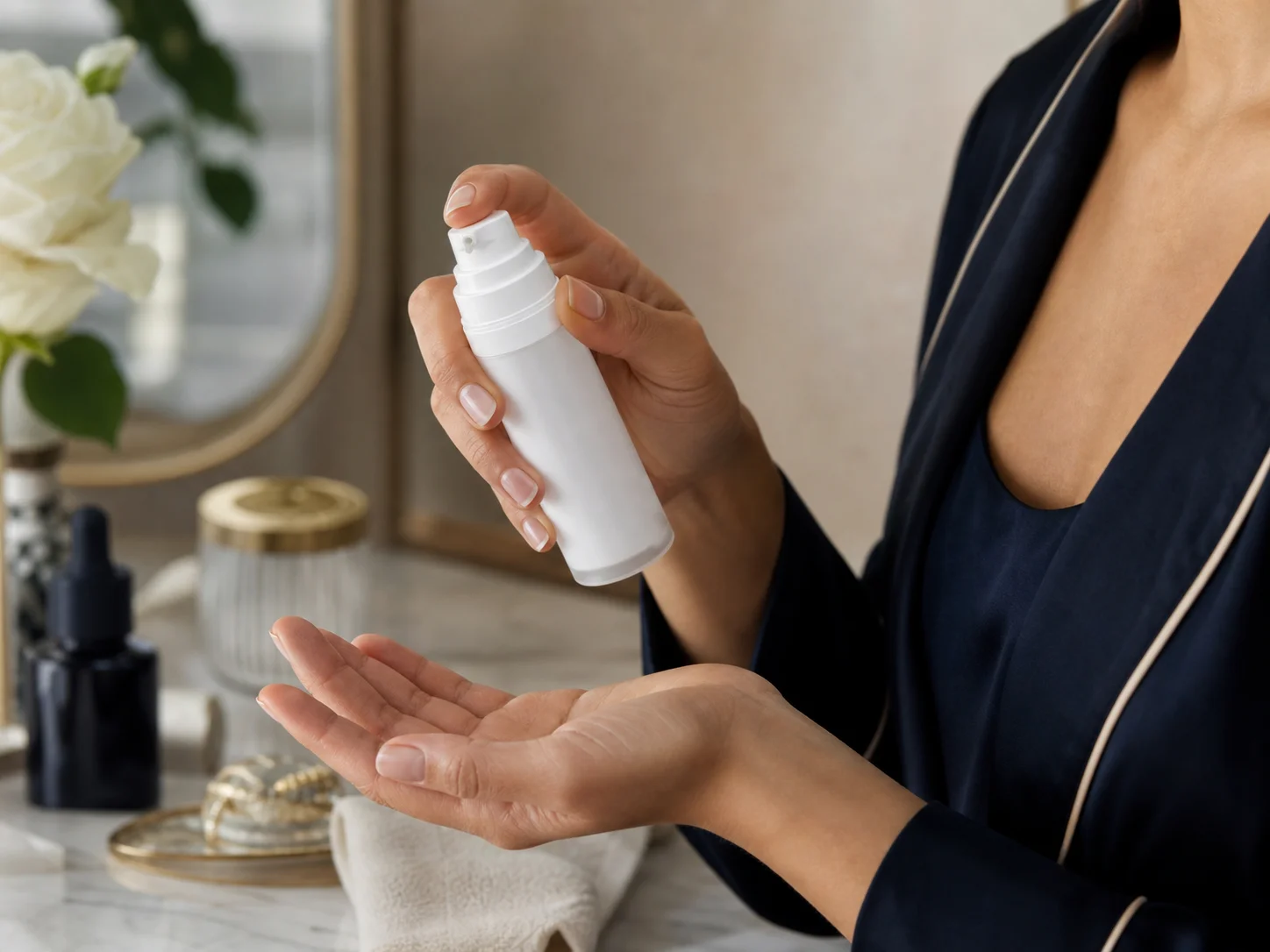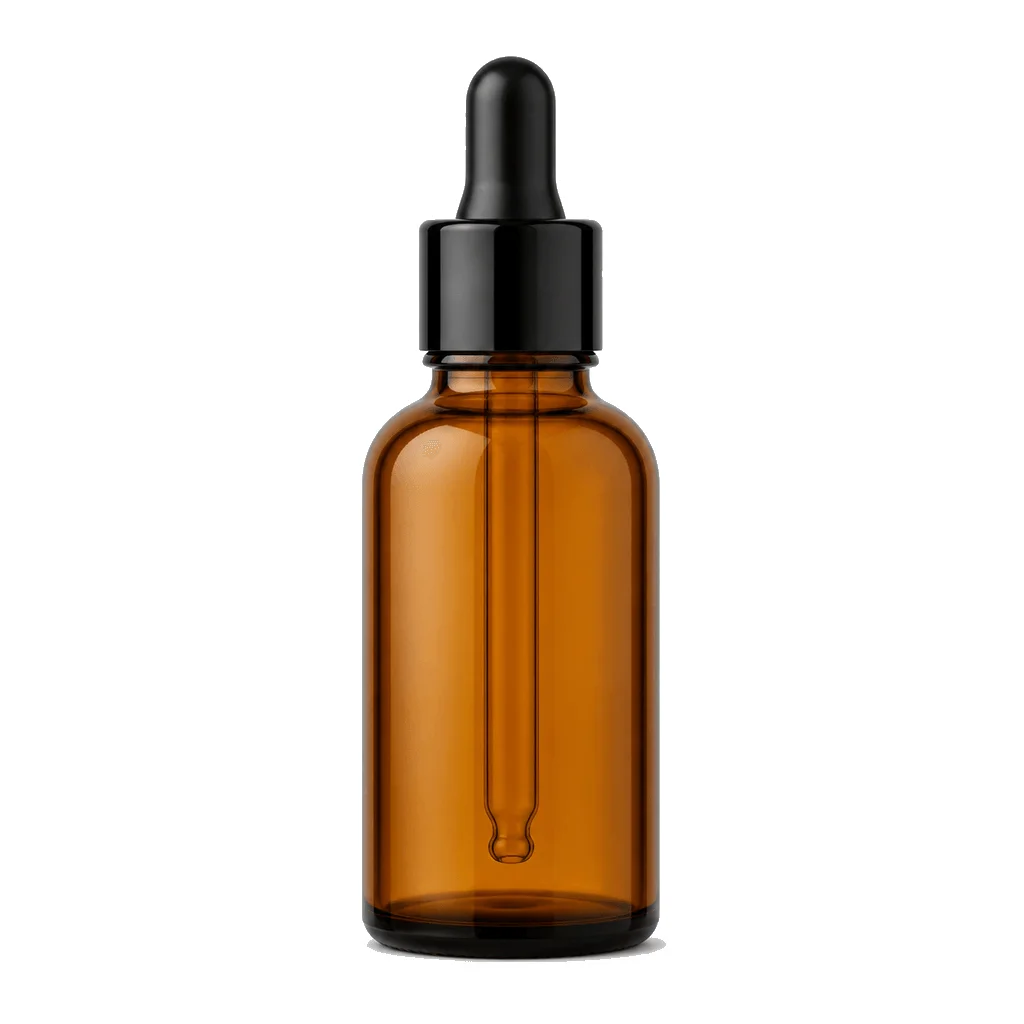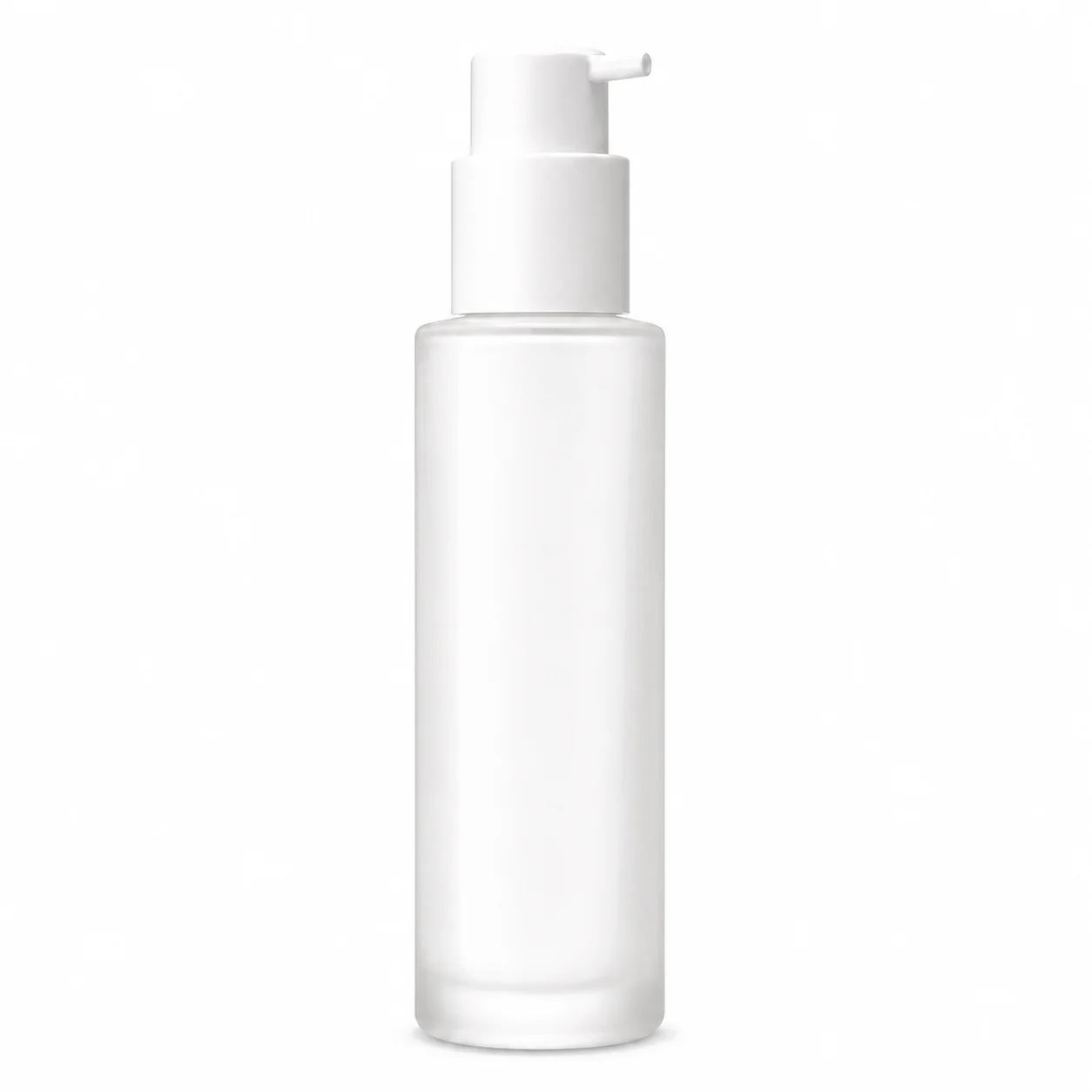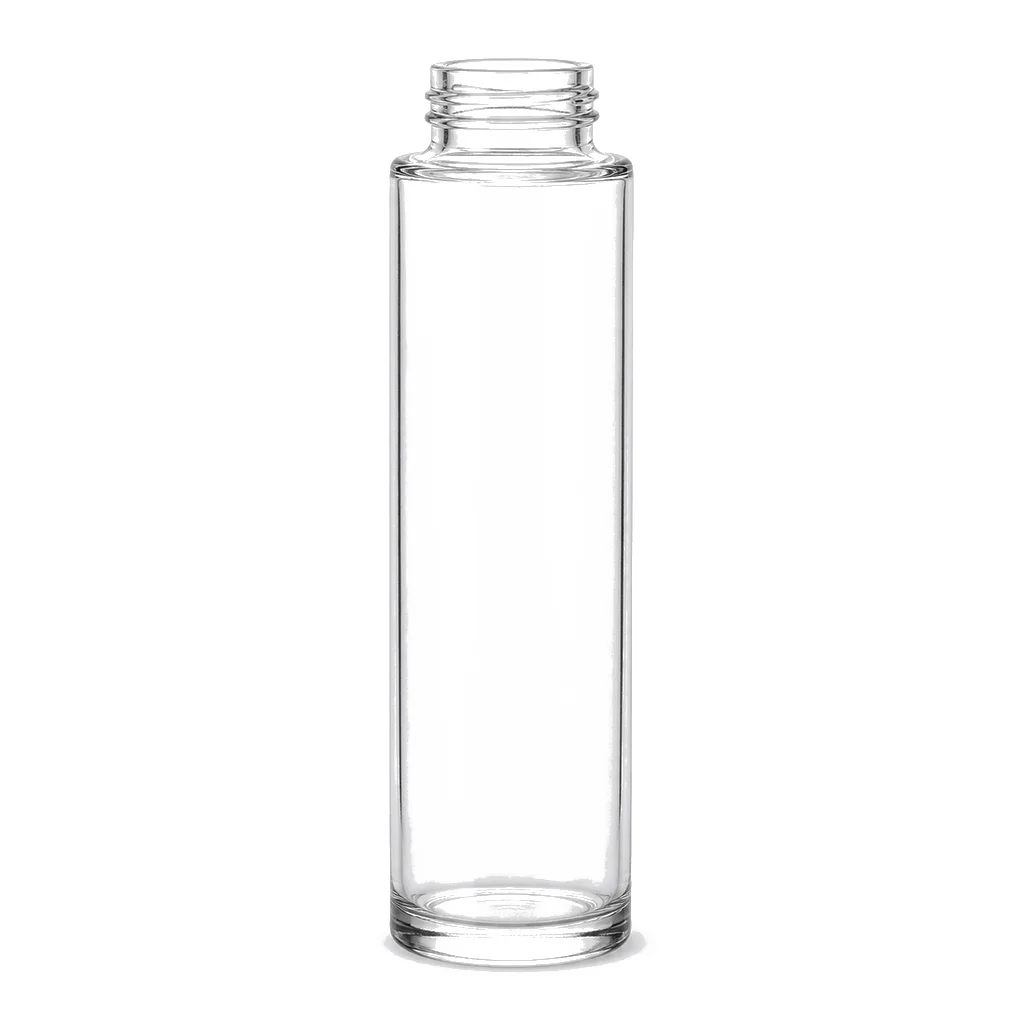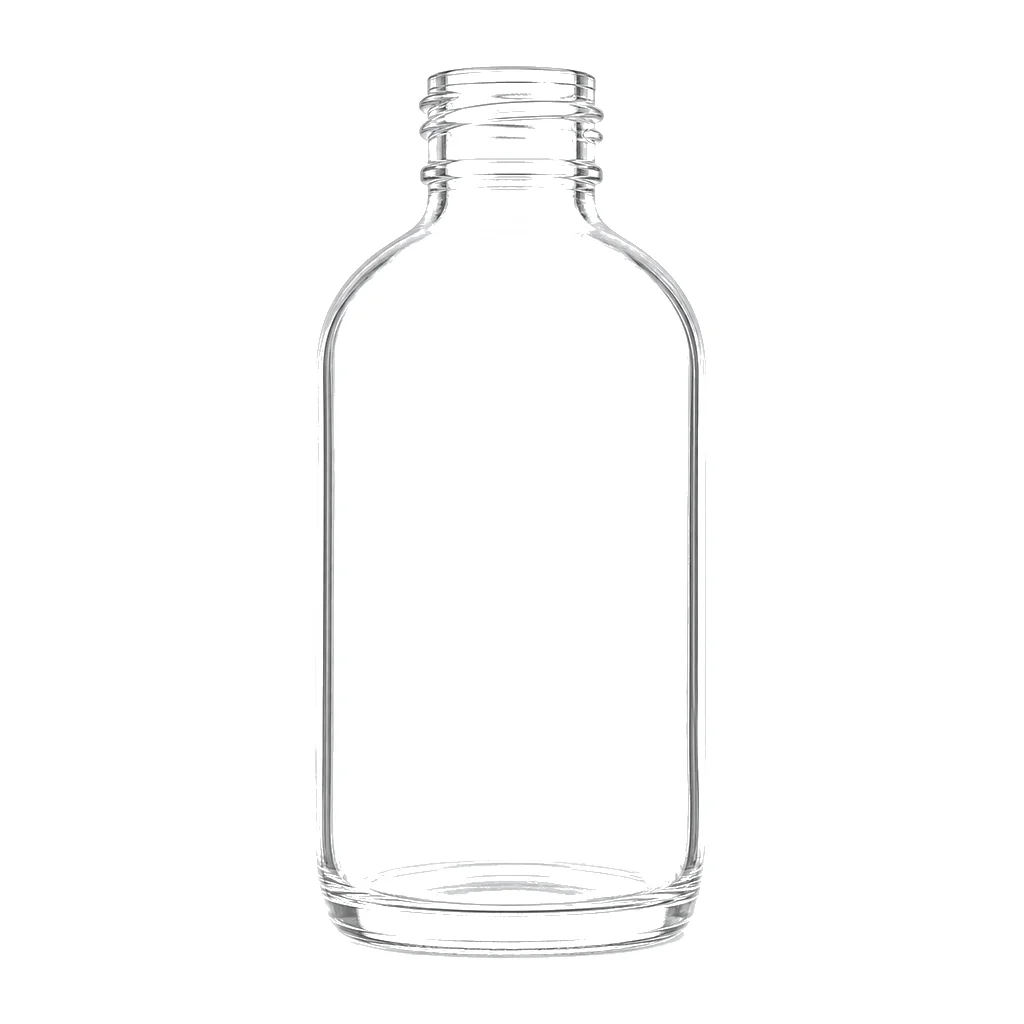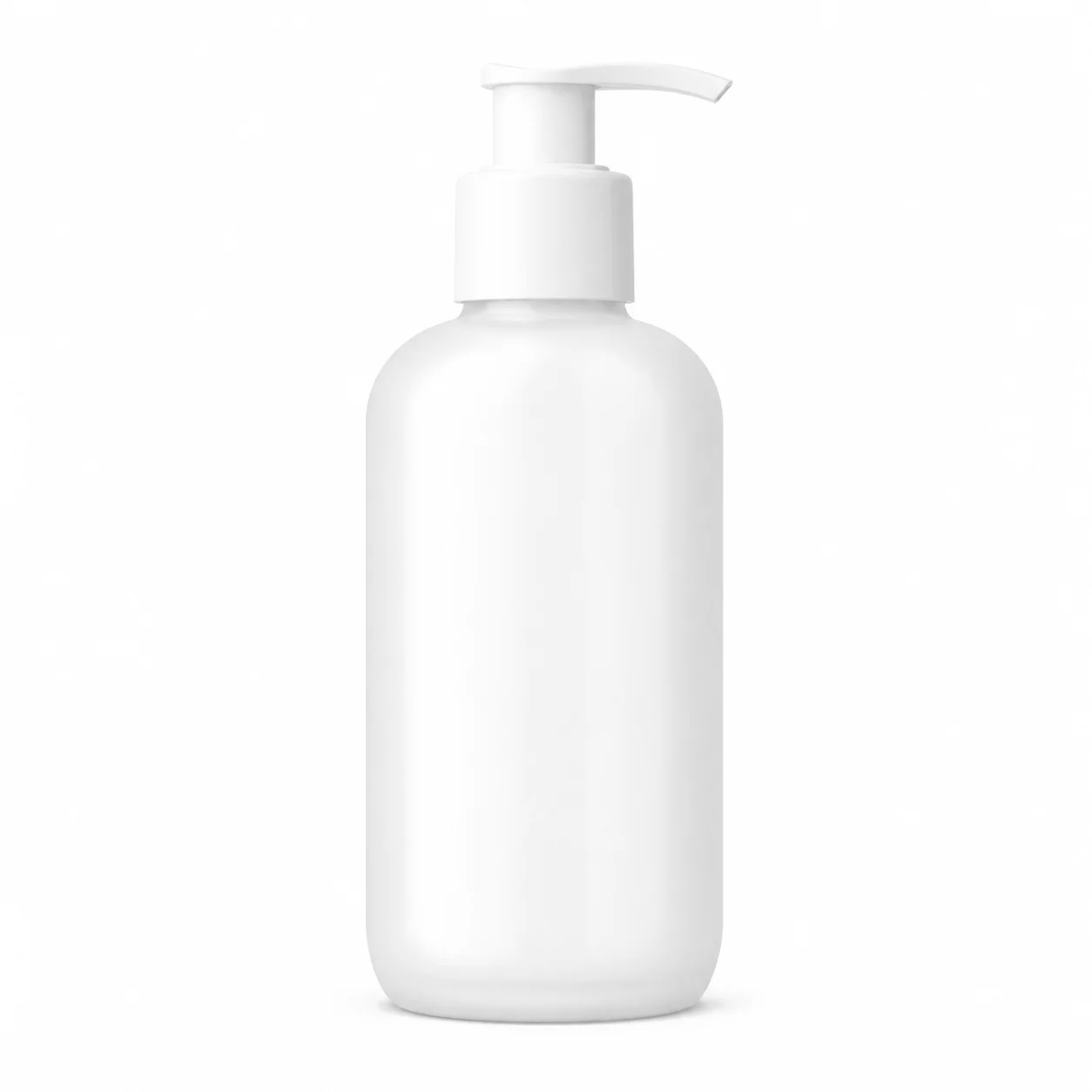
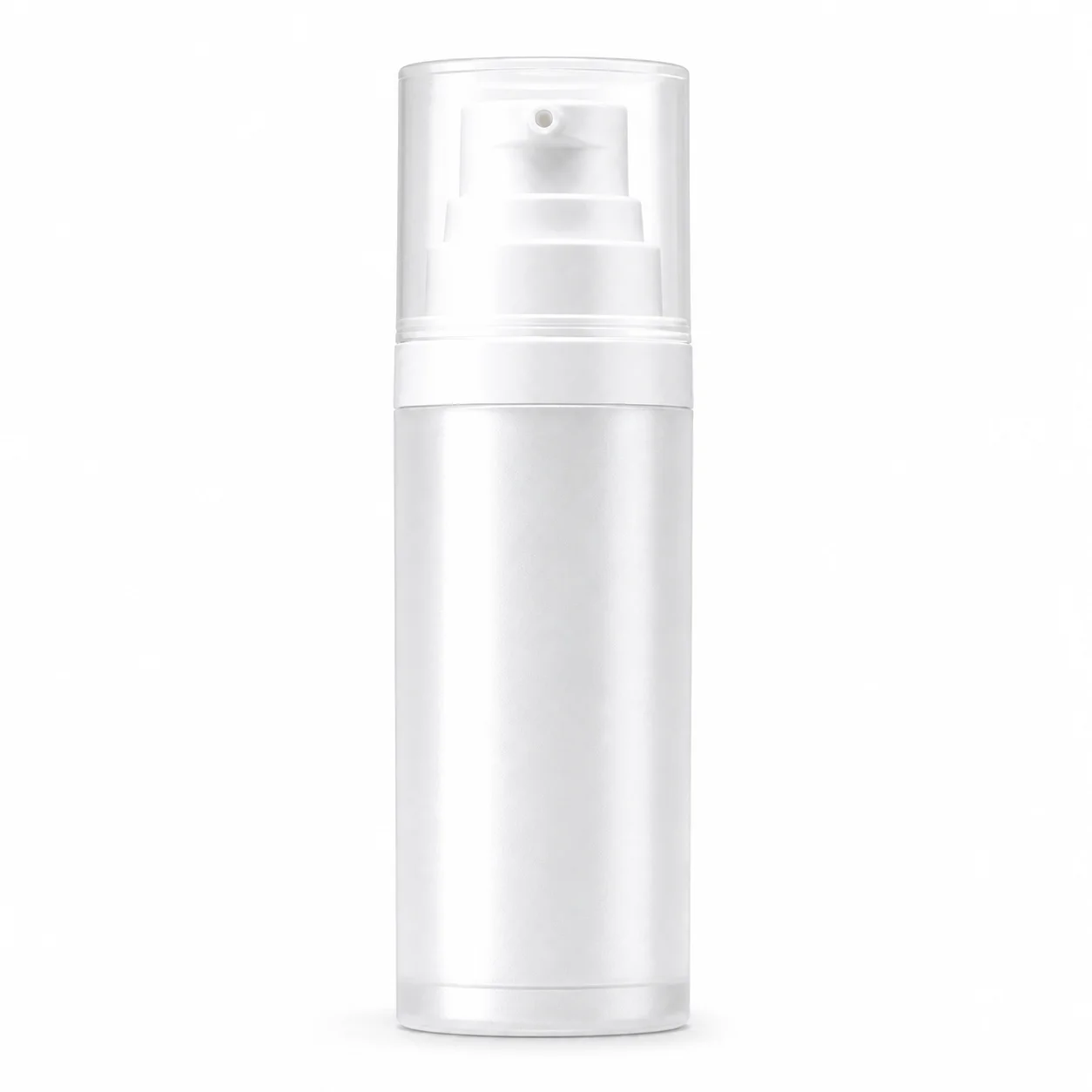
Slim cylindrical bottle with a flat press actuator and an outer sleeve
Shown configuration · bottle with pump / serum, piston, overcap and label not shown

Treatment packaging

Airless Serum Bottle

An airless serum bottle where a piston or pouch keeps air off the formula, dosing roughly 0.2 to 0.5 mL per stroke with no dip tube in the product.

0.2–0.5 mL per strokeNo dip tubePump and body are a matched pair
Stock status
In stock
Lead time
2–3 weeks
FOB price / pc
$0.70 - $1.10
MOQ
3,000 pcs

Final availability, dimensions, materials, assembled components and commercial terms are confirmed against the selected drawing and approved sample.

Air never replaces product

Vacuum draws the piston up instead

Works inverted

Nothing depends on gravity or a tube

Not interchangeable

Pump from one maker, body from another fails

Airless Serum Bottle profile

The format skincare reaches for when the active will not tolerate air.

Oxygen exclusion, dose behavior & system integrity

Five things worth knowing before an airless pack is specified.

Ascorbic acid, retinol and many peptides oxidize once air enters a pack, and a conventional pump lets air in with every stroke. An airless system replaces that volume with a rising piston or a collapsing pouch instead. The benefit is real, the dose is small and consistent, and the whole thing depends on the pump and body being engineered together.

01

It excludes oxygen; it does not preserve the formula

Keeping air off a serum slows oxidation of unstable actives and reduces the ingress that comes with drawing air back into a bottle. It does nothing about light, heat or microbial challenge from the actuator surface. Stability and preservative work still run; the airless pack is one input to them rather than a substitute for either.

02

Dose is small, fixed and worth verifying at the end

Stroke volumes of roughly 0.2 to 0.5 mL come from a fixed chamber rather than from how hard the customer presses, which is exactly what a treatment product wants. The property to check is whether the last stroke delivers what the first did, since piston friction rises as the seal ages against the formula.

03

Evacuation is measured, not claimed

Airless packs are sold on leaving little behind, and how much a given pairing actually returns depends on wall taper, piston fit and how well the serum slips. Weighing filled units, cycling them to the point a customer would stop and weighing again gives a number for your formula in that container, which no supplier percentage can.

04

The pump and the body are one product

The seal that makes the system airless is a matched fit rather than a standard finish, so a pump from another maker can thread on, look right and lose vacuum within weeks — after which the piston stops following and the pack fails in a customer's hand. Any change on either side requalifies the pairing.

05

Glass airless costs more and behaves differently

Most airless bodies are plastic because a piston needs a smooth, dimensionally stable bore. Glass versions exist and bring weight and perceived quality, with tighter tolerance demands on the bore and a higher unit cost. Choosing glass here is a positioning decision that carries a real engineering consequence rather than only a price one.

06

Viscosity has a floor and a ceiling for an airless pack

A liquid thin enough to run past the piston will not lift it cleanly, and one thick enough to bridge above it leaves a cavity the piston never reaches. The workable range is narrower than most briefs assume, and it is established by running the actual formulation rather than a placebo.
Application guide

Specify airless where the formula asks for it.

These are the situations where the added cost and complexity of an airless pack usually earn their place. Each still needs formula-specific evidence.

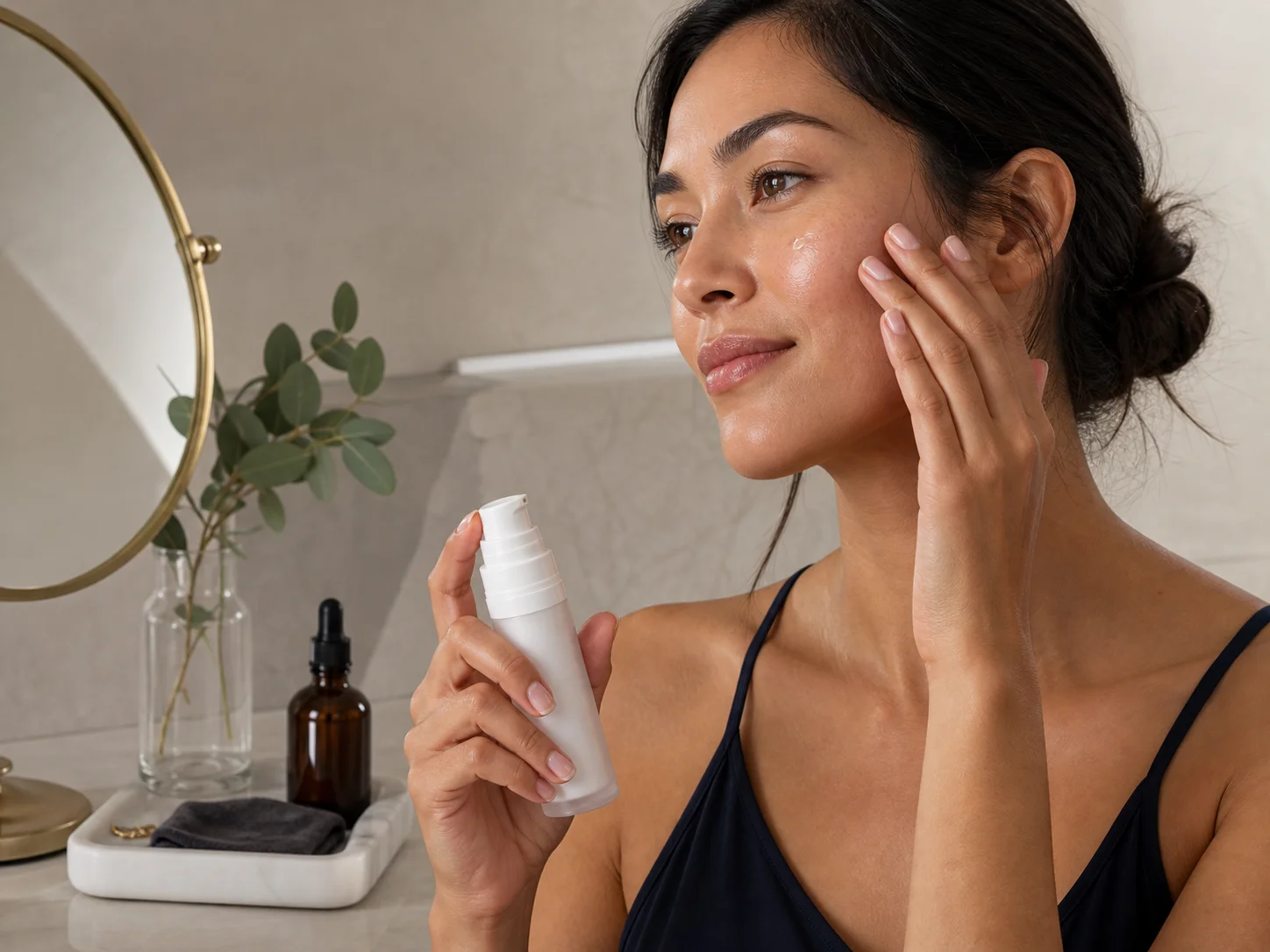
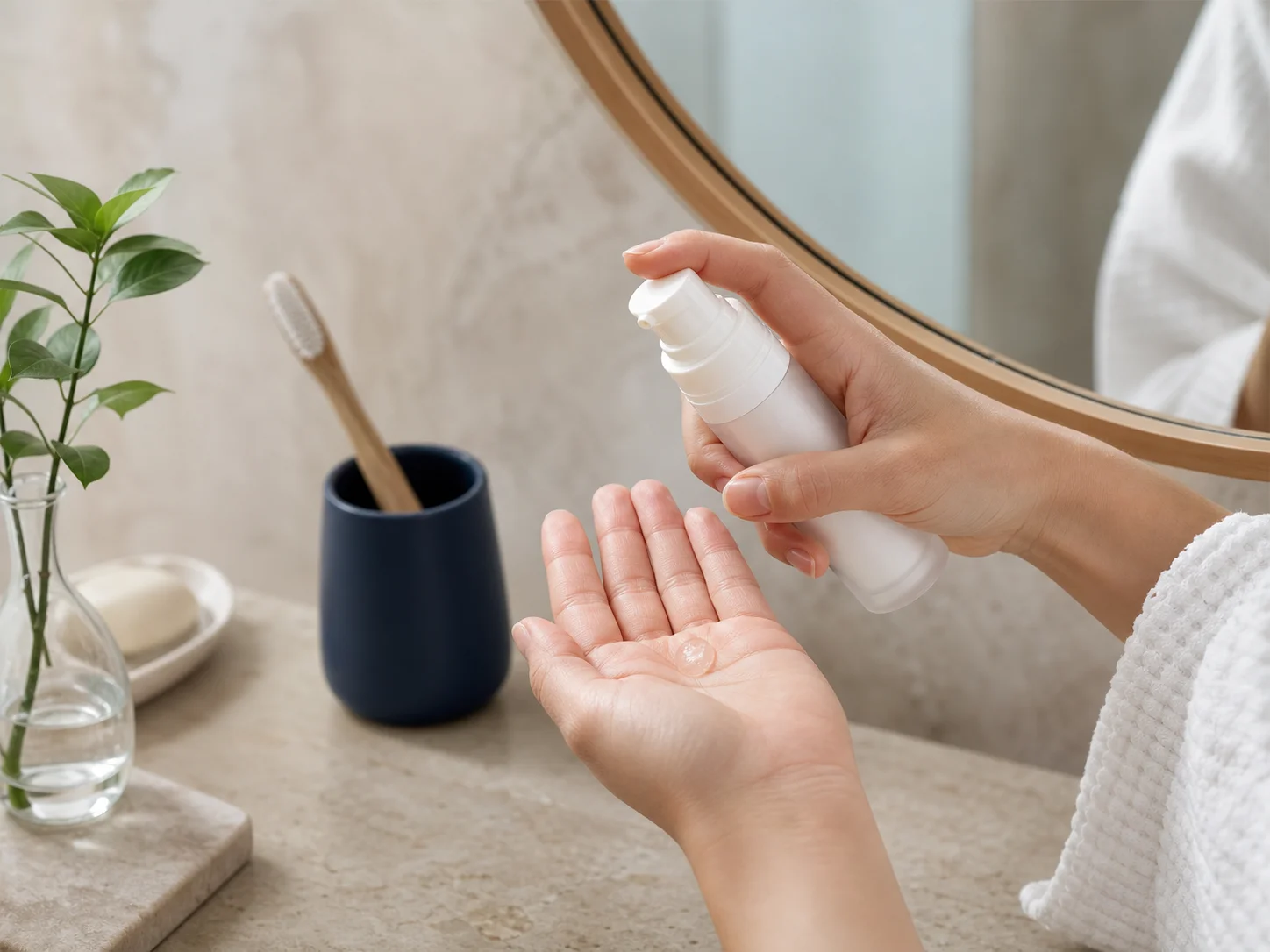
Airless Serum Bottle used for vitamin c, retinoid & peptide serums in a active skincare setting

Active skincare

Vitamin C, retinoid & peptide serums

For formulas where oxidation or air exposure is a known development concern. Airless reduces air contact with the remaining product, but the decision still rests on stability testing of the actual formula in the actual pack across the intended shelf life.

  • Run stability in the real pack
  • Confirm evacuation rate
  • Align claims with evidence
Airless Serum Bottle used for low-preservative & minimal systems in a clean formulation setting

Clean formulation

Low-preservative & minimal systems

For brands reducing preservative load, where limiting the air and finger contact a customer introduces at every use supports the formulation direction. Packaging choice contributes to that program but never replaces challenge testing and the regulatory review the market requires, so the chemist and the packaging brief have to be developed alongside each other.

  • Coordinate with the formulator
  • Complete challenge testing
  • Document the packaging rationale
Airless Serum Bottle used for high-value treatment ranges in a premium presentation setting

Premium presentation

High-value treatment ranges

For concentrated products sold in smaller sizes at higher prices, where a customer who can see product stranded in a pack they cannot reach will say so in a review. High evacuation and a controlled dose support the price position, provided the actuator feel matches the rest of the range rather than standing out as the odd one.

  • Measure residual product
  • Match actuator to range feel
  • Plan the refill question early

Formula stability, evacuation, product contact, claims and distribution requirements are established for the selected program.

Common questions

Airless Serum Bottle questions

Airless solves one problem well. These questions cover what it does not solve.

Does airless packaging let us cut preservative?

Not on its own. Excluding air slows oxidation of unstable actives such as ascorbic acid and retinol and reduces the ingress from drawing air back into a bottle, which is genuinely useful. It does nothing about light, heat or contamination at the actuator surface, so preservative decisions still come from challenge testing the finished pack.

How much product is left behind?

It depends on wall taper, piston fit and how well your serum slips, so any single percentage quoted without a formula behind it is guesswork. Weigh filled units, cycle them to the point a customer would give up, and weigh again. That figure belongs to your formula in that container and does not transfer.

Is a glass airless bottle worth it?

As positioning, sometimes. Most airless bodies are plastic because a piston needs a smooth, dimensionally stable bore, and glass versions demand tighter tolerances and cost more. Choosing glass brings weight and perceived quality with a real engineering consequence attached, which is worth acknowledging rather than treating as a simple upgrade.

Is our formula too thick or too thin for airless?

There is a band, and both edges are real. A very fluid serum can bypass the piston; a heavy cream will not follow it up the body. Check the actual formula against the pump on filled units rather than assuming the format works across a range.

Next step

Send us the Airless Serum Bottle brief.

Tell us the product, fill volume, closure preference and destination market. We will come back with the matching drawings, available configurations and a sample plan before anything is quoted.

  • 01Send the briefProduct, volume, closure and market
  • 02Get the optionsMatching drawings and configurations
  • 03Approve the sampleConfirm the pack before production