Output sizing, emulsion behavior & handling at volume
Six considerations for dispensing and handling.
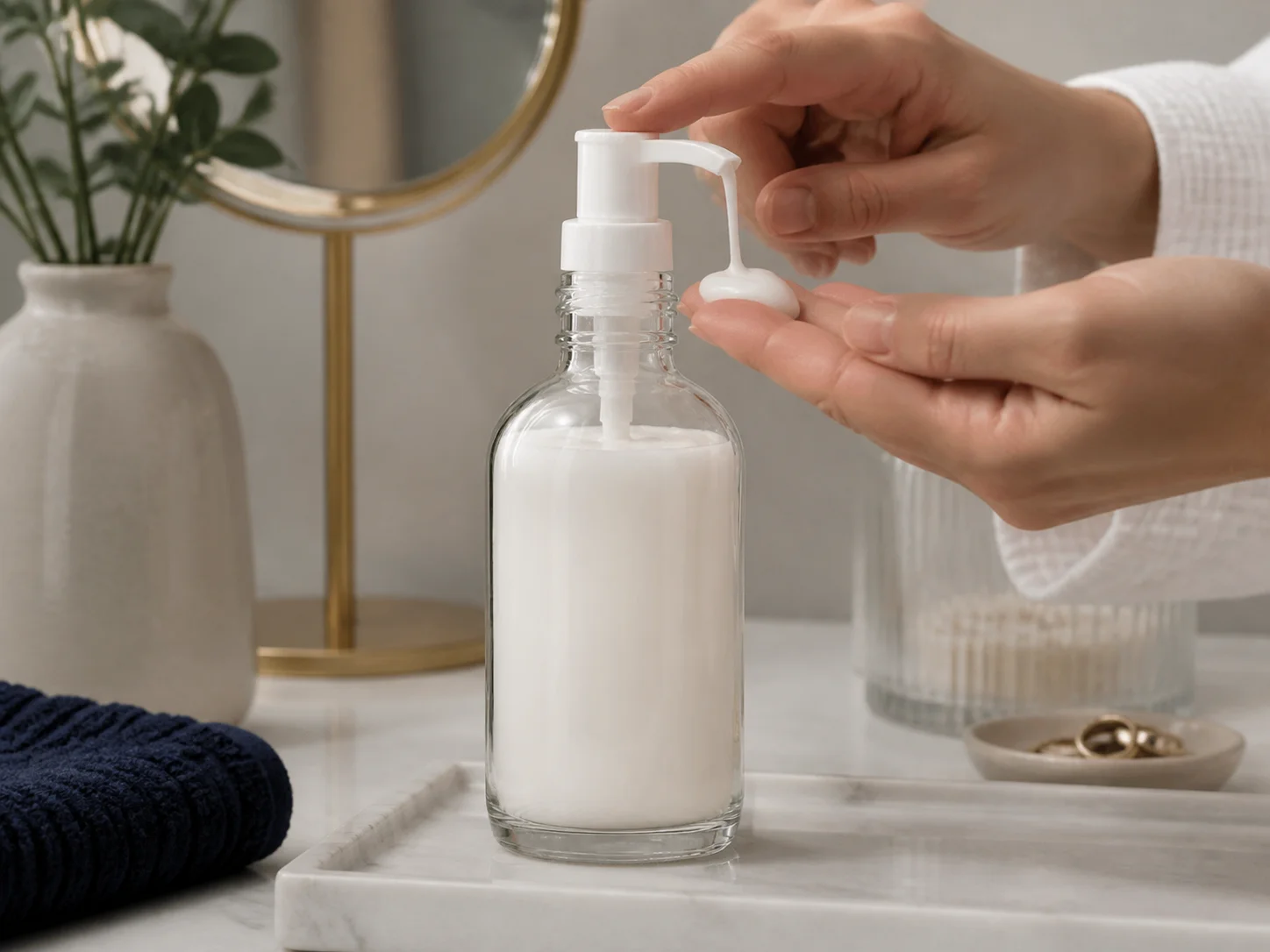
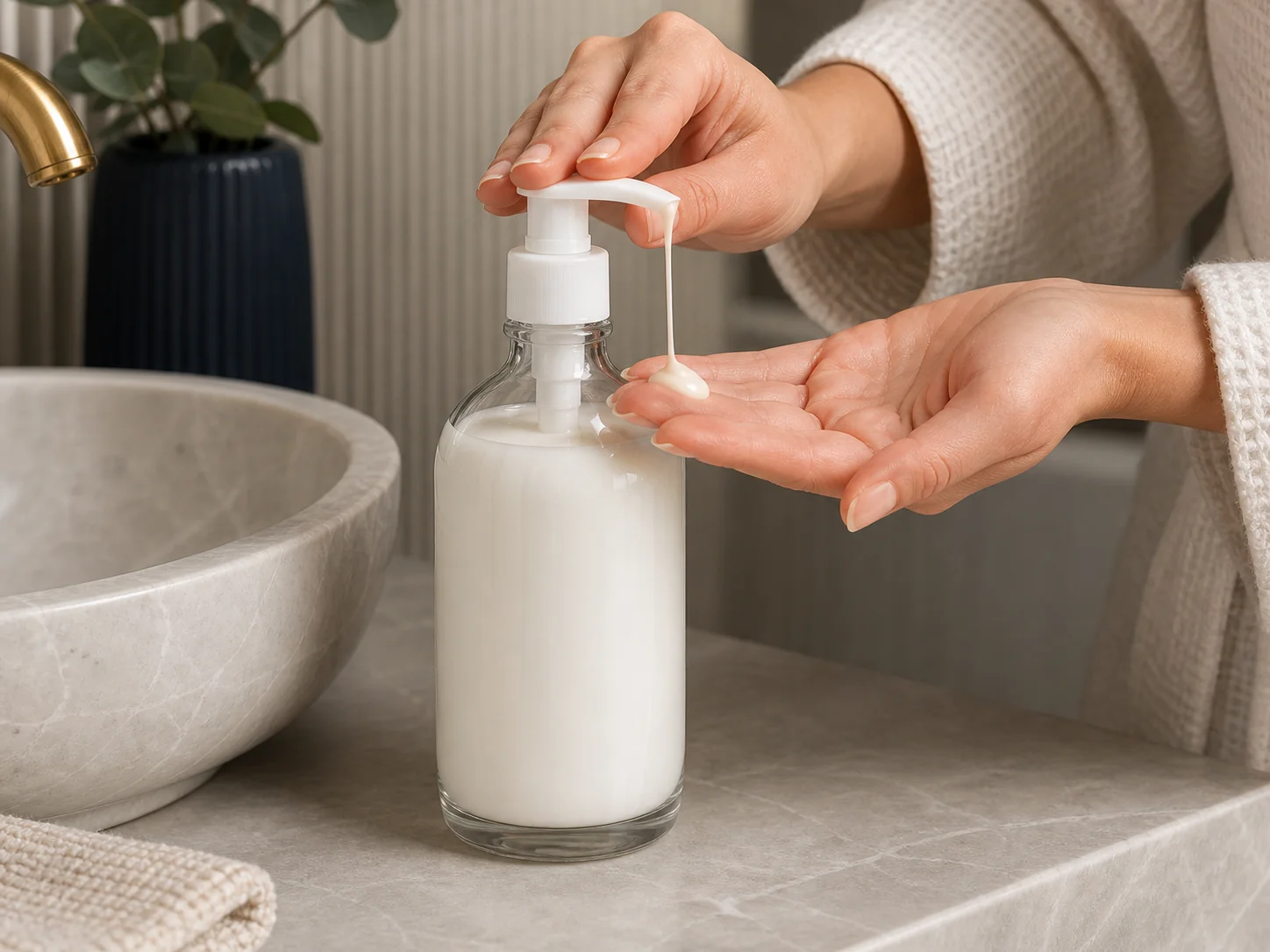
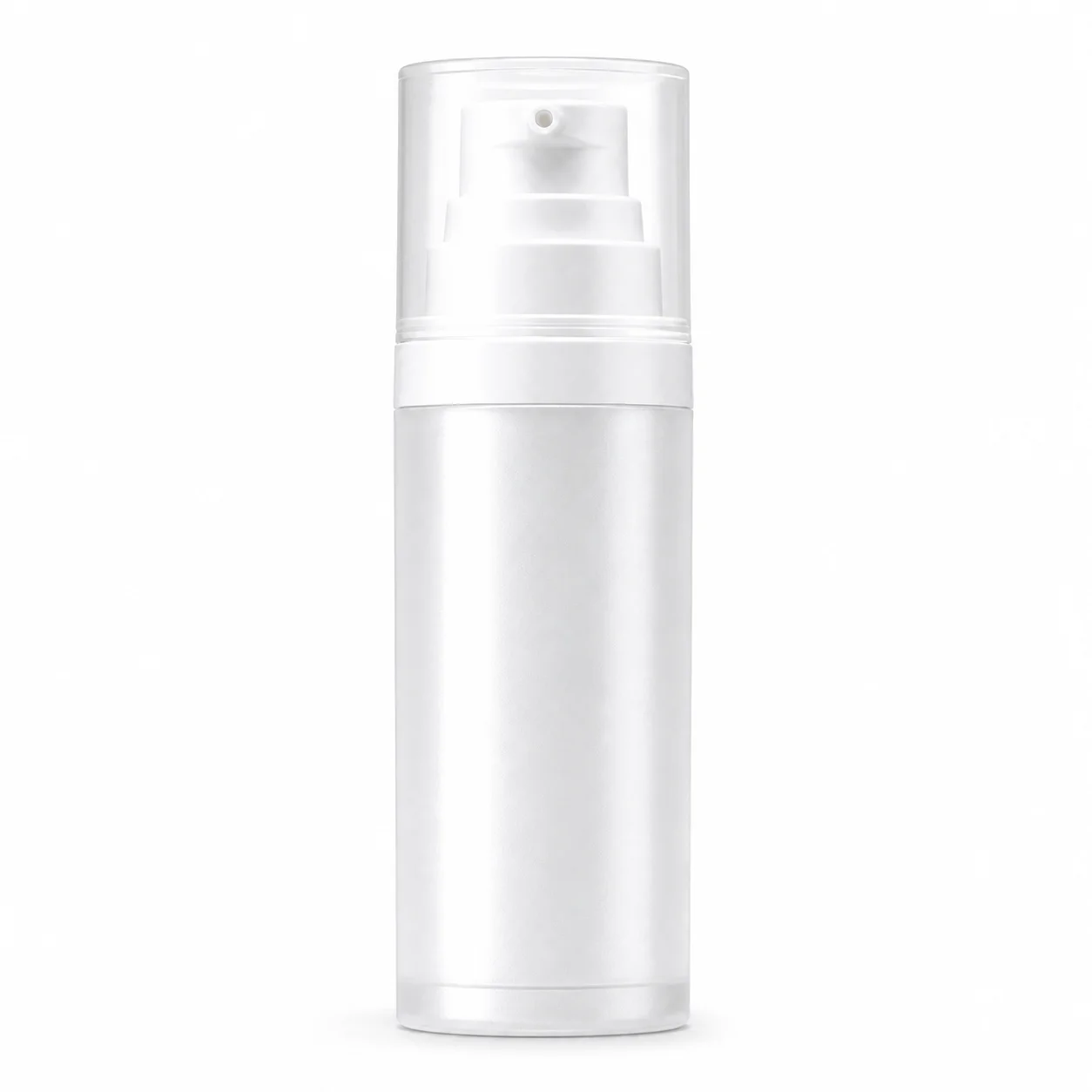
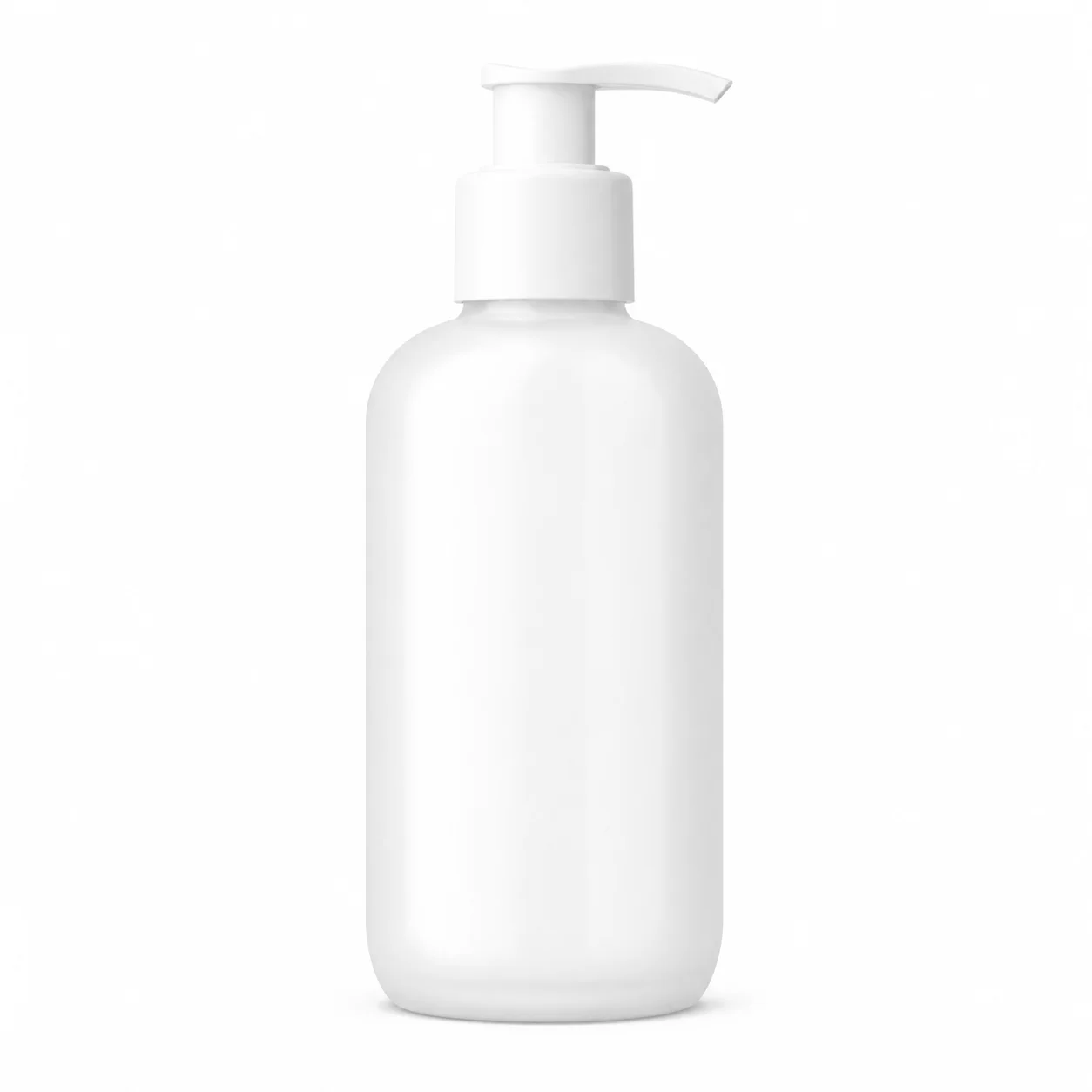
Face, hand and body lotions call for different dispensing amounts and handling patterns. Select the pump with the actual formula, assess performance across the intended temperature range, and match the dip tube to the bottle’s internal geometry. Filled weight and base stability also affect everyday use.
Select output for the application
The required output depends on the area of application and the formula. Select a pump that delivers a practical amount per stroke, then confirm performance with the actual lotion rather than relying on a generic nominal dose.
Test at relevant use temperatures
Lotion viscosity may change between conditions such as 22 °C and 15 °C. Assess the pump with the actual formula across the intended use range, including the lowest relevant temperature.
Match the dip tube to the internal geometry
On formats such as 250 or 400 mL, dip-tube length and clearance can affect residual product. Match the tube to the actual internal height and base geometry, then assess dispensing as the bottle empties.
Assess stability and grip
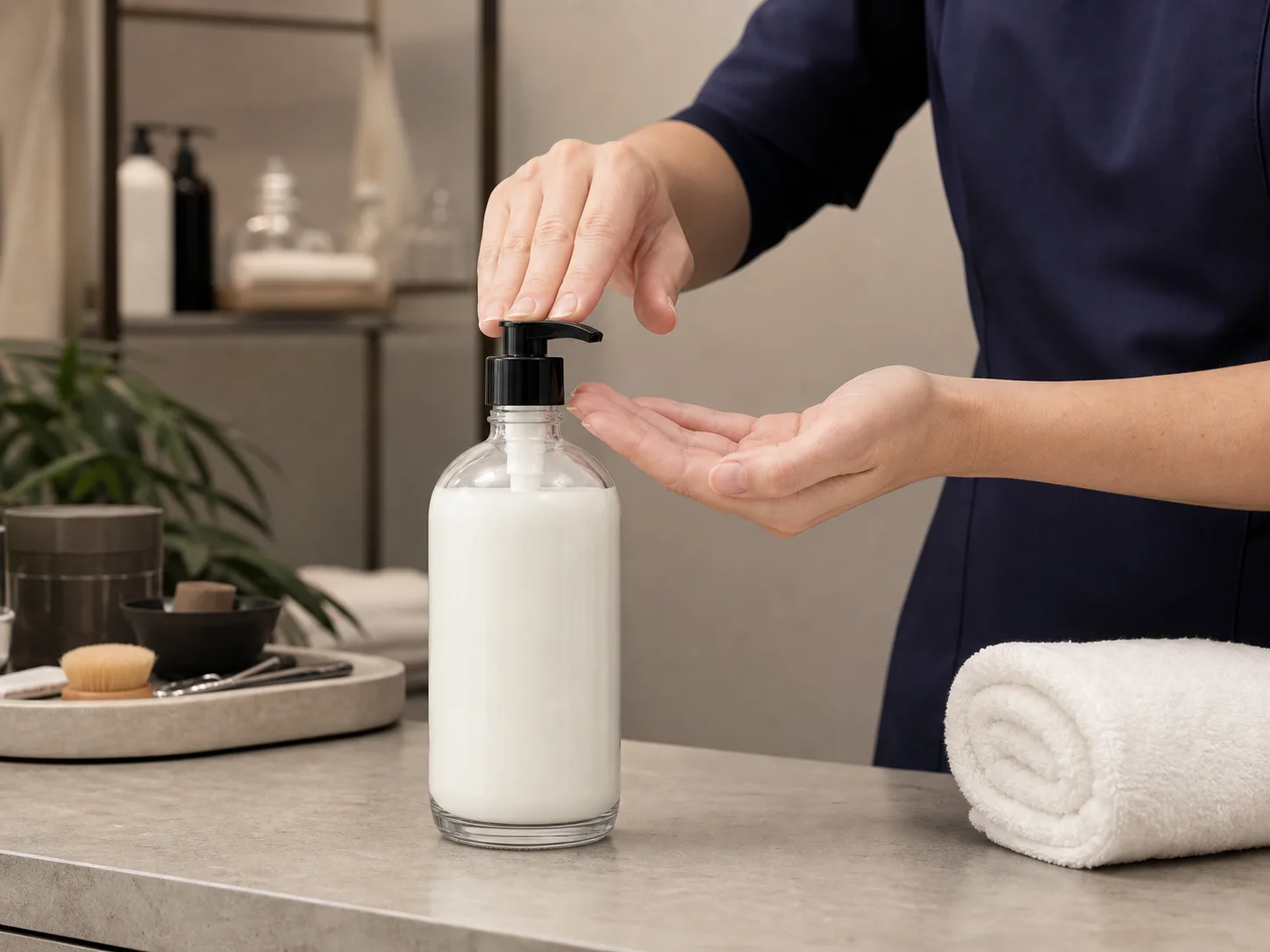
Check stability during one-handed pump operation and grip with wet or lotion-covered hands. Base width, overall proportions and actuator force all contribute to practical use.
Validate transit protection
An unlocked actuator can dispense during handling. Select and validate an appropriate lock or transit clip with the final carton or travel pack; a locking feature alone does not establish leak-free shipping.
Measure residual product
Dip-tube position, base shape and lotion flow determine how much product remains. Measure recovery with the selected assembly rather than assuming every part of the nominal fill is dispensable.