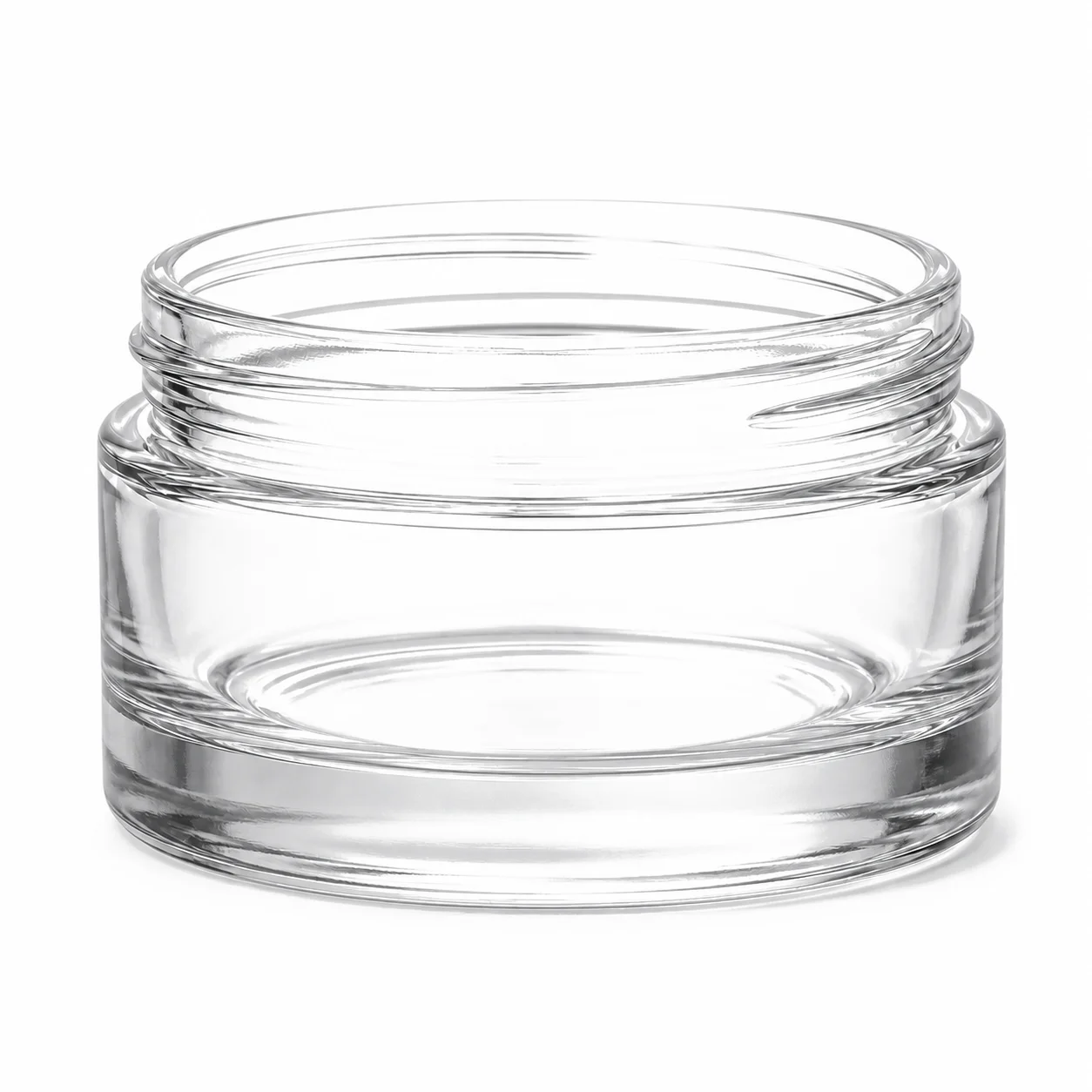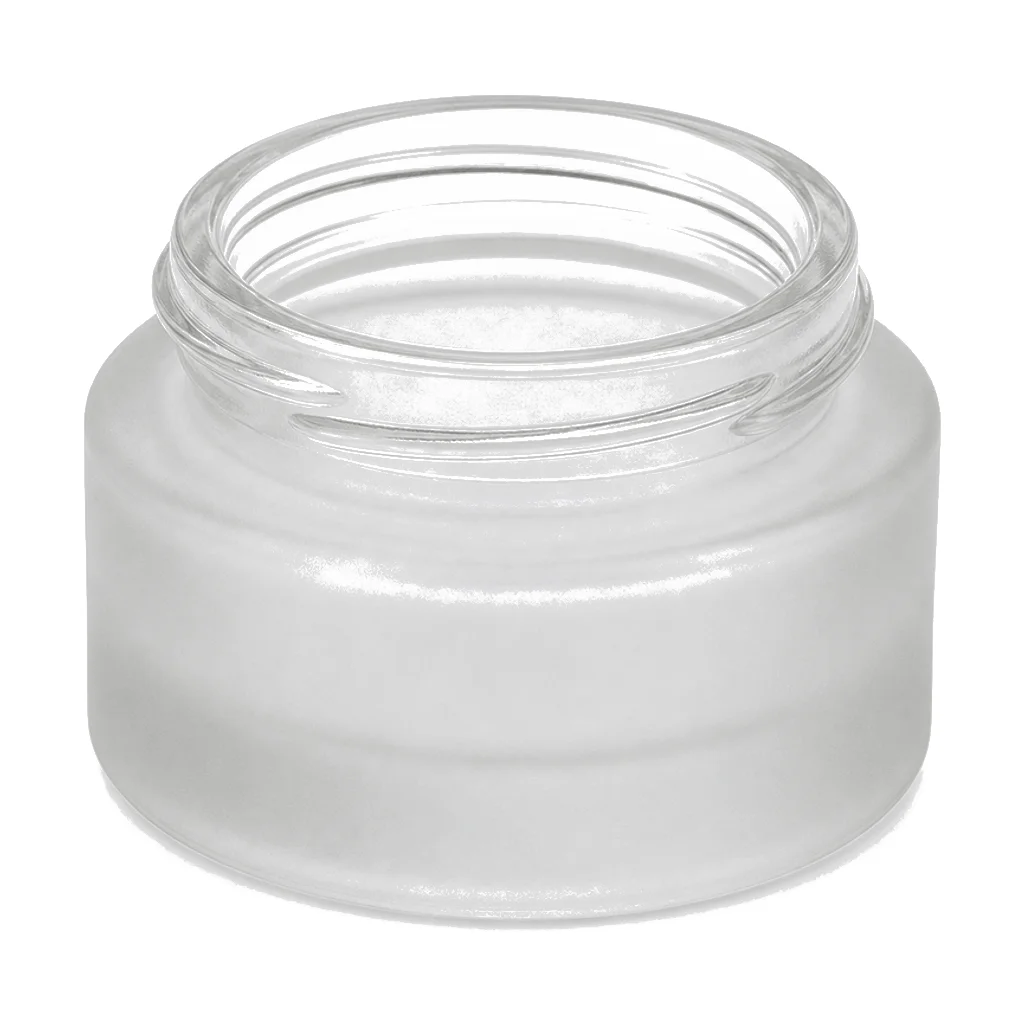
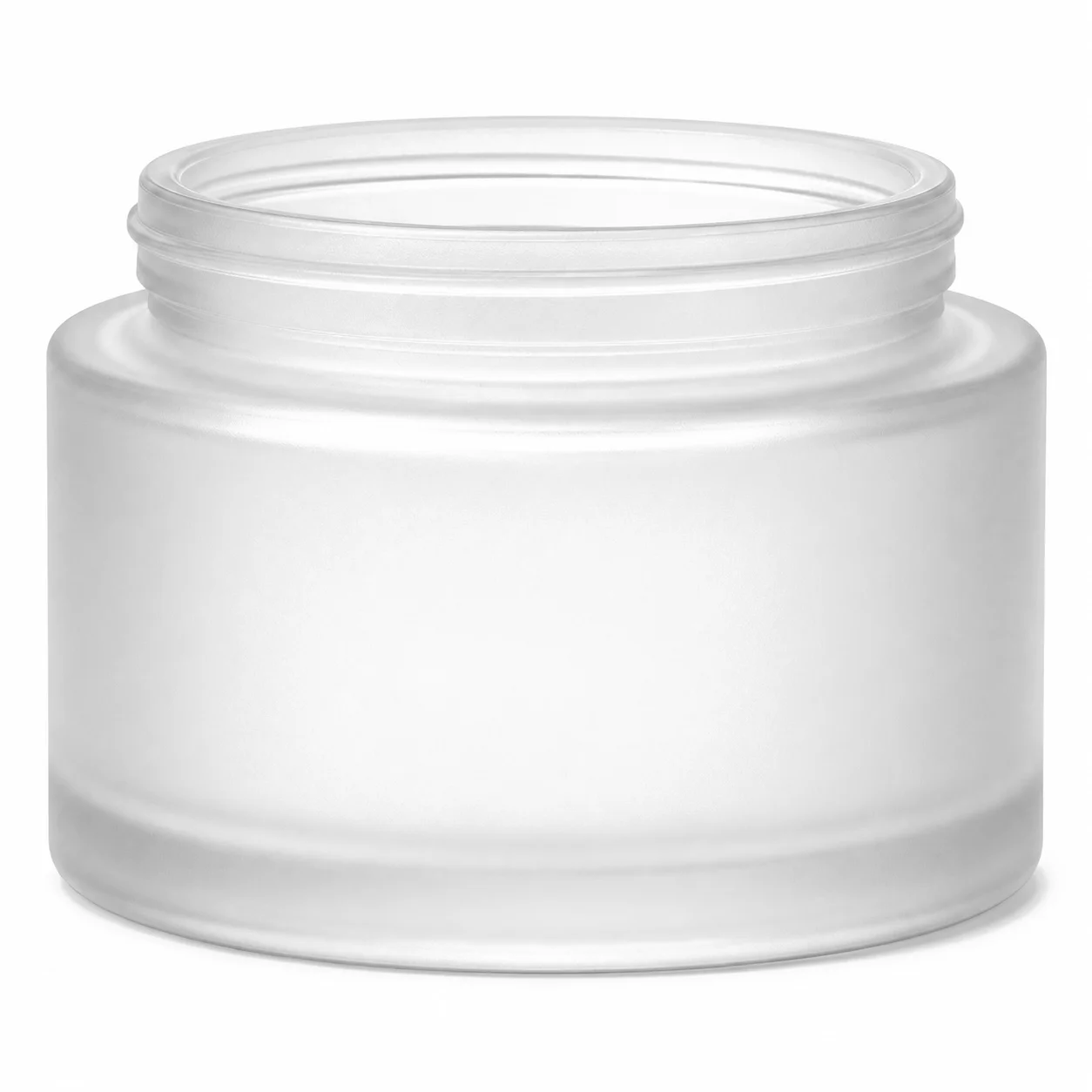
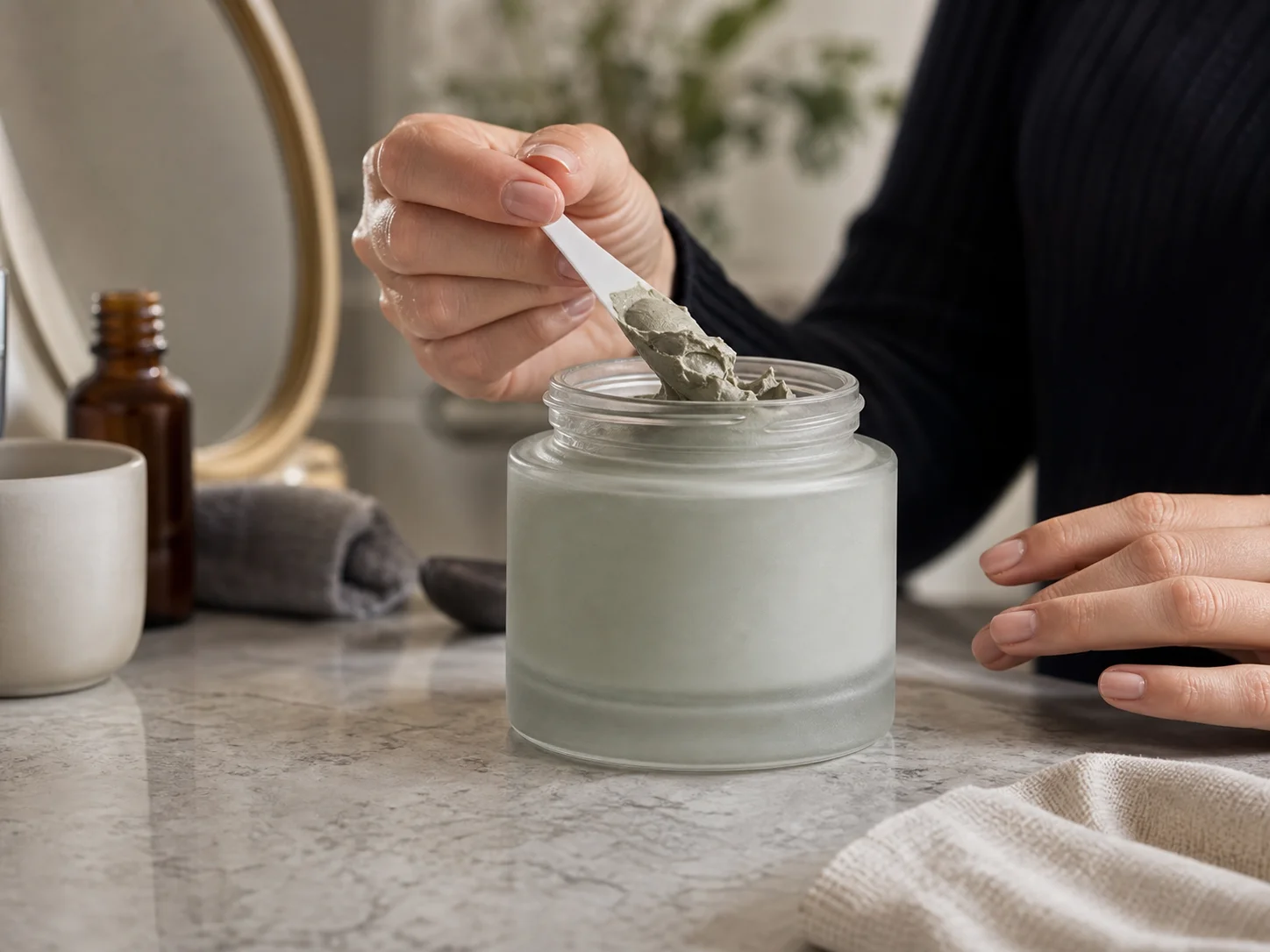
Broad squat glass jar with a very wide mouth and a screw cap
Shown configuration · jar with cap / mask, inner disc, spatula and label not shown

Skincare jars

Mask Jar

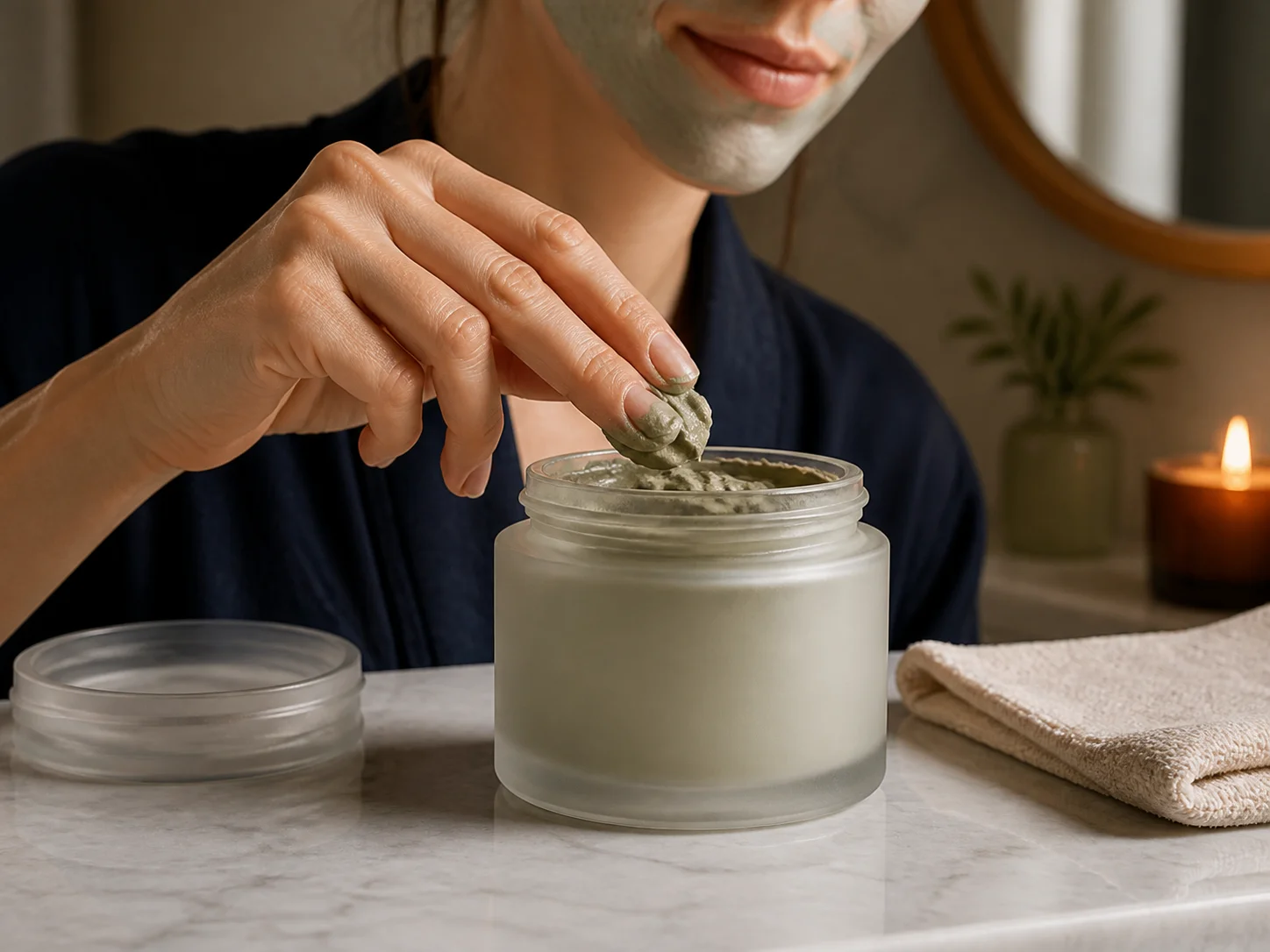
A wide-mouth mask jar sized for a thick product applied by spatula or fingers in generous amounts, and opened perhaps once a week rather than daily.

Wide mouth for a spatulaThick, high-solids formulasWeeks between openings
Stock status
In stock
Lead time
2–3 weeks
FOB price / pc
$0.15 - $0.60
MOQ
10,000 pcs

Final availability, dimensions, materials, assembled components and commercial terms are confirmed against the selected drawing and approved sample.

Scooped, not squeezed

Wide access beats any dispenser

Long gaps between uses

Surface dries if the seal is poor

Clay and grit are abrasive

Formulas that wear closures

Mask Jar profile

A jar opened once a week, holding a product that dries out if the seal is casual.

Access, infrequent use & abrasive formulas

Five things that separate a mask jar from a cream jar.

Face masks are thick, applied generously and used occasionally. That combination makes the wide mouth essential, the closure more important than in a daily-use pack, and the formula's own character — clay, grit, high water content — the thing that determines whether the pack still works after two months on a shelf.

01

Access outranks everything else

A mask is scooped in quantity, usually with a spatula, and a narrow neck makes that awkward and wasteful. The mouth is dimensioned around a spatula and a hand rather than around the fill, which is why mask jars look proportionally squatter and wider than cream jars of similar capacity.

02

Weeks between openings punish a weak seal

A daily-use cream is exposed briefly and often; a mask sits closed for a week or more, and any leak path lets water leave over that period. A dried crust at the surface is the characteristic complaint, and it points at the liner and the closure fit rather than at the formulation that gets blamed for it.

03

Clay and exfoliant particles are abrasive

High-solids masks with clay, charcoal or physical exfoliants wear at sealing surfaces and grind into threads over repeated openings. A closure that seals well on a smooth emulsion can degrade against them, so liner material and thread clearance are chosen against the actual formula and not against a generic cream.

04

Water content makes the seal a stability issue

Many masks are water-heavy, and water loss changes both texture and preservative concentration. That makes closure integrity a formulation concern rather than a convenience one, and it is why mask packs more often carry an induction or pressure-sensitive inner seal than a cream jar of the same size does.

05

A spatula is worth including

Fingers into a jar used once a week introduce contamination into a product that then sits for another week. A supplied spatula reduces that materially and costs very little, and it also improves the perception of the ritual. Where the pack does not include one, the label instruction is worth carrying instead.

06

Between uses it sits closed for weeks, and the seal is doing all the work

Unlike a daily cream, a mask is opened perhaps twice a month, which means the closure holds the formulation stable for long unbroken periods. That shifts the emphasis from convenience of opening toward liner performance over time, and it is tested on that basis.
Application guide

A mask is applied in a thick layer, then washed off.

Unlike a cream used by the fingertip, a mask is taken out in quantity, spread across the whole face and removed twenty minutes later. That single habit drives mouth width, fill volume and how the jar is opened. These are development directions confirmed with the actual texture.

Mask Jar used for clay, cream and wash-off masks in a weekly treatment setting

Weekly treatment

Clay, cream and wash-off masks

For a treatment applied once or twice a week in a thick layer, using two or three fingers or a spatula. The mouth must be wide enough to take a hand at any fill level, and the jar has to empty without leaving product stranded under a shoulder the customer cannot reach.

  • Confirm access at low fill
  • Check nothing is trapped at the shoulder
  • Size the fill to weekly use
Mask Jar used for a jar opened once or twice a week in a weekly home use setting

Weekly home use

A jar opened once or twice a week

For a mask a customer reaches for on a Sunday evening, spreading it on with wet fingers and closing the jar until the following week. Months of that leaves the surface handled far more than a pump ever is, so whether a spatula and an inner cover ship with the pack is settled with the formulator.

  • Decide whether a spatula ships with it
  • Review the need for an inner cover
  • Confirm preservation with the format
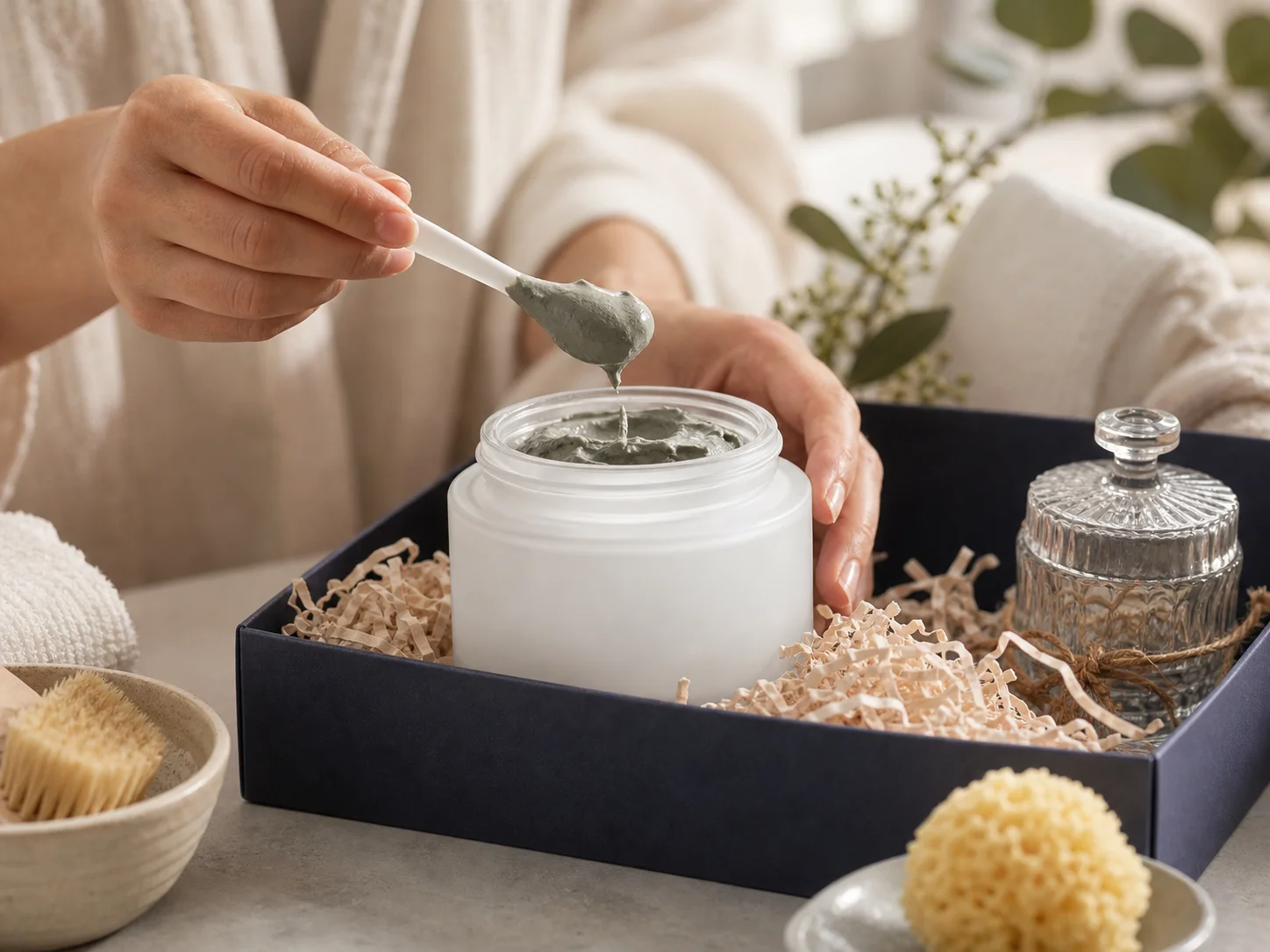
Mask Jar used for self-care sets and spa collections in a ritual and gifting setting

Ritual and gifting

Self-care sets and spa collections

Masks anchor self-care gift sets because the ritual is the product, and a substantial white jar photographs as the centerpiece of a box. That weight and the soft finish both need protecting in the insert, since a scuffed jar undermines the impression the set was bought for.

  • Protect the finish inside the insert
  • Position the jar as the set centerpiece
  • Drop test the boxed set filled

Formula compatibility, evidence, lid system, product contact, filling, preservation and distribution are confirmed for the selected program.

Common questions

Mask Jar questions

Occasional use and a thick abrasive formula make this a different jar.

Customers report a dried crust. Is that the formula?

Usually the closure. A mask sits shut for a week or more between uses, and any leak path lets water escape over that period, which a daily-use cream never gives it time to do. The complaint points at the liner and closure fit, and it gets blamed on the formulation with monotonous regularity.

Why do mask jars carry inner seals more often?

Water content. Many masks are water-heavy, and loss changes both texture and preservative concentration, so closure integrity becomes a stability question rather than a convenience one. That is why an induction or pressure-sensitive inner seal appears on mask packs more often than on cream jars of the same size.

Should a spatula come with the mask?

It is worth it. Fingers into a jar used once a week introduce contamination into a product that then sits closed for another week. A spatula reduces that materially, costs very little and improves how the ritual feels. Where one is not included, a label instruction to use a clean tool is the minimum.

How do we prove the seal over two months of closed storage?

By storing filled jars closed for that long and looking at the surface. A mask sits unopened for weeks between uses, so a marginal seal shows up as a dried edge at week six rather than as a leak on day one. Put a realistic interval into the stability plan rather than relying on torque figures.

Next step

Send us the Mask Jar brief.

Tell us the product, fill volume, closure preference and destination market. We will come back with the matching drawings, available configurations and a sample plan before anything is quoted.

  • 01Send the briefProduct, volume, closure and market
  • 02Get the optionsMatching drawings and configurations
  • 03Approve the sampleConfirm the pack before production