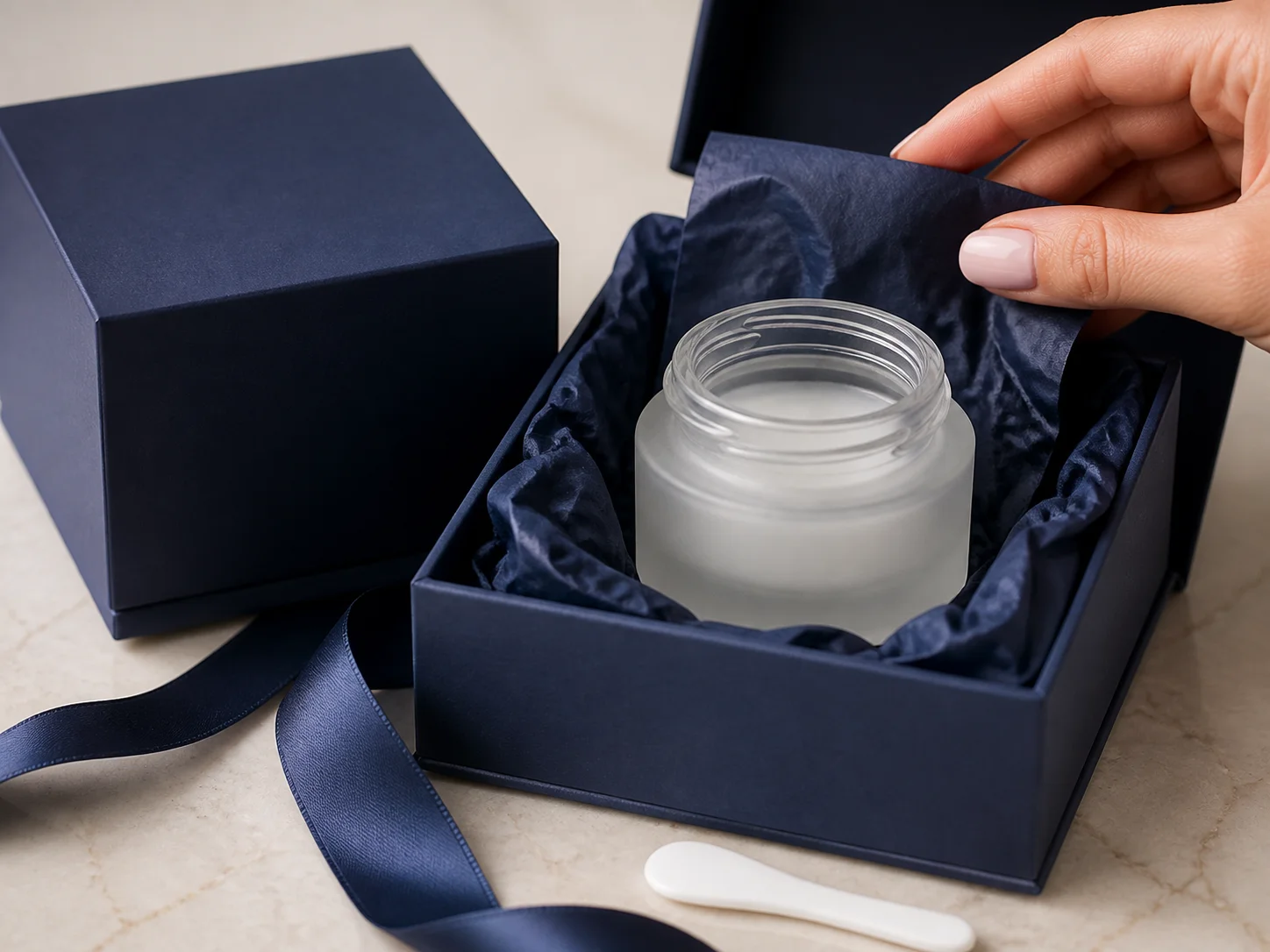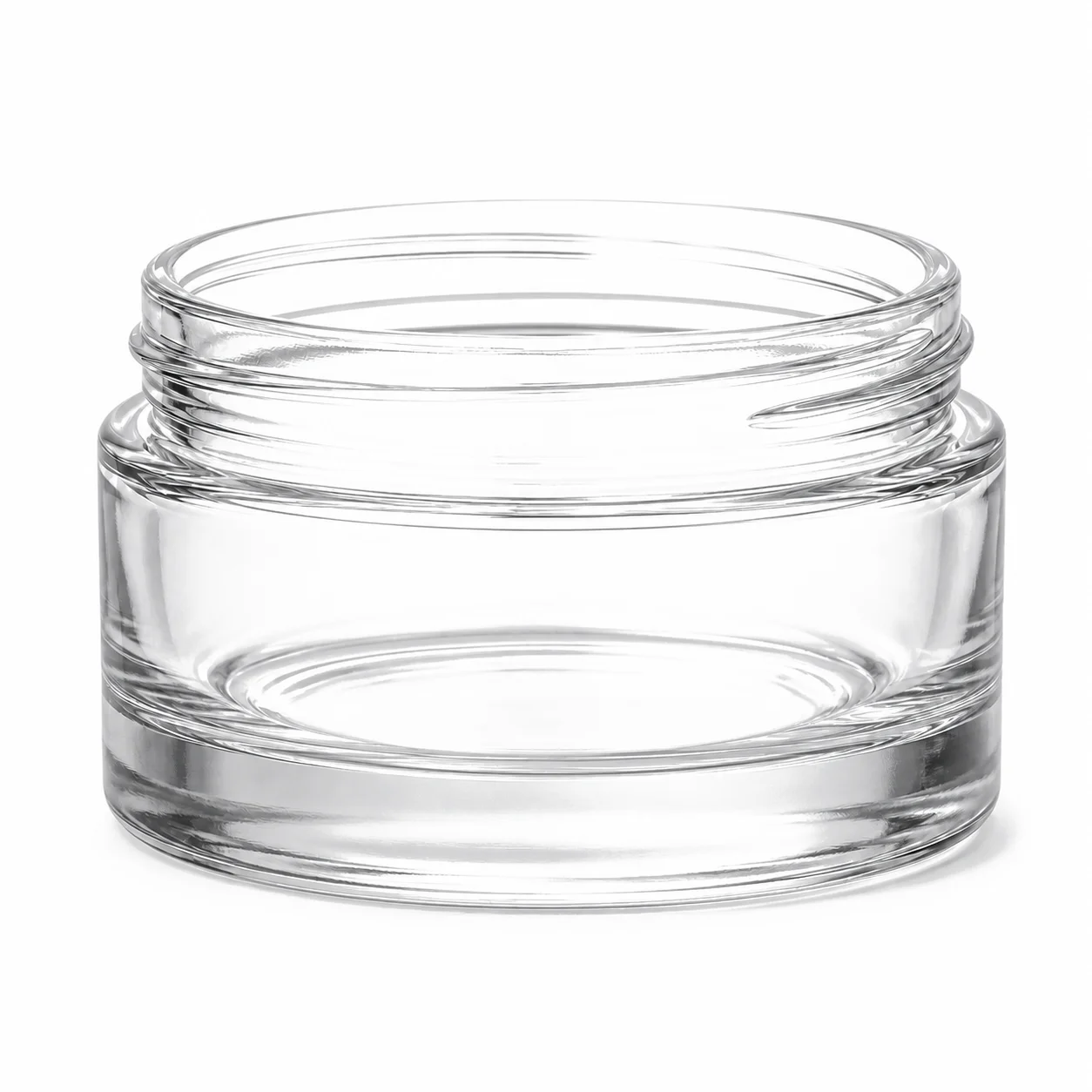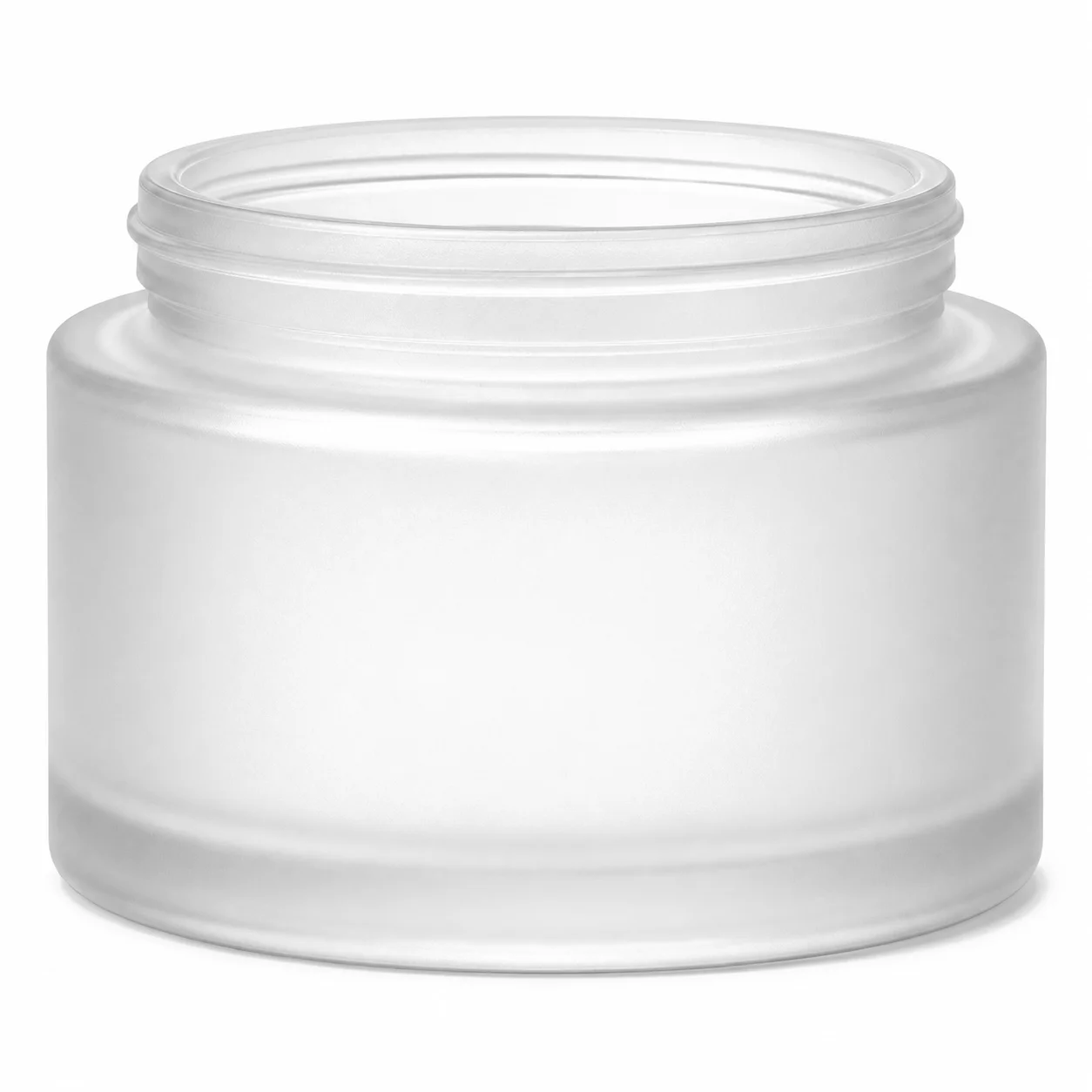
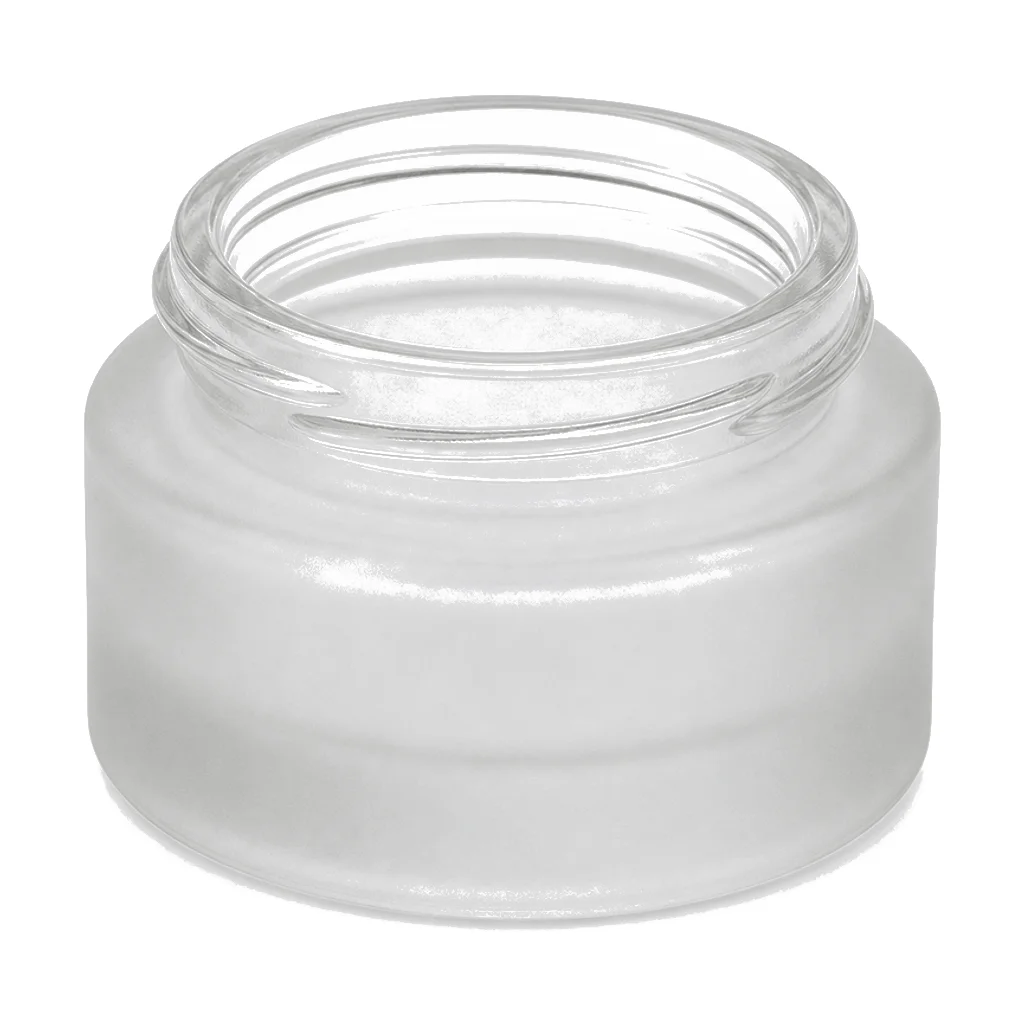
Very small squat glass jar with a wide mouth relative to its height and a screw cap
Shown configuration · jar with cap / cream, inner disc, spatula and label not shown

Skincare jars

Eye Cream Jar

A small eye cream jar, typically 15 mL, where the fill is tiny, the price per milliliter is the highest in a range and every gram left behind is noticed.

15 mL is the normHighest price per mL in a rangeResidue is visible and resented
Stock status
In stock
Lead time
2–3 weeks
FOB price / pc
$0.95 - $1.35
MOQ
5,000 pcs

Final availability, dimensions, materials, assembled components and commercial terms are confirmed against the selected drawing and approved sample.

Small fill, large expectations

Every gram is expensive

Base geometry decides waste

Corners hold product a finger cannot

Applied around the eye

Hygiene and tools matter more

Eye Cream Jar profile

The smallest jar in a range and the one customers scrutinize hardest.

Residue, apparent size & application hygiene

Five things that matter more at 15 mL than at 50.

Eye cream is sold in 15 mL and priced like a serum, so the customer counts what they get and notices what they cannot reach. A jar for this product is judged on how completely it empties, how honest its apparent size is against its fill, and whether the format encourages hygienic application near the eye.

01

Internal geometry decides how much is wasted

A fingertip cannot reach into a sharp internal corner, and at this price per milliliter the product left there is money the customer resents. A generous internal radius at the base and a wall without an internal shoulder let a jar be emptied properly, which matters far more here than on a body cream at a tenth the price.

02

Apparent size against fill invites scrutiny

A heavy-based or double-wall jar holding 15 mL in a 40 mL silhouette is exactly the pack customers photograph and compare. Where the small fill is genuinely correct because the product is concentrated and used sparingly, saying so plainly is more persuasive than presenting bulk that is not there.

03

Application near the eye raises the hygiene question

Fingers around the eye area carry more risk than fingers on a cheek, and a jar is an open format. A supplied spatula, a metal applicator tip or a formulation robust enough for repeated finger contact are the three answers, and choosing none of them leaves the question to the customer's habits.

04

Small jars have almost no label area

A 15 mL jar has to carry brand, product name, ingredients, batch, and where applicable a period-after-opening mark. That is a serious constraint, and it usually resolves into a base label, an outer carton carrying the ingredient list, or both. Discovering it after the jar is tooled is a familiar and avoidable problem.

05

Weight signals value at this price point

A thin, light 15 mL jar reads as cheap next to a product priced like a serum. Thick-based jars are widely used here for exactly that reason, and the honest position is that the weight is buying perception rather than protection. That is a legitimate purchase as long as it is made knowingly.

06

A jar this small is judged by how it feels in a closed hand

At fifteen milliliters the whole object disappears into a palm, so mass, edge radius and the way the lid releases are the entire tactile experience. It is the format where a cheap closure is noticed most, because there is nothing else to distract from it.
Application guide

Eye cream is measured in rice grains, not fingertips.

The skin around the eye is thin and easily dragged, so this product is taken in tiny amounts and patted rather than rubbed. A small jar exists because the dose is small. These are development directions confirmed with the actual formula.

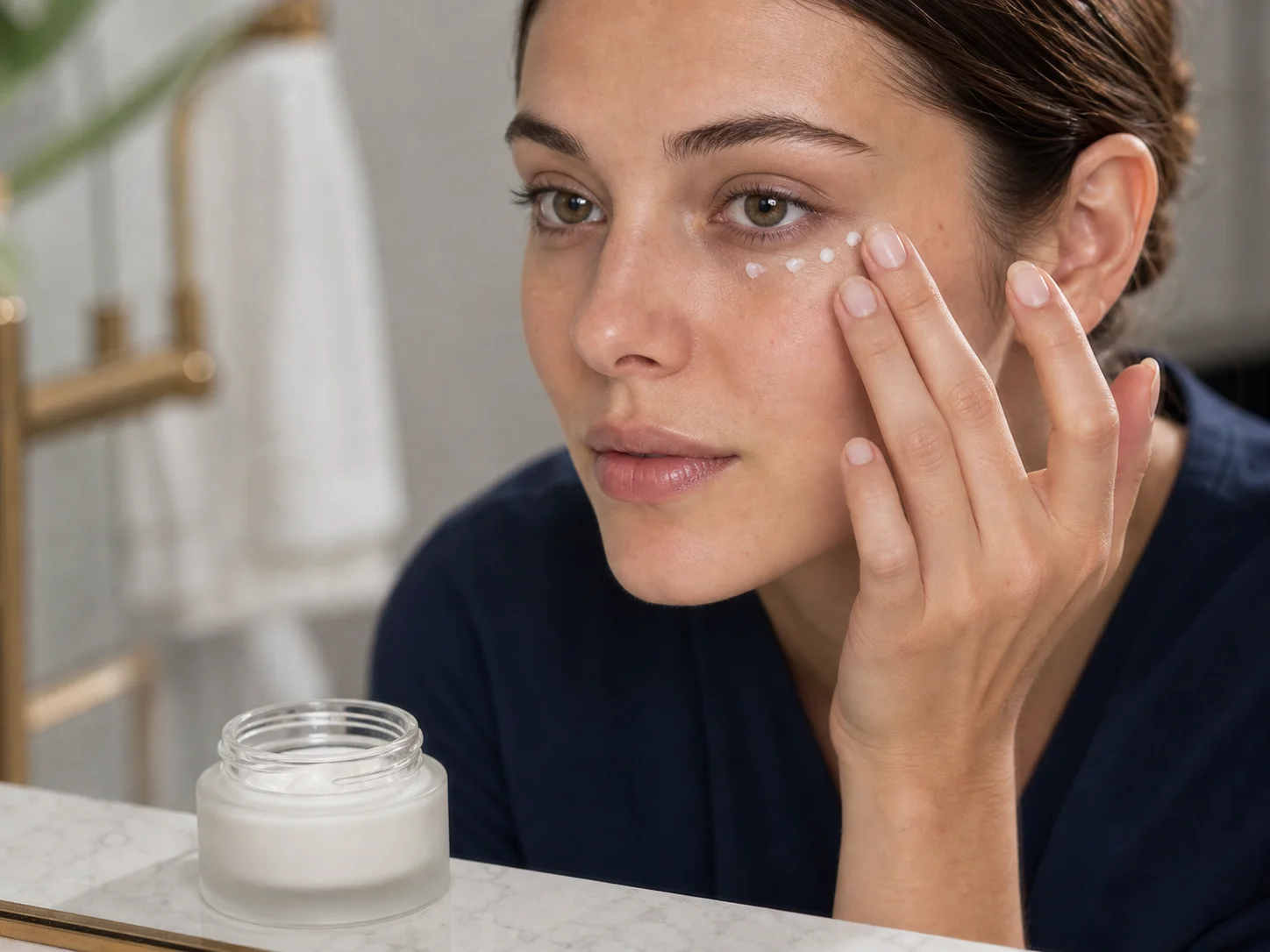
Eye Cream Jar used for creams patted around the orbital bone in a eye contour setting

Eye contour

Creams patted around the orbital bone

For a treatment applied with a ring finger in an amount most brands describe as a grain of rice, tapped gently along the bone rather than dragged across the lid. The mouth has to admit one fingertip cleanly, and the customer needs to reach the base without pressing a knuckle into the rim.

  • Fit a single fingertip comfortably
  • Confirm the base is reachable
  • Size the fill to a small daily dose
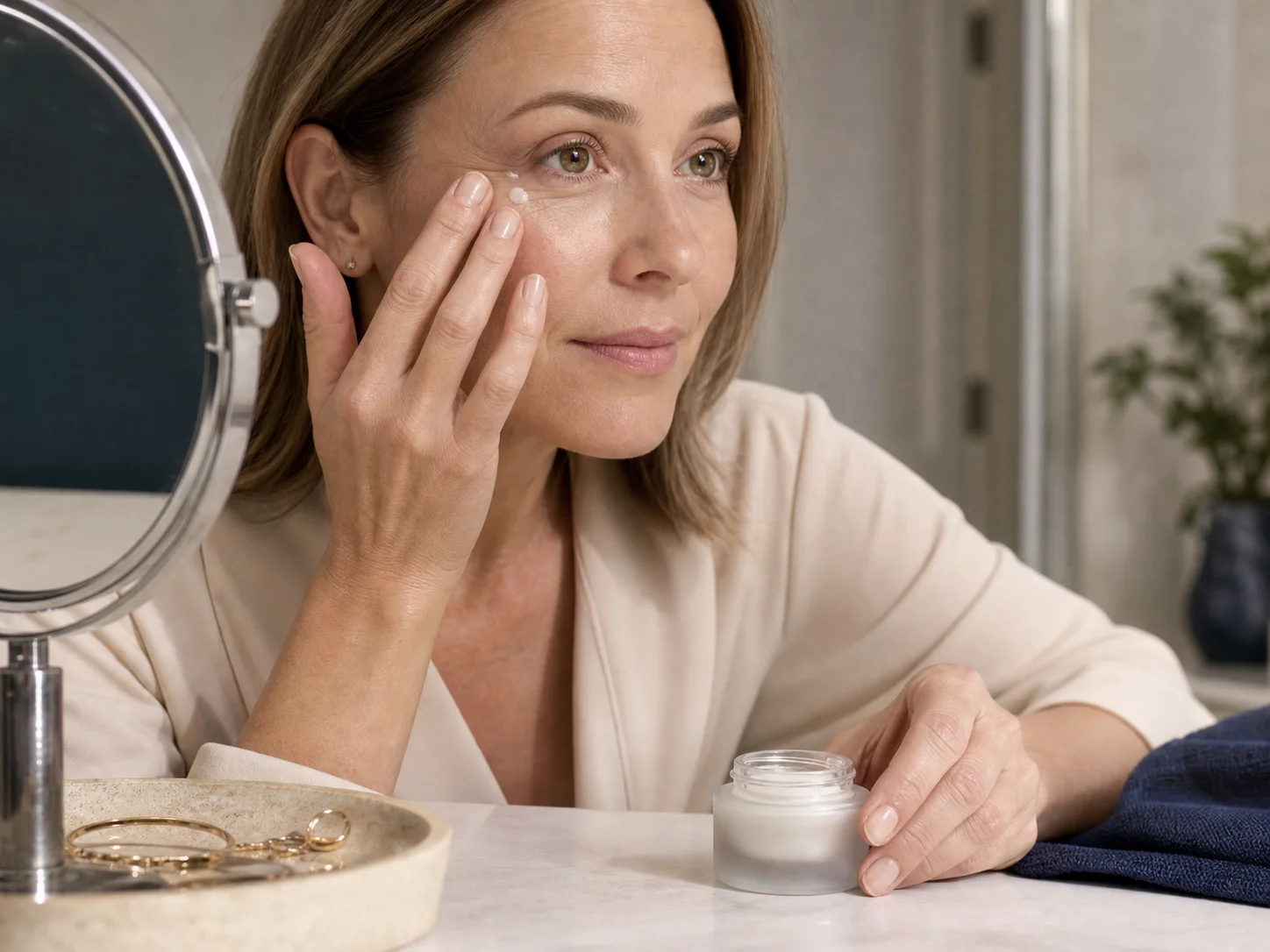
Eye Cream Jar used for the same finger in the jar every day in a morning routines setting

Morning routines

The same finger in the jar every day

For a cream someone patted around the eye before work for six months, using the ring finger and putting the lid back with the same hand. That is far more finger contact than a body cream ever sees, and whether a spatula or an inner cover belongs in the pack is decided with the chemist, not on cost.

  • Decide on a spatula with the chemist
  • Review the need for an inner cover
  • Confirm preservation for finger contact
Eye Cream Jar used for companion sizes beside a face cream in a range and gifting setting

Range and gifting

Companion sizes beside a face cream

Eye creams almost always sit beside a larger face cream in the same range, and the two are frequently bought or gifted together. The small jar should read as a deliberate companion to the larger one, sharing finish and lid design rather than looking like a sample.

  • Echo the face cream finish and lid
  • Avoid the jar reading as a sample
  • Pair the two sizes in the insert

Formula compatibility, safety evidence, lid system, product contact, filling, preservation and distribution are confirmed for the selected program.

Common questions

Eye Cream Jar questions

A small fill at a high price makes every detail visible.

Will a heavy jar look deceptive?

It can, since 15 mL in a 40 mL silhouette is exactly what customers photograph and compare. Where the small fill is genuinely right because the product is concentrated and used sparingly, saying so plainly persuades better than presenting bulk that is not there. The scrutiny in this category is higher than in any other.

How do we fit the labeling on?

Usually with a base label, an outer carton carrying the ingredient list, or both. A 15 mL jar has to accommodate brand, product name, ingredients, batch and where applicable the period-after-opening mark, which is a serious constraint. It is much cheaper to plan for before the jar is tooled than after.

Is a thick base worth paying for?

As perception, often yes at this price point — a thin light jar reads as cheap next to a serum-priced product. The honest position is that the weight buys perception rather than protection. That is a legitimate purchase provided it is made knowingly rather than assumed to be a quality requirement.

How does the jar feel in a closed hand?

That is most of what the customer judges at this size. A 15 mL jar is picked up, closed around and set down more than it is looked at, so weight, edge radius and how the lid comes away carry the impression the label cannot. Approve it by handling filled samples.

Next step

Send us the Eye Cream Jar brief.

Tell us the product, fill volume, closure preference and destination market. We will come back with the matching drawings, available configurations and a sample plan before anything is quoted.

  • 01Send the briefProduct, volume, closure and market
  • 02Get the optionsMatching drawings and configurations
  • 03Approve the sampleConfirm the pack before production