Tolerance stack, delivery control & carriage
Six things that decide whether a roller feels right in the hand.
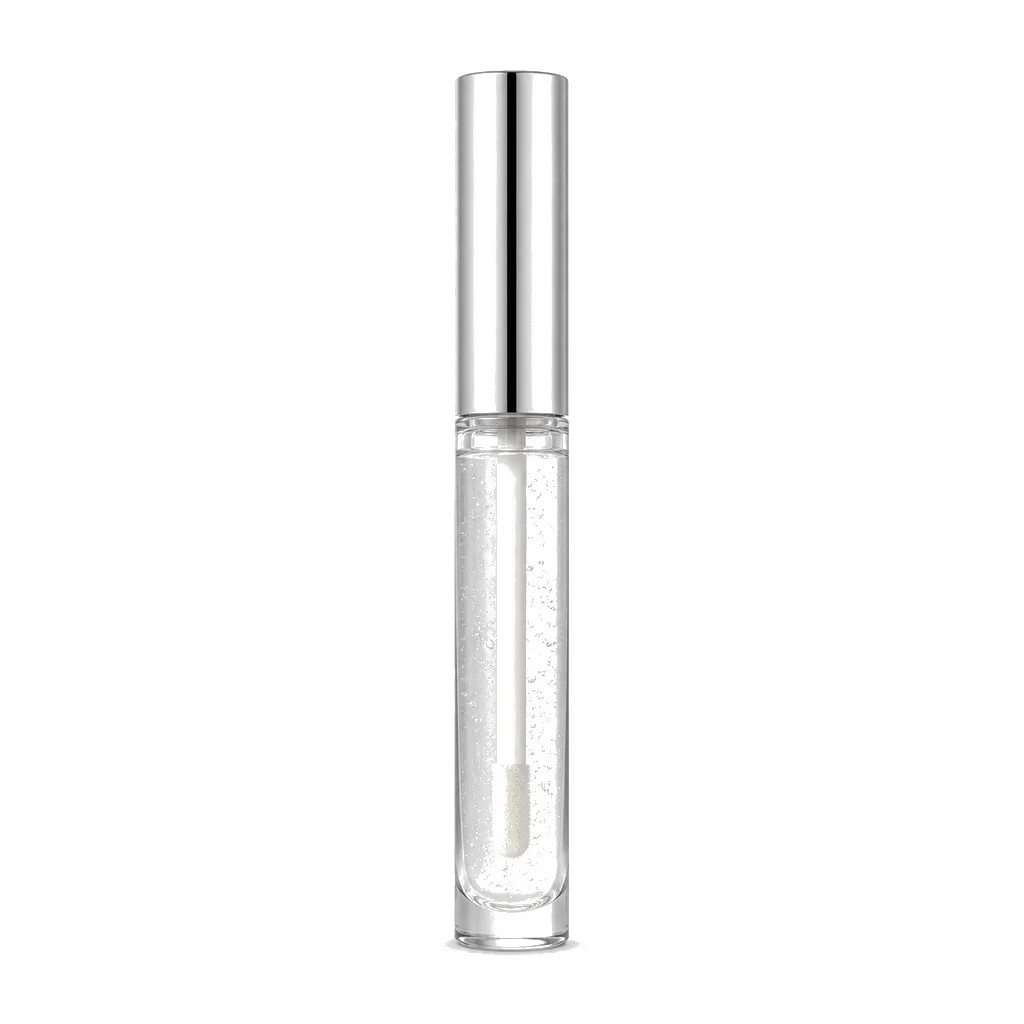
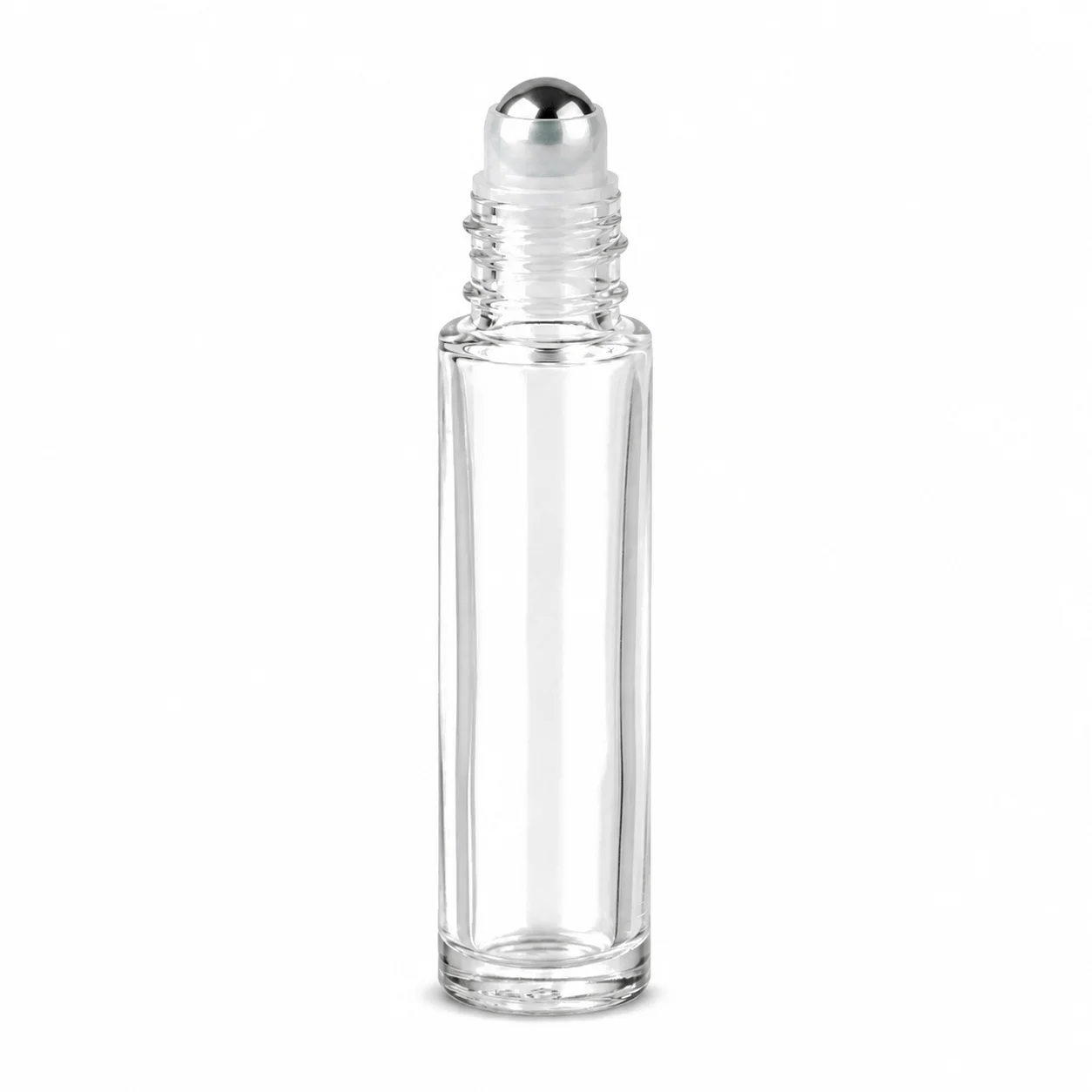
A roller bottle is glass, a housing pressed into the bore, a ball held captive in that housing and a cap over the top. The product reaches skin only through the film the ball drags out. Because each part carries its own tolerance, jamming, dragging and leaking are almost always stack-up problems rather than faulty components.
Four tolerances have to line up
Neck bore, housing outside diameter, ball diameter and cap fit each vary within their own limits, and the roller only works when all four fall in a compatible window. A ball that drags, a housing that lifts or a cap that will not seat are usually the stack rather than one bad part, which is why samples come from several cavities.
Glass bore governs the housing fit
The housing presses into the bore and holds by interference, and glass bore tolerance is wider than the housing's molding tolerance. That means the fit varies with the glass, not the fitment, so retention is checked across cavities. A housing that seats firmly in one bottle and proud in another is normal rather than a defect.
Delivery is the gap, not the ball
How much product comes out depends on the clearance between the ball and its seat and on the viscosity passing through it. A gap tuned for a light oil starves with a thickened serum; one opened for the serum lets the oil run. Sending the real formula before the fitment is fixed avoids both outcomes.
The ball is felt, so its material is a product decision
Stainless steel is cool and firm, glass rolls smoother, plastic is lightest and cheapest. All deliver a similar film, so the choice is about how the application feels rather than how much reaches the skin. On a product used on temples or wrists, that sensation is a large part of what is being bought.
It travels in a bag, so it is tested on its side
There is no seal below the ball, so a thin product laid flat in a warm bag creeps past it into the cap. Inner-plug caps, thicker formulas and correct housing retention all reduce it, and the meaningful test is filled units stored on their side at elevated temperature rather than upright on a bench.
The ball has to be seated after filling, and that is a one-way operation
Once pressed home, a roller housing cannot be removed without damaging the neck, so any fill error is scrap. Fill accuracy and in-line checking matter more on this format than on a screw-closed bottle, because there is no opportunity to correct.