Portion, spoon recovery & PT closure engineering
Six details behind a compact jar for foods served one spoonful at a time.
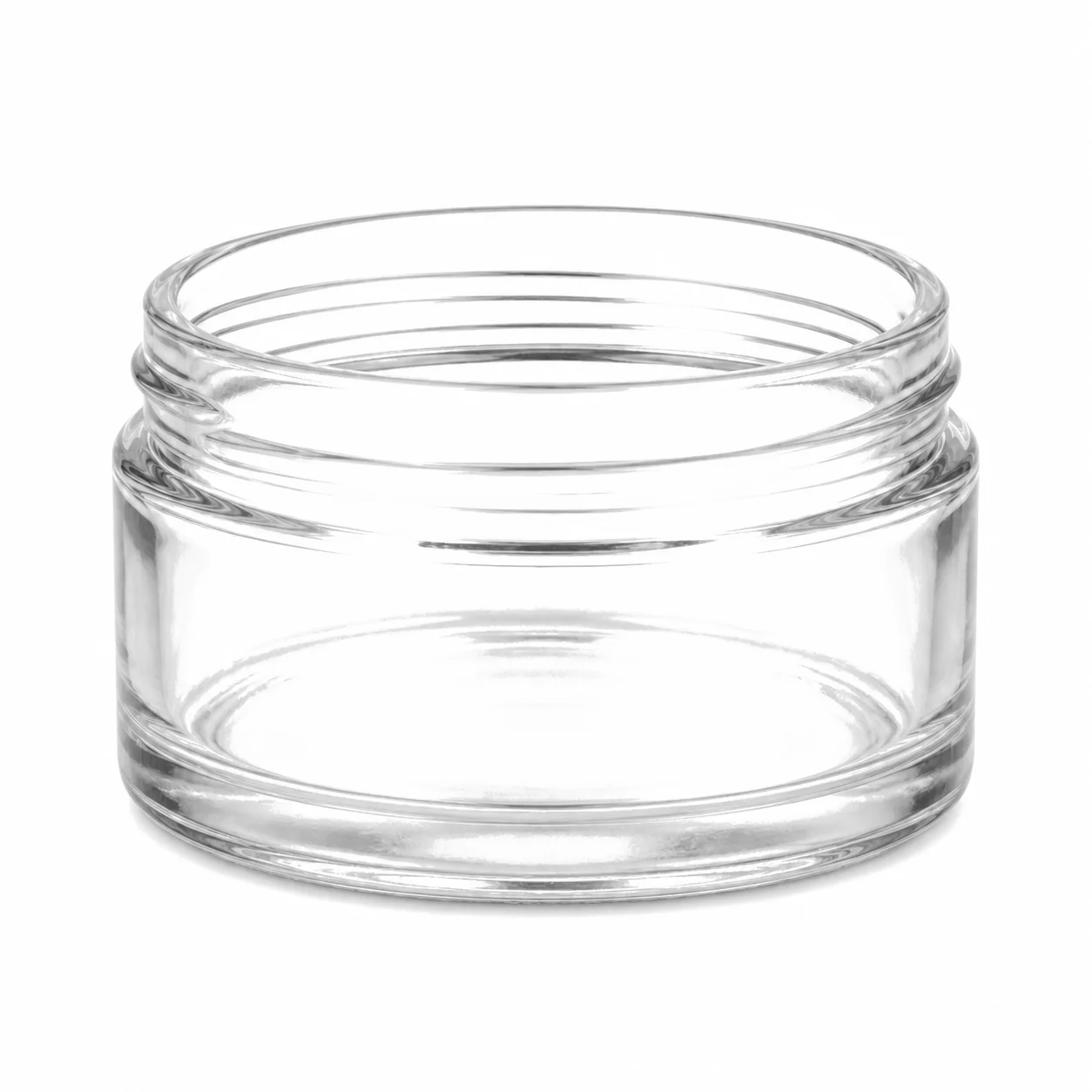
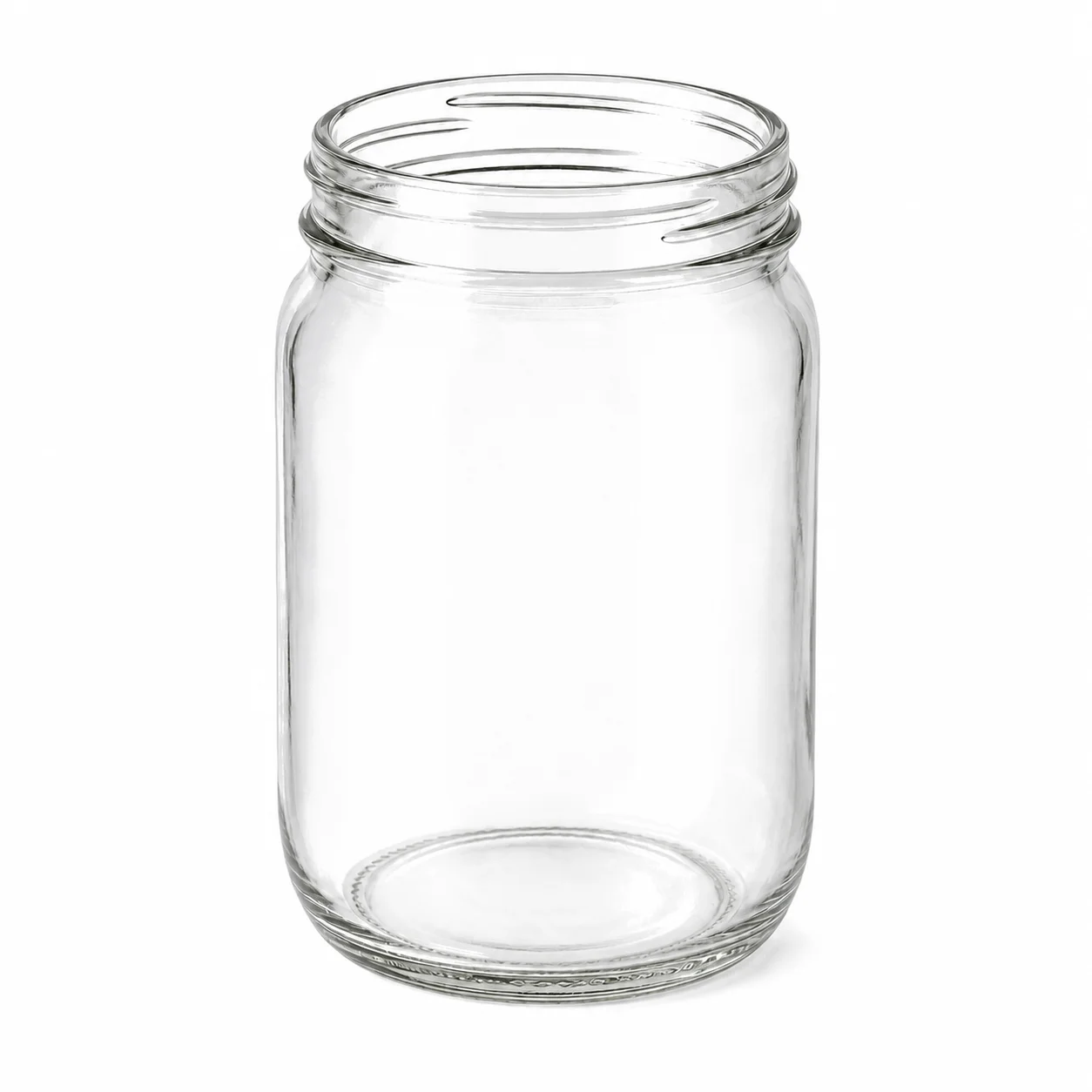
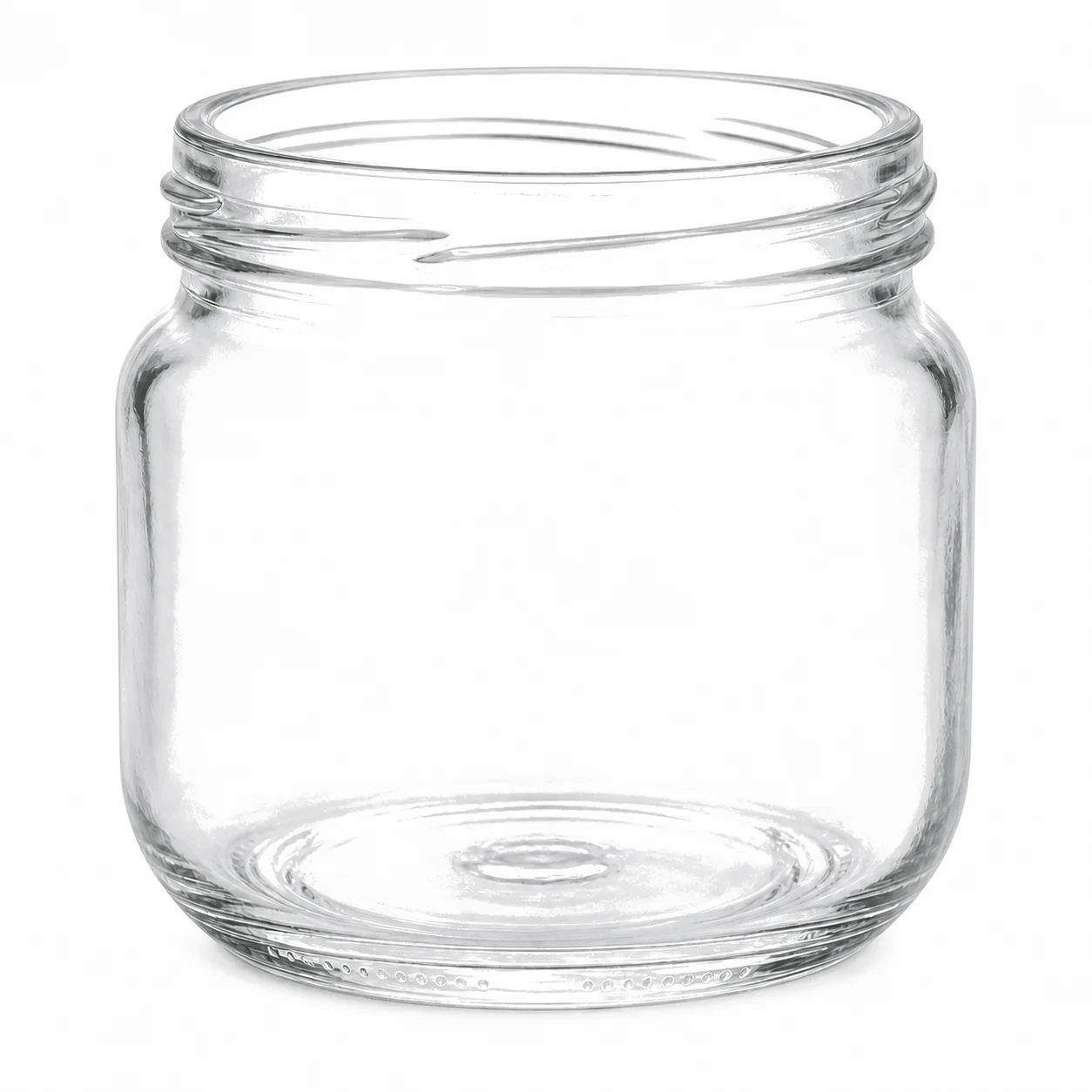
BGP-FS-6115 works to a dedicated baby-food envelope: 100 mL nominal inside a 60 mm wide, 57.5 mm high body at 74 g. The PT 51 finish takes a purpose-built press-on / twist-off metal closure, applied axially at line speed, opened by twisting, and able to carry a vacuum safety button that gives a parent a first-opening check.
One hundred milliliters is a portion volume, not a recipe weight
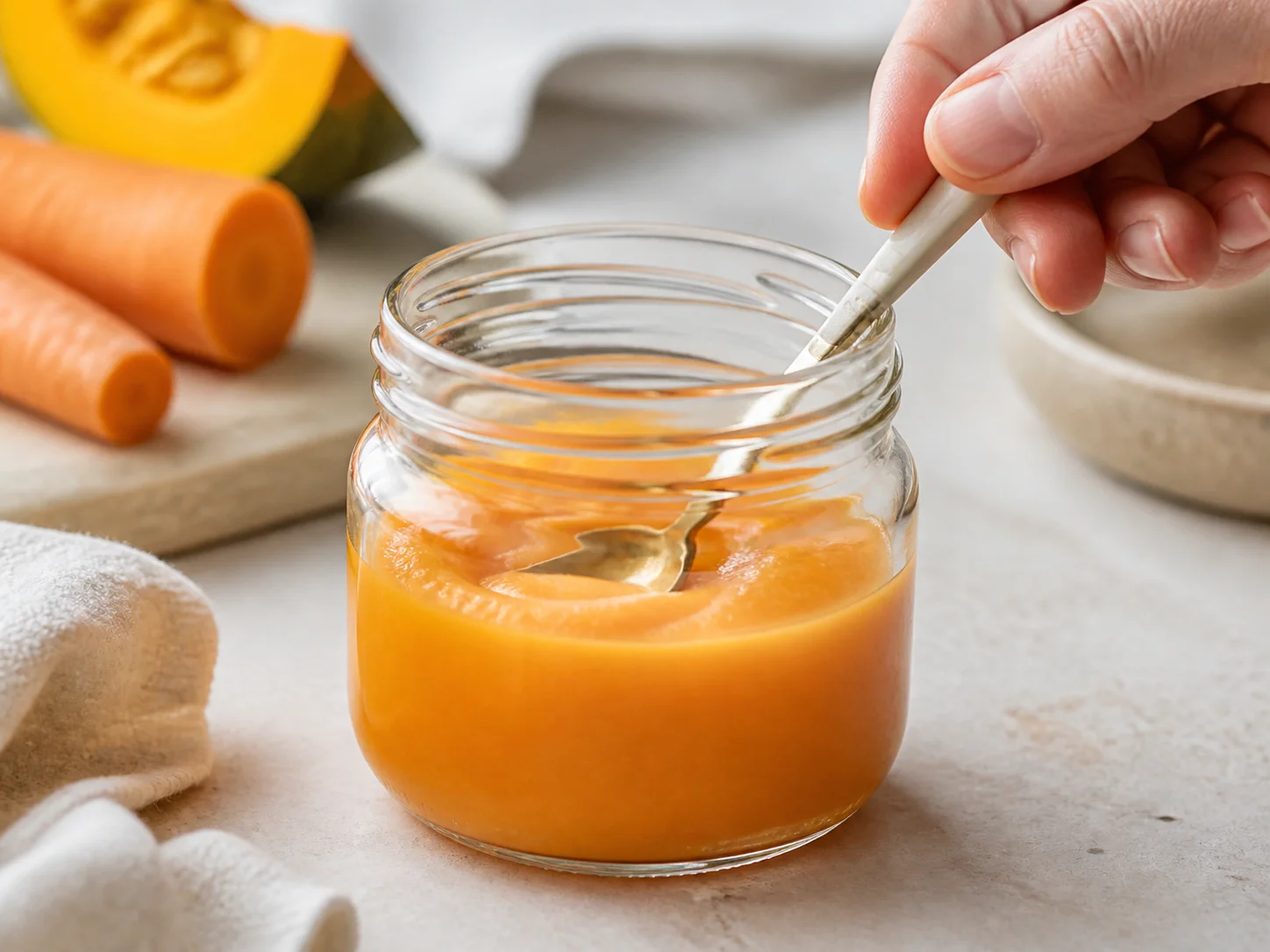
The nominal fill describes space below the designed fill point; the jar holds 111 mL at the brim. Apple purée, a meat-and-vegetable meal and a whipped dessert do not share the same density, so their declared grams will differ. Set weight control from the actual formulation while retaining the headspace needed by the filling and closure process.
The low body shortens the last spoonful
A 60 mm diameter creates a broad interior relative to the 57.5 mm height. That makes the lower wall easier to sweep than a tall narrow jar and reduces the handle angle needed to reach the base. The spoon bowl still needs to pass the PT 51 lip and follow the curved heel without scraping glass or leaving a visible ring of product.
Purée flow changes between the filler and the highchair
Fruit and vegetable purées can be shear-thinning: they move readily through a nozzle under pressure but recover body after filling. Temperature, starch, fiber and particle size affect the peak left by the nozzle, trapped air and leveling time. Judge fill appearance after deaeration, processing and cooling rather than tuning the line to a warm, freshly deposited sample.
Texture progression changes heat movement
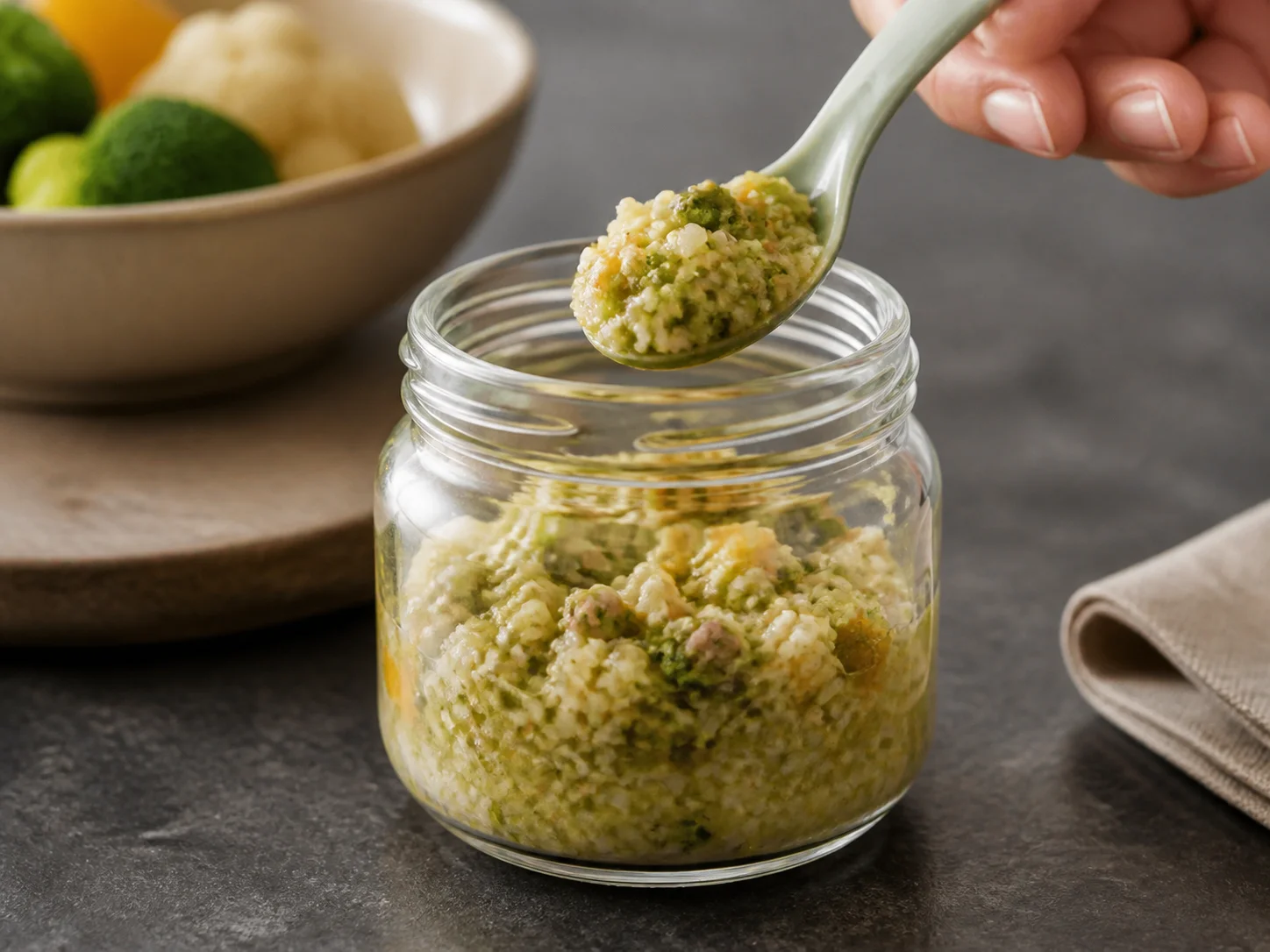
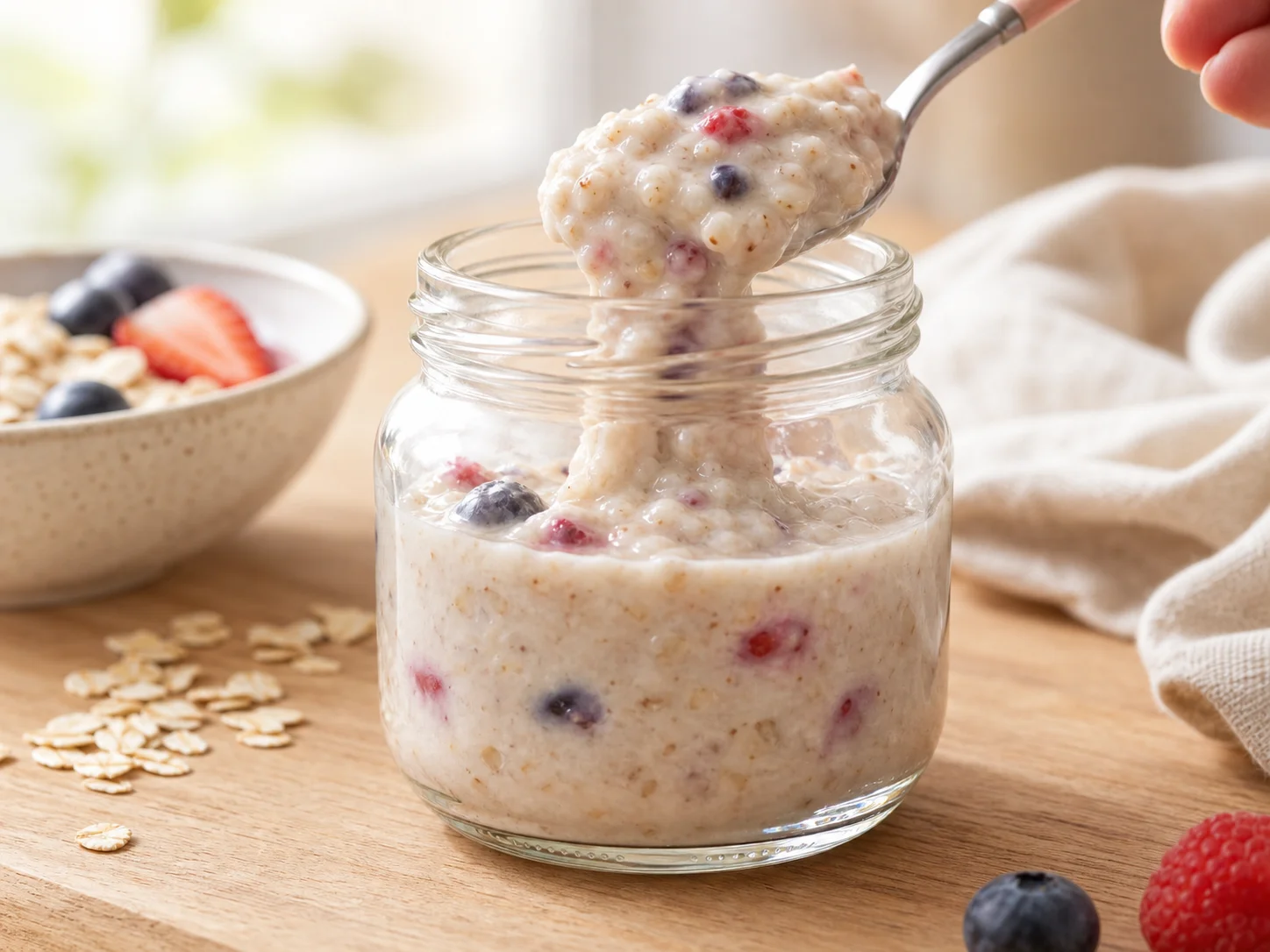
A smooth homogeneous purée transfers heat differently from a thicker meal containing soft grains, meat or vegetable particles. Particle dimensions, solids ratio and viscosity therefore belong in the scheduled process as well as the sensory brief. A recipe cannot be moved from smooth to chunky while retaining the old process simply because the glass capacity remains 100 mL.
PT means press on at the line and twist off at opening
The closure shell is pressed axially onto the PT 51 glass finish, where the extended sealing compound forms around the thread elements; the consumer removes it with a twist. This supports high-speed cap application without conventional lug engagement. Liner compound, cap temperature, press load and headspace vacuum are the working variables behind opening torque and seal consistency.
The cap button and label carry different messages
A vacuum safety button provides a physical package-status cue before first opening, while the label must carry recipe name, ingredients, allergens, serving and storage instructions, lot code and any age or texture communication required for the market. Keep the hierarchy readable on the small circumference and leave enough clear glass to identify color, separation and texture without opening the jar.