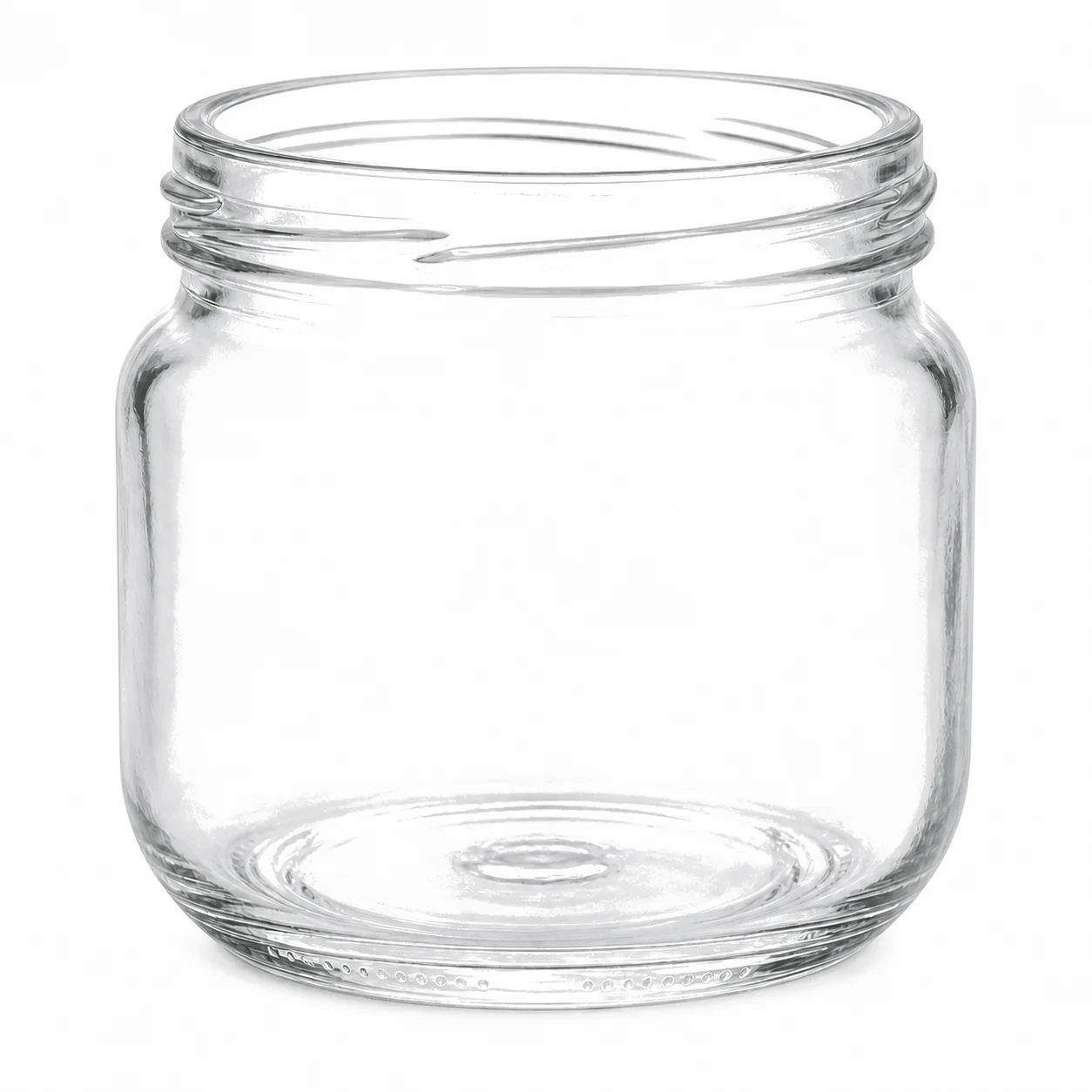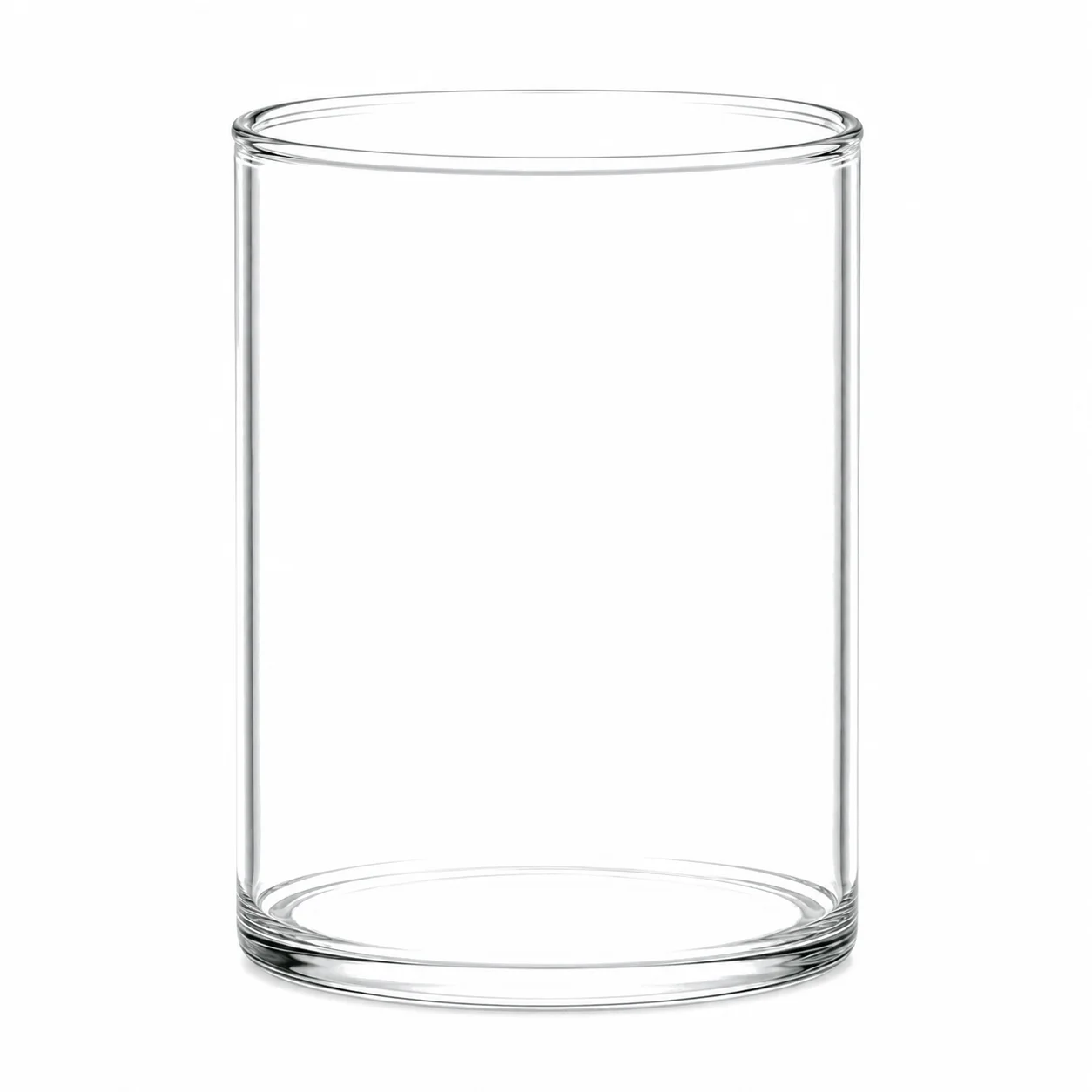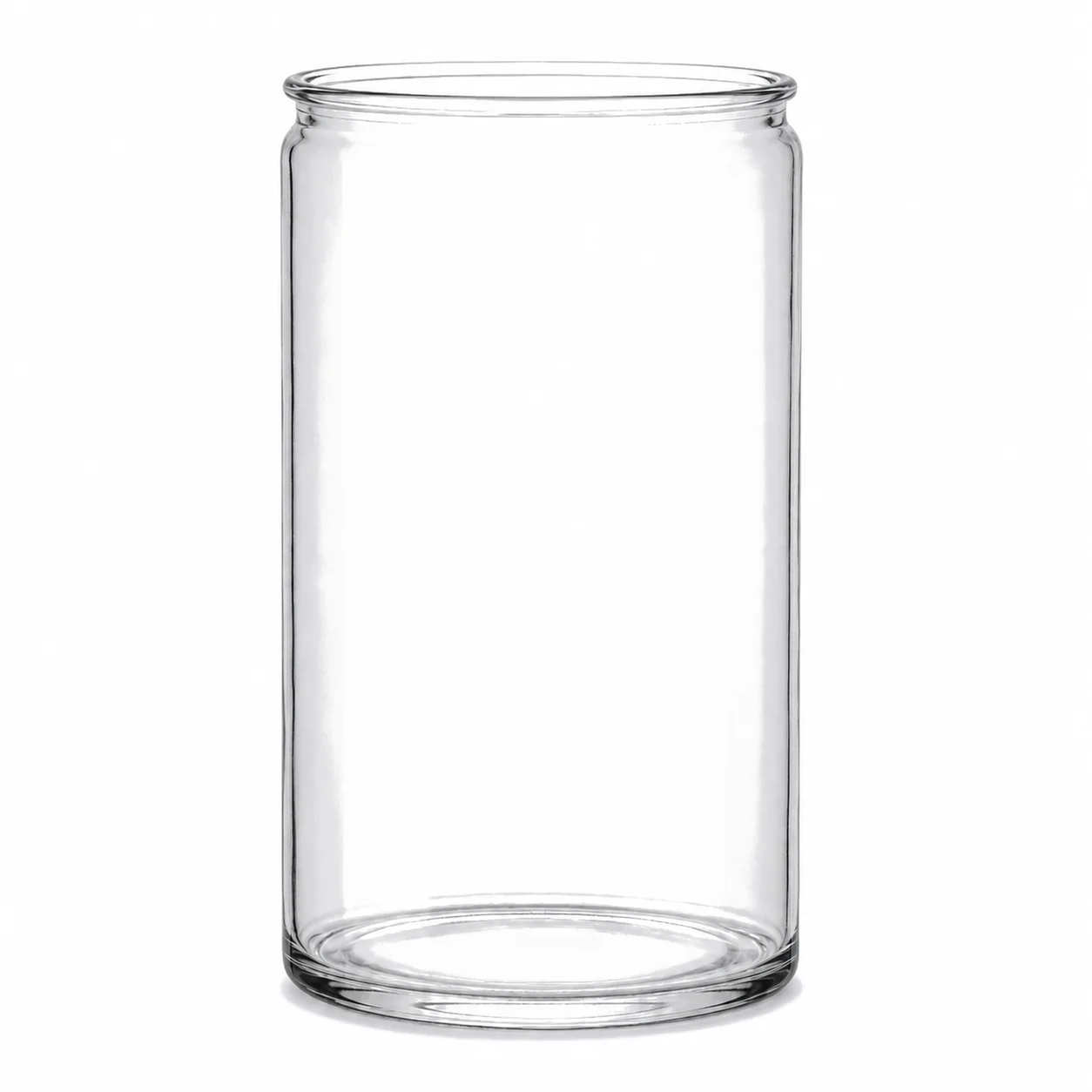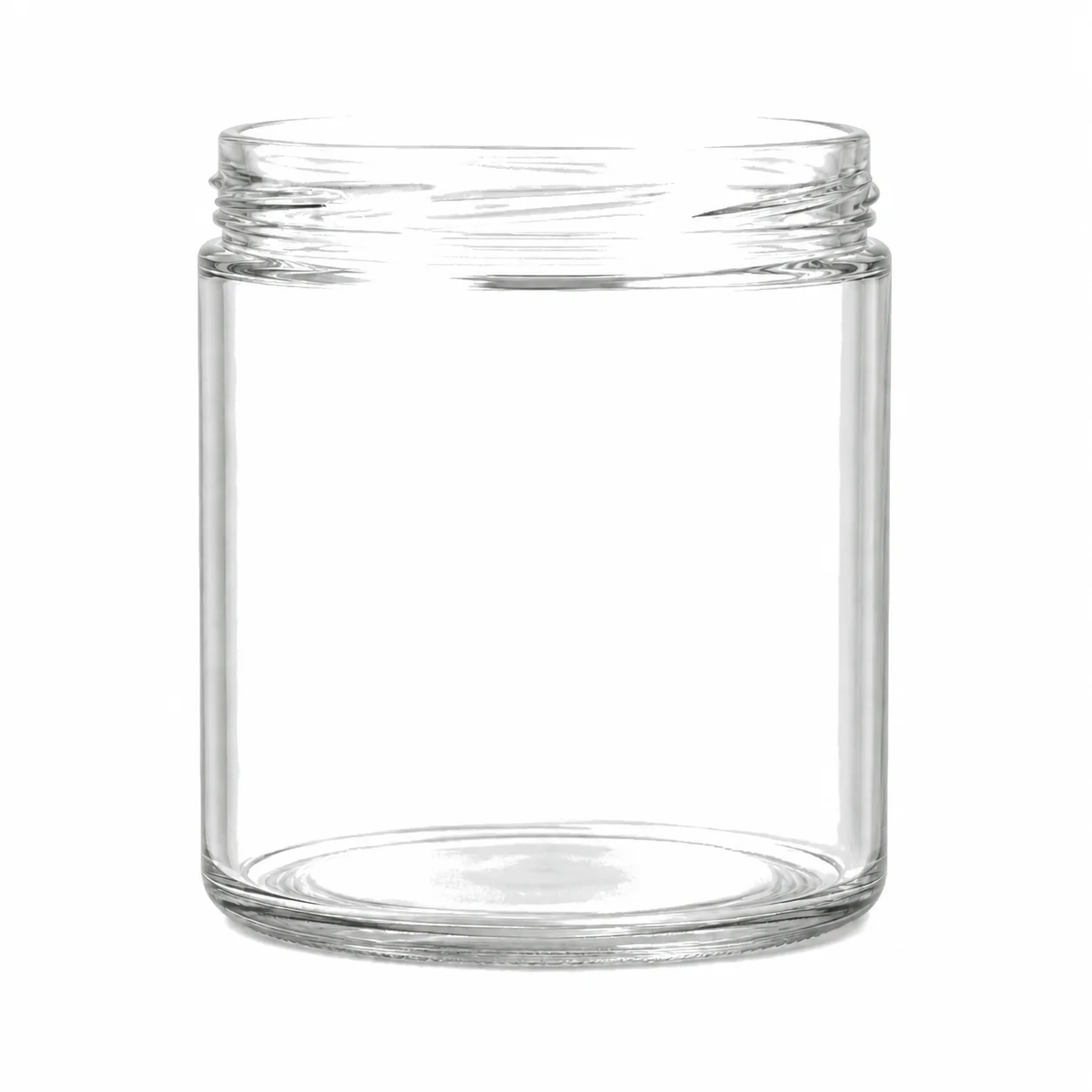
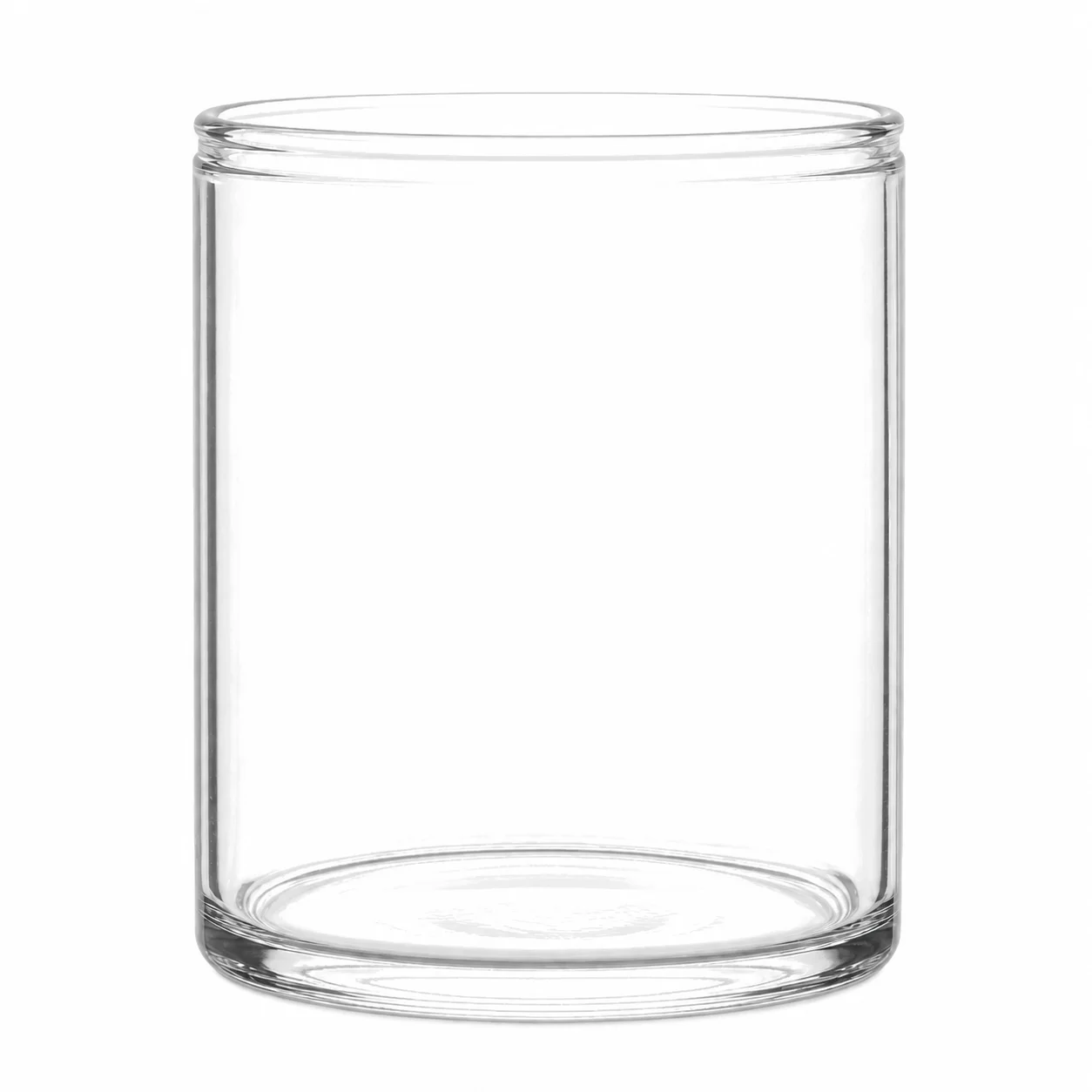
Clear 300 mL low cylindrical borosilicate glass coffee storage jar
Shown configuration · bare clear glass canister / PP lid and silicone sealing ring not shown

Compact countertop storage for coffee & brewing ingredients

Coffee Jar

A 300 mL low cylindrical borosilicate jar, 96 mm across the glass and 104 mm over its lid, with a wide unthreaded rim for small coffee batches and café ingredient storage.

300 mL capacity104 × 85 mm format155 g reference set
Stock status
In stock
Lead time
2–3 weeks
FOB price / pc
$0.90 - $1.25
MOQ
2,000 pcs

Final availability, dimensions, materials, assembled components and commercial terms are confirmed against the selected drawing and approved sample.

Low-reach access

An 85 mm overall height keeps beans and small scoops within easy reach

Dose-scale capacity

The 300 mL chamber suits small working quantities rather than a full retail bulk bag

Modular lid route

The reference family uses a PP lid with a removable silicone closure ring

Coffee Jar profile

A low 300 mL canister built around short-reach scooping, visible roast color and frequent refilling.

Batch size, headspace & coffee-staling control

Six details that determine whether a small coffee jar supports the brewing routine.

BGP-FS-6184 works to the 0.3 L stackable canister envelope: a borosilicate body about 96 mm across under a 105 mm lid, 85 mm tall. Clear glass keeps roast color and stock level visible, and a PP lid with a silicone ring closes it. For coffee the real question is not whether a lid fits but how much oxygen enters each time the working jar is opened.

01

Three hundred milliliters describes volume, not coffee mass

Roast development changes bean size and bulk density, while ground coffee settles differently from whole beans. A 300 mL jar therefore does not correspond to one fixed gram claim. Establish the working fill with the actual roast and grind, leaving enough freeboard for a scoop or pour-out action without pushing coffee onto the lid seal.

02

A smaller working jar limits repeated exposure of the reserve

Every opening replaces part of the protective headspace with room air. Separating a larger supply into a frequently used 300 mL jar can keep the reserve package closed between refills. The benefit comes from the routine—small replenishments and prompt reclosure—not from clear glass alone.

03

Whole beans and grounds create different contamination zones

Beans roll cleanly across the broad rim, while fine grounds cling to glass, migrate into a gasket groove and dust the worktop. If the jar is used for grounds, the lid underside and silicone ring need an accessible cleaning path. A seal that closes over trapped particles may feel shut without making uniform contact.

04

The low cylinder favors scooping over deep pouring

At only 85 mm high, the base remains close to the opening and a short coffee scoop can reach the last dose without a steep wrist angle. The 104 mm outer width also gives the user a broad body to stabilize with the other hand. Confirm that the selected scoop bowl clears the inner opening and can be withdrawn when full.

05

Freshly roasted coffee can still be releasing carbon dioxide

Roast gases continue evolving after cooling, with the rate influenced by roast, grind and time. A rigid sealed jar is not a substitute for a qualified one-way-valve primary package used immediately after roasting. Define whether BGP-FS-6184 is a consumer working canister, a pre-degassed retail pack or part of a controlled roastery process before setting the closure specification.

06

Clear glass displays roast color and admits ambient light

The transparent body makes it easy to distinguish a light roast from a dark roast and to see when stock is low. It also offers no opaque light barrier. Position the label, sleeve or storage location according to the intended exposure, and avoid turning a useful viewing window into an unsupported freshness claim.
Application guide

Match the low canister to coffee particle size, opening frequency and refill control.

The 300 mL format works best as an accessible working container. Whole beans, grounds and brewing ingredients each place different demands on its seal and cleaning routine.

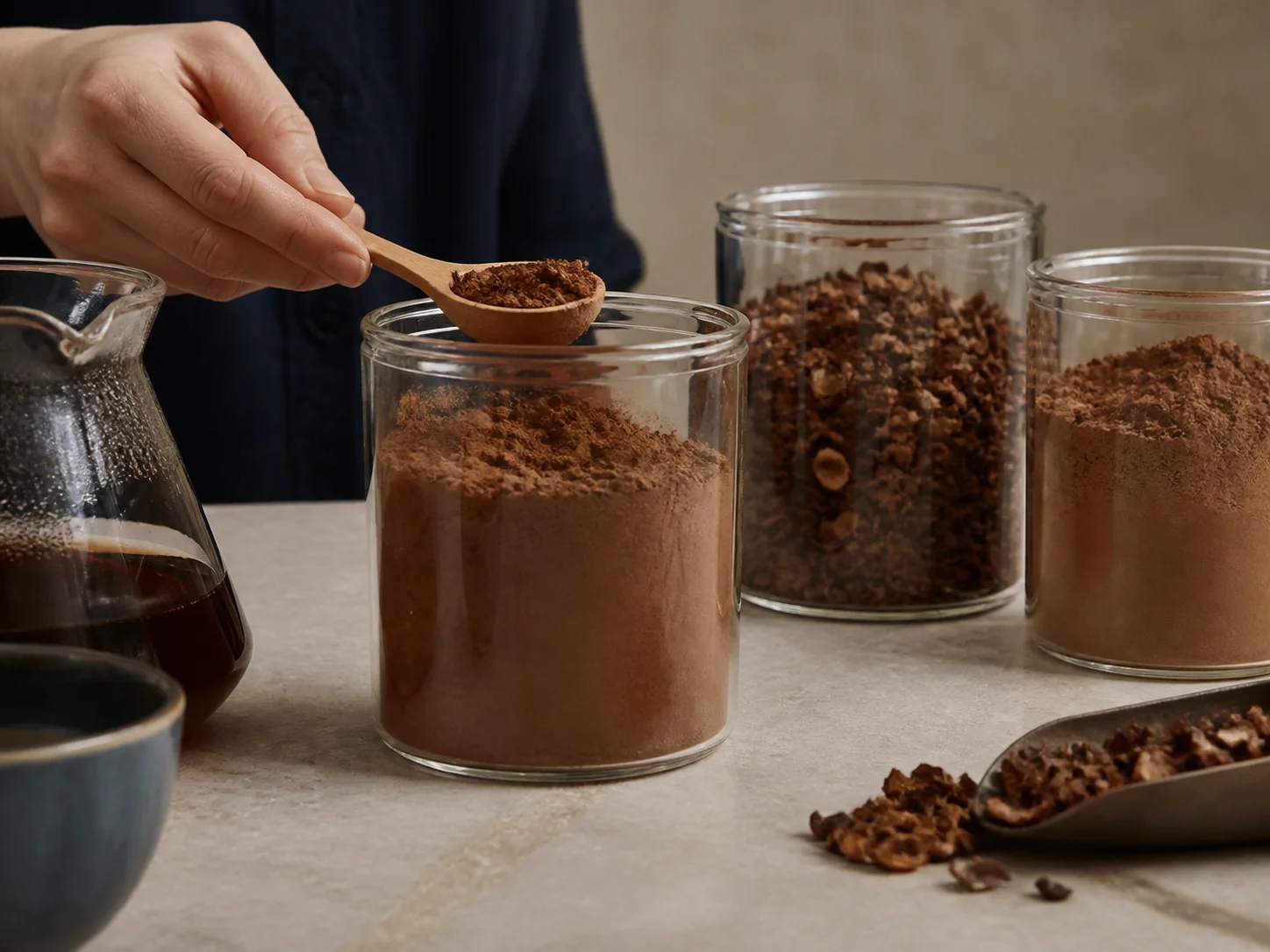
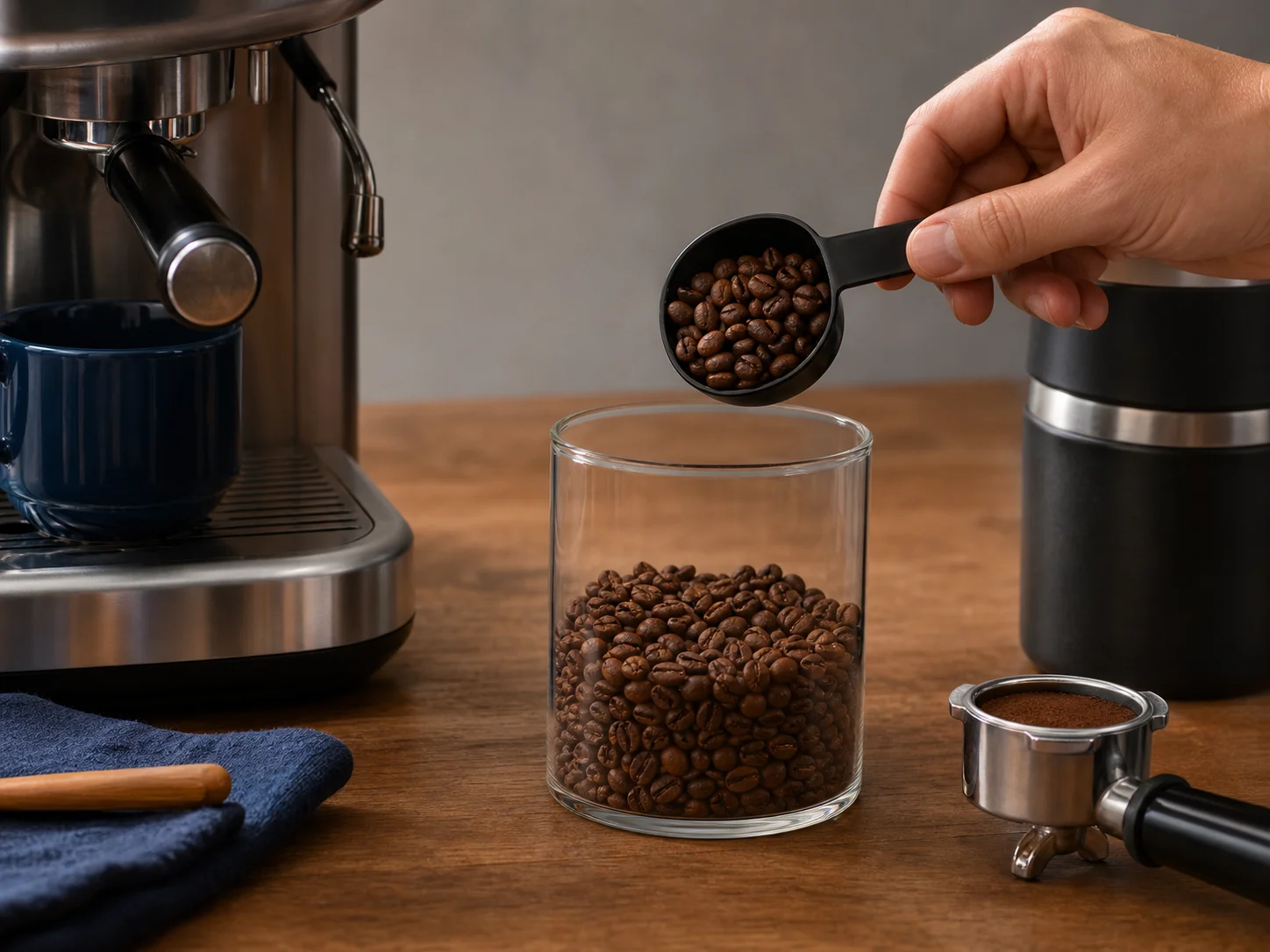
Coffee Jar used for daily espresso & filter doses in a whole-bean working stock setting

Whole-bean working stock

Daily espresso & filter doses

For a small portion transferred from the original coffee pack and opened through the week. The broad, shallow body gives a dosing cup or scoop direct access and makes the remaining stock obvious. Size the refill quantity to consumption rate so the jar is replenished only after it is substantially emptied and cleaned.

  • Measure grams for the actual roast
  • Keep reserve coffee in its primary pack
  • Use a consistent refill threshold
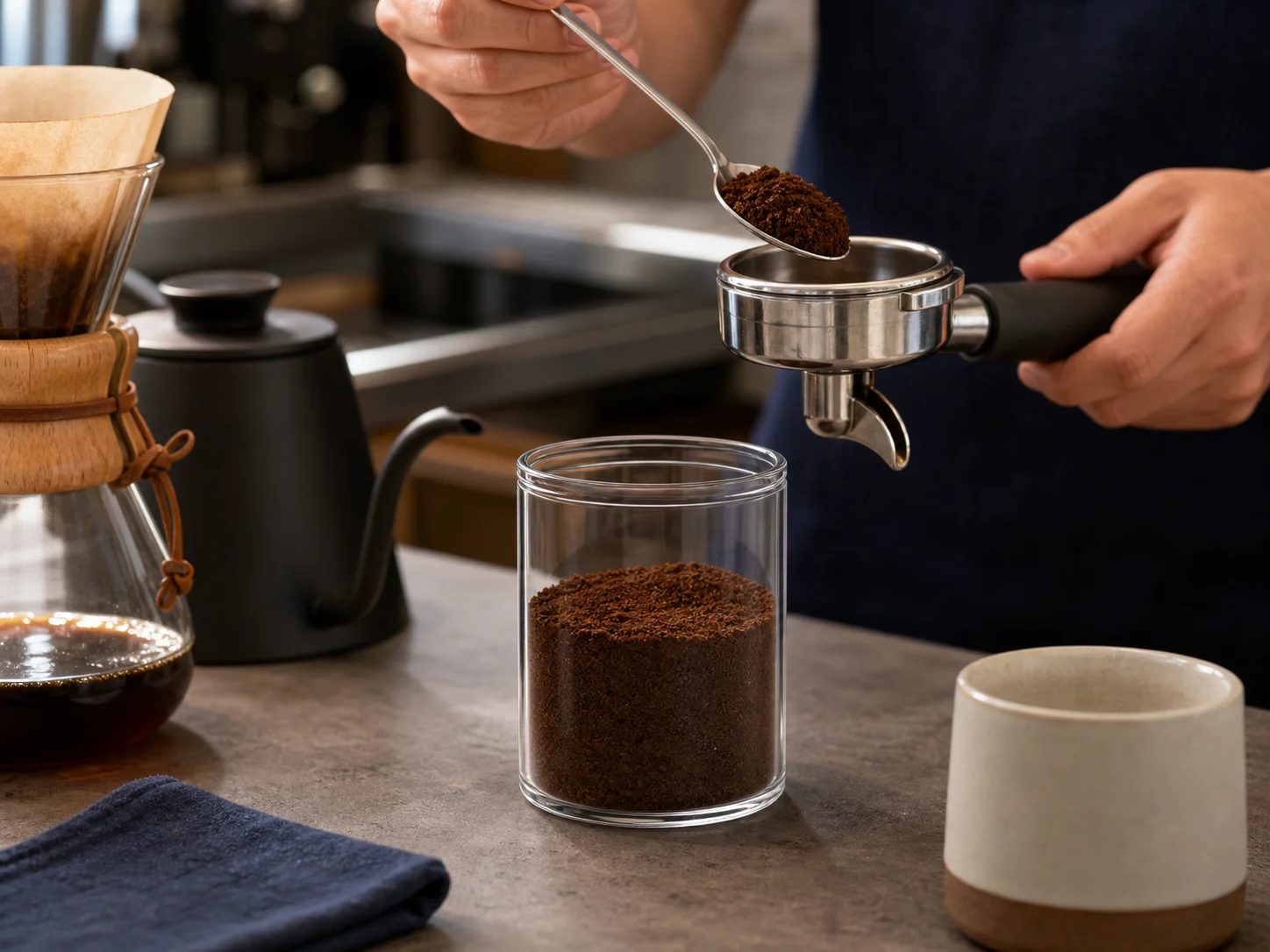
Coffee Jar used for short-cycle brew-bar service in a ground coffee setting

Ground coffee

Short-cycle brew-bar service

For grounds used quickly in a controlled home or café routine. Fine particles increase surface area and migrate into the seal more readily than beans, so frequent lid inspection matters. Dedicate the jar to one grind range or fully clean and dry it before changing products to avoid retained dust affecting the next batch.

  • Keep grounds below the gasket zone
  • Inspect the silicone ring at refill
  • Dry completely after washing
Coffee Jar used for cocoa, cascara & beverage powders in a brewing ingredients setting

Brewing ingredients

Cocoa, cascara & beverage powders

For visually distinct dry ingredients stored beside coffee in a modular set. Powders vary in hygroscopicity and clumping behavior, and cascara pieces require more volume per gram than dense cocoa. Assign a product-specific scoop and label rather than assuming one 300 mL fill weight across the collection.

  • Define product-specific fill mass
  • Control scoop cross-contact
  • Coordinate modular labels and lids

Specialty Coffee Association literature identifies oxygen availability, moisture, temperature and coffee state—whole versus ground—as major drivers of staling; jar size and closure should therefore be evaluated as part of the real refill routine.

Coffee Jar FAQ

Technical questions about the low 300 mL coffee canister.

Answers covering the published reference, capacity, materials, lid system, coffee fill weight and freshly roasted beans.

Does a smaller jar keep coffee fresher than a large one?

It can, by limiting exposure. Every opening replaces part of the protective headspace with room air, so decanting a larger supply into a frequently used 300 mL jar keeps the reserve closed while the working jar takes the traffic. The jar size is a handling decision as much as a capacity one.

Is the lid shown in the product image?

No. The hero shows the bare glass body. The reference system uses a PP lid with silicone ring, but BGP supply scope, lid color and retention specification must be stated on the quotation so an image omission is not mistaken for an included component.

Can freshly roasted beans be sealed in this rigid jar immediately?

Only under a defined roastery process. Fresh coffee continues releasing carbon dioxide, and a standard press-fit lid is not automatically a pressure-relief device. State the post-roast age, degassing method and whether the jar is consumer storage or primary retail packaging before specifying the closure.

Does borosilicate glass make the coffee light-protected?

No. Borosilicate identifies the reference glass body, not an opaque barrier. The clear wall displays the roast and level but permits ambient light; use placement, a label or a sleeve when the program requires reduced exposure.

Beans or grounds — does the jar care?

The cleaning does. Beans roll cleanly across the broad rim, while fine grounds cling to the glass, migrate into the gasket groove and dust the worktop. If the jar will hold grounds, build the rim wipe and the ring cleaning into the routine before the format is approved.

Next step

Send us the Coffee Jar brief.

Tell us the product, fill volume, closure preference and destination market. We will come back with the matching drawings, available configurations and a sample plan before anything is quoted.

  • 01Send the briefProduct, volume, closure and market
  • 02Get the optionsMatching drawings and configurations
  • 03Approve the sampleConfirm the pack before production