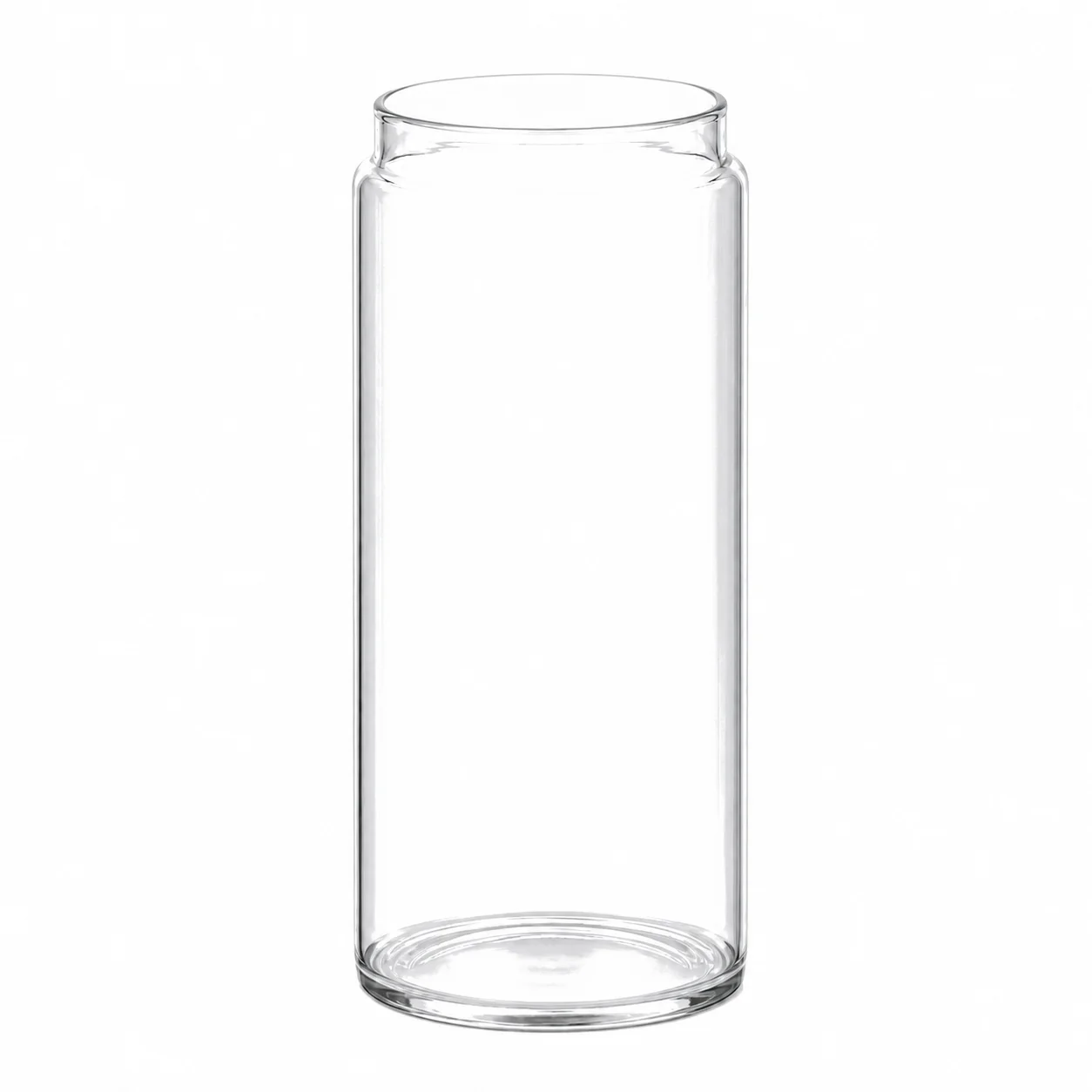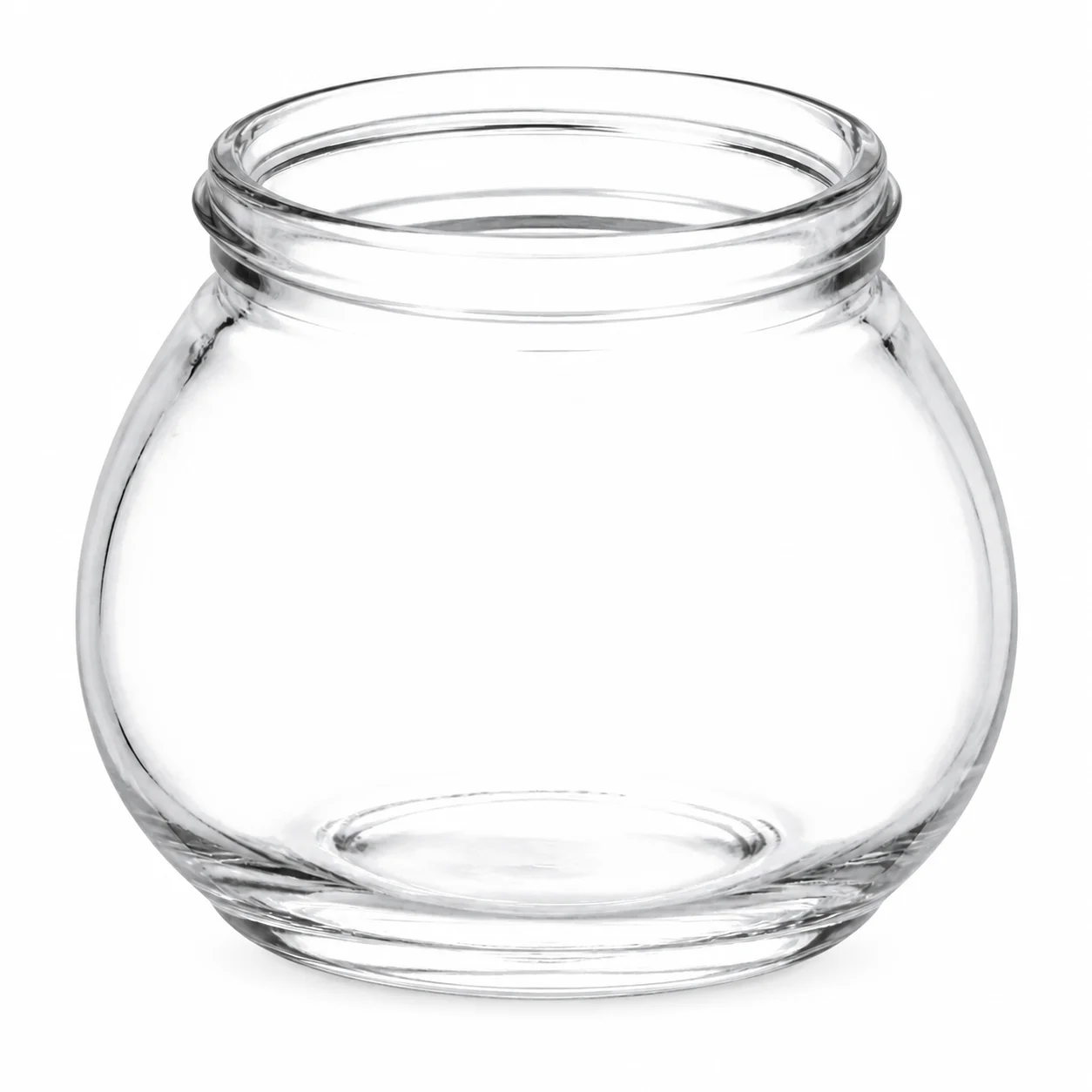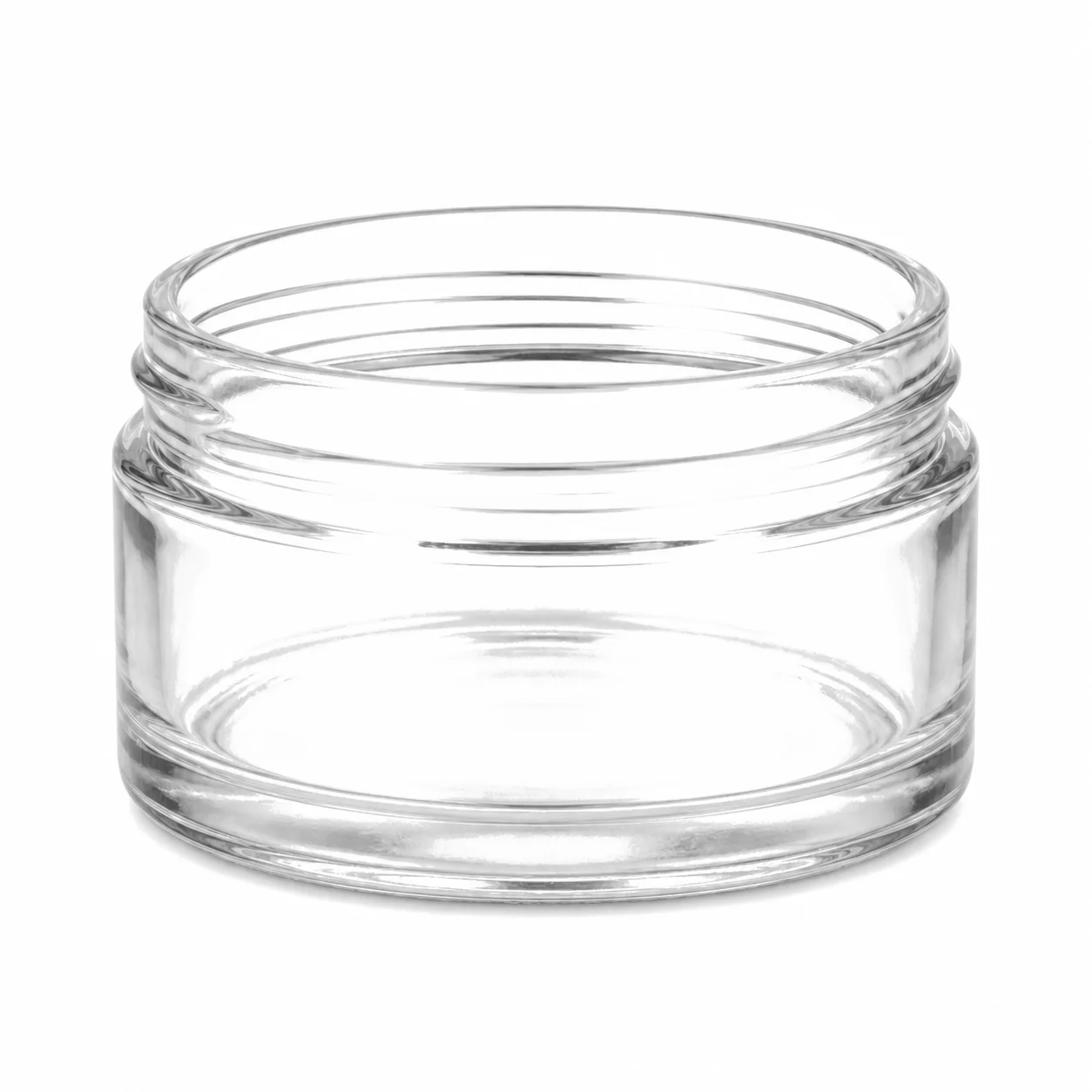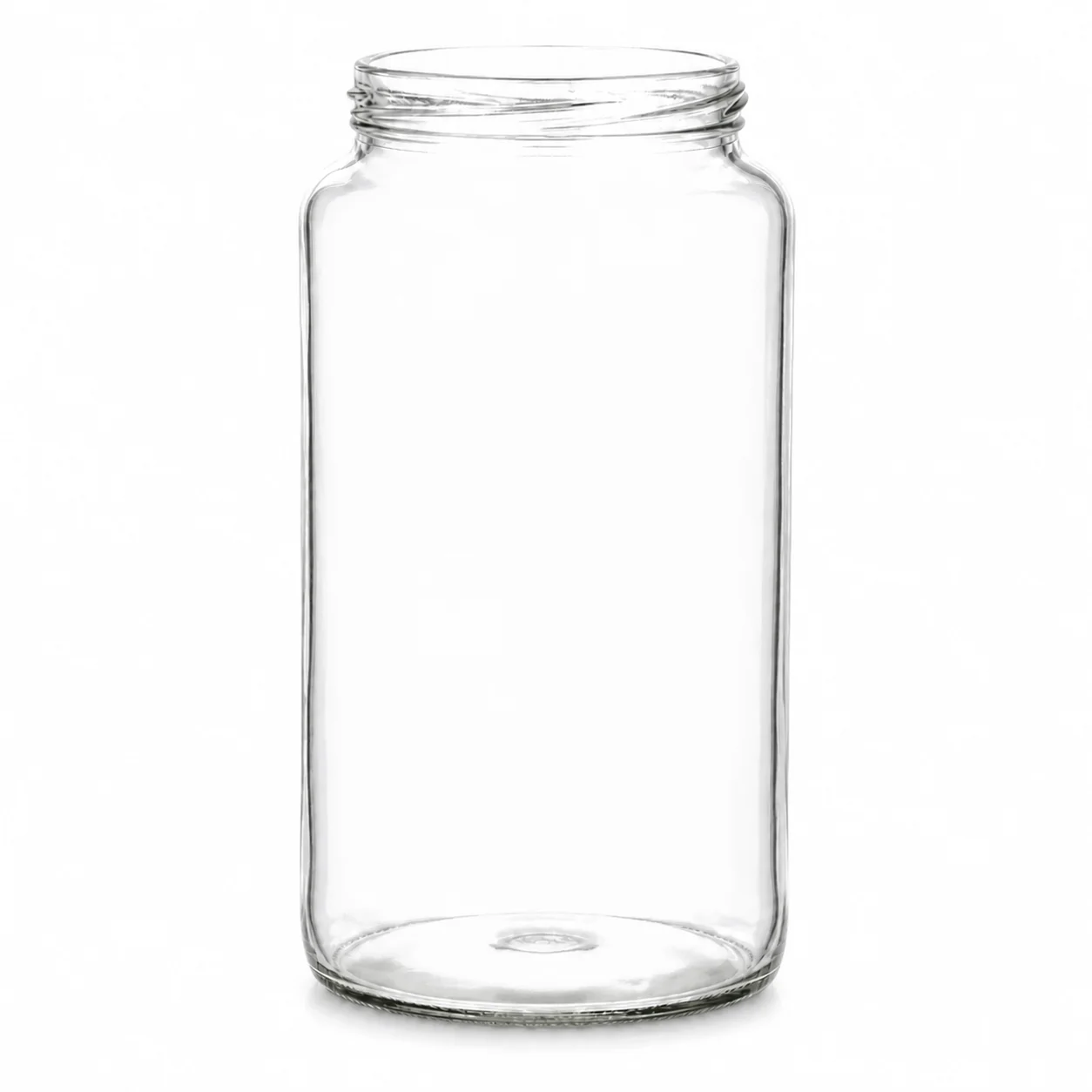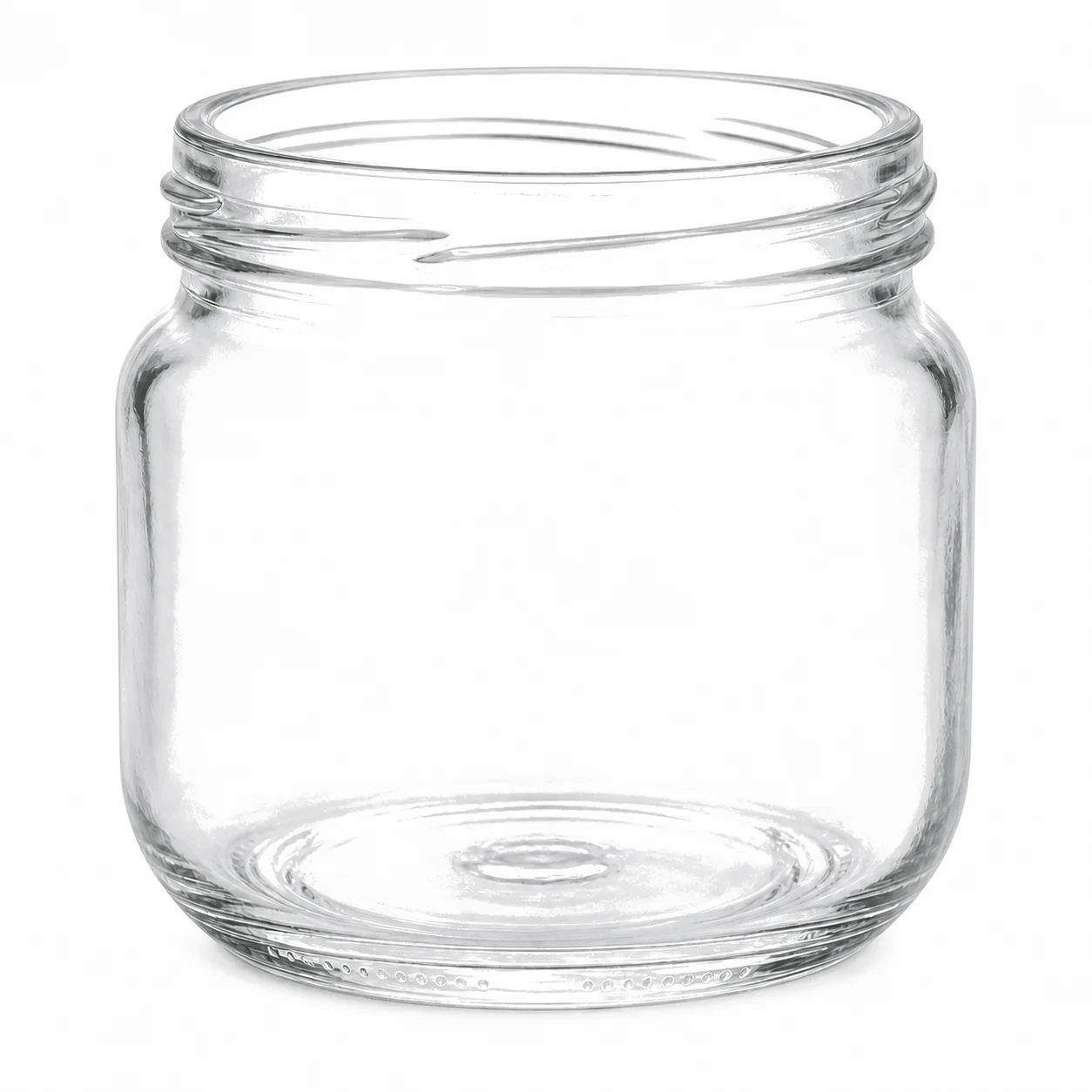
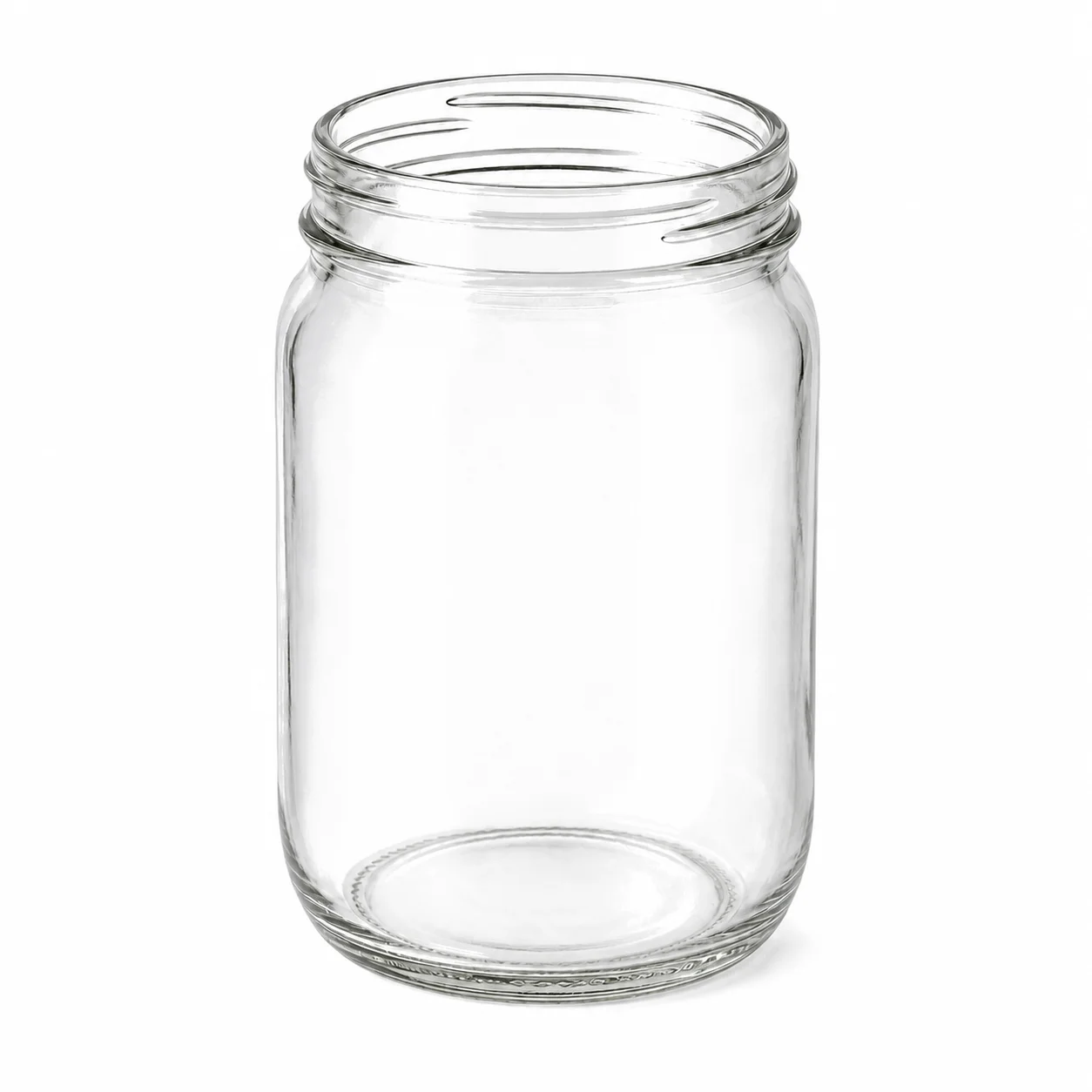
Clear 16 oz straight-sided wide-mouth glass canning jar
Shown configuration · bare smooth-sided glass jar / two-piece lid and band not shown

Wide-mouth jars for food preserving

Canning Jar

A 16 oz clear glass pint jar with straight sides, an approximately 3-inch inner opening and a two-piece wide-mouth canning closure route for fruit, pickles, salsa and tested low-acid recipes.

16 oz / 473 mL86 mm wide-mouth family12 jars per case
Stock status
In stock
Lead time
2–3 weeks
FOB price / pc
$0.70 - $1.10
MOQ
2,000 pcs

Final availability, dimensions, materials, assembled components and commercial terms are confirmed against the selected drawing and approved sample.

Whole-piece access

The broad opening admits fruit halves, vegetables and a canning funnel

Pint process scale

A 473 mL nominal size aligns with many tested pint-jar recipes

Two-piece closure

A flat sealing lid and screw band perform separate jobs during processing

Canning Jar profile

A wide-mouth pint jar designed around filling access, controlled headspace and a two-piece lid.

Loading, headspace & two-piece closure mechanics

Six functional reasons to choose a true wide-mouth canning format.

BGP-FS-9165 works to the wide-mouth pint envelope. Sixteen ounces nominal, a straight body and a roughly 76 mm inner opening give whole food pieces and a filling funnel far more room than a regular-mouth jar, while a flat sealing lid under a separate screw band produces the closure sequence home preservers already know.

01

The opening is sized for food pieces, not only liquid

The reference jar offers an inner opening of about 3 inches, giving a funnel, bubble-removal tool and whole or cut ingredients a direct path into the body. That reduces smearing at the neck and makes it easier to arrange cucumber spears, fruit halves or tomato pieces without forcing them through a regular-mouth shoulder.

02

Headspace is part of the recipe instruction

The distance between the product surface and the lid allows food and entrained air to expand during heating and supports vacuum formation during cooling. It is not one universal line for every fill. NCHFP guidance distinguishes, for example, the headspace used for jams from fruit and pressure-canned low-acid foods, so the selected tested recipe must set the production fill height.

03

Removing bubbles also protects the sealing land

Air pockets trapped between irregular pieces can lower the apparent fill after processing and disrupt heat transfer assumed by a tested pack method. A wide, straight body gives a non-metallic debubbling tool room to follow the inner wall. After adjustment, the glass rim should be wiped clean so fibers, seeds, oil or syrup do not sit beneath the sealing compound.

04

The flat lid and screw band have different jobs

During processing, the band holds the flat lid in position while expanding air vents from the jar. As the pack cools, the sealing compound contacts the rim and the falling internal pressure draws the lid down. The band is therefore an application component, not the final proof of seal; seal inspection is performed at the lid after cooling.

05

Food acidity determines the processing route

Jar shape does not decide whether boiling-water or pressure processing is appropriate. Research-based home-preservation guidance uses food acidity and the complete recipe: acid foods and properly acidified recipes follow one route, while low-acid vegetables, meat and seafood require pressure canning. Jar size and elevation are also built into the stated time and pressure.

06

Cooling reveals both seal quality and glass handling

Processed jars are left upright with space around them so they cool naturally rather than being tightened, inverted or chilled abruptly. After the specified cooling period, a concave, immobile lid center indicates vacuum retention. Removing the band for storage also makes leakage, residue or a failed seal easier to see instead of hiding it behind the ring.
Application guide

Match the pint jar to the recipe's acidity, piece size and tested process.

The wide-mouth pint is especially useful when ingredients need direct loading or removal. The food composition then determines which established canning route belongs with that geometry.

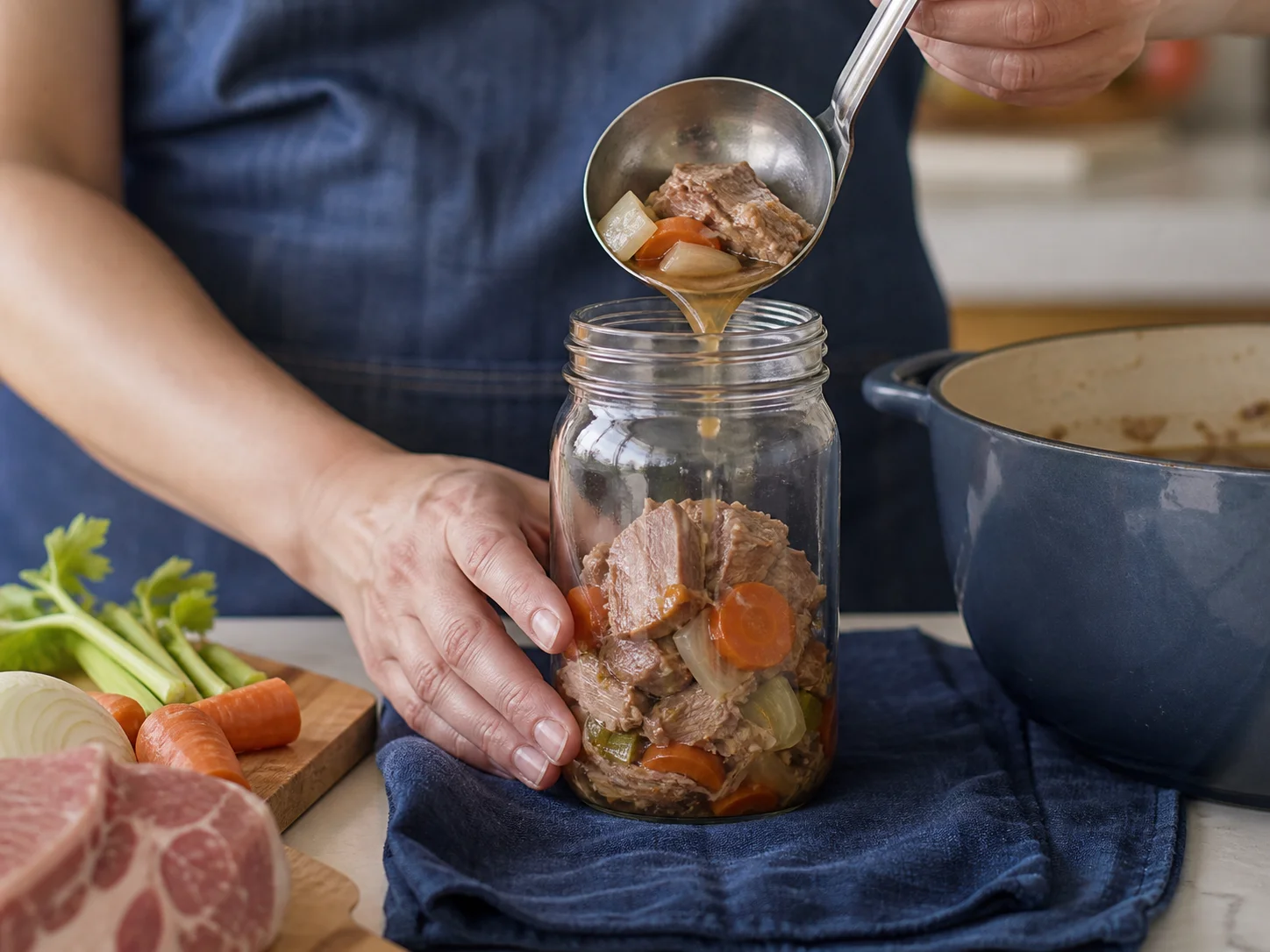
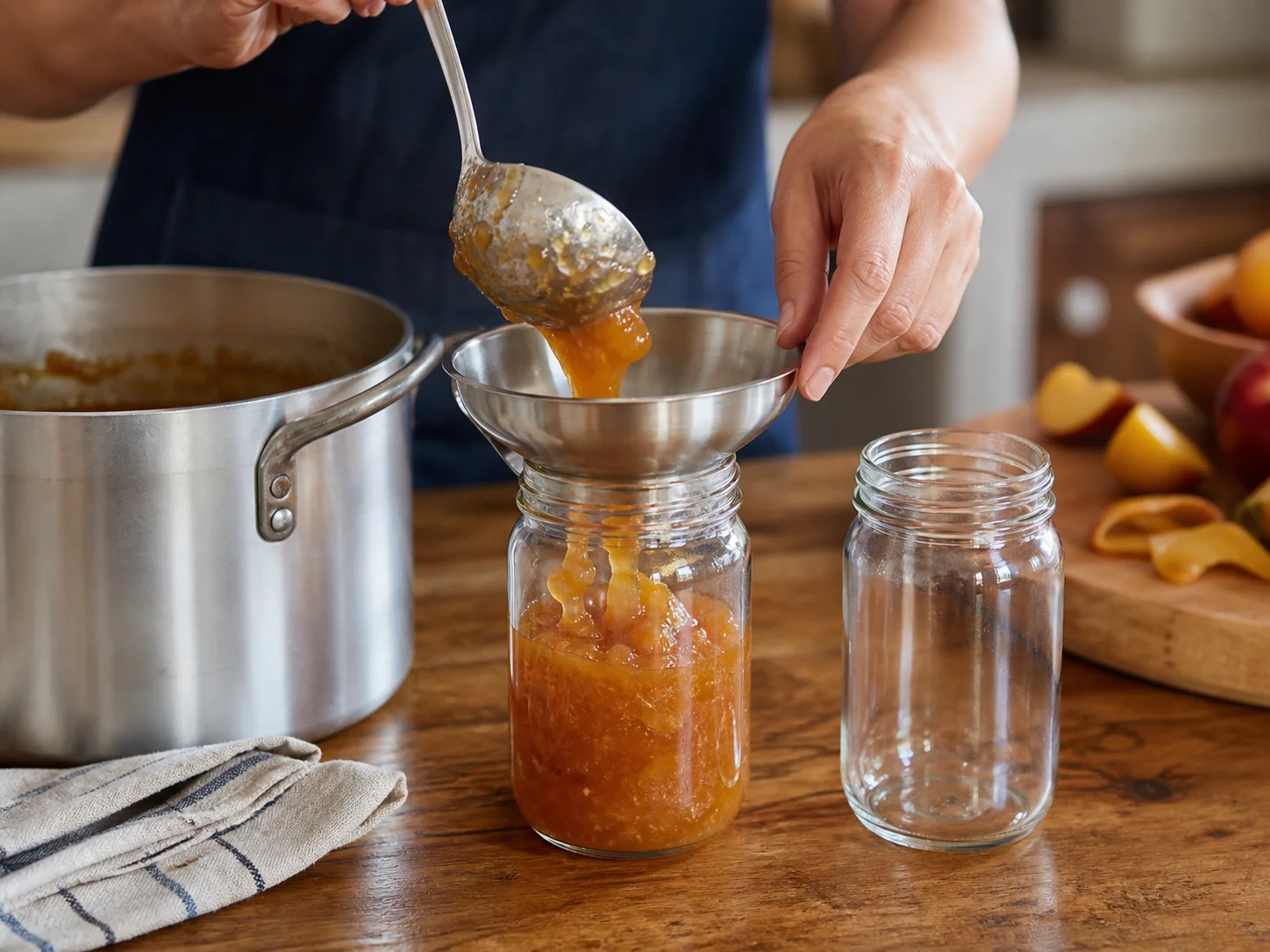
Canning Jar used for jam, jelly, fruit butter & chutney in a acid preserves setting

Acid preserves

Jam, jelly, fruit butter & chutney

For smooth or particulate spreads filled through a funnel, where the straight wall makes the fill line and gel appearance easy to compare across a batch. Follow a research-based recipe for the specific jar size, control the instructed headspace and remove syrup or fruit fiber from the rim before applying the flat lid.

  • Use the recipe-specific headspace
  • Prevent product on the sealing rim
  • Check set and fill level after cooling
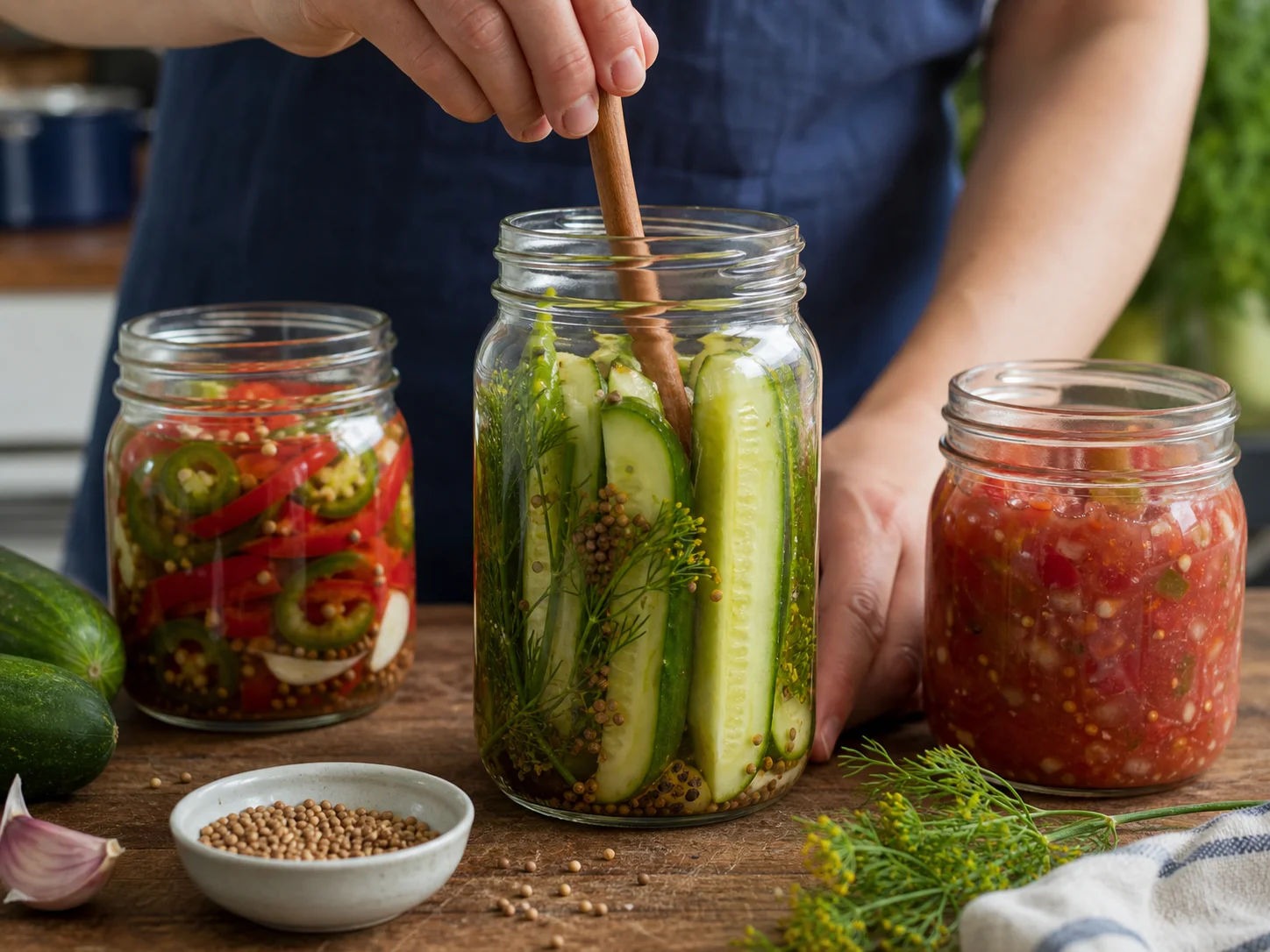
Canning Jar used for pickles, relish, salsa & tomatoes in a acidified vegetables setting

Acidified vegetables

Pickles, relish, salsa & tomatoes

For home and small-batch preservers packing cucumber spears, peppers and chopped recipes, where a wide mouth lets a hand and a bubble tool reach in. The tested formula is the safety boundary: changing piece size, thickener or vinegar strength moves heat through the jar differently even when the pint jar itself never changes.

  • Keep tested ingredient proportions
  • Remove bubbles around solid pieces
  • Set process time for jar size and elevation
Canning Jar used for vegetables, meat, poultry & seafood in a low-acid recipes setting

Low-acid recipes

Vegetables, meat, poultry & seafood

For approved pressure-canning recipes where the pint size is explicitly listed. These foods require the time, pressure, pack style and headspace stated for the recipe and elevation. The wide opening improves loading and cleaning, but it does not shorten the thermal process or make an untested combination acceptable.

  • Use a listed pint-jar process
  • Maintain specified pressure and time
  • Allow natural cooling before seal inspection

For commercial shelf-stable production, use the scheduled process and container-closure controls established by the responsible process authority; home-canning tables are not a substitute for a commercial process filing.

Canning Jar FAQ

Questions about the 16 oz wide-mouth jar and its two-piece lid.

Practical answers covering the reference dimensions, lid family, headspace, food acidity and seal inspection.

Is the wide-mouth lid the same as a regular-mouth lid?

No. The reference jar uses the approximately 86 mm wide-mouth lid family; regular-mouth canning lids are substantially smaller. Both may use a flat lid and screw band, but the components are not interchangeable across mouth families.

Why can't the jar simply be filled to the top?

Food and entrained air expand during processing, and the cooling pack needs the instructed space to form its vacuum. Too little or too much headspace can interfere with venting, fill presentation and seal formation, so the value comes from the tested recipe rather than the jar's overflow capacity.

Can the same process be used for jam and low-acid vegetables?

No. Acid foods and properly acidified recipes can use approved boiling-water processes, while low-acid vegetables, meat, poultry and seafood require an approved pressure-canning process. Recipe, jar size, pack style and elevation determine the actual time and pressure.

Why does removing air bubbles matter beyond the fill level?

Because trapped air changes heat transfer, not just appearance. Pockets between irregular pieces lower the apparent fill after processing and disturb the heat movement a tested method assumes. Working them out also keeps food off the sealing land, which is where a marginal seal usually starts.

Next step

Send us the Canning Jar brief.

Tell us the product, fill volume, closure preference and destination market. We will come back with the matching drawings, available configurations and a sample plan before anything is quoted.

  • 01Send the briefProduct, volume, closure and market
  • 02Get the optionsMatching drawings and configurations
  • 03Approve the sampleConfirm the pack before production