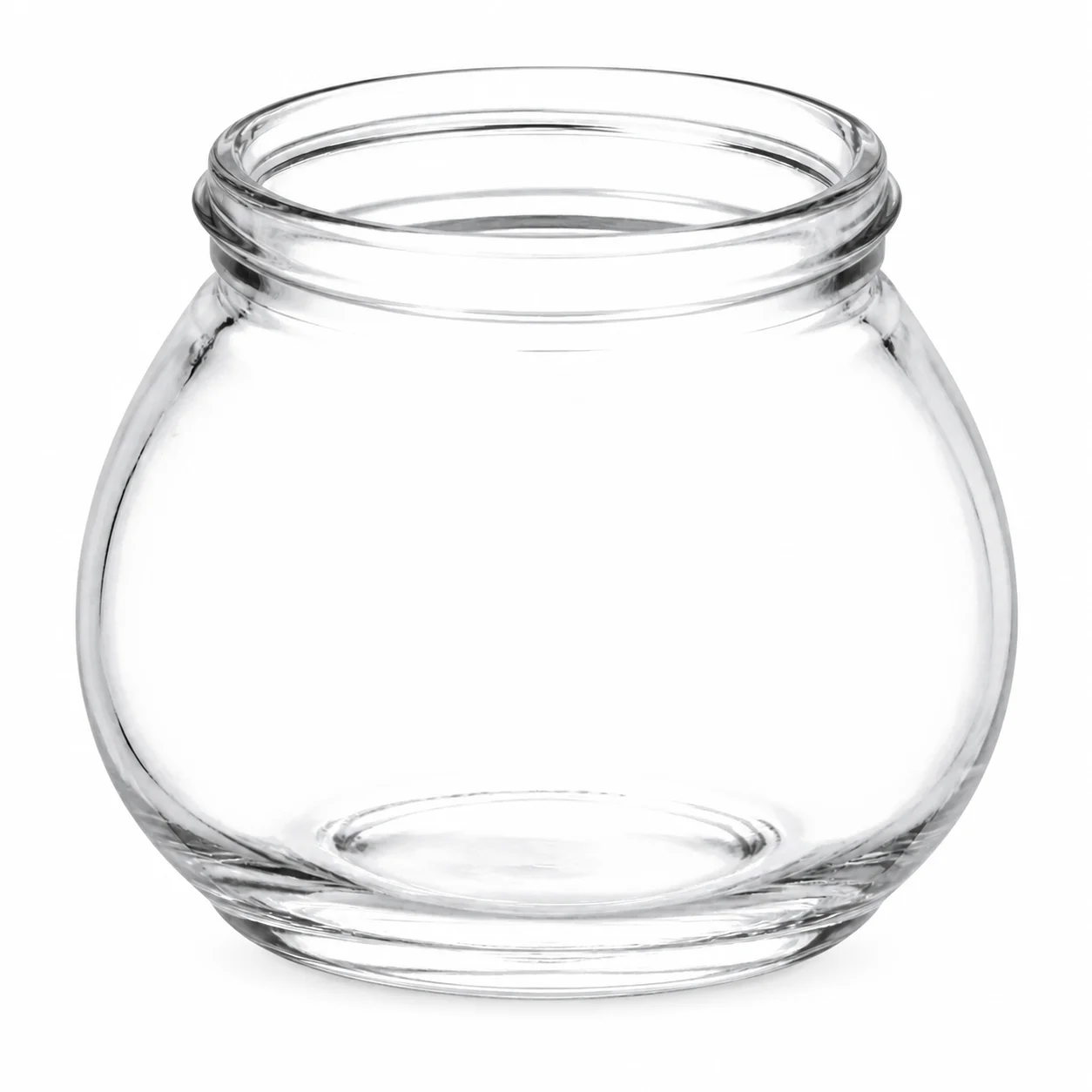
Net weight, egg condition & chilled presentation
Six packaging decisions that matter more than calling a small jar premium.
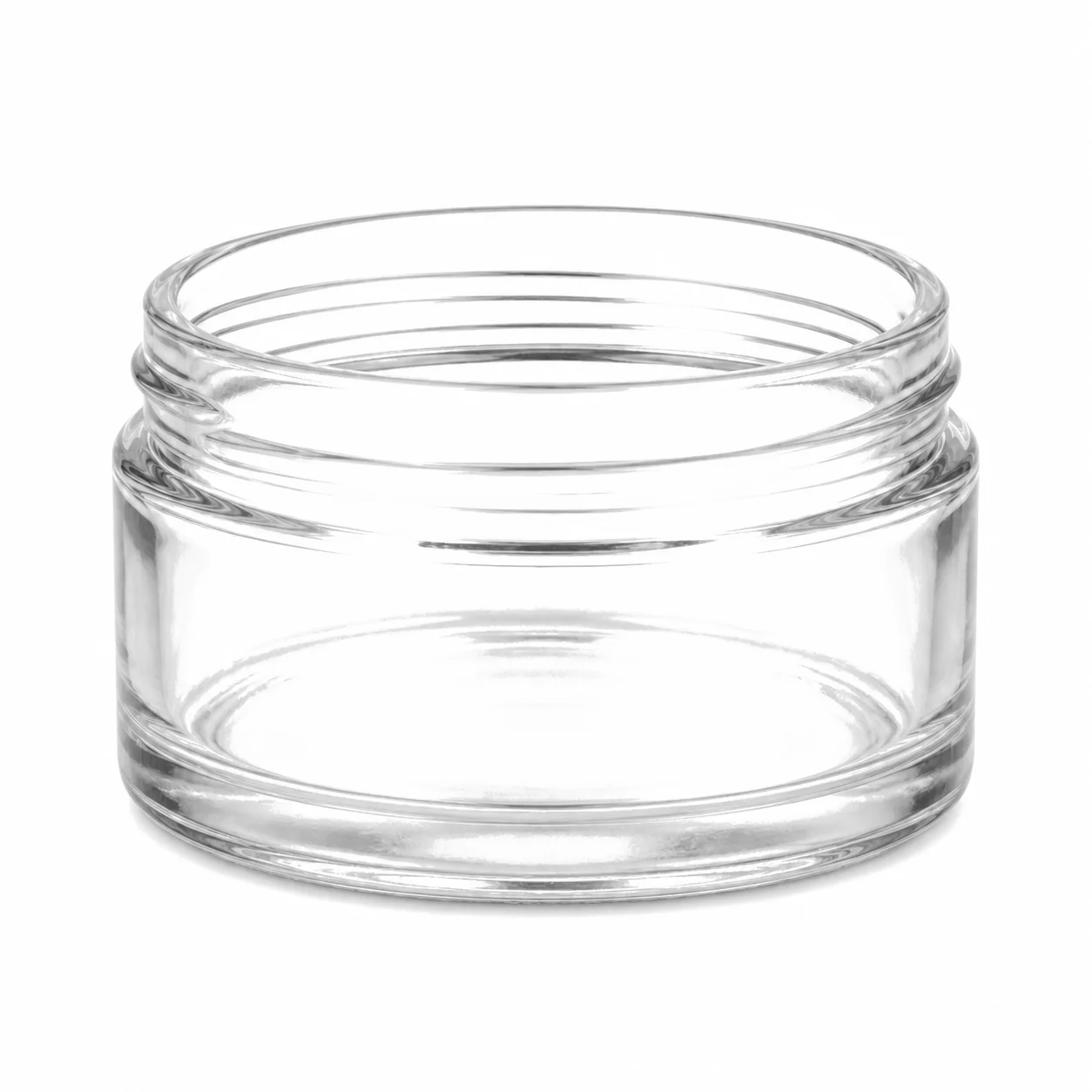
BGP-FS-3926 follows a 50 mL external envelope: 58.6 mL brimful on a GPI 51-400 continuous-thread finish, 45.5 mm high and 53.8 mm across at 90 g. Those figures describe glass volume, not sellable grams of caviar — species, egg size, drainage, salt level and working headspace are what set the net-weight program.
Fifty milliliters is not fifty grams of caviar
The jar's 50 mL rating describes nominal internal volume. A declared 30 g or 50 g pack is a weight, and bead diameter, residual brine and packing density all change how much mass fits that volume. Set the target fill on a calibrated scale, then check that the resulting surface level is consistent from jar to jar.
Low headspace without pressure on the eggs
Caviar is vulnerable to oxidation, yet eliminating visible air by compressing the fill can rupture or deform the grains. Codex processing guidance calls for filling jars to minimize air space without placing pressure on the caviar. The practical target is therefore a controlled fill profile developed with the closure and any vacuum step, not simply filling glass to the rim.
A short sidewall improves spoon access
At 45.5 mm overall height, the jar keeps the serving path shallow. A spoon can slide under the upper layer and reach the edge without dragging repeatedly through a tall column of eggs. Test the intended utensil at the finished fill level: the useful opening is governed by the cap interface and internal lip, not the 53.8 mm outside diameter.
Clear glass makes egg condition inspectable
The sidewall reveals broken grains, liquid release, trapped air and an uneven fill surface before the pack is opened. That visibility supports grading and premium presentation, but it also exposes every handling fault. Keep the main viewing panel open and use the carton or sleeve to manage light exposure instead of covering the jar with an oversized label.
Salt water concentrates at the closure zone
Brine carried onto the rim can interfere with closure application and attack unsuitable metal or coating systems. Codex identifies corrosion-related discoloration, rusting and off-flavor as potential packaging defects. Specify the cap shell, internal coating and liner for the recipe, and control rim wiping so salt water is not trapped at the sealing interface.
Cold-chain geometry continues beyond the jar
The low round body packs efficiently into insulated shippers and tasting-set inserts, but the layout must leave room for cool-air circulation, temperature monitoring and cap protection. Keep jars upright and use fitted cells that prevent glass-to-glass contact. Storage instructions, lot coding and declared net weight should remain readable without removing the jar from its chilled presentation.