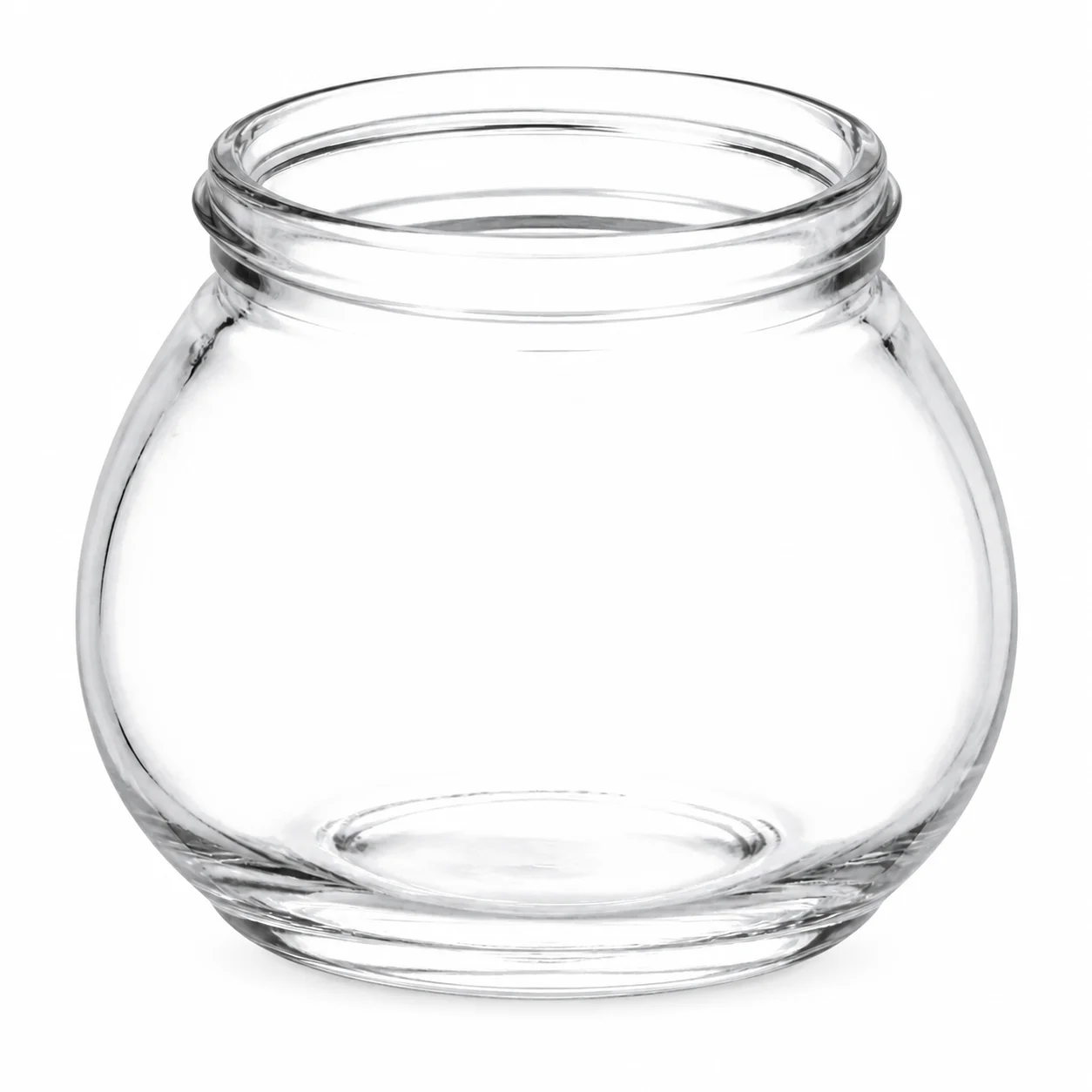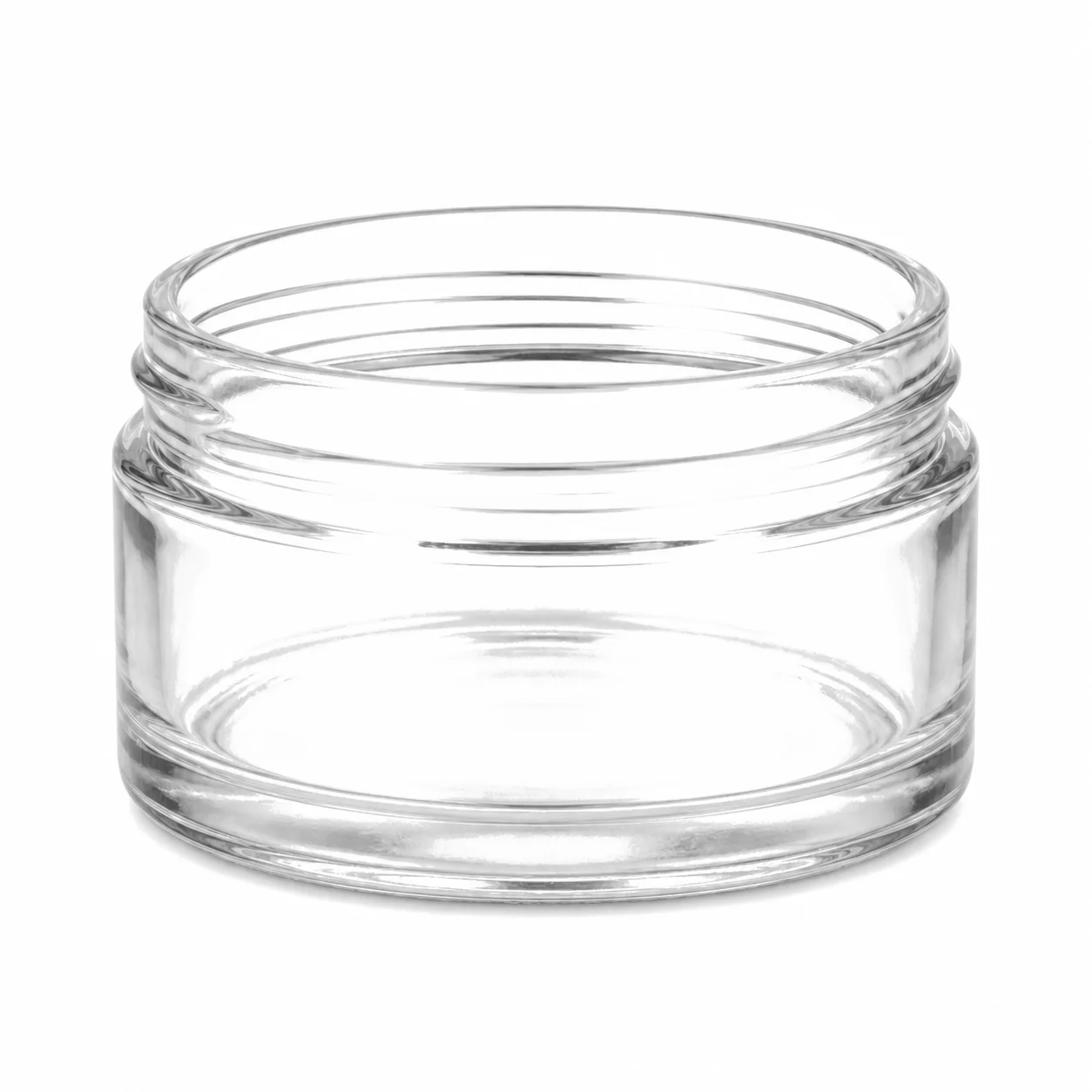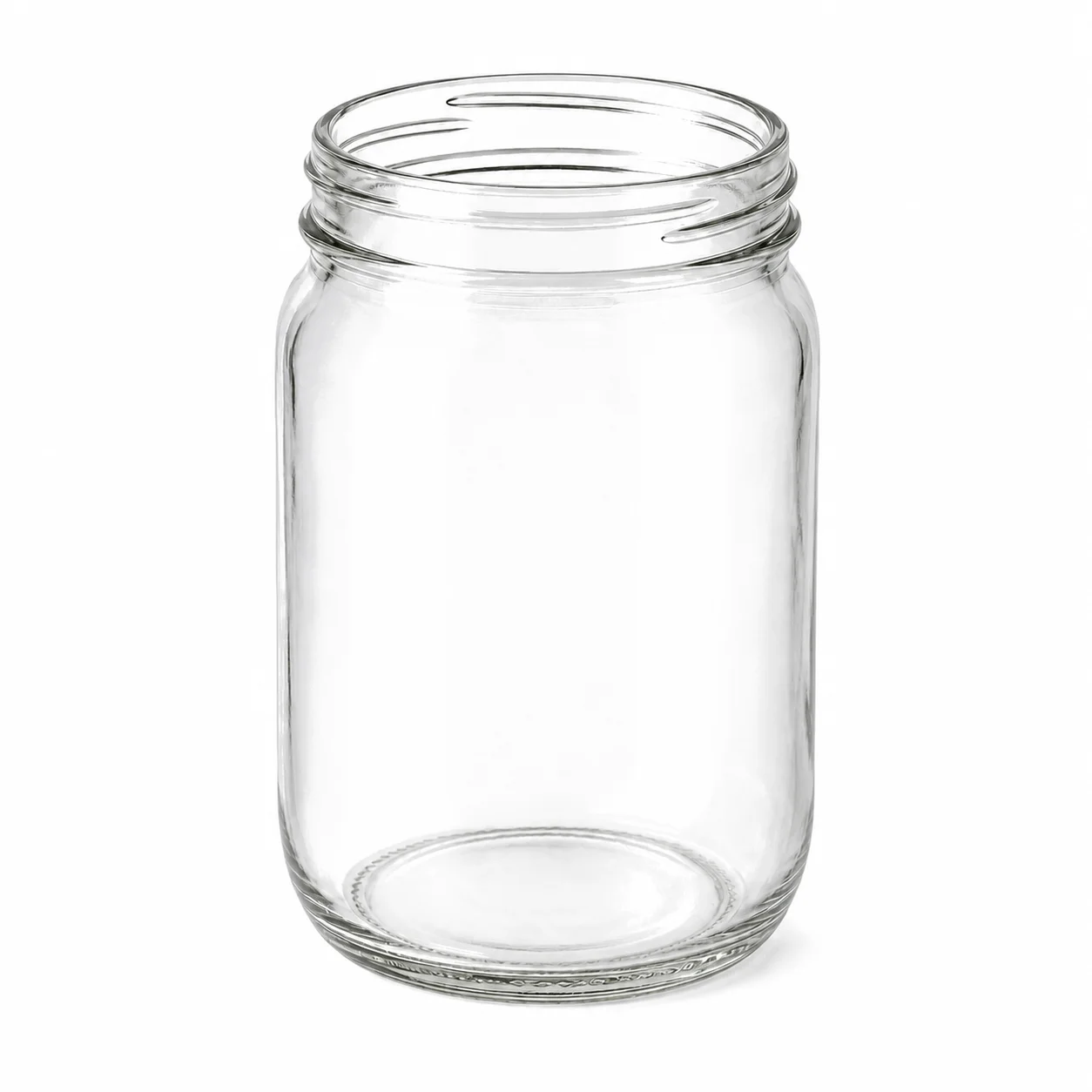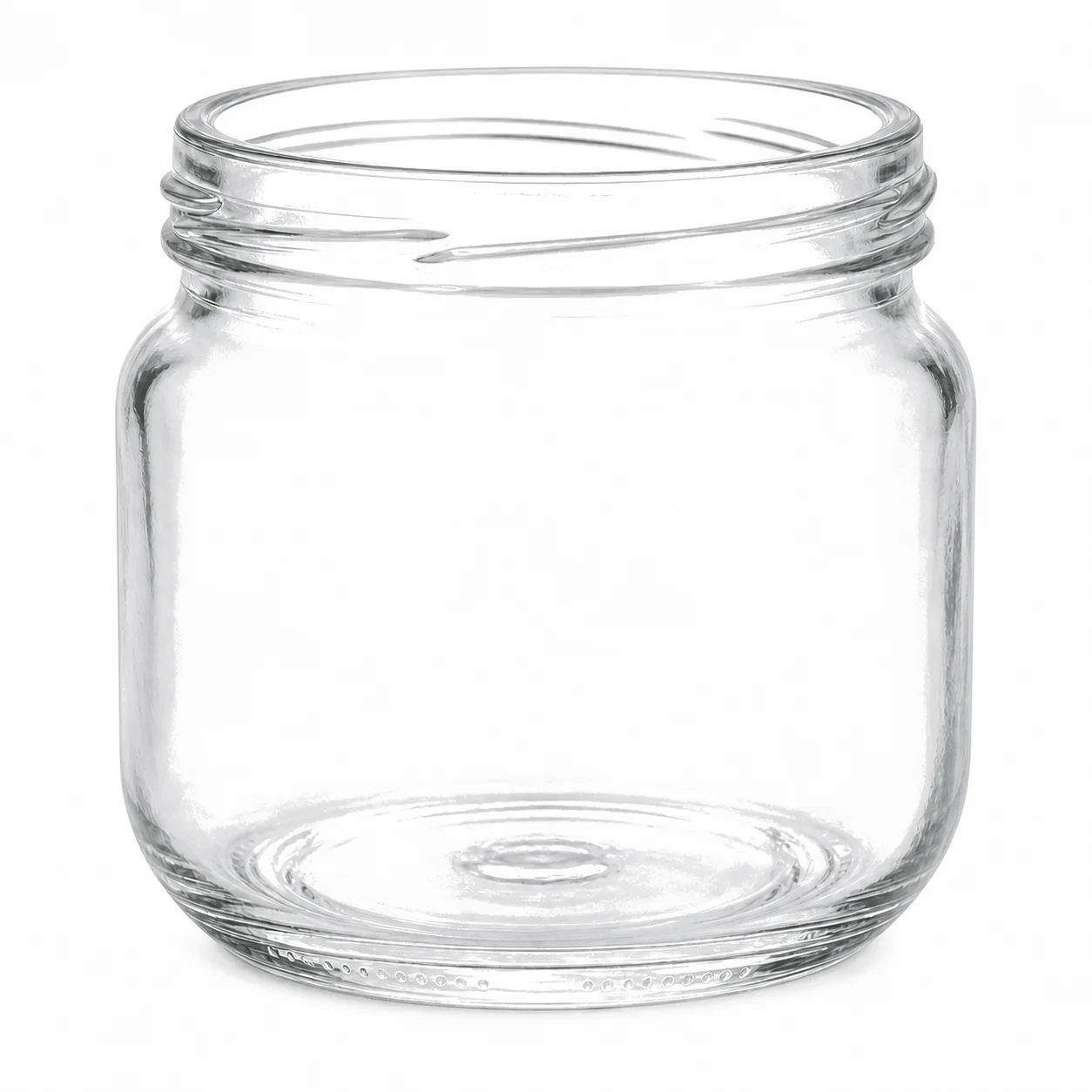
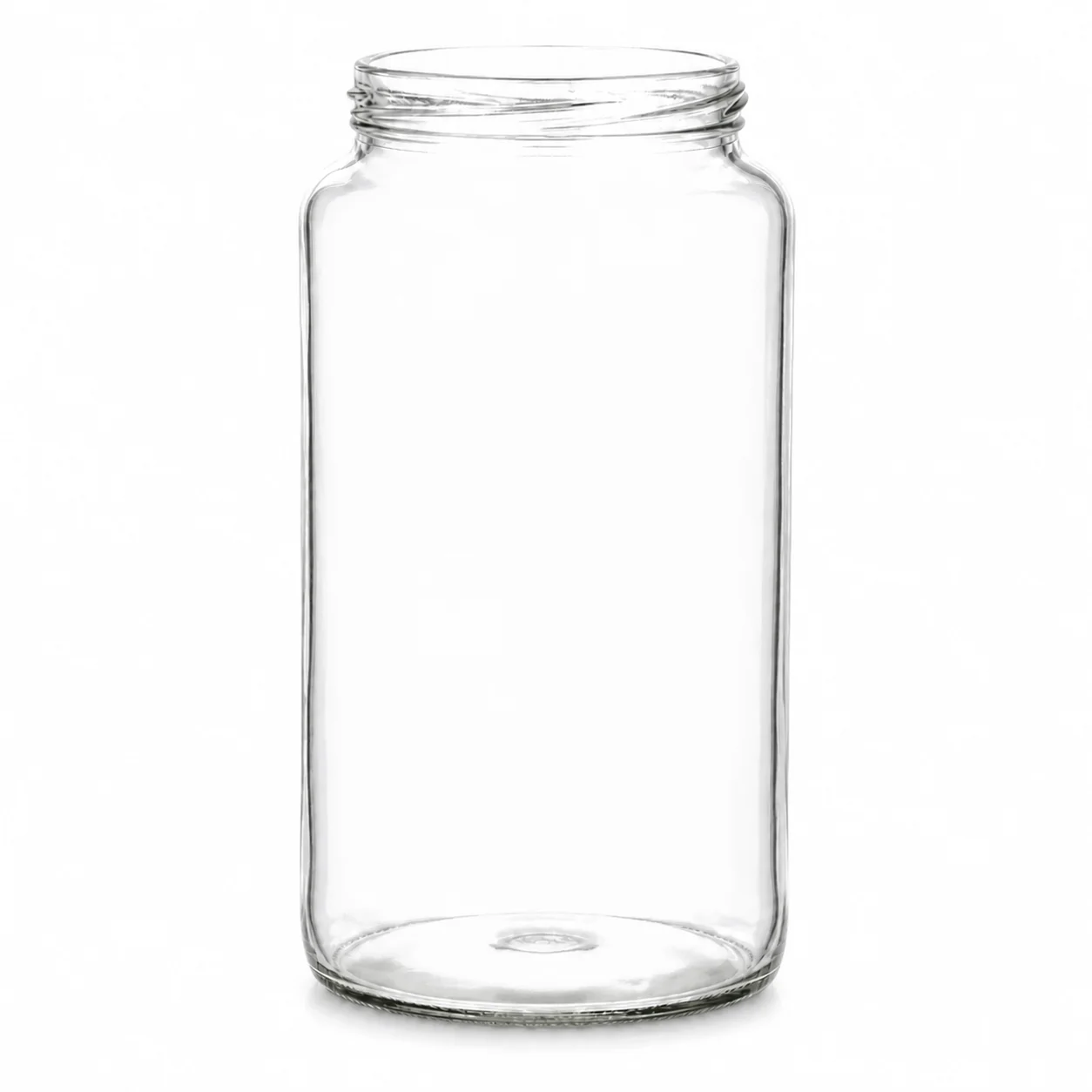
Clear 32 oz straight-sided glass pickle jar with 89-400 threaded finish
Shown configuration · bare clear jar / lined 89-400 cap not shown

Commercial pickle & brined-vegetable packaging

Pickle Jar

A 32 oz straight-sided clear glass jar with an 89-400 continuous-thread finish, tall viewing panel and wide access for whole cucumbers, spears and mixed vegetables in brine.

32 oz / 946 mL89-400 CT finish1,452 jars per pallet
Stock status
In stock
Lead time
2–3 weeks
FOB price / pc
$0.75 - $1.20
MOQ
3,000 pcs

Final availability, dimensions, materials, assembled components and commercial terms are confirmed against the selected drawing and approved sample.

Vertical packing depth

A 169.8 mm body presents whole cucumbers and long spears upright

Broad 3-inch access

The opening supports loading, brine filling and fork or tong service

Large label panel

A 115.5 mm-high panel balances recipe information with visible product

Pickle Jar profile

A 32 oz straight-sided jar that gives vegetables, brine and label equal visual weight.

Vegetable pack, brine displacement & acidified-food control

Six details that make a quart pickle jar perform like a food package, not a display cylinder.

BGP-FS-5589 follows the commercial 32 oz straight-sided pickle-jar envelope. Its 89-400 continuous-thread finish takes a one-piece lined screw cap — not the 86 mm two-piece canning closure — and 972 mL of overflow leaves room to engineer a declared solids-and-brine fill that still sits below the rim.

01

Thirty-two ounces describes the jar, not the drained pickles

The nominal 946 mL capacity covers vegetables, brine and headspace together. Whole cucumbers leave different voids from chips or relish, so two products using the same glass can carry very different drained weights. Establish the solids-to-liquid target with the production cut and grade, then control both net contents and drained weight where the market requires them.

02

Vegetable length sets the usable vertical pack

The jar is about 169.8 mm high externally, but the shoulder, base rise, finish and required headspace reduce the length available to a cucumber or spear. Grade raw material against the internal drawing before cutting. Pieces that are too long can hold the cap off the rim; pieces that are too short collapse into a visually loose pack after heating and settling.

03

Brine has to reach the spaces the label cannot show

Air can remain between tightly nested spears, inside pepper cavities or beneath a floating spice layer even when the front of the jar appears full. The filling sequence, brine temperature and controlled bubble-removal step determine the final liquid level. Recheck coverage after the vegetables absorb liquid and the pack reaches its post-process equilibrium.

04

Equilibrium pH belongs to the complete jar

For an acidified pickle, the critical value is not only the pH of fresh brine in a mixing tank. Acid must move into the largest vegetable pieces until liquid and solids reach the equilibrium specified by the scheduled process. FDA filing requirements therefore distinguish product style, packing medium, container size and process method; changing whole pickles to spears is a technical change, not just a label update.

05

The 89-400 cap works in acid and salt at the same time

Vinegar, salt, spices and any oil phase contact the cap liner and can reach exposed metal when the rim is overfilled or contaminated. Select a lined one-piece metal closure for the formula and thermal route, then set application torque around the actual finish. Seeds, dill stems and brine crystals on the sealing land are closure defects, not cosmetic irregularities.

06

Clarity and sediment need an intentional visual standard

Clear brine supports a clean, bright shelf presentation, while fermented or spice-heavy recipes may naturally show haze or sediment. Define what is normal for each product before the label window is designed. The 115.5 mm-high body panel can carry ingredients and traceability without hiding the vegetable grade, brine line or evidence of an unintended process shift.
Application guide

Choose the fill sequence around vegetable shape and how acidity develops.

Whole cucumbers, fermented dill and mixed acidified vegetables may share a shelf, but they create different void spaces, equilibrium behavior and liner exposure inside the same 32 oz jar.

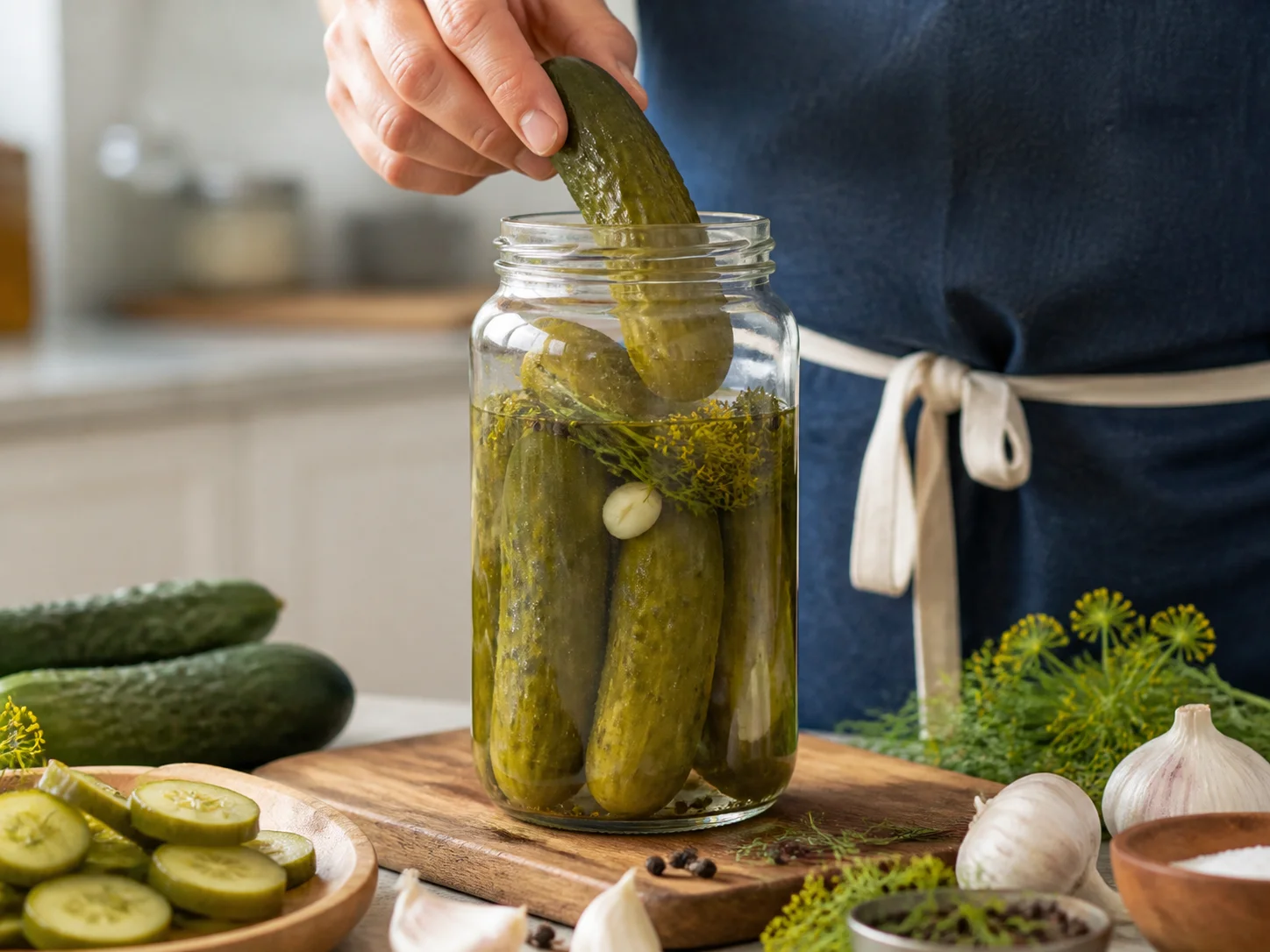
Pickle Jar used for whole cucumbers, spears & chips in a fresh-pack pickles setting

Fresh-pack pickles

Whole cucumbers, spears & chips

For vinegar-acidified products where cut style controls packing density and the distance acid travels into the vegetable. Whole cucumbers showcase the jar's height; spears nest more tightly; chips can trap overlapping air pockets. Establish a separate fill map and equilibrium check for every style rather than transferring one setting across the range.

  • Grade length and diameter before loading
  • Measure solids and brine separately
  • Verify equilibrium on the largest pieces
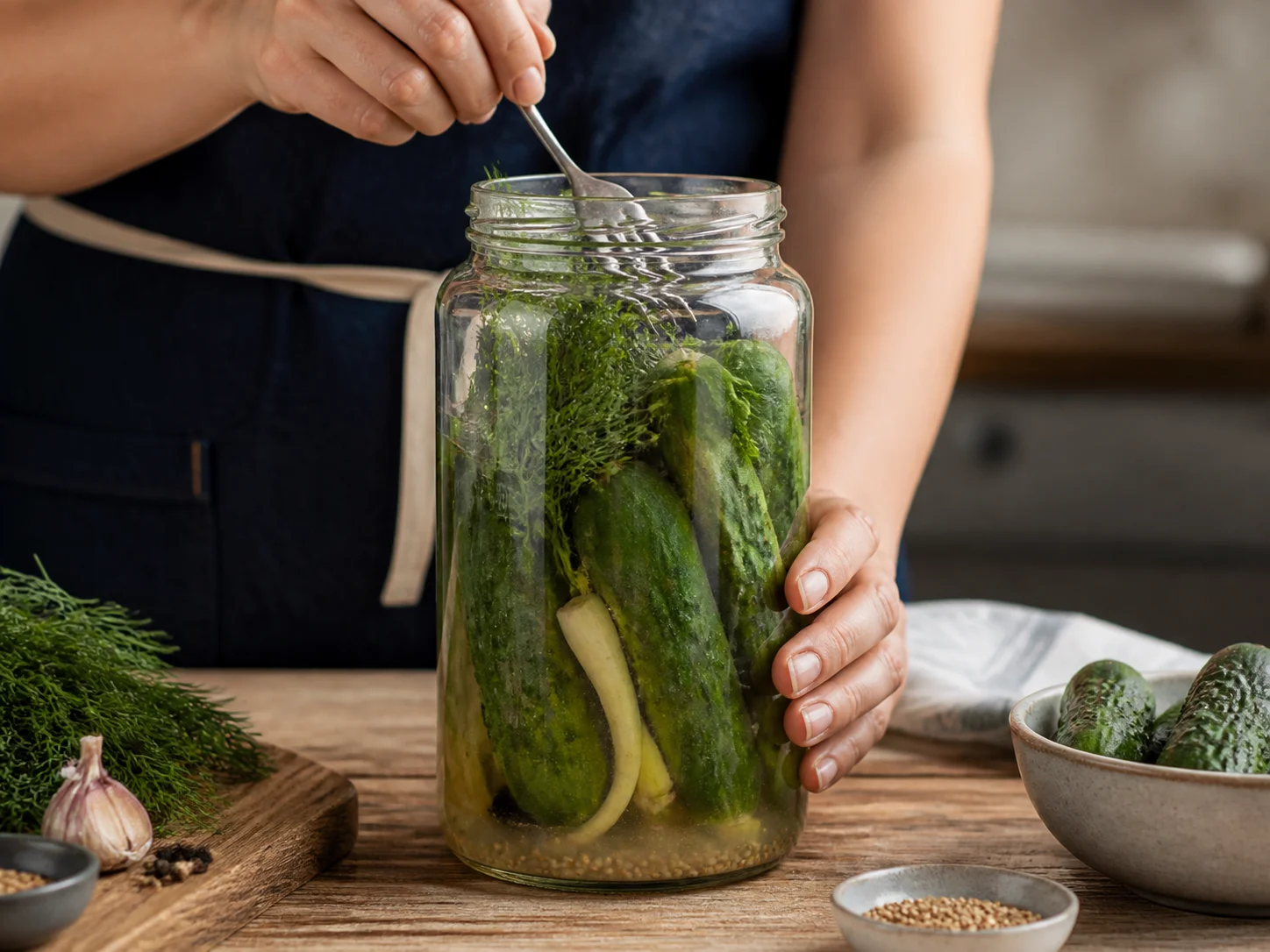
Pickle Jar used for dill cucumbers & naturally fermented vegetables in a fermented pickles setting

Fermented pickles

Dill cucumbers & naturally fermented vegetables

For products whose acidity and flavor develop during controlled fermentation before final retail packing. Brine haze, sediment and color can differ from fresh-pack pickles without indicating the same defect. Define the acceptable appearance, filtration choice and final process before setting the clear label window and cap-liner specification.

  • Define the finished fermentation endpoint
  • Set an appearance standard for brine
  • Control product coverage after packing
Pickle Jar used for giardiniera, peppers & vegetable medleys in a mixed acidified vegetables setting

Mixed acidified vegetables

Giardiniera, peppers & vegetable medleys

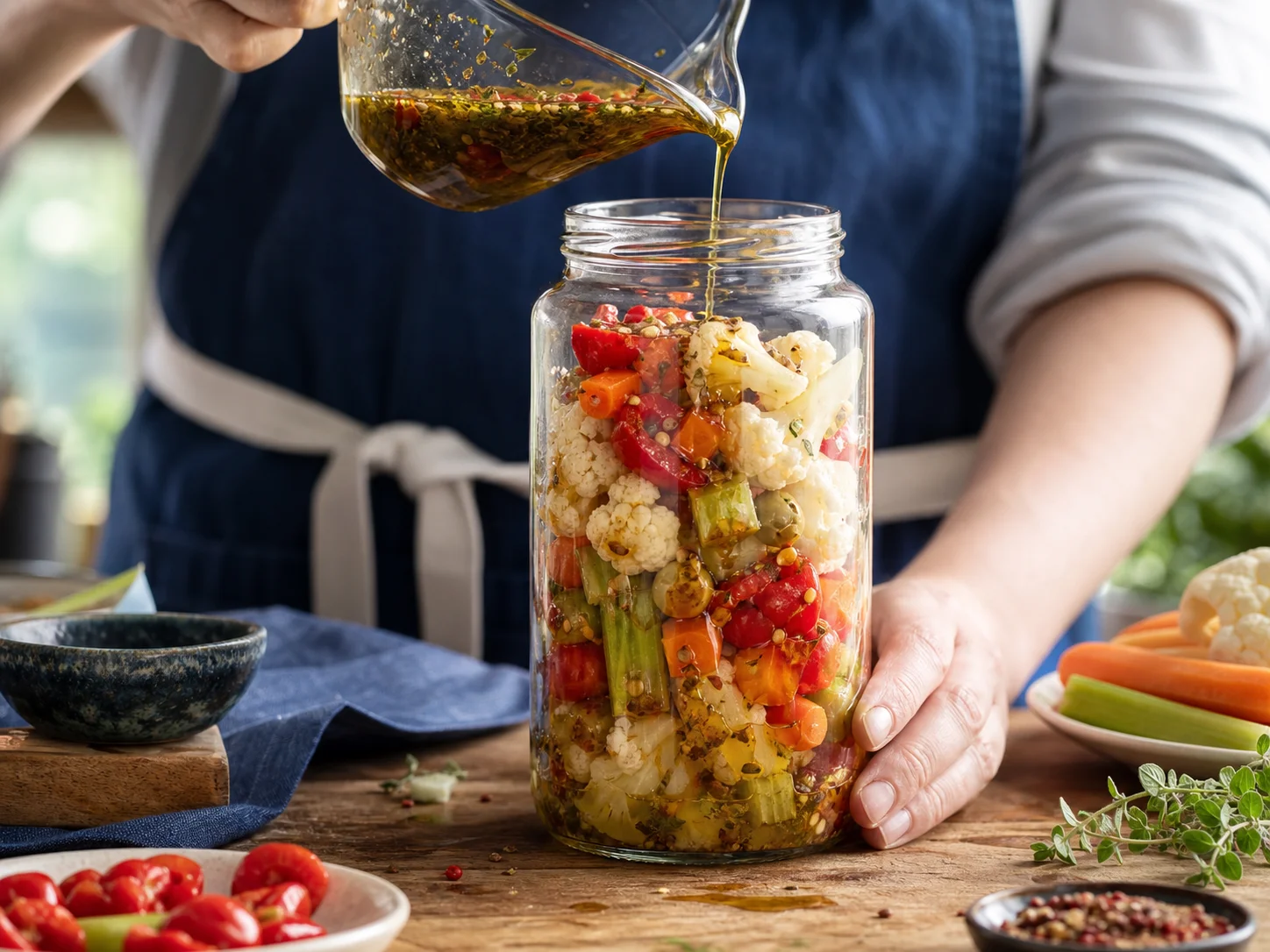
For giardiniera and mixed vegetable packs where several shapes and densities share one jar, often with oil, herbs or seeds. Small pieces migrate down, hollow peppers hold air, and oil changes both what the liner meets and how heat moves. Load in a repeatable order and treat the packing medium as part of the process, not as decorative liquid.

  • Document the component loading order
  • Release trapped air from hollow pieces
  • Match liner to acid, salt and oil exposure

For U.S. commercial shelf-stable acidified foods, FDA process filings are specific to product style, packing medium, container size and processing method; destination-market requirements should be mapped at the quotation stage.

Pickle Jar FAQ

Technical questions about the 32 oz straight-sided pickle format.

Answers covering the reference specification, 89-400 cap, drained weight, equilibrium pH and visible brine quality.

Is an 89-400 cap interchangeable with an 89-405 or a Mason wide-mouth lid?

No. The 89 mm number describes the finish family, while 400 and 405 identify different thread constructions. A Mason two-piece lid is another system again. Match the cap to the complete 89-400 designation and the production finish drawing.

Does a 32 oz jar mean the pack contains 32 oz of drained pickles?

No. Thirty-two fluid ounces is the jar's nominal volume. The vegetables, brine and headspace share that space, so net weight and drained weight must be established from the actual cut, packing density and solids-to-liquid target.

Why measure equilibrium pH instead of only checking the brine tank?

Cucumbers and other low-acid vegetables absorb acid over time. The scheduled process sets when and how the finished product reaches its required equilibrium, including the largest pieces. Fresh brine pH alone does not show that the solid interior has reached the same condition.

Is cloudy brine always a packaging defect?

Not always. Natural fermentation, spices and suspended plant material can create an expected haze, while microbial change or process drift can also affect clarity. Define a product-specific visual standard together with pH, salt, sensory and process records instead of judging the jar by clarity alone.

How long a spear will actually fit?

Less than the 169.8 mm outside height suggests. The shoulder, the base rise, the finish and the required headspace all come off that figure before a cucumber is measured, so cut length is set from the internal usable depth on a filled sample rather than from the jar's overall dimension.

Next step

Send us the Pickle Jar brief.

Tell us the product, fill volume, closure preference and destination market. We will come back with the matching drawings, available configurations and a sample plan before anything is quoted.

  • 01Send the briefProduct, volume, closure and market
  • 02Get the optionsMatching drawings and configurations
  • 03Approve the sampleConfirm the pack before production