Platform economics, closure discipline & multi-product use
Six decisions that make a standard Economy jar commercially useful.
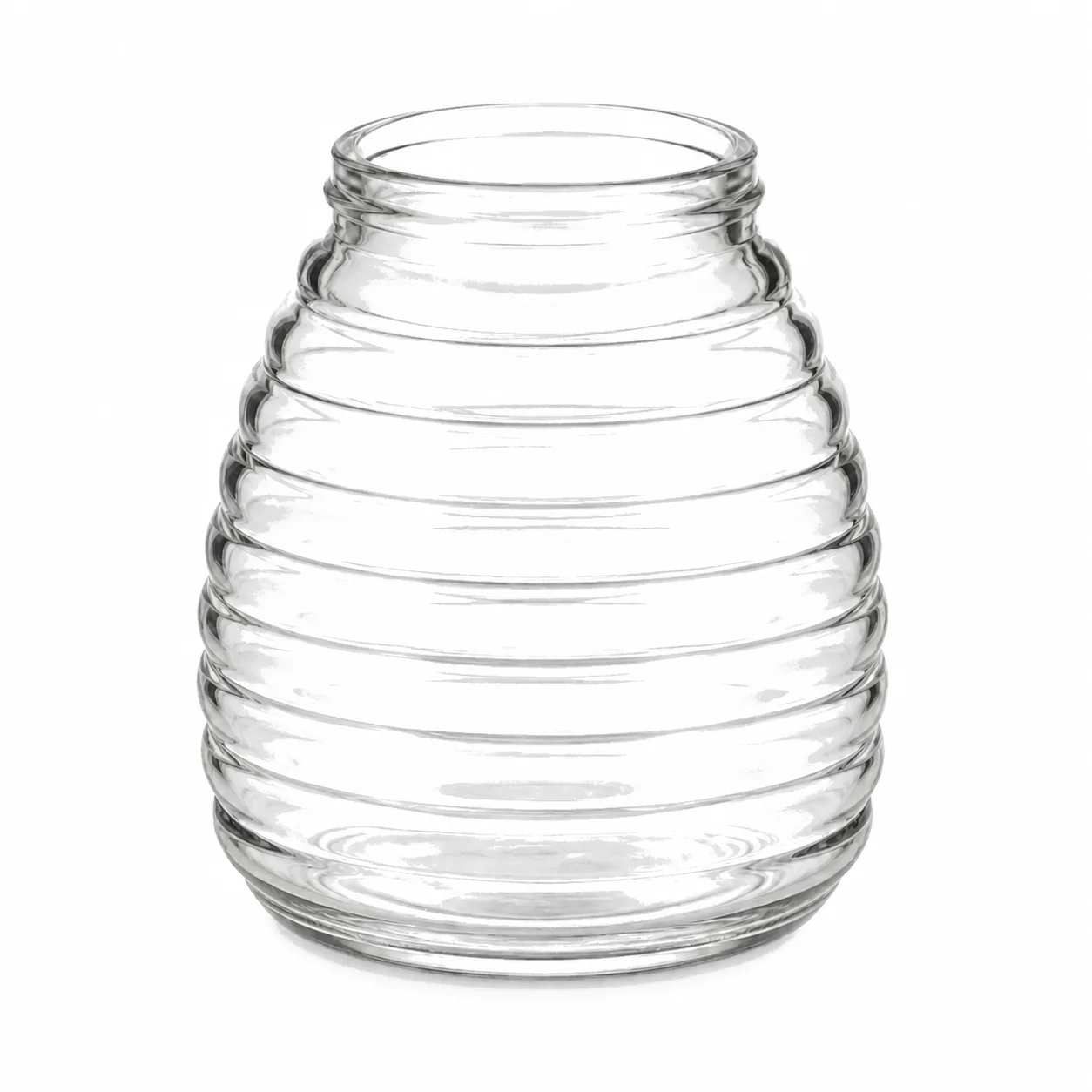
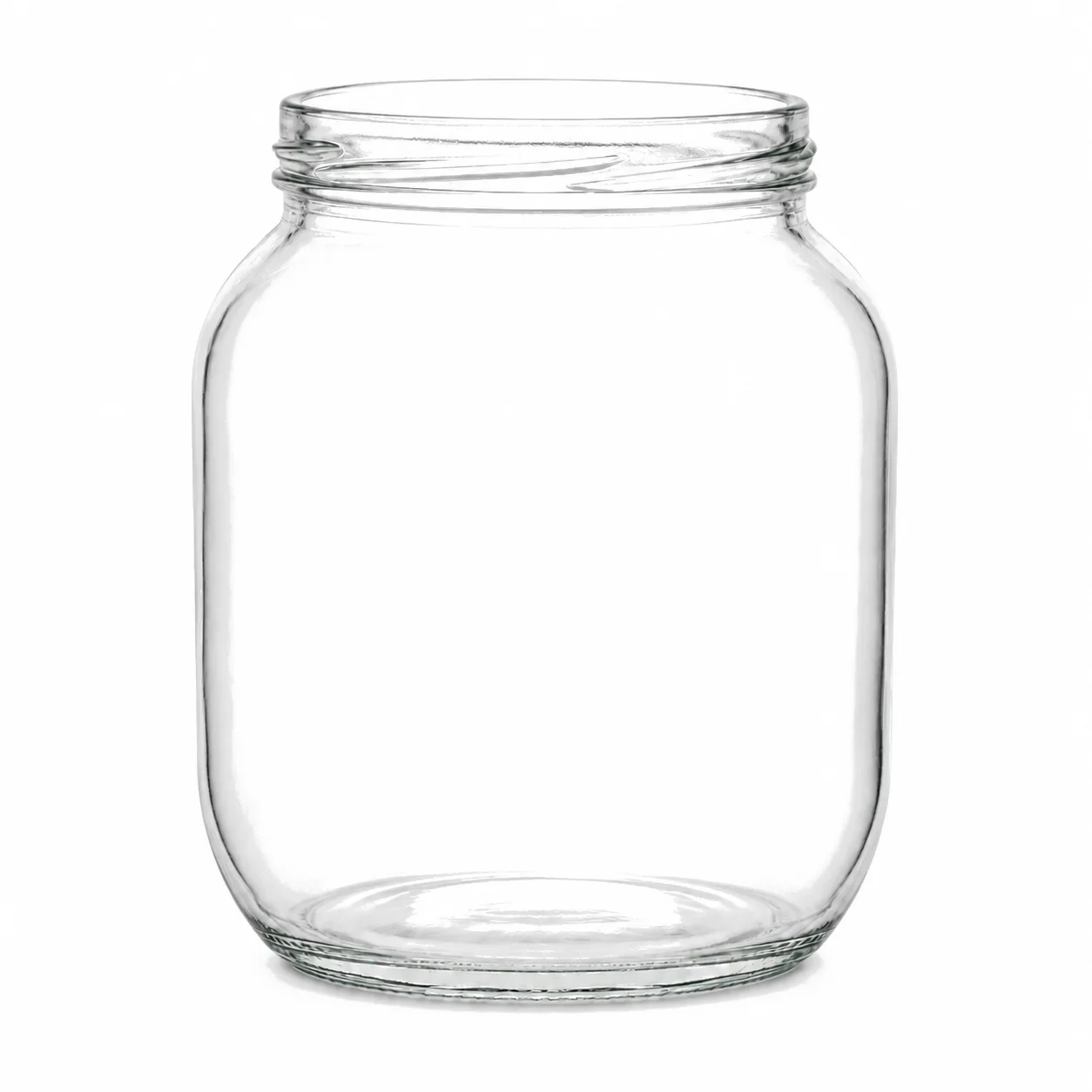
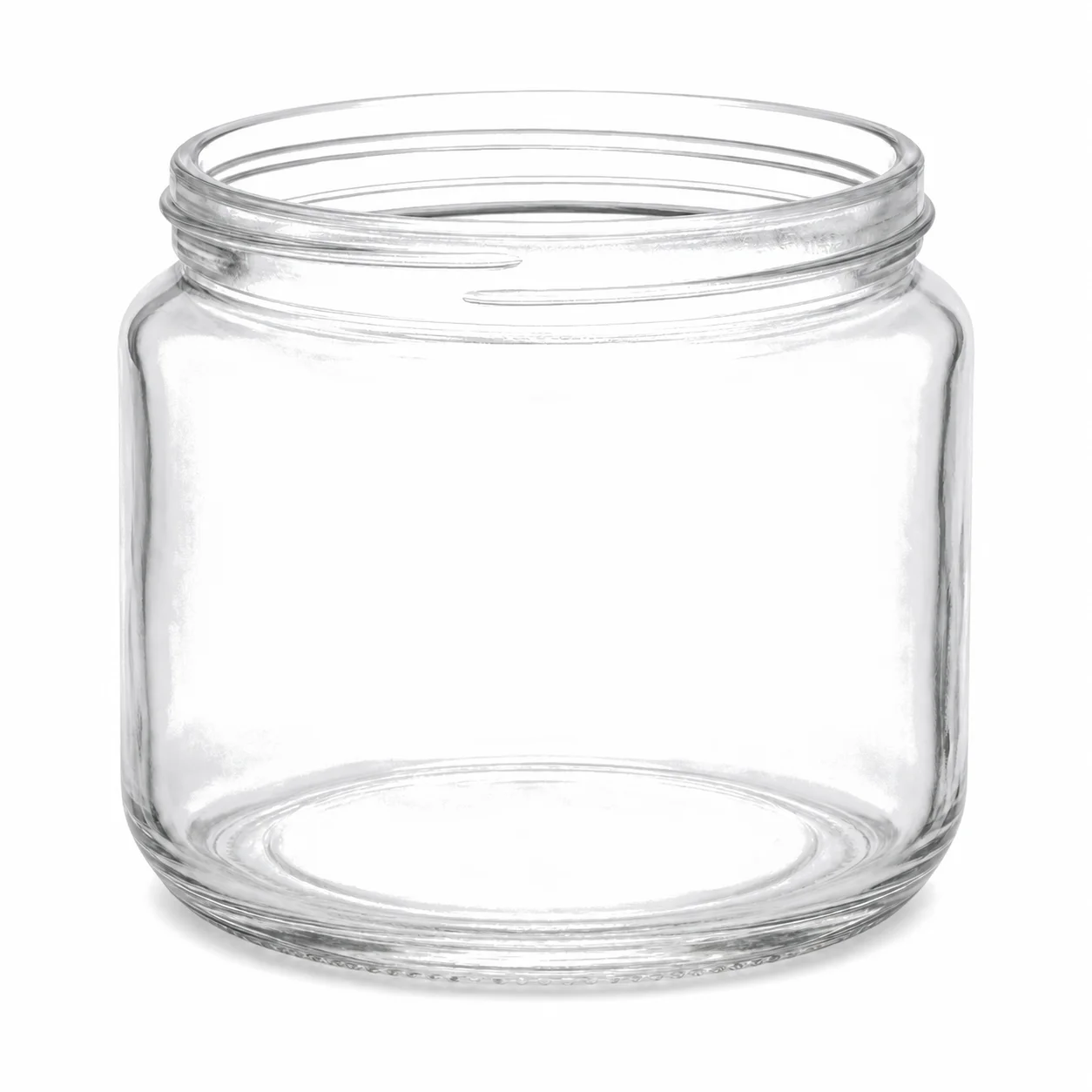
BGP-FS-3464 works to the established 16 oz Economy/Mayo envelope: 134.4 mm high, 78.0 mm in diameter, 230 g of glass and 487.9 mL overflow. Its 70-450 finish takes deep-skirt one-piece food caps and selected regular-mouth two-piece systems, which is what makes the jar useful where one platform has to carry several foods and filling routes.
Economy starts with a mature standard
The value of this jar comes from widely established geometry, closure availability, predictable case packs and high pallet density—not from omitting technical controls. A standard 16 oz body can reduce tooling and component fragmentation across product lines, provided every recipe still has its own fill, liner and process specification.
Match the 70-450 closure route
The deep-skirt 70G finish supports several closure constructions, including one-piece lined caps and compatible regular-mouth two-piece systems. Those parts are not interchangeable by diameter alone. Fix cap height, thread form, liner, application and tamper-evidence route in the bill of materials before purchasing at pallet scale.
Particulates benefit from the wide opening
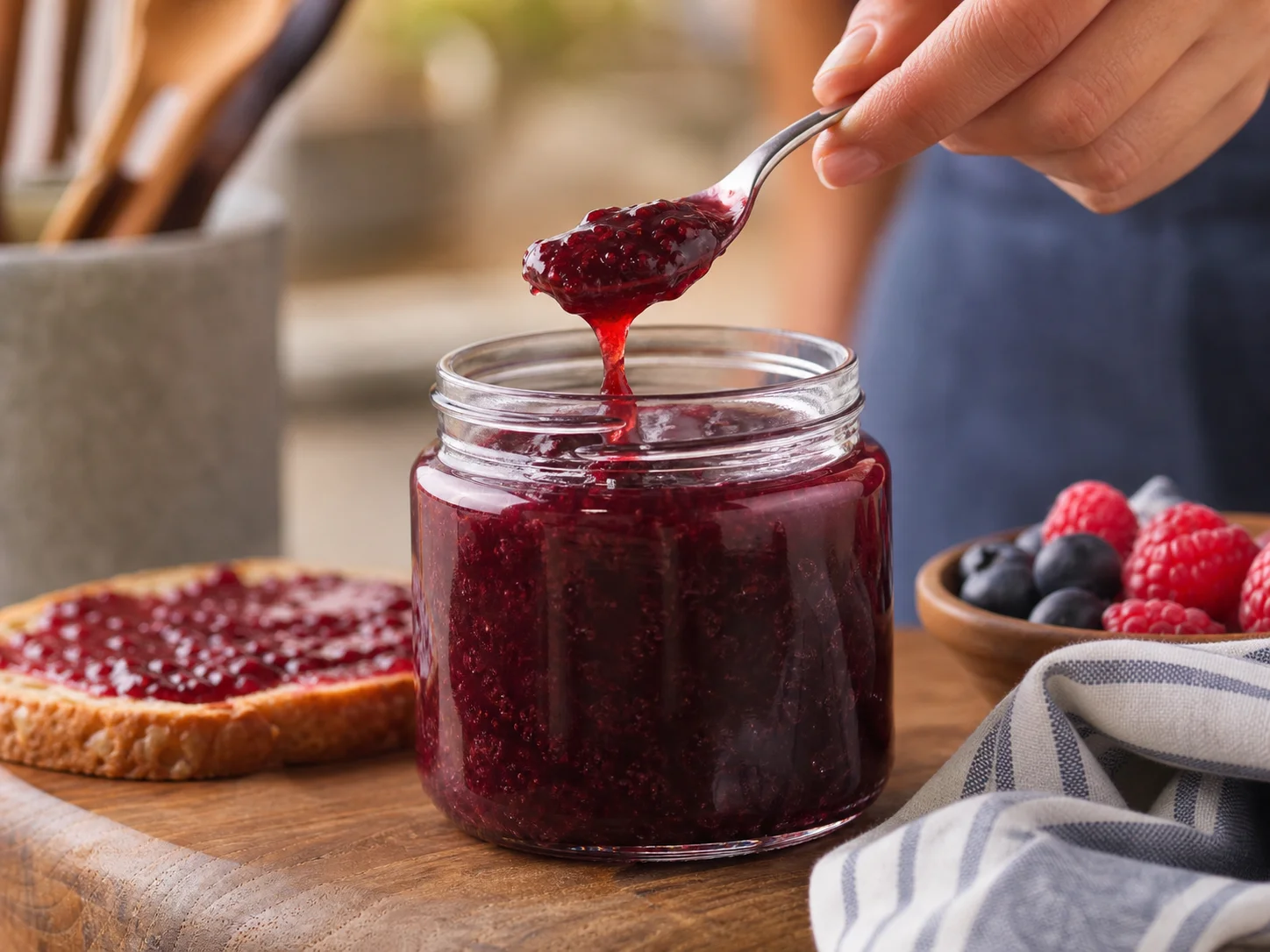
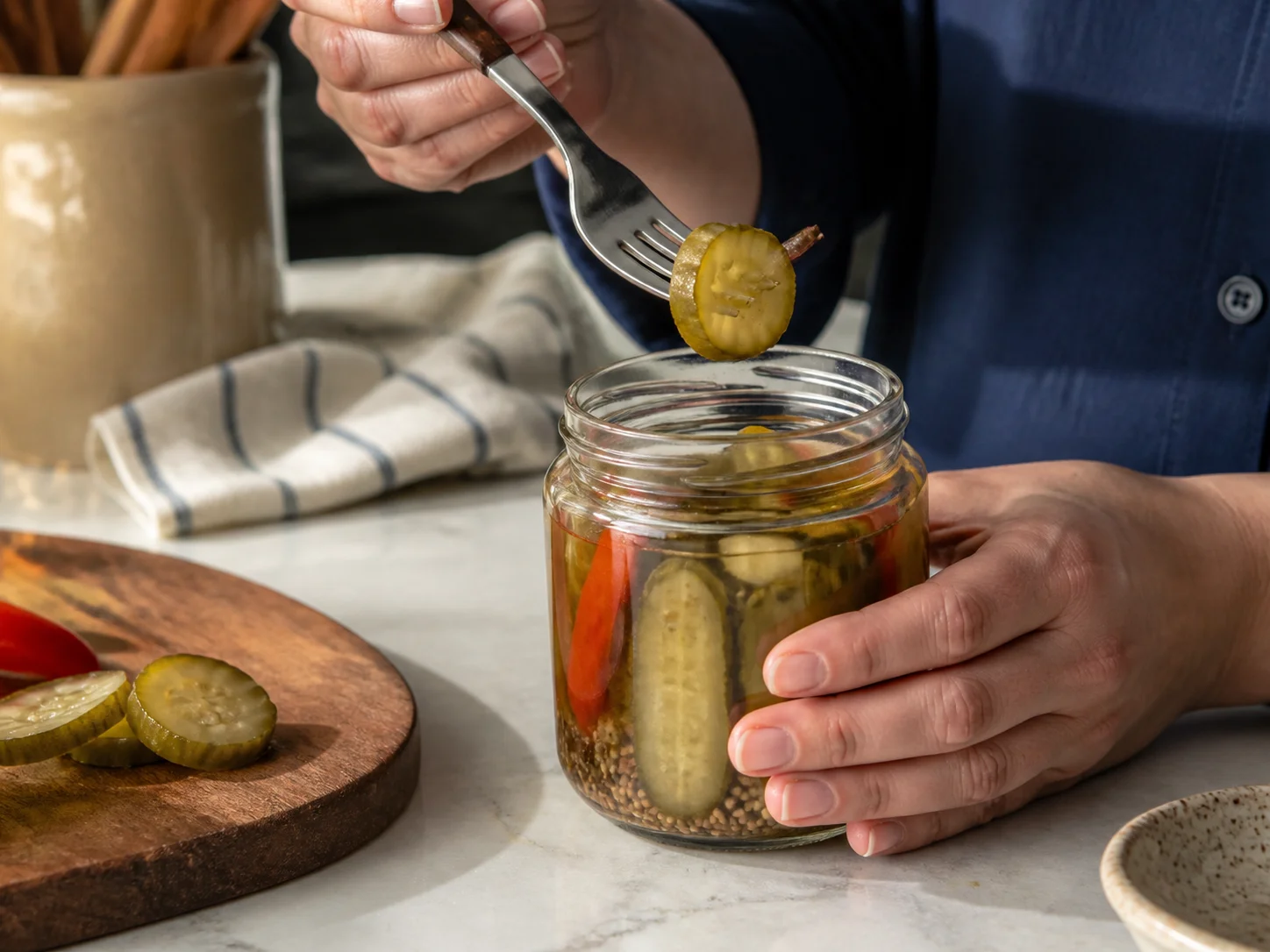
The mouth provides useful clearance for diced vegetables, fruit pieces, relishes and chunky spreads. The filler nozzle, maximum inclusion size and product-to-liquid ratio still determine whether each jar fills uniformly. Sample units from the start, middle and end of a run to check both net weight and solids distribution.
Use the right thermal route for the food
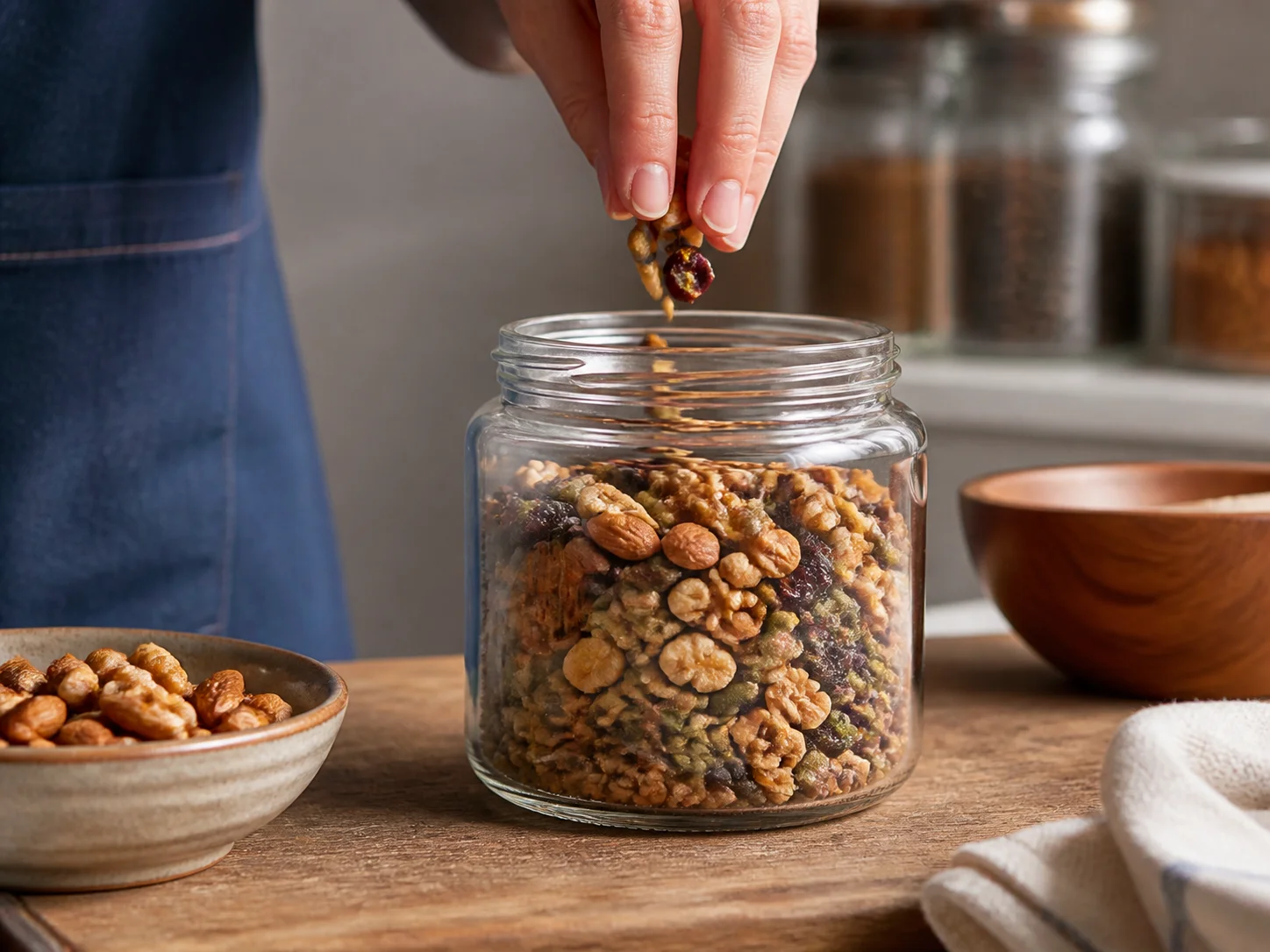
Jams, acidified pickles, shelf-stable sauces and ambient dry fills place different demands on the same glass. Set fill temperature, scheduled process, cap liner and cooling with the responsible process authority and suppliers. The availability of a canning-style lid does not make one process transferable to another recipe.
Build labels around a short panel
The 62.2 mm high panel is generous in circumference but relatively shallow. Prioritize brand and product name on the front, use the back for nutrition and ingredients, and reserve a consistent code zone. Condensation, oil contact and water-bath exposure may each require a different label material or adhesive.
Pallet economics depend on the real case
The reference build for this envelope is 12 jars per 12.5 × 9.75 × 6 inch case, 15 cases per layer and 240 cases per pallet. That 2,880-unit build is a useful freight benchmark, but cap supply, dividers, pallet height limits and destination standards must be included before comparing landed cost with another jar.