Small-fill accuracy, 38 mm closure & gift-set control
Six decisions specific to the 50 mL Mayberry format.
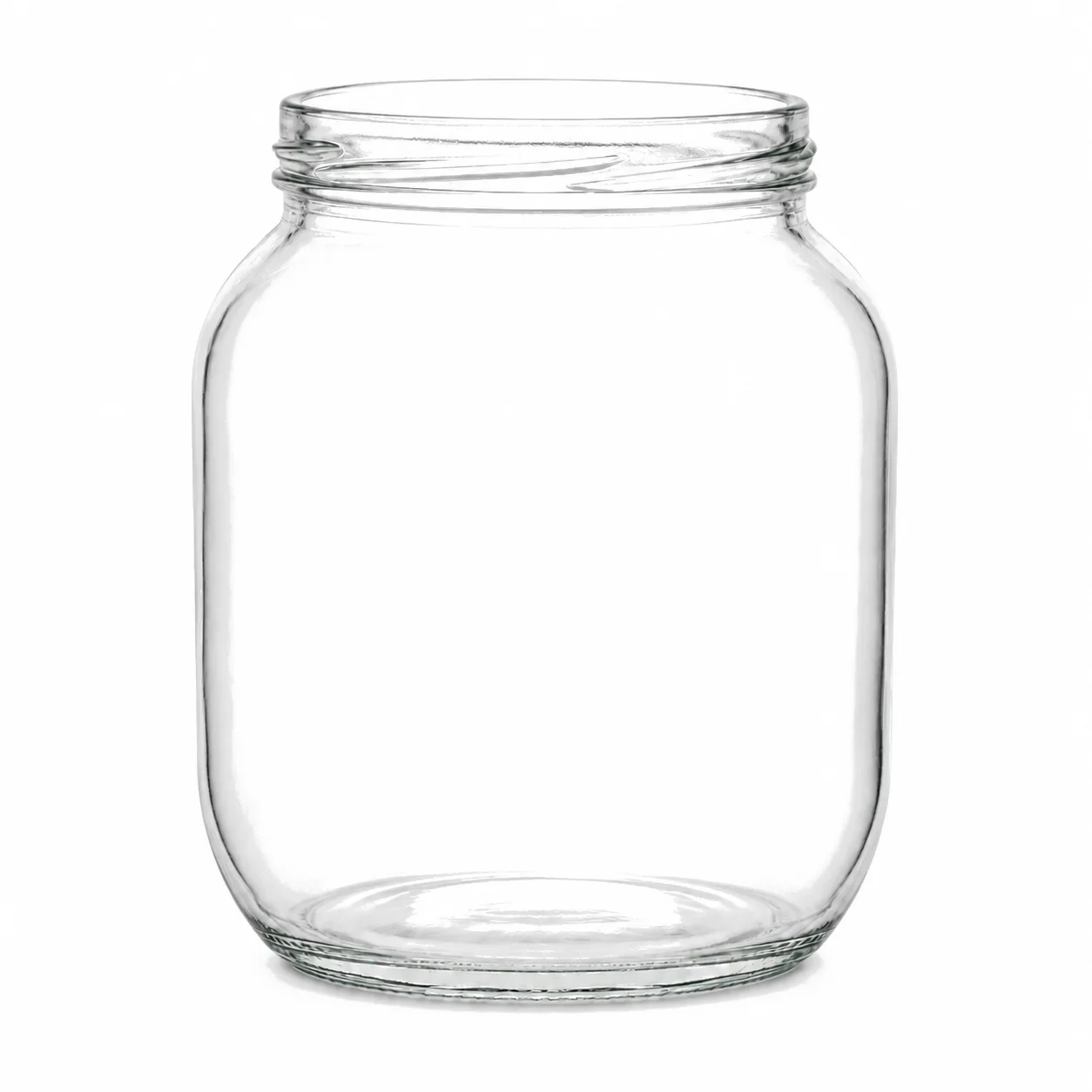
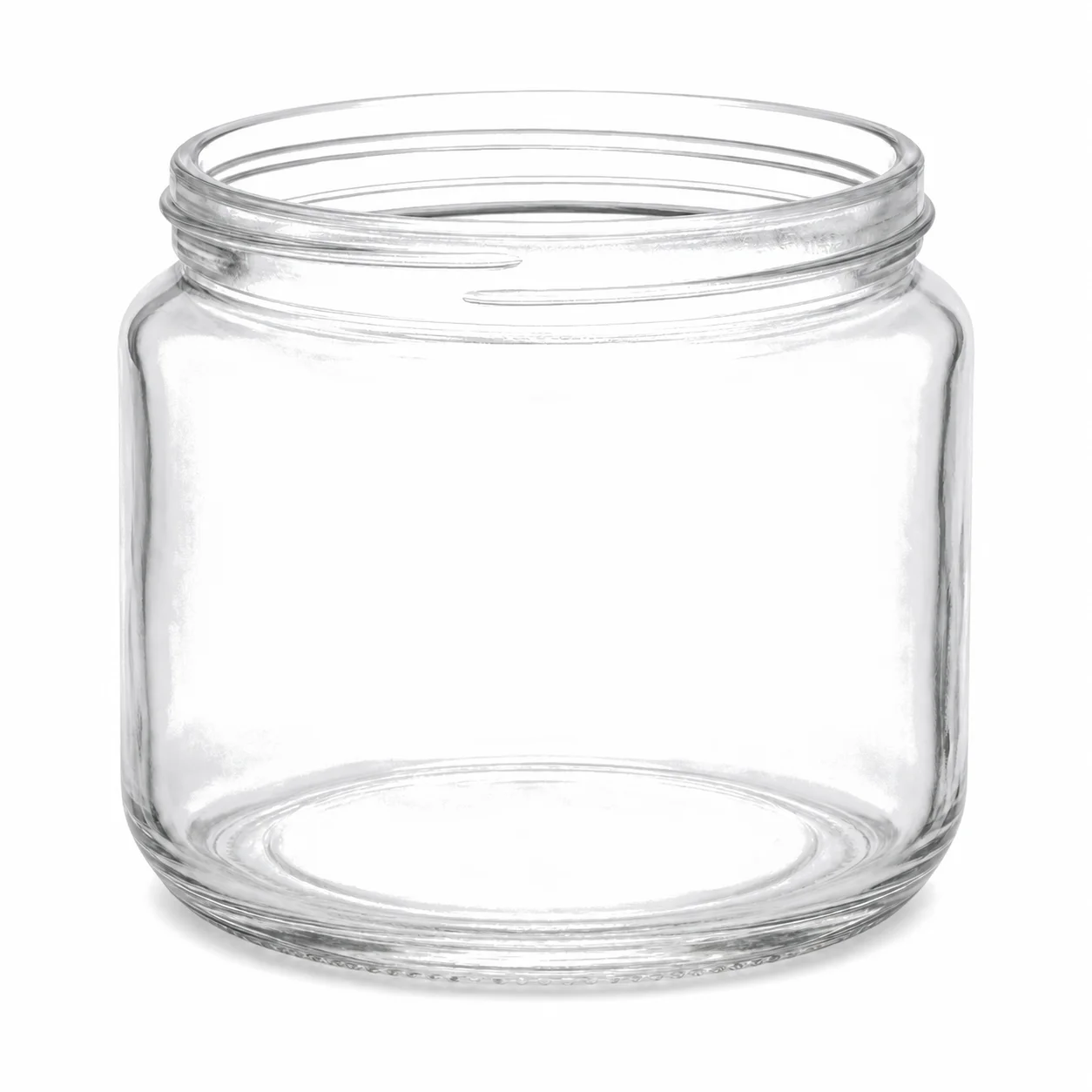
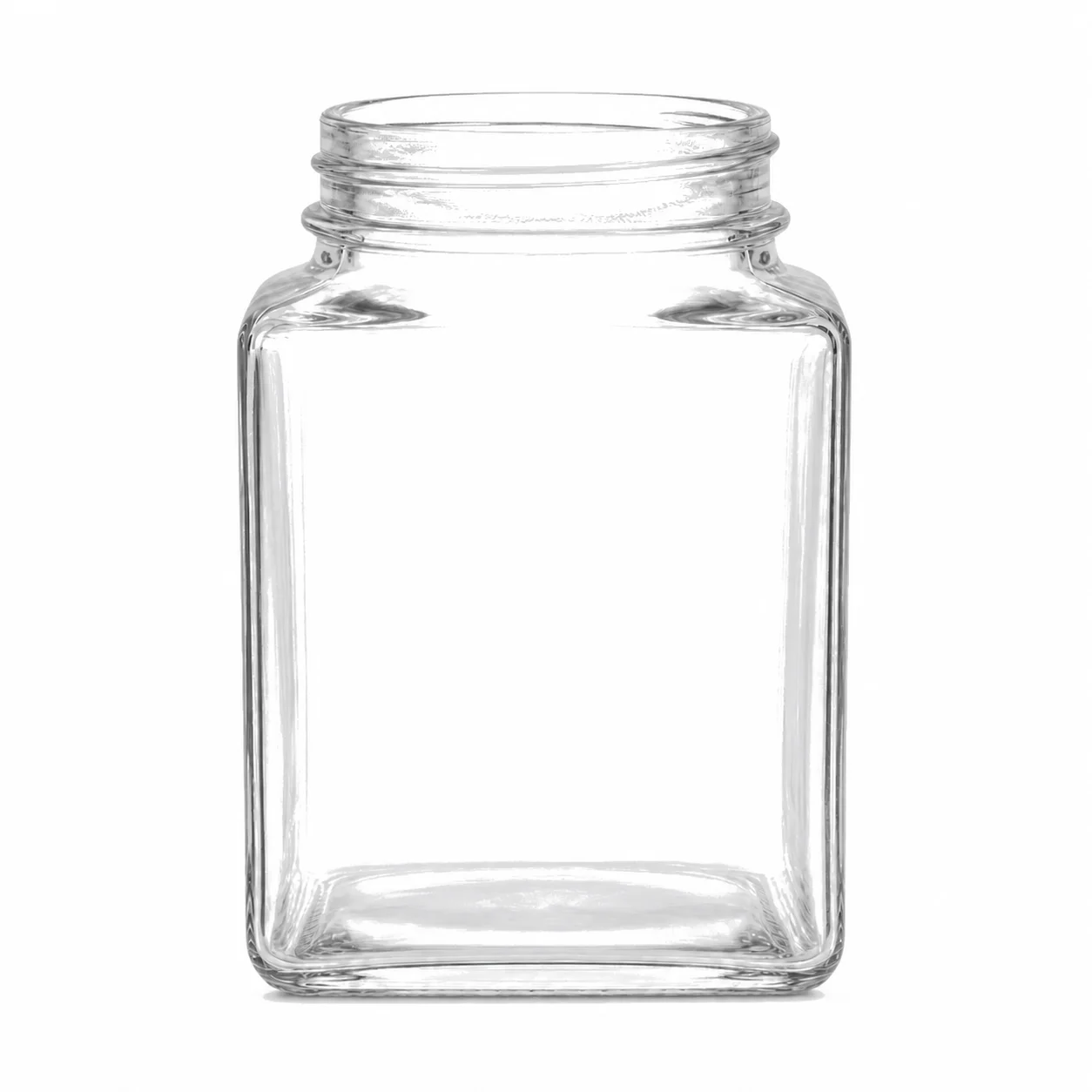
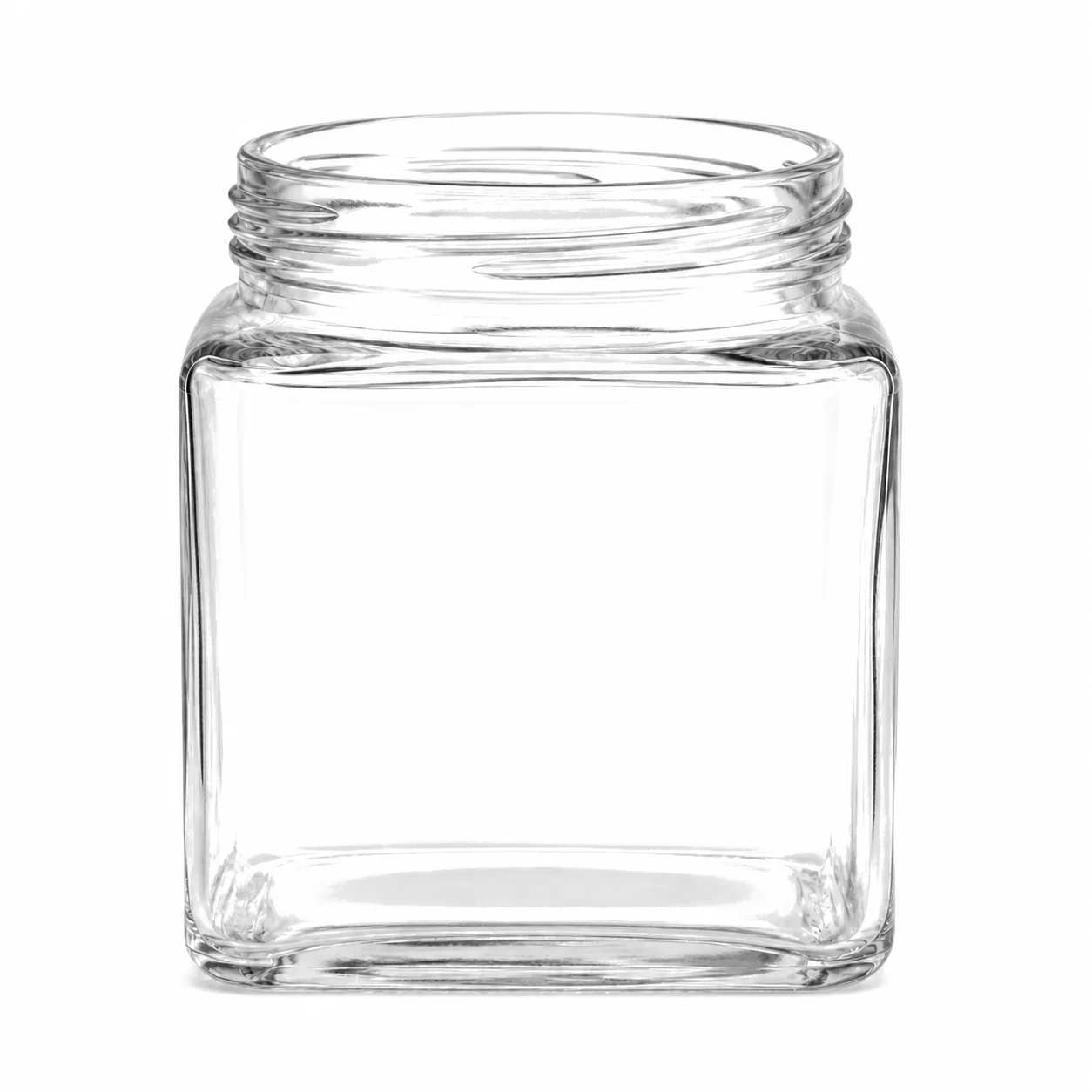
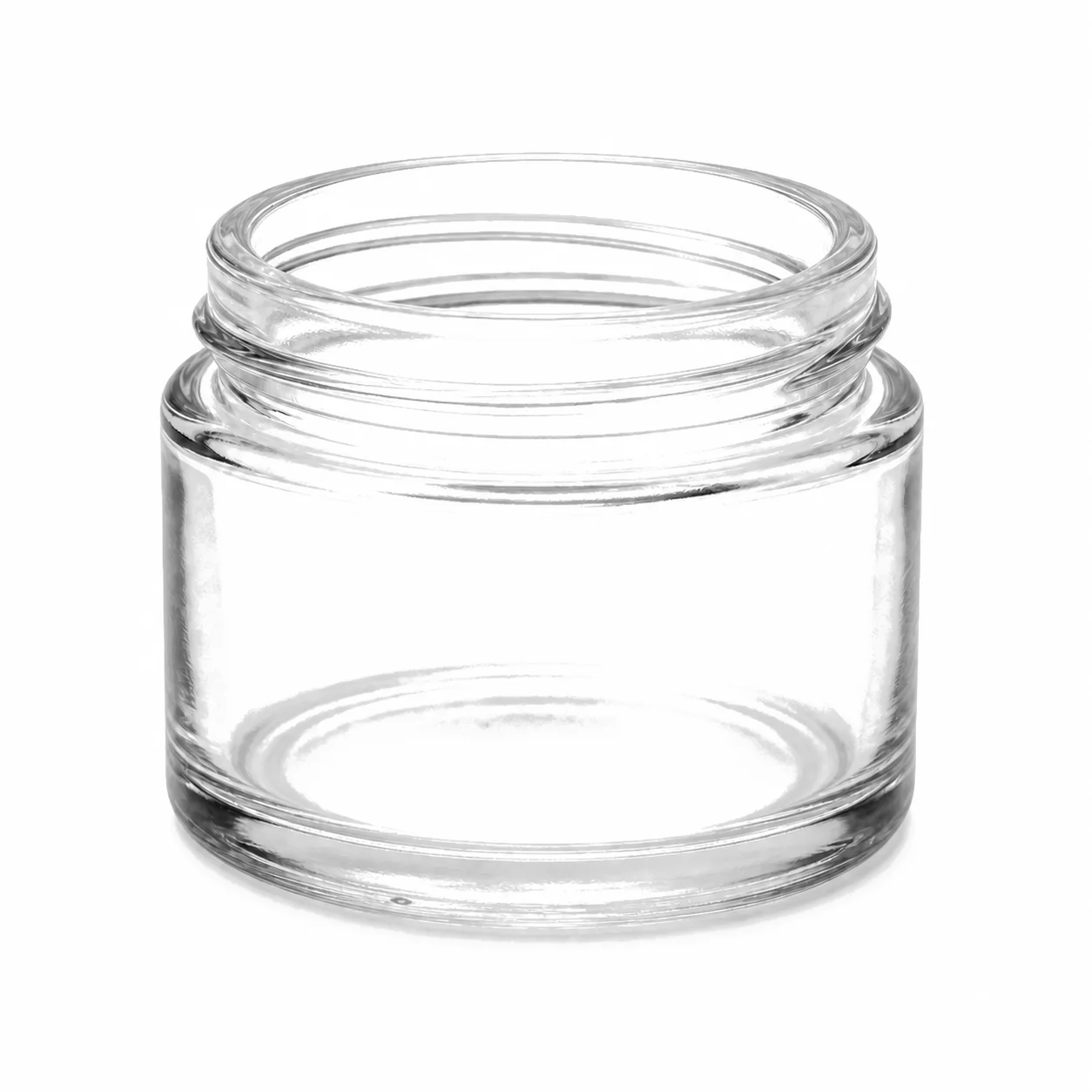
BGP-FS-8713 works to the rounded-square Mayberry envelope: 72.9 mm high, 42.78 mm wide and deep, 88.6 g in flint glass, with a 38-400 continuous-thread finish. Its 50 mL nominal against 60.5 mL overflow leaves more headspace than most miniature packs, while four controlled faces carry product view, compact labels and set orientation.
Set the fill by product density
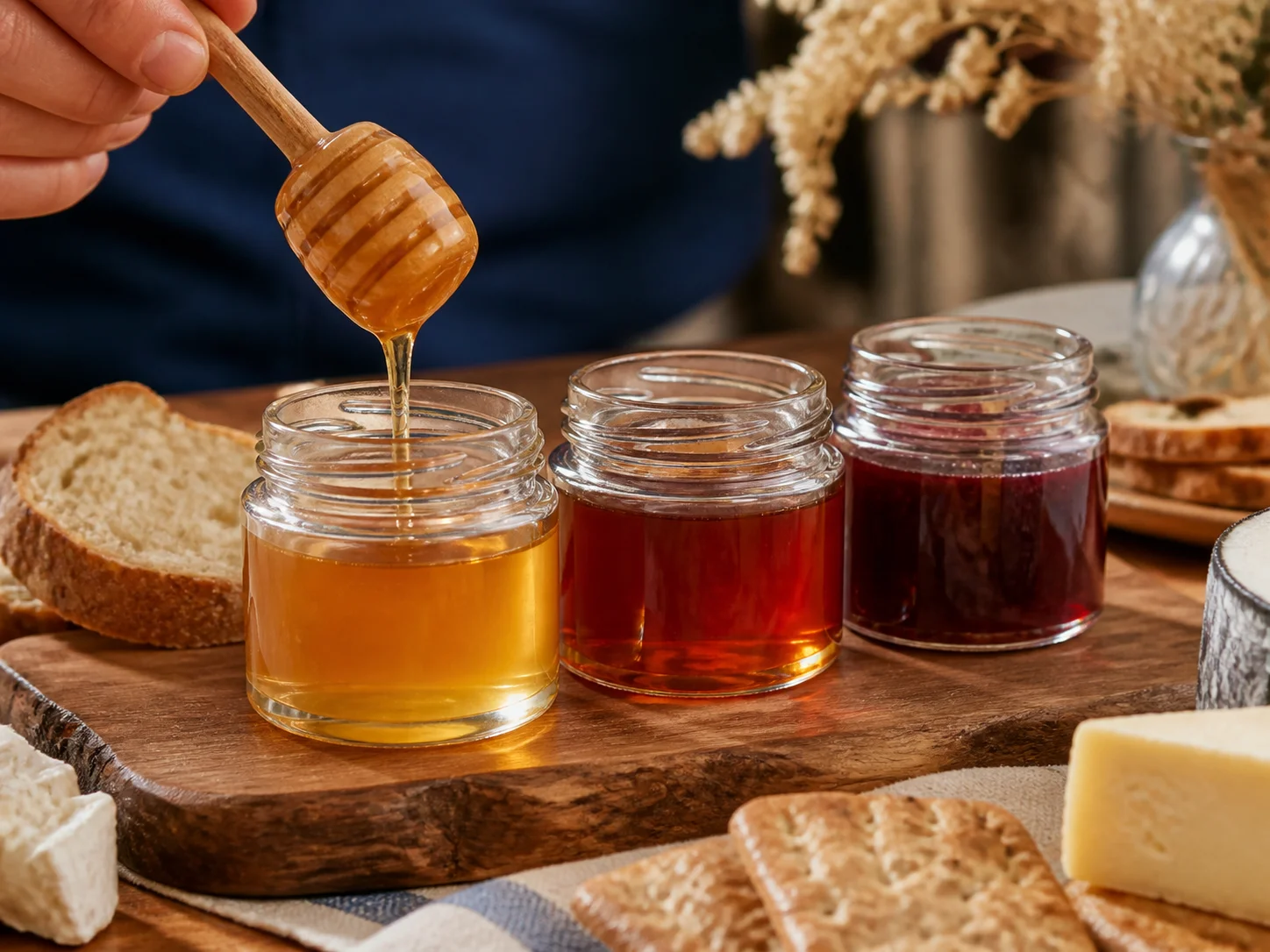
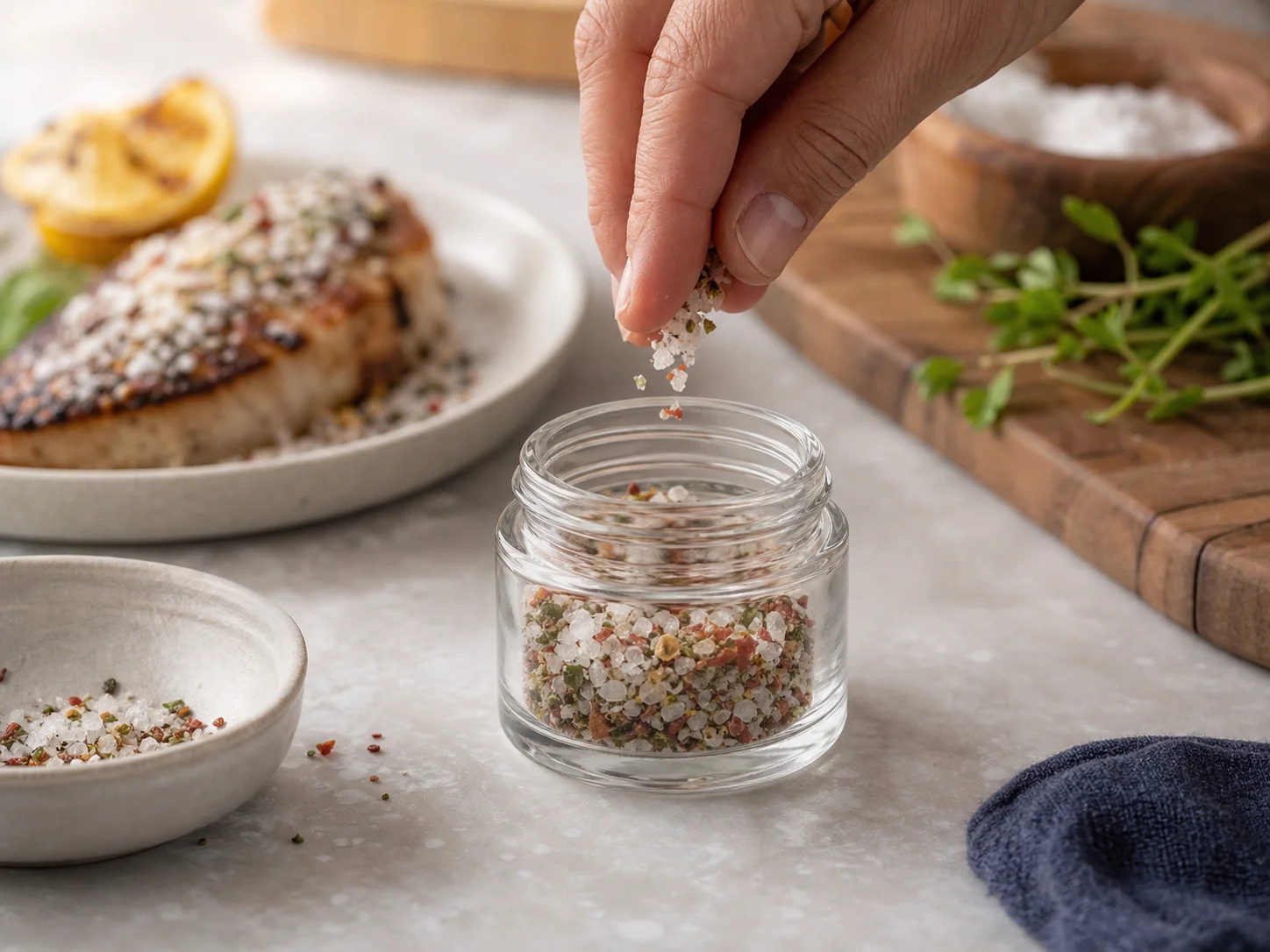
A 50 mL jar does not equal a 50 g sale unit. Honey may approach 70 g at this volume, while whipped spreads, spice blends and coarse salts can weigh far less. Establish the declared quantity from measured product density and calibrated trial fills, then verify net contents across the run rather than assigning one weight to every sampler recipe.
Use a miniature-fill setup
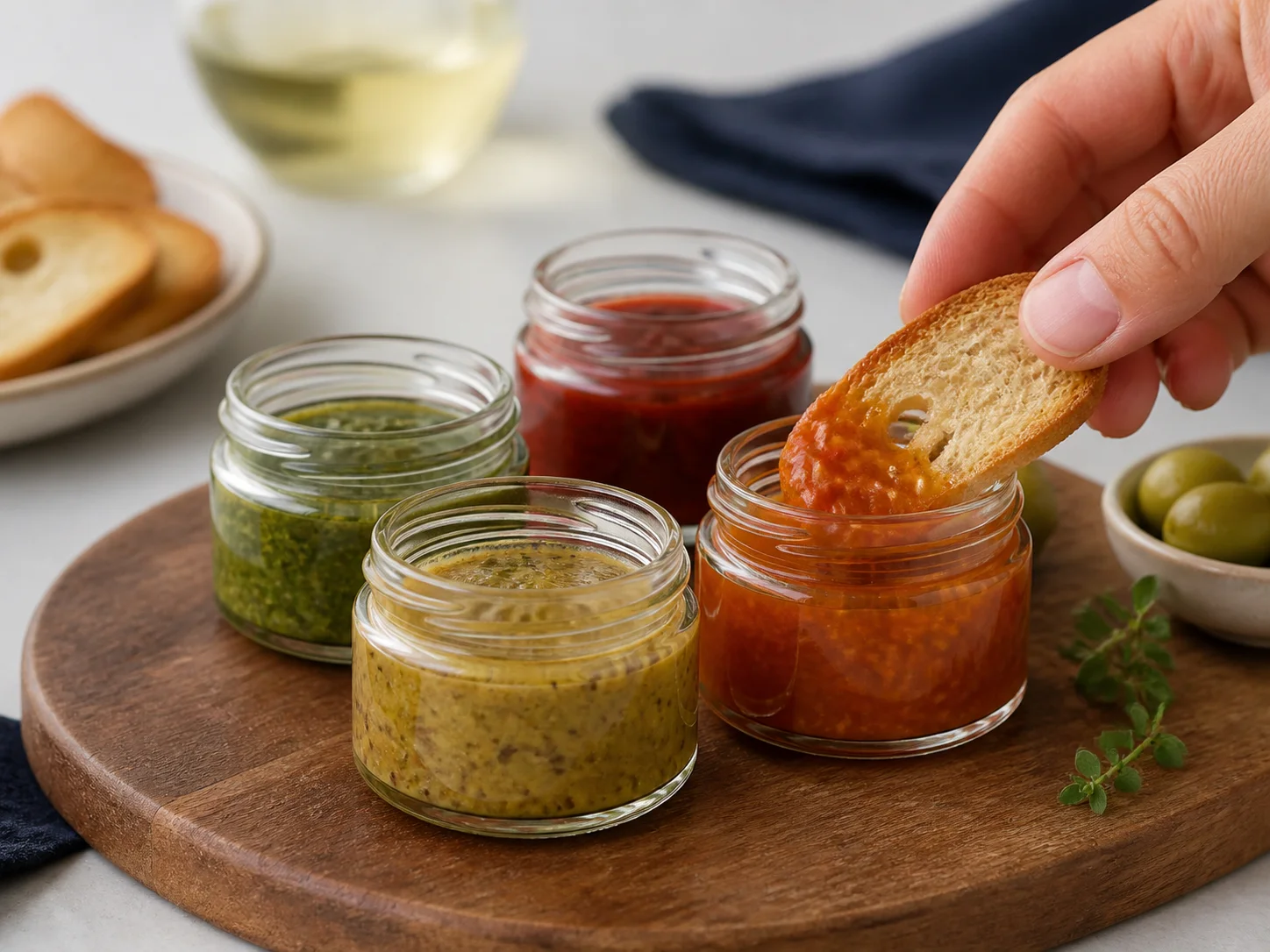
The 38 mm opening is generous relative to the body, but the short jar gives the nozzle little vertical travel. Select a nozzle that clears the finish, controls stringing on honey or sauce and does not splash the shoulder. Fine dosing accuracy matters: a few extra milliliters represent a large percentage of a 50 mL pack and quickly consume the 10.5 mL overflow margin.
Design headspace as visible architecture
Clear shoulders make the fill line prominent, especially when several flavors sit together in a discovery set. Fix the commercial fill height after product deaeration, settling and cooling tests. Keep enough headspace for the chosen process without leaving different products looking inconsistently filled when their densities or particulates vary.
Specify the complete 38-400 cap
The finish accepts matched metal or plastic continuous-thread caps, including plastisol-lined metal routes used for selected heat-processed foods. Choose cap material, liner and application torque for the recipe and process. At this scale, excessive torque makes the jar difficult to grip while opening; too little torque compromises closure consistency.
Give each face one communication job
The rounded-square body is only 42.78 mm across, with a published label-panel height of 28.7 mm. A compact front label carries brand and flavor, a second face holds critical product copy, and the cap top or outer carton takes campaign graphics. Small type, barcode grade and date-code contrast all need checking at actual size before artwork is released.
Engineer the assortment, not just the jar
The reference case holds 48 jars and the standard manufacturing pallet holds 9,120 units. For consumer gift sets, a die-cut insert should locate each 88.6 g jar, keep caps visible and stop glass-to-glass contact. Standardize label-facing direction so a three-, four- or six-flavor set presents as one designed range when opened.