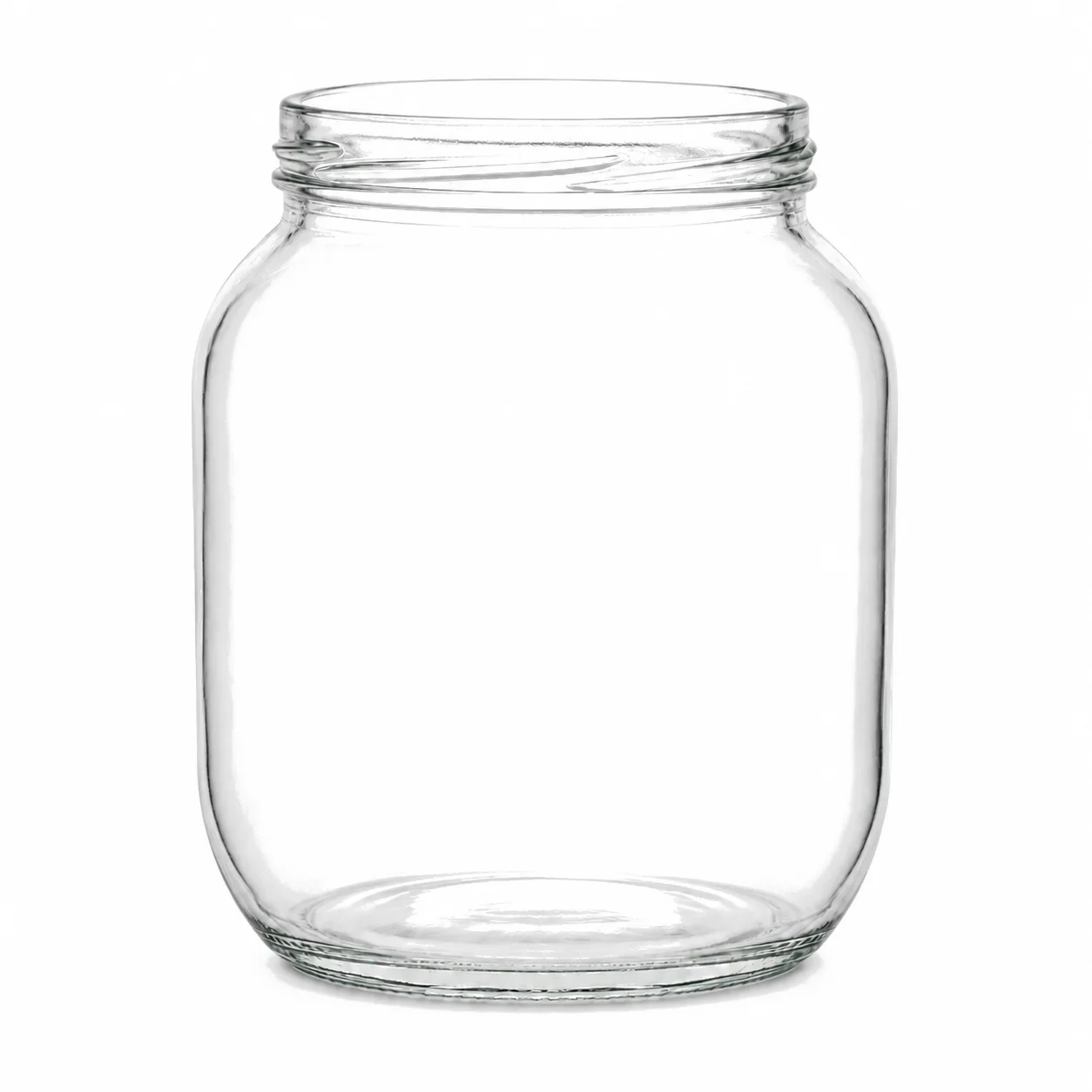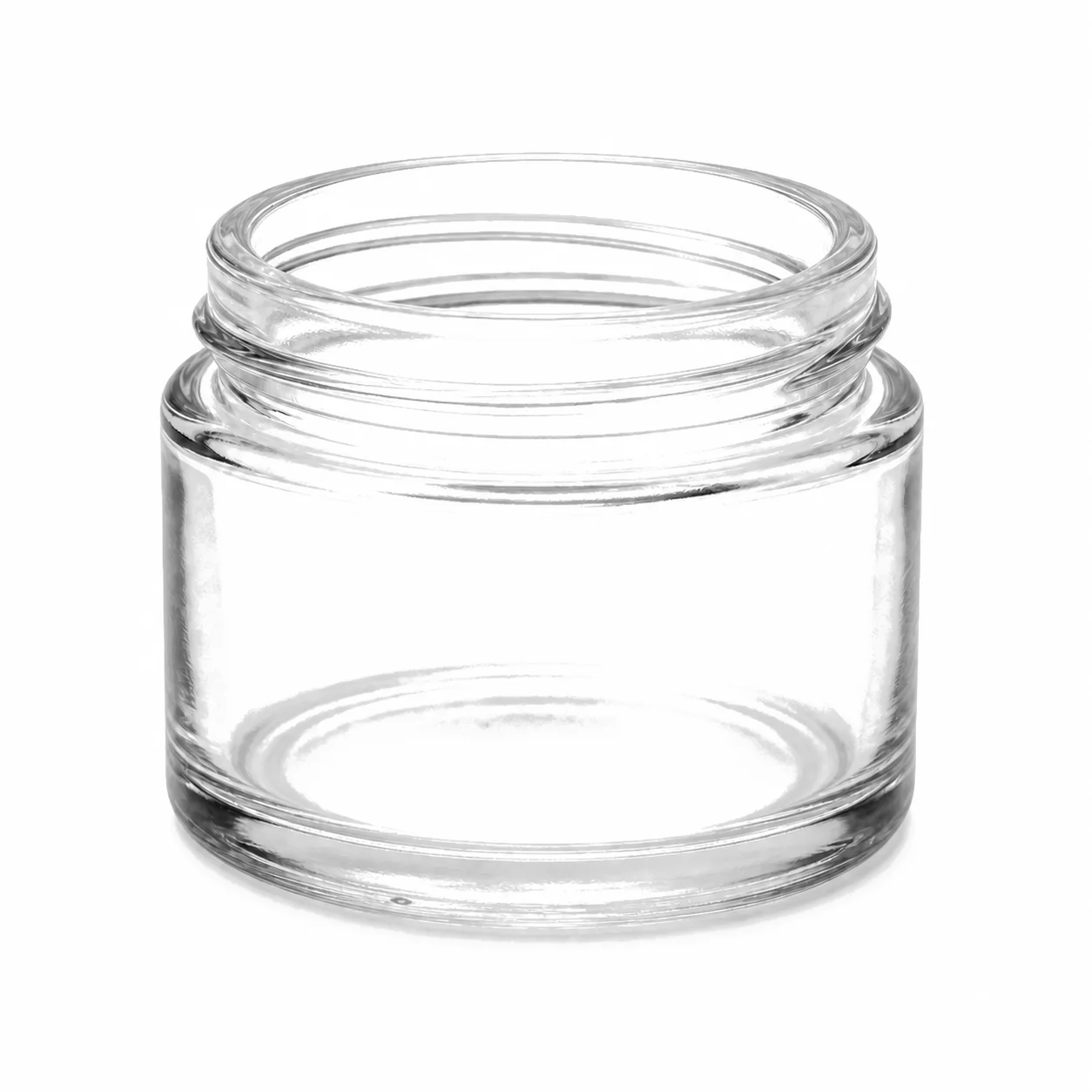
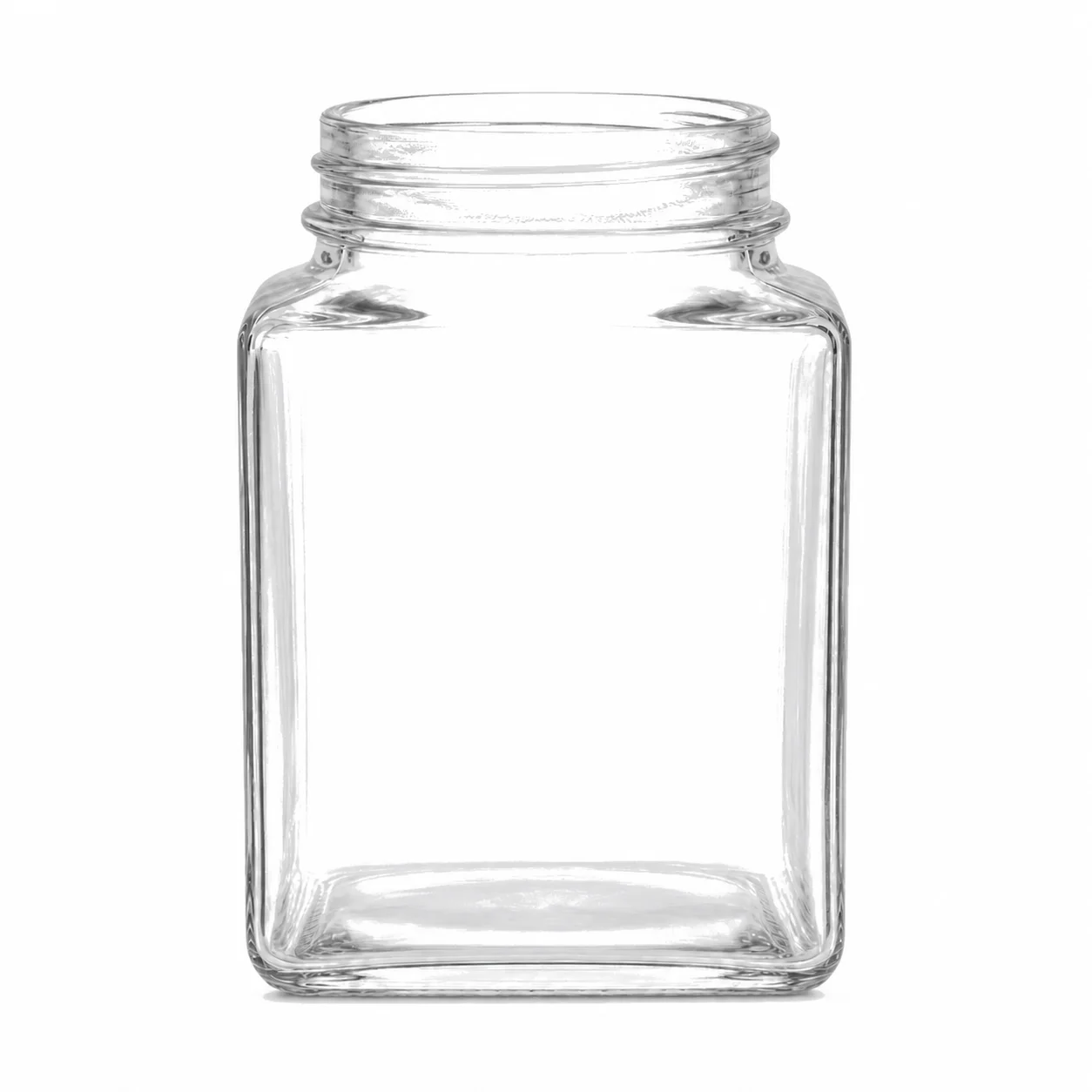
Clear 16 oz rounded-square Mason jar with 70 mm threaded neck
Shown configuration · bare flint-glass square Mason jar / 70-450 lid not shown

16 oz rounded-square Mason glass with regular-mouth finish

Square Mason Jar

A 16 US fl oz flint-glass Square Mason jar with 16.06 fl oz overflow, a 70-450 regular-mouth finish, flat label faces and molded graduations for preserves, sauces and pickled vegetables.

16 US fl oz nominal70-450 CT finishApprox. 265 g jar weight
Stock status
In stock
Lead time
2–3 weeks
FOB price / pc
$0.80 - $1.15
MOQ
10,000 pcs

Final availability, dimensions, materials, assembled components and commercial terms are confirmed against the selected drawing and approved sample.

Mason recognition

Embossed wording and debossed quarter-volume marks give the jar familiar preserving cues

Four-sided communication

Distinct faces separate branding, ingredients, preparation ideas and mandatory information

Regular-mouth ecosystem

The 70-450 finish supports matched one-piece and selected two-piece closure routes

Square Mason Jar profile

A true pint Square Mason with verified capacity, regular-mouth closure and face-specific decoration limits.

Embossing, panel allocation & preserving-line control

Six details specific to the 16 oz Square Mason.

BGP-FS-7158 works to the classic 16 oz rounded-square Mason envelope: 130.3 mm high, about 76.2 mm across, 475 mL overflow and a 70-450 finish. The glass carries 'Mason' embossing and quarter, half and three-quarter graduations on adjacent sides, so label planning must work with—not accidentally cover—the molded content.

01

Map every molded face before artwork

The reference jar includes Mason wording and debossed volume marks on adjacent panels. Photograph and measure each production face, choose which details remain visible, then assign front, back and side information accordingly. A generic square label die line can obscure graduations or place fine copy over raised glass.

02

Square geometry alters the fill view

Flat faces show product color clearly while rounded corners magnify inclusions and air pockets. In salsa, preserves or pickled vegetables, solids distribution may look different from each angle. Inspect all four sides during line setup and use the graduations only as consumer reference marks—not as calibrated net-content controls.

03

Use the regular-mouth closure deliberately

The 70-450 finish can accept matched deep-skirt one-piece caps and selected two-piece regular-mouth systems. Decide the route from the recipe, process and opening experience, then lock the exact liner and component stack. Do not assume every lid advertised as 'Mason' has the correct thread and sealing geometry.

04

Protect corner transitions on the line

The jar is approximately 76.2 mm across but presents flats and radiused corners rather than a constant round diameter. Verify star wheels, guide rails, accumulation and label orientation with filled containers. Excess side pressure at a corner can rotate the jar unpredictably or scuff the chosen presentation face.

05

Choose individual labels or a tested wrap

The usable panel height runs 66.8 mm, and an individual rectangular face measures around 50.8 × 67.4 mm. Separate front and back labels preserve the geometry most easily. A multi-panel wrap requires flexible stock, measured corner radii and enough adhesive performance to resist edge lift after wet processing or refrigeration.

06

Square cases need consistent orientation

The 12-pack reference case measures 12.5 × 9.5 × 5.75 inches and places 224 cases, or 2,688 jars, on a pallet. Align embossed faces and graduations consistently, use partitions that prevent corner-to-corner impact and allow top clearance for the selected one- or two-piece lid.
Application guide

Applications that use the Mason cues and square panels for more than decoration.

The format is most effective when preserved-food familiarity, visible graduations and a face-by-face information system support the real product workflow.

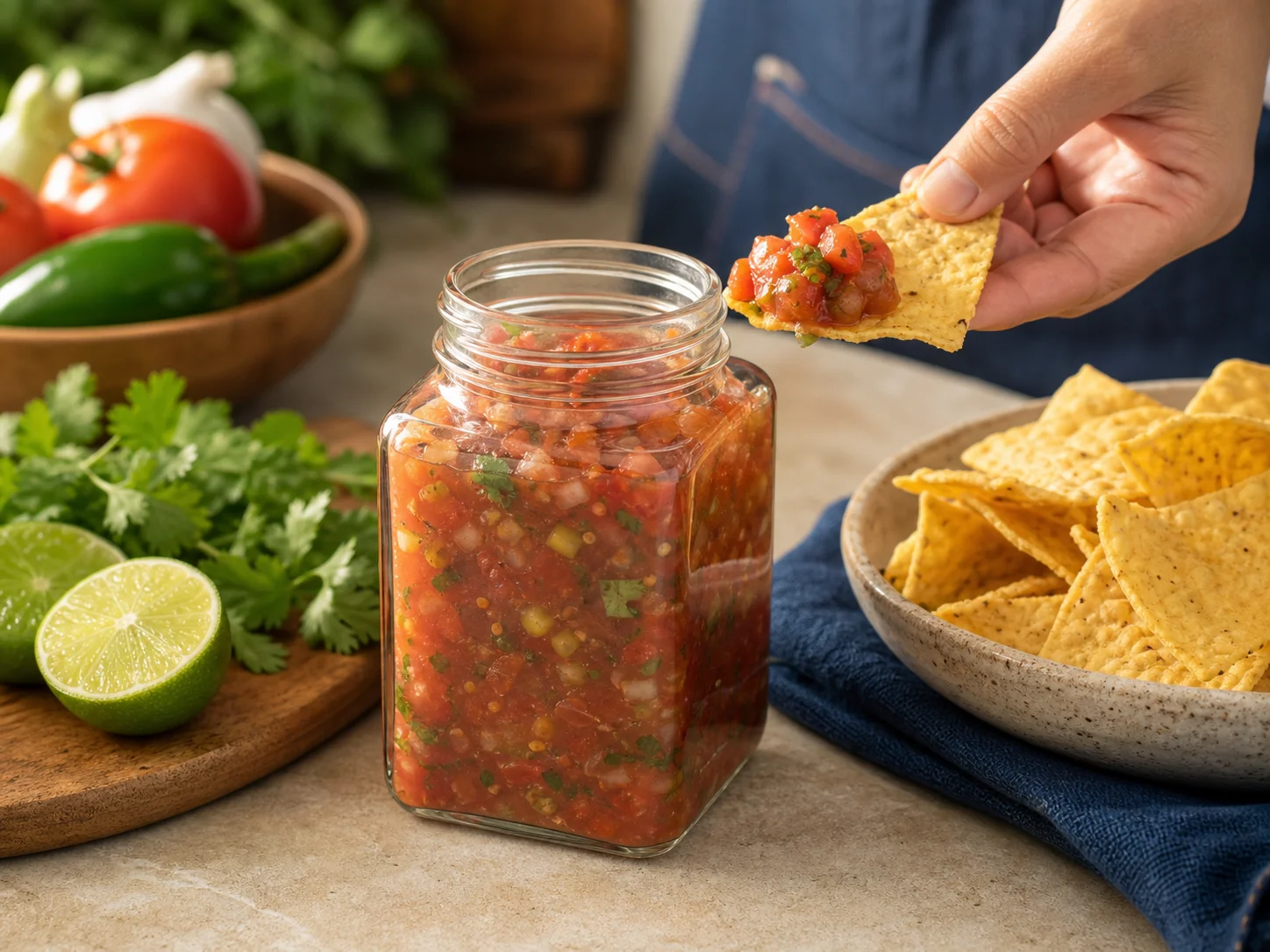
Square Mason Jar used for salsa, relish and chunky sauce in a fresh preserves setting

Fresh preserves

Salsa, relish and chunky sauce

The regular mouth accommodates diced ingredients and the flat faces show particle distribution clearly. Use the front for brand, a side for serving ideas and the back for required information, while preserving at least one graduated panel where it supports the product story.

  • Control inclusion size
  • Assign panel roles
  • Verify closure process
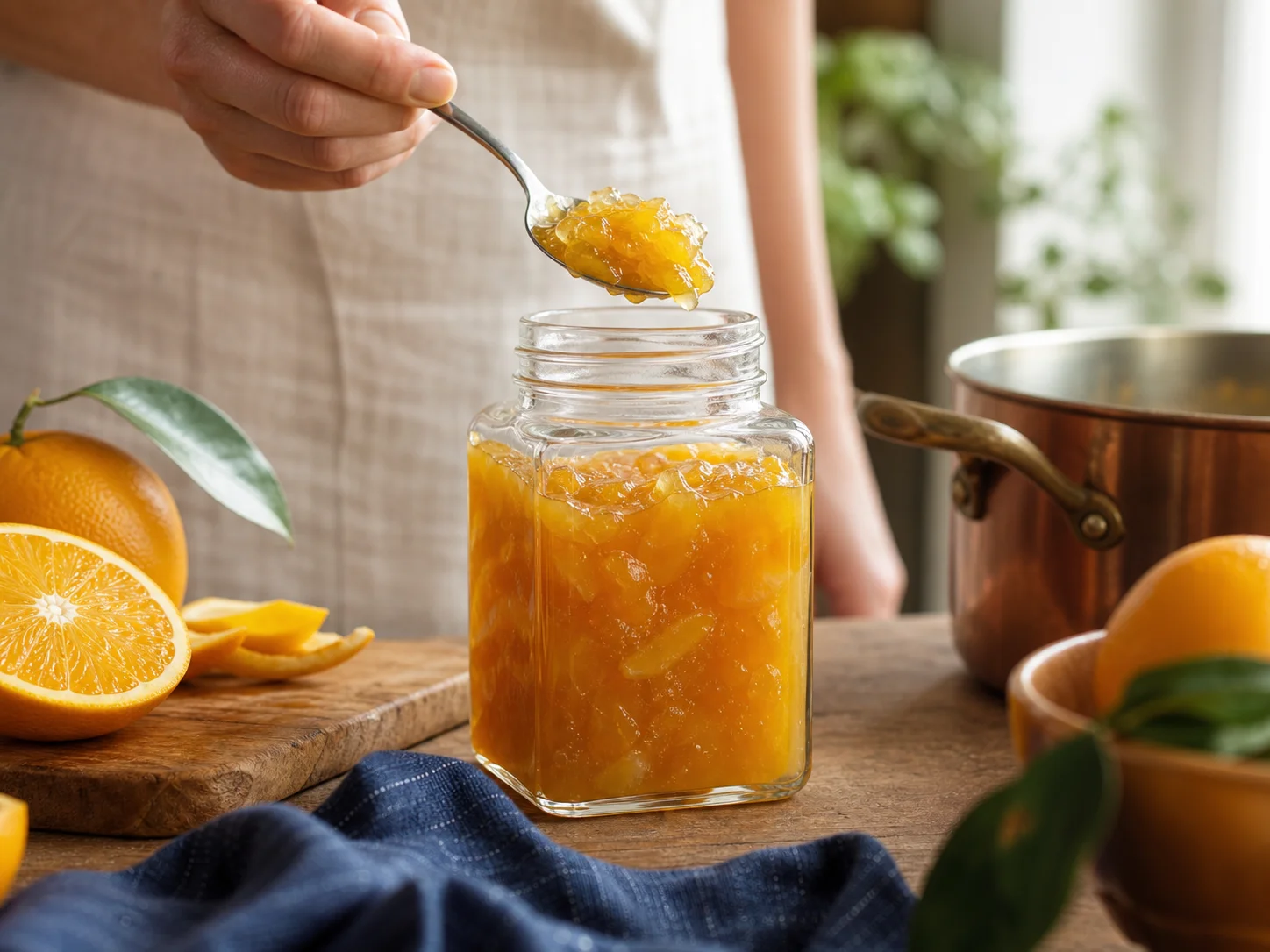
Square Mason Jar used for jam, jelly and marmalade collections in a fruit range setting

Fruit range

Jam, jelly and marmalade collections

Square jars create a disciplined shelf block across flavors while clear corners amplify fruit color and peel. Set each recipe's fill weight and thermal process separately, then use cap color or a compact face label to distinguish variants without obscuring all molded Mason detail.

  • Separate recipe fills
  • Keep one embossed face visible
  • Coordinate cap colors
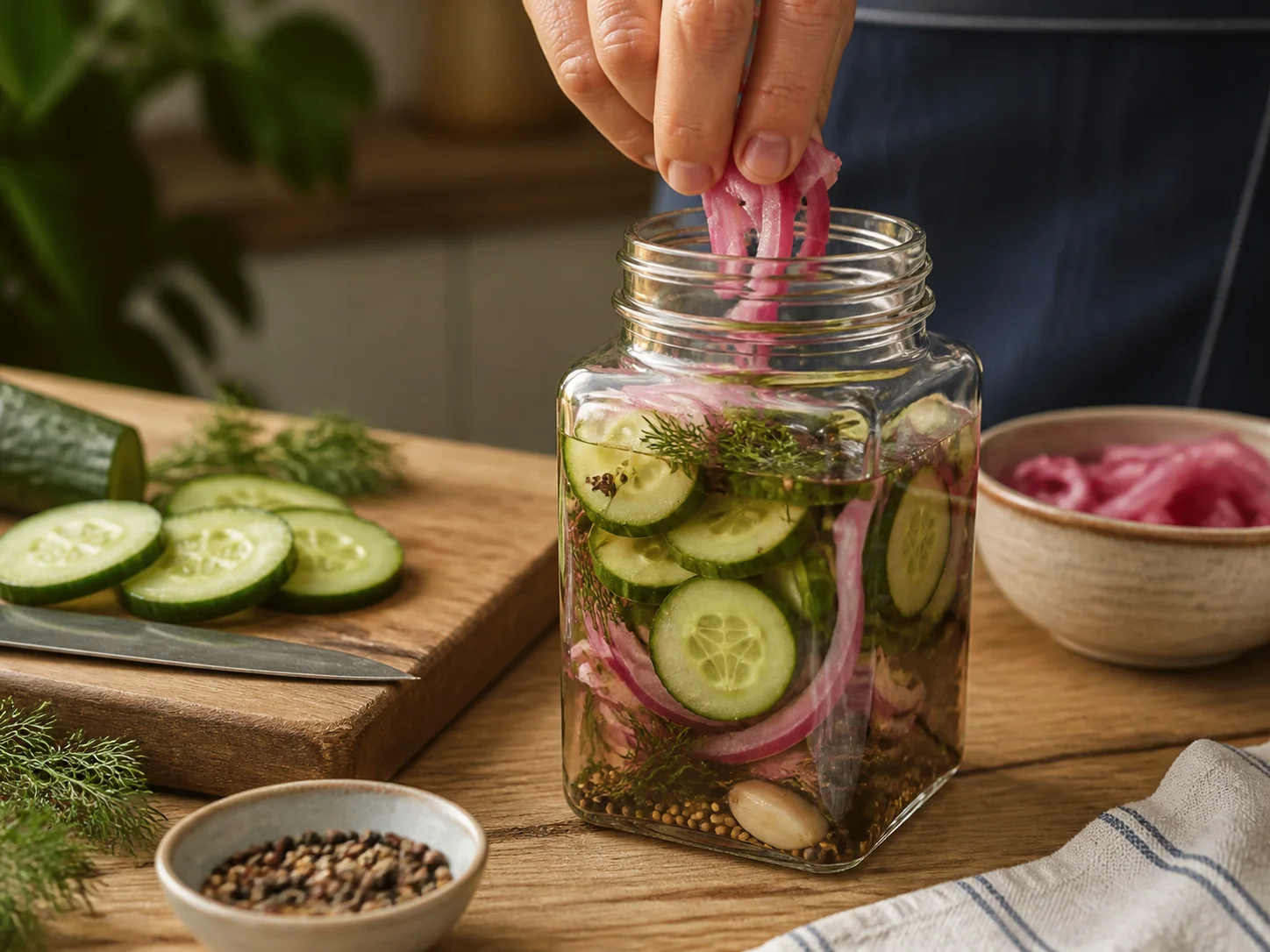
Square Mason Jar used for vegetables and pantry garnishes in a pickled foods setting

Pickled foods

Vegetables and pantry garnishes

The 16 oz volume and regular mouth suit sliced vegetables, onions and garnishes when product cut fits the opening. Build a consistent pack pattern against the flat front, verify brine level after cooling and use partitions that stop square corners from contacting in transit.

  • Set vegetable geometry
  • Inspect brine after cooling
  • Protect corners in cases

Molded graduations are useful visual references but are not a substitute for calibrated filling or legal net-content control. Release commercial packs by the specified weight or volume measurement system.

Square Mason Jar FAQ

Specification questions for the BGP-FS-7158 Square Mason.

Answers about capacity, regular-mouth closure options, molded markings, labels and case orientation.

What is its verified capacity?

Sixteen US fl oz nominal against 16.06 fl oz overflow — roughly 473 and 475 mL. Two milliliters is all the margin there is, so headspace on this jar is engineered rather than assumed.

Are the graduations accurate enough for filling?

They are visual reference marks molded into the jar, not a calibrated production measurement. Fillers should use volumetric or gravimetric control and finished-pack checks.

Should labels wrap around the corners?

Separate face labels are simpler and preserve the square character. A wrap can work only after its material, adhesive, die line and corner transitions have been tested on production glass under the intended wet or refrigerated conditions.

Can the molded graduations be used to control the fill?

No. They are consumer reference marks pressed into the glass, not a calibrated measurement, and mold tolerance alone rules them out for net-content control. Fill by volumetric or gravimetric control and verify on the finished pack; use the graduations for what they are good at, which is making the jar read as a preserving jar.

Next step

Send us the Square Mason Jar brief.

Tell us the product, fill volume, closure preference and destination market. We will come back with the matching drawings, available configurations and a sample plan before anything is quoted.

  • 01Send the briefProduct, volume, closure and market
  • 02Get the optionsMatching drawings and configurations
  • 03Approve the sampleConfirm the pack before production