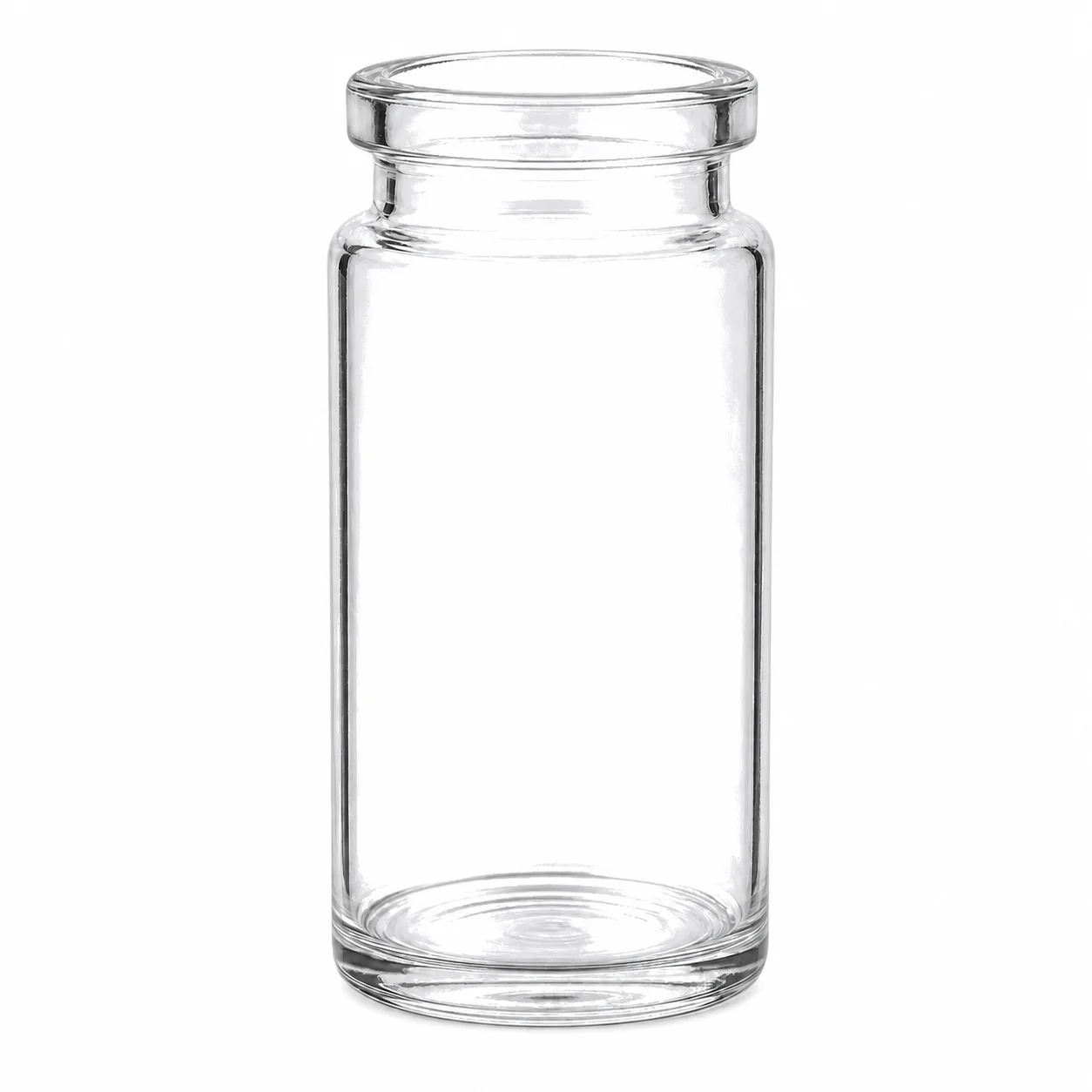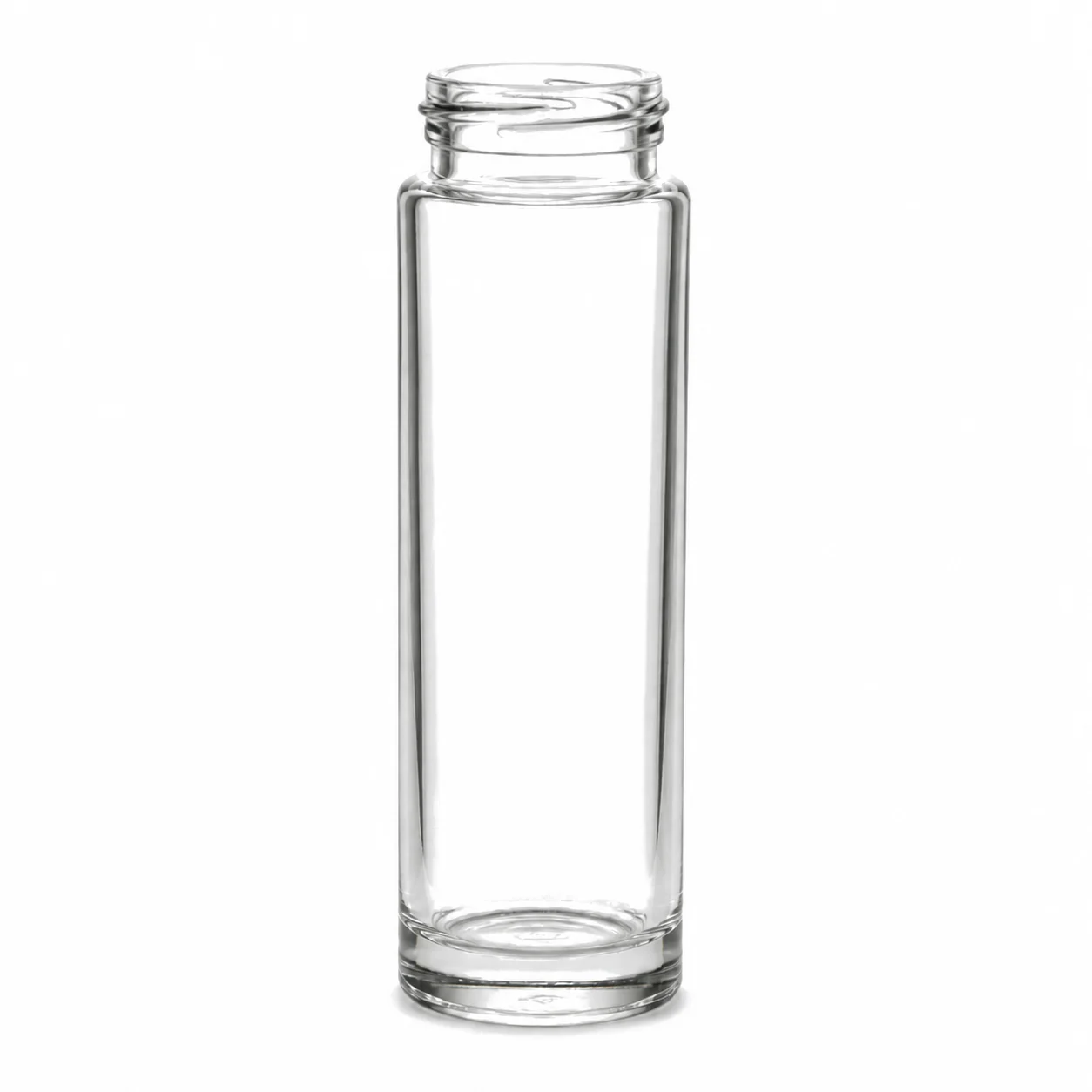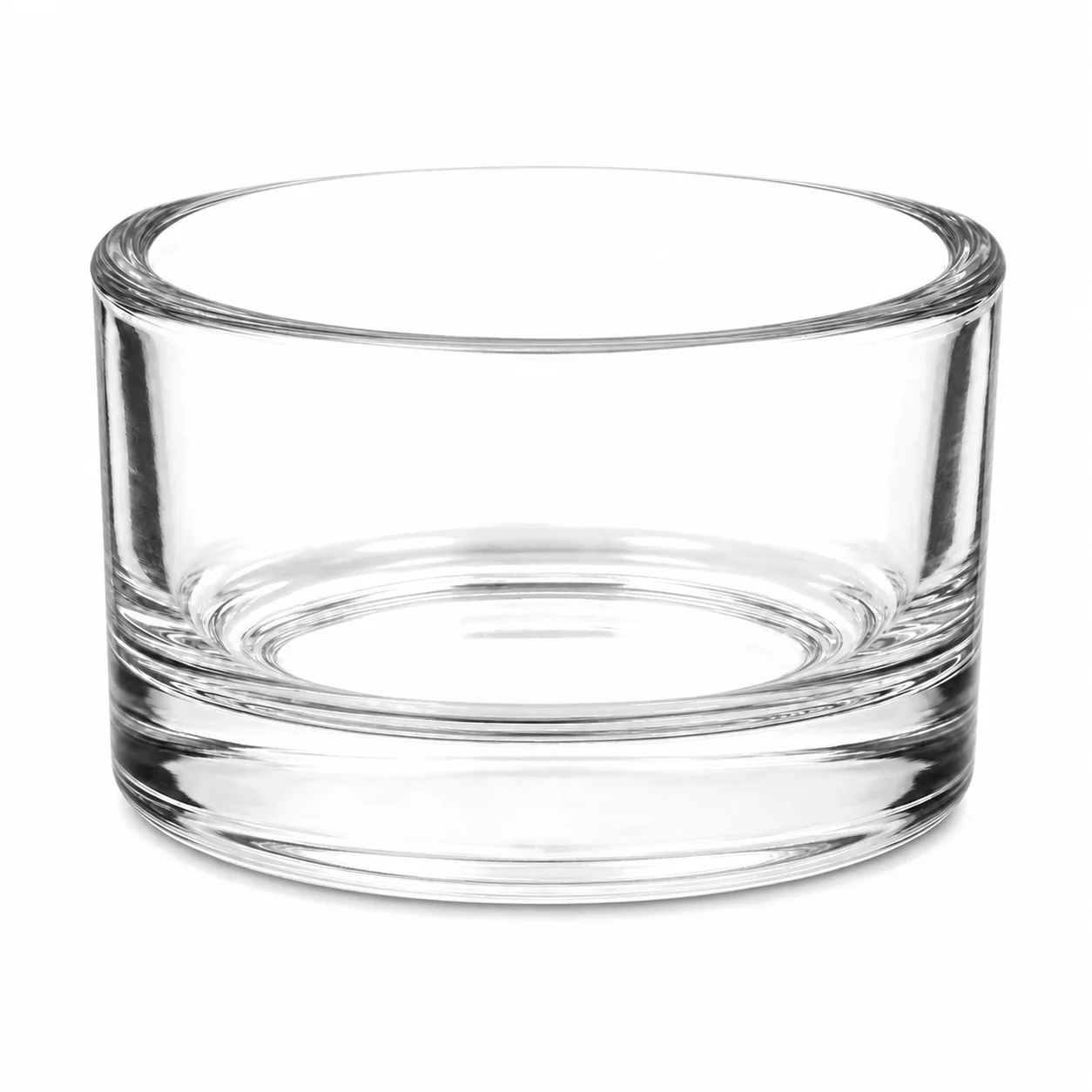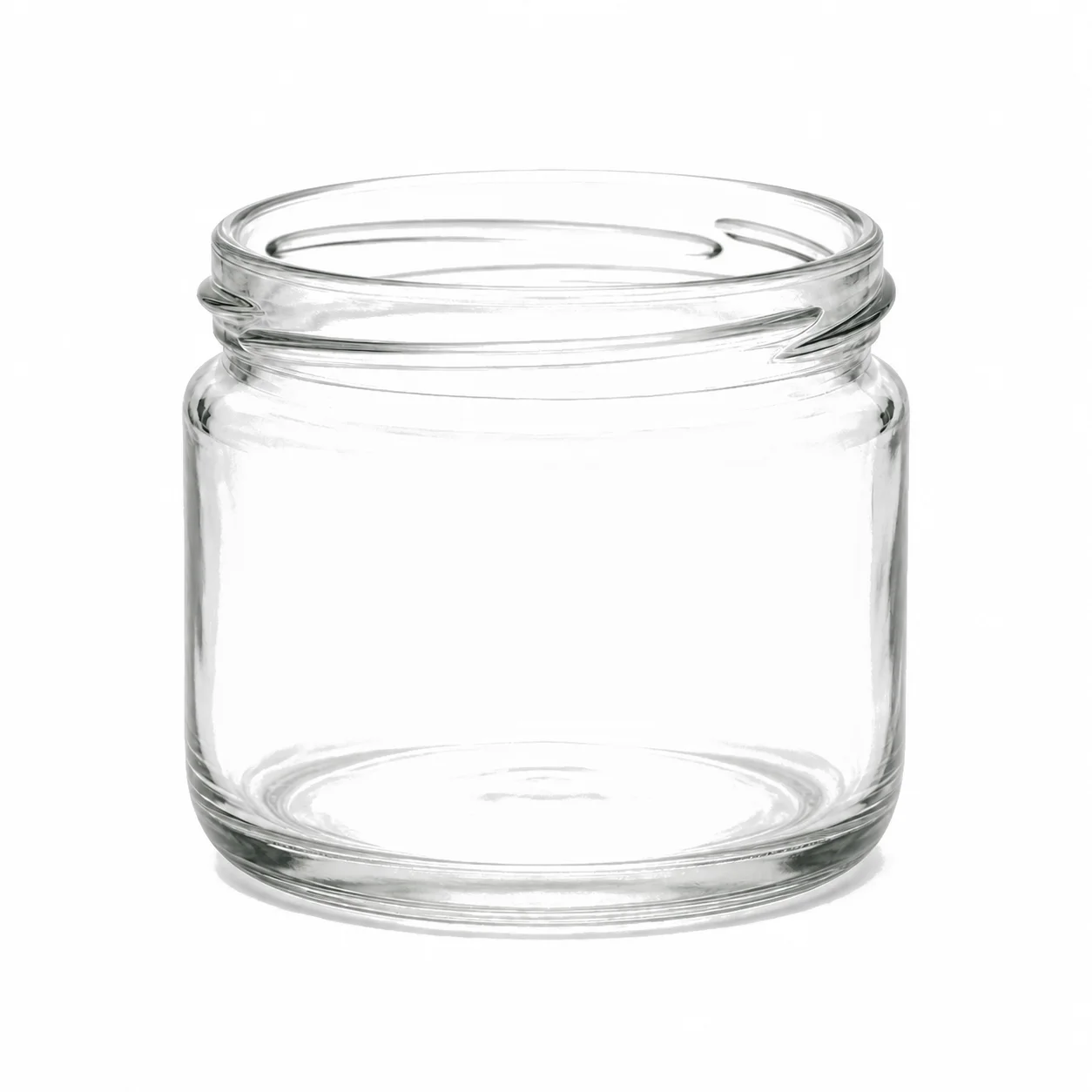
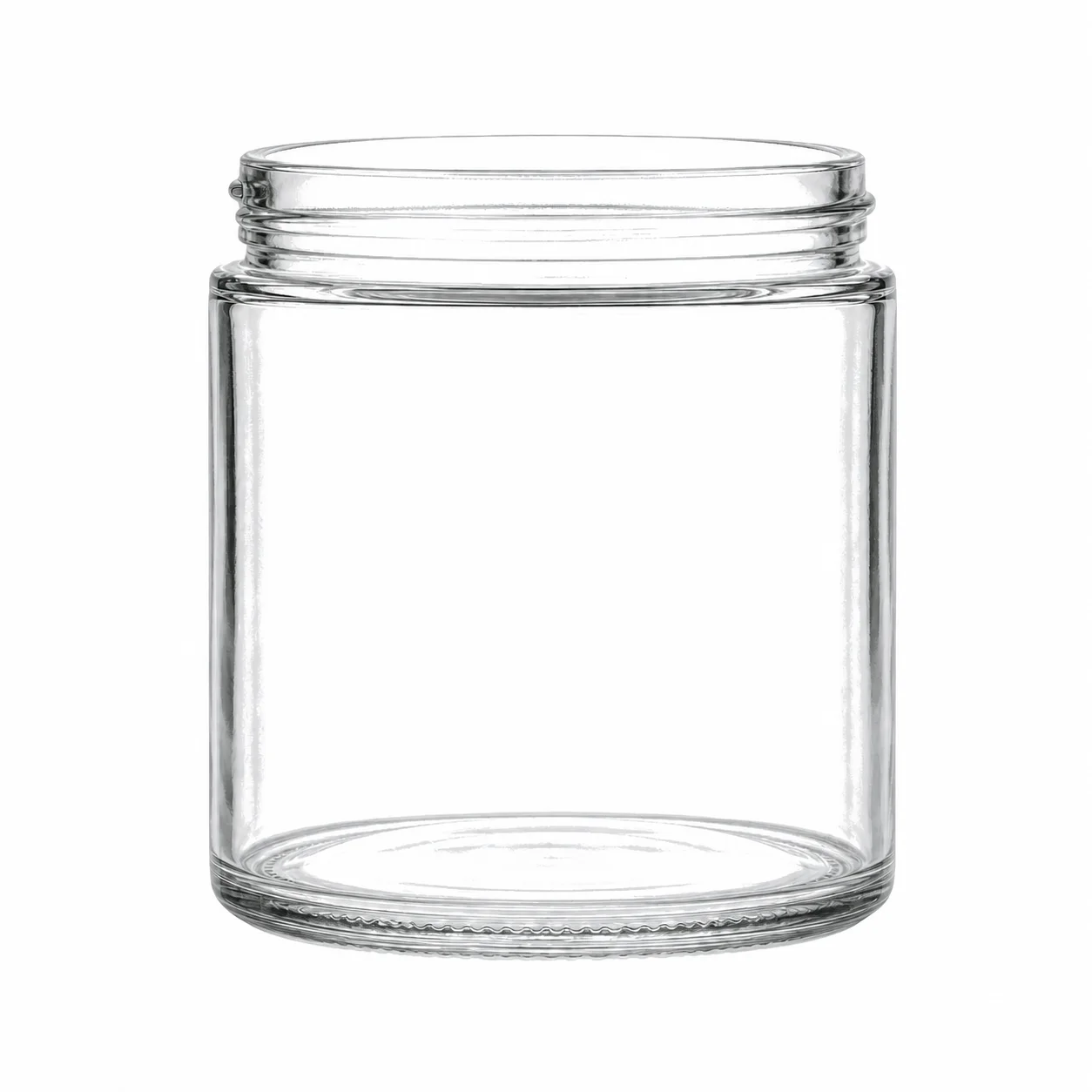
Clear straight-sided wide-mouth glass nut butter jar shown empty without a cap, liner, label or filled product
Shown configuration · bare clear 16 oz glass jar / 89-400 closure and liner not shown

Nut, seed & dessert-spread packaging

Nut Butter Jar

A 16 oz clear straight-sided glass jar with an 89-400 wide-mouth finish, built around viscous filling, stirring access and clean knife or spoon reach.

16 oz reference89-400 wide mouth66 mm label height
Stock status
In stock
Lead time
2–3 weeks
FOB price / pc
$0.40 - $0.75
MOQ
5,000 pcs

Final availability, dimensions, materials, assembled components and commercial terms are confirmed against the selected drawing and approved sample.

Stir-and-scoop access

A 3 in reference opening supports knives, spoons and natural-butter stirring

Straight retail panel

The cylindrical wall provides a 66 mm-high wrap-label zone

Substantial glass

A 282.7 g reference jar gives dense spreads a premium pantry presence

Nut Butter Jar profile

A wide straight-sided jar designed for a product that yields, spreads and sometimes separates.

Rheology, oil separation & wide-mouth access

Six product behaviors that should shape a nut butter pack.

BGP-FS-1447 uses a low 16 oz body and 89-400 continuous-thread finish to bring the product close to the opening. That geometry suits peanut butter, nut spreads and seed pastes whose apparent viscosity, oil phase and particle structure influence filling, surface appearance and the effort required to stir or scoop from the jar.

01

Container ounces and net-weight ounces are different

The reference jar is a 16-fluid-ounce container, while peanut butter is normally declared by mass. Recipe density, incorporated air and fill temperature determine how many grams sit below the chosen headspace, so the retail net weight must come from filled-product trials rather than the jar's fluid-ounce name.

02

Nut butter moves only after stress is applied

Research describes peanut butter as a yield-stress, shear-thinning suspension. It may hold its shape at rest yet move more readily through a pump or nozzle under shear. Filler pressure, nozzle diameter, product temperature and cutoff behavior therefore need to be set on the production formula, not on a water-volume test.

03

Natural oil separation changes the top surface

Unstabilized or lightly stabilized products can release oil during storage, forming a visible layer above the solids. The straight clear jar makes that layer easy to inspect, but it also means the brand must plan the fill level, label explanation and consumer mixing experience around the actual separation profile.

04

The 89-400 mouth provides room to stir

A 3 in reference opening admits a broad knife or spoon and gives the consumer room to fold separated oil back into the paste. The fill line must leave enough working space for that motion; a jar filled for maximum visual fullness can make the first stir messy and push oil onto the finish.

05

Oil at the rim becomes a closure issue

A viscous tail from the filling nozzle can land on the sealing surface or thread. Rim wiping, cap application and liner selection must be developed together because residual nut oil changes both the appearance of the opened pack and the contact condition beneath the closure.

06

Clear glass exposes every production mark

The 66 mm-high label panel supports a strong wrap design, while an unlabeled window can show roast color and texture. It will also reveal streaks, trapped air, oil rings and uneven fill heights, making container handling and filled-pack inspection part of the visual standard rather than only a quality-control step.
Application guide

Use the 16 oz format where stirring, spreading and visible texture are part of use.

The jar can serve stabilized and natural spreads, but each recipe creates a different surface, filling response and closure-contact condition.

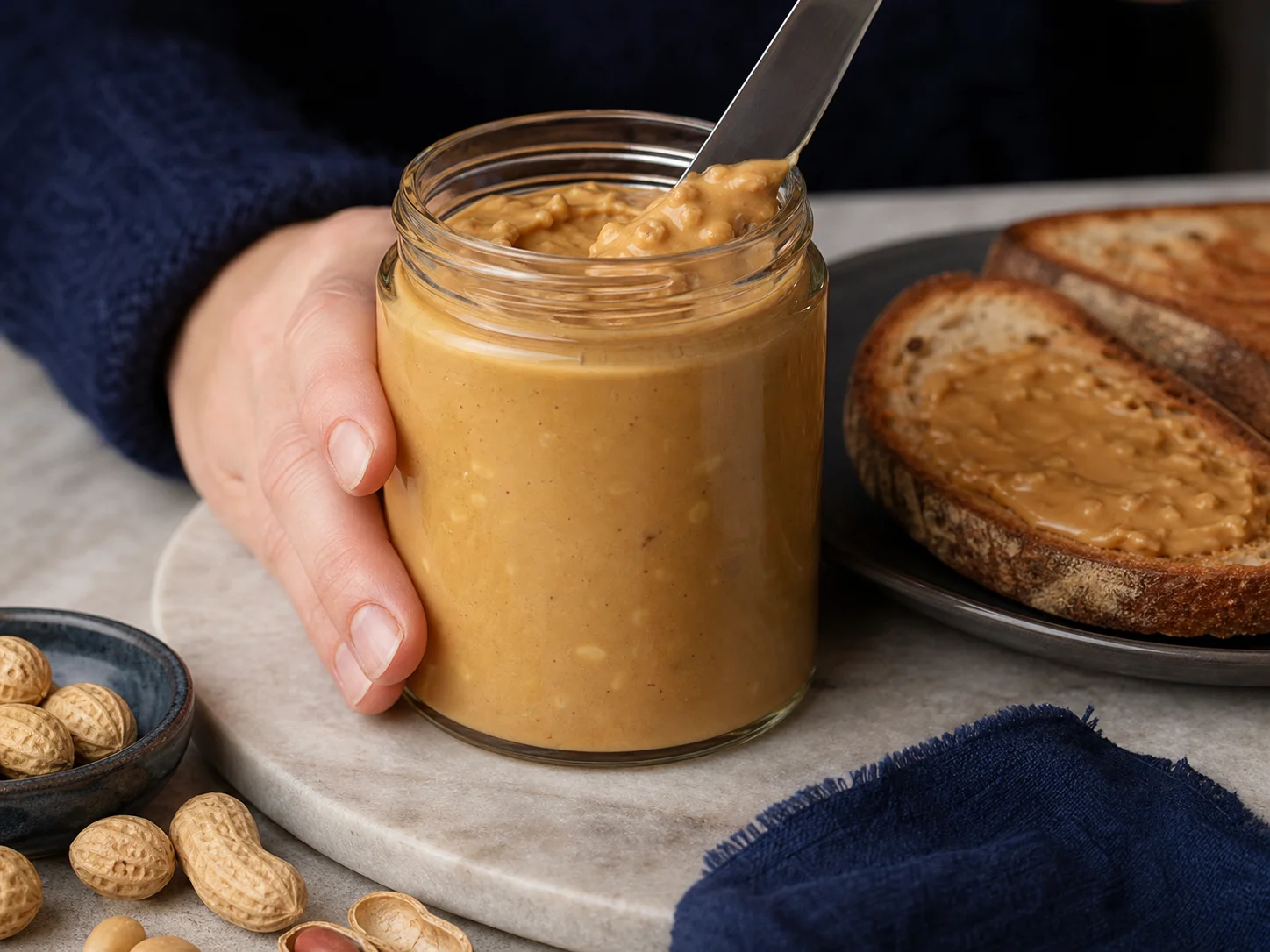
Nut Butter Jar used for smooth & crunchy peanut butter in a stabilized spreads setting

Stabilized spreads

Smooth & crunchy peanut butter

For familiar retail products expected to remain spreadable and visually uniform through storage. Smooth and crunchy versions should be trialled separately because particle size changes nozzle clearance, surface finish and the effort required to draw a knife cleanly across the jar mouth.

  • Run smooth and crunchy fills separately
  • Check nozzle cutoff at production temperature
  • Inspect the rim before capping
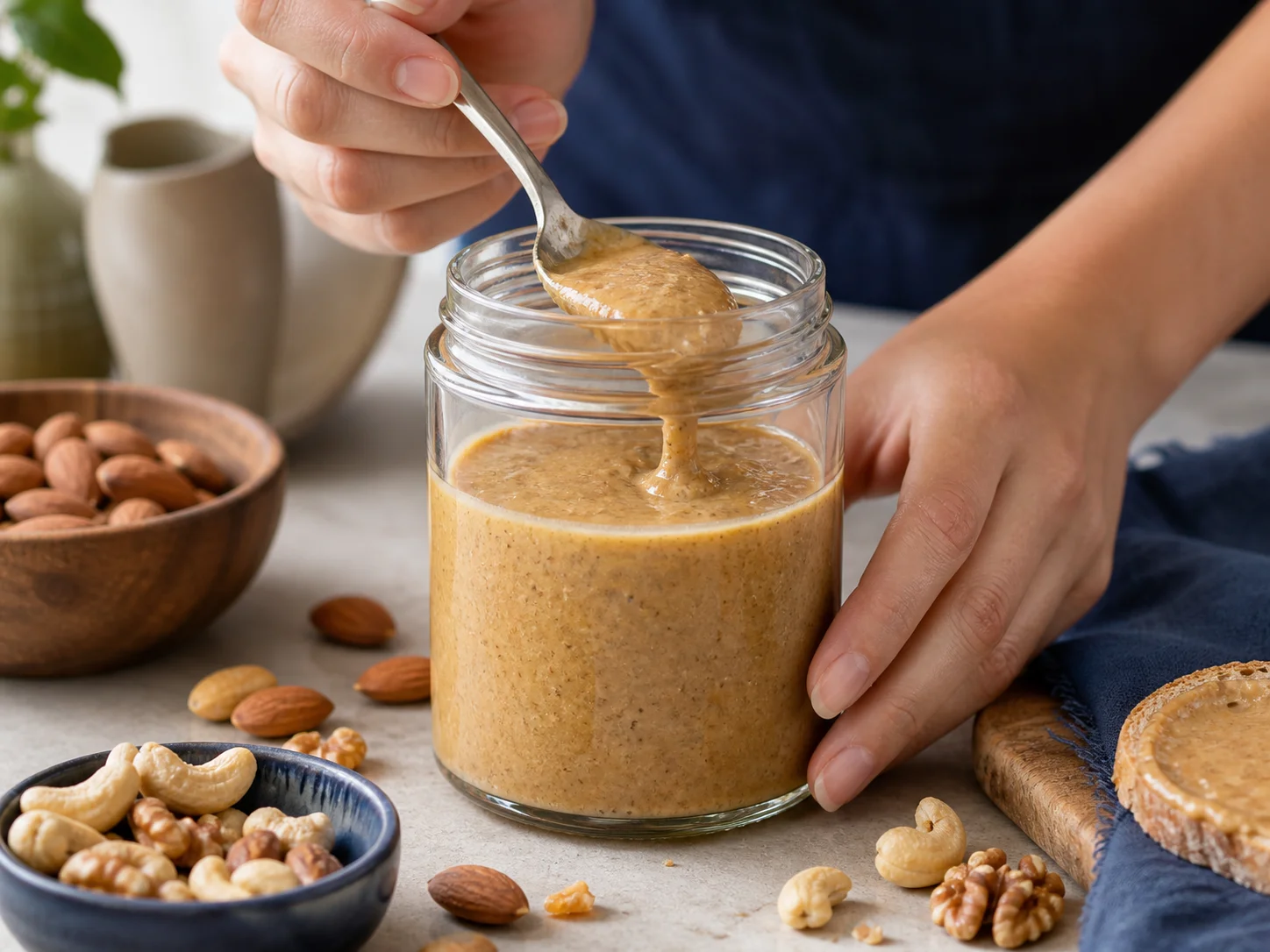
Nut Butter Jar used for almond, cashew & mixed-nut spreads in a natural nut butter setting

Natural nut butter

Almond, cashew & mixed-nut spreads

For short-ingredient-list recipes where oil may rise above the solids. The 89-400 opening provides useful stirring room, while the transparent wall shows the real separation profile. Establish headspace with the first consumer stir in mind, not only the appearance of an unopened jar.

  • Measure storage oil separation
  • Leave practical stirring headspace
  • Explain mixing where appropriate
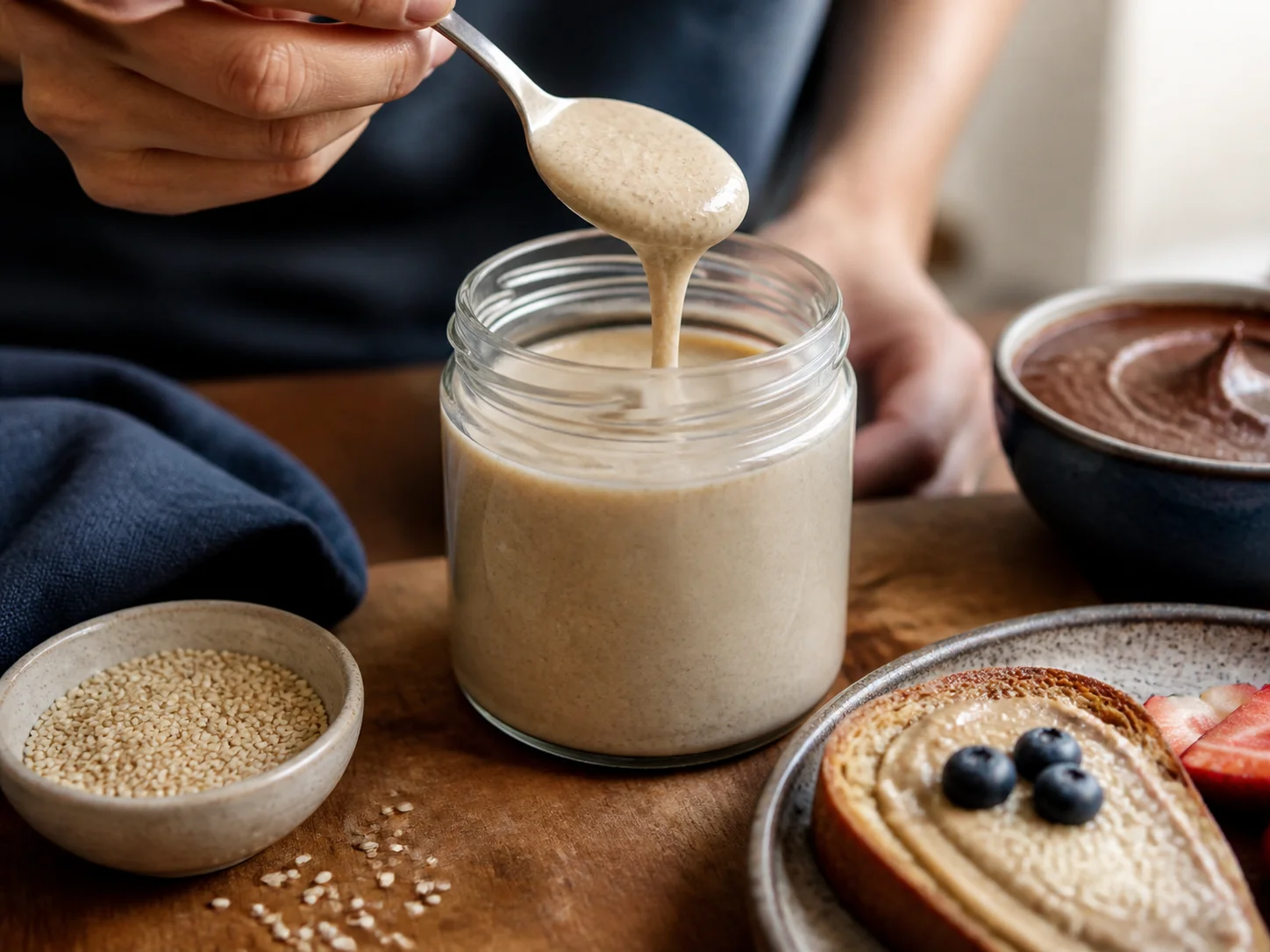
Nut Butter Jar used for tahini, sesame paste & cocoa-hazelnut formats in a seed & dessert spreads setting

Seed & dessert spreads

Tahini, sesame paste & cocoa-hazelnut formats

For products that range from pourable seed suspensions to dense sweet spreads. Their flow behavior, oil composition and particle structure differ markedly, so use the same jar architecture only after each formula has its own filling, liner-contact and spoon-access trial.

  • Characterize each formula independently
  • Match liner to the oil phase
  • Confirm spoon or knife reach

Record filled weight, headspace, rim cleanliness, oil separation and consumer access for each recipe; those observations define whether one jar specification can support the full range.

Nut Butter Jar FAQ

Practical questions about the 16 oz, 89-400 spread jar.

Answers for peanut, tree-nut and seed-spread teams evaluating BGP-FS-1447 against real filling and consumer-use conditions.

Why does clear glass raise the standard on this product?

Because it shows everything, not just the roast color. The straight wall makes an oil layer, streaks, trapped air and residue at the rim equally visible, so the filling and rim-wipe routine becomes part of the shelf appearance rather than an internal concern.

Why is an 89-400 mouth useful for natural nut butter?

The broad opening gives a spoon or knife room to reach the full body and lets the consumer stir separated oil back into the solids. That benefit depends on leaving enough headspace for mixing without overflow.

Can the same cap and liner be used for peanut butter and tahini?

Not by assumption. Oil composition, contact at the rim, filling conditions and desired opening experience can differ. Review the closure materials and completed pack separately with each formula.

The fill leaves a tail on the rim — why does that matter here?

Because the sealing surface and the thread are right underneath it. A viscous tail from the nozzle lands on the land where the liner has to seat, and no cap recovers from that. Rim wiping, cap application and liner selection are developed together on this format rather than specified one after another.

Next step

Send us the Nut Butter Jar brief.

Tell us the product, fill volume, closure preference and destination market. We will come back with the matching drawings, available configurations and a sample plan before anything is quoted.

  • 01Send the briefProduct, volume, closure and market
  • 02Get the optionsMatching drawings and configurations
  • 03Approve the sampleConfirm the pack before production