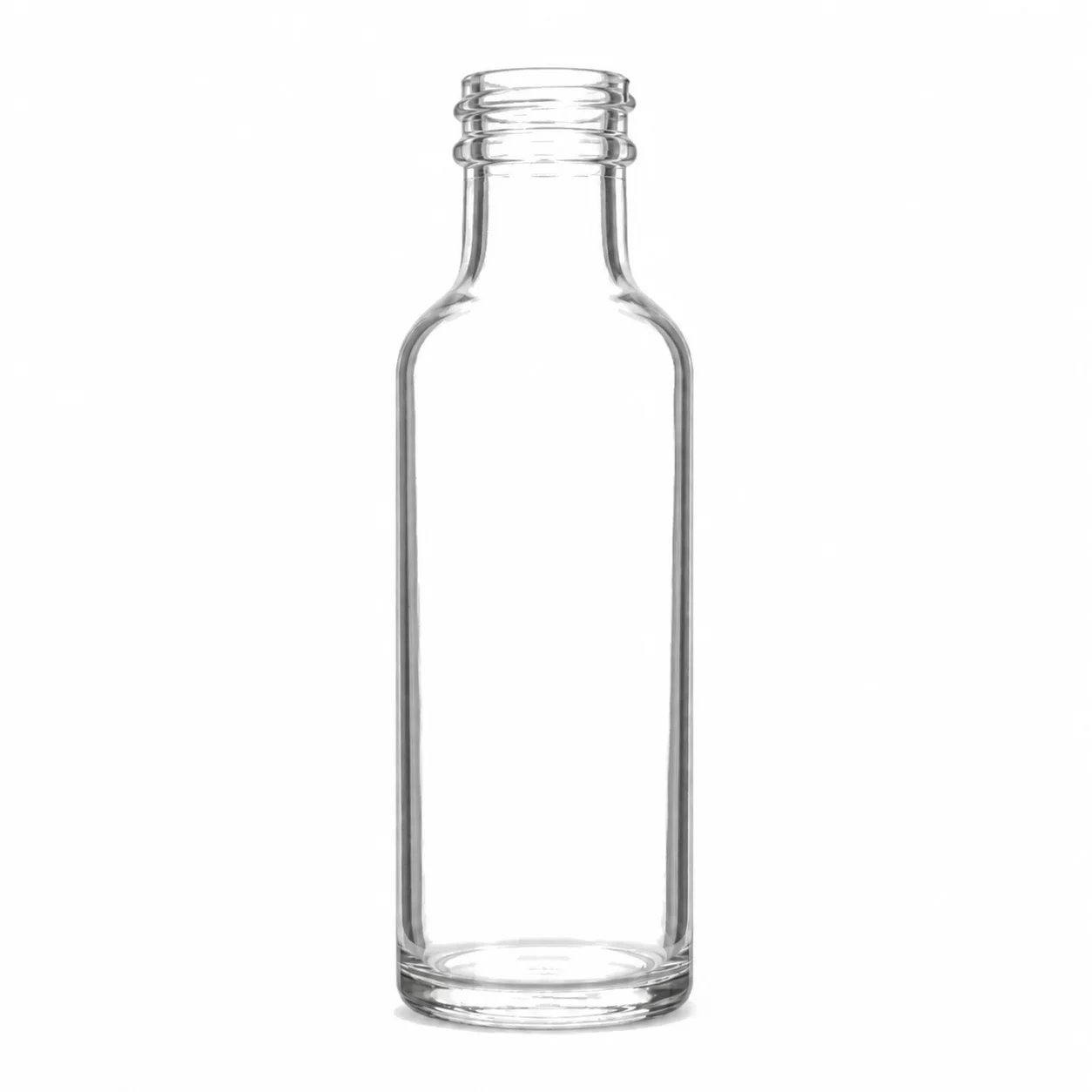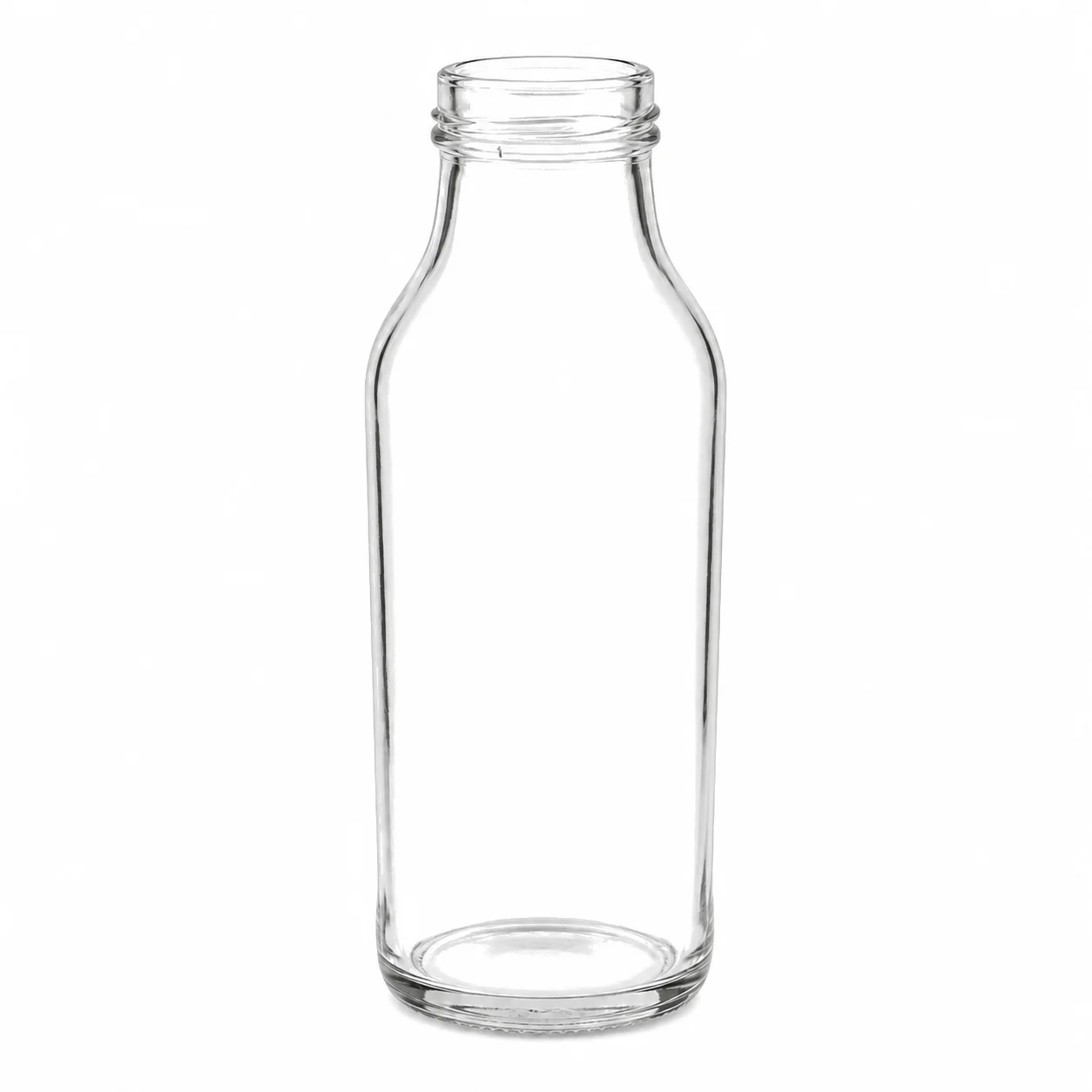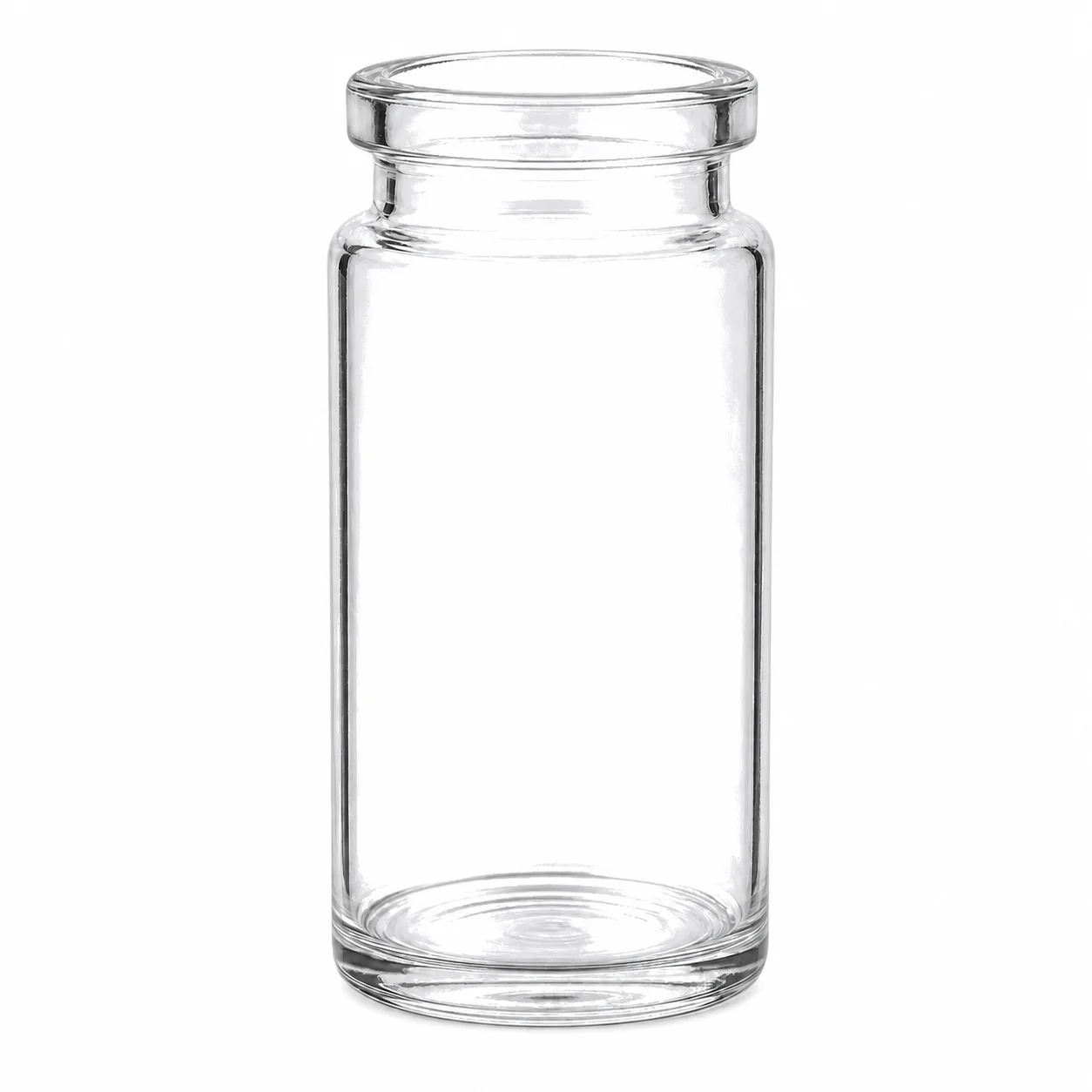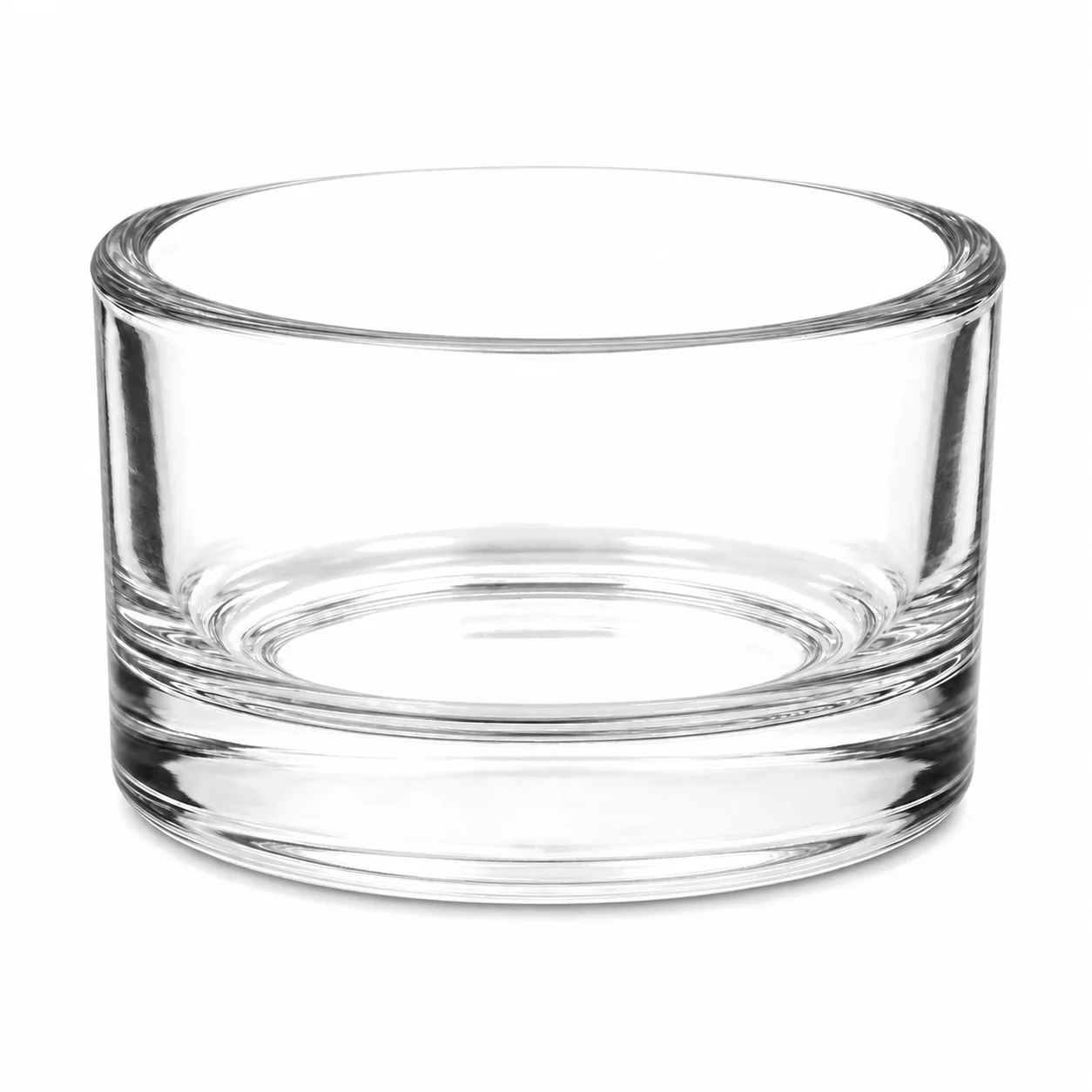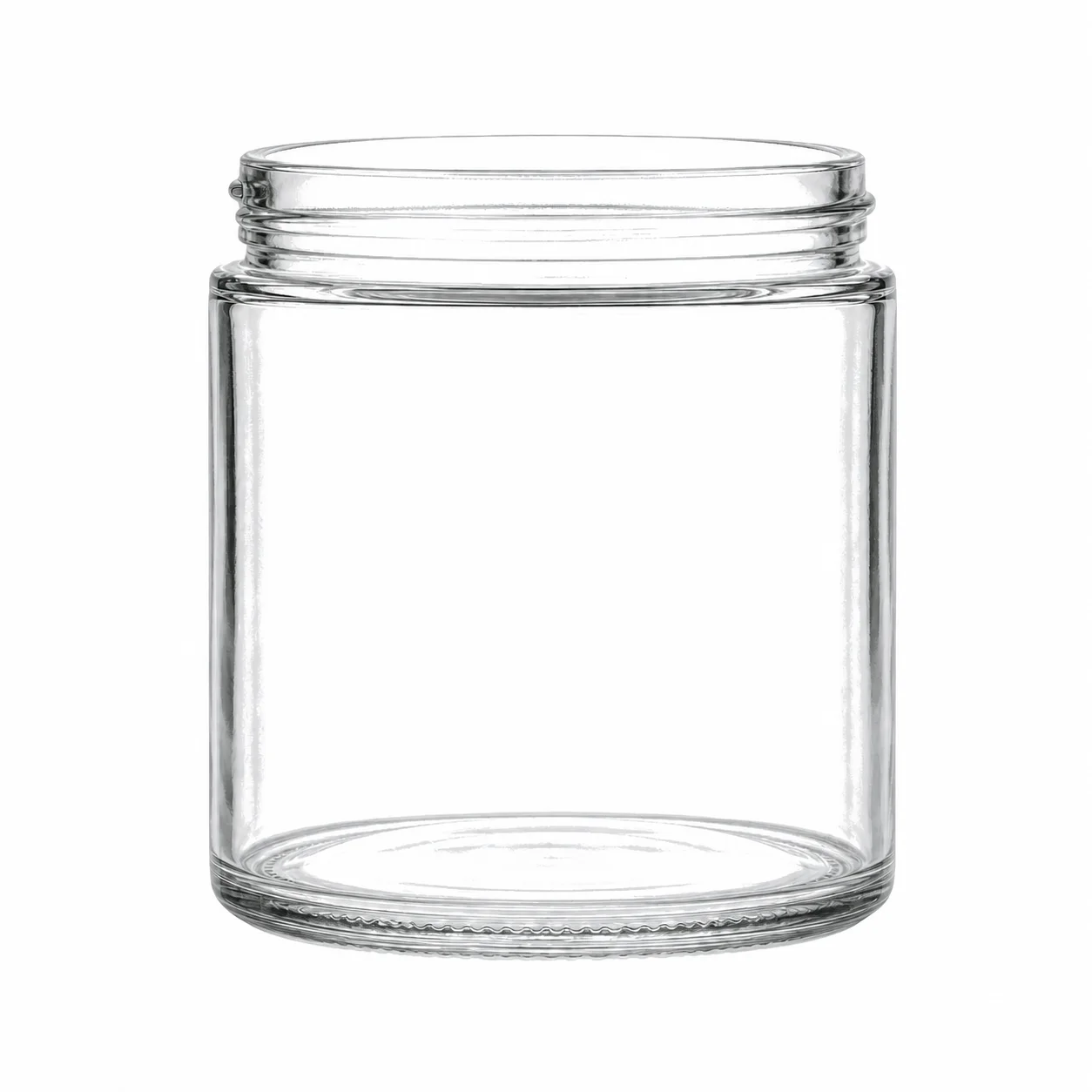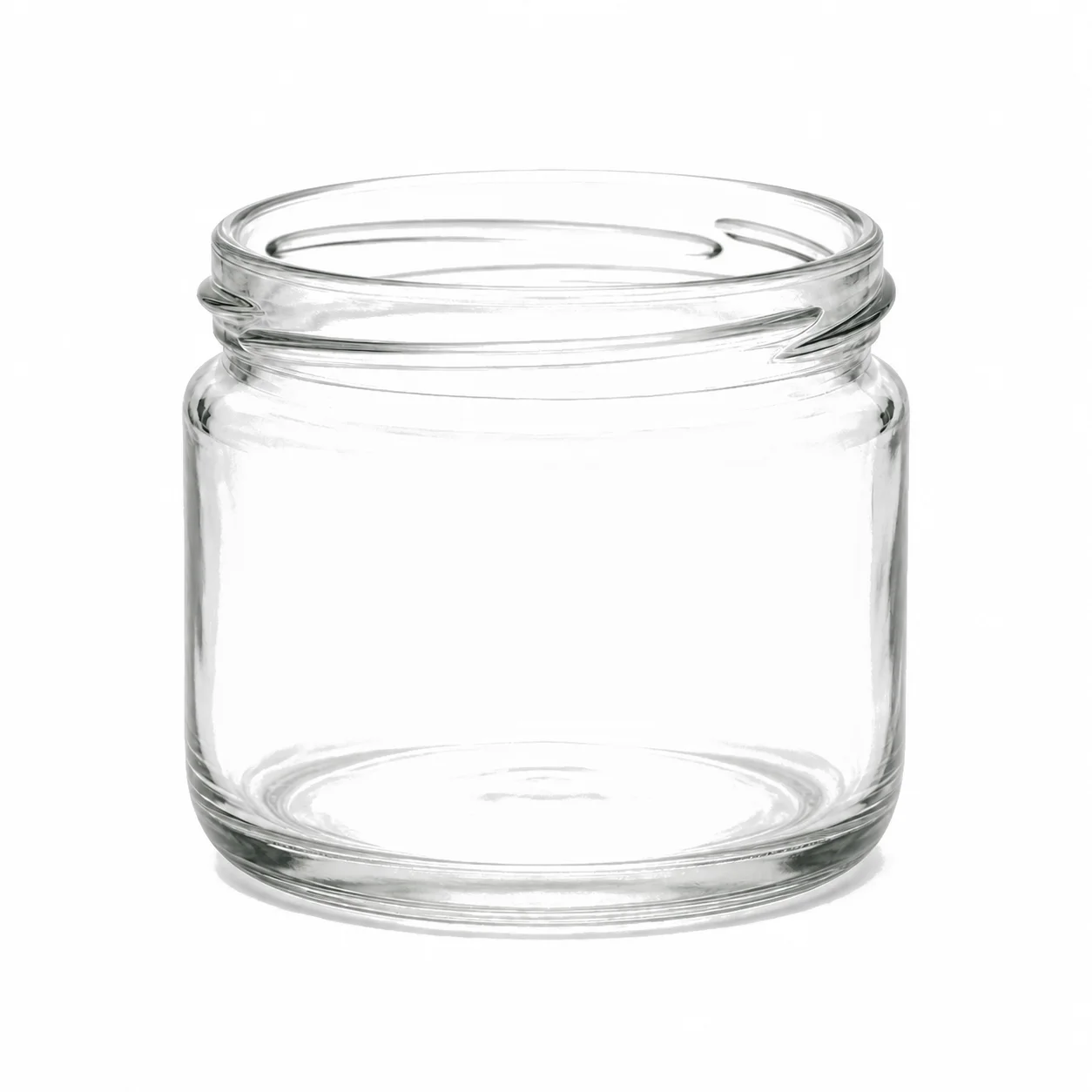
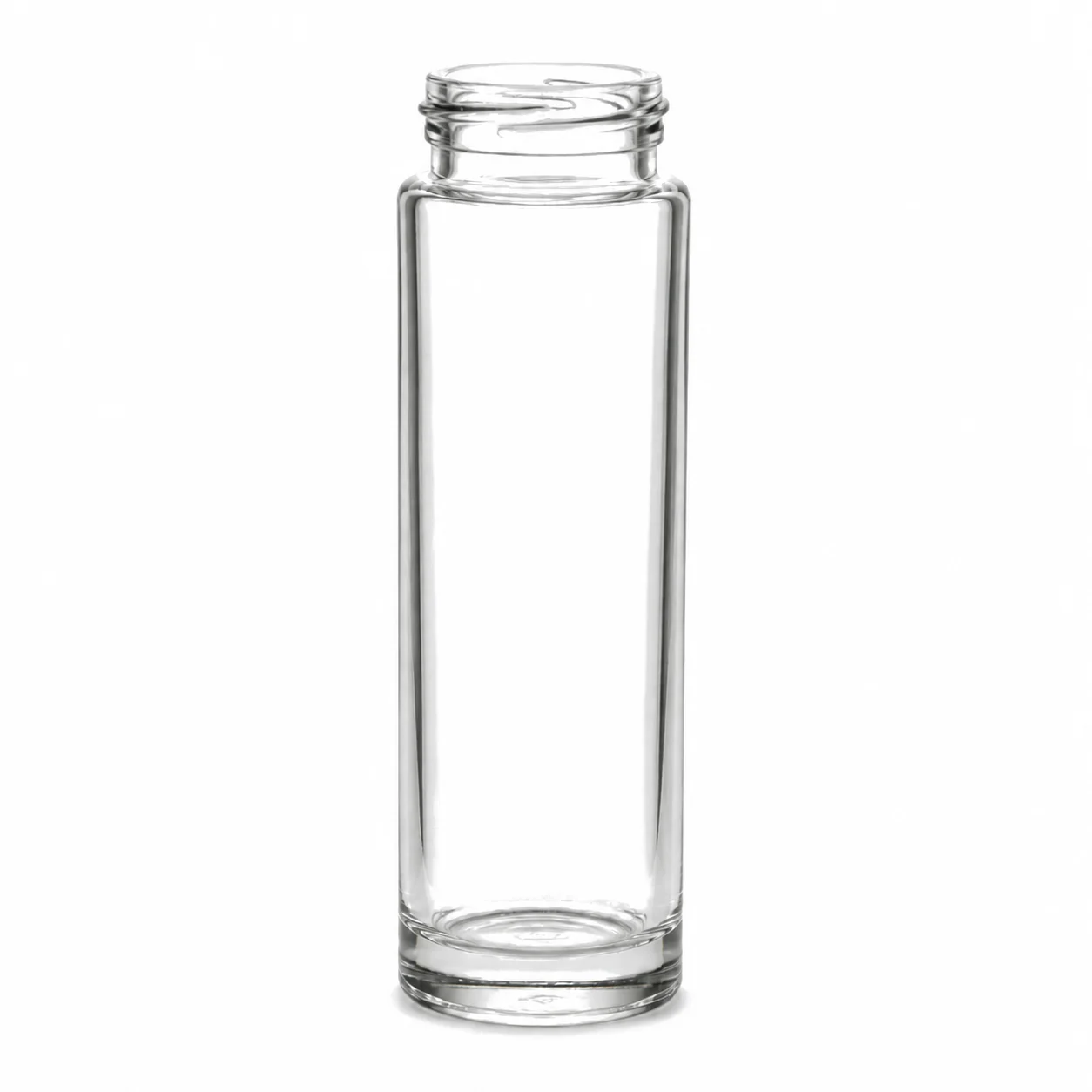
Clear glass pepper grinder bottle shown empty and without its selected grinder mechanism or top assembly
Shown configuration · bare clear glass bottle / grinder head and protective cap not shown

Whole-pepper & table-grinder packaging

Pepper Grinder Bottle

A slender 100 mL round glass bottle developed for a separately matched grinder head, giving whole peppercorns a clear product window and a compact table-service footprint.

100 mL reference43 mm round body40 mm listed top diameter
Stock status
In stock
Lead time
2–3 weeks
FOB price / pc
$0.30 - $0.55
MOQ
2,000 pcs

Final availability, dimensions, materials, assembled components and commercial terms are confirmed against the selected drawing and approved sample.

Whole-pepper display

The narrow clear body keeps peppercorn color and fill level visible

Table-scale profile

A 43 mm reference diameter is easy to grip without occupying much service space

Mechanism-ready brief

Bottle finish, grinder head and peppercorn feed are resolved as one assembly

Pepper Grinder Bottle profile

A compact glass reservoir whose real performance is created at the neck.

Pepper feed, grinder mechanics & pack engineering

Six details that turn an empty glass bottle into a useful pepper mill.

BGP-FS-7390 uses a tall 100 mL glass body to present whole peppercorns below a grinder assembly with a 40 mm listed top diameter. The glass establishes capacity, grip and label space; the separately specified head establishes feed, cutting action, grind range, turning torque and protection between uses.

01

Bottle volume is not the retail pepper weight

The 100 mL reference capacity defines the internal volume, not a universal gram fill. Peppercorn size, variety, broken-particle content and settling change bulk density, so net weight and the visual fill line should be set with production pepper rather than converted from milliliters.

02

The head connection carries operating torque

Every turn of the head transfers load through the grinder-to-bottle connection. Thread or snap geometry, engagement depth, glass finish tolerances and head retention therefore matter beyond simple dimensional fit: the assembled head must stay seated through repeated coarse and fine grinding cycles.

03

Pepper mechanisms must feed before they mill

A useful pepper core first guides whole peppercorns into the cutting zone and then reduces them between working surfaces. Tooth geometry and core material influence bite and output; a mechanism designed for salt or a shaker insert is not an automatic substitute for a pepper-specific head.

04

An adjustment mark needs a measured result

Moving the burr gap can change particle distribution, but a fine-to-coarse claim should be supported by output collected at defined settings. Record ground mass, particle-size spread, turning torque and unground fragments across several filled bottles, not only the appearance of one serving.

05

Fill level affects movement above the core

Peppercorns need enough freedom to rearrange and enter the mechanism as the bottle changes angle. An overfilled neck can restrict that movement, while excessive empty space weakens shelf presentation. A line trial should settle the fill mass, headspace and feeding behavior together.

06

The grinder head defines the shipping cube

The comparable grinder format is listed at 140 mm overall, but production case dimensions still need the approved head and protective cap in place. Case height, divider clearance, top-load protection and retail shelf measurements should be taken from the assembled unit rather than estimated from the bare-glass image.
Application guide

Choose the head from what will enter the burrs—not from the bottle silhouette.

The same clear 100 mL body can present several whole-spice products, but feed geometry, burr material and adjustment range have to be established separately for each formulation.

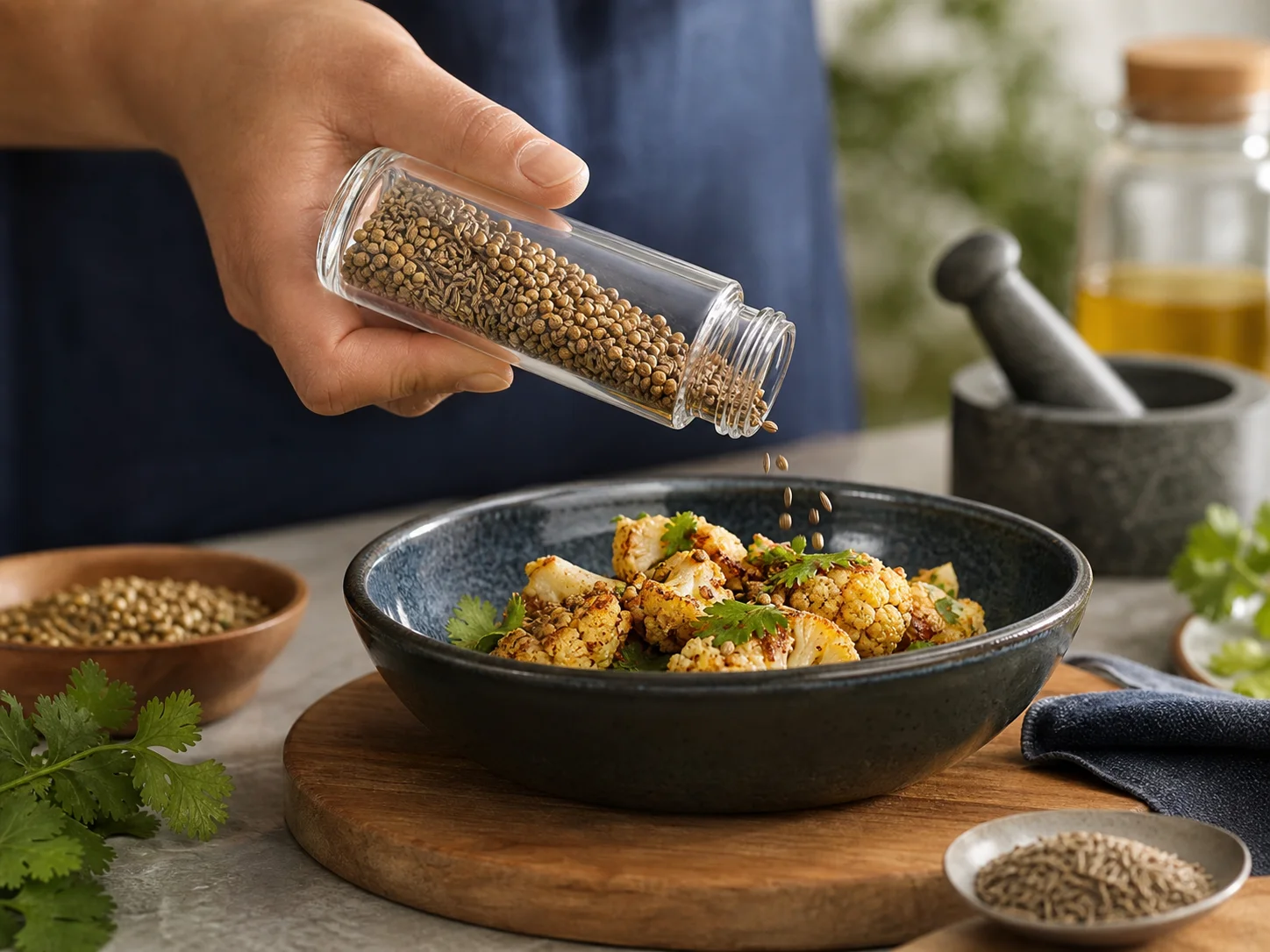
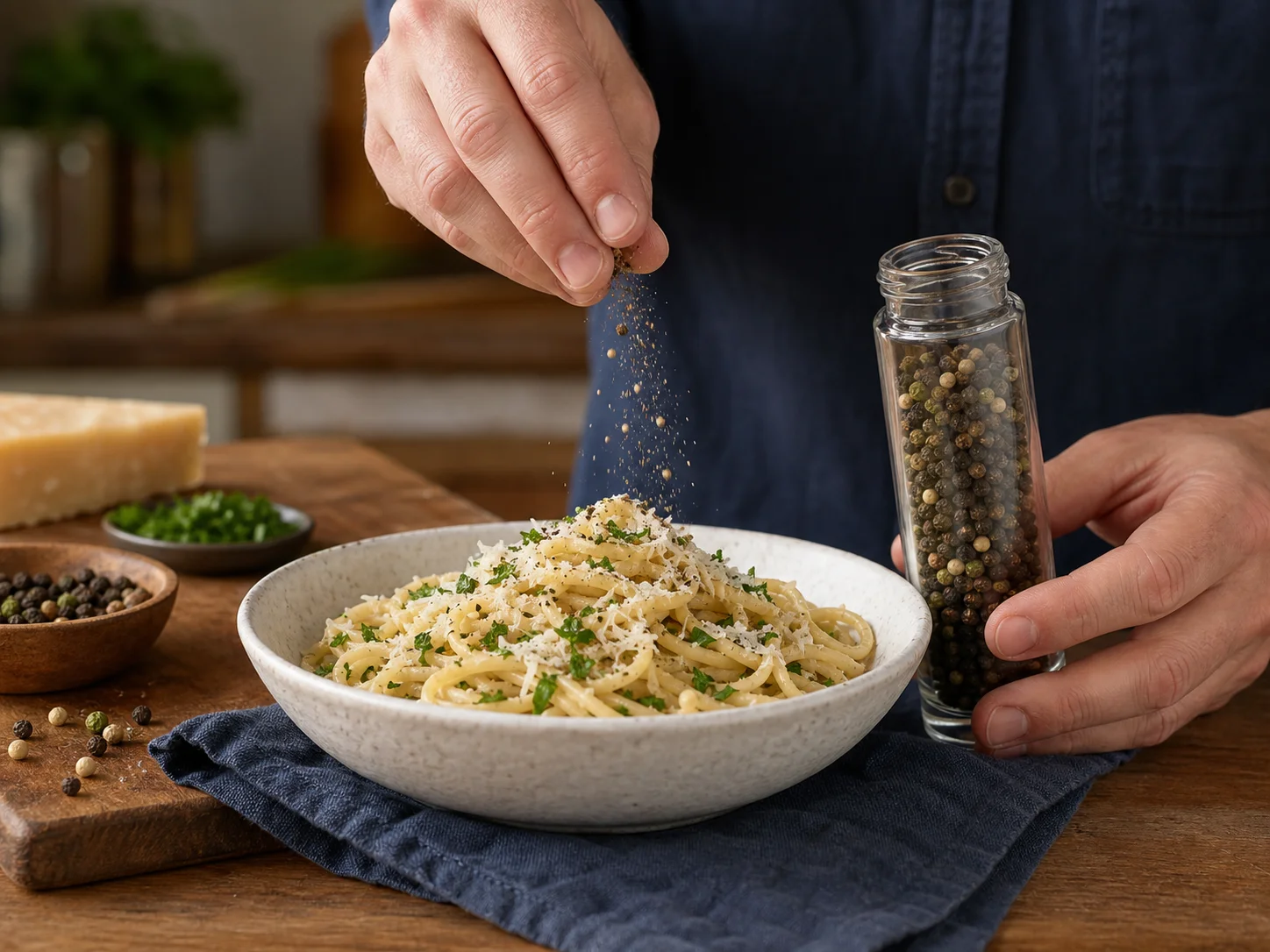
Pepper Grinder Bottle used for black, white & green peppercorn programs in a classic pepper setting

Classic pepper

Black, white & green peppercorn programs

For single-origin or color-led pepper lines where the clear wall displays the whole product and the grinder creates the serving moment. Screen the production lot for the largest peppercorns and fragments, then test feed continuity and grind output at each intended adjustment position.

  • Measure the peppercorn distribution
  • Record output at defined settings
  • Inspect head retention after cycling
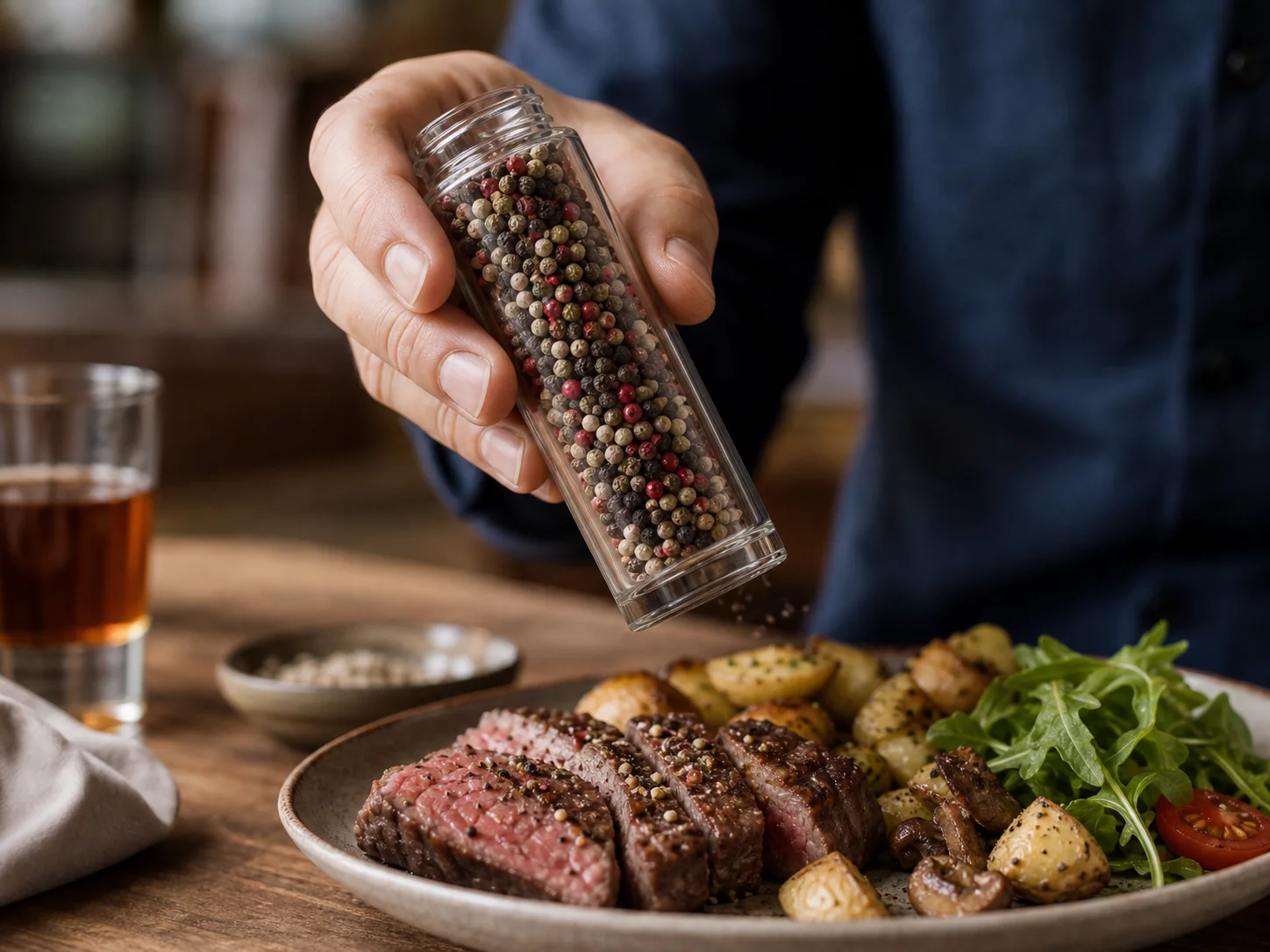
Pepper Grinder Bottle used for mixed peppercorns with visible color contrast in a pepper blends setting

Pepper blends

Mixed peppercorns with visible color contrast

For the mixed-peppercorn mill a diner twists over their plate, where pink, white, black and green berries look striking through the glass but differ in diameter, hardness and how they fracture. The mechanism has to take the whole blend without feeding one color first and leaving the customer a bottle of unground pink at the end.

  • Test the complete blend
  • Compare early and late servings
  • Check fine and coarse settings
Pepper Grinder Bottle used for coriander, cumin & grinder-ready seasoning in a selected whole spices setting

Selected whole spices

Coriander, cumin & grinder-ready seasoning

A pepper-style pack can extend to selected dry seeds or whole-spice mixtures only when the chosen core can draw them into its working surfaces. Long, flat or oily ingredients may feed differently from peppercorns, so confirm the intended product rather than marketing the head as universally compatible.

  • Trial the exact whole spice
  • Observe bridging above the core
  • Match the label claim to tested output

For every variant, compare feed continuity, grind distribution, turning torque and residue using filled units from the intended production batch.

Pepper Grinder Bottle FAQ

Practical questions about the 100 mL bottle and its grinder head.

Answers for teams specifying BGP-FS-7390 as a filled, assembled pepper mill rather than purchasing the glass body in isolation.

What carries the load when the head is turned?

The connection between head and glass. Every turn transfers torque through that joint, so thread or snap geometry, engagement depth, glass finish tolerance and head retention are what decide whether the grinder loosens in use. Qualify them as an assembly rather than separately.

Is the grinder head included with the glass bottle?

The product image shows the empty glass body only. Specify the matching grinder core, turning or adjustment element and any protective cap as separate components in the quotation and approval sample.

Should a pepper grinder use steel or ceramic burrs?

Both materials are used commercially, but the choice belongs to the mechanism specification. Pepper-focused steel systems can provide an effective cutting action, while ceramic mechanisms offer corrosion resistance and broader spice possibilities. Compare actual output, torque, wear and product-contact documentation before choosing.

How should fine and coarse settings be approved?

Collect ground output at each marked setting under a defined number of turns. Compare mass, particle-size distribution, unground fragments, turning torque and repeatability across multiple bottles, then name only the settings supported by those results.

Why does the mechanism stop feeding when the bottle is nearly full?

Peppercorns need room to rearrange. They have to move and re-enter the mechanism as the bottle changes angle, and an overfilled neck restricts exactly that movement — while too much empty space brings its own handling problems. Set the fill level on the assembled grinder, turning it in the positions a cook actually uses.

Next step

Send us the Pepper Grinder Bottle brief.

Tell us the product, fill volume, closure preference and destination market. We will come back with the matching drawings, available configurations and a sample plan before anything is quoted.

  • 01Send the briefProduct, volume, closure and market
  • 02Get the optionsMatching drawings and configurations
  • 03Approve the sampleConfirm the pack before production