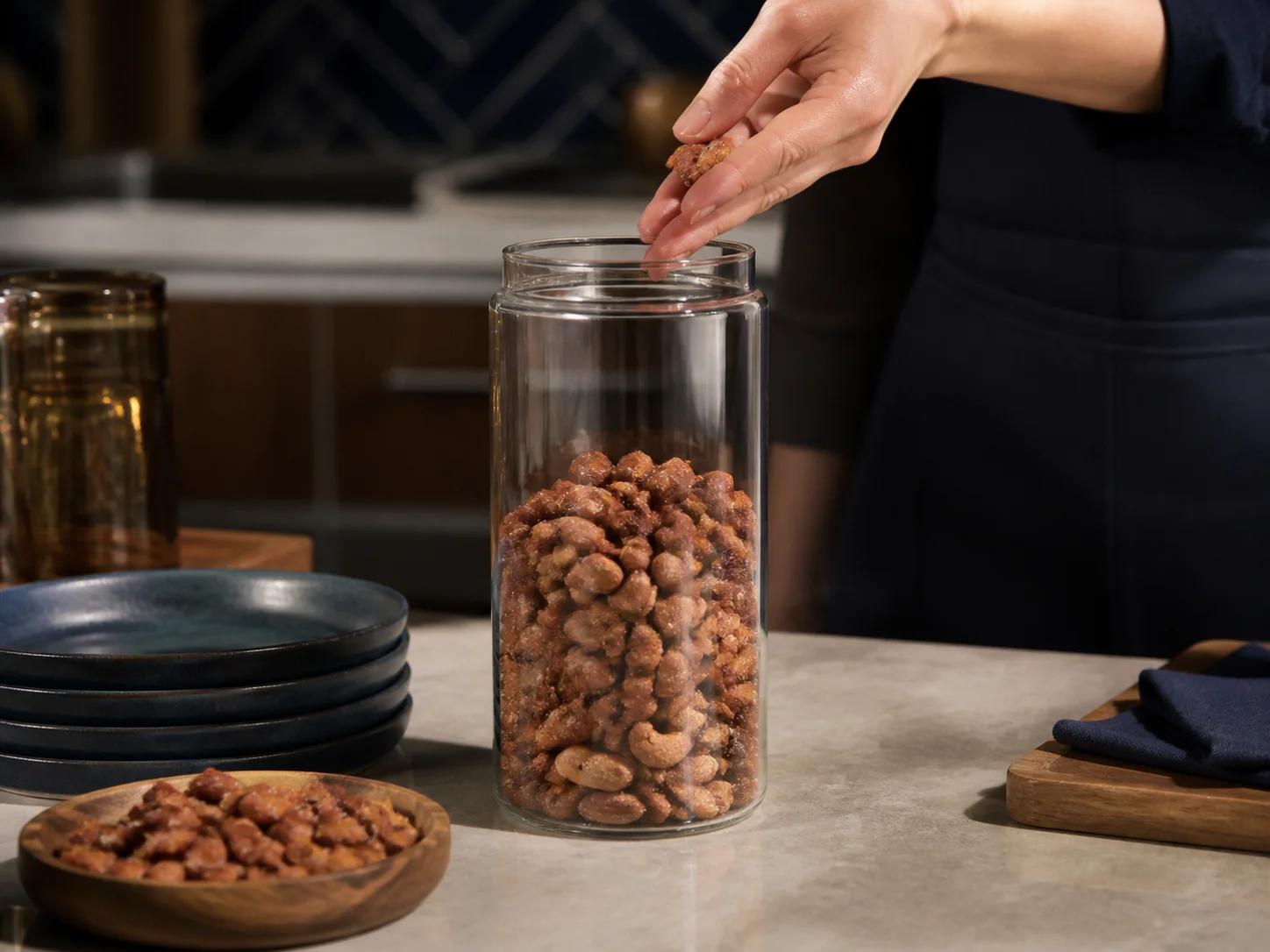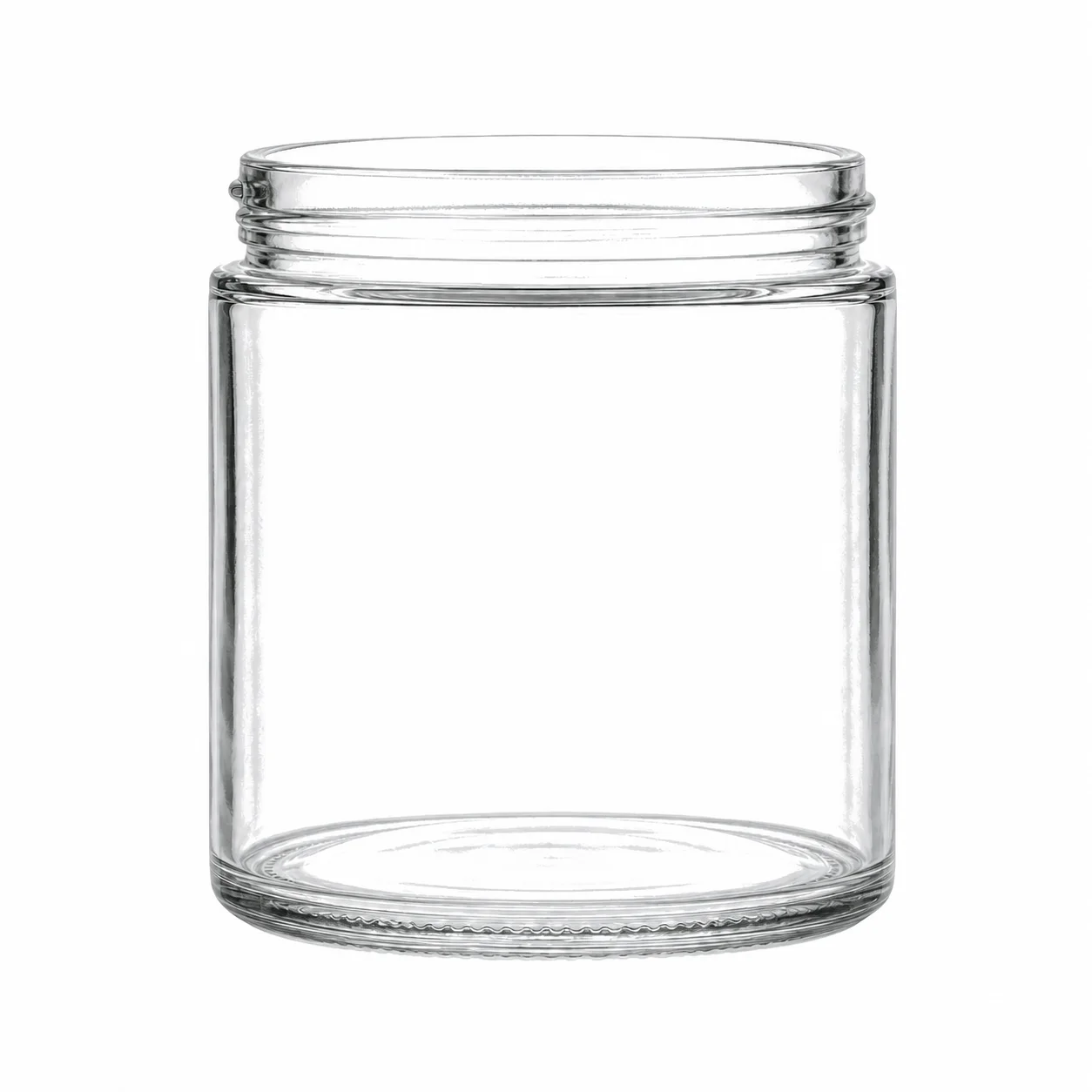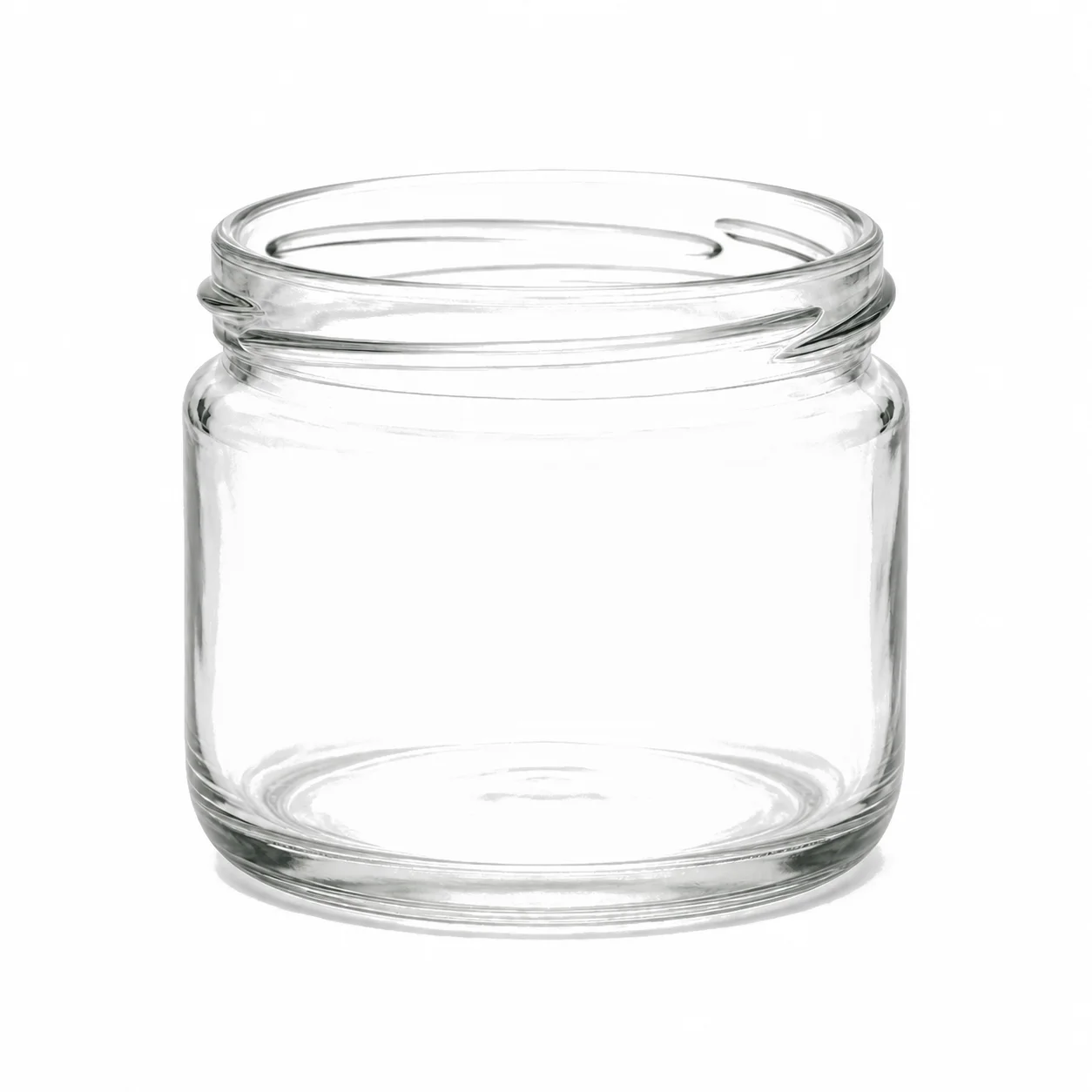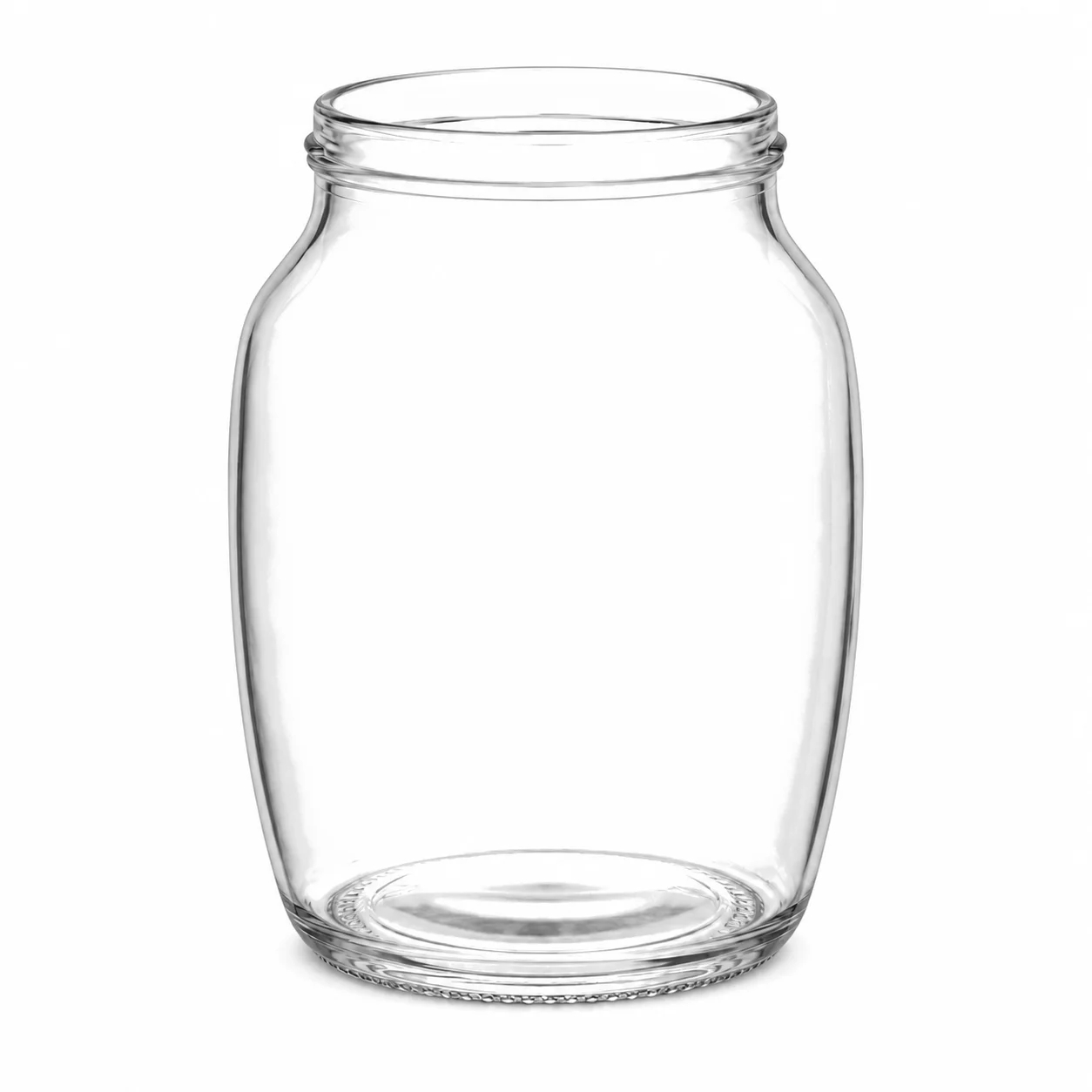
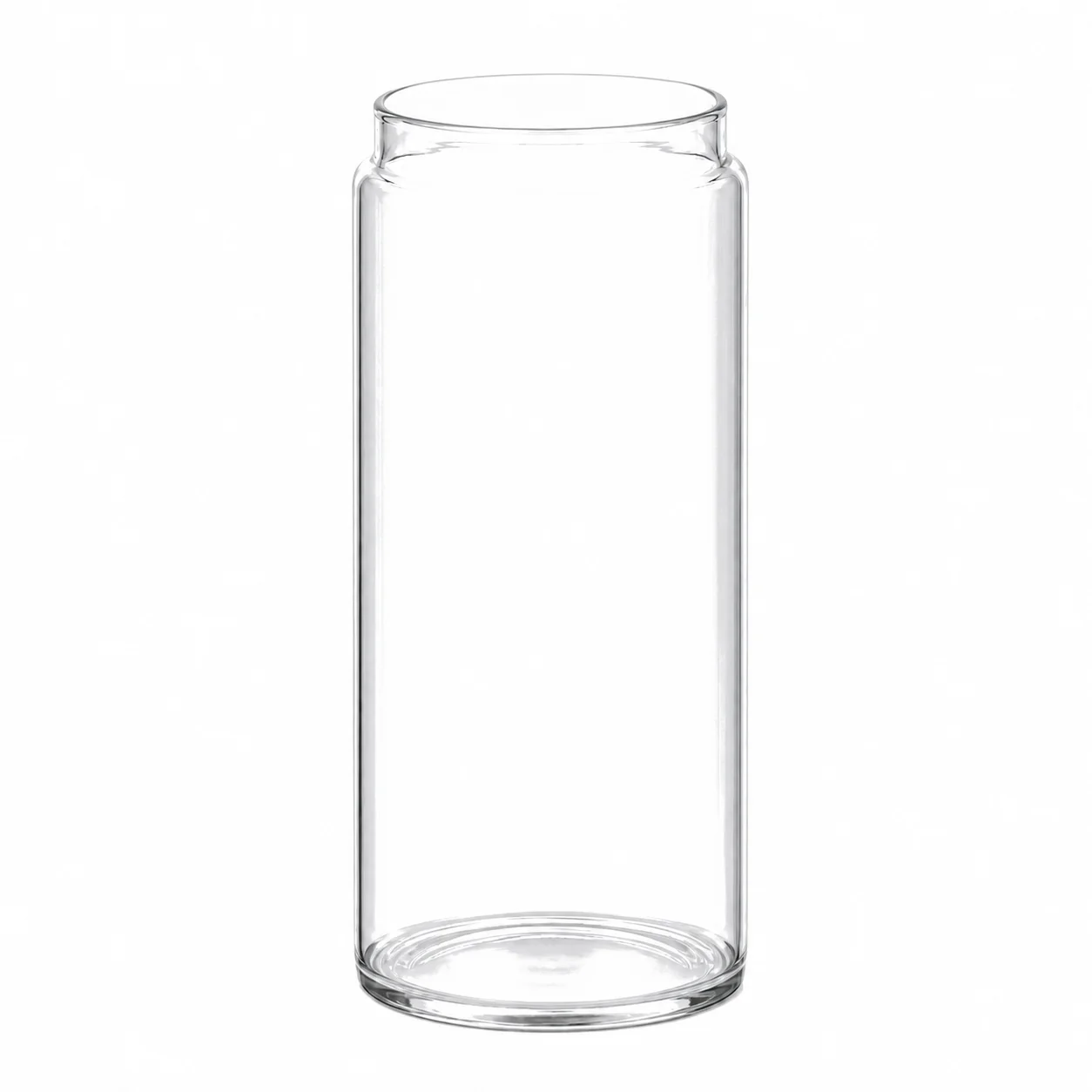
Clear 1 liter cylindrical borosilicate nut storage jar
Shown configuration · bare clear jar / reference bamboo lid and silicone ring not shown

Refillable nut & dry-snack storageware

Nut Storage Jar

A 1,000 mL straight cylindrical borosilicate storage jar, benchmarked with a push-in bamboo lid and silicone sealing ring for visible pantry storage of nuts, seeds and snack mixes.

1,000 mL reference100 mm diameterBamboo lid system
Stock status
In stock
Lead time
2–3 weeks
FOB price / pc
$0.55 - $0.80
MOQ
3,000 pcs

Final availability, dimensions, materials, assembled components and commercial terms are confirmed against the selected drawing and approved sample.

One-liter pantry scale

A compact 150 mm height fits nuts without creating an overly tall canister

Full-height visibility

The straight transparent wall shows product mix and refill level

Tool-free daily access

A gasketed push-in lid supports frequent opening without threads

Nut Storage Jar profile

A one-liter pantry canister for products governed by oil, oxygen and moisture.

Bulk density, oxidation & repeat opening

Six storage behaviors hidden inside a simple jar of nuts.

BGP-FS-6570 is a refill-oriented storage format, not a heat-processed retail jar. The comparable envelope is a 1,000 mL borosilicate vessel 100 mm wide and 150 mm high with a bamboo lid and silicone ring. What decides whether it suits nuts is bulk density, how often it is opened, the light where it stands and the seal that removable lid actually holds.

01

One liter does not equal one kilogram

The jar measures internal volume, while nuts are bought and portioned by mass. Almonds, cashews, walnut halves, peanuts and mixed snacks have different shapes, void spaces and breakage levels, so their bulk density varies. Establish the refill weight with the production grade and particle-size distribution instead of assigning a round gram value to a 1,000 mL vessel.

02

Oil-rich kernels make oxygen important

Tree nuts contain substantial lipid fractions, and research links oxygen exposure with oxidative rancidity and off-flavor development. The glass wall itself is not the only pathway that matters in a frequently opened canister: headspace is renewed every time the lid is lifted, making fill level, opening frequency and storage temperature part of the quality routine.

03

Moisture changes crunch before the jar looks wrong

Nuts are dried to controlled moisture conditions, and excess humidity can soften texture and increase spoilage risk. FAO guidance emphasizes dry storage and water-activity control for processed nuts. The silicone ring should make even contact around the rim, and neither damp product nor a wet lid should be returned to the canister after cleaning.

04

Mixed products segregate by size and density

In trail mix, small seeds and raisins work downward while large nuts rise or remain at the surface as the jar is handled. A beautiful layered fill will not necessarily stay layered through use. If each serving should contain a representative mix, the product may need gentle redistribution and a scoop broad enough to collect several component sizes.

05

Clear glass trades protection for visibility

The transparent cylinder makes variety, roast color and remaining quantity easy to read, which is the main value of pantry glass. Light is also one factor that can accelerate lipid oxidation. Place the jar away from direct sun and strong display lighting when storage duration matters, or use decoration that leaves an inventory window rather than exposing the full contents.

06

The bamboo lid is a maintained component

A push-in lid has no thread to tighten; sealing pressure comes from the silicone ring compressed against the glass neck. Ring profile, rim cleanliness and insertion depth influence closure feel. The glass and lid also need different care routines: retained wash water or swelling in the natural-material lid can change fit over repeated refill cycles.
Application guide

Use the one-liter format for ingredients opened often and recognized by sight.

This is a countertop or pantry storage system, not a substitute for the original sealed retail pack in every shelf-life program. It works best when the refill quantity, lid care and consumption rate are defined around the actual nuts.

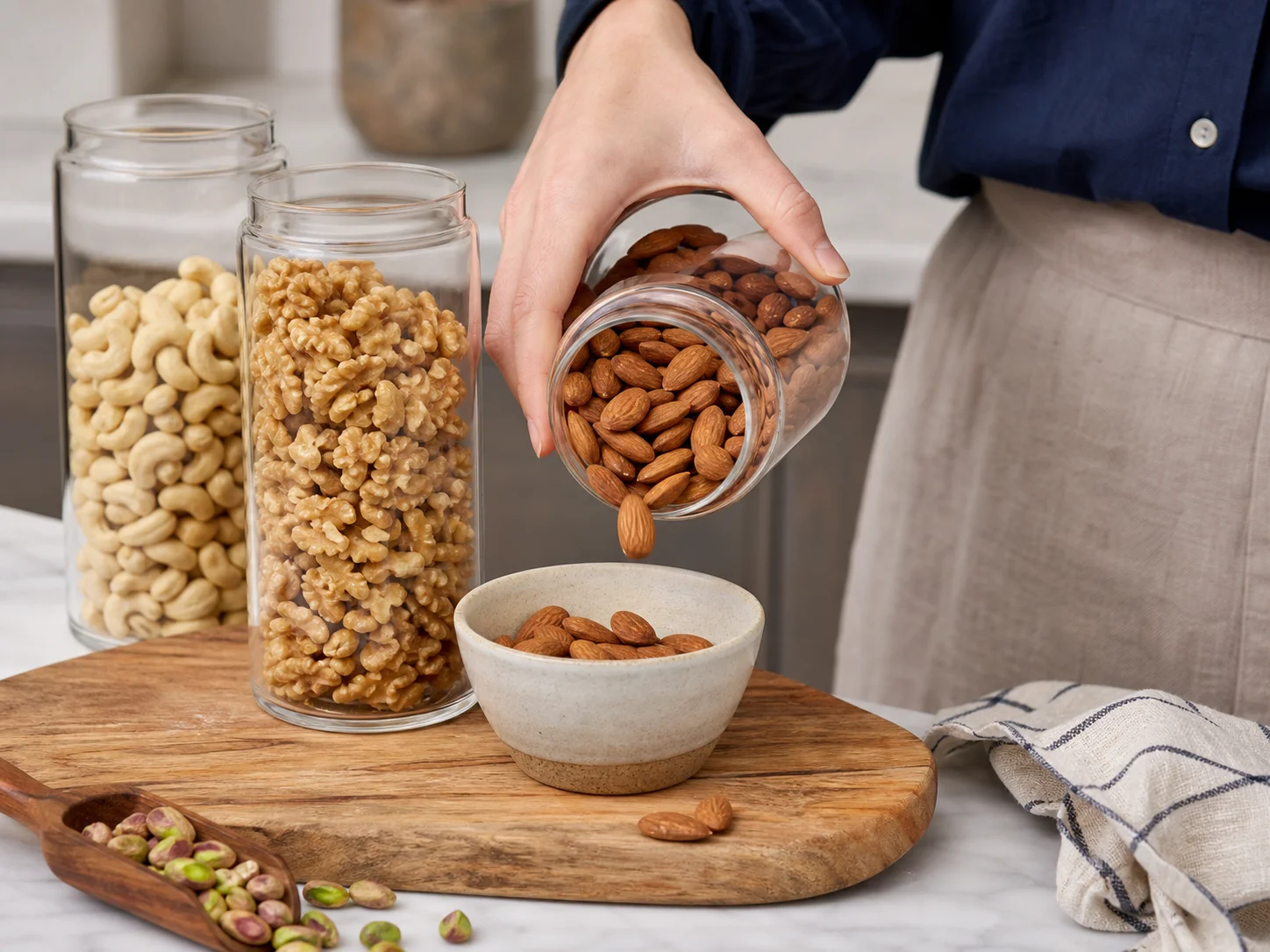
Nut Storage Jar used for almonds, cashews, walnuts & pistachios in a single-variety pantry setting

Single-variety pantry

Almonds, cashews, walnuts & pistachios

For household quantities used in baking, breakfast and snacking, where a clear canister makes variety and refill level obvious. Whole-kernel grades pour and scoop cleanly, while fragile walnut halves need gentler decanting. Match the refill weight to the nut's bulk density and aim to consume one charge before repeatedly topping old stock with new.

  • Record grams per one-liter fill
  • Use first-in, first-out refilling
  • Store away from direct light and heat
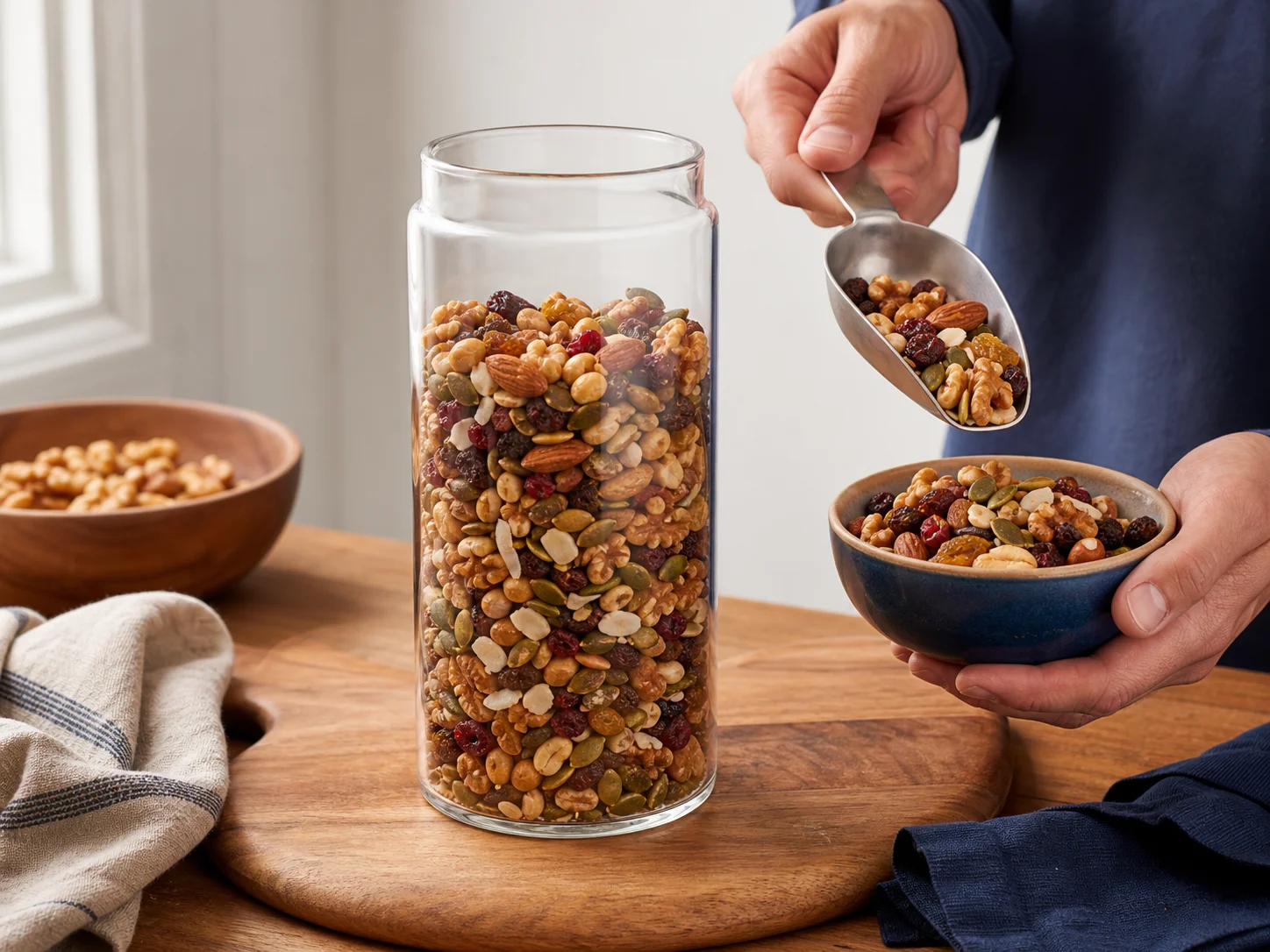
Nut Storage Jar used for trail mix, nut-and-fruit blends & seed mixes in a blended snack setting

Blended snack

Trail mix, nut-and-fruit blends & seed mixes

For multi-component mixes whose color and texture are part of the appeal. The straight glass wall shows ingredient balance immediately, but smaller seeds and fruit pieces can migrate downward. A broad scoop and periodic gentle mixing produce a more representative serving than pouring only from the top layer.

  • Trial segregation through handling
  • Choose a scoop for the largest component
  • Keep allergen identification with the jar
Nut Storage Jar used for roasted, salted & seasoned nuts in a countertop service setting

Countertop service

Roasted, salted & seasoned nuts

For snack bars, hospitality stations or home counters where the jar is opened several times each day. Salt dust and seasoning oil collect at the neck and silicone ring, so a scheduled wipe and dry-lid routine matters. Set the refill volume to the expected turnover rather than displaying a full liter for longer than the product quality supports.

  • Set quantity from daily turnover
  • Inspect oil and salt at the rim
  • Clean and fully dry the lid separately

For every nut grade, document fill mass, opening frequency, storage temperature, light exposure and cleaning cycle; these conditions are more useful than a generic freshness claim.

Nut Storage Jar FAQ

Practical questions about a refillable one-liter nut canister.

Answers covering capacity, material, lid construction, oxidation, moisture and day-to-day handling.

How many grams of nuts fit in a 1,000 mL jar?

There is no single conversion. Kernel size, shape, breakage and settling determine bulk density, so almonds, cashews and walnut halves produce different fill masses. Weigh a level-filled sample of the commercial grade to establish the useful refill quantity.

Why can nuts become rancid even in a covered glass jar?

The fat in nuts can oxidize, and lifting the lid replaces part of the headspace with fresh air. Temperature, light, opening frequency, initial product condition and the silicone-ring seal all influence quality; a covered refill jar does not stop time or repeated oxygen exposure.

What closure is used with this smooth-neck jar?

The reference system uses a push-in bamboo lid with a silicone ring rather than a threaded cap. The ring compresses against the inner neck, so its diameter and profile must match the specific glass opening.

Our trail mix separates in the jar — can packaging fix it?

Not the jar, no. Small seeds and raisins work downward while large nuts rise as the jar is handled, so a layered fill that photographs well will not stay that way through transport and use. Choose the visible arrangement knowing it will move rather than expecting the glass to hold it.

Next step

Send us the Nut Storage Jar brief.

Tell us the product, fill volume, closure preference and destination market. We will come back with the matching drawings, available configurations and a sample plan before anything is quoted.

  • 01Send the briefProduct, volume, closure and market
  • 02Get the optionsMatching drawings and configurations
  • 03Approve the sampleConfirm the pack before production