Fruit geometry, packing medium & fill control
Six decisions that determine how preserved fruit looks and serves.
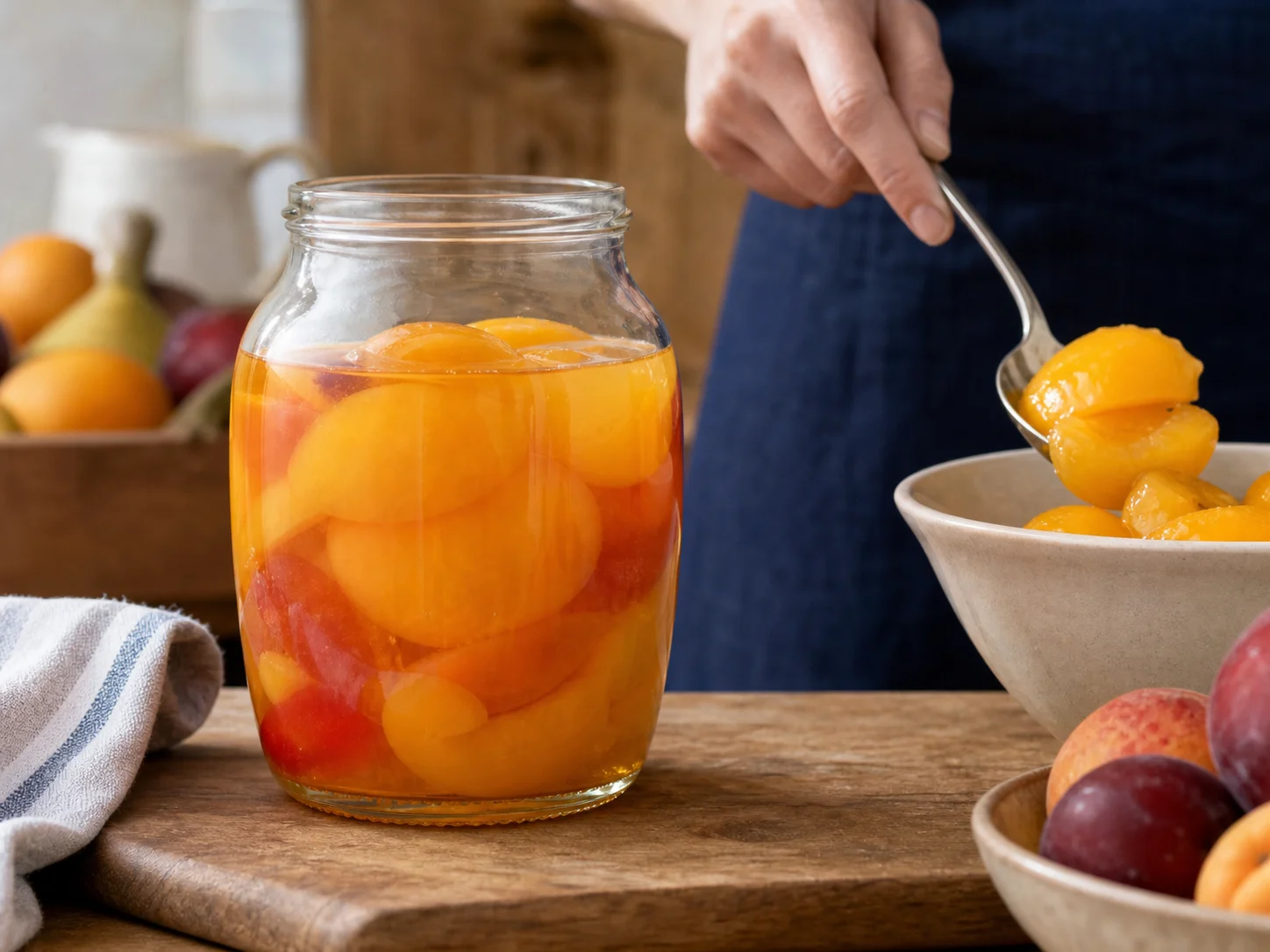
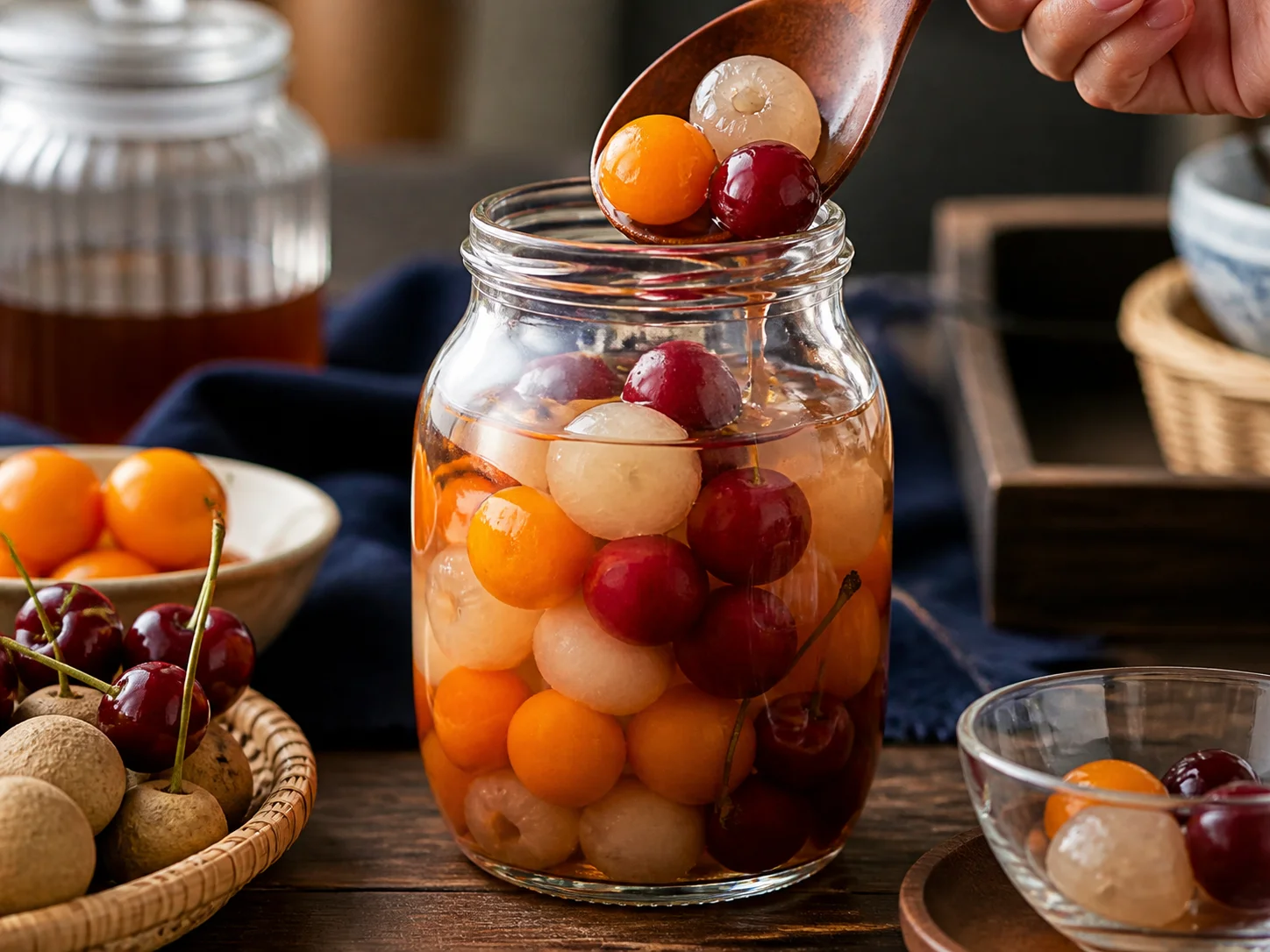
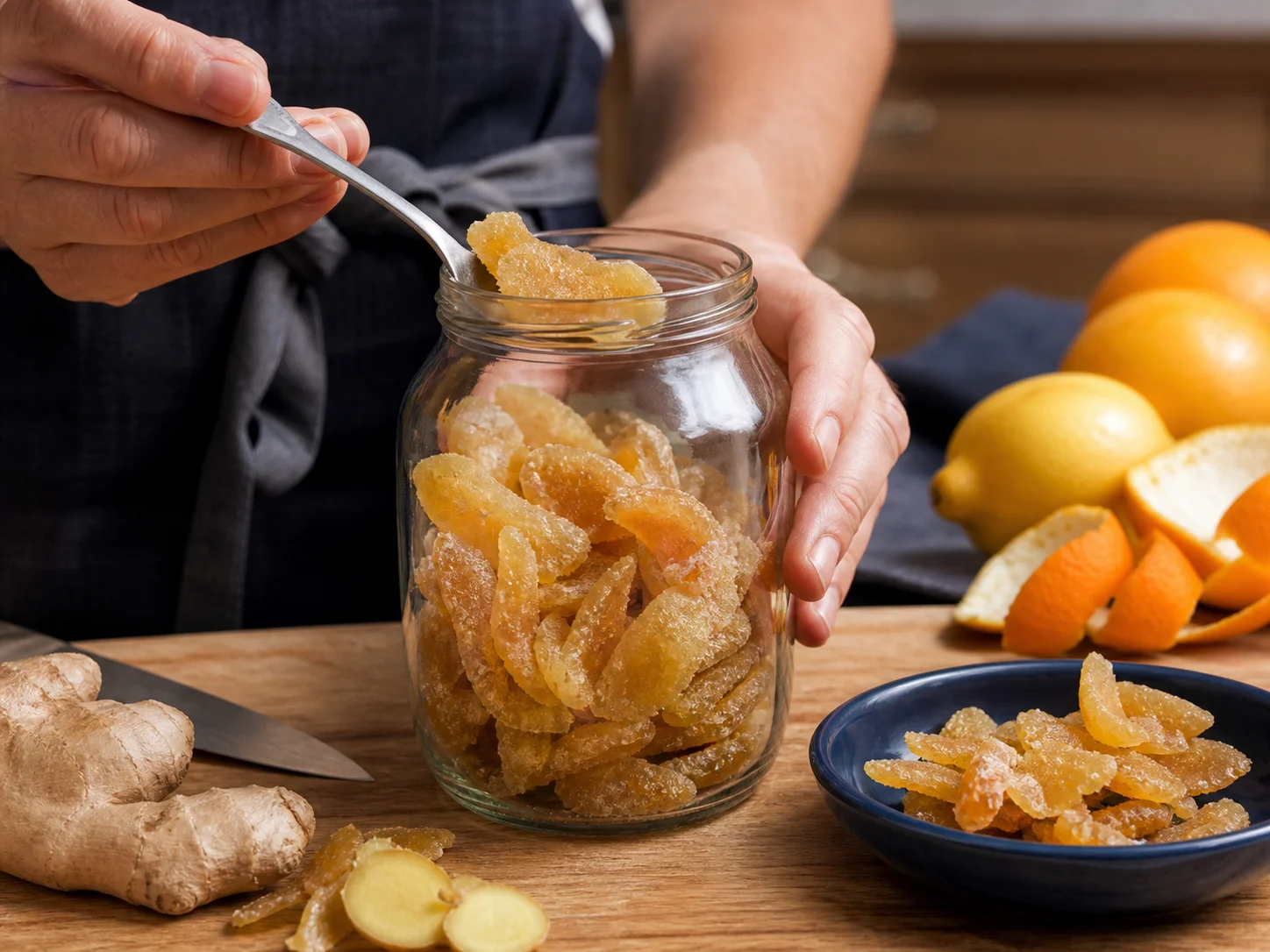
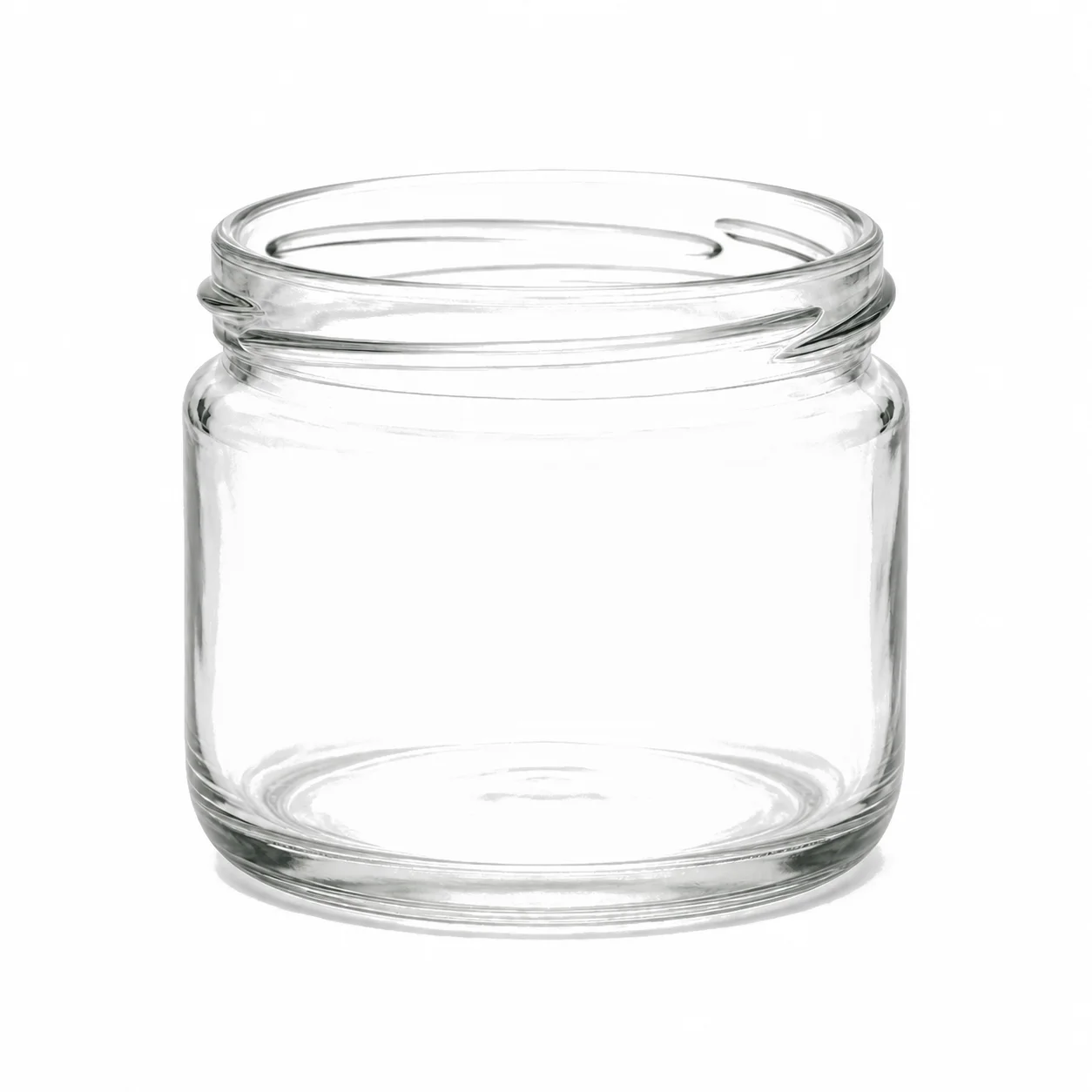
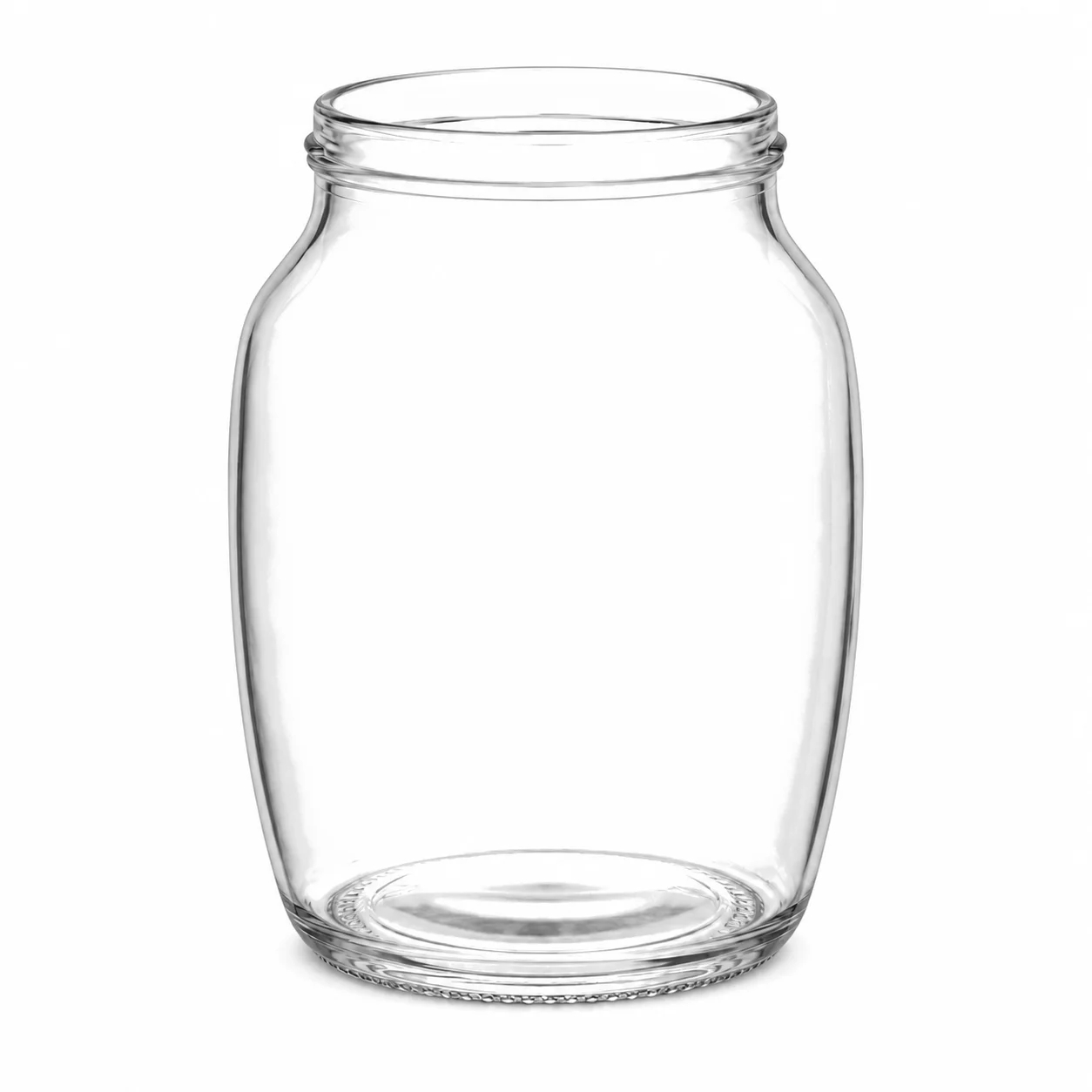
BGP-FS-5038 uses a rounded high shoulder and broad cylindrical body to present preserved fruit as a composed pack rather than an opaque fill. Its 660 mL nominal volume leaves a measurable difference to the 720 mL brimful capacity, while the TO82 finish supports loading pieces, adding syrup or juice and serving through the same wide opening.
Net contents and drained weight describe different value
Fruit packed in water, juice or syrup has both a total pack weight and a quantity of edible solids after the liquid is drained. Codex labeling guidance treats drained weight as a separate declaration for foods in liquid media. Jar selection should therefore start with the target fruit mass and solid-to-liquid ratio, not by simply converting 660 mL into grams.
Nominal volume preserves working space
The reference jar is 660 mL nominal and 720 mL brimful, a 60 mL difference that accommodates the intended fill line and closure space. Fruit displacement, liquid expansion and process conditions determine how that allowance is used. Filling to the glass rim would remove the controlled headspace the package needs for clean closure application.
Cut size governs the filling sequence
Peach halves, pear slices, cherries and diced fruit do not pass or settle in the same way. Large pieces may be placed before the packing liquid; small mixed cuts may be metered as a combined fill. The TO82 opening offers generous access, but the line still needs a chute or nozzle that avoids bruising and keeps piece count consistent between jars.
Packing medium changes both label and appearance
Codex distinguishes water, fruit juice or pulp, and syrups by composition and, for sweetened media, final soluble-solids concentration in degrees Brix. That choice affects sweetness, viscosity and optical clarity around the fruit. Product naming, Brix control and the visible liquid line should be developed from the same finished formulation.
Fruit can redistribute after the line
Differences in density and trapped air can make pieces float, sink or rotate after filling, while transport vibration changes the arrangement customers see. A front-facing trial immediately after packing is not enough: review the jar after cooling, case transport and shelf storage before fixing the product window or judging the apparent fruit count.
The TO82 closure completes the process pack
A wide twist-off metal cap gives the jar a low-profile top and a large sealing interface. Its lug geometry, compound and application settings must match the chosen heating and cooling route. Where process vacuum is used, cap-panel behavior and opening force become measurable production attributes rather than decorative details.