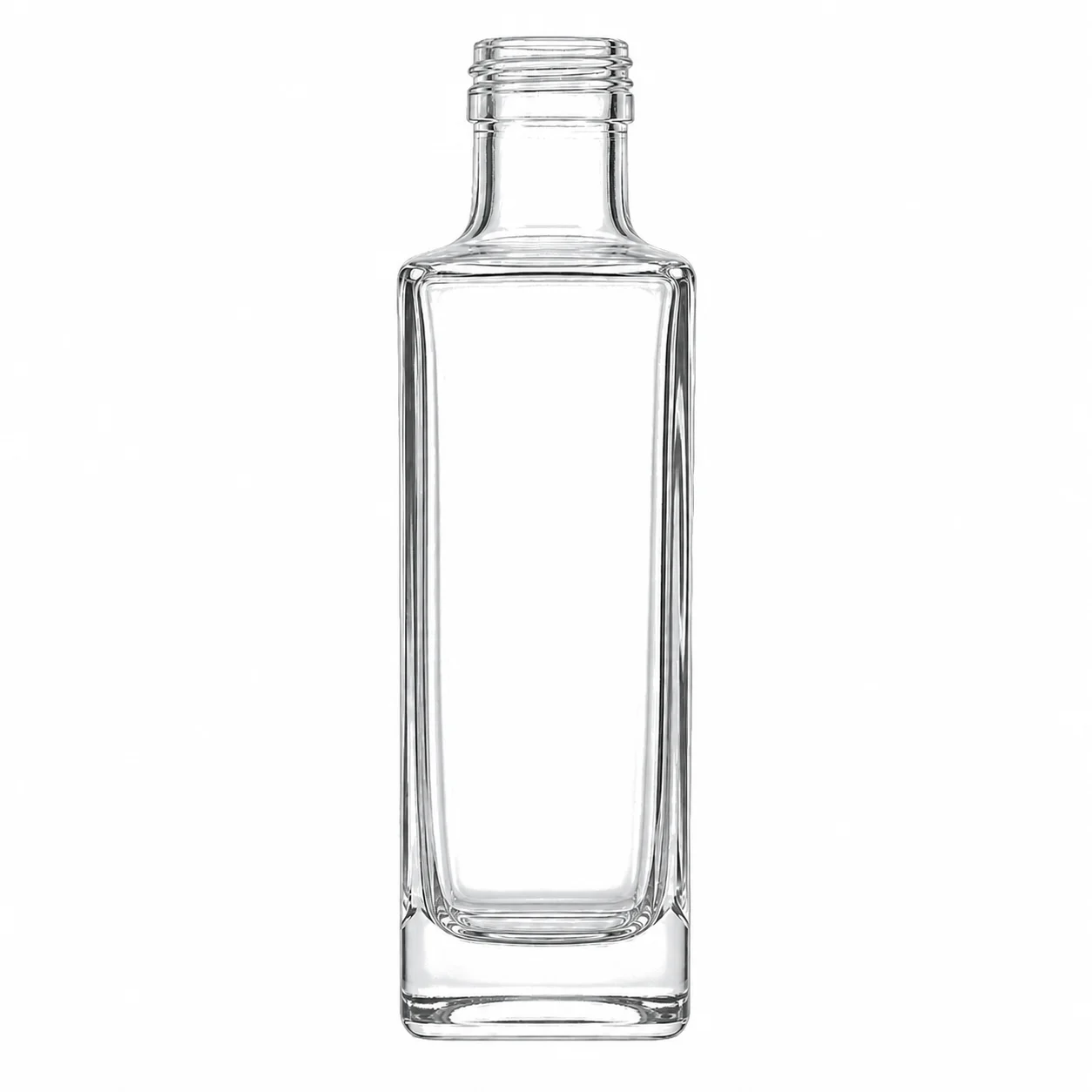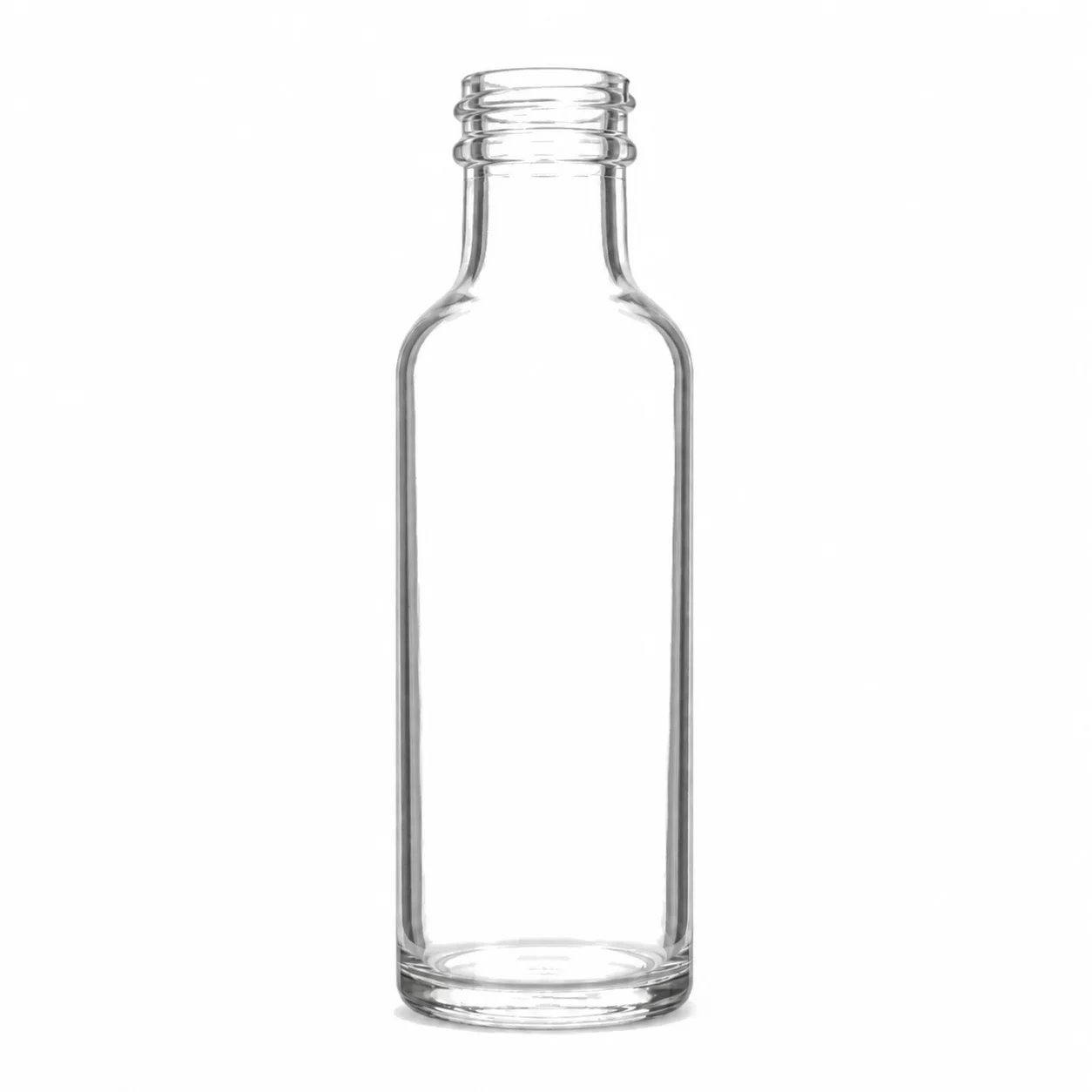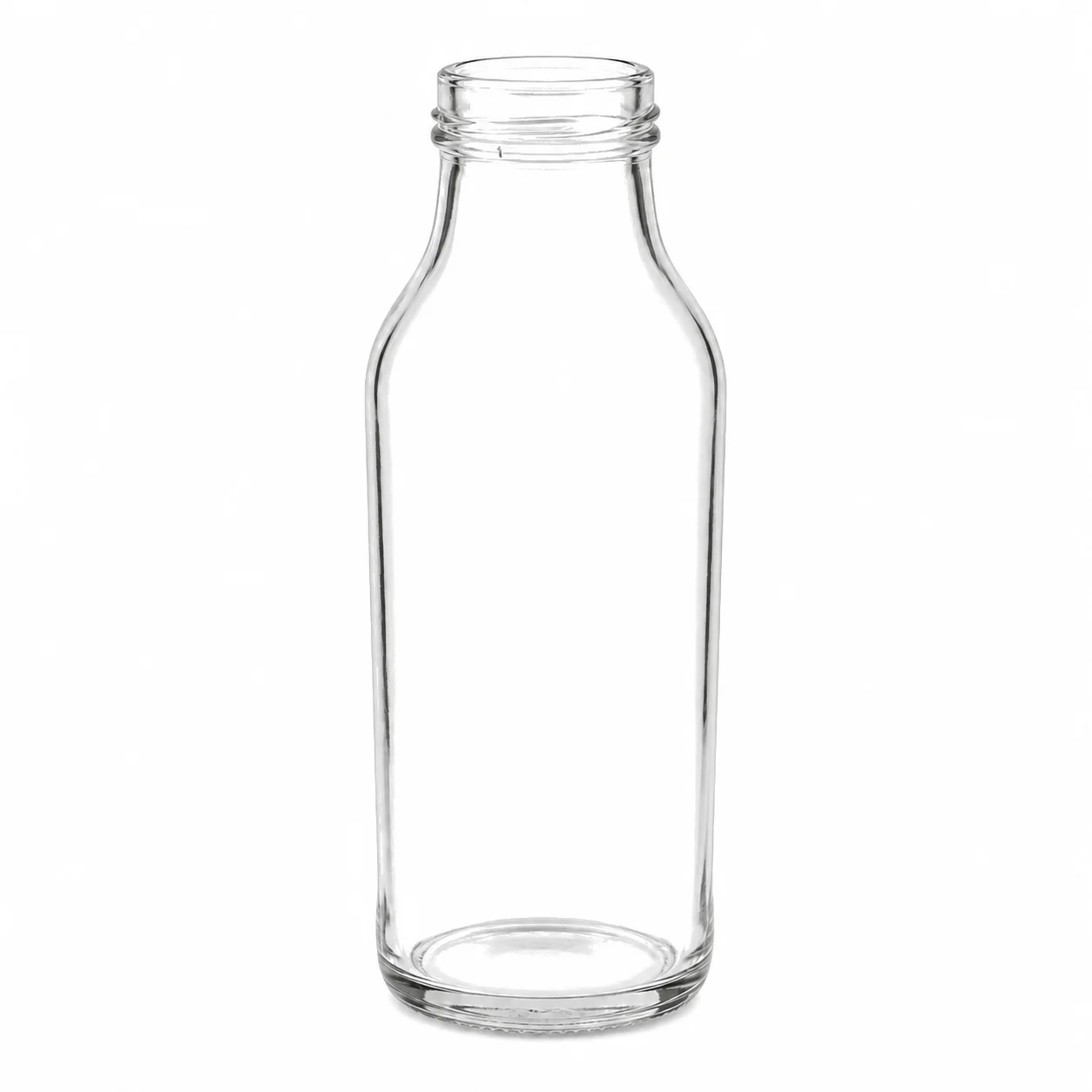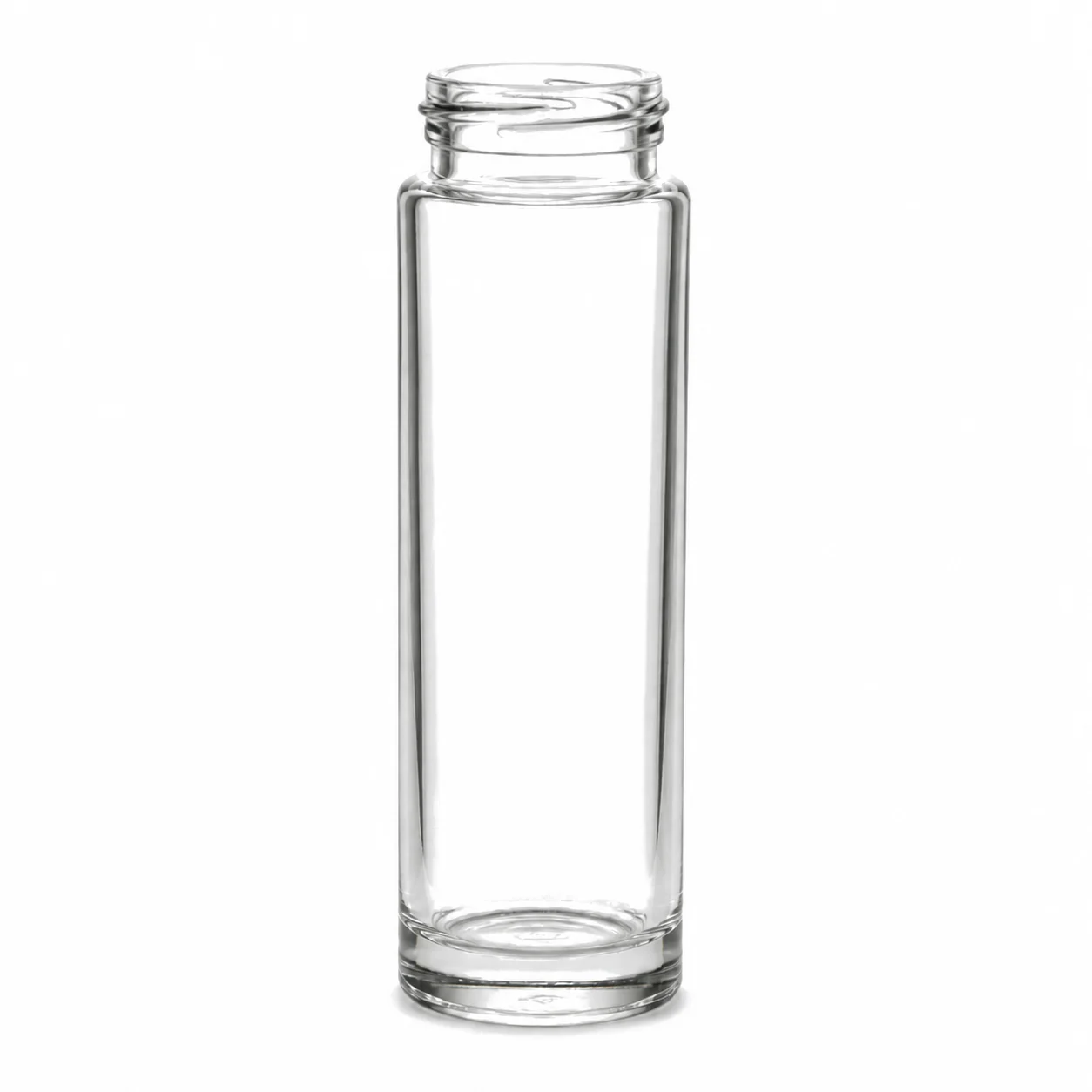
Clear glass spice shaker bottle shown empty and without its selected shaker insert or overcap
Shown configuration · bare clear glass spice bottle / shaker insert and overcap are not shown and are selected for the intended seasoning

Dry seasoning & shaker-system packaging

Spice Shaker Bottle

A 100 mL round flint-glass spice bottle developed as a three-part dispensing pack: glass body, product-matched shaker insert and protective overcap.

100 mL / 114 mL brimfulSpecial shaker finish5,200-bottle reference pallet
Stock status
In stock
Lead time
2–3 weeks
FOB price / pc
$0.25 - $0.70
MOQ
10,000 pcs

Final availability, dimensions, materials, assembled components and commercial terms are confirmed against the selected drawing and approved sample.

Measured scatter

Aperture layout turns a bulk powder into a repeatable shake

Visible blend

Flint glass displays grind, color and ingredient mix

Compact shelf scale

45 mm reference diameter supports dense spice-rack merchandising

Spice Shaker Bottle profile

The shaker top must be engineered from the seasoning downward.

Particle mechanics, dose & moisture control

Six decisions that determine whether a spice shaker actually works.

BGP-FS-9251 is the glass foundation of a dry-dispensing system. Its straight round body presents the seasoning clearly, while a special finish receives the chosen top assembly. Hole count, aperture diameter, insert retention and overcap fit must be selected after the blend's particle distribution, bulk density, moisture response and target dose are understood.

01

100 mL does not define the spice fill weight

The reference volume provides a common package size, but grams per bottle change with bulk density and settling. Fine cinnamon, coarse pepper, dried herb flakes and salt crystals occupy the same space very differently: the same 100 mL can hold well under 40 g of leaf or over 100 g of fine salt.

02

Fourteen milliliters separates nominal from brimful

The benchmark holds 114 mL to the brim against a 100 mL nominal volume. That allowance supports a practical fill line and component clearance, but the assembled insert may project into the neck. Final headspace should be checked after the actual top is fitted, not calculated from glass alone.

03

Aperture size follows the largest relevant particles

Fine powders need restrained holes to avoid over-dosing and dust clouds; coarse flakes and seeds need enough clearance to avoid bridging. Hole diameter, number, pattern and wall thickness work together, so a sample insert should be evaluated for dose per shake and blockage after repeated use.

04

Blended seasonings can segregate inside the bottle

Particles with different size, shape or density can separate during transport and repeated shaking. Even if every ingredient passes through the insert, the first and last servings may differ. Blend uniformity, headspace and user motion should be evaluated together before assigning a dose claim.

05

Humidity changes flow at the point of use

Research on food powders shows that formulation, particle size, storage humidity and time can all influence cohesion and caking. A shaker used above a steaming pan sees a harsher environment than one kept in a dry cupboard, making overcap fit and consumer handling part of the performance brief.

06

Glass and plastic components travel differently

The reference pallet contains 5,200 glass bottles, but inserts and overcaps may arrive in separate cartons and require controlled feeding on the packing line. Component cleanliness, orientation, insertion force and retention inspection must be planned alongside glass depalletizing.
Application guide

Use a shaker system where dry seasoning needs a repeatable dose.

The compact glass format can cover several dry-seasoning roles, but each product class needs its own aperture pattern and dose trial.

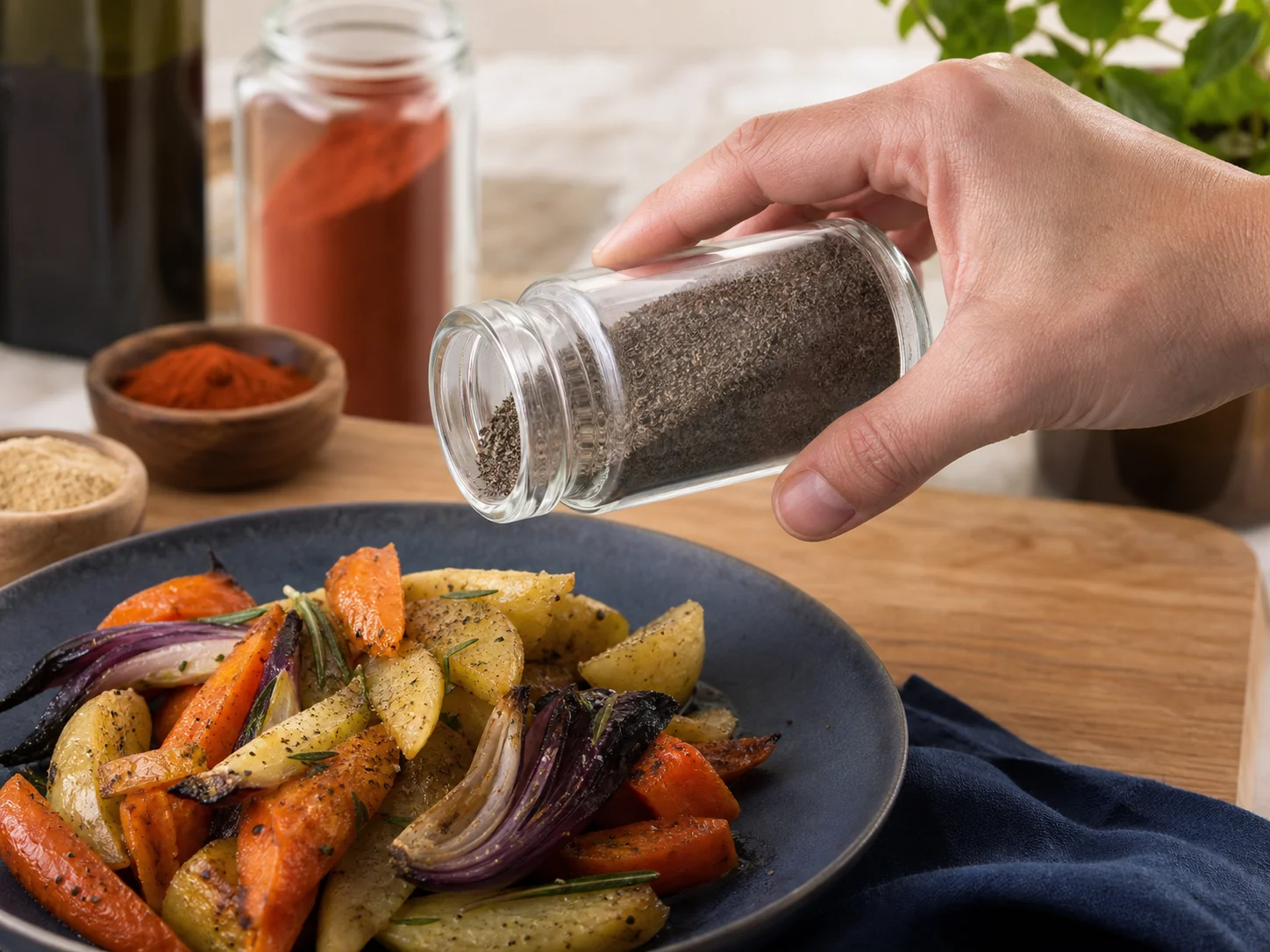
Spice Shaker Bottle used for ground pepper, paprika & powdered seasonings in a fine powders setting

Fine powders

Ground pepper, paprika & powdered seasonings

Finely milled products need small, distributed apertures that create a light scatter without releasing a dust plume. Powder cohesion and electrostatic behavior can still slow the dose, so trials should record grams per defined shake rather than relying on visual judgment alone.

  • Measure dose per shake
  • Observe dusting around the top
  • Test after humidity exposure
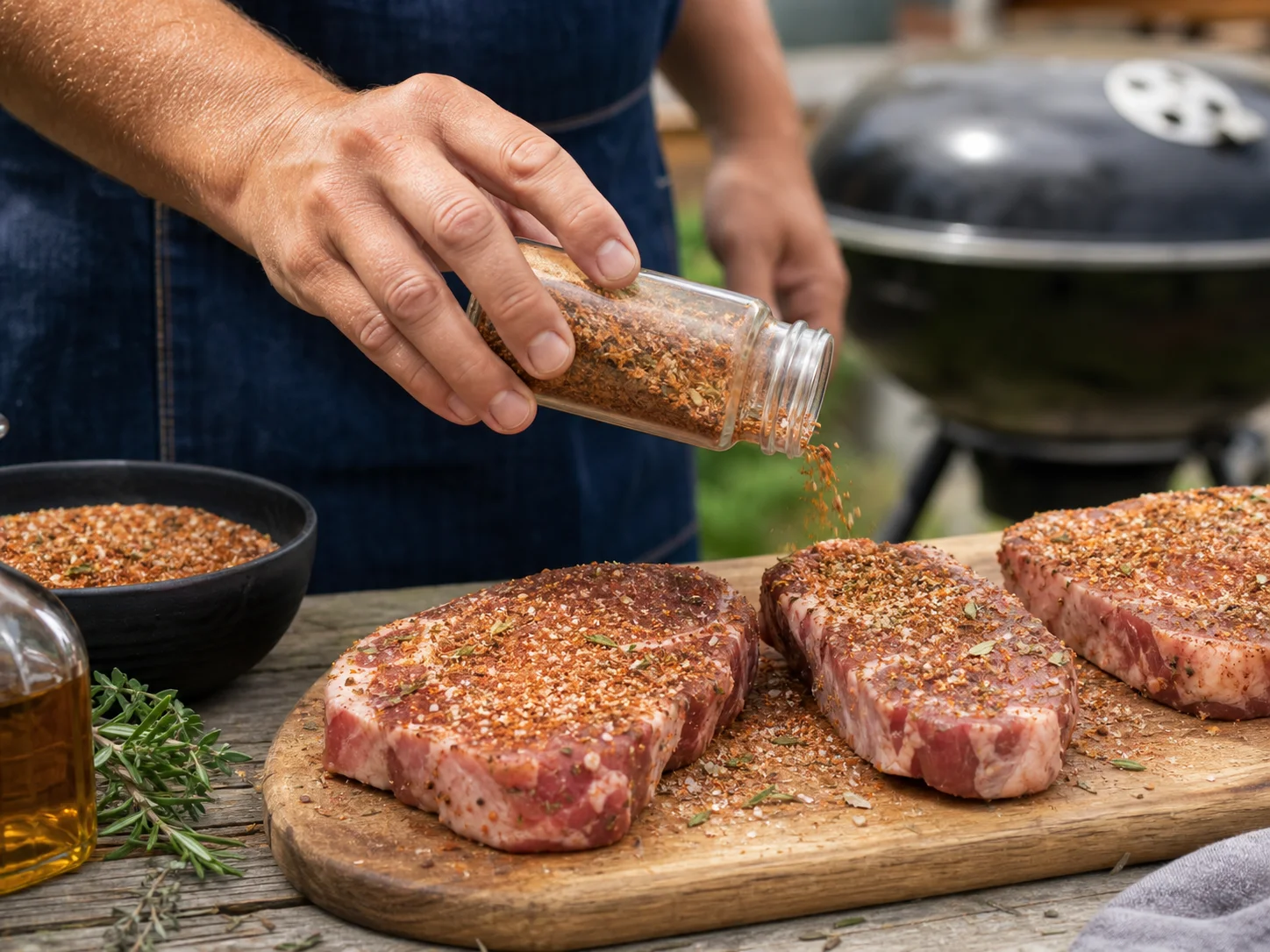
Spice Shaker Bottle used for bbq rubs, herb mixes & flake seasonings in a coarse blends setting

Coarse blends

BBQ rubs, herb mixes & flake seasonings

For rubs a cook shakes over meat before it goes on a grill, carrying salt crystals, cracked spice and whole leaves of very different sizes. A larger-hole insert improves passage, but a truck journey sorts the blend by particle size and repeated shaking eventually bridges the coarse fraction over the holes.

  • Measure the largest particles
  • Assess blend segregation
  • Check bridge release without striking glass
Spice Shaker Bottle used for sesame toppings, chili blends & specialty salts in a tabletop finishing setting

Tabletop finishing

Sesame toppings, chili blends & specialty salts

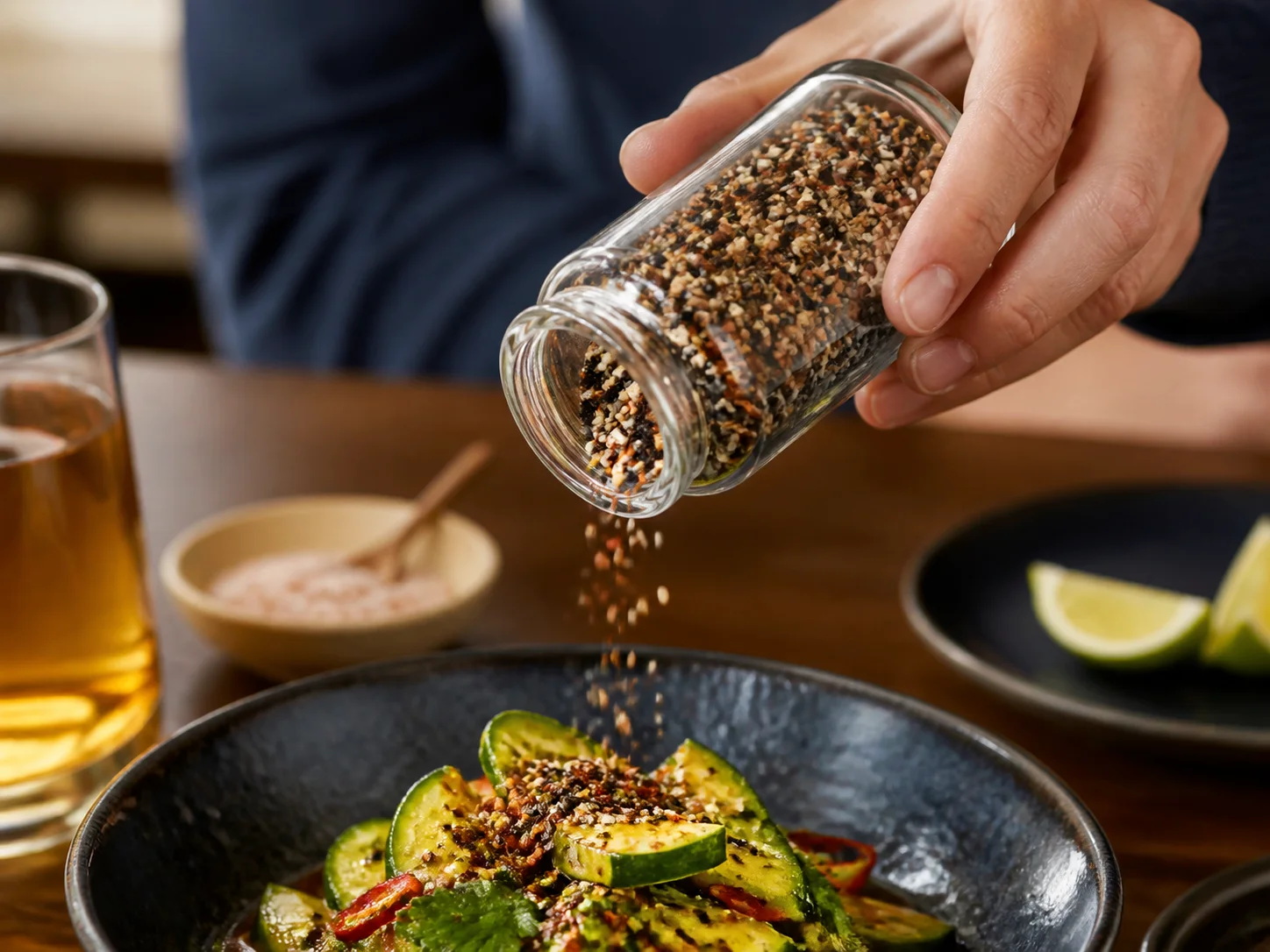
For sesame, chili flakes and finishing salts a diner shakes over their own plate at the table. Clear glass sells the seeds and crystals before anyone reads a label, and the top has to give a deliberate pinch then close clean — grit caught between insert and overcap is what staff find when they collect the shakers.

  • Set a serving-scale aperture
  • Inspect particles around the seal
  • Use clear variant identification

Evaluate the completed shaker after distribution vibration and realistic kitchen humidity, not only with freshly filled laboratory samples.

Spice Shaker Bottle FAQ

Questions about inserts, particles and dry-seasoning flow.

Product-specific answers for dry spice programs using a glass bottle with a separately selected shaker insert and overcap system.

Why is the shaker-hole diameter not listed in Model Data?

Hole geometry belongs to the separately selected insert, not the glass bottle. It should be specified from the product's particle-size distribution, desired dose, cohesion and bridge risk.

Can one insert handle both fine powder and herb flakes?

Usually not well. Holes small enough to control powder may block flakes, while holes large enough for herbs can release too much powder. Mixed products need a compromise tested with the full commercial blend.

How should shaker performance be measured?

Use a defined fill level, orientation, shake motion and number of cycles, then record delivered mass, variability, blockage and external residue. Repeat after transport vibration and relevant humidity exposure.

Does an overcap stop spices from caking?

An overcap can reduce direct environmental exposure when properly fitted, but caking also depends on formulation, water activity, particle properties and storage conditions. Treat cap performance and product stability as connected but separate controls.

Our blend comes out uneven between the first and last shake — why?

The particles are segregating in the bottle, not blocking the insert. Ingredients of different size, shape or density separate during transport and repeated shaking, so a blend that passes the holes perfectly can still deliver a different mix at the start and end of the pack. Judge it on transported samples rather than on a freshly filled bottle.

Next step

Send us the Spice Shaker Bottle brief.

Tell us the product, fill volume, closure preference and destination market. We will come back with the matching drawings, available configurations and a sample plan before anything is quoted.

  • 01Send the briefProduct, volume, closure and market
  • 02Get the optionsMatching drawings and configurations
  • 03Approve the sampleConfirm the pack before production