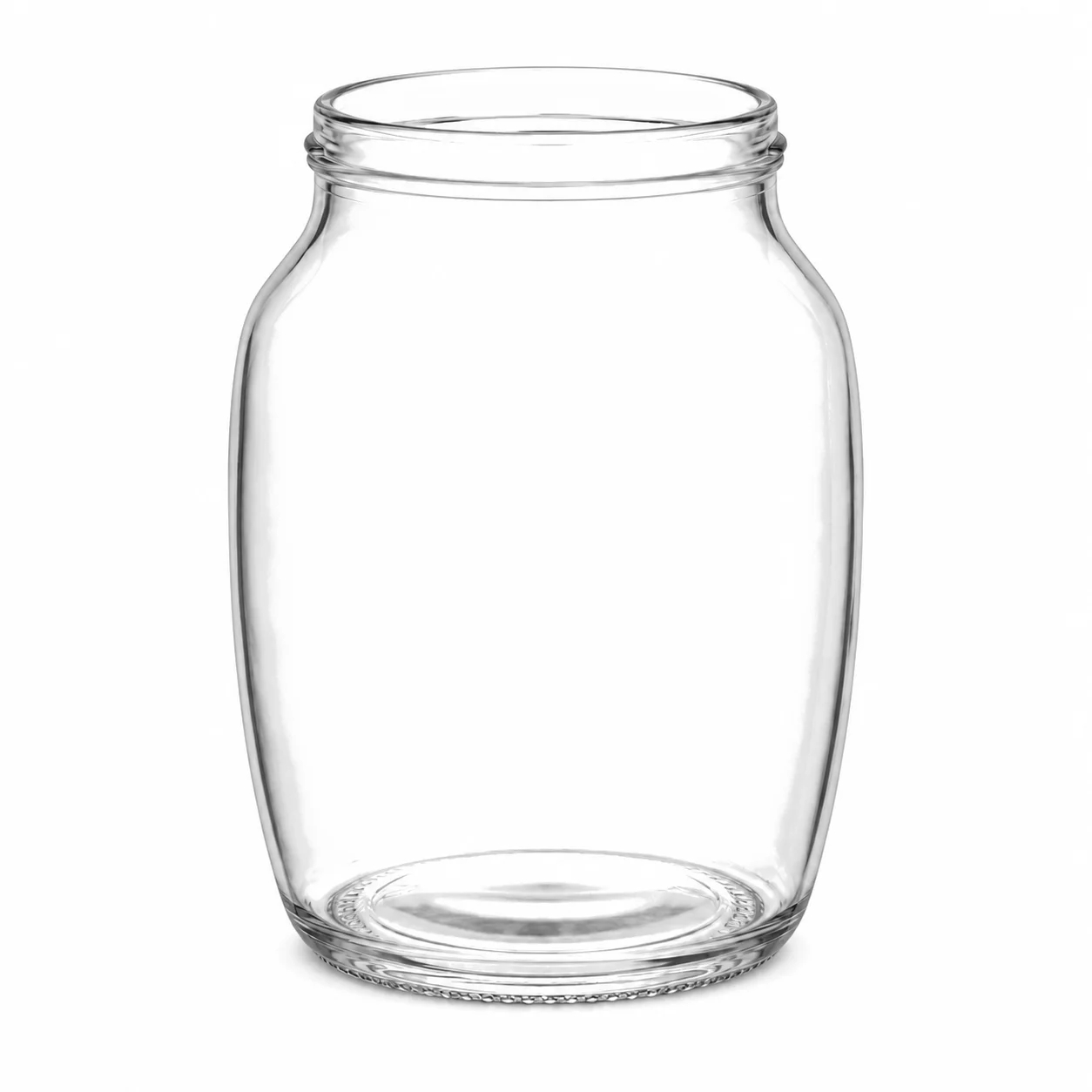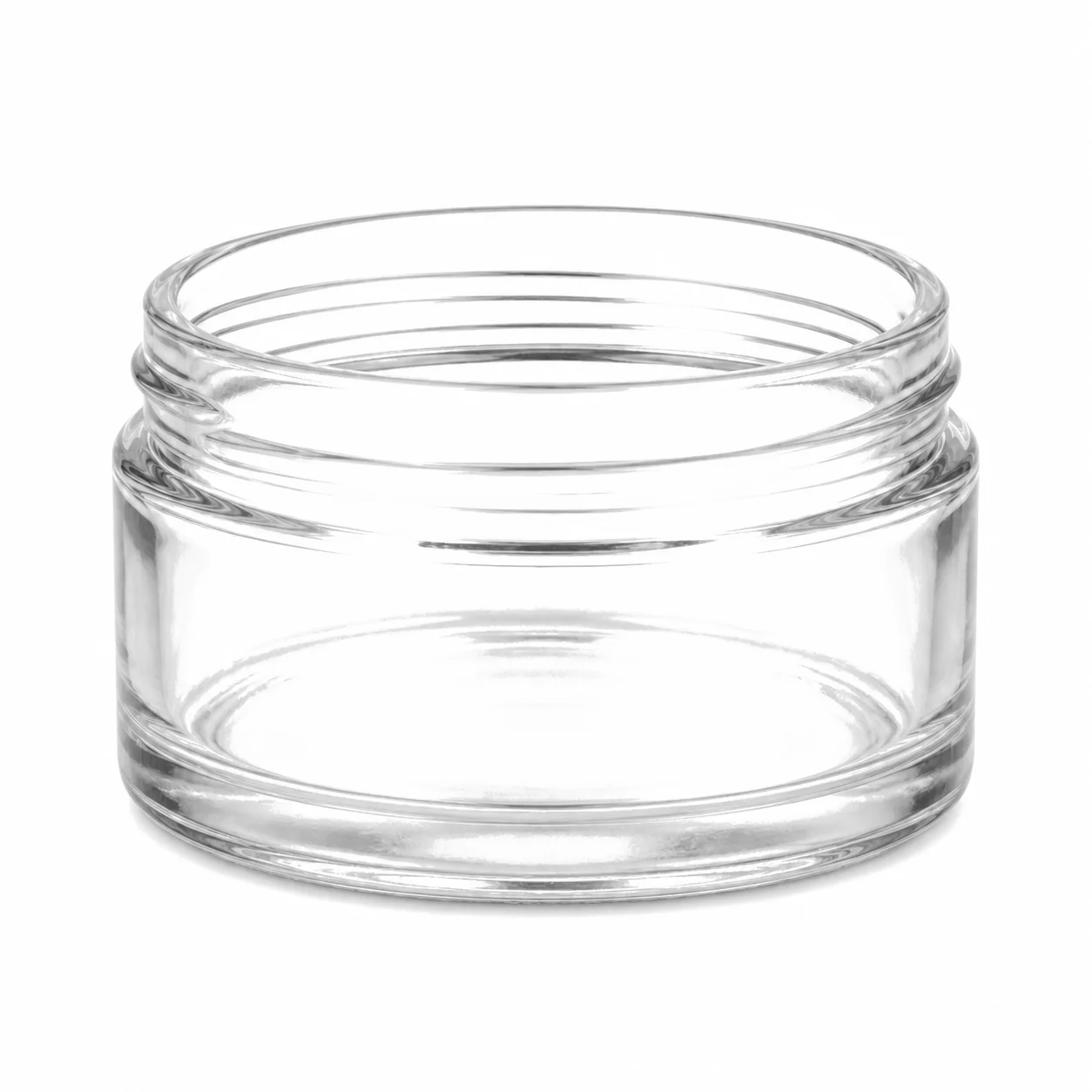
Portion, strand display & closure process
Six details that turn a small round jar into a credible bird's-nest pack.
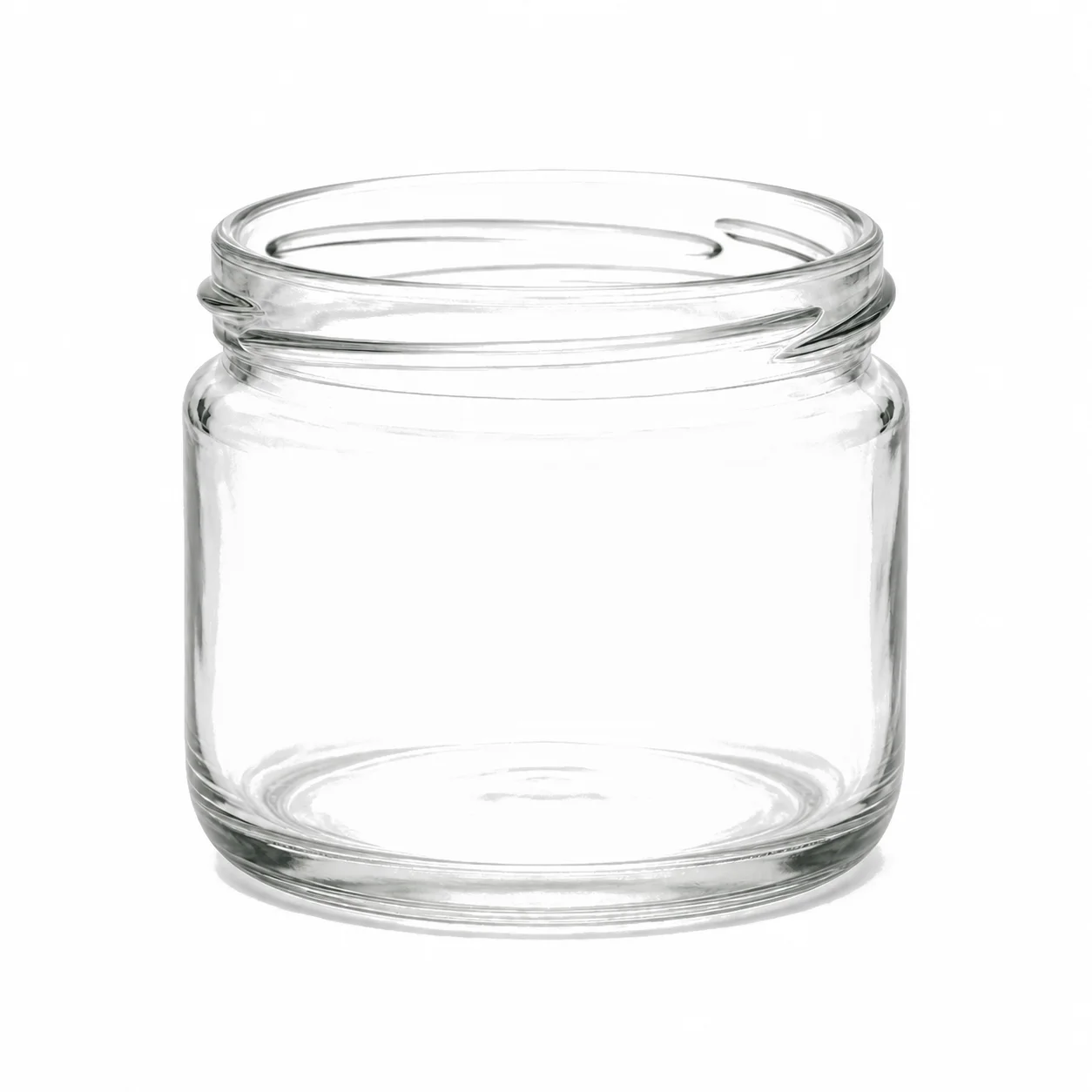
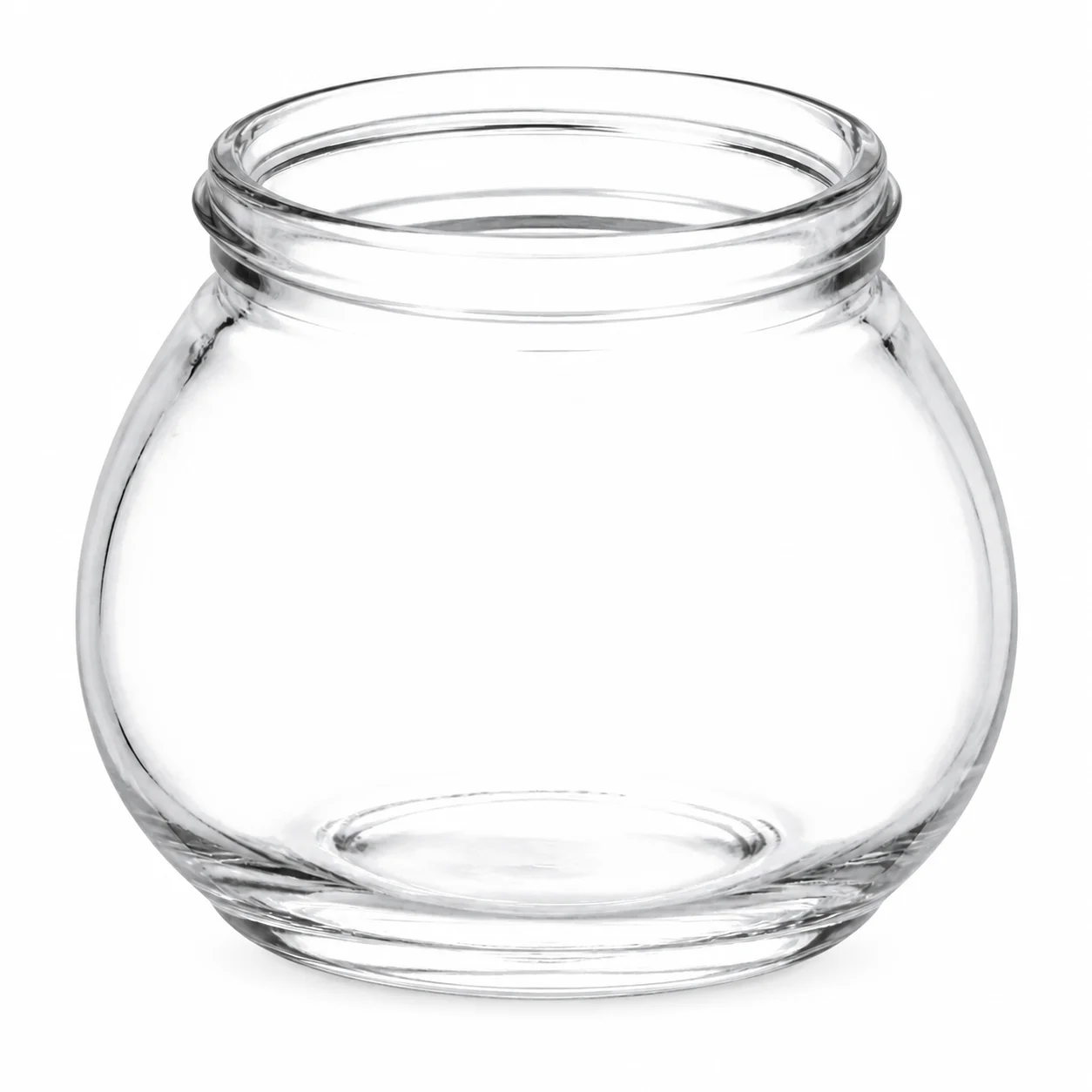
BGP-FS-4103 follows a dedicated bird's-nest envelope almost as wide as it is tall: 63 mm high against 63.5 mm across, 70 mL nominal against 85 mL brimful, on a 48-FD-157A finish. In a vessel that squat, appearance rests on strand size, liquid clarity, how the solids settle and the lug-cap process chosen.
Nominal and brimful capacity are deliberately different
The jar is sold as a 70 mL serving but holds 85 mL at the rim. That 15 mL difference provides room for the actual fill line, solids displacement and closure space. It should not be converted into extra product without checking the recipe, thermal expansion and the headspace needed by the chosen process.
The round belly frames the product, not just the label
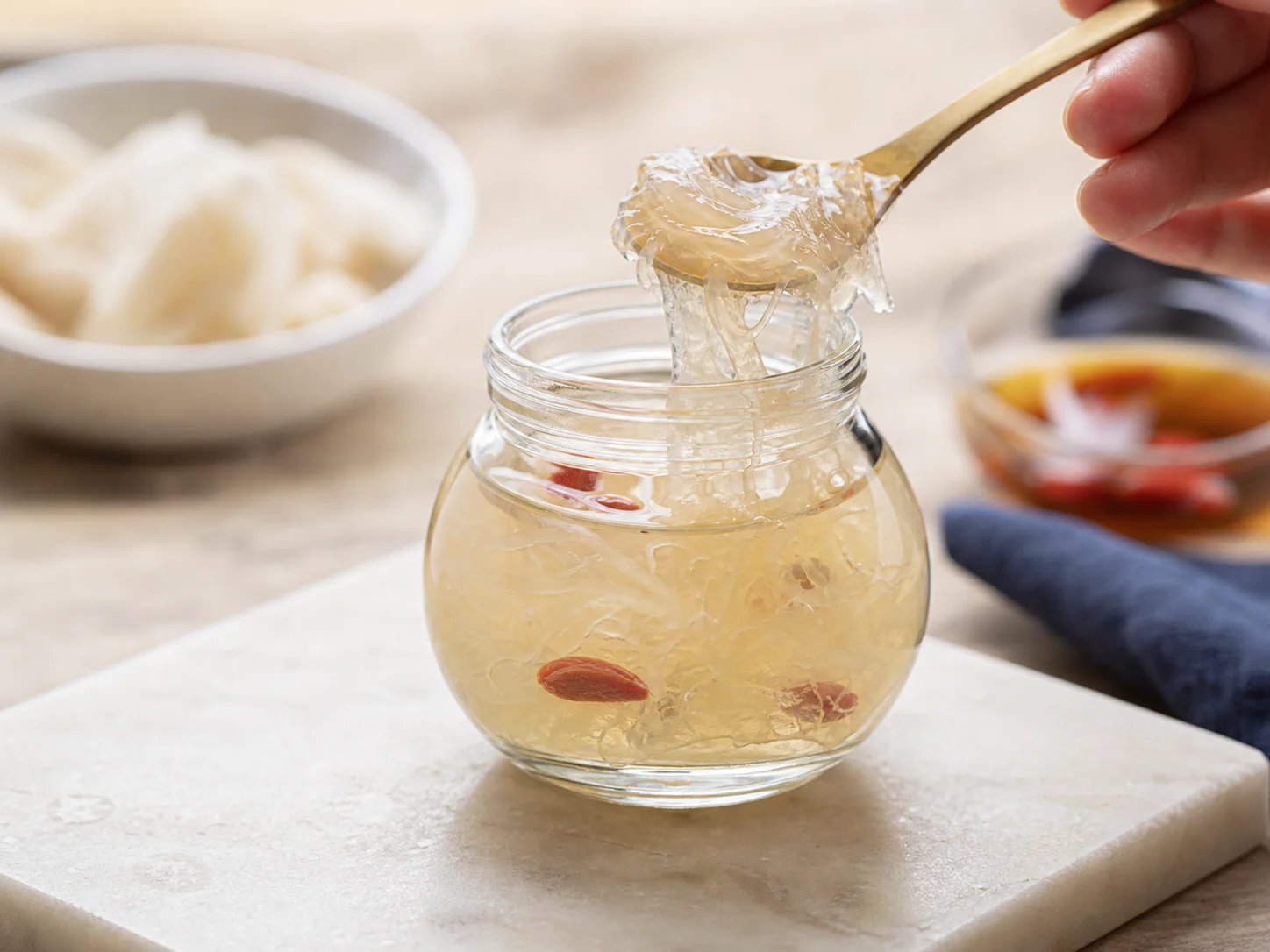
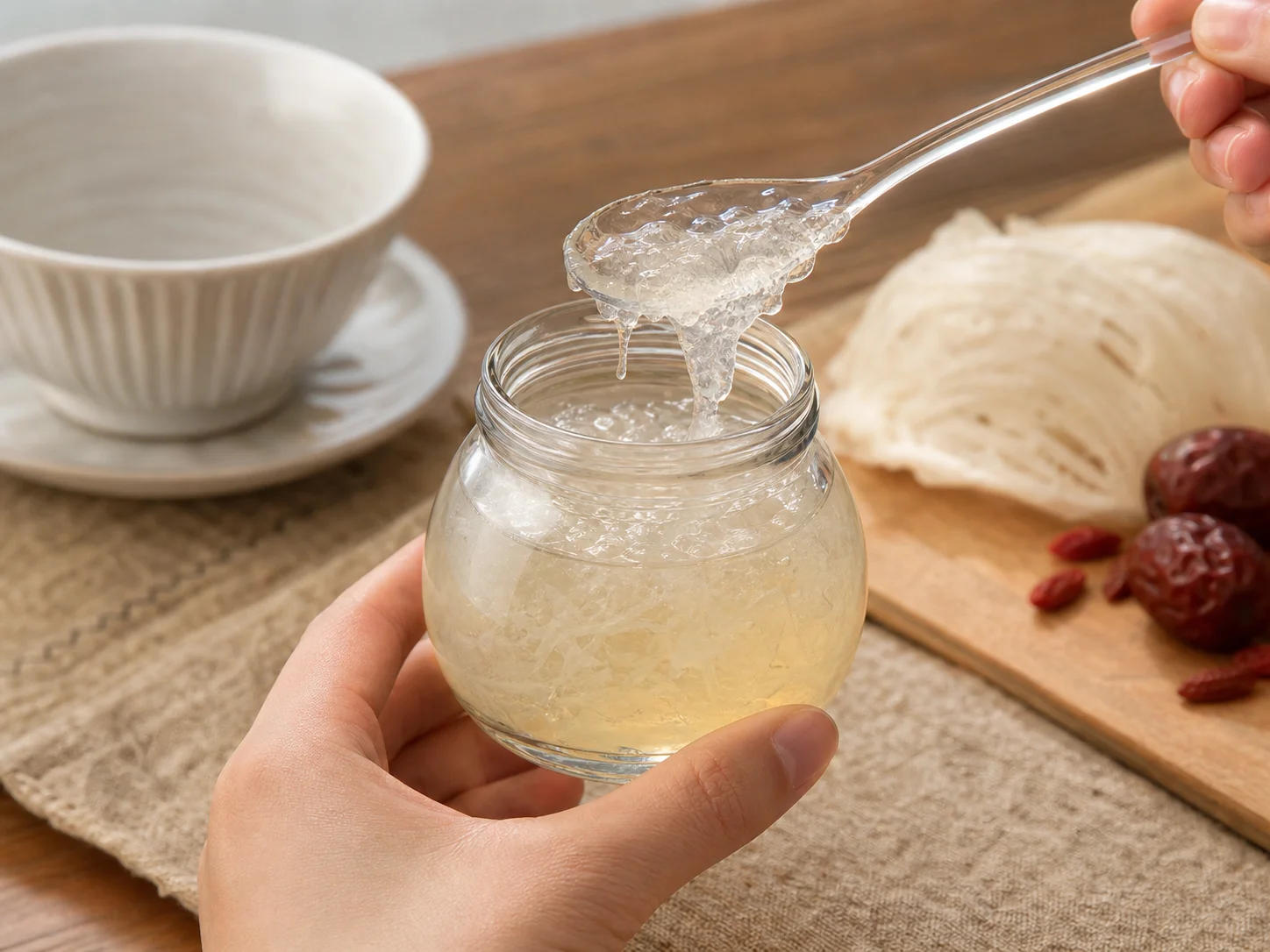
Edible bird's nest is valued visually through strand length, distribution and the clarity of the surrounding liquid. A 63.5 mm-wide body gives those details a large viewing area relative to the portion. Heavy wrap graphics would remove that advantage; a restrained front label or direct print can leave the central product presentation open.
Strands do not remain uniformly suspended by default
Long fibers can collect against the shoulder, finer material may settle, and entrained bubbles can hold pieces near the surface. Sugar concentration, strand cut and liquid viscosity all influence the final arrangement. Judge the pack after the complete heating, cooling and distribution cycle rather than approving only a freshly filled sample.
The 48 mm finish supports a spoon-led serving
A wide opening is useful when the product contains strands that would cling inside a narrow beverage neck. The consumer can drink a lower-solids formula directly, but a ready-to-eat preparation is better assessed with the intended spoon. Bowl width, handle angle and remaining-product access should all be tested against the finished 48-FD-157A opening.
The lug cap carries process responsibility
The 48-FD-157A finish is designed around a matched 48 mm lug-cap route. Shell geometry, sealing compound, application position and heating schedule determine how the closure performs. Cap-panel response and opening effort should be measured after processing and storage, not judged from how easily an unused cap turns on bare glass.
Gift presentation multiplies small tolerances
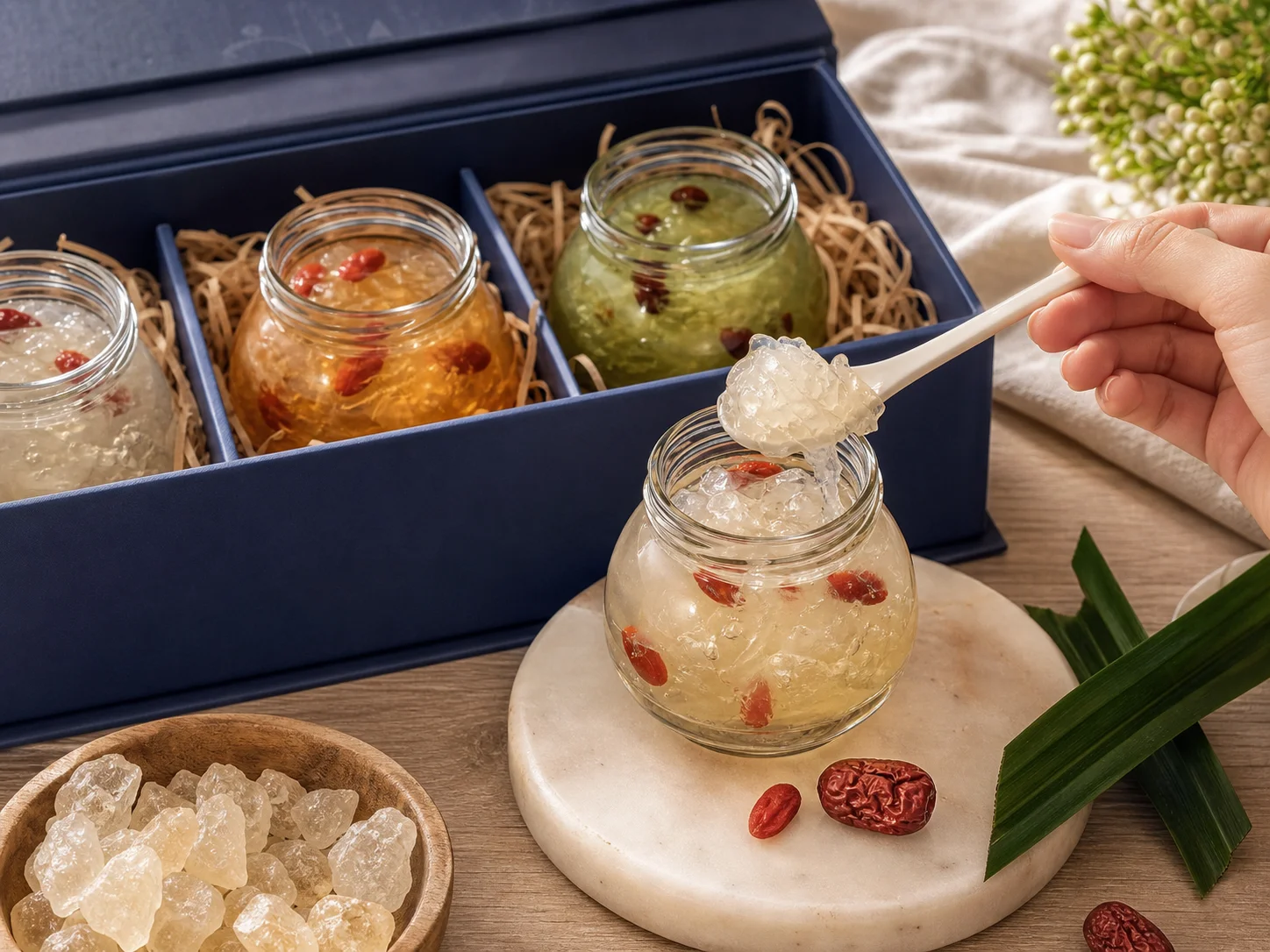
Bird's-nest products are frequently presented in multi-bottle sets, where cap color, fill height and bottle orientation are compared side by side. A few millimeters of fill variation or one rotated label becomes conspicuous across six identical round jars. Tray pockets, dividers and cap clearance should be designed around the assembled bottle rather than the glass diameter alone.