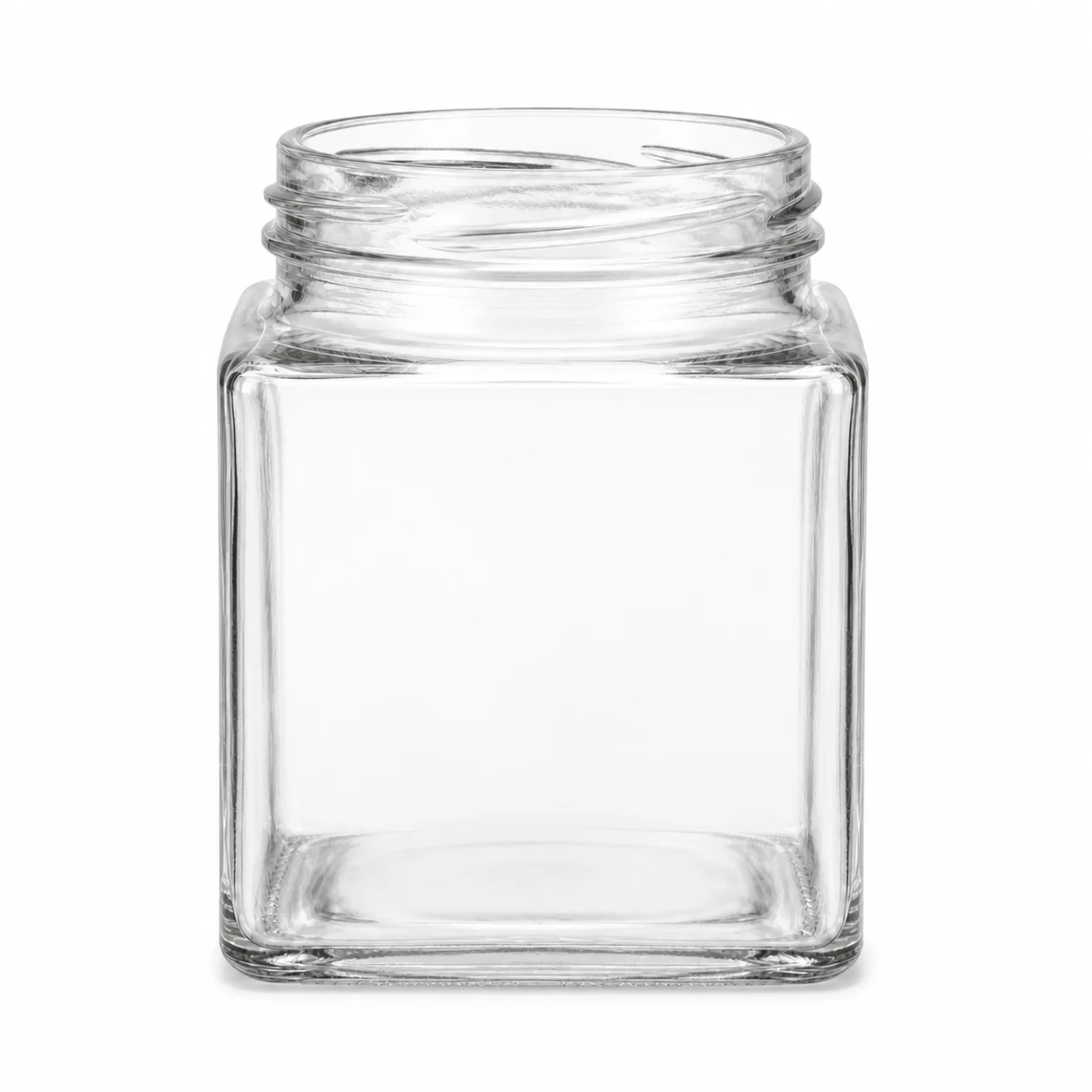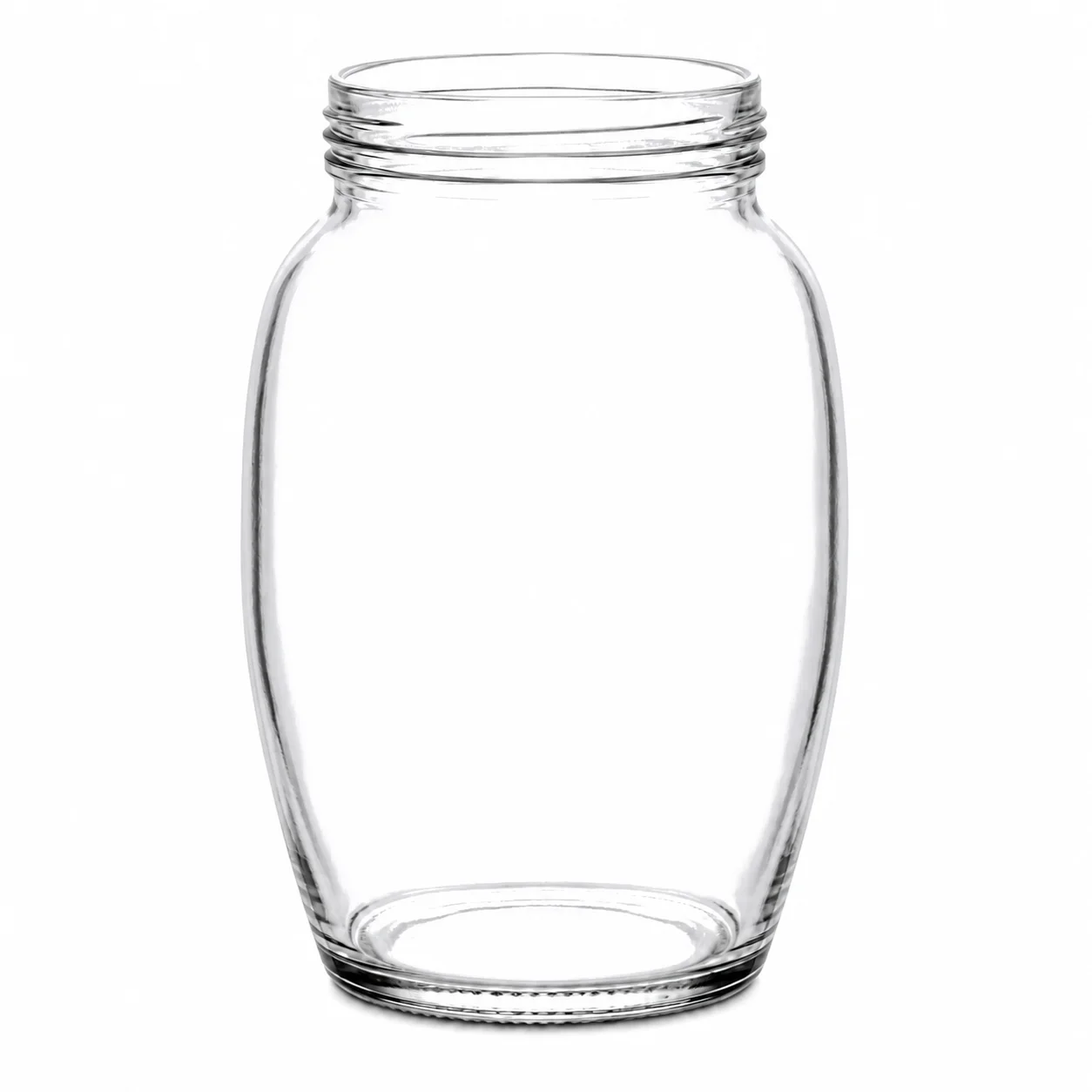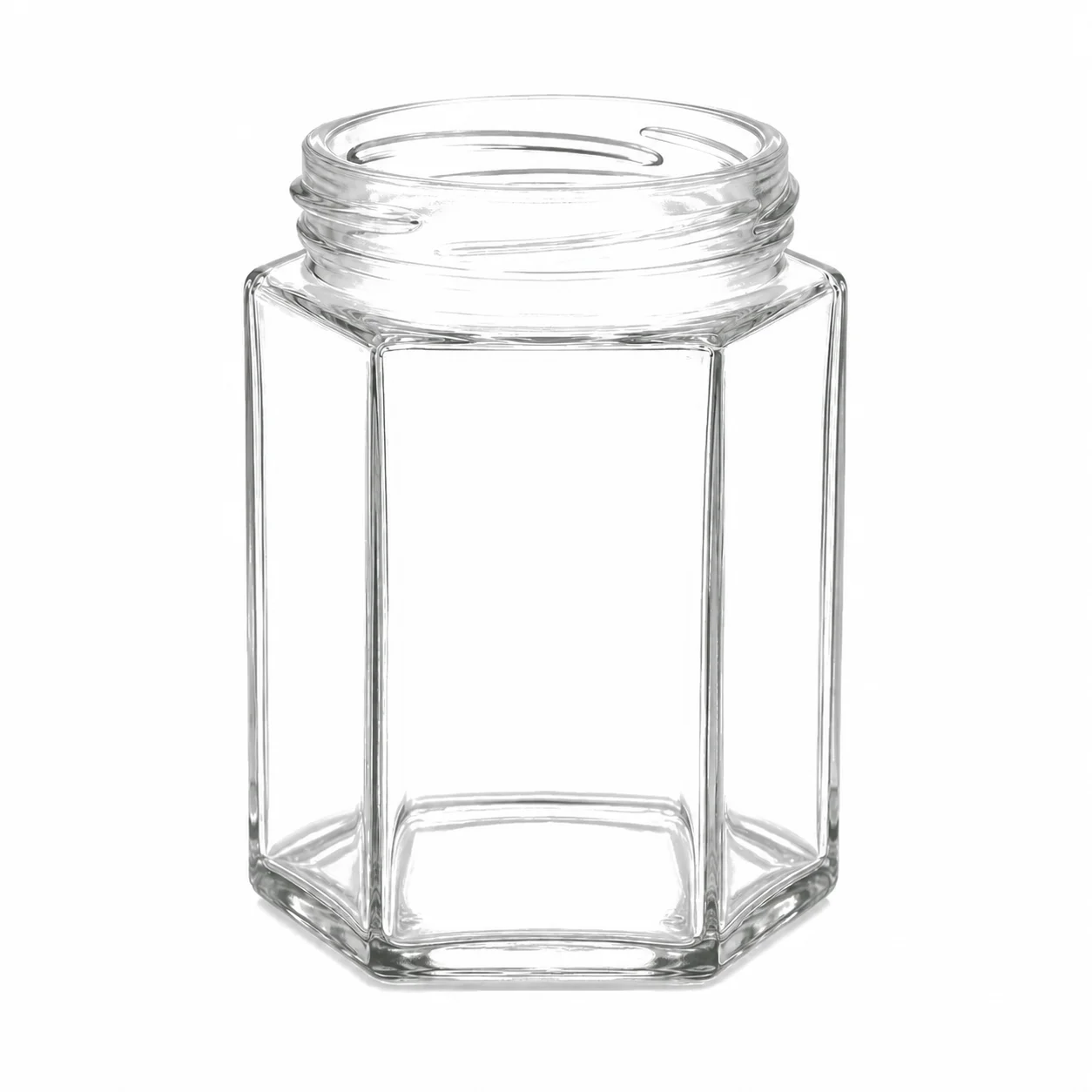
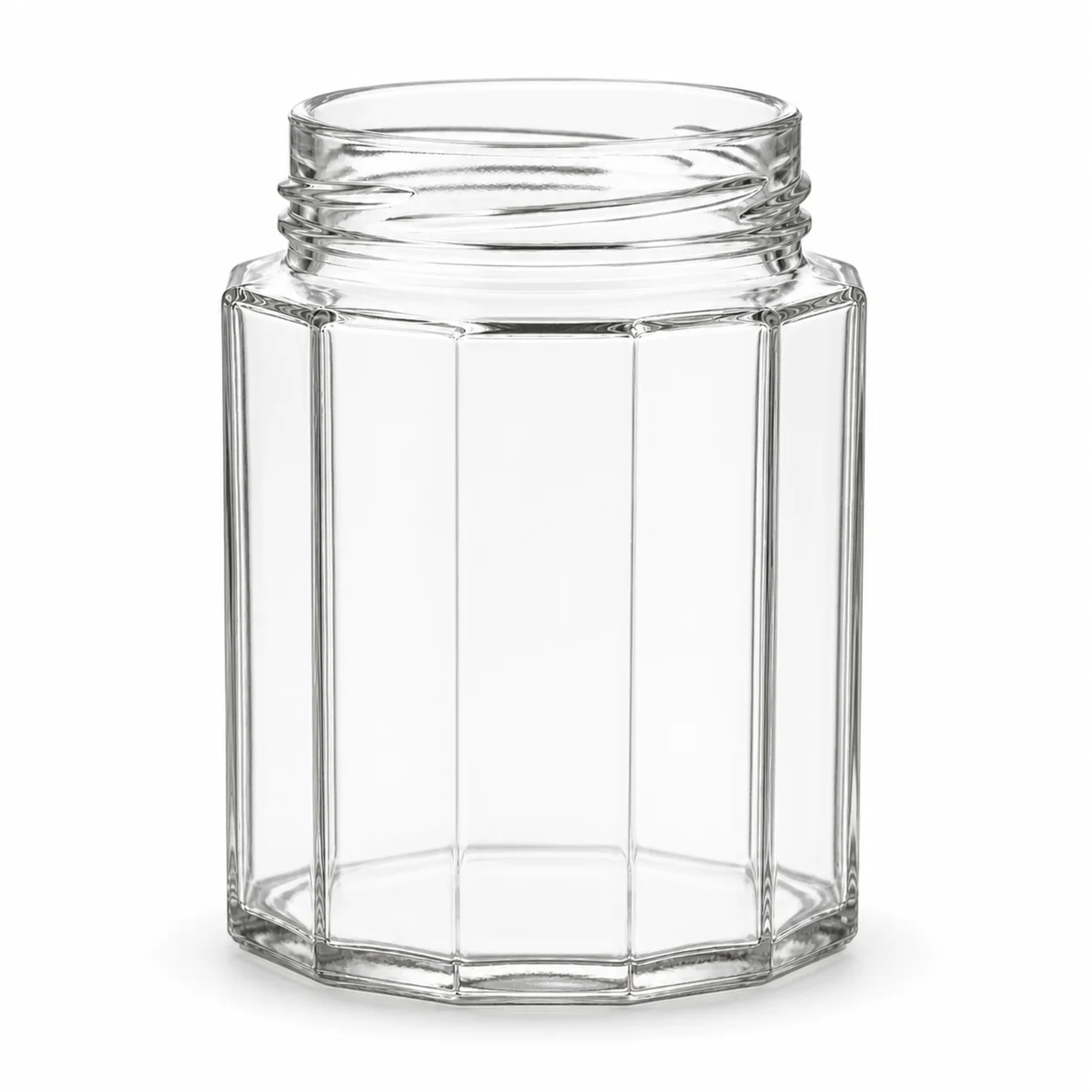
Clear octagonal glass food jar shown empty and without its selected closure
Shown configuration · clear eight-sided glass jar shown empty and without closure / selected cap and liner confirmed separately

Preserves, condiments & specialty-food packaging

Octagonal Food Jar

A slender 300 mL octagonal glass jar with eight narrow faces, a 314 mL brimful capacity and a TO 63 regular twist-off finish for preserves, savory spreads and premium pantry foods.

300 mL nominalEight-sided bodyTO 63 regular finish
Stock status
In stock
Lead time
2–3 weeks
FOB price / pc
$0.50 - $0.85
MOQ
10,000 pcs

Final availability, dimensions, materials, assembled components and commercial terms are confirmed against the selected drawing and approved sample.

Refined silhouette

Eight shallow facets read as structured without looking angular

Useful pantry size

300 mL bridges tasting formats and larger family jars

Narrow footprint

A 70.8 mm body supports efficient shelf rows and gift cells

Octagonal Food Jar profile

Use eight facets to give a compact food range more presence.

Shape, fill role & pack design

Why an octagonal jar behaves differently from a round food jar.

The BGP-FS-4016 reference format combines the storage efficiency of a near-round body with the highlights and label rhythm of an eight-sided jar. Its 300 mL capacity suits products that need more presence than a tasting jar without moving into a large household format.

01

Eight facets soften the geometry

The body is visually more ordered than a cylinder, yet its eight shallow planes create a nearly round handling profile. Light breaks at each vertical edge, giving clear glass a repeated highlight that distinguishes the jar even when the label remains deliberately small.

02

300 mL occupies a useful middle tier

This capacity works well for premium chutney, relish, pesto, tapenade and preserves sold above a sampler size but below a large family jar. The 314 mL brimful figure leaves only 14 mL above nominal, which is a narrow margin: product density, declared net contents and headspace all land on the same 14 mL and are set together, not in sequence.

03

Narrow faces reward disciplined artwork

An octagonal jar does not provide the same broad uninterrupted label panel as a square jar. A compact front label can sit on one or several adjacent faces, while a back label carries ingredients and legal copy. Label width, edge clearance and barcode placement should be checked on a physical jar before artwork is released.

04

The 63 mm opening suits spoonable foods

The TO 63 mouth gives practical access for many pestos, chutneys and finely cut relishes while keeping the upper body visually proportionate. Recipes containing whole vegetables or large fruit pieces need a separate clearance check at both the filling nozzle and the finished neck.

05

Twist-off means a short closing action

TO 63 regular is a lug finish, not a 63-400 continuous thread. A matching metal twist-off lid engages with a short turn, creating the familiar preserve-jar opening experience. Lid profile, compound and application settings are selected for the actual filling and closing route.

06

Pack the edges, preserve the facing

At 70.8 mm across, the jar builds a relatively compact shelf row, but its vertical edges can contact partitions differently from a smooth round wall. Carton cells should prevent glass-to-glass contact and, where front-facing labels matter, limit rotation between labeling, case packing and display.
Application guide

Match the 300 mL format to foods that benefit from access and visibility.

The octagonal body is strongest when the food supplies color or texture and the label uses the facets with restraint. These three directions make practical use of its capacity, opening and compact footprint.

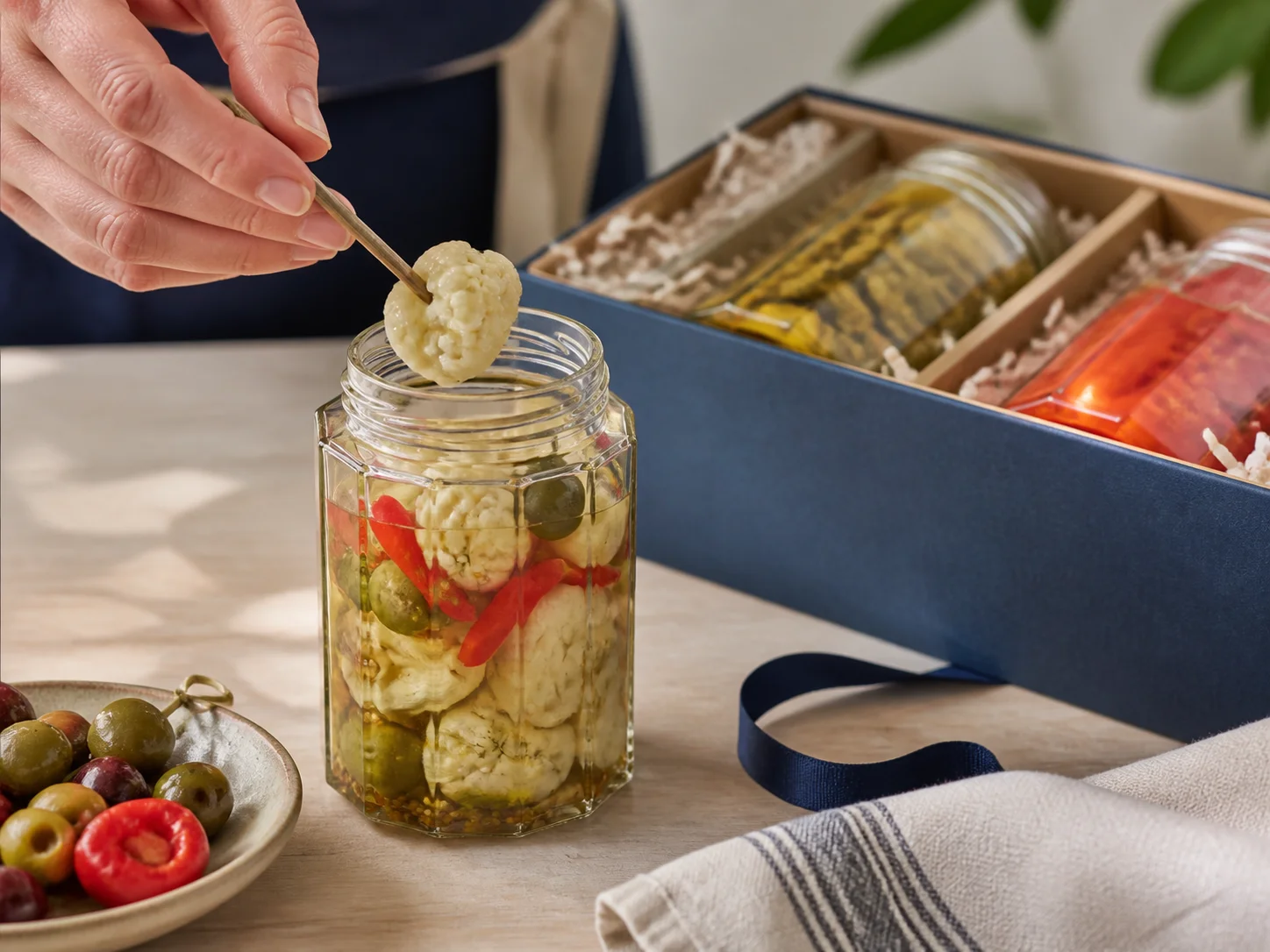
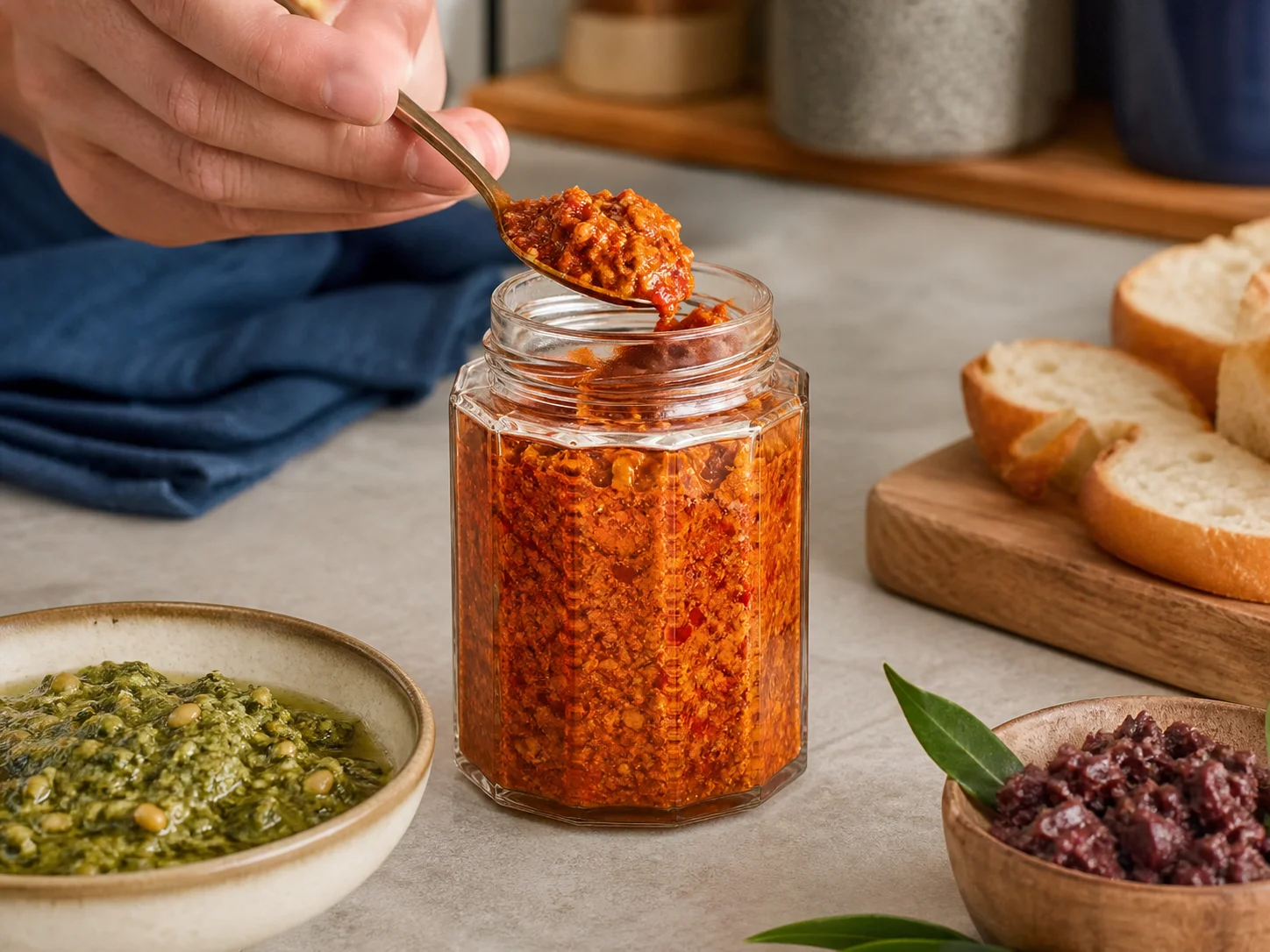
Octagonal Food Jar used for pesto, tapenade & harissa in a savory spreads setting

Savory spreads

Pesto, tapenade & harissa

The 63 mm opening supports spoon access to smooth or finely textured spreads, while the tall clear body makes herb, olive and pepper color part of the shelf presentation. A compact front label leaves enough glass exposed to distinguish recipes across a range.

  • Test the thickest recipe
  • Check oil contact around the rim
  • Reserve a clear product window
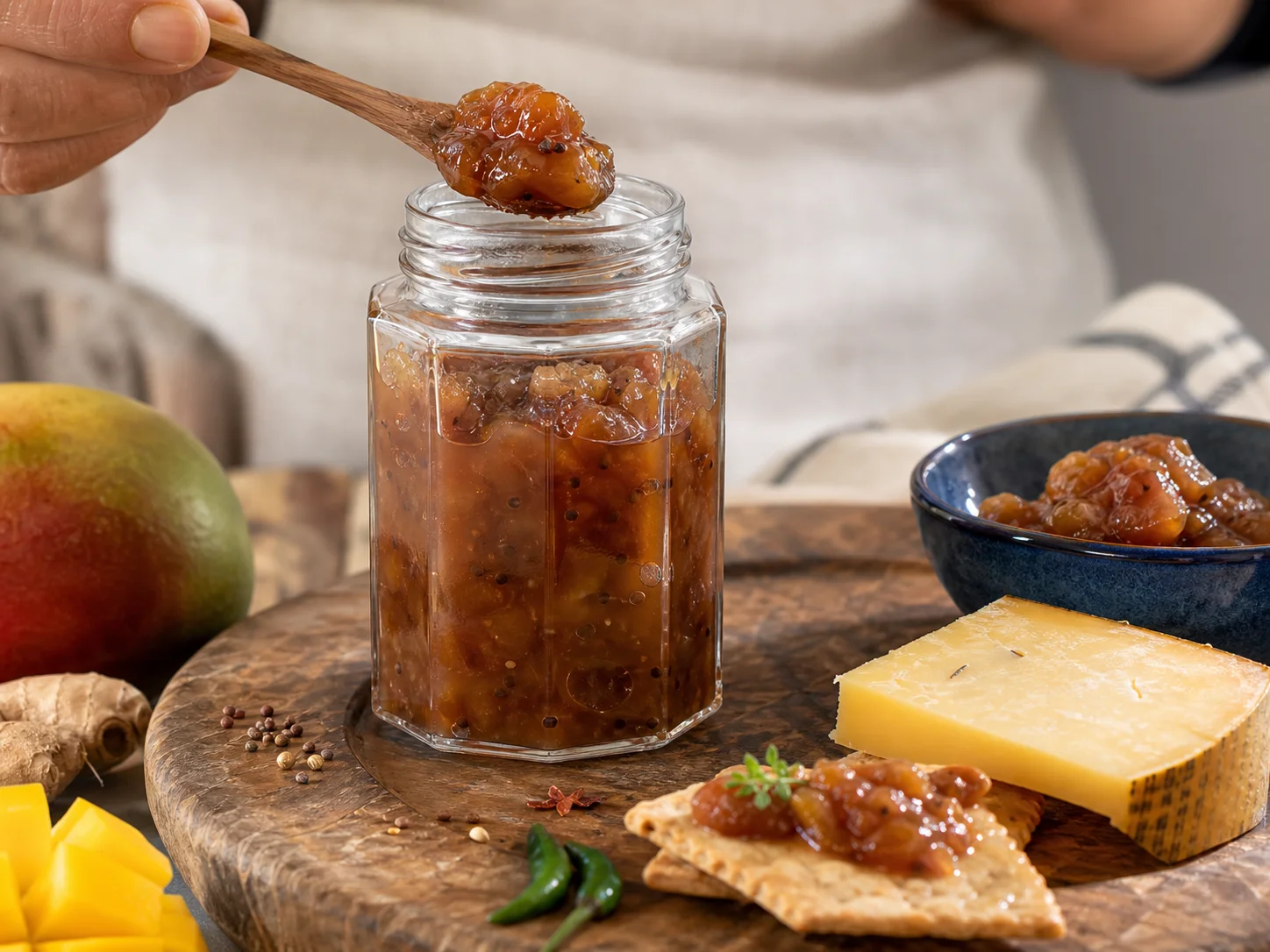
Octagonal Food Jar used for chutney, relish & fruit preserves in a preserves & condiments setting

Preserves & condiments

Chutney, relish & fruit preserves

A 300 mL jar gives premium preserves a meaningful retail portion without the visual weight of a large family pack. The faceted wall can separate flavor, heat level and serving cues, while the TO 63 lid keeps the closure proportionate to the body.

  • Measure the largest particulate
  • Set net contents by product density
  • Keep copy within verified panels
Octagonal Food Jar used for antipasti, pickled garnish & curated sets in a deli & gifting setting

Deli & gifting

Antipasti, pickled garnish & curated sets

Small-cut vegetables and garnishes gain visibility through the clear walls, and the narrow footprint works naturally in two- or three-jar gift cells. Piece size and loading method need to clear the 63 mm mouth without damaging the ingredient or marking the rim.

  • Trial ingredient loading
  • Align the hero face in the carton
  • Use partitions between jars

For recipes with large particulates, establish the minimum neck clearance from the largest ingredient—not from the average cut size—and trial both filling and consumer removal.

Octagonal Food Jar FAQ

Practical questions about the 300 mL octagonal format.

Answers for teams comparing BGP-FS-4016 capacity, TO 63 closure, narrow label faces and food applications.

Can a wrap label go around all eight faces?

A wrap is possible only when its material, width and applicator can negotiate the corner transitions cleanly. Compact front-and-back labels are often easier to control. In either case, approve artwork from measured samples and check the barcode on the intended scanning face.

Is the opening suitable for chunky foods?

A 63 mm mouth handles many chutneys, relishes and small-cut antipasti, but suitability depends on the largest individual piece and the filling nozzle—not simply the recipe name. Run the largest realistic pieces through both filling and spoon-removal trials.

How many jars are supplied on a pallet?

The commercial reference for this envelope runs 2,048 jars per pallet and treats a full pallet as the minimum. Our case count and export pallet pattern follow the production and shipping configuration you select.

What do the eight facets actually do for the pack?

They break the light at every vertical edge. That gives clear glass a repeated highlight and lets the jar read as considered even when the label stays deliberately small — which is the reason to choose it over a plain cylinder of the same capacity.

Next step

Send us the Octagonal Food Jar brief.

Tell us the product, fill volume, closure preference and destination market. We will come back with the matching drawings, available configurations and a sample plan before anything is quoted.

  • 01Send the briefProduct, volume, closure and market
  • 02Get the optionsMatching drawings and configurations
  • 03Approve the sampleConfirm the pack before production