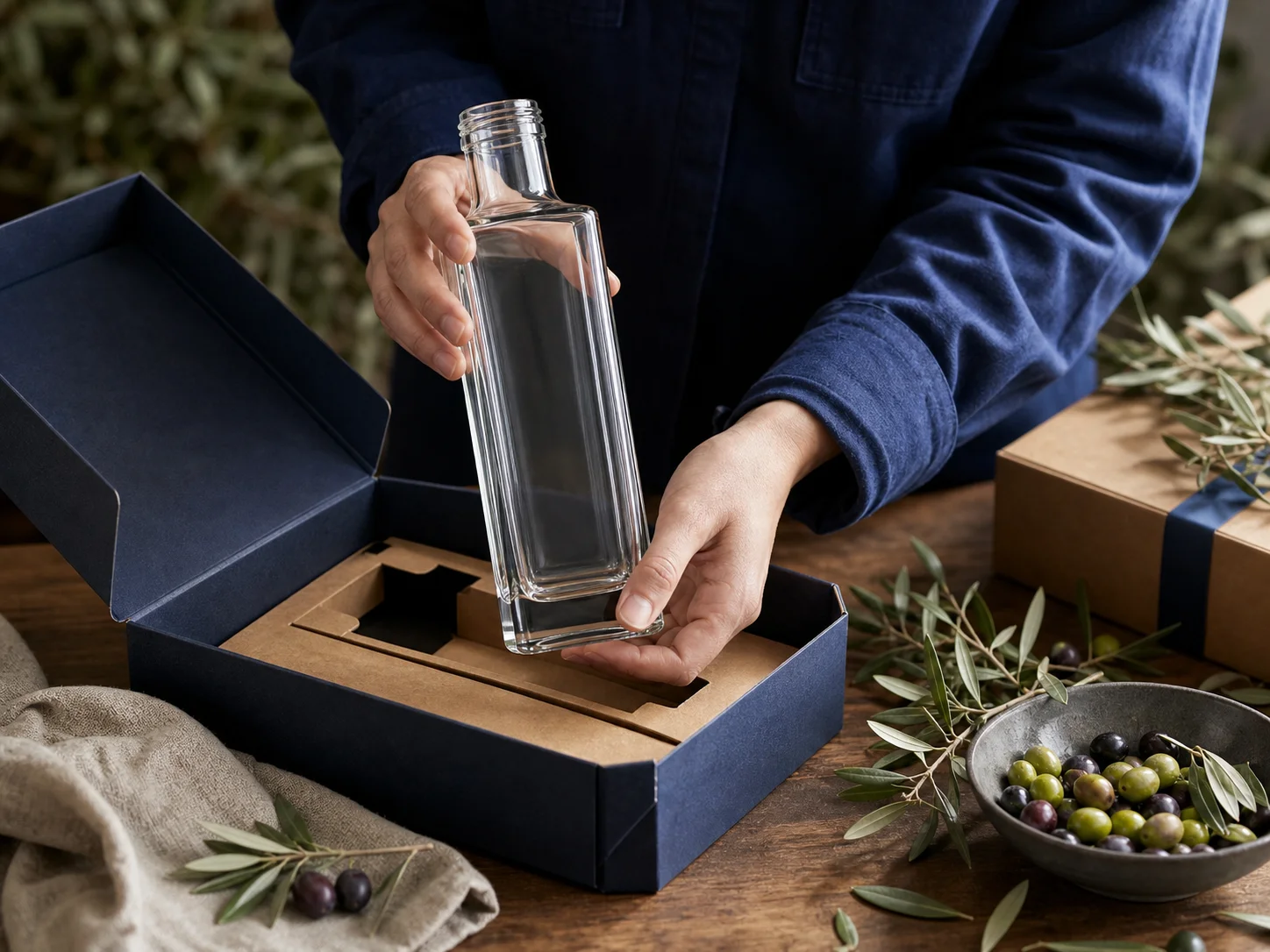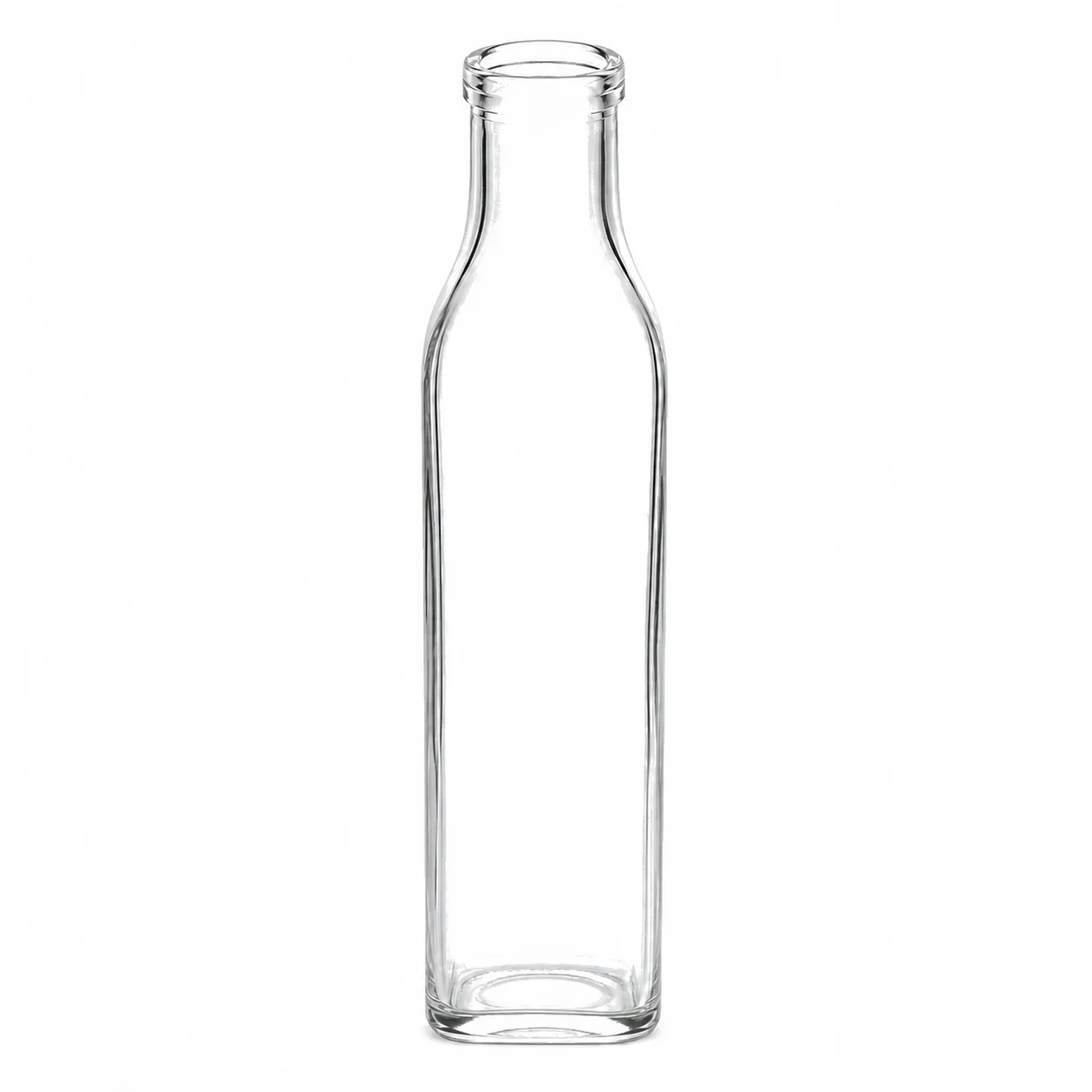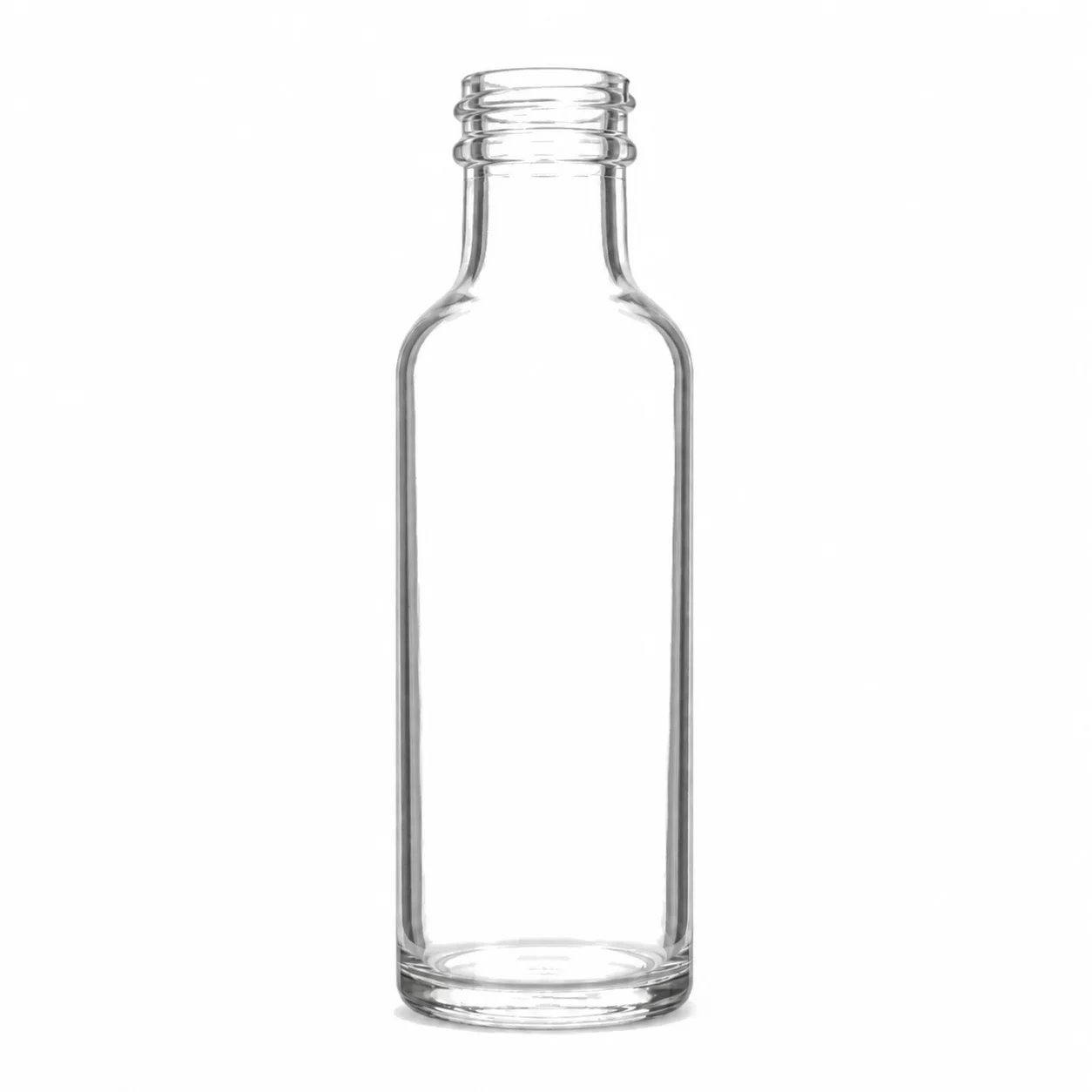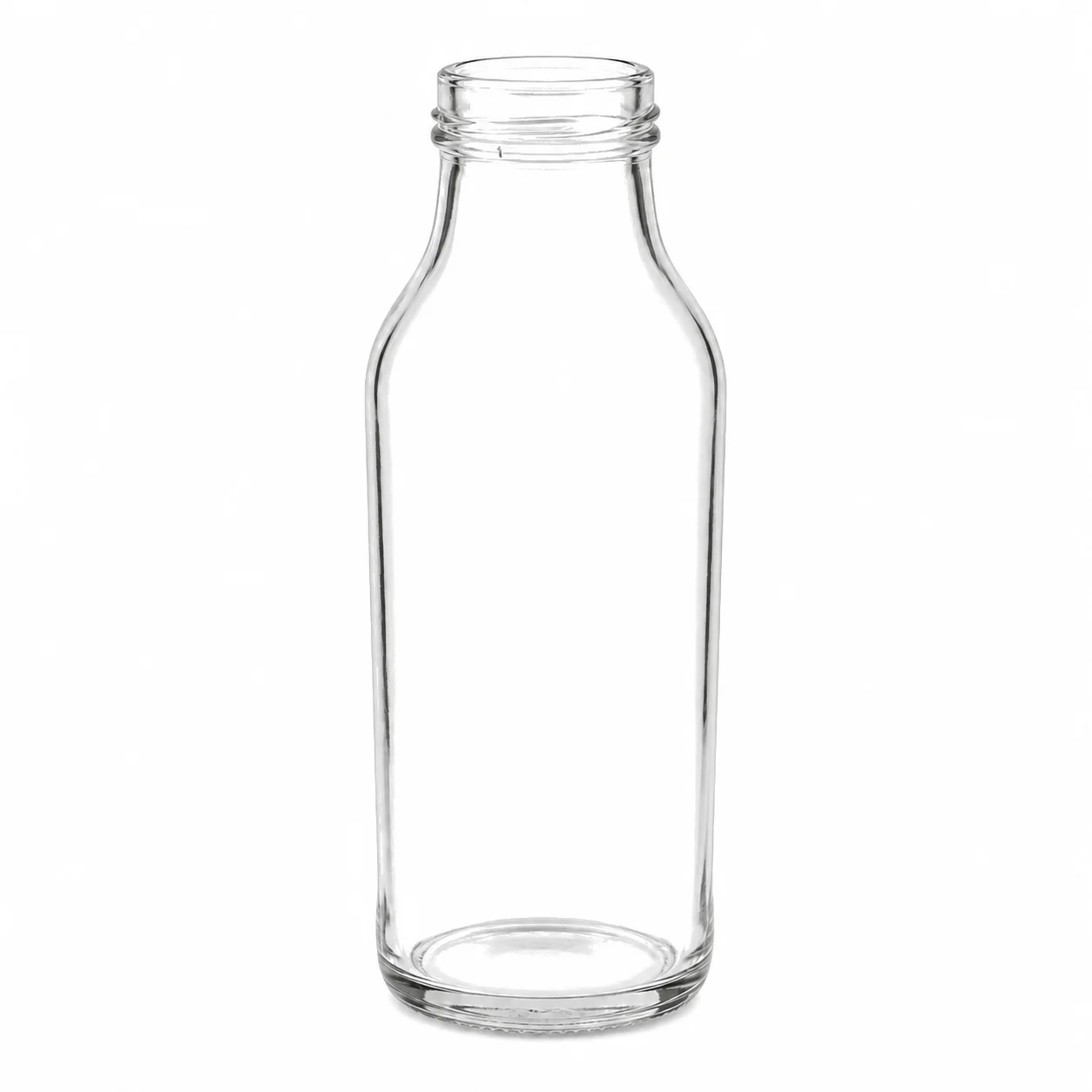
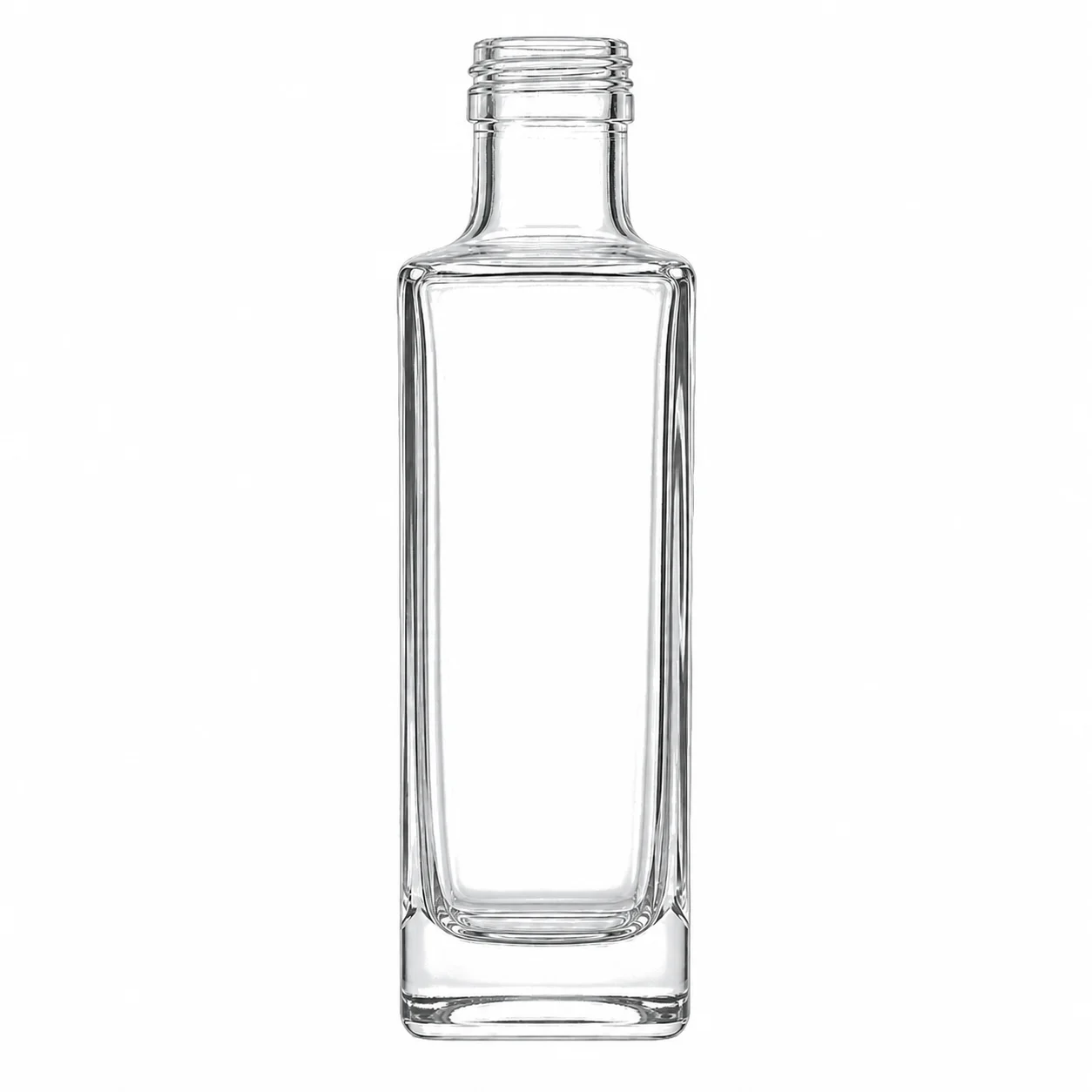
Clear rectangular-panel glass olive oil bottle shown empty and without its selected closure
Shown configuration · clear rounded-square glass bottle shown empty with threaded oil finish / cap and optional pour insert selected separately

Olive oil, provenance & premium pantry packaging

Olive Oil Bottle

A 500 mL rounded-square glass bottle with defined label faces and a 31.5 mm ROTE finish, designed for extra-virgin, estate and premium finishing oils.

500 mL / 516 mL brimful31.5 mm ROTE finishRounded-square premium profile
Stock status
In stock
Lead time
2–3 weeks
FOB price / pc
$0.95 - $1.25
MOQ
2,000 pcs

Final availability, dimensions, materials, assembled components and commercial terms are confirmed against the selected drawing and approved sample.

Provenance canvas

Flat faces organize estate, harvest and cultivar information

Kitchen proportion

The slender 500 mL body supports controlled one-hand use

Premium logistics

390 g reference glass weight creates a substantial pack

Olive Oil Bottle profile

Give premium olive oil a precise structure for story and service.

Proportion, protection & provenance

Six details that turn a bottle into an olive-oil program.

BGP-FS-9245 combines a slender rounded-square body with a compact oil finish. Its faces create an orderly framework for origin and sensory information, while the 500 mL volume remains practical beside the stove or at the table. Glass color, label coverage and secondary packaging should be planned with the same care as the closure because olive oil quality is sensitive to storage conditions, particularly light and heat.

01

500 mL works as a flagship size

Half a liter gives a producer enough volume for regular kitchen use while preserving the perceived value of estate and single-cultivar oils. It also leaves room for a coherent family architecture: smaller bottles for sampling and gifting, and larger formats for loyal household buyers.

02

Rounded-square faces organize provenance

The body provides clear front, back and side orientations without the hard handling edges of a sharp square. The front can carry producer and origin; the back can explain harvest, cultivar and tasting notes; narrow sides can hold batch coding or a restrained visual detail.

03

516 mL brimful capacity leaves a tight volume window

The verified benchmark adds only 16 mL above the 500 mL nominal declaration. That difference is useful for checking fill-height design, but it should not be treated as the final operating headspace: fill temperature, legal quantity control and closure displacement determine the production fill level.

04

31.5 mm ROTE connects evidence and pour

The reference finish is designed for a roll-on tamper-evident closure. A compatible cap can establish first-opening evidence, while an integrated or separate insert can shape a finer finishing stream. Cap shell, liner, insert and application settings need to be specified against the exact finish drawing.

05

Clear glass needs an intentional light strategy

Clear glass makes color and clarity highly visible, which can be valuable in tasting-led retail. The International Olive Council recommends keeping bottled oil away from direct and excessive light, so a clear presentation should be supported by meaningful label coverage, a carton or controlled shelf placement rather than relying on appearance alone.

06

Premium weight affects every shipping decision

At 390 g empty, the benchmark has a substantial hand feel but also adds more than half a metric ton of glass to a 1,296-bottle pallet before product is filled. Divider strength, pallet pattern, gross-weight limits and handling costs therefore belong in the design discussion from the start.
Application guide

Use a panelled bottle where olive oil has a story to carry.

The tall panelled format is most effective where provenance, sensory character and the serving ritual all contribute to the value of the oil.

Olive Oil Bottle used for extra-virgin & single-cultivar olive oils in a estate release setting

Estate release

Extra-virgin & single-cultivar olive oils

For estate oils a customer chooses the way they choose wine, reading producer, place, harvest and cultivar before price. Two flat faces let that run in a readable order instead of being compressed into one decorative label, and the weight of the bottle in the hand does its own part of the positioning.

  • Prioritize origin and harvest
  • Plan meaningful light coverage
  • Match cap finish to the brand
Olive Oil Bottle used for chef, tasting & table presentation in a finishing oil setting

Finishing oil

Chef, tasting & table presentation

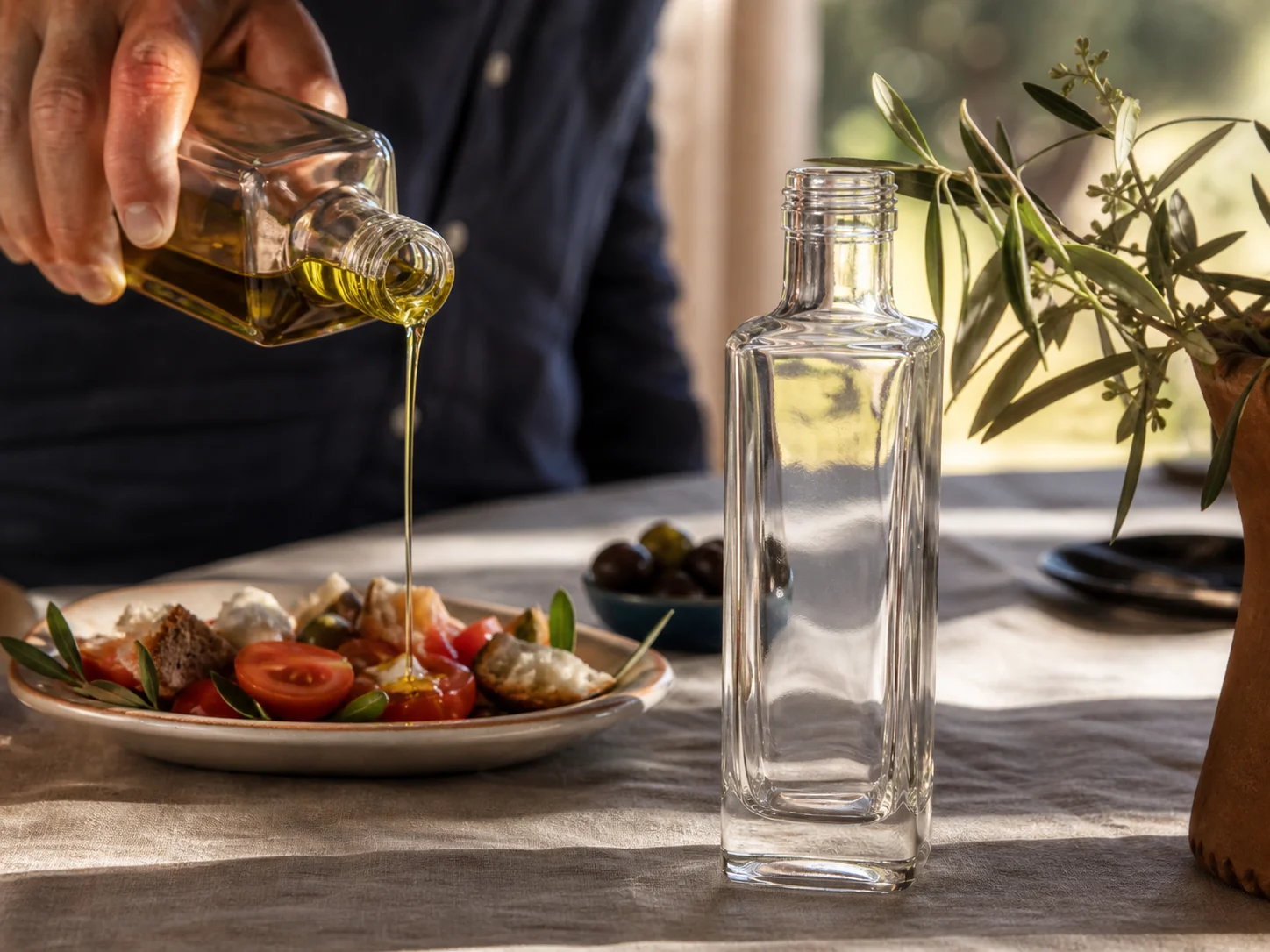
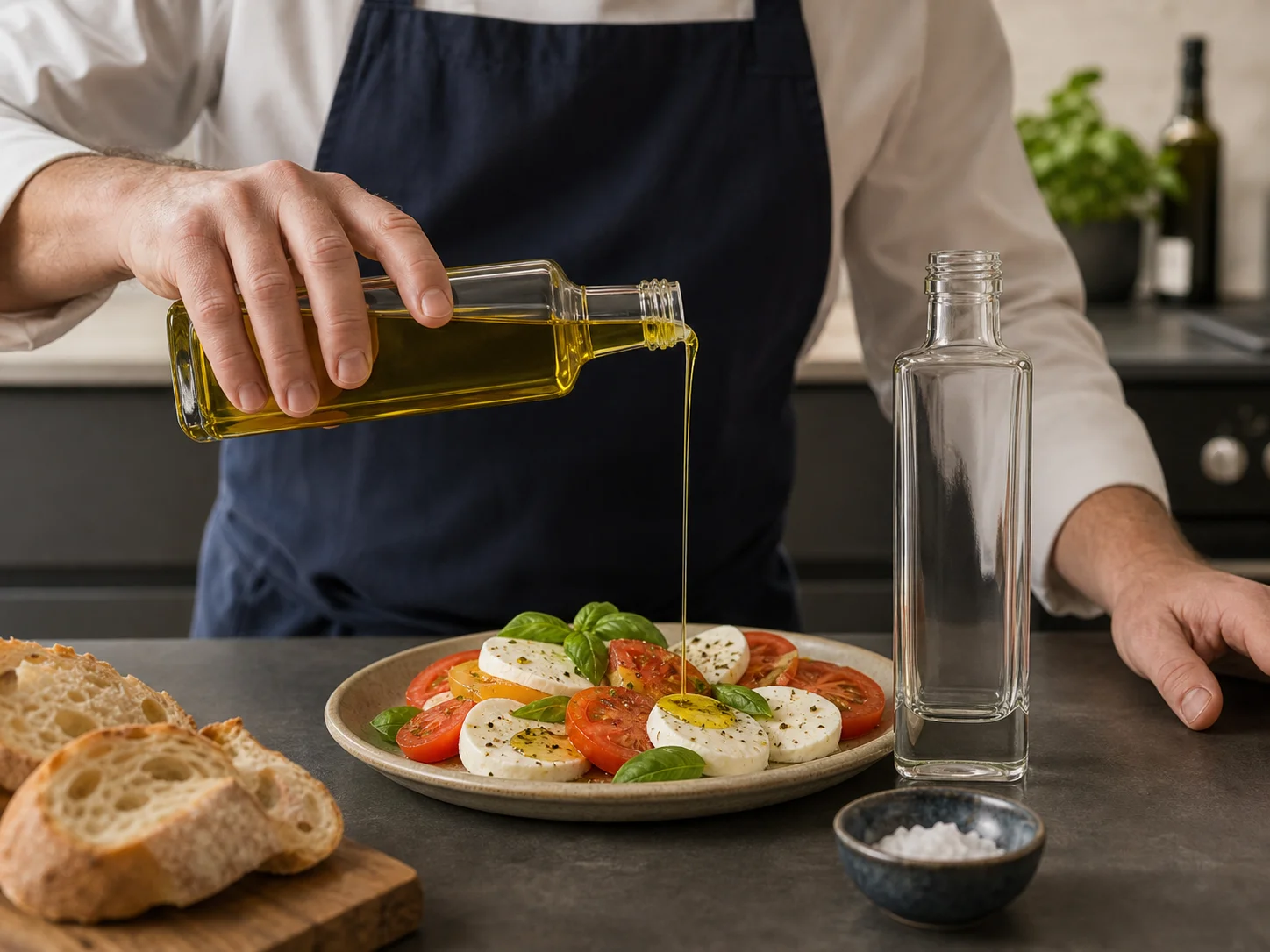
The slender body handles naturally during a measured drizzle over bread, vegetables or finished dishes. Specify the insert around the desired stream and assess cutoff with the actual oil at several fill levels; a tasting-room pour may need more precision than an everyday cooking pour.

  • Define the target stream
  • Test full and low fill levels
  • Assess exterior oil residue
Olive Oil Bottle used for harvest releases & curated gift sets in a limited edition setting

Limited edition

Harvest releases & curated gift sets

The fixed faces make seasonal artwork and numbered bottlings easy to align across a collection. For gift presentation, hold each heavy bottle by the base and shoulder with a fitted insert so the closure, labels and glass corners remain separated from the outer carton.

  • Coordinate sequential artwork
  • Engineer the filled-weight insert
  • Check bottle orientation after transit

Approve the pack with filled samples under the intended retail light, distribution route and consumer pour routine.

Olive Oil Bottle FAQ

Questions about provenance panels, glass direction and olive-oil use.

Product-specific answers for retail, estate and premium olive oil programs using a panelled glass bottle.

How should the four faces be used?

As a sequence, not a wrap. The rounded-square body gives clear front, back and side orientations without hard handling edges, so the front can carry producer and origin while the back explains harvest and the sides take the supporting copy. That structure is the reason to choose the shape.

What does the 31.5 mm ROTE finish require?

It requires a cap made to the matching roll-on tamper-evident finish specification and correctly set application equipment. Confirm the cap shell, liner or plug, bridge design, thread formation and any pour insert against the approved bottle drawing.

Can a pour insert be used for finishing oil?

Yes, if it is designed for the selected 31.5 mm closure system. Trial the insert with the real oil to establish stream width, cutoff, air return and residue before setting the commercial configuration.

At 390 g empty, what does the glass weight cost downstream?

More than half a metric ton of glass on a 1,296-bottle pallet before any oil is filled. That weight buys the hand feel a premium oil is expected to have, but it also sets divider strength, pallet height and freight on every shipment. Price the format on landed cost per filled bottle rather than on the glass alone.

Next step

Send us the Olive Oil Bottle brief.

Tell us the product, fill volume, closure preference and destination market. We will come back with the matching drawings, available configurations and a sample plan before anything is quoted.

  • 01Send the briefProduct, volume, closure and market
  • 02Get the optionsMatching drawings and configurations
  • 03Approve the sampleConfirm the pack before production