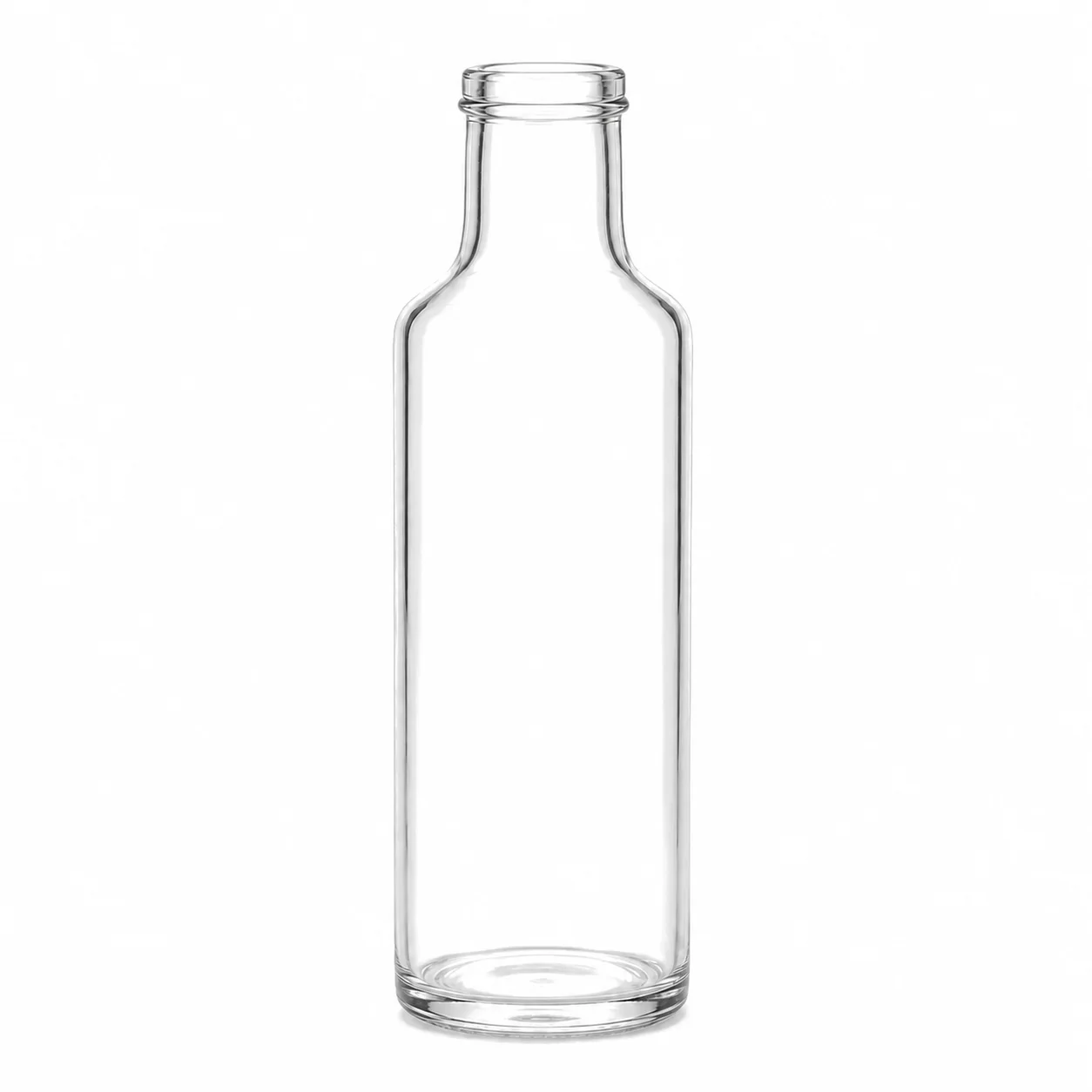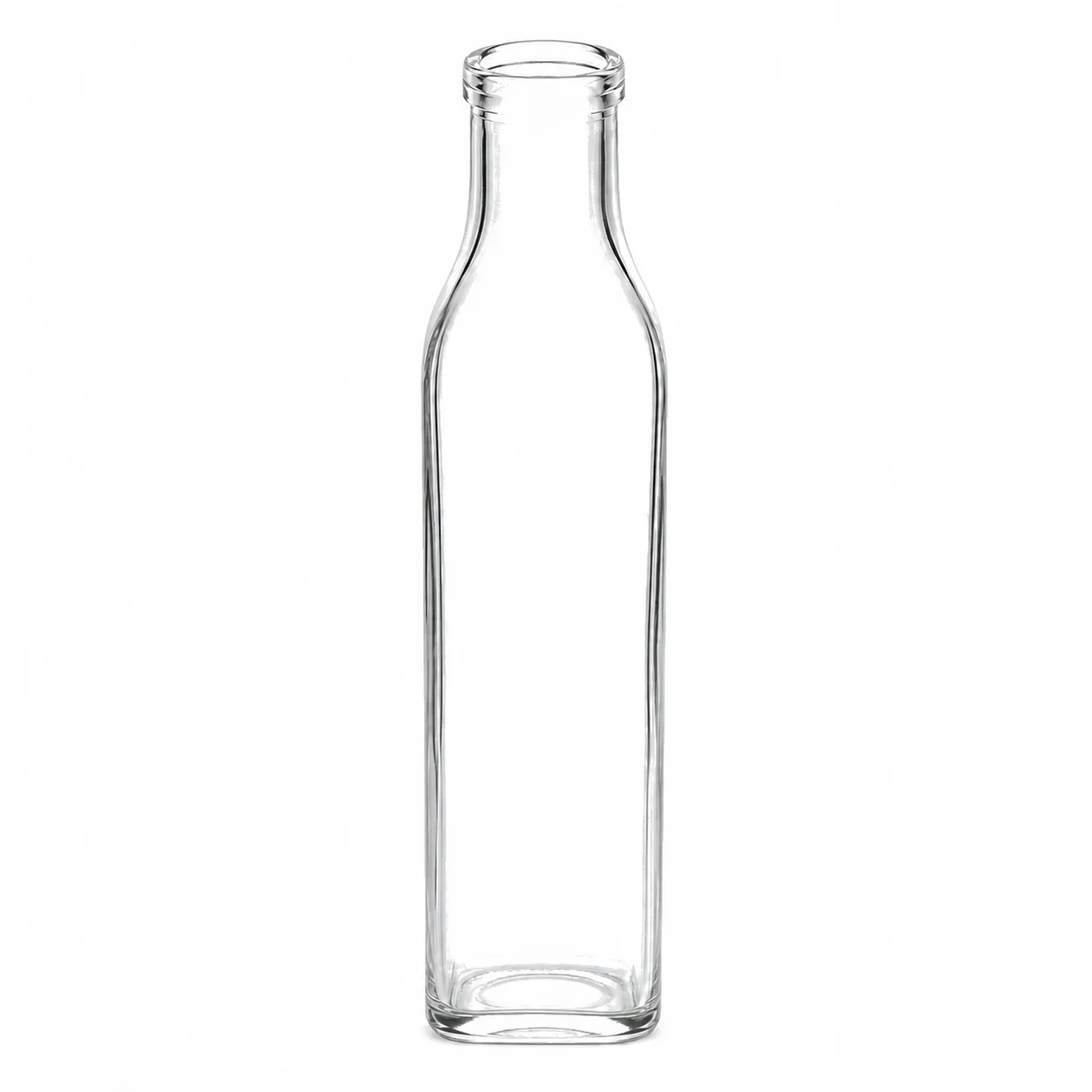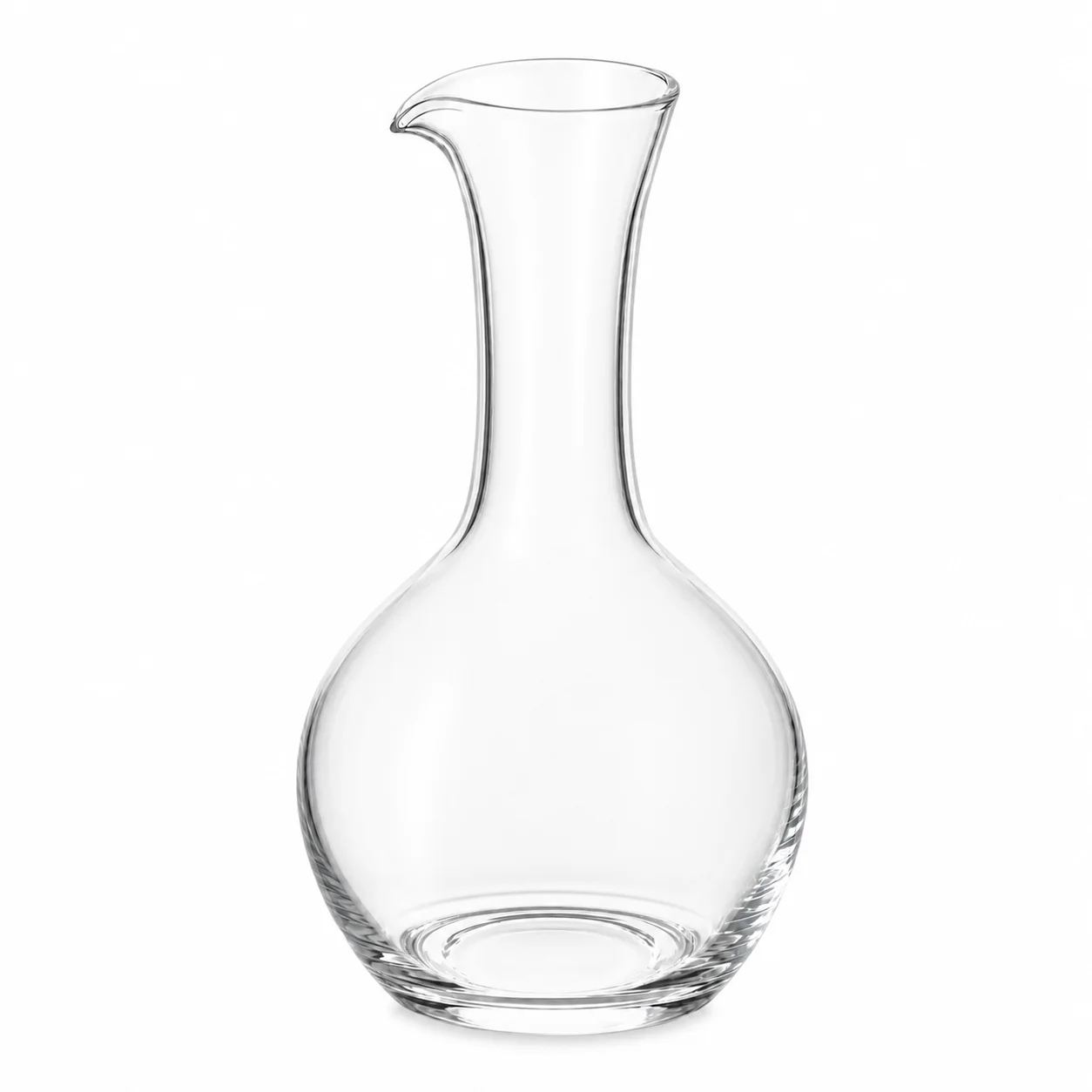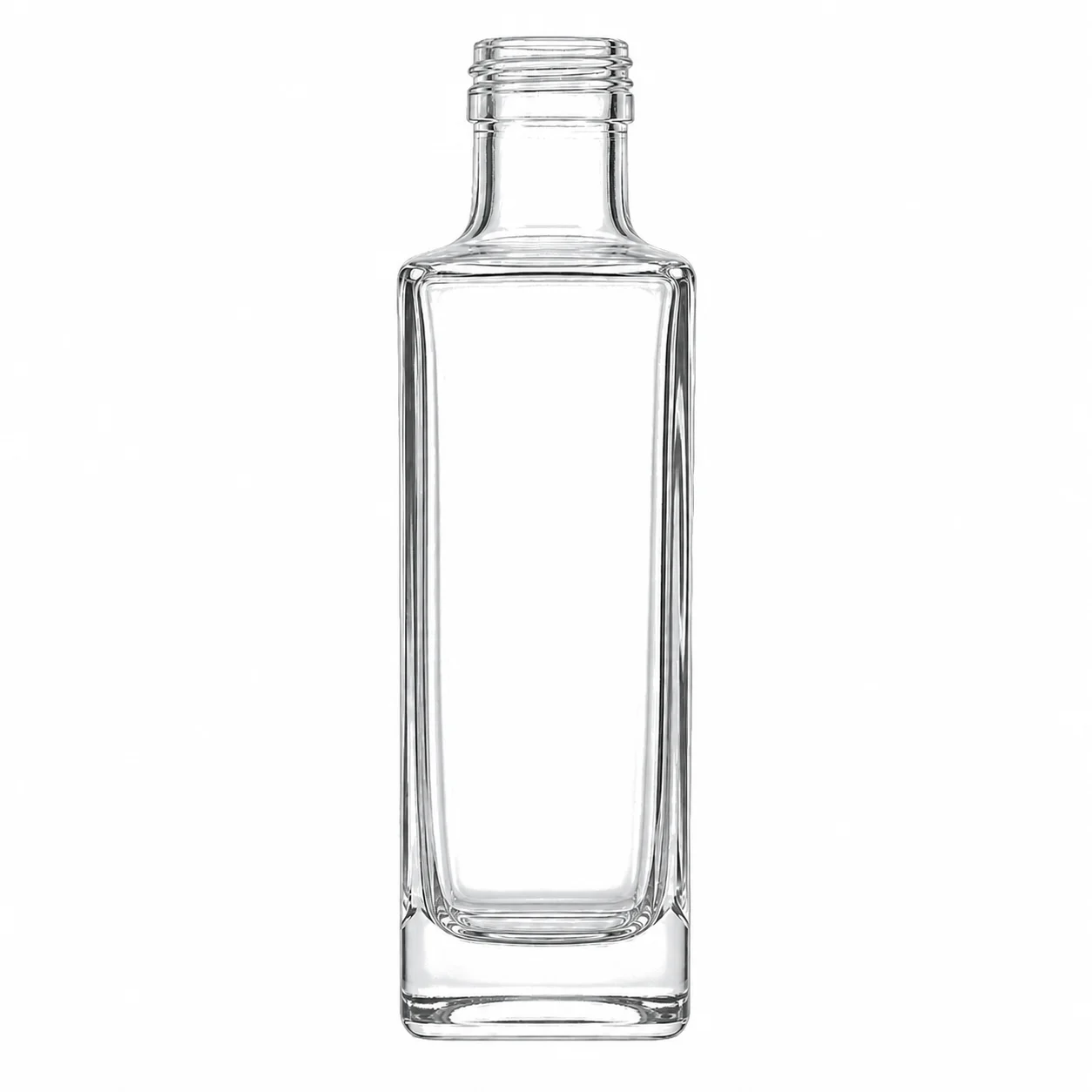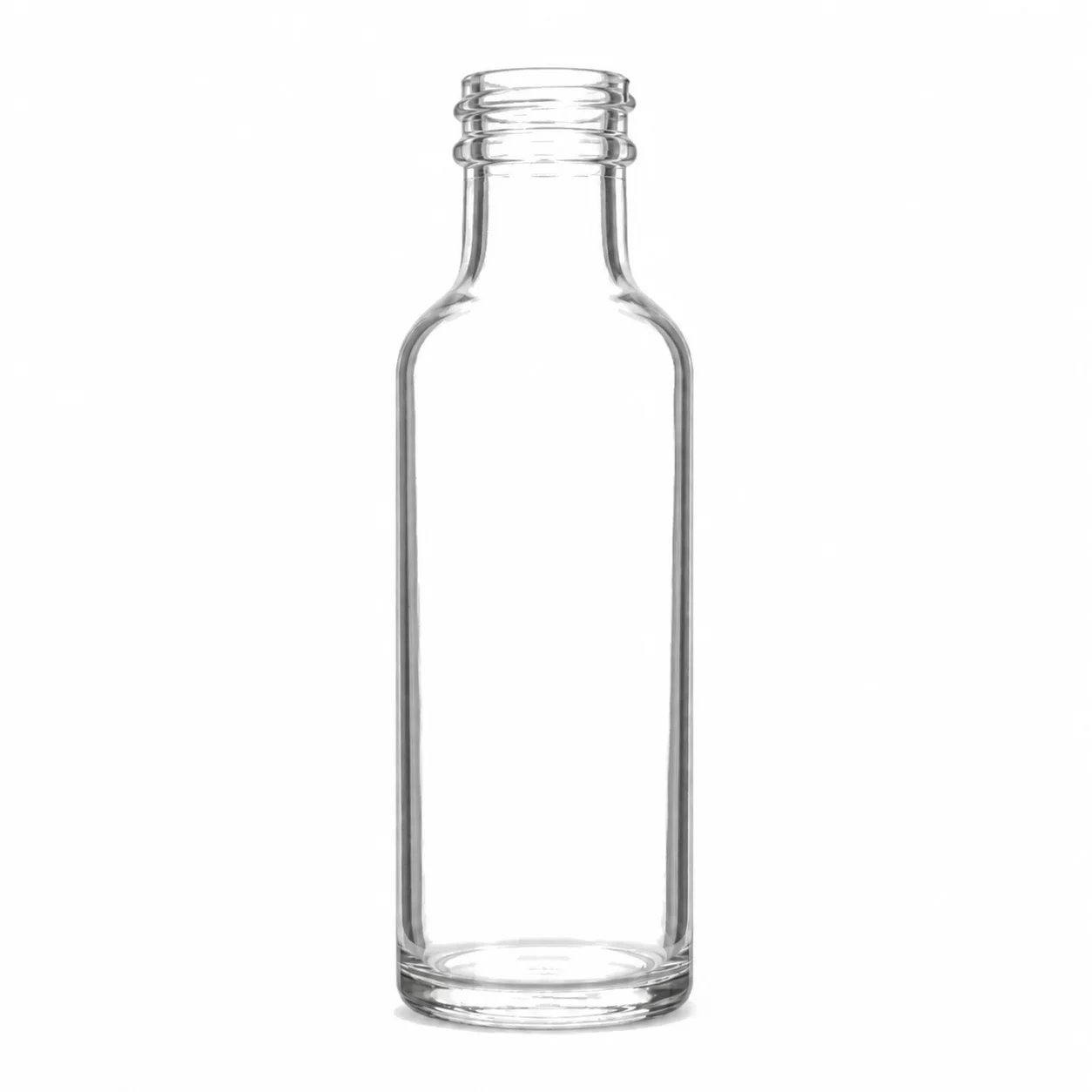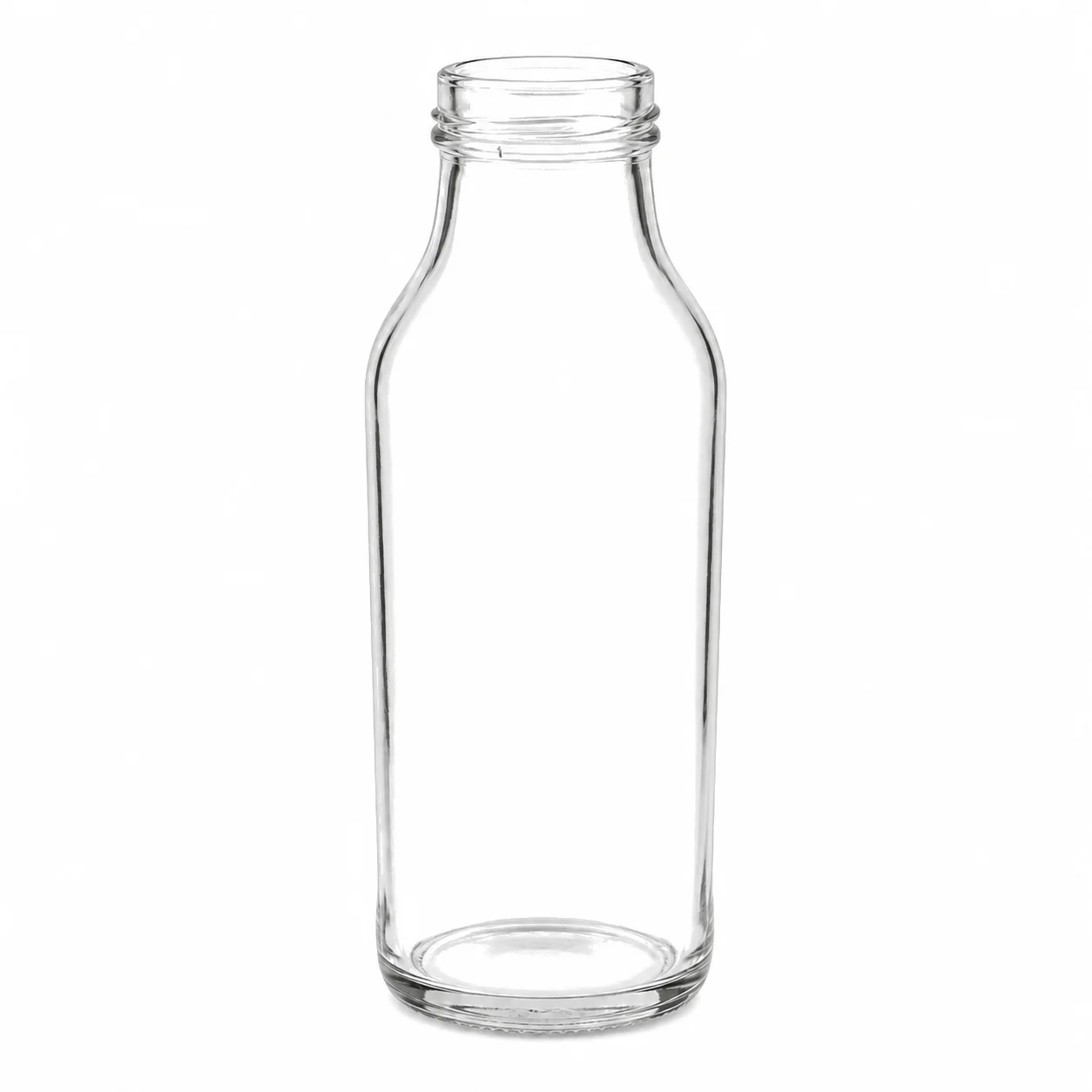
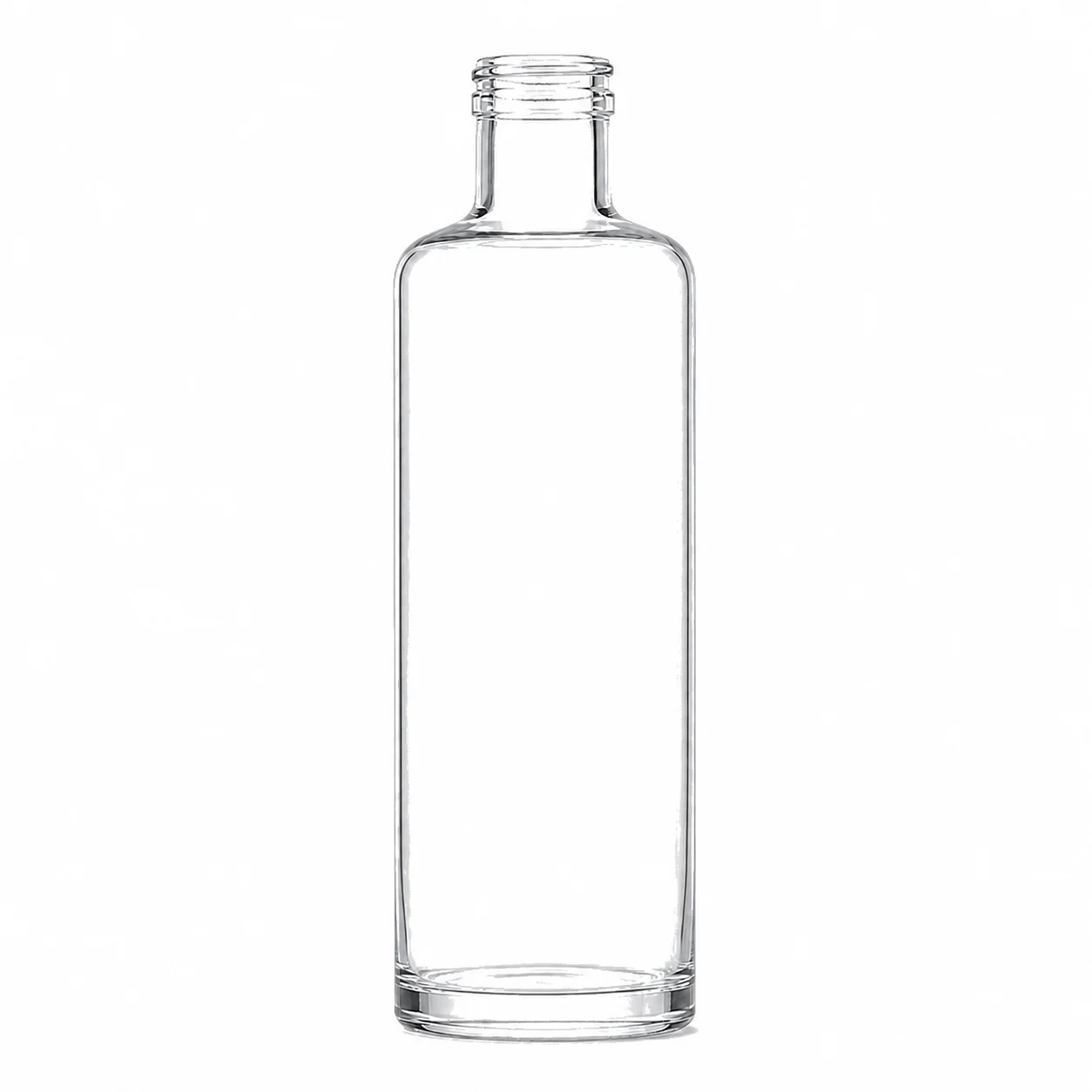
Clear glass edible oil bottle shown empty and without its selected closure
Shown configuration · clear round glass bottle shown empty with PP35 threaded finish / closure and optional flow-control insert selected separately

Cooking oil & pantry packaging

Edible Oil Bottle

A 500 mL round glass bottle with a clean cylindrical label panel and PP35 finish, developed for everyday edible oils, specialty blends and retail pantry ranges.

500 mL reference formatPP35 pilfer-proof finish2,550 units per reference pallet
Stock status
In stock
Lead time
2–3 weeks
FOB price / pc
$0.90 - $1.15
MOQ
10,000 pcs

Final availability, dimensions, materials, assembled components and commercial terms are confirmed against the selected drawing and approved sample.

Retail scale

500 mL supports an accessible everyday cooking-oil pack

Tall label field

The straight body carries front, back or wraparound graphics

Closure flexibility

PP35 supports a matched pilfer-proof cap system

Edible Oil Bottle profile

A practical 500 mL oil bottle with room for both product and brand.

Volume, pour & retail execution

Six decisions behind a dependable everyday oil pack.

BGP-FS-6103 uses a tall round body, controlled shoulder transition and PP35 neck to create a familiar retail oil format. The geometry is efficient to label and easy to recognize in the pantry, while the final cap, liner and optional flow-control insert determine opening evidence, resealing and the character of the pour.

01

500 mL fits the everyday pantry

Half a liter is large enough for regular cooking yet manageable with one hand when a recipe needs a short pour. It also gives brands a useful middle tier between small premium bottles and liter-scale family formats without forcing a completely different shelf language.

02

The cylindrical body is a working label panel

A long, nearly parallel-sided body provides a predictable surface for pressure-sensitive labels and wraparound graphics. The design can show a broad window of oil, prioritize a large front identity or divide mandatory information cleanly across front and back panels.

03

Shoulder geometry supports a steady transition

The short rounded shoulder moves product from the main chamber into the narrower neck without the abrupt visual break of a square oil bottle. During use, the pour still changes as air returns through the opening, so the bottle and selected flow insert should be tested at full, half and low fill levels.

04

PP35 is the starting point for the closure

The verified reference uses a PP35 pilfer-proof finish. A matched aluminum or plastic cap can provide first-opening evidence, while a selected insert may narrow the stream for drizzling. Finish drawing, cap dimensions, liner and insert must be sourced as one interface rather than mixed by nominal diameter alone.

05

Clear and green glass tell different product stories

Flint glass makes the oil's hue and clarity part of the shelf presentation; green glass creates a more traditional oil cue and changes the appearance of the contents. The final color should follow brand position, label coverage and the oil producer's validated storage specification.

06

A 2,550-bottle pallet changes unit economics

The manufacturer's reference pallet holds 2,550 empty bottles, making pallet utilization a meaningful part of the landed-cost calculation. Case count, divider pattern, pallet height and filled-bottle stacking still need to be engineered for the destination route rather than copied from the empty-glass figure.
Application guide

Use a bottle that fits the way the oil is cooked or finished.

The 500 mL round format suits mainstream cooking oils and more differentiated recipes when closure, pour behavior and label architecture are built around the real product.

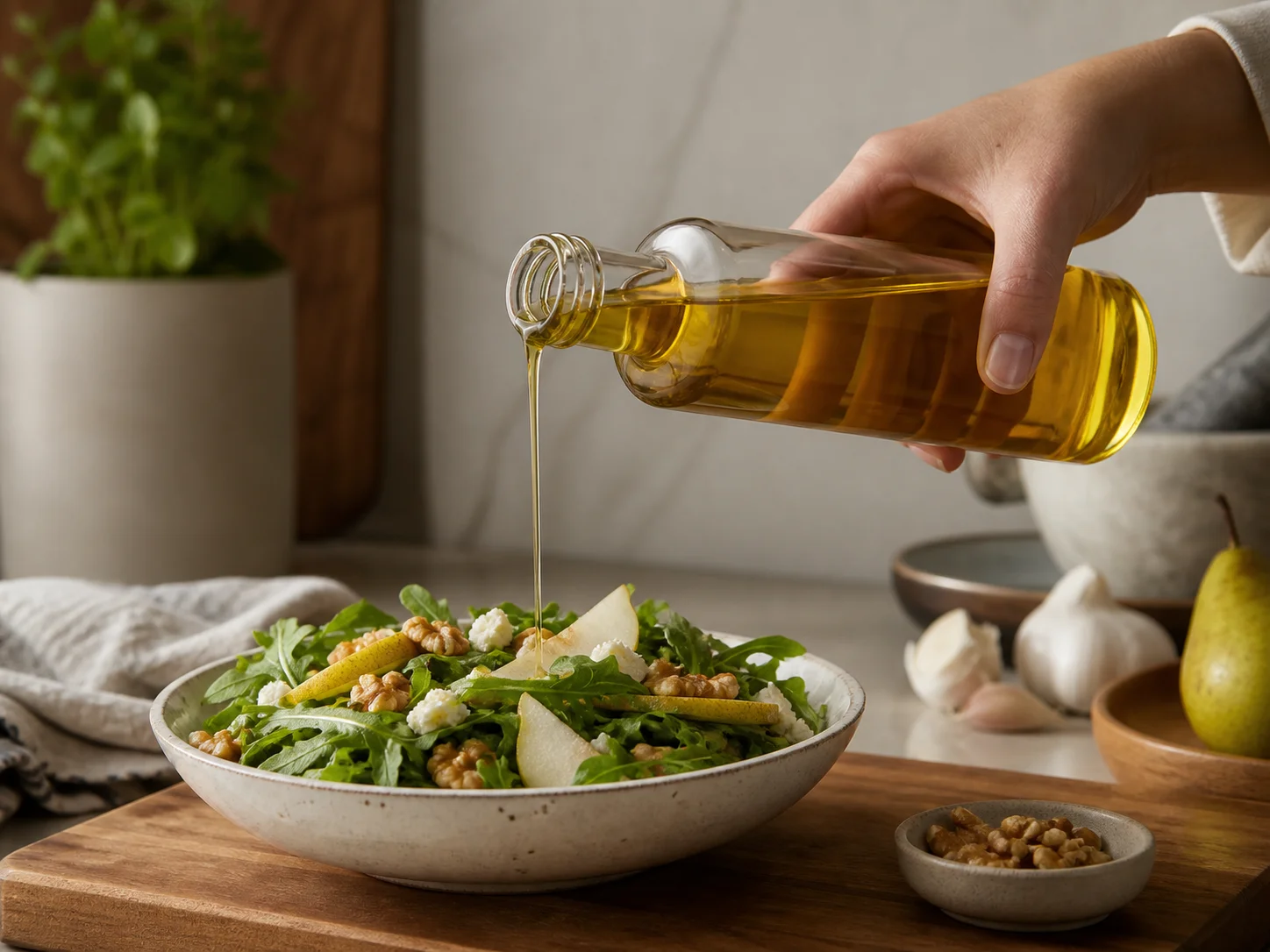
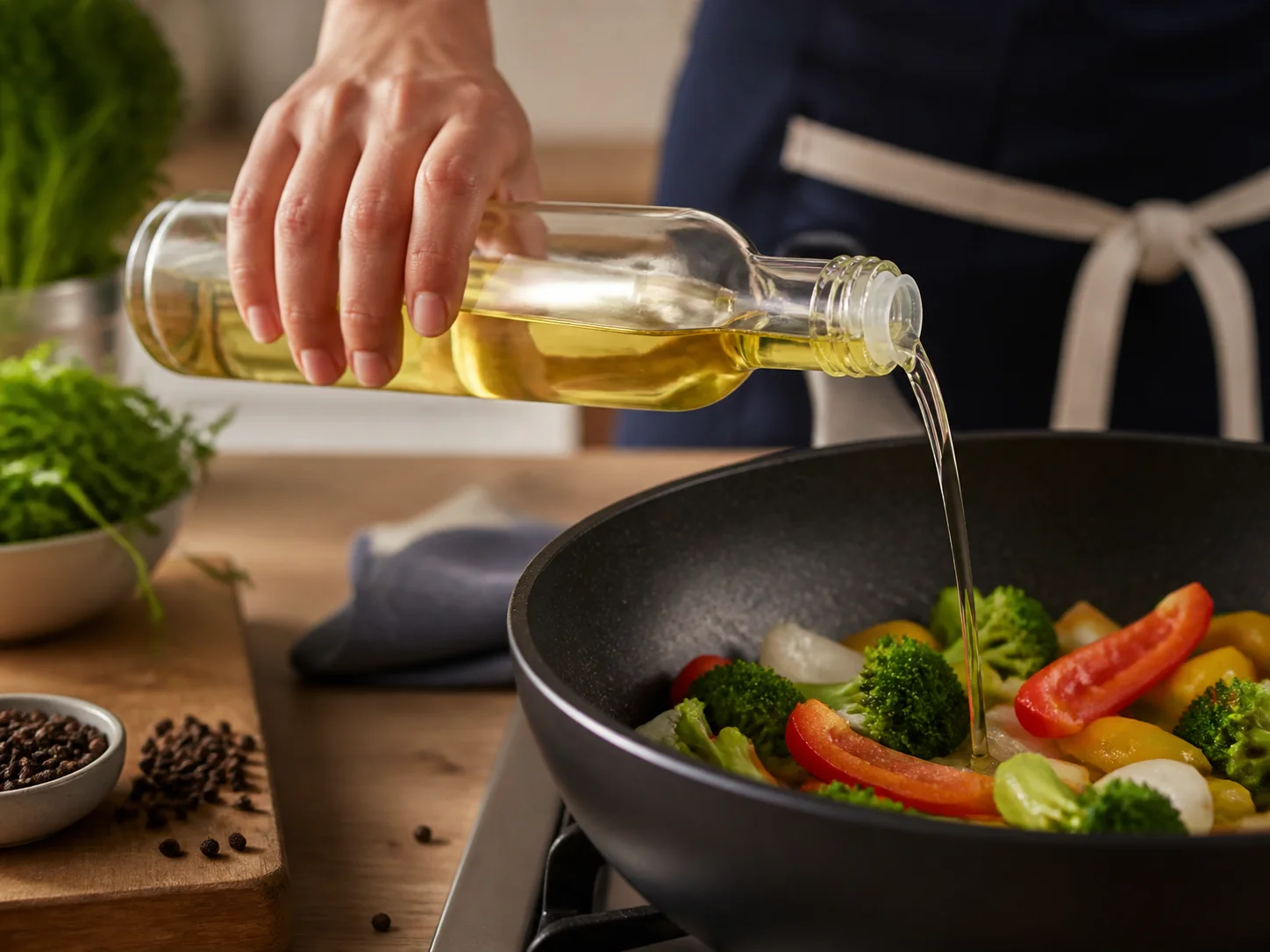
Edible Oil Bottle used for sunflower, canola & blended cooking oils in a everyday pantry setting

Everyday pantry

Sunflower, canola & blended cooking oils

For the bottle a cook reaches for several times a week to fry, bake and dress, usually with hands that already have oil on them. A pilfer-proof cap gives the shopper opening evidence on the shelf, and a flow insert turns a wide mouth into a stream that lands in the pan rather than across the hob.

  • Set the target pour rate
  • Match cap, liner and insert
  • Test the bottle with oily hands
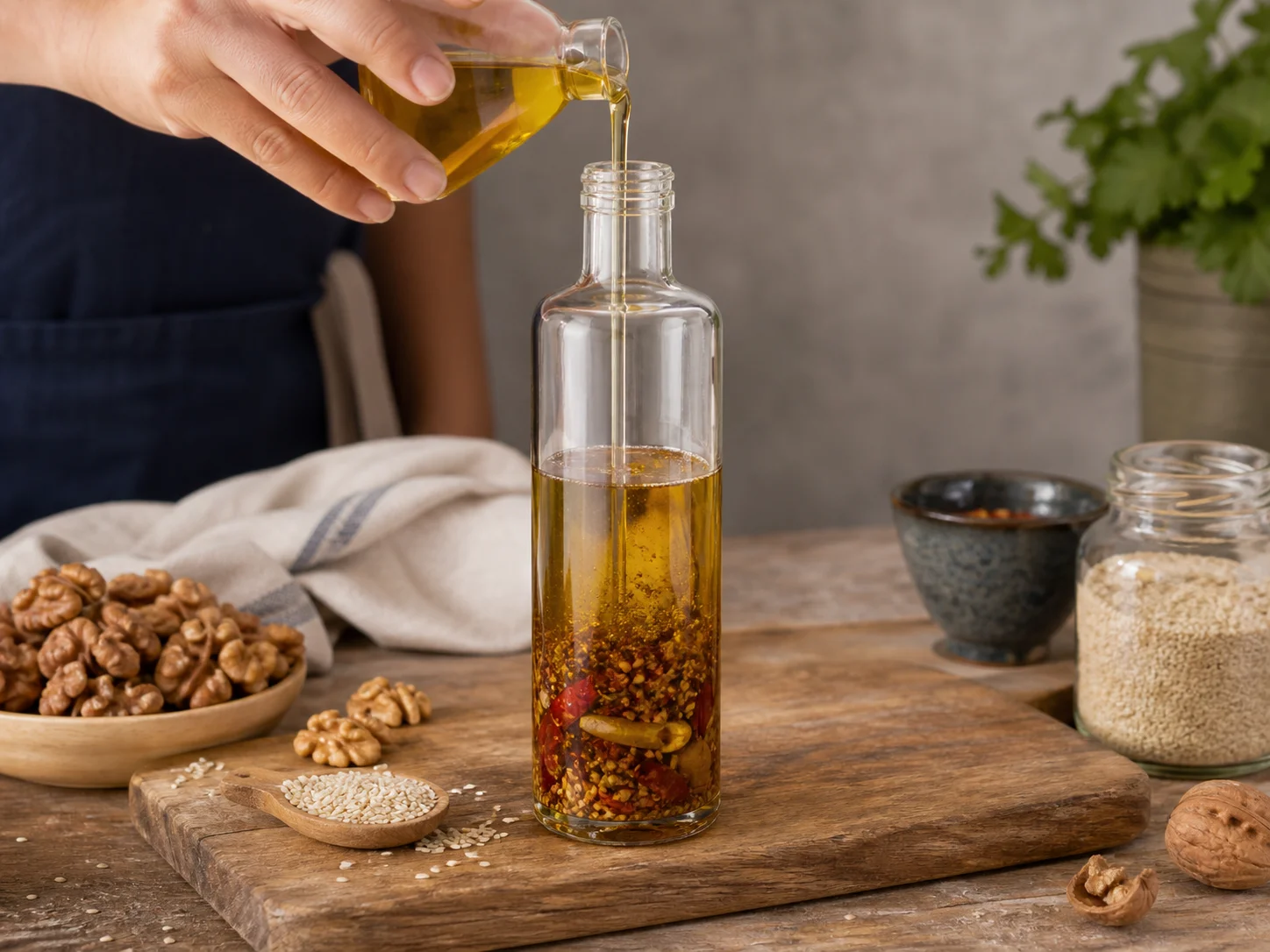
Edible Oil Bottle used for nut, seed & infused culinary oils in a specialty range setting

Specialty range

Nut, seed & infused culinary oils

Clear glass can display the distinct color of sesame, walnut or chili-infused oil and give smaller-batch recipes a more ingredient-led presentation. Filtered product is easier to manage through a controlled insert; recipes containing visible solids need a separate neck and flow assessment.

  • Review recipe viscosity and solids
  • Choose glass color intentionally
  • Use an oil-resistant label system
Edible Oil Bottle used for good-better-best oil portfolios in a retail brand family setting

Retail brand family

Good-better-best oil portfolios

A shared round silhouette can carry several oils through color coding, label hierarchy and cap finishes while preserving one recognizable brand block. The 500 mL size provides a useful common anchor before extending the range into smaller premium or larger family formats.

  • Build a consistent label grid
  • Differentiate variants at a glance
  • Confirm mixed-case and pallet rules

Use filled-product trials to finalize pour rate, exterior residue, reclosure and label adhesion before approving the retail system.

Edible Oil Bottle FAQ

Questions about cooking pours, oil components and presentation.

Product-specific answers for edible oil programs using a glass bottle and selected closure or pour system.

Which closure fits the PP35 neck?

Use a closure engineered to the approved PP35 finish drawing. Aluminum and plastic pilfer-proof directions are possible, but cap profile, liner, bridge behavior, application torque and any flow insert must be confirmed as a complete component set.

Does the bottle come with a pouring insert?

The product image shows the glass bottle only. A flow-control insert can be added when the desired cooking stream requires it, provided the insert fits the selected PP35 system and remains compatible with the cap and product.

Should the bottle be flint or green?

Flint emphasizes natural oil color and clarity; green creates a more traditional oil presentation. Select color from the brand brief and the producer's storage validation, then assess how labels and secondary packaging influence the final appearance.

Can it package chili or herb-infused oil?

It can package filtered infused oils after compatibility and process review. If the recipe intentionally retains seeds, herbs or other solids, confirm that they can be filled and poured through the selected neck and insert without obstruction.

What does a 2,550-bottle pallet change?

The landed cost, not just the warehouse plan. Case count, divider pattern and pallet height all feed into freight per filled bottle at that density, which is a large enough number to move the unit economics. Fix the pallet build alongside the bottle rather than after the glass is chosen.

Next step

Send us the Edible Oil Bottle brief.

Tell us the product, fill volume, closure preference and destination market. We will come back with the matching drawings, available configurations and a sample plan before anything is quoted.

  • 01Send the briefProduct, volume, closure and market
  • 02Get the optionsMatching drawings and configurations
  • 03Approve the sampleConfirm the pack before production