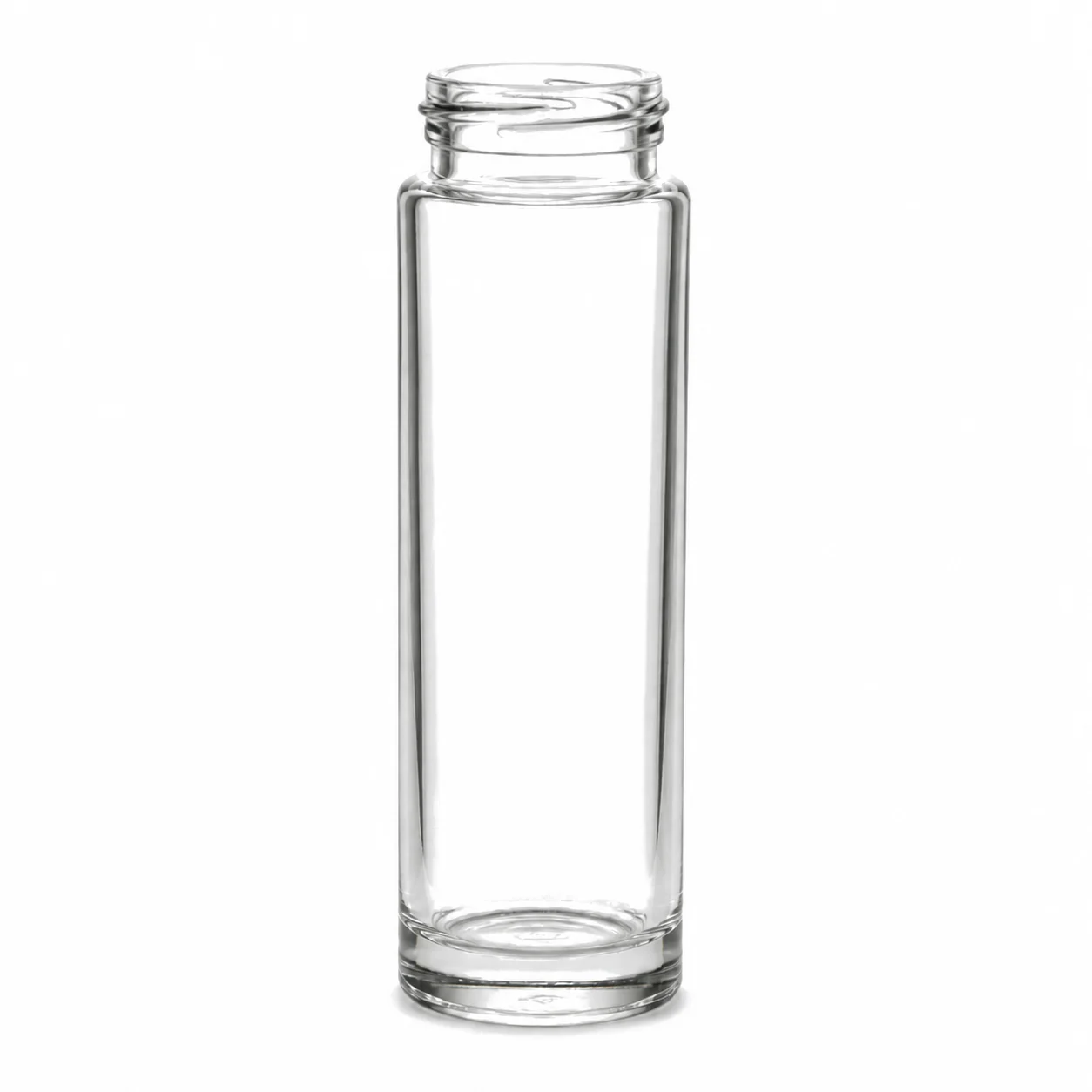
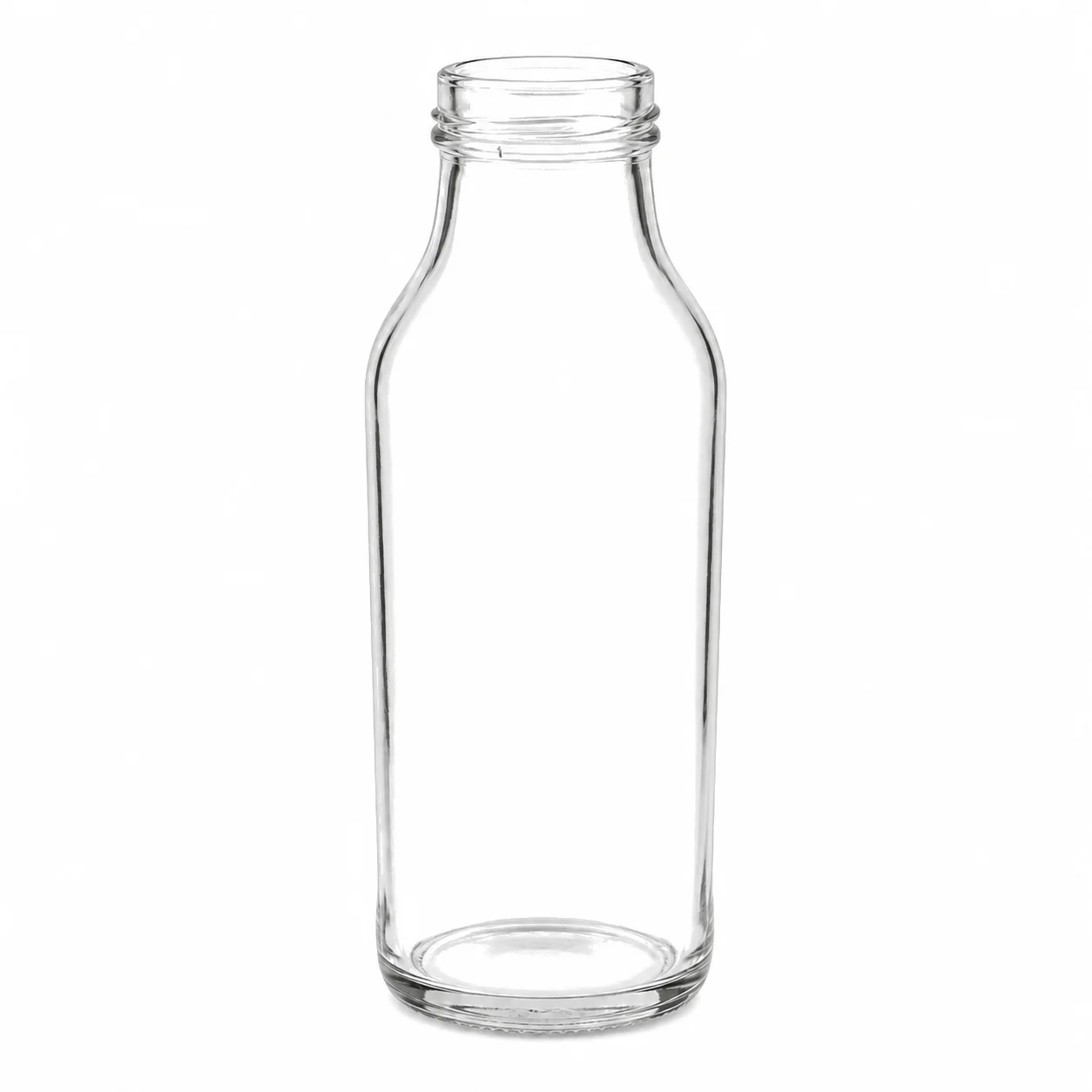
Rheology, evacuation & kitchen control
Six engineering realities behind the classic oyster-sauce bottle.
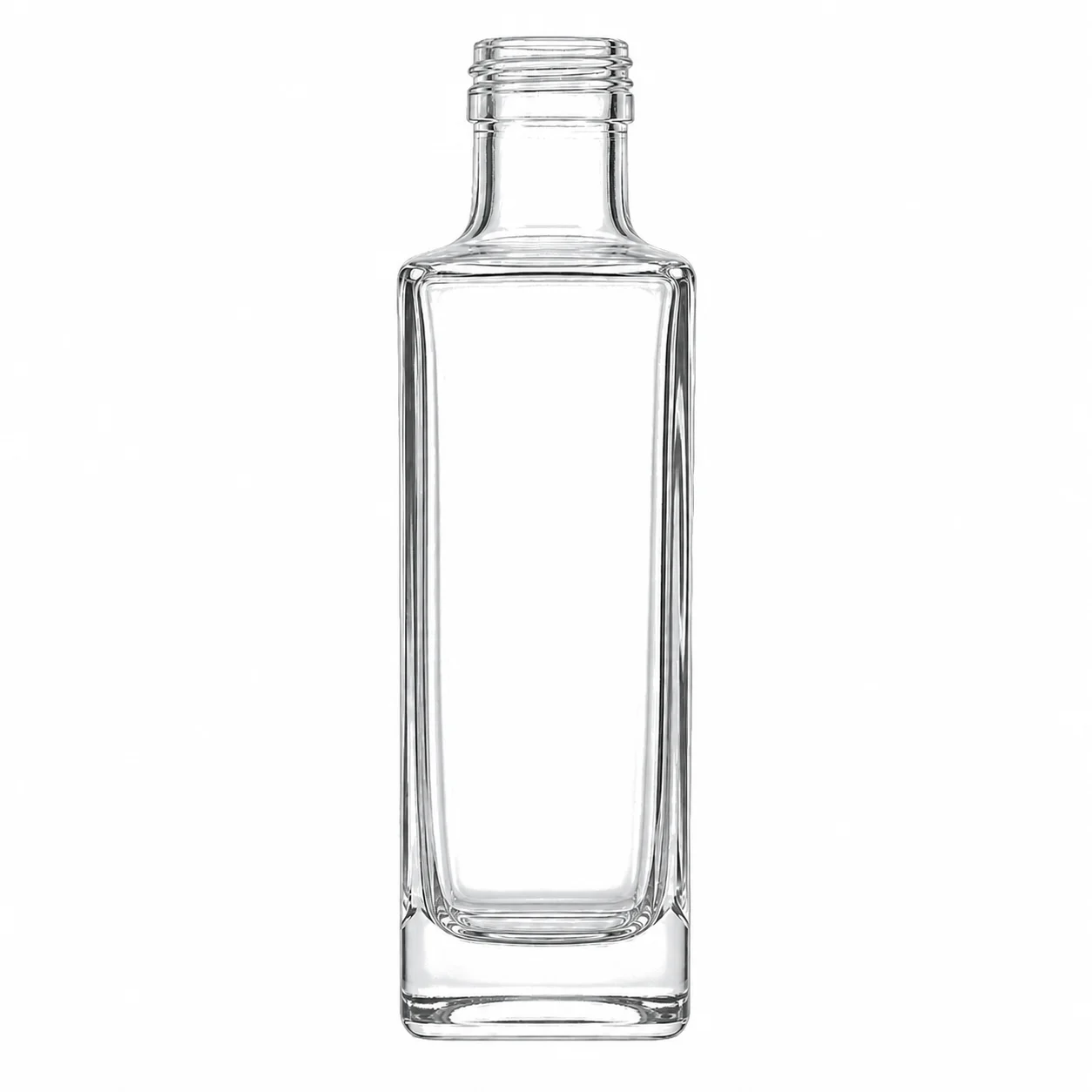
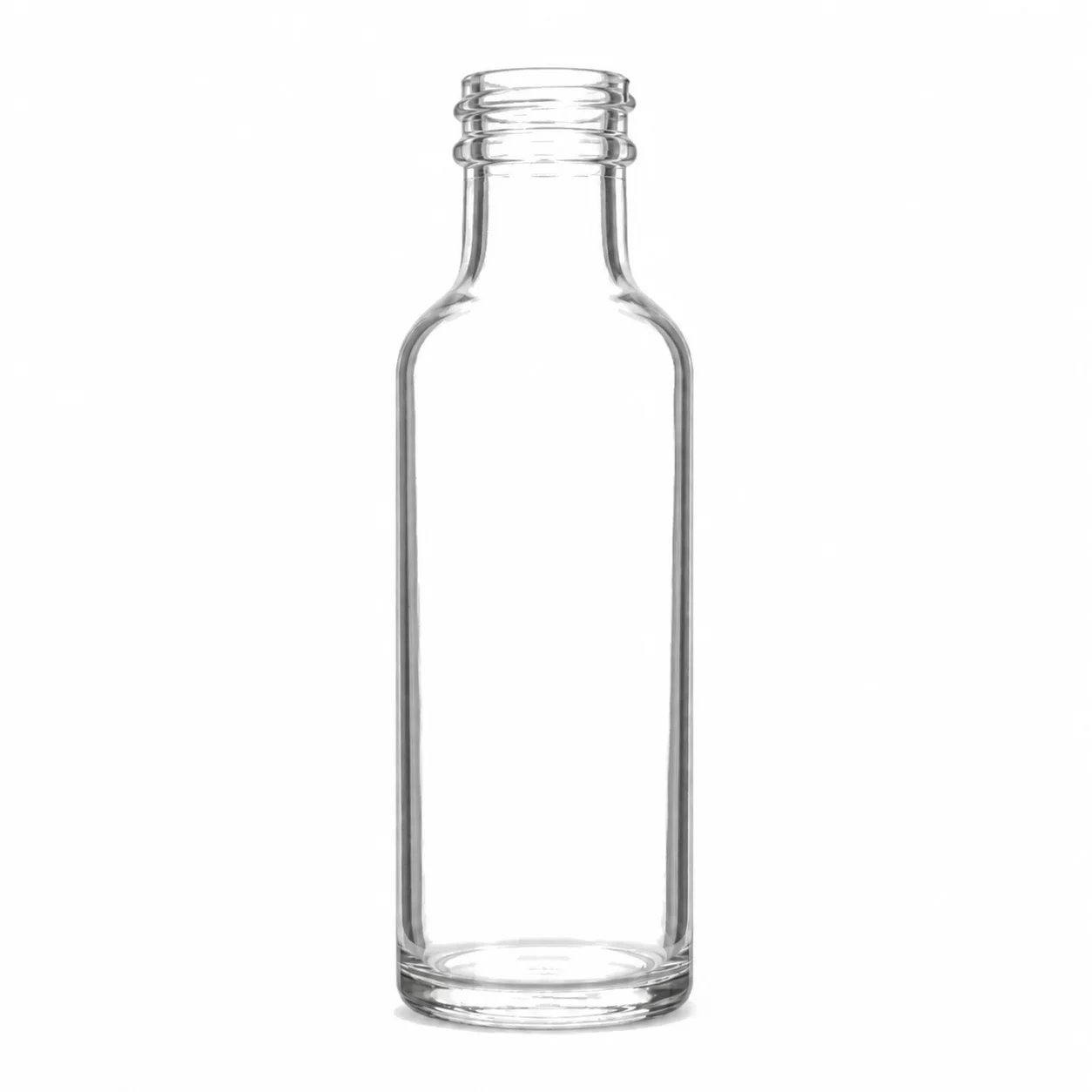
BGP-FS-2120 follows the familiar tall oyster-sauce silhouette: a narrow body for pantry handling, a rounded shoulder that directs product into the neck, and a relatively small mouth for a concentrated cooking condiment. Because oyster sauce is shear-thinning and formula-dependent, successful dispensing comes from the relationship between recipe, temperature, bottle geometry and user motion—not from capacity alone.
Net weight and bottle volume are not interchangeable
Oyster sauce is commonly sold by mass, while glass catalogs describe container volume. A 510 g retail declaration therefore does not mean a 510 mL bottle. Product density, target net weight, fill temperature and the approved fill line must be used to set the actual bottle capacity.
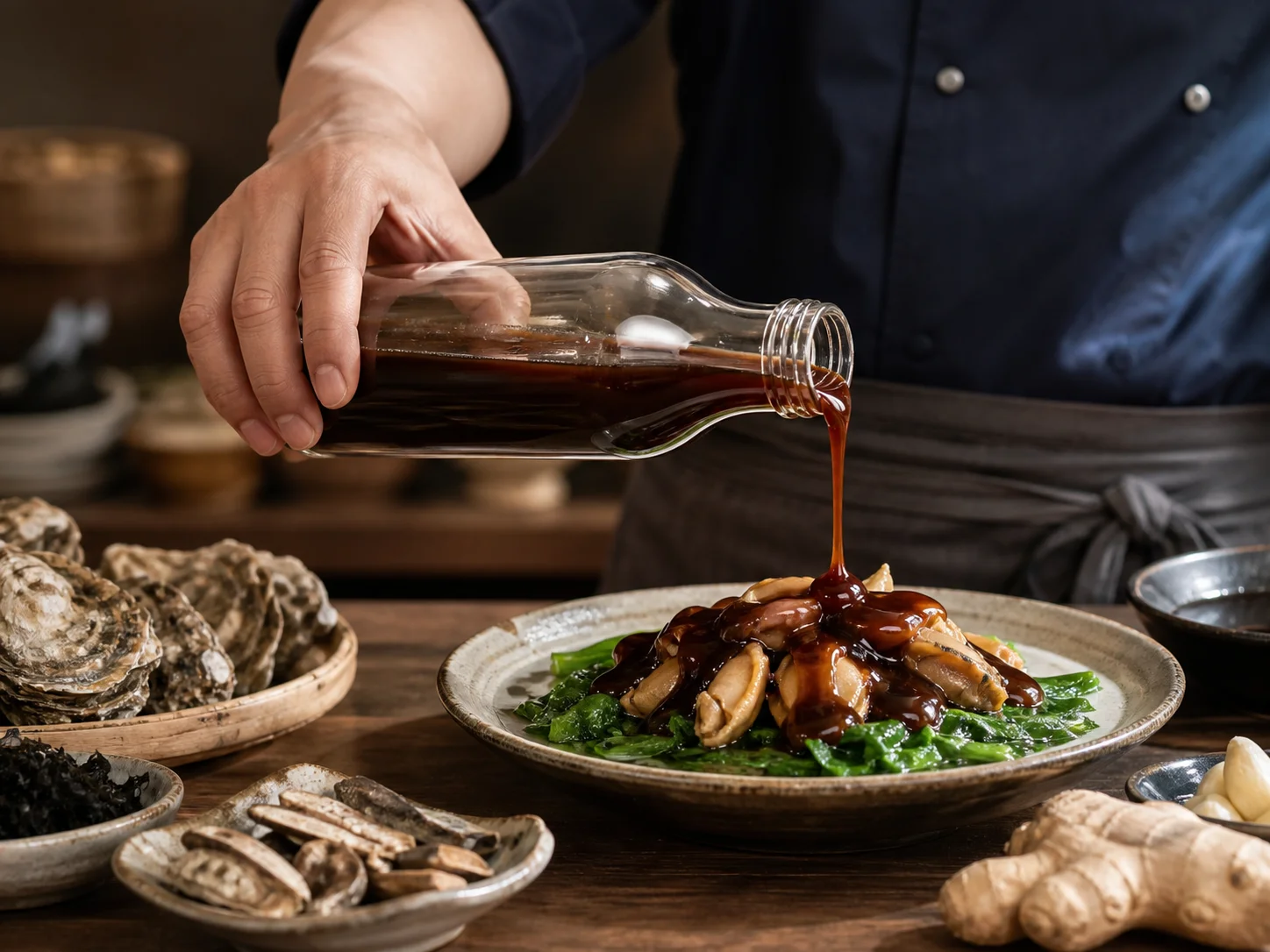
Shear-thinning explains the familiar delayed pour
Published rheology work identifies oyster sauce as a non-Newtonian, shear-thinning product: apparent viscosity decreases as shear rate rises. At rest it can resist movement; after tipping, tapping or pumping it flows more readily. Yield stress and recovery behavior can matter as much as a single viscosity reading.
A 26.3 mm mouth increases formula sensitivity
The reference mouth is far narrower than a jar opening, helping prevent an uncontrolled dump of concentrated sauce. The same restriction can make a cold or high-starch recipe frustrating to dispense, so mouth choice must follow the slowest expected production batch and intended storage temperature.
The rounded shoulder directs product into the neck
A smooth shoulder avoids sharp internal corners as the bottle is inverted, but it cannot eliminate wall coating or final-product hold-up. Shoulder transition, internal neck diameter and how much sauce clings to the wall all show their real behavior in the last quarter of the bottle, not the first.
Recipe changes can alter the package experience
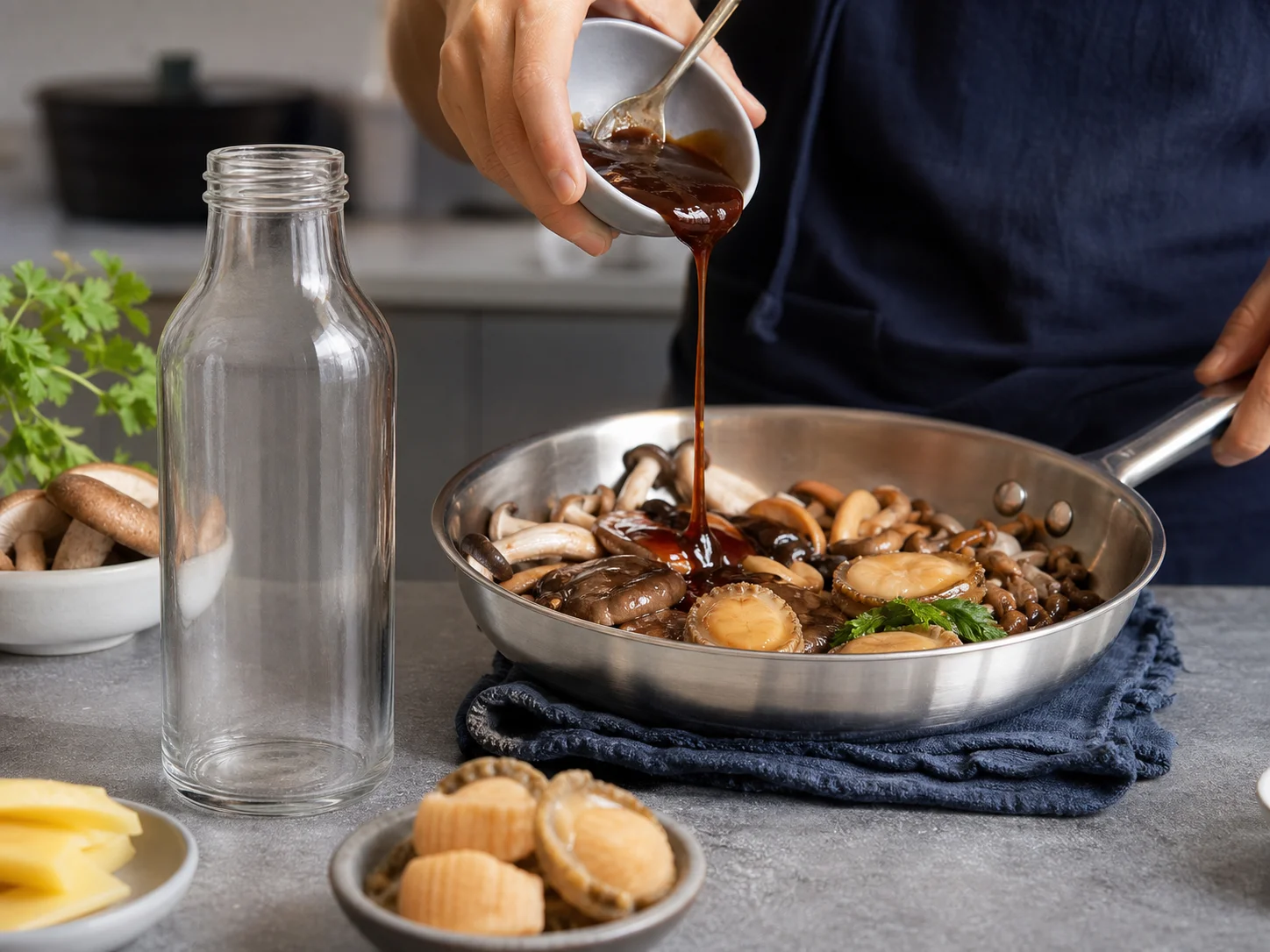
Oyster extract, starch, sugar and stabilizer ratios influence consistency, yield stress and shear response. A bottle approved with one recipe should not automatically be assigned to reduced-sugar, vegetarian or extra-thick variants without a new fill-and-pour trial.
Filling temperature belongs to the closure brief
Commercial oyster sauces may use a heated filling or pasteurization route, but the validated process is product-specific. Glass temperature, fill level, closure material, liner response, application timing and cooling profile form one interlocking set — the sauce producer and the packaging team settle them jointly.