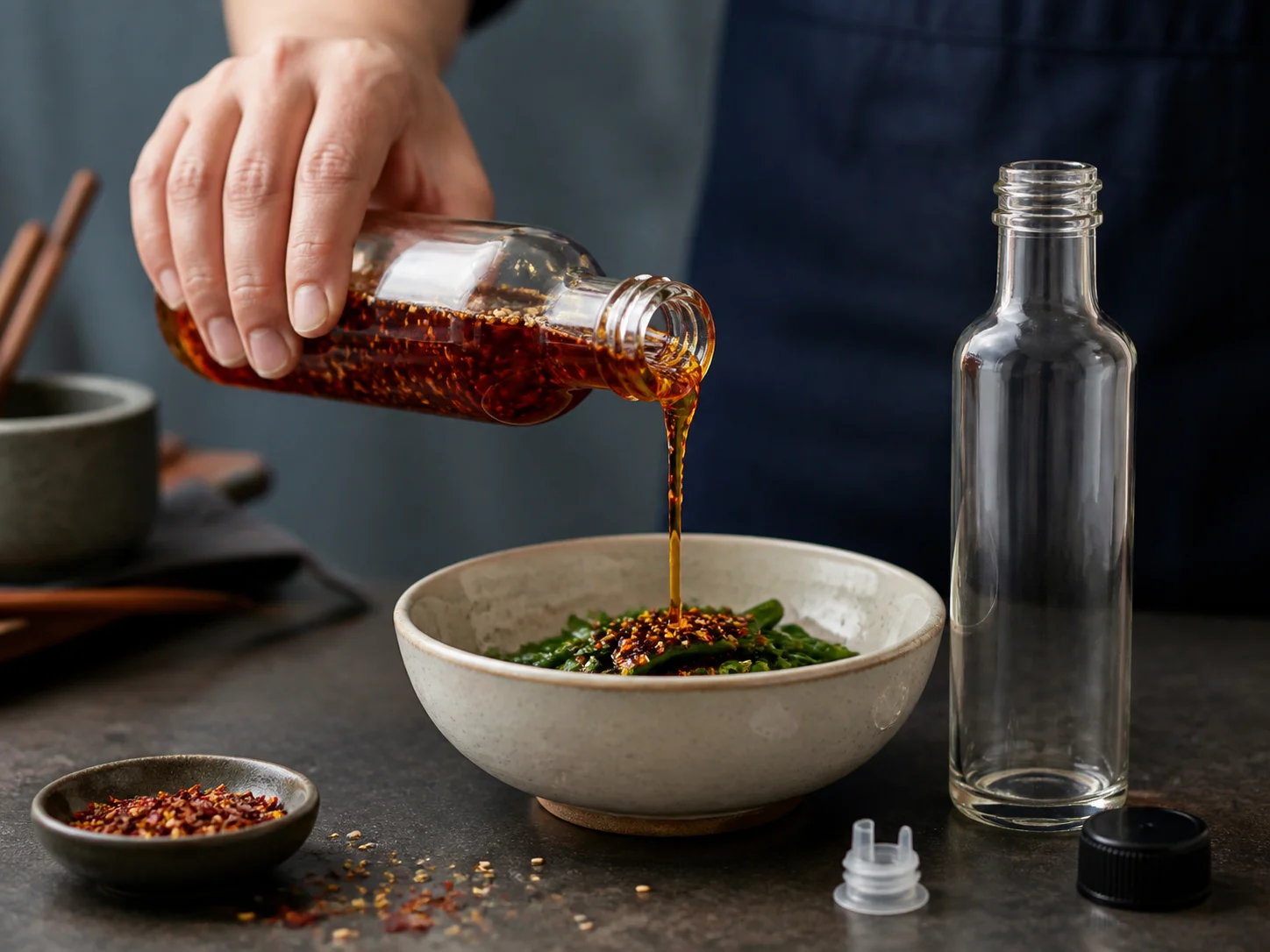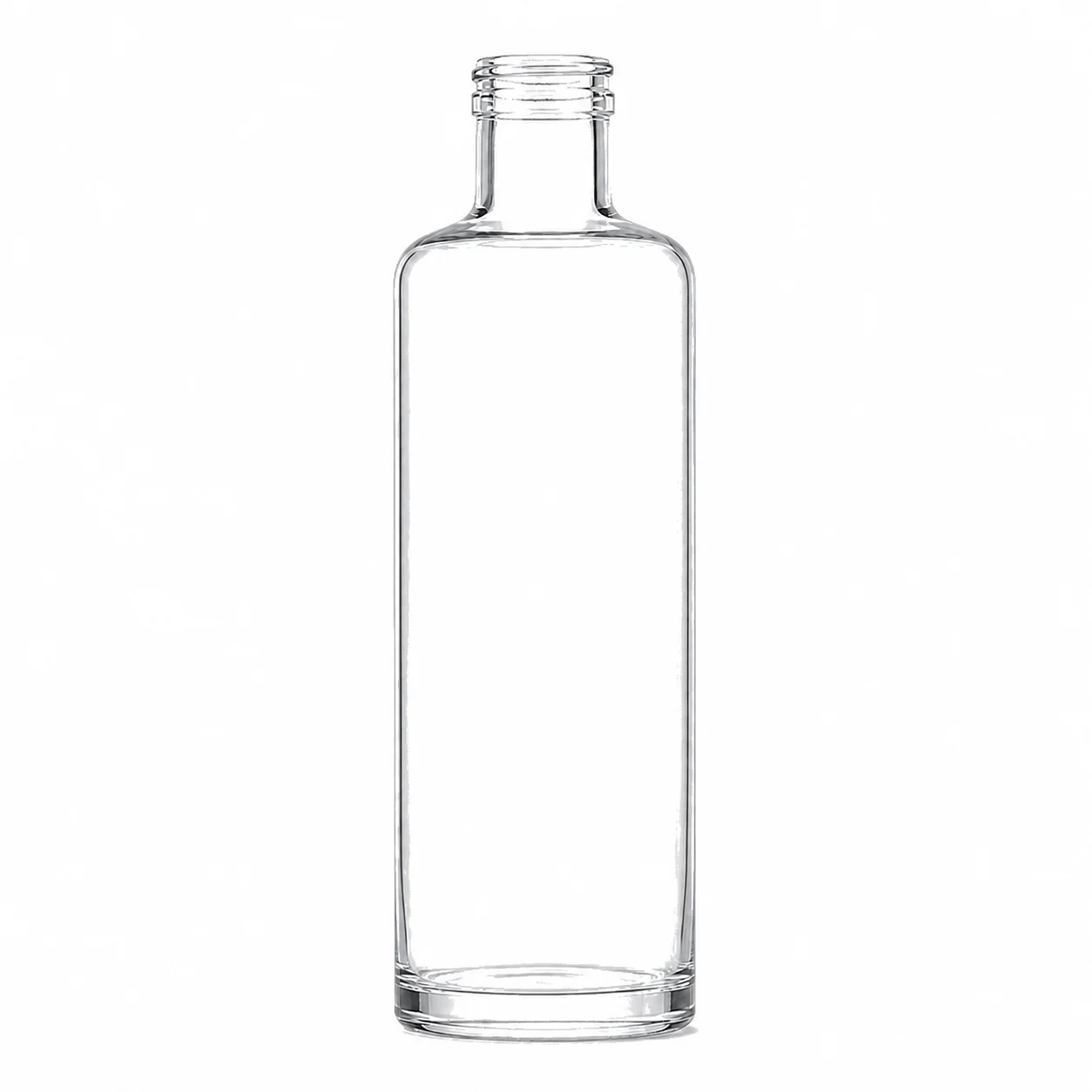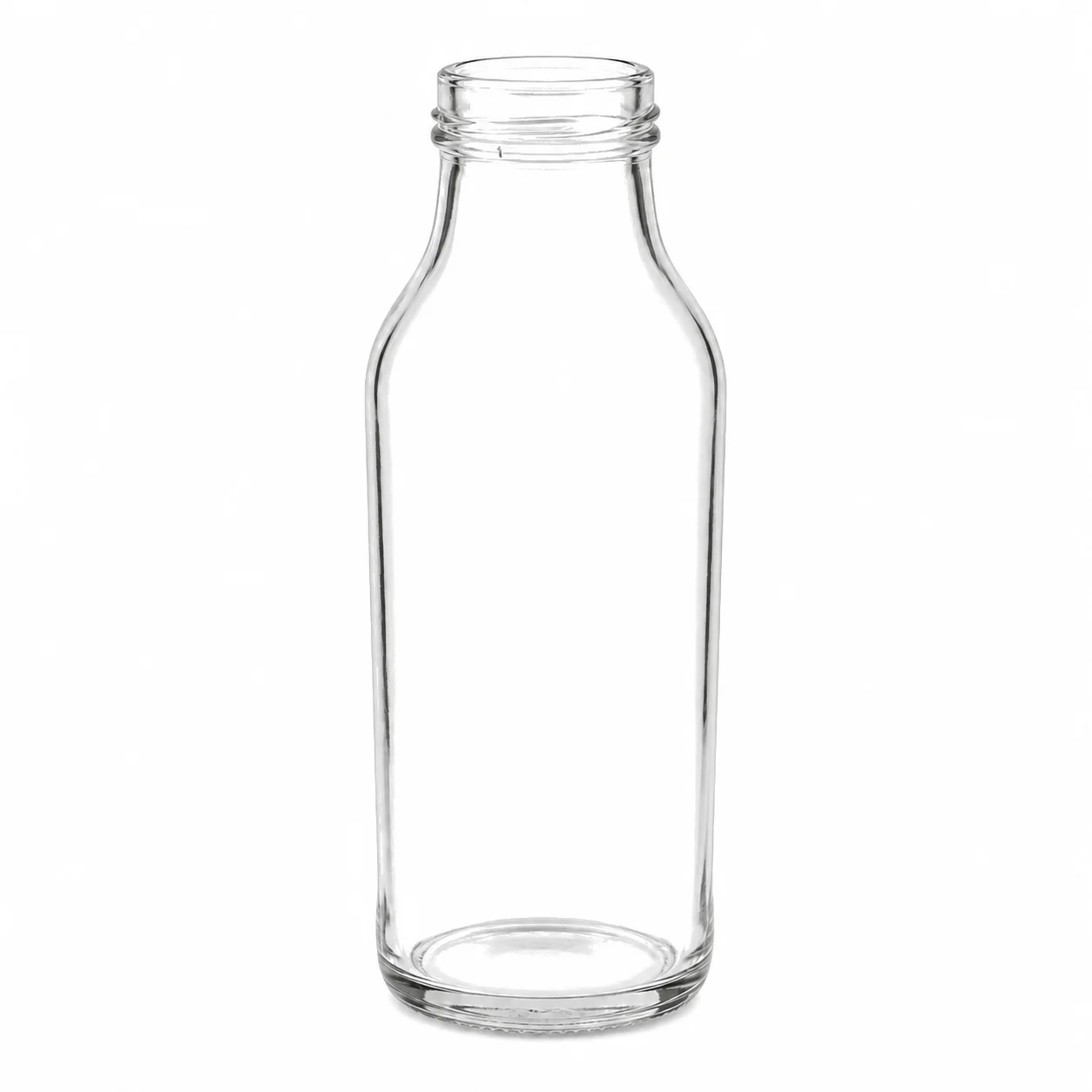
Clear glass sesame oil bottle shown empty and without its selected closure
Shown configuration · clear round glass bottle shown empty with PP28 threaded finish / cap, liner and flow-control pourer selected separately

Aromatic seasoning-oil packaging

Sesame Oil Bottle

A compact 250 mL round glass bottle with a PP28 finish, proportioned for roasted sesame oil, cold-pressed variants and other aromatic finishing oils.

250 mL seasoning formatPP28 closure platformAmber or flint direction
Stock status
In stock
Lead time
2–3 weeks
FOB price / pc
$0.15 - $0.50
MOQ
3,000 pcs

Final availability, dimensions, materials, assembled components and commercial terms are confirmed against the selected drawing and approved sample.

Flavor-scale volume

250 mL suits oils normally used in teaspoons or short finishing pours

Natural handling

61.7 mm reference diameter supports a secure one-hand grip

Range flexibility

Amber and flint glass can separate product tiers or processing styles

Sesame Oil Bottle profile

Build the pack around aroma, dosage and repeated kitchen use.

Dose, aroma & pantry behavior

Six product decisions specific to sesame oil.

BGP-FS-6799 is a compact round bottle for an oil whose culinary effect often comes from a small amount. The straight body provides a simple label field, the rounded shoulder moves cleanly into a PP28 neck, and the selected pourer can convert the opening into a controlled seasoning stream. Roasted and cold-pressed sesame oils should still be treated as distinct products because color, aroma intensity and storage brief can differ.

01

250 mL reflects seasoning behavior

Sesame oil is frequently added by the teaspoon, blended into a dressing or drizzled at the end of cooking rather than used as the main frying medium. A 250 mL pack keeps the bottle compact and encourages reasonable turnover while still providing enough volume for regular household use.

02

A 61.7 mm body is easy to control

The reference diameter fills the hand without becoming bulky, and the 142.9 mm height keeps the center of mass relatively low. That matters when the user reaches for the bottle with wet or oily fingers and wants to stop a flavorful stream quickly.

03

Thirteen milliliters is not a dosing allowance

The dimensional benchmark is 250 mL nominal and 263 mL brimful. The 13 mL difference helps the engineer understand available volume, but commercial fill height must still account for product temperature, quantity tolerances and the displacement created by the selected closure or pourer.

04

PP28 can support a true seasoning stream

The PP28 platform can be paired with a lined screw cap or a compatible oil pourer. A smaller orifice can make a finishing dose easier to control, but the final result depends on viscosity, air return, tilt angle and how rapidly the user tips the bottle.

05

Roasted and cold-pressed oils need different visual cues

Roasted sesame oil is typically darker and more aroma-led, while cold-pressed products may present a lighter color and a different culinary story. Amber glass can reinforce a traditional roasted-oil identity; flint glass gives direct product visibility. Label hierarchy should make the processing style unmistakable.

06

Light and heat still belong in the storage brief

Sesame oil has useful natural oxidative stability, but research shows that processing method, temperature and light exposure affect its stability and volatile profile. Glass color, label coverage, carton use and storage instructions should therefore follow the actual oil rather than a generic claim about all sesame products.
Application guide

Use the format where a little oil carries the flavor.

The compact PP28 format works best for products where a controlled aromatic dose matters more than a high-volume cooking pour.

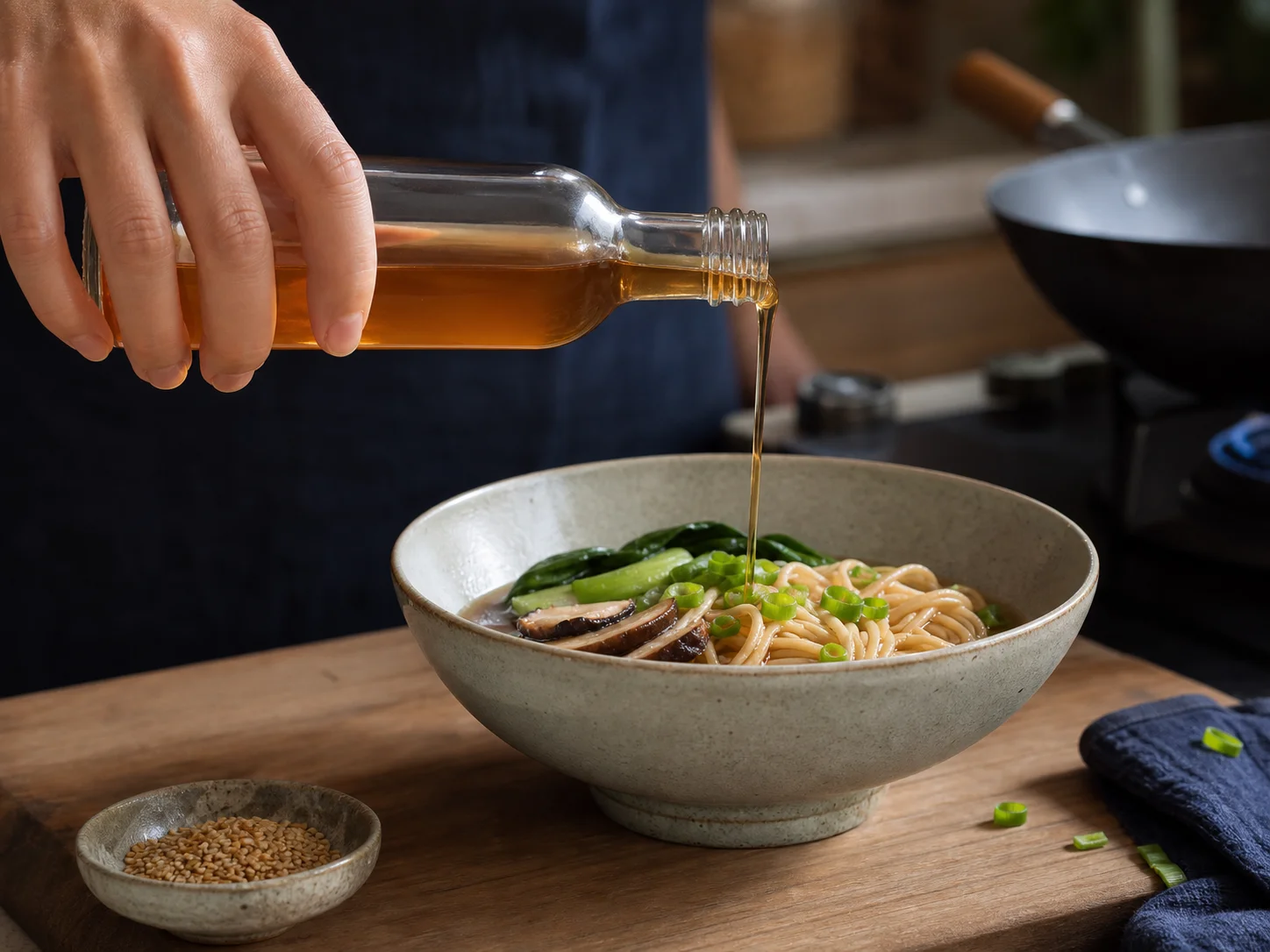
Sesame Oil Bottle used for finishing oil for stir-fries, soups & noodles in a roasted sesame setting

Roasted sesame

Finishing oil for stir-fries, soups & noodles

Dark roasted sesame oil is often added after the main cooking step, where a small quantity changes the aroma of the whole dish. A restricted pourer helps the user build flavor gradually and keeps the 250 mL bottle from behaving like a wide-mouth cooking-oil pack.

  • Set a teaspoon-scale pour target
  • Use high-contrast product identification
  • Check residue after repeated pours
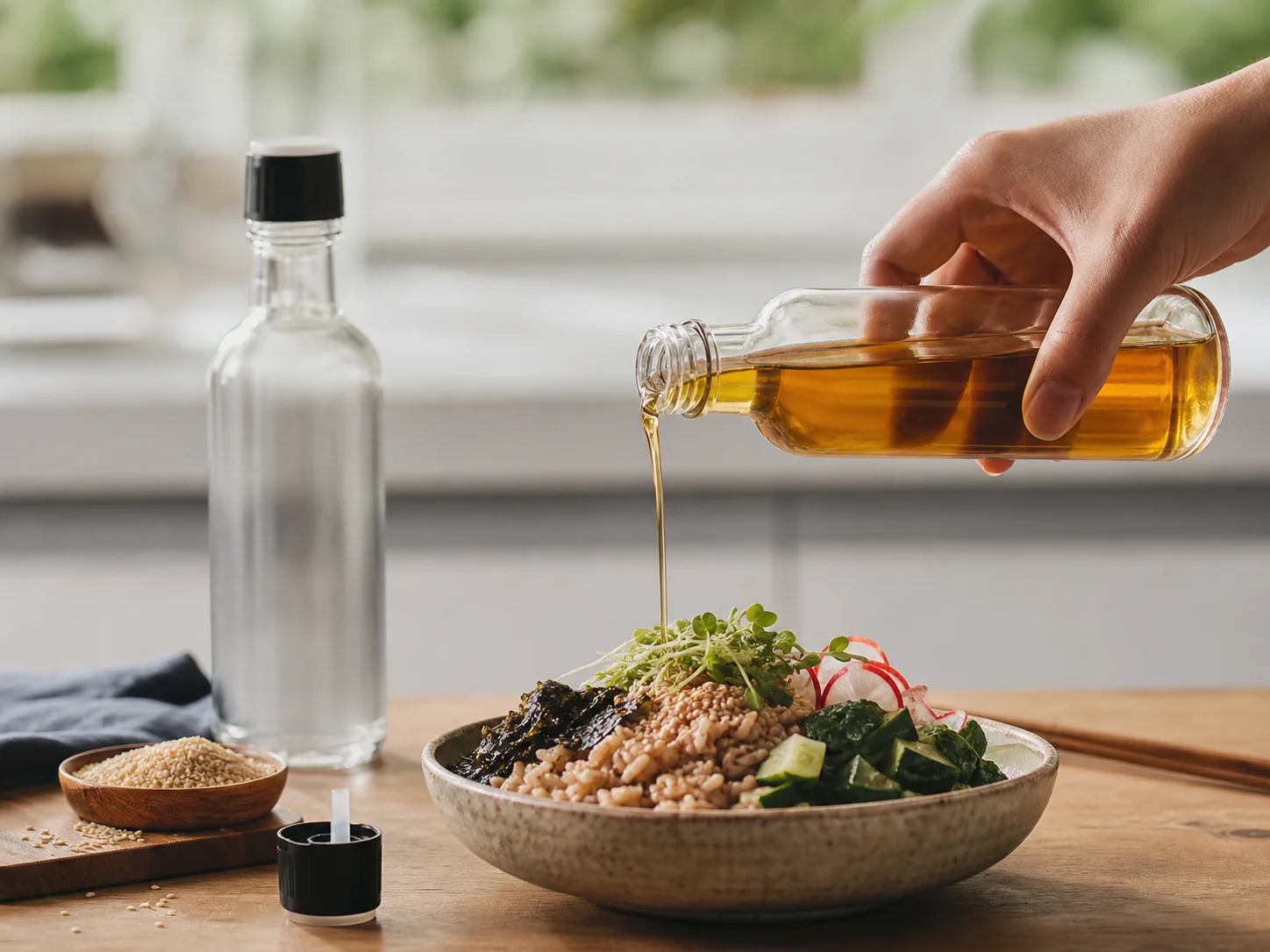
Sesame Oil Bottle used for lighter sesame oils & premium pantry products in a cold-pressed range setting

Cold-pressed range

Lighter sesame oils & premium pantry products

Cold-pressed sesame oil may be positioned around seed origin, pressing method and a more delicate color or aroma profile. The simple round body leaves room for that information without forcing a decorative bottle shape to carry the entire premium message.

  • Explain processing style clearly
  • Select glass color from the storage brief
  • Keep batch and press information legible
Sesame Oil Bottle used for sesame-chili oils & seasoning blends in a culinary blend setting

Culinary blend

Sesame-chili oils & seasoning blends

Filtered chili-sesame and blended seasoning oils can use the same compact silhouette while color coding separates heat level and recipe. Formulas containing suspended flakes or seeds need a different opening assessment because a fine oil insert that suits clear sesame oil may obstruct visible inclusions.

  • Confirm whether the recipe is filtered
  • Test solids against the pourer
  • Build scalable variant coding

Approve dosing, cutoff, exterior residue and reclosure with the actual sesame oil or blend before fixing the pourer specification.

Sesame Oil Bottle FAQ

Questions about aromatic oil doses, components and kitchen use.

Product-specific answers for sesame oil programs using a glass bottle and selected closure or pour system.

Why use a flow-control insert for sesame oil?

Aromatic sesame oil is commonly added in small amounts. A compatible insert can narrow the stream, but it must be tested for air return, cutoff and oil residue with the selected recipe and PP28 cap.

Can the same bottle package roasted and cold-pressed sesame oil?

Yes as a range architecture, provided each oil receives its own storage, closure and filling review. Clear labeling is important because the two products can differ in color, aroma intensity and intended culinary use.

Can it handle chili flakes or sesame seeds?

The glass body can be considered, but visible solids may bridge or block a narrow pourer. Confirm inclusion size, suspension behavior, filling route and opening geometry using the finished recipe.

Is the 13 mL above nominal a dosing allowance?

No — it is engineering headroom, not a fill target. The benchmark runs 250 mL nominal against 263 mL brimful, which tells you what volume exists rather than where the commercial fill line goes. Set that line from the declared quantity and the closure, then confirm it on filled bottles.

Next step

Send us the Sesame Oil Bottle brief.

Tell us the product, fill volume, closure preference and destination market. We will come back with the matching drawings, available configurations and a sample plan before anything is quoted.

  • 01Send the briefProduct, volume, closure and market
  • 02Get the optionsMatching drawings and configurations
  • 03Approve the sampleConfirm the pack before production