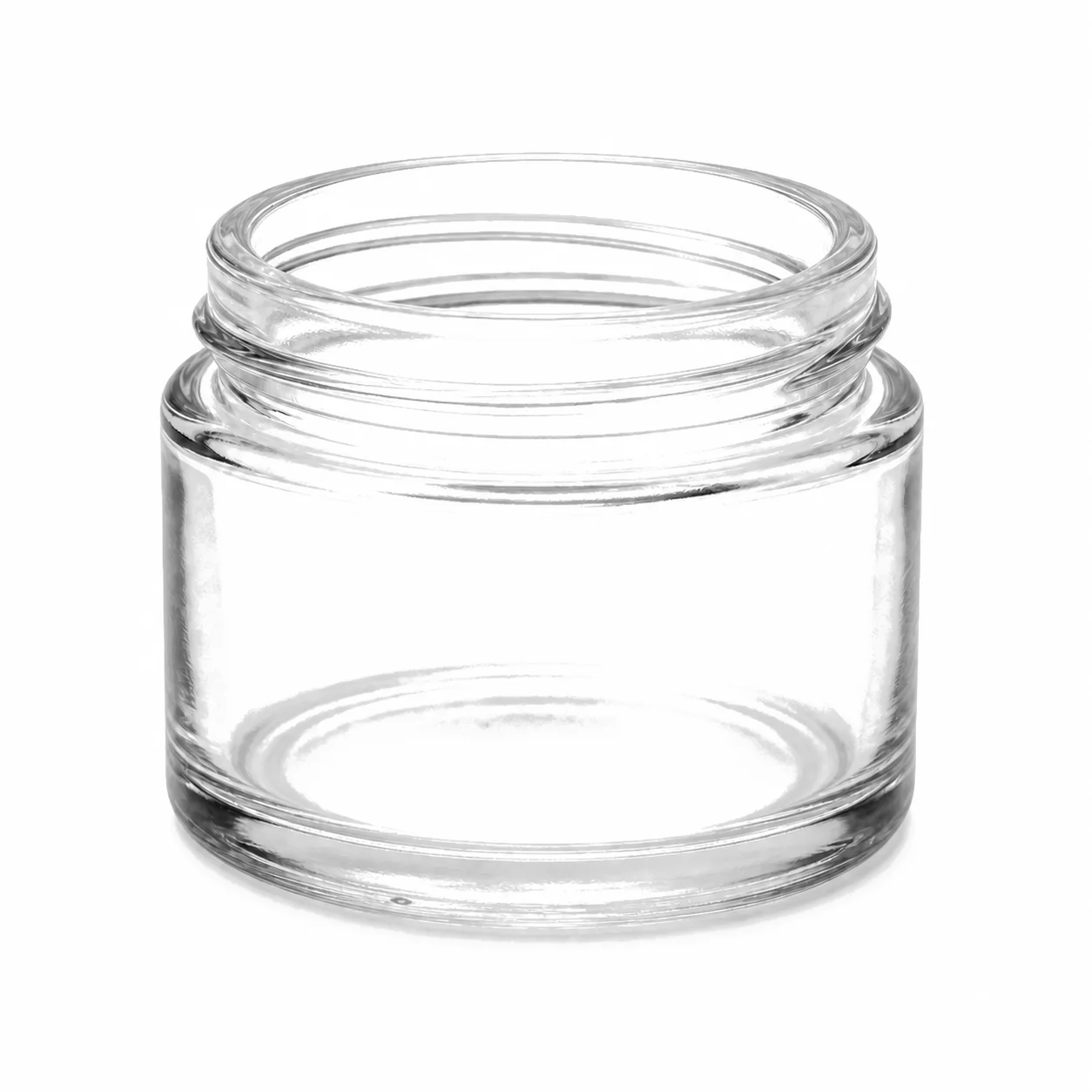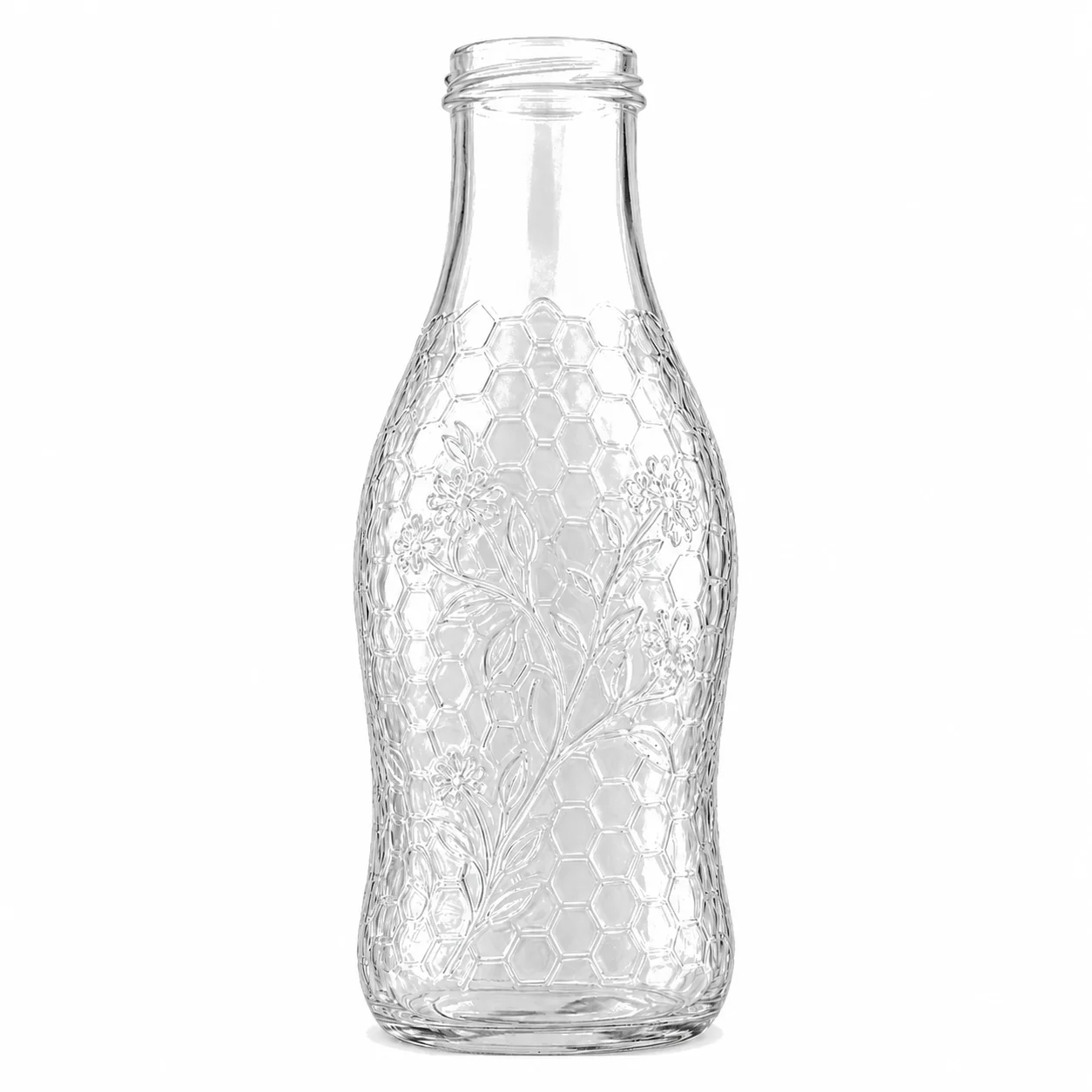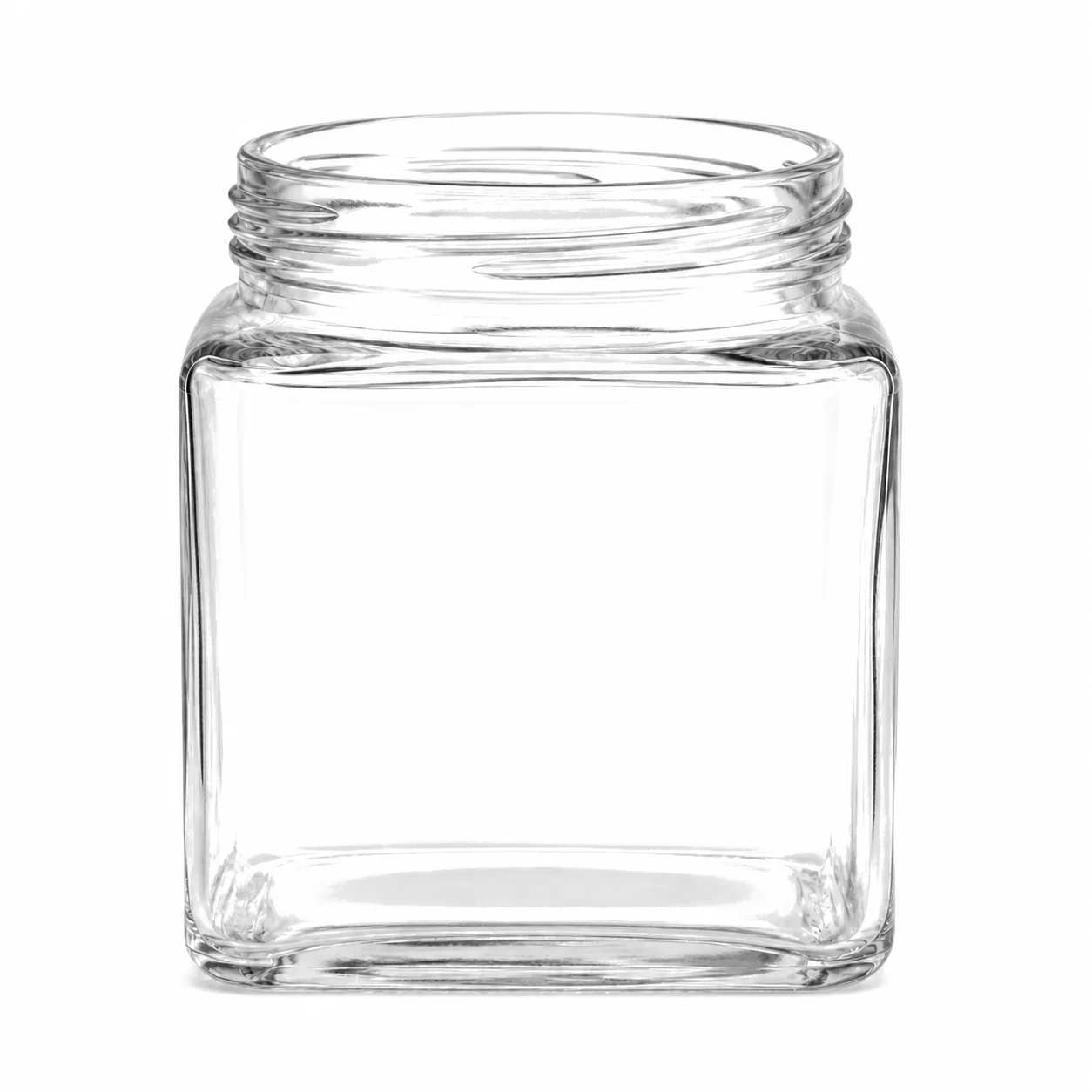
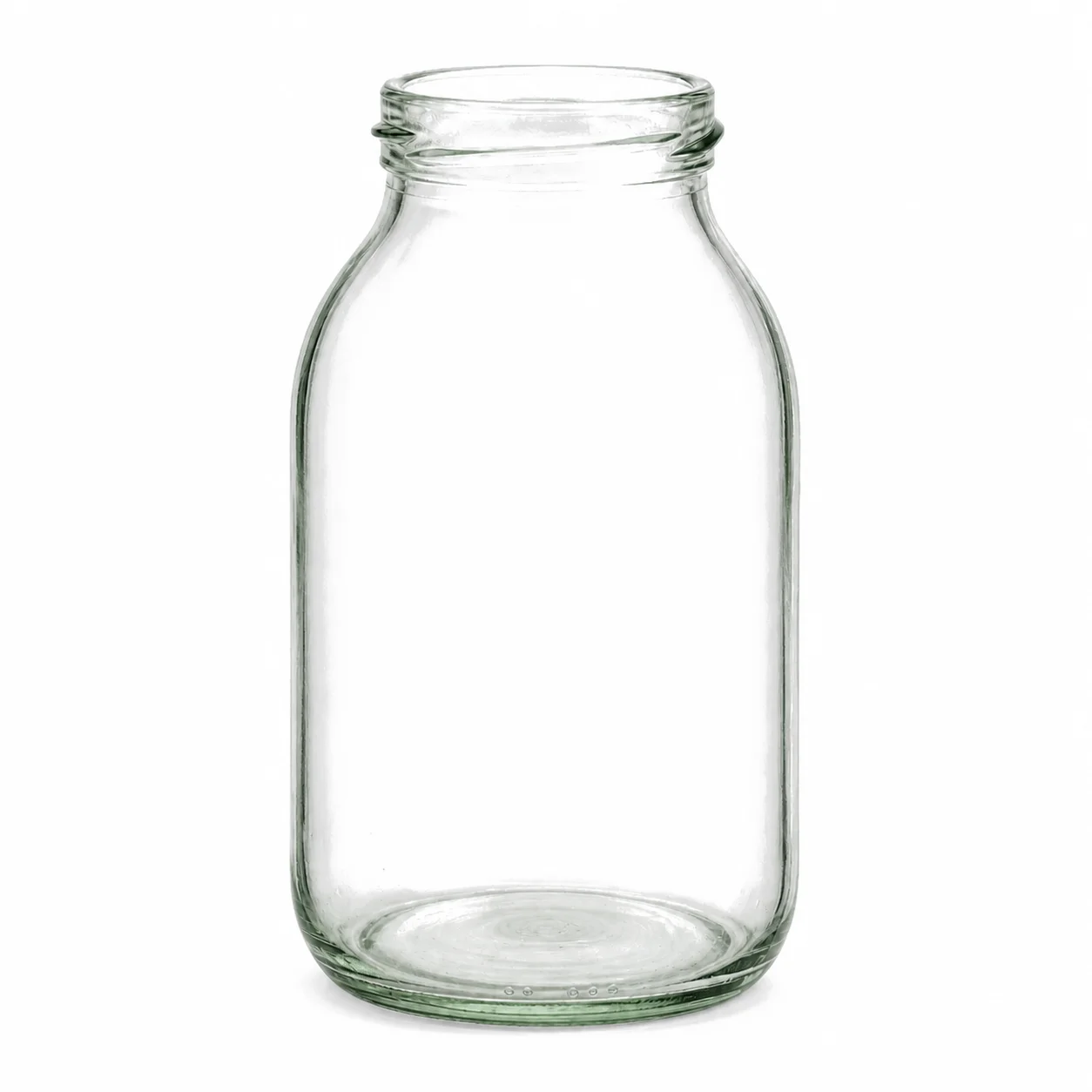
Pale-green 500 mL recycled-content round glass food jar with 82 mm twist-off finish
Shown configuration · bare pale-green container-glass jar / 82 mm twist-off closure not shown

500 mL recycled-content glass for preserves, pickles & pantry foods

Recycled (PCR) Glass Food Bottle

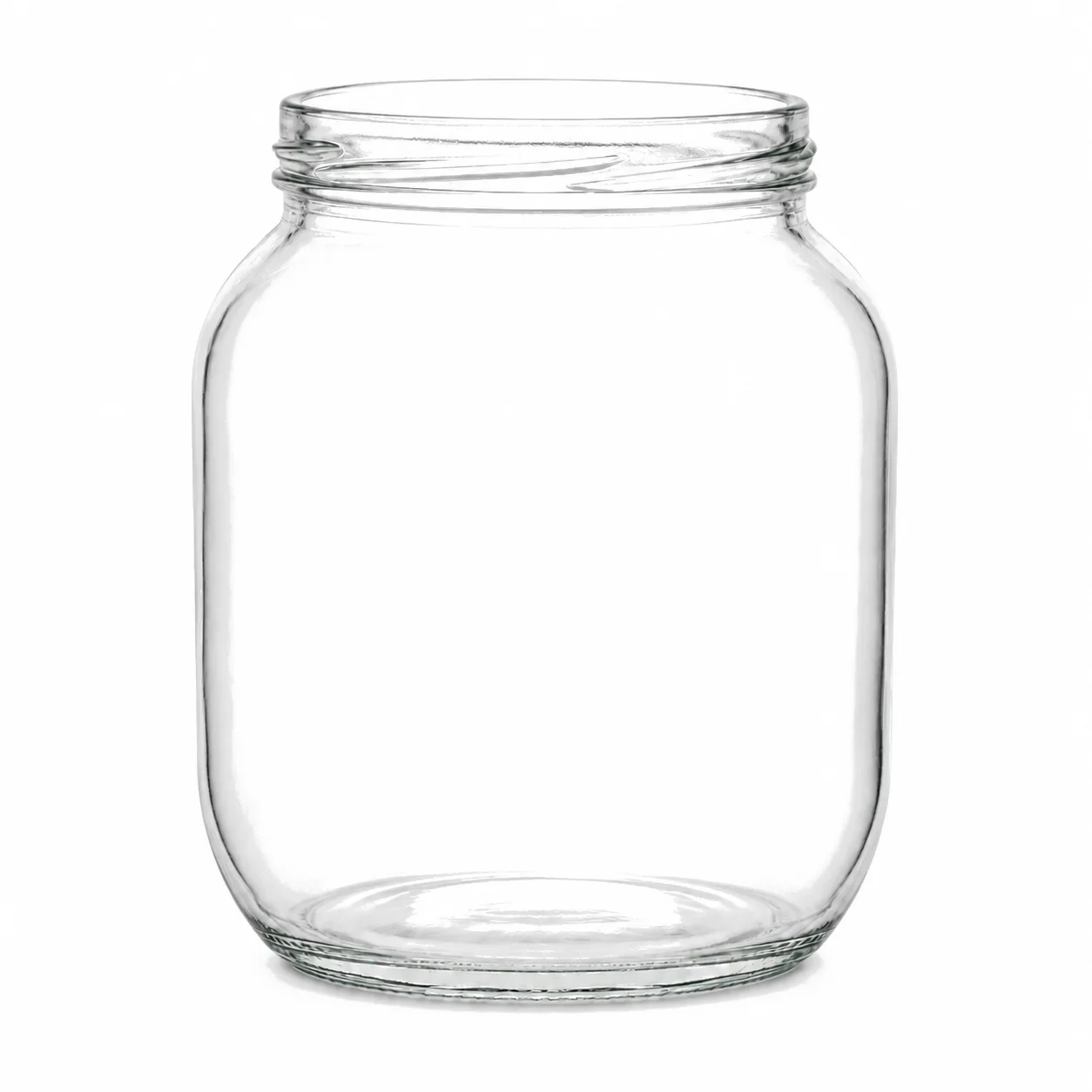
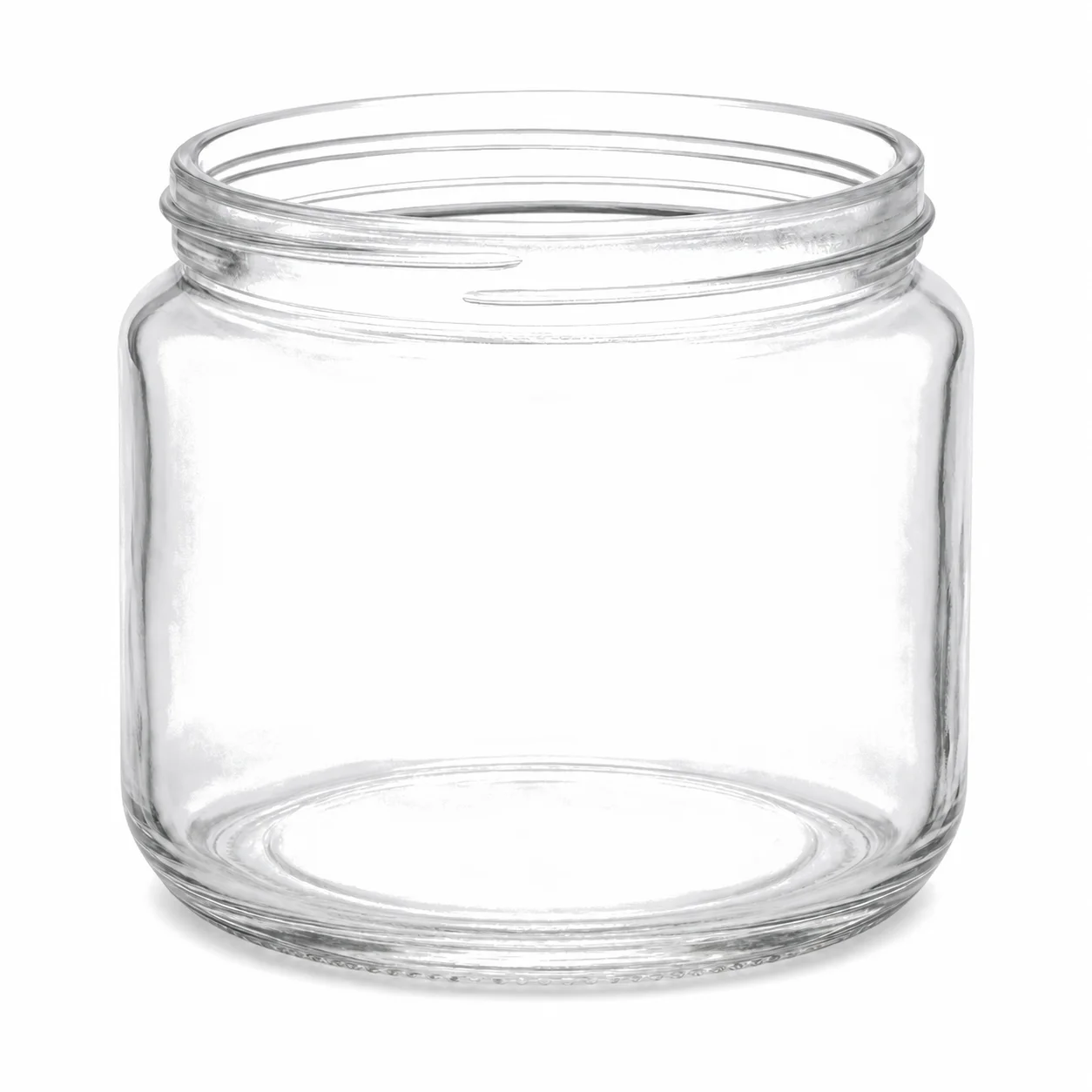
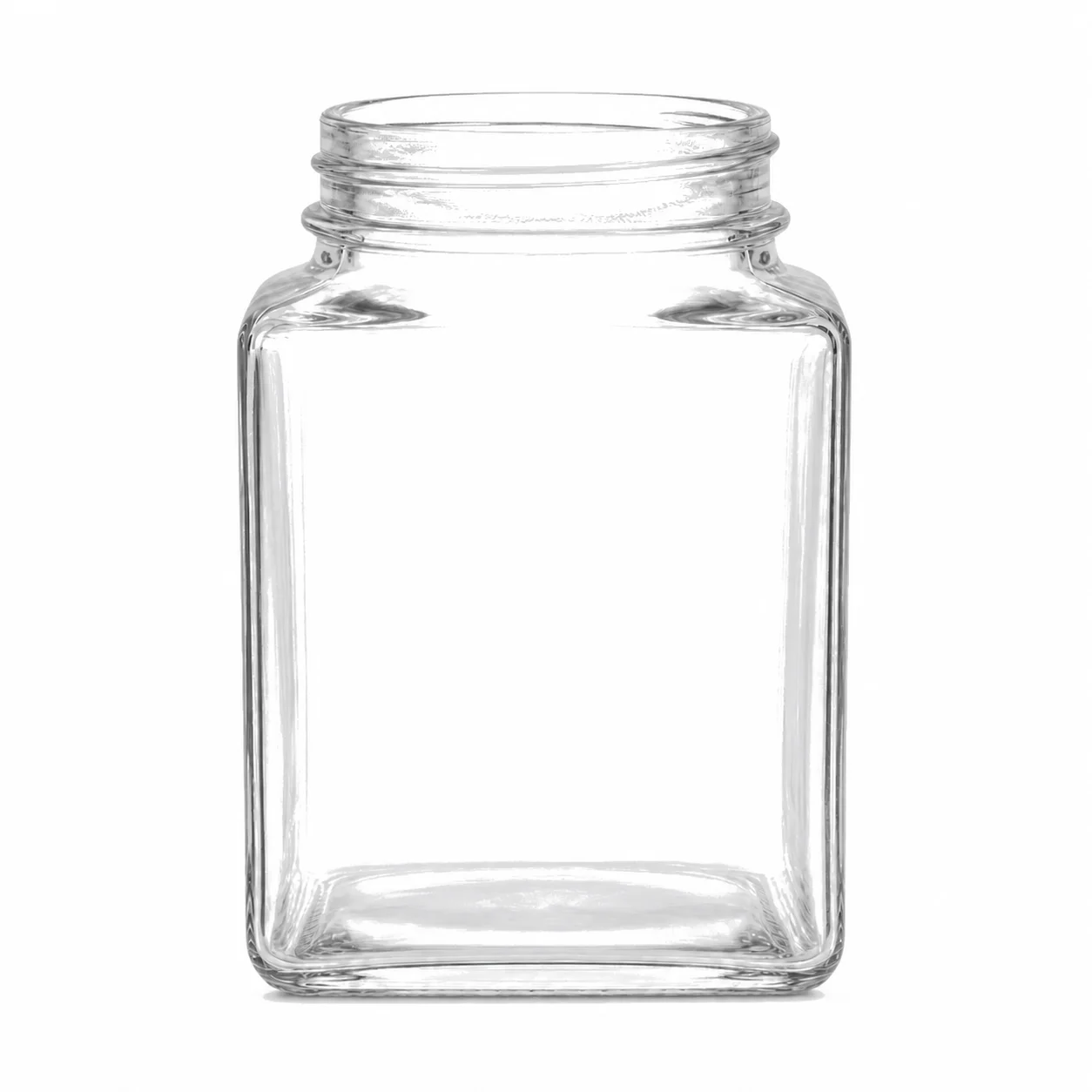
A 500 mL pale-green container-glass jar with 600 mL brimful capacity, an 82 mm twist-off finish and straight label body for food ranges built around verified cullet content and efficient refill-independent recycling.

500 mL nominal82 mm twist-off304 g reference weight
Stock status
In stock
Lead time
2–3 weeks
FOB price / pc
$0.95 - $1.20
MOQ
5,000 pcs

Final availability, dimensions, materials, assembled components and commercial terms are confirmed against the selected drawing and approved sample.

Cullet-led material story

A controlled recycled-glass batch reduces dependence on virgin mineral feed while retaining a mono-material glass body

Visible natural tint

The pale-green cast can become a recognizable range cue instead of being hidden as a defect

Established food geometry

The 500 mL round body and 82 mm opening suit both particulate fills and standard food-line handling

Recycled (PCR) Glass Food Bottle profile

A practical 500 mL food jar whose recycled-content specification is controlled as tightly as capacity and finish.

Cullet traceability, visual tolerance & line performance

Six controls for a commercial recycled-content food jar.

BGP-FS-7663 uses the established 500 mL round food-jar envelope represented by Comag A040500900: 127 mm high, 86.5 mm in diameter, 304 g and 600 mL brimful, with an 82 mm twist-off finish. The pale-green glass is specified through a supplier cullet declaration and approved color range. Keeping recycled content, glass weight, closure route and pallet efficiency in the same brief produces a stronger circular-packaging program than treating tint alone as proof of sustainability.

01

Define recycled content at the batch level

Container glass typically uses a mix of post-consumer cullet, internal process cullet and virgin minerals. State which fraction the commercial claim covers, how the percentage is calculated and which furnace or production period the declaration applies to. Purchase orders should call for the same evidence so marketing copy remains linked to incoming supply.

02

Make the green cast an approved standard

Higher mixed-color cullet can shift flint glass toward pale green and introduce normal lot-to-lot variation. Approve a physical light/mid/dark sample range under controlled lighting, then check the real food and label colors through each sample. This turns natural variation into a deliberate material cue while protecting shelf consistency.

03

Separate circularity from lightweighting

Recycled content changes feedstock; lightweighting reduces glass moved through the furnace and supply chain. At a 304 g reference weight, this jar is lighter than some 500 mL alternatives but heavier than others. Compare grams of glass per liter, cullet percentage, damage rate and pallet utilization together rather than optimizing a single headline number.

04

Lock the 82 mm twist-off system

The wide finish supports metal lug caps with compound selected for acid, oil and thermal exposure. Specify lug count, cap profile, button requirement, application angle and steam-flow or cap-warming conditions. The cullet level in the glass does not change the need for finish inspection, cap-vacuum control and post-process checks.

05

Tune inspection for tinted glass

Pale-green sidewalls change the optical background used by camera systems that detect stones, checks, blisters or product contamination. Run challenge samples through empty-jar and filled-pack inspection, adjust lighting and retain defect standards in the accepted color range. Operators should not learn to dismiss every visible variation as a recycled-glass characteristic.

06

Use pallet data in the environmental brief

The reference platform packs 72 jars per shipping unit and 1,296 jars per pallet. Verify gross weight, layer pattern and destination limits before fixing the case. A materially credible program still loses efficiency if excess dividers, partial pallets or avoidable breakage increase freight and secondary packaging.
Application guide

Food categories that benefit from a wide opening and an honest natural-glass appearance.

The 500 mL platform is most useful where visible product, broad utensil access and documented recycled content can support the same range story.

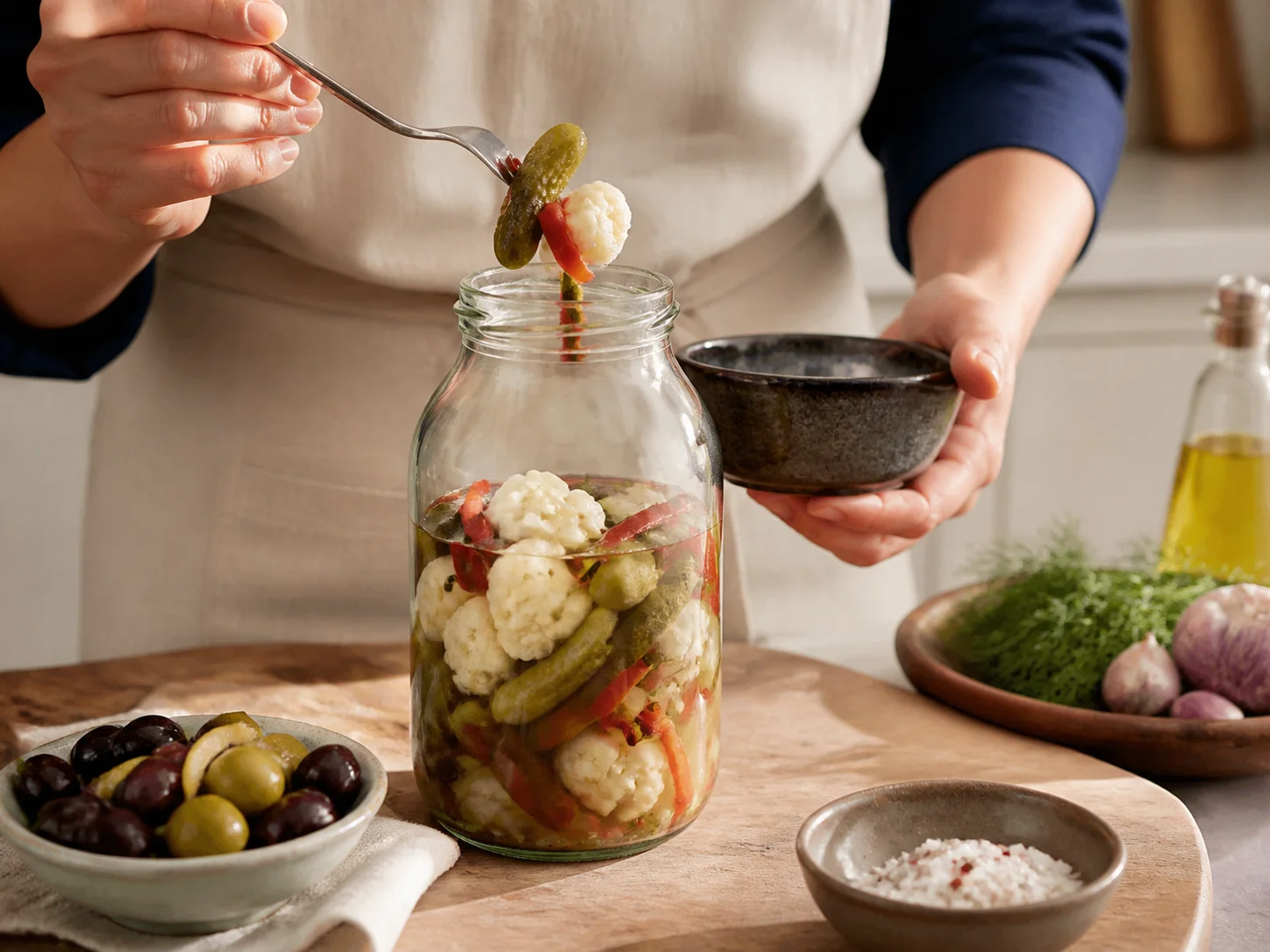
Recycled (PCR) Glass Food Bottle used for pickles, antipasti and fermented garnishes in a preserved vegetables setting

Preserved vegetables

Pickles, antipasti and fermented garnishes

The 82 mm opening accommodates whole or sliced vegetables and lets consumers remove them without damaging the pack pattern. Pale-green glass complements natural brines and herb-led recipes; establish drained weight, solids distribution and cap vacuum for each cut size and process schedule.

  • Control cut geometry
  • Set solids-to-brine ratio
  • Inspect post-cool vacuum
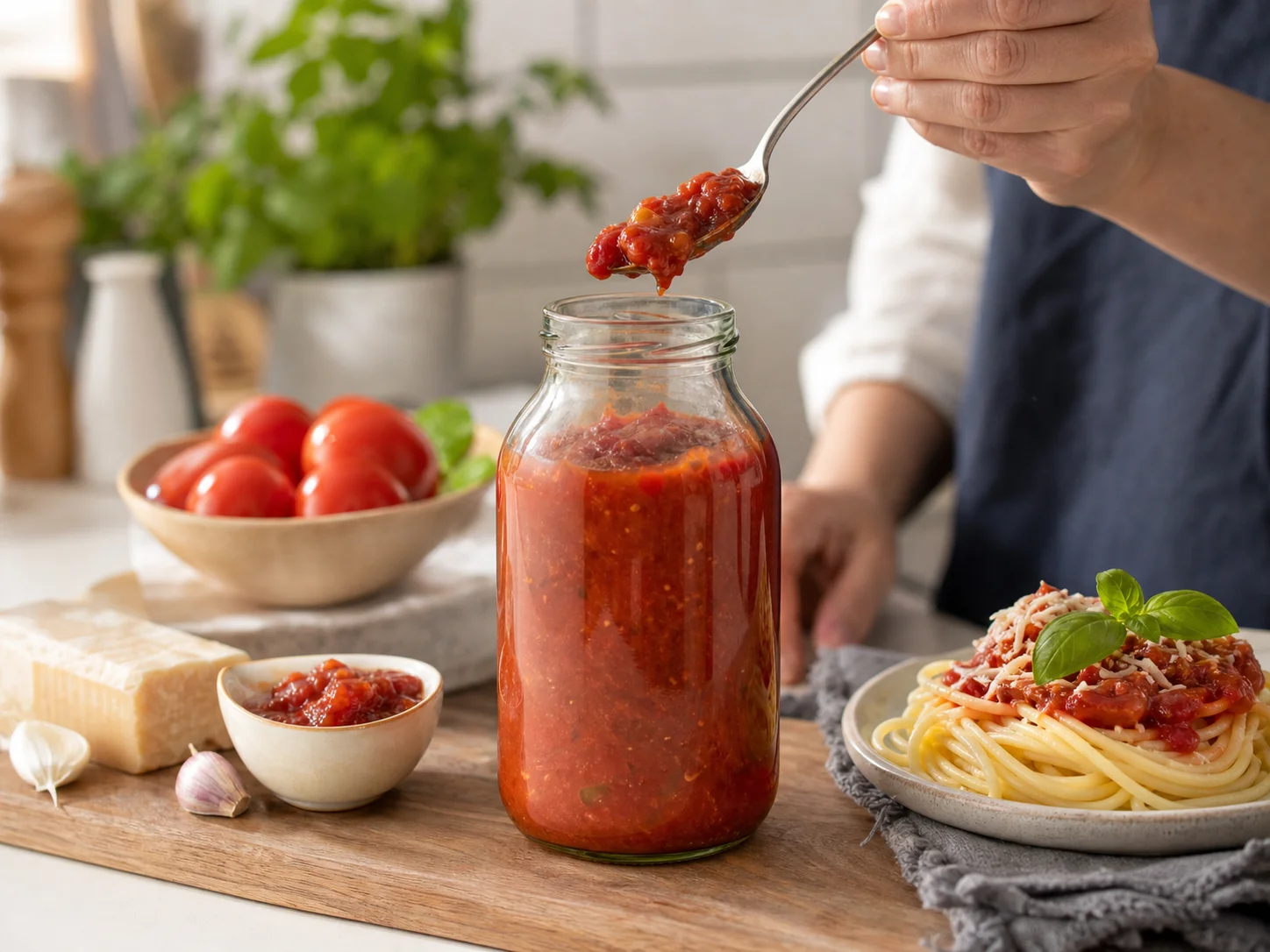
Recycled (PCR) Glass Food Bottle used for pasta sauce, chutney and spoonable relish in a sauces & condiments setting

Sauces & condiments

Pasta sauce, chutney and spoonable relish

A 500 mL fill provides family-size utility while the 600 mL brimful reference leaves process headspace to engineer. Match the cap compound to acid and oil exposure, keep the finish clean during chunky filling and evaluate how the green cast shifts red, orange and cream-colored recipes on shelf.

  • Match closure compound
  • Protect the finish
  • Approve filled color
Recycled (PCR) Glass Food Bottle used for coffee, grains, confectionery and spice blends in a dry pantry setting

Dry pantry

Coffee, grains, confectionery and spice blends

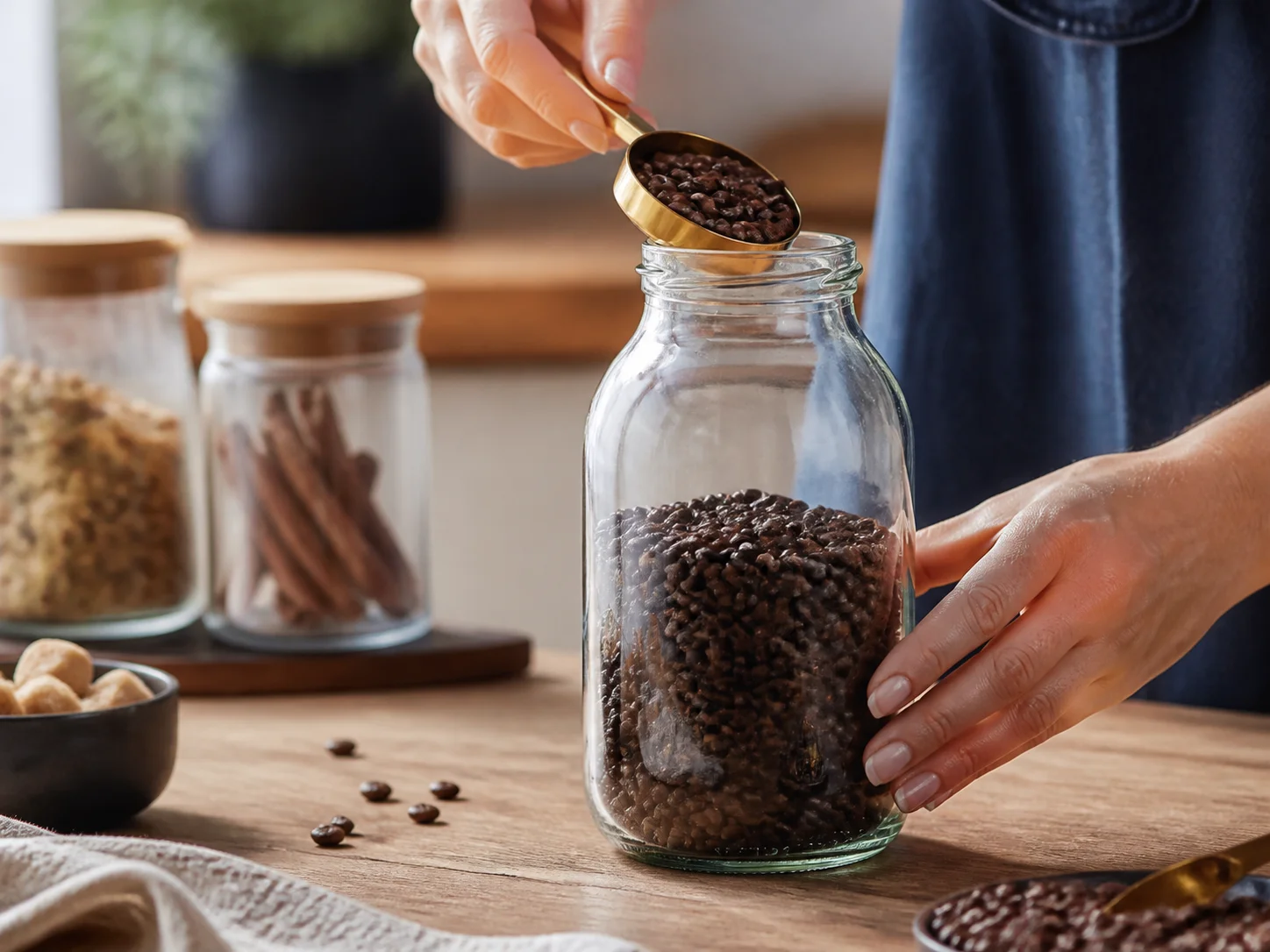
Straight walls support broad labels and the wide mouth simplifies scoop access. For dry fills, calculate net weight from settled bulk density and select the closure liner for moisture and aroma retention. A restrained label can leave enough pale-green glass exposed to make the material choice visible.

  • Measure settled density
  • Specify dry barrier
  • Expose natural glass

Keep the material declaration, approved tint range and supplier lot reference with the product specification so procurement, quality and marketing work from the same evidence.

Recycled (PCR) Glass Food Bottle FAQ

Specification questions for the BGP-FS-7663 recycled-glass jar.

Answers about capacity, cullet documentation, tint, 82 mm closures and filling-line control.

What does PCR mean for container glass?

Post-consumer recycled content is recovered glass that has completed a consumer use cycle and returned as furnace-ready cullet. Track it separately from internal factory cullet and report the calculation basis with the supplier declaration.

Why is the glass slightly green?

Mixed cullet can carry iron and colorants that give nominally clear container glass a pale-green cast. The tint is normal for many high-cullet programs, but a physical acceptance range should still be agreed for consistent labels and filled appearance.

Does recycled content require different line settings?

Filling and capping principles remain product- and finish-led, but inspection lighting may need adjustment for tint variation. Confirm jar dimensions, thermal conditions, finish quality and vision-system performance on the production lot.

Will the inspection line still catch defects in tinted glass?

Only after it is re-tuned. Pale-green sidewalls change the optical background the cameras use to find stones, checks, blisters and product contamination, so a system set on flint will read the new glass differently. Run challenge samples through the actual inspection setup before the first commercial lot.

Next step

Send us the Recycled (PCR) Glass Food Bottle brief.

Tell us the product, fill volume, closure preference and destination market. We will come back with the matching drawings, available configurations and a sample plan before anything is quoted.

  • 01Send the briefProduct, volume, closure and market
  • 02Get the optionsMatching drawings and configurations
  • 03Approve the sampleConfirm the pack before production