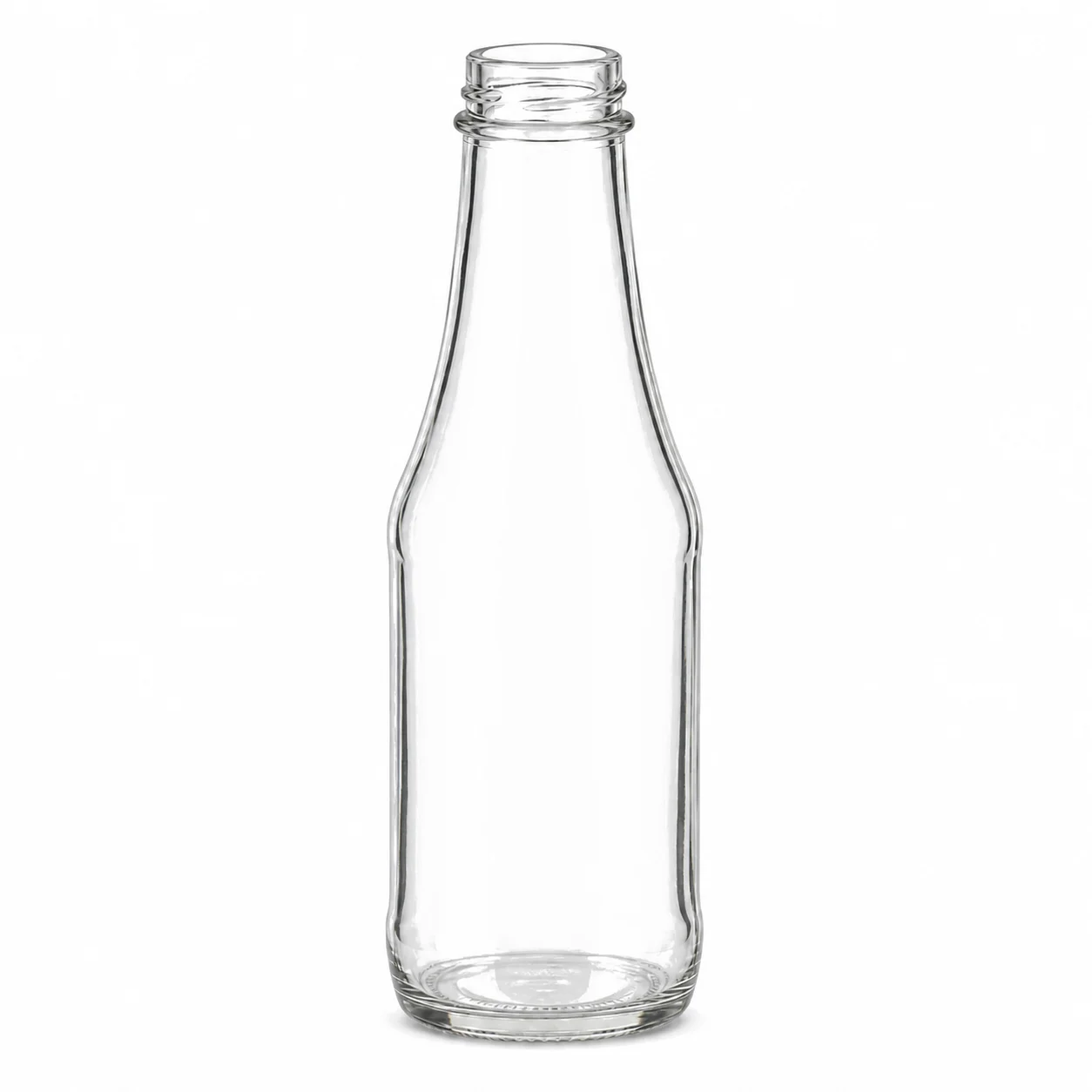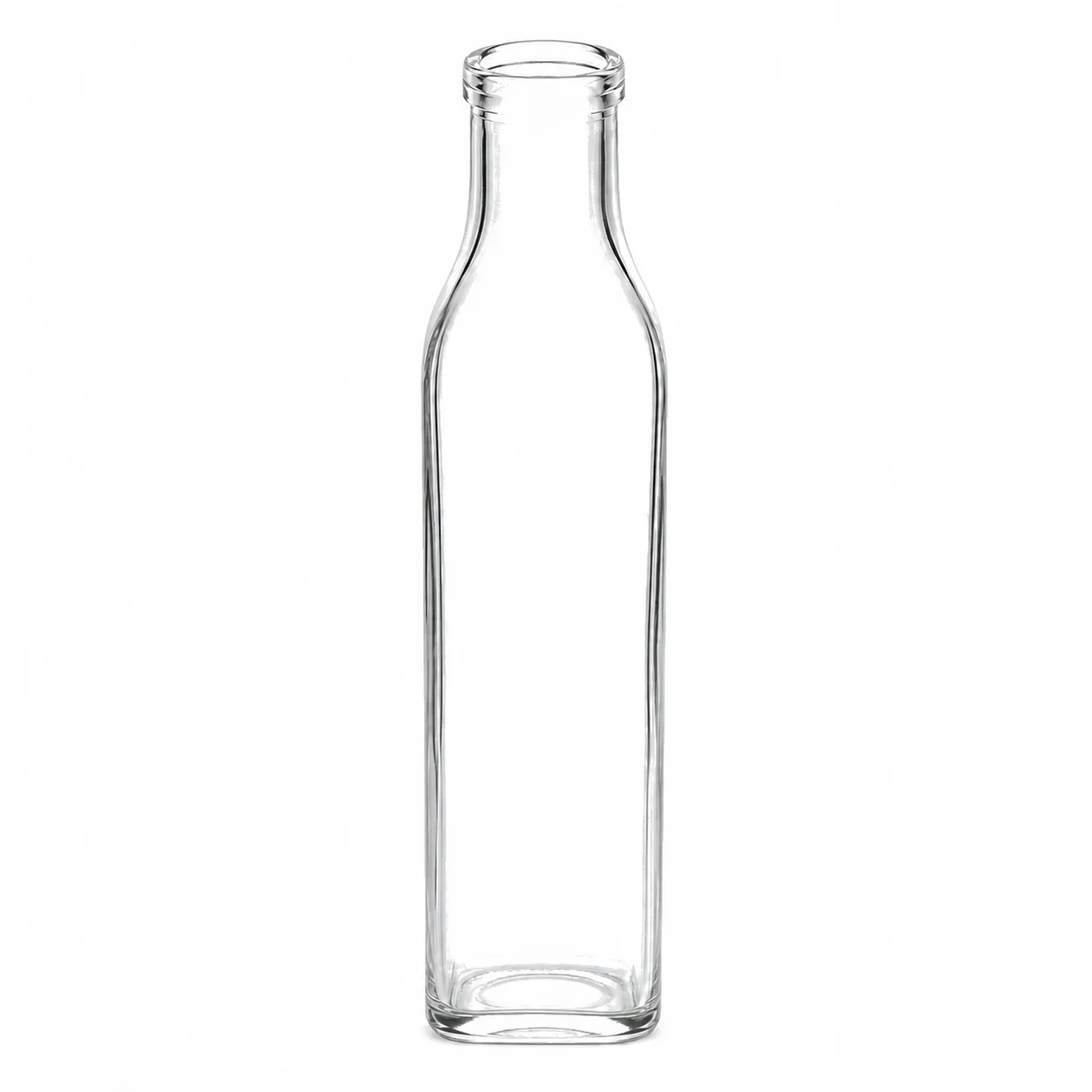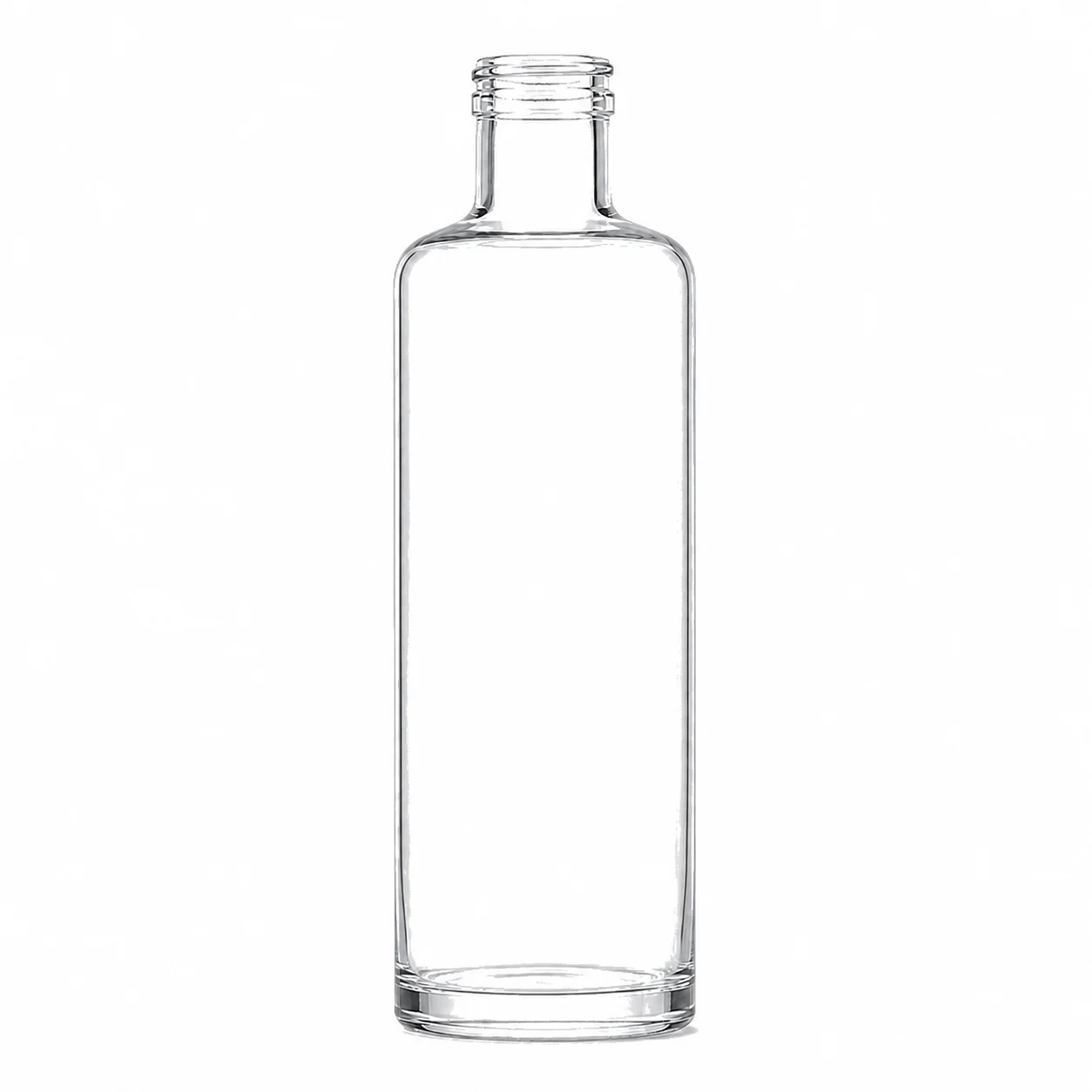
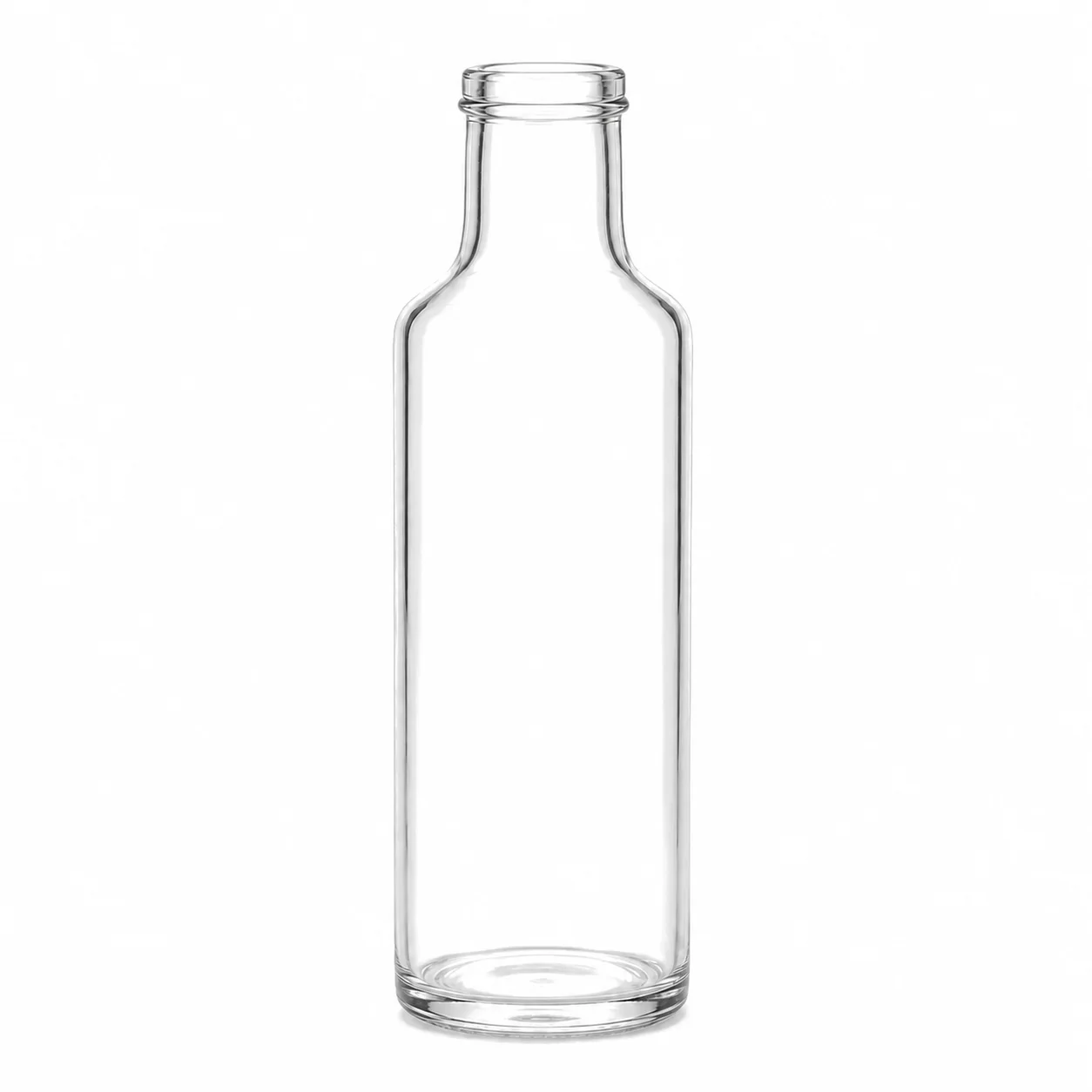
Clear glass soy sauce bottle shown empty and without its selected closure
Shown configuration · clear glass seasoning bottle shown empty and without closure / selected cap, liner and pour direction confirmed separately

Soy sauce & liquid-seasoning packaging

Soy Sauce Bottle

A slender 300 mL clear glass seasoning bottle standing 212 mm tall on a 57.4 mm base, with a combination crown-and-screw finish for soy sauce and table condiments.

300 mL nominalCombination finishTall 57.4 mm body
Stock status
In stock
Lead time
2–3 weeks
FOB price / pc
$0.75 - $1.10
MOQ
2,000 pcs

Final availability, dimensions, materials, assembled components and commercial terms are confirmed against the selected drawing and approved sample.

Measured seasoning

A narrow upper profile supports small, repeatable pours

Visible fill level

Clear glass shows product color and remaining quantity

Efficient footprint

The slim round body forms orderly pantry and retail rows

Soy Sauce Bottle profile

A soy sauce bottle is defined by the quality of a small pour.

Seasoning control, closure choice & shelf use

Why the bottle interface matters more than the dark liquid inside suggests.

BGP-FS-3511 works to the established 300 mL seasoning envelope: a 212 mm tall round bottle on a 57.4 mm body, 265 g empty, with a narrow shoulder and combination crown-and-screw finish. It carries a substantial pantry volume while preserving the upright presentation expected of a seasoning used a little at a time.

01

Three hundred milliliters bridges table and pantry

The format holds more than a small restaurant cruet but remains narrow enough for everyday cooking and dining. It suits a retail bottle refilled less often than a 150 mL dispenser without taking on the bulk and handling weight of a 500 mL or one-liter family pack.

02

Low viscosity makes over-pouring easy

Many light soy sauces move quickly through an unrestricted opening, and a few extra seconds can add far more salt than intended. A pour insert, controlled spout or closure geometry should be selected around dose size and angle, then checked for clean cut-off so liquid does not track down the neck.

03

Recipe families do not share one flow

Light soy sauce, dark soy sauce, tamari-style products and seasoned sauces differ in viscosity, suspended material and intended use. A table seasoning may need a fine stream; a cooking sauce may be poured by the tablespoon. The dispensing component should follow that use rather than forcing every SKU through one aperture.

04

The combination finish preserves closure options

This neck is designated a combination crown-and-screw-cap finish, meaning it is cut to accept either route rather than one. Carry that designation verbatim into component sourcing: crown, threaded and pourer assemblies are not interchangeable by appearance, and the finish drawing is what a cap supplier actually works from.

05

Dark contents need deliberate contrast

Clear glass lets buyers compare color and monitor the remaining fill, but a nearly black product can reduce contrast behind transparent labels. Opaque copy panels, light inks or a clear vertical window should be arranged so ingredients and nutrition remain legible without hiding the liquid entirely.

06

Tall bottles reward disciplined case packing

At 212 mm high and only 57.4 mm wide, the bottle builds efficient rows but carries a higher center of mass than a squat sauce jar. The reference bulk pallet runs six layers and 3,600 bottles; layer pads and firm pallet restraint are what keep narrow containers upright through a warehouse and a truck.
Application guide

Use the 300 mL format for seasonings measured by the pour, not by bulk transfer.

The bottle works across table and kitchen settings when the closure is selected for the recipe's actual flow. These applications share dark-liquid presentation but need different dose and label priorities.

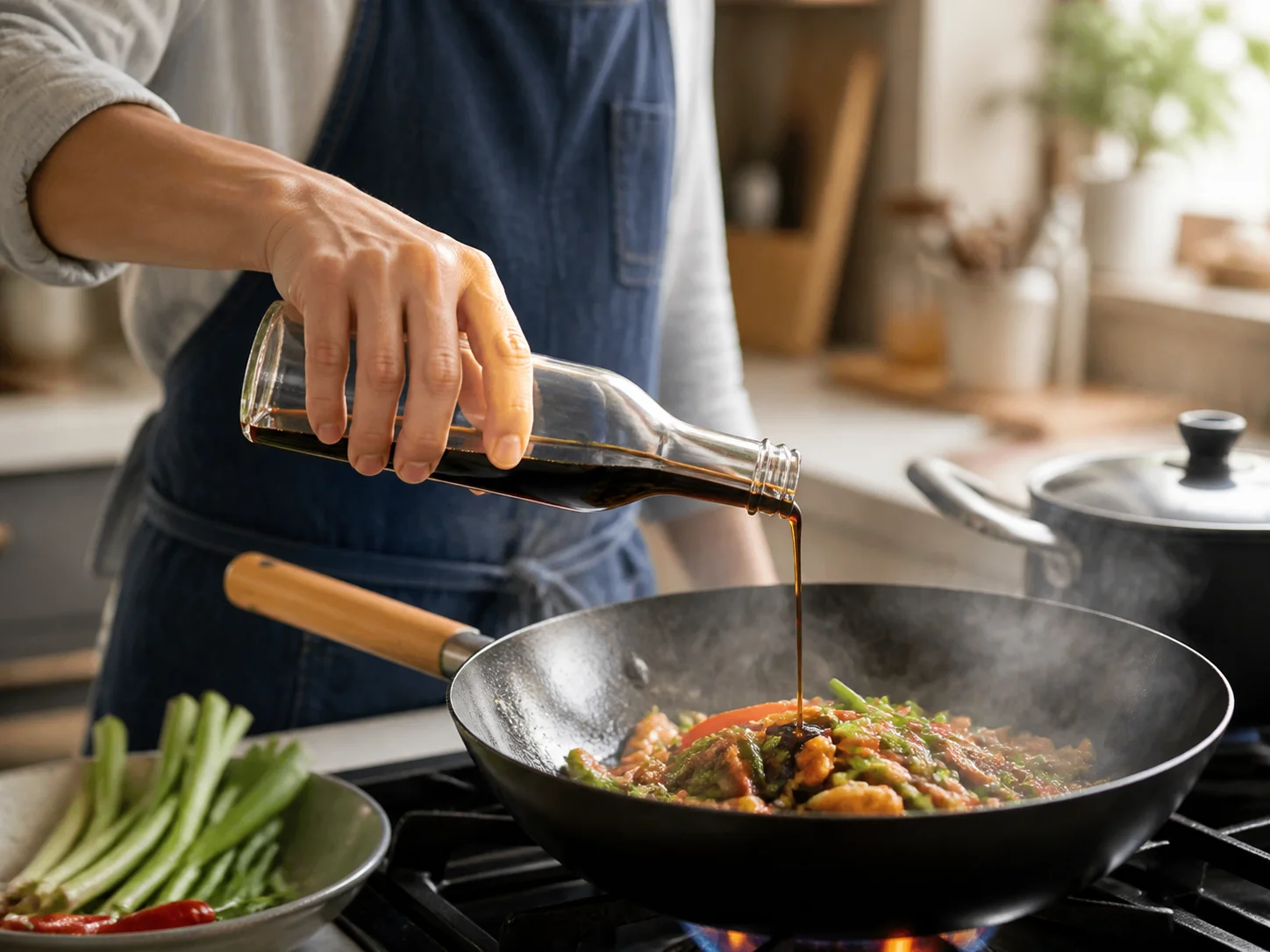
Soy Sauce Bottle used for light & all-purpose soy sauce in a home kitchens setting

Home kitchens

Light & all-purpose soy sauce

For the bottle a cook keeps beside the hob and tips into a wok one-handed while something is already frying. Light soy runs fast, so a second of hesitation adds noticeably more salt, and a controlled insert is what stands between the recipe and an over-seasoned dish. The 300 mL body still fits a crowded counter.

  • Define the target stream
  • Check drip cut-off
  • Keep salt and allergen copy prominent
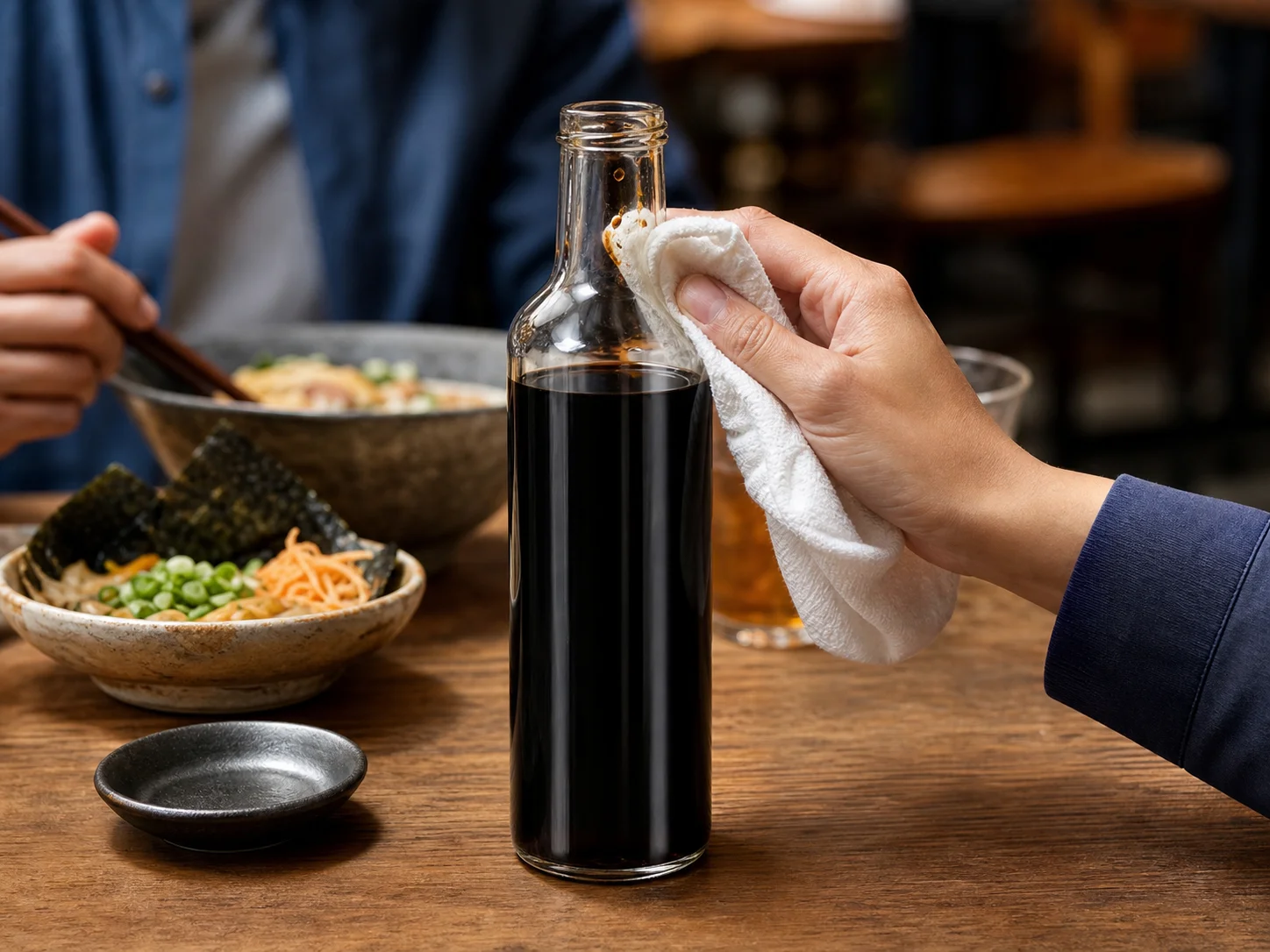
Soy Sauce Bottle used for dark soy sauce & seasoned blends in a restaurant tables setting

Restaurant tables

Dark soy sauce & seasoned blends

For bottles set out on a table where diners help themselves and staff wipe them down between covers. A near-black fill turns the label into a silhouette, so mandatory copy needs an opaque panel behind it, and a slower sauce leaves residue at the spout that someone has to clean off several times a day.

  • Measure recipe-specific viscosity
  • Use high-contrast label panels
  • Review residue at the spout
Soy Sauce Bottle used for first-draw, tamari-style & regional soy sauce in a delicatessen shelves setting

Delicatessen shelves

First-draw, tamari-style & regional soy sauce

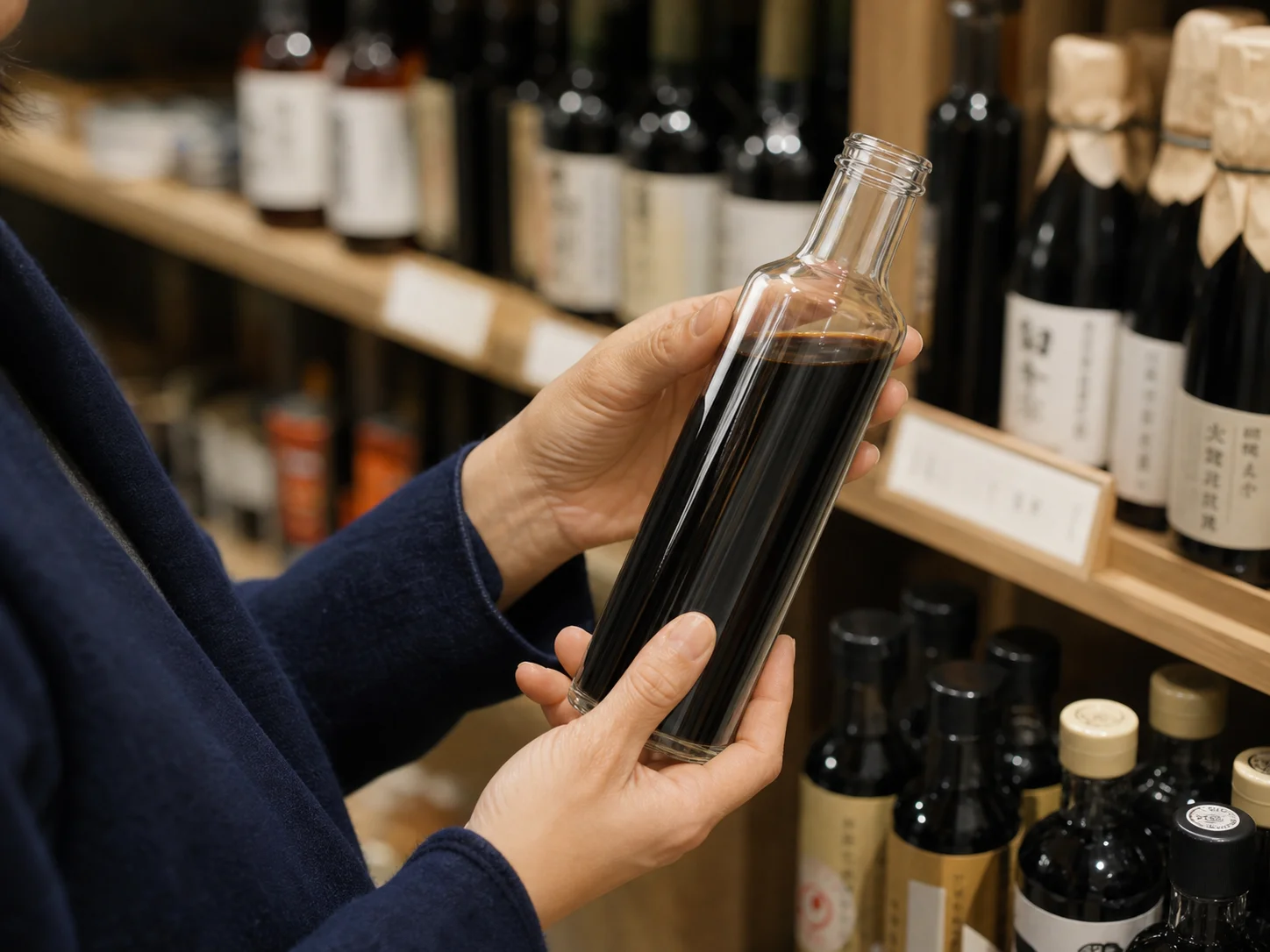
For sauces a shopper picks up in a specialty store and turns around to read how long it was brewed and where the soybeans came from. The tall body gives that story room, while restrained decoration leaves enough glass clear for the color and clarity of the seasoning to be judged on the shelf.

  • Lead with origin or brewing method
  • Preserve a product-view window
  • Protect tall bottles in gift cells

Measure pour rate with the seasoning at its normal serving temperature and at more than one bottle fill level; the stream can change as head pressure falls during use.

Soy Sauce Bottle FAQ

Practical questions about the 300 mL soy-sauce format.

Answers for teams evaluating BGP-FS-3511 capacity, combination finish, pour control, dark-product labels and pallet configuration.

Does the bottle need a pour insert?

Not always. A low-viscosity table soy sauce often benefits from a controlled aperture, whereas a fuller-bodied cooking sauce may pour more reliably through a less restrictive opening. Compare dose, drips and blockage with each recipe before selecting the component.

Can clear glass present very dark soy sauce well?

Yes, when label contrast is planned around the filled bottle. Use opaque light-colored copy areas for mandatory information and retain a narrow clear window to show fill level and product tone without placing fine text directly over the darkest liquid.

How is the bottle palletized?

The bulk reference is 3,600 bottles in six layers on a 1,000 × 1,200 mm pallet, roughly 2,113 mm high and 995 kg gross. Export cartons change that arithmetic, so the final configuration follows whichever supply route you take.

Can one bottle serve light soy, dark soy and a seasoned sauce?

The glass can; one dispensing setup cannot. The families differ in viscosity, suspended material and intended use — a table seasoning wants a fine stream, a cooking sauce wants volume — so the insert or closure is selected per recipe even when the bottle is shared across the range.

Next step

Send us the Soy Sauce Bottle brief.

Tell us the product, fill volume, closure preference and destination market. We will come back with the matching drawings, available configurations and a sample plan before anything is quoted.

  • 01Send the briefProduct, volume, closure and market
  • 02Get the optionsMatching drawings and configurations
  • 03Approve the sampleConfirm the pack before production