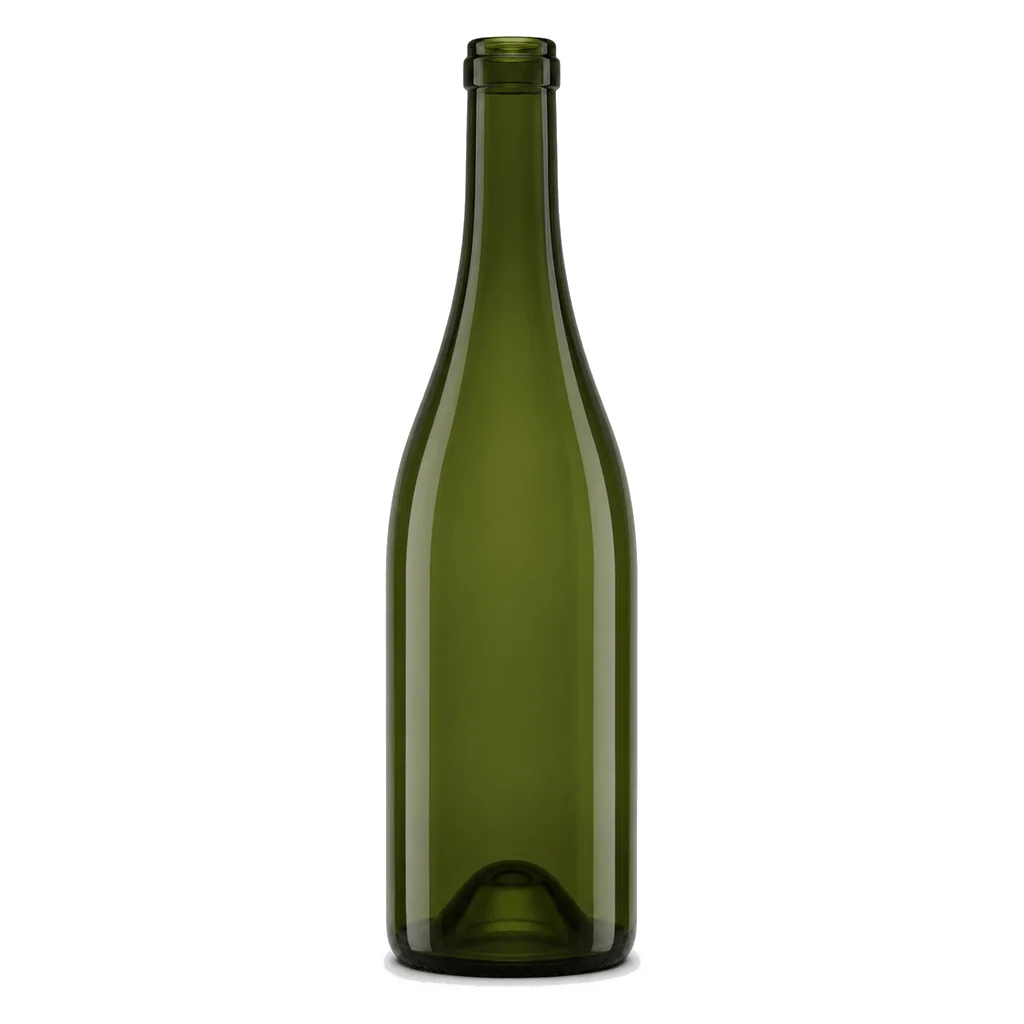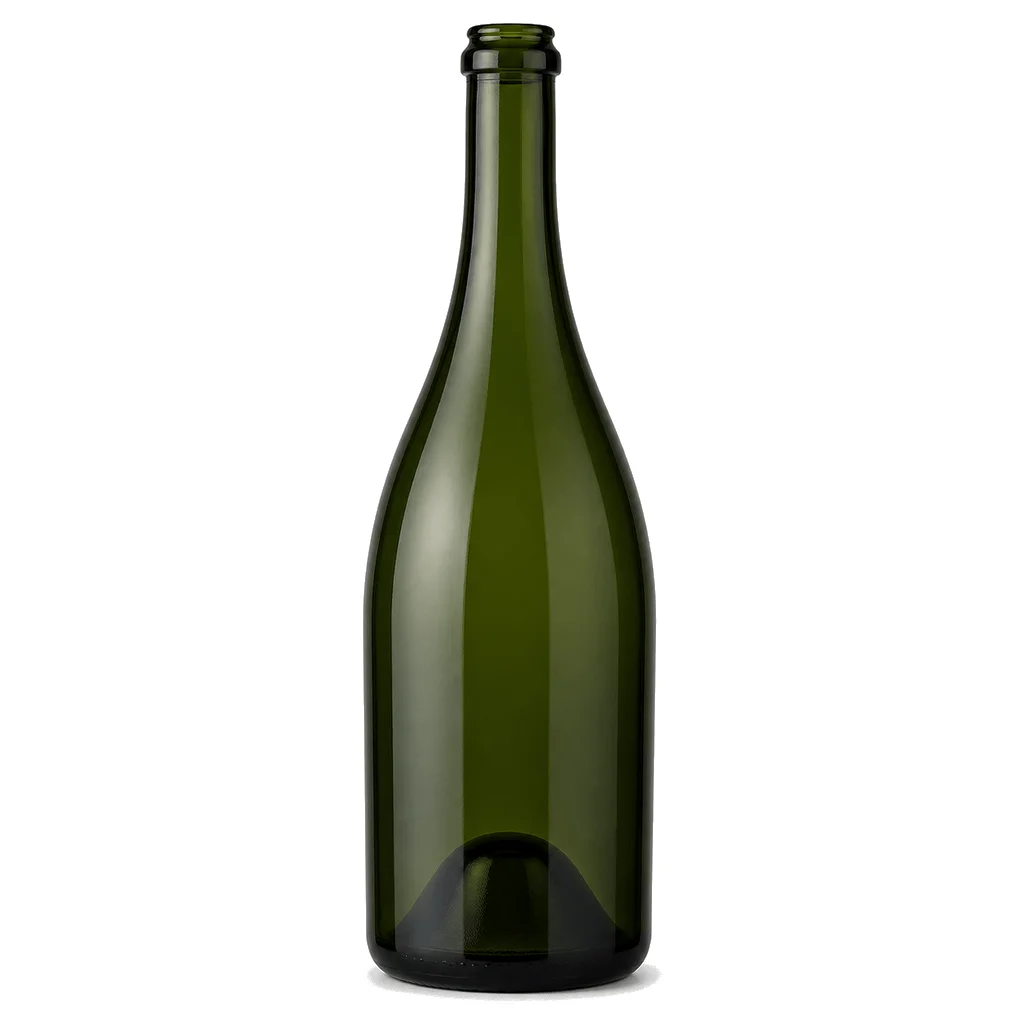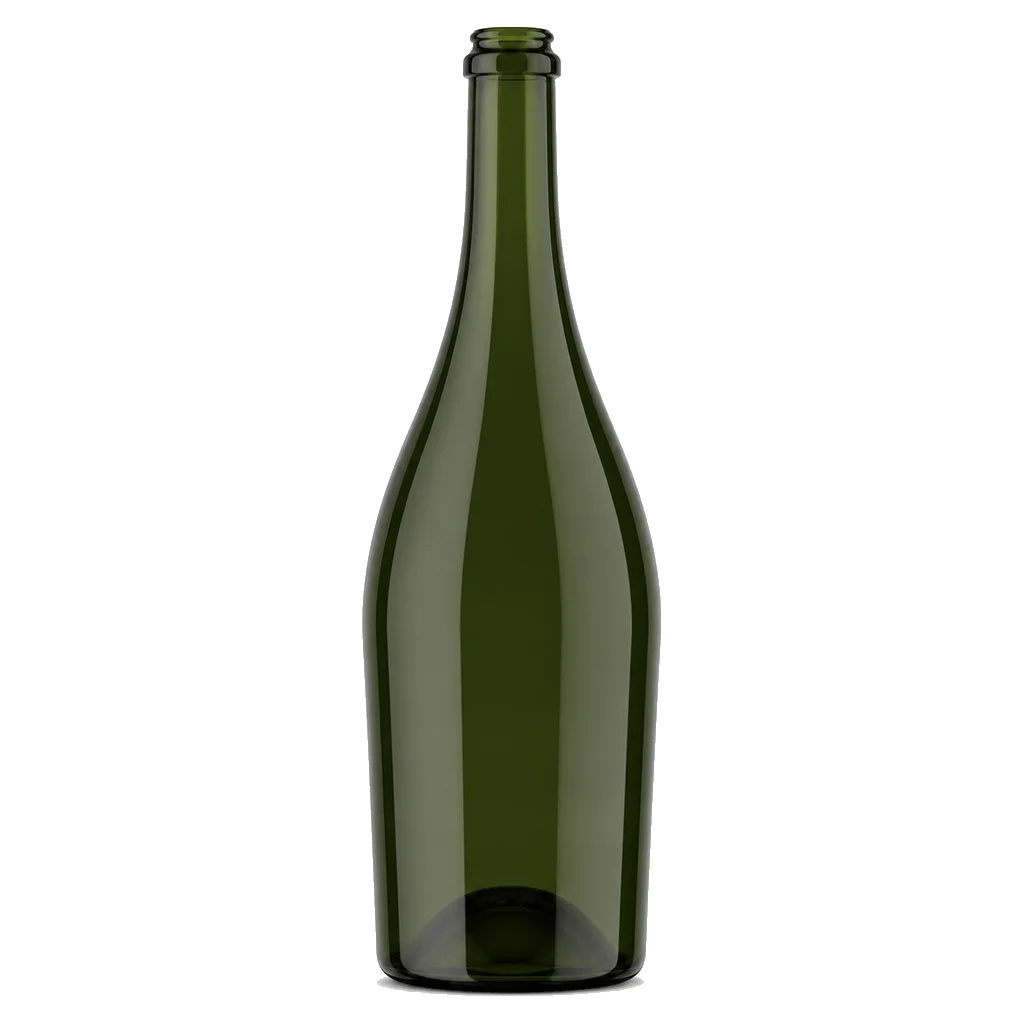
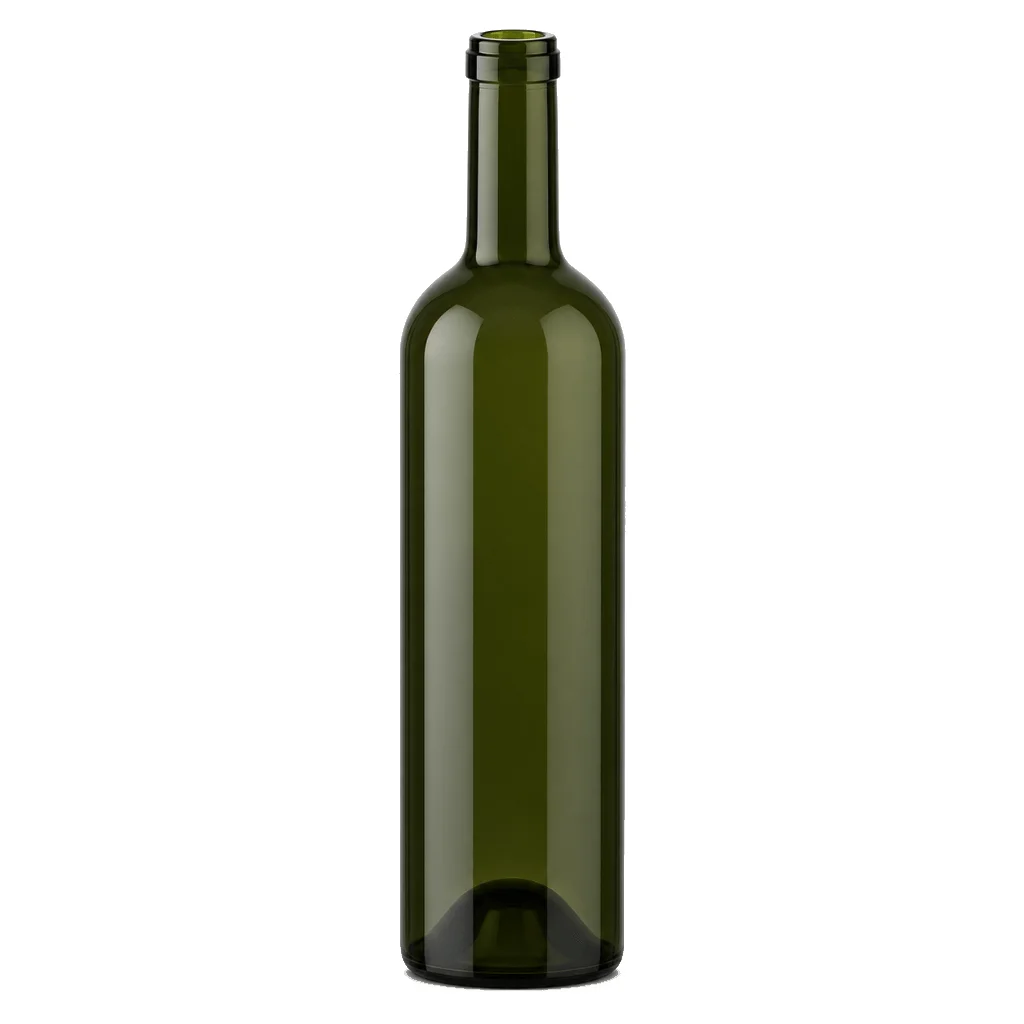
Dark green wine bottle with high square shoulders and a straight cylindrical body
Shown configuration · bare bottle / cork, capsule, label and wine not shown

Wine bottles

Bordeaux Bottle

The Bordeaux bottle: high shoulders, straight sides and a cork bore around 18.5 mm, the most recognizable still wine silhouette and the easiest to case and stack.

High shoulder, straight side18.5 mm cork boreCases and stacks efficiently
Stock status
In stock
Lead time
2–3 weeks
FOB price / pc
$0.20 - $0.65
MOQ
3,000 pcs

Final availability, dimensions, materials, assembled components and commercial terms are confirmed against the selected drawing and approved sample.

Shoulder catches sediment

The original functional argument

Straight sides pack tight

More bottles per case and pallet

Cork or screw cap

Two different finishes, one silhouette

Bordeaux Bottle profile

The most-produced wine bottle shape in the world, for reasons that are mostly logistical.

Shoulder function, packing efficiency & closure choice

Six things behind the most common wine bottle in production.

High shoulders, a straight body and a modest punt make the Bordeaux bottle instantly readable as red wine. The shoulder was originally there to trap sediment when decanting; what has kept the shape dominant since is that straight sides pack more densely than any other wine silhouette and label flat without distortion.

01

The shoulder was a decanting feature

A pronounced shoulder catches sediment as a bottle is tipped, holding it back while clear wine pours. That mattered when unfiltered wines threw a deposit as a matter of course. Most modern wines are filtered, so the feature persists more as category signaling than as function — which is worth knowing rather than repeating as fact.

02

Straight sides are why it dominates

A cylinder with parallel walls packs into a case with almost no wasted space and stacks squarely on a pallet, where a sloping Burgundy shoulder does not. Across a supply chain measured in millions of bottles that difference in cube efficiency is decisive, and it explains the shape's share better than any aesthetic argument.

03

The cork bore is a standard the closure depends on

Natural cork wine bottles work to a bore around 18.5 mm, which is what allows a standard cork to be compressed and inserted with a predictable retained diameter. A bore that drifts changes extraction force and long-term seal, and it is one of the neck dimensions a winery should have on the bottle drawing.

04

Screw caps need a different finish entirely

Aluminum screw caps run on standardized BVS finishes rather than a cork bore, so a bottle is made for one closure route or the other. A winery moving between them is changing bottles, not just closures, and the decision affects the bottling line as much as the pack.

05

Labels lie flat, which changes artwork cost

A parallel wall accepts rectangular labels with no die-cutting and no distortion, front and back, which is why Bordeaux bottles carry the most elaborate label programs in wine. On a sloping shoulder the same artwork needs distortion work that has to be redone whenever the design changes.

06

Weight is where lightweighting happened

Still wine bottles have been substantially lightweighted over the last two decades, and the Bordeaux format led it because its geometry distributes glass evenly. A lighter bottle is not a weaker one when the distribution is right, and glass weight has become a specification a buyer states rather than accepts.
Application guide

High shoulders were designed to catch sediment.

The pronounced shoulder on a Bordeaux bottle originally served to trap sediment when decanting an aged wine, and it survives as the instantly recognizable signature of the region's varieties. These are development directions confirmed with the actual wine.

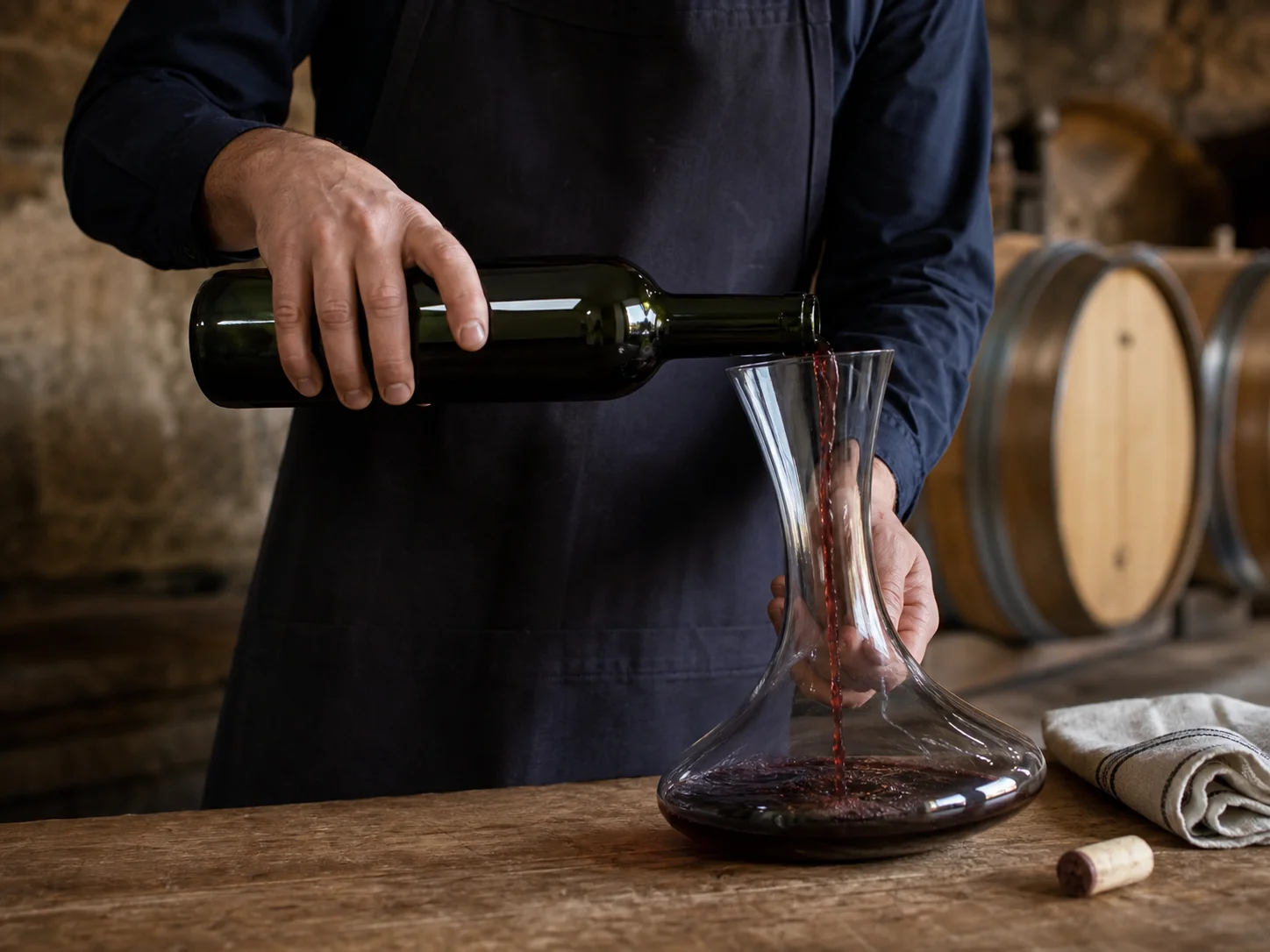
Bordeaux Bottle used for bottles decanted after years in a cellar in a still red wine setting

Still red wine

Bottles decanted after years in a cellar

For wines expected to throw a deposit over time and be decanted before serving, where the sharp shoulder holds sediment back as the bottle is tipped. That functional origin is why the shape reads as serious wine to a customer long before they look at the label.

  • Confirm the shoulder suits decanting
  • Match the format to the variety
  • Review how it presents on a table
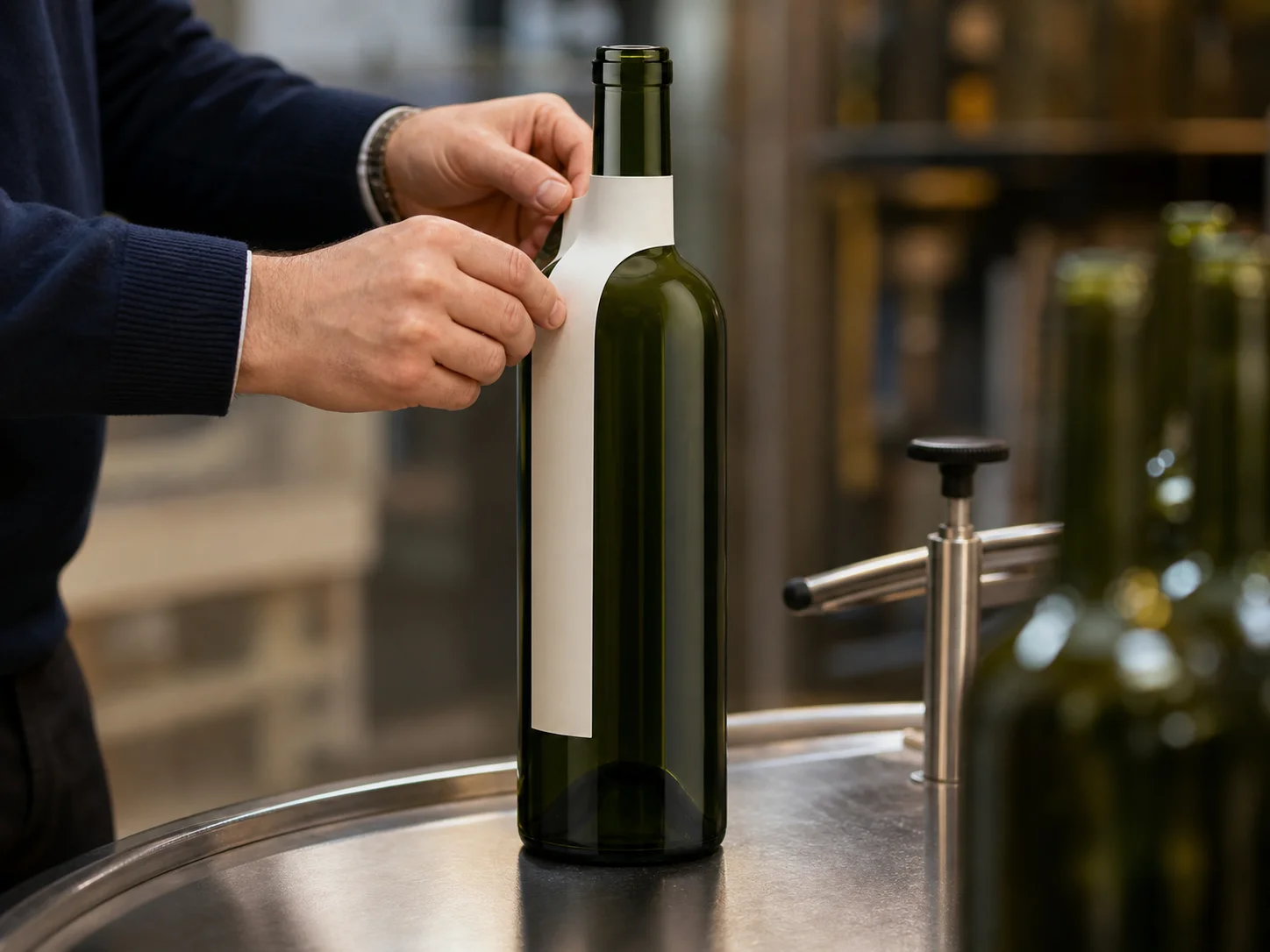
Bordeaux Bottle used for labels running from neck to body in a premium releases setting

Premium releases

Labels running from neck to body

Premium bottles use the long neck for a capsule and a neck label above the main body label, building a vertical hierarchy a customer reads from the top down. Deep green glass hides the wine color, so the label carries all the information about what is inside.

  • Plan the neck and body labels together
  • Confirm capsule and label alignment
  • Test artwork on green glass
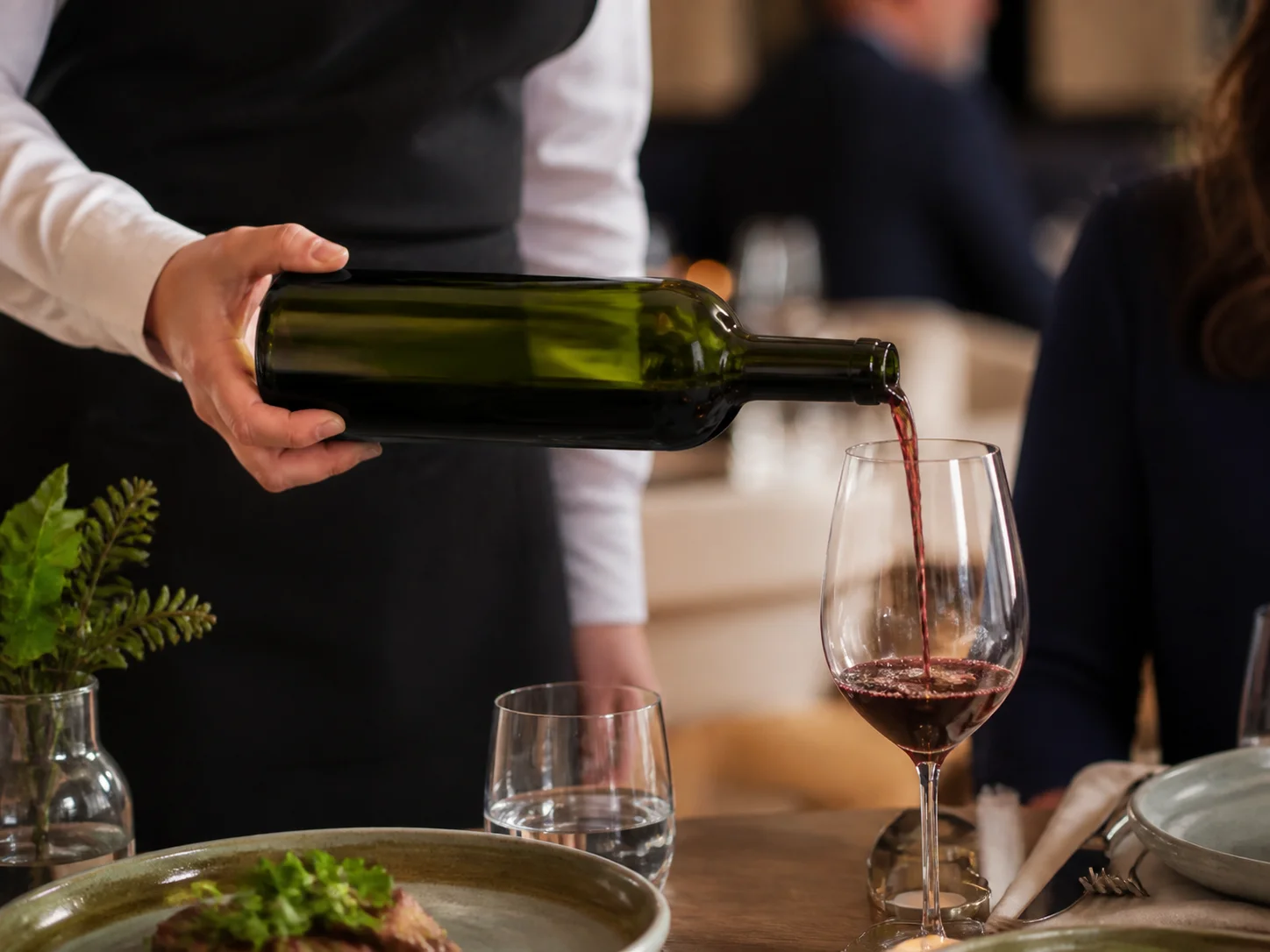
Bordeaux Bottle used for bottles poured at a table in a restaurant service setting

Restaurant service

Bottles poured at a table

In restaurants the bottle is presented, opened and poured in front of the guest, then left standing on the table for the meal. That exposure puts label quality and the neatness of the cut capsule under close inspection in a way a supermarket shelf never does.

  • Review the bottle at table distance
  • Confirm the capsule cuts cleanly
  • Check the label survives an ice bucket

Applications describe development directions. Wine compatibility, closure fit, filling and distribution outcomes are confirmed for the selected program.

Common questions

Bordeaux Bottle questions

The most-produced wine shape, for reasons that are largely logistical.

Does the shoulder still do anything?

Less than it used to. A pronounced shoulder catches sediment as the bottle is tipped, which mattered when unfiltered wines threw a deposit routinely. Most modern wines are filtered, so the feature now works mainly as category signaling — worth knowing rather than repeating as a live functional claim to customers.

What is the cork bore and why does it matter?

Natural cork bottles work to a bore around 18.5 mm, which lets a standard cork be compressed and inserted with a predictable retained diameter. A bore that drifts changes extraction force and long-term seal, so it belongs on the bottle drawing rather than being assumed from the format name.

Has lightweighting made Bordeaux bottles weaker?

Not when the distribution is right. Still wine bottles have been substantially lightweighted over two decades, and the Bordeaux format led it because its geometry spreads glass evenly. Weight has become a specification a buyer states rather than accepts, and a well-distributed light bottle outperforms a badly distributed heavy one.

Why do straight sides matter more than the shoulder?

Because they decide the cost of everything downstream. A parallel body lets labels lie flat, packs squarely into cases and runs through guides without change parts — which is why the shape dominates far beyond the wines that need a sediment ledge.

Next step

Send us the Bordeaux Bottle brief.

Tell us the product, fill volume, closure preference and destination market. We will come back with the matching drawings, available configurations and a sample plan before anything is quoted.

  • 01Send the briefProduct, volume, closure and market
  • 02Get the optionsMatching drawings and configurations
  • 03Approve the sampleConfirm the pack before production