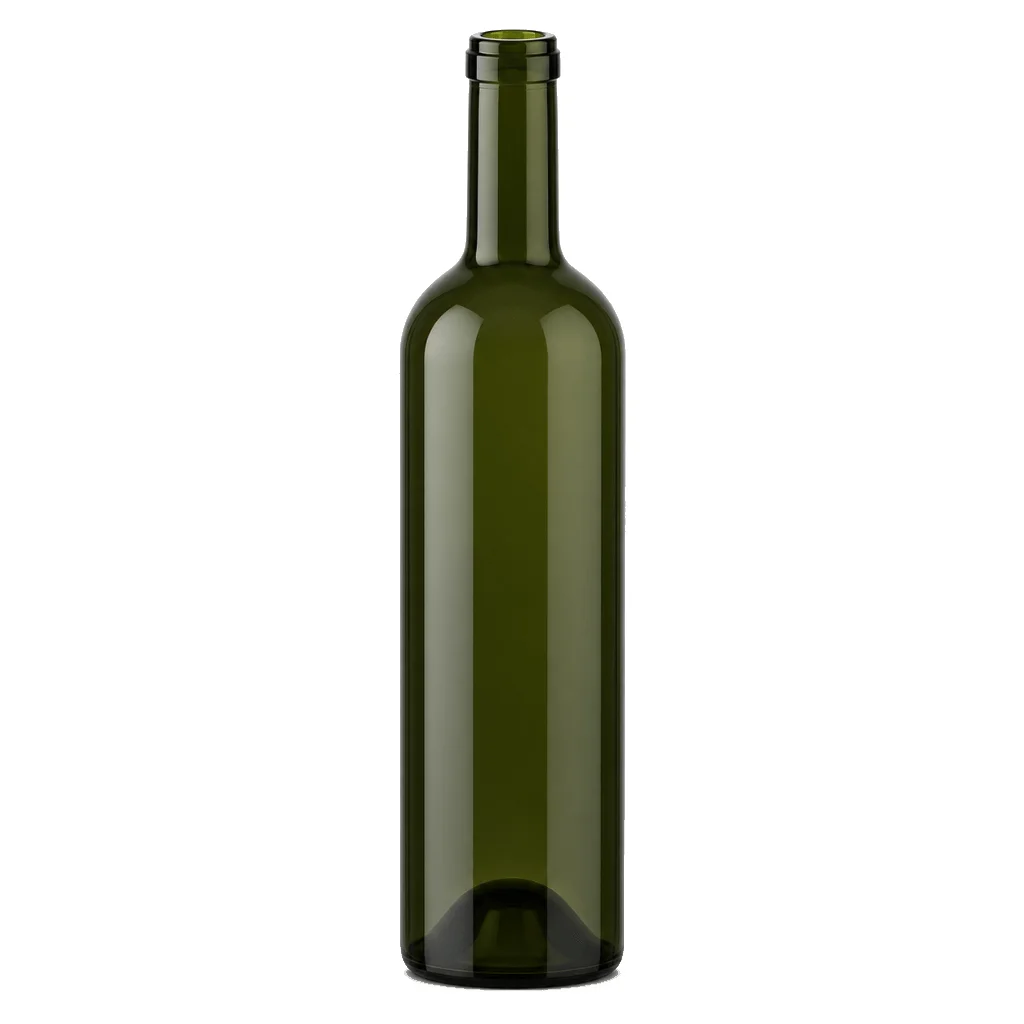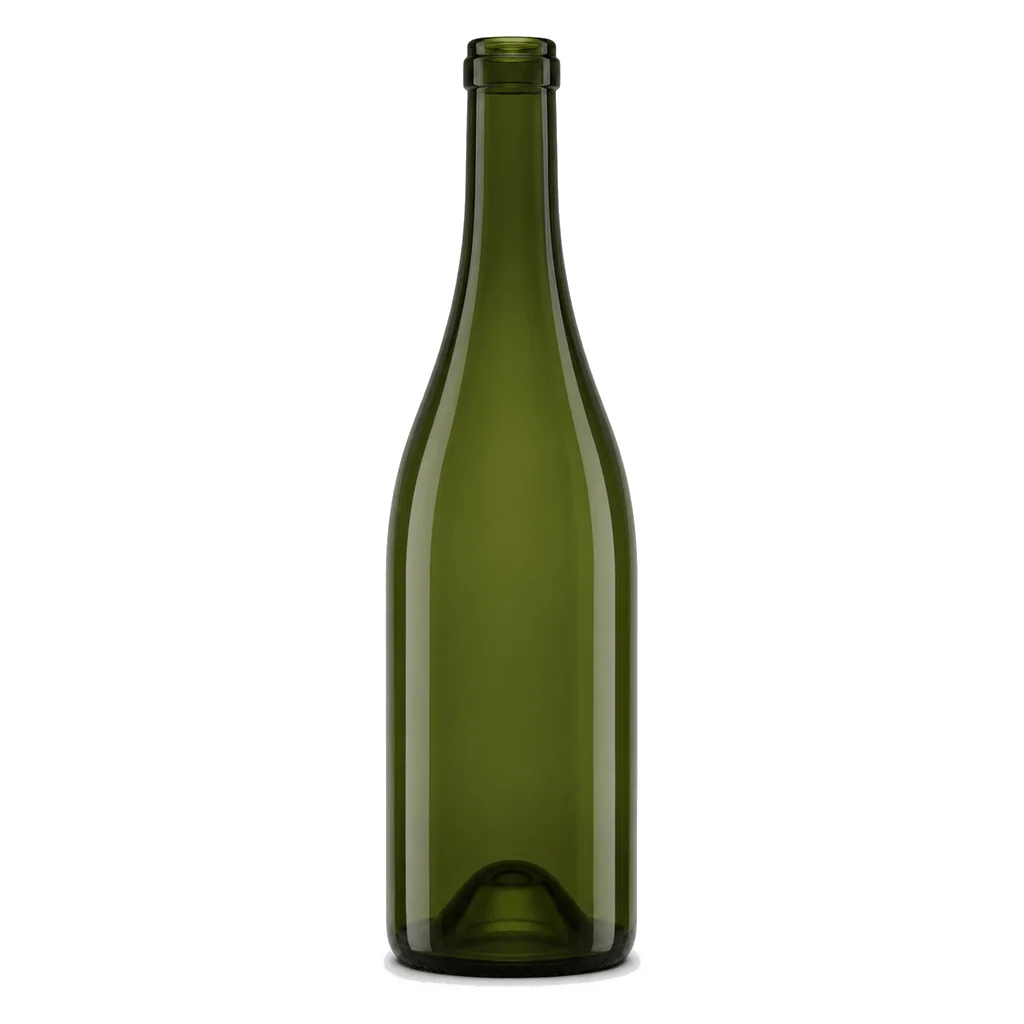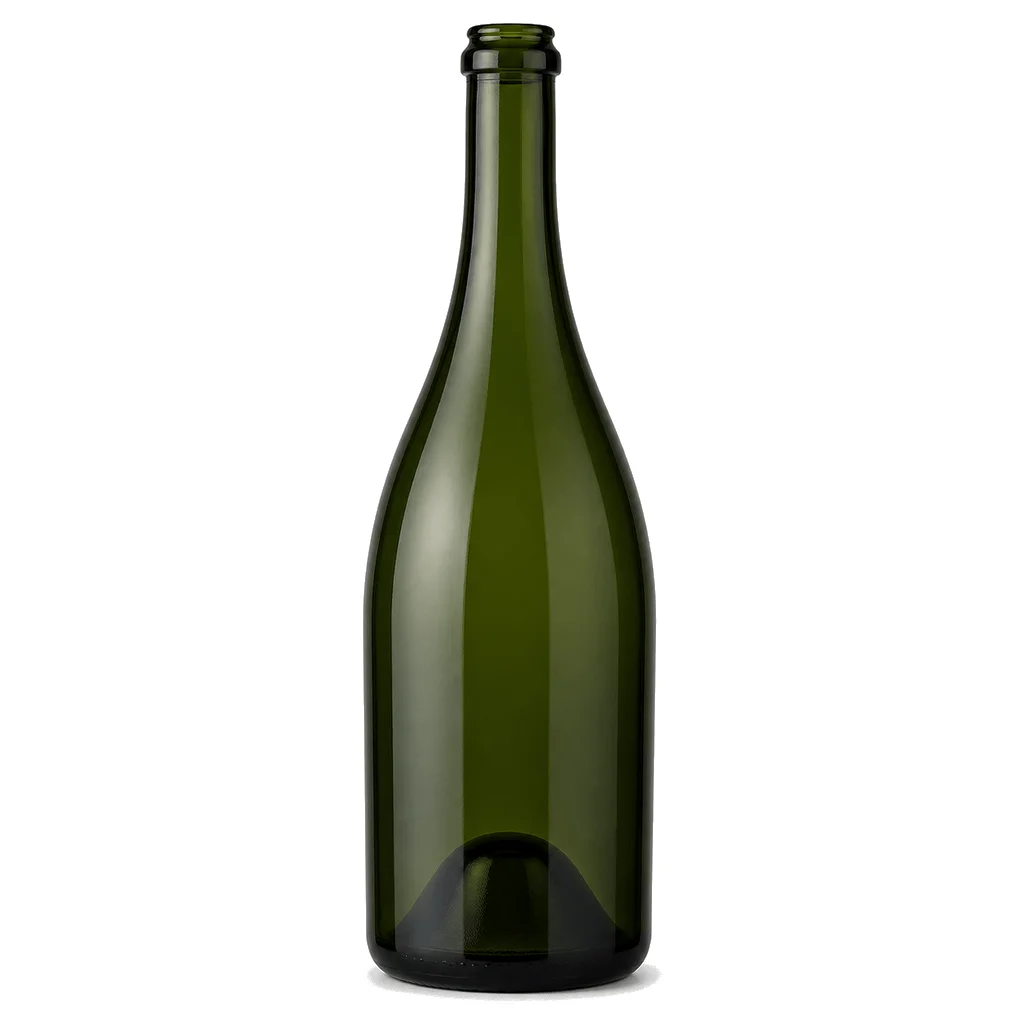
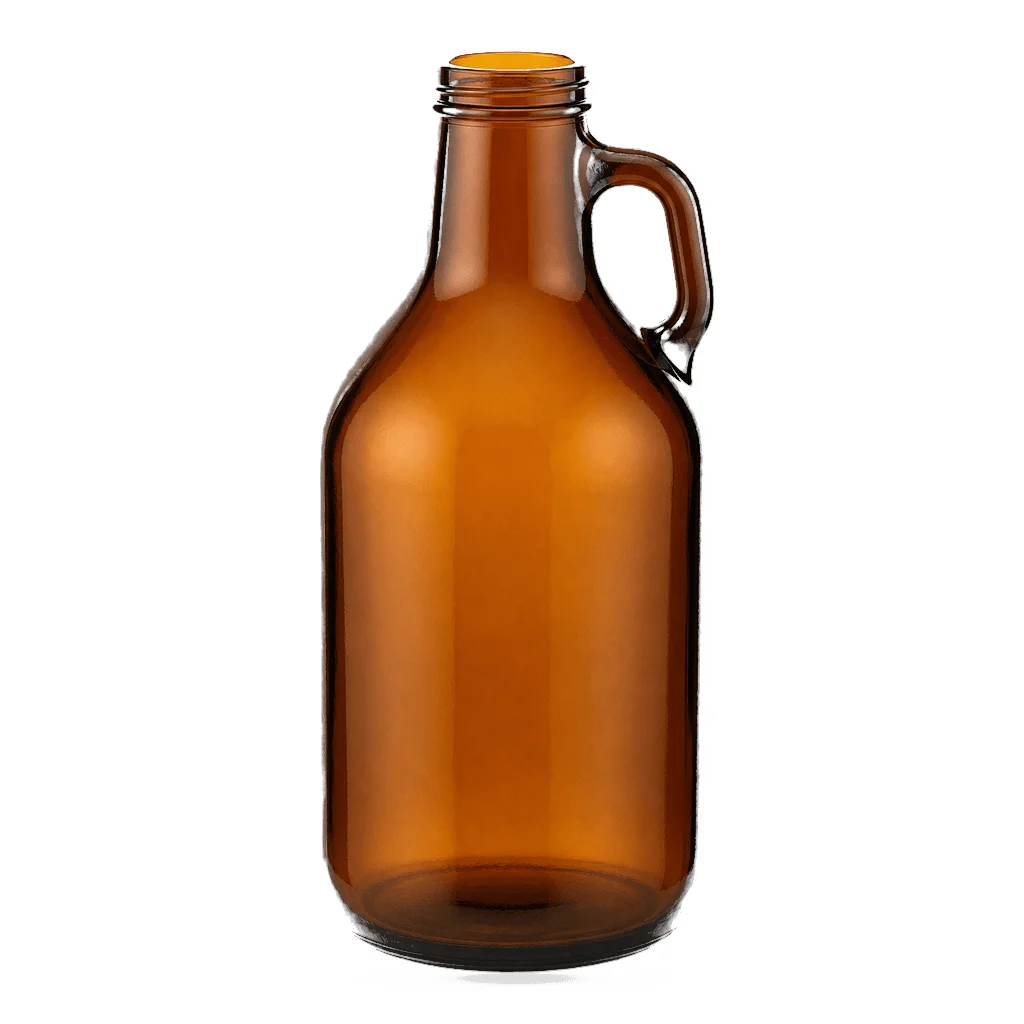
Large amber glass jug with a handle, wide shoulder and a threaded finish
Shown configuration · empty growler / closure, gasket, label and beer not shown

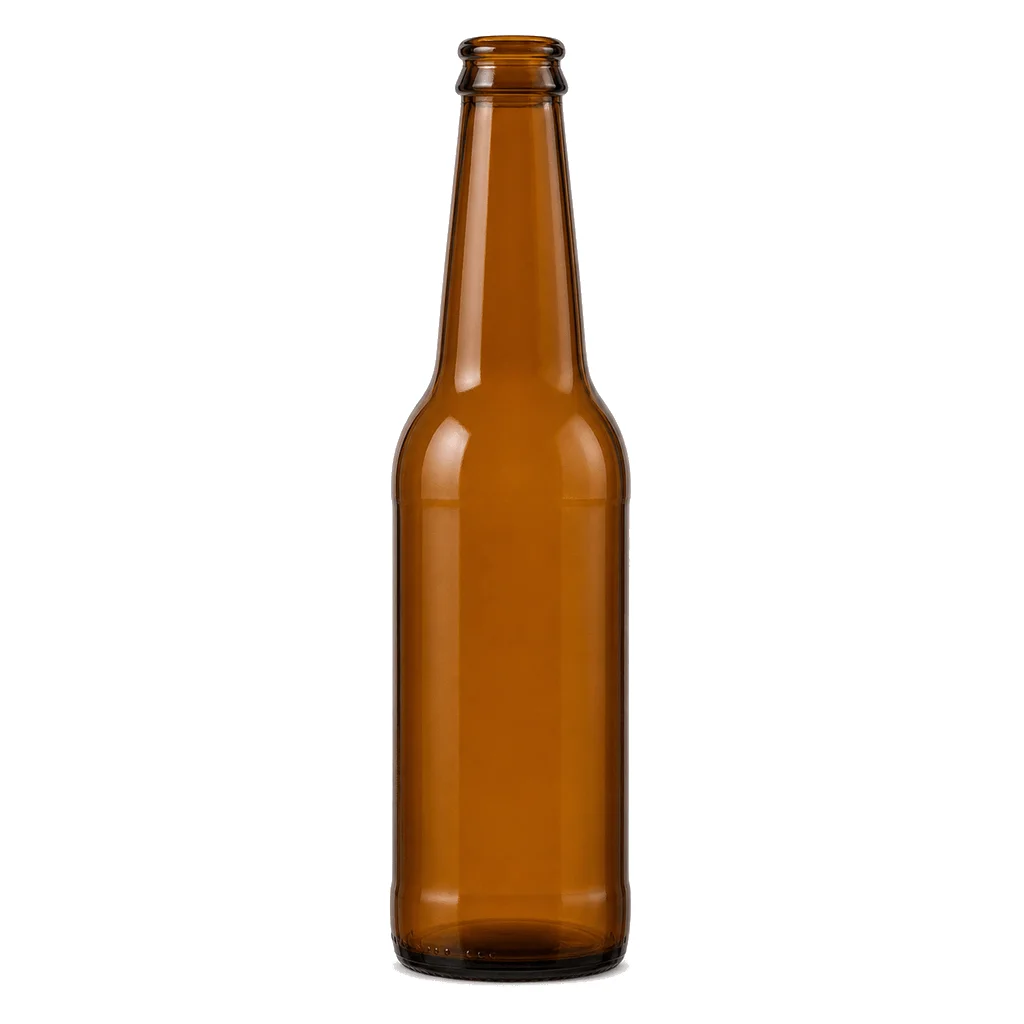
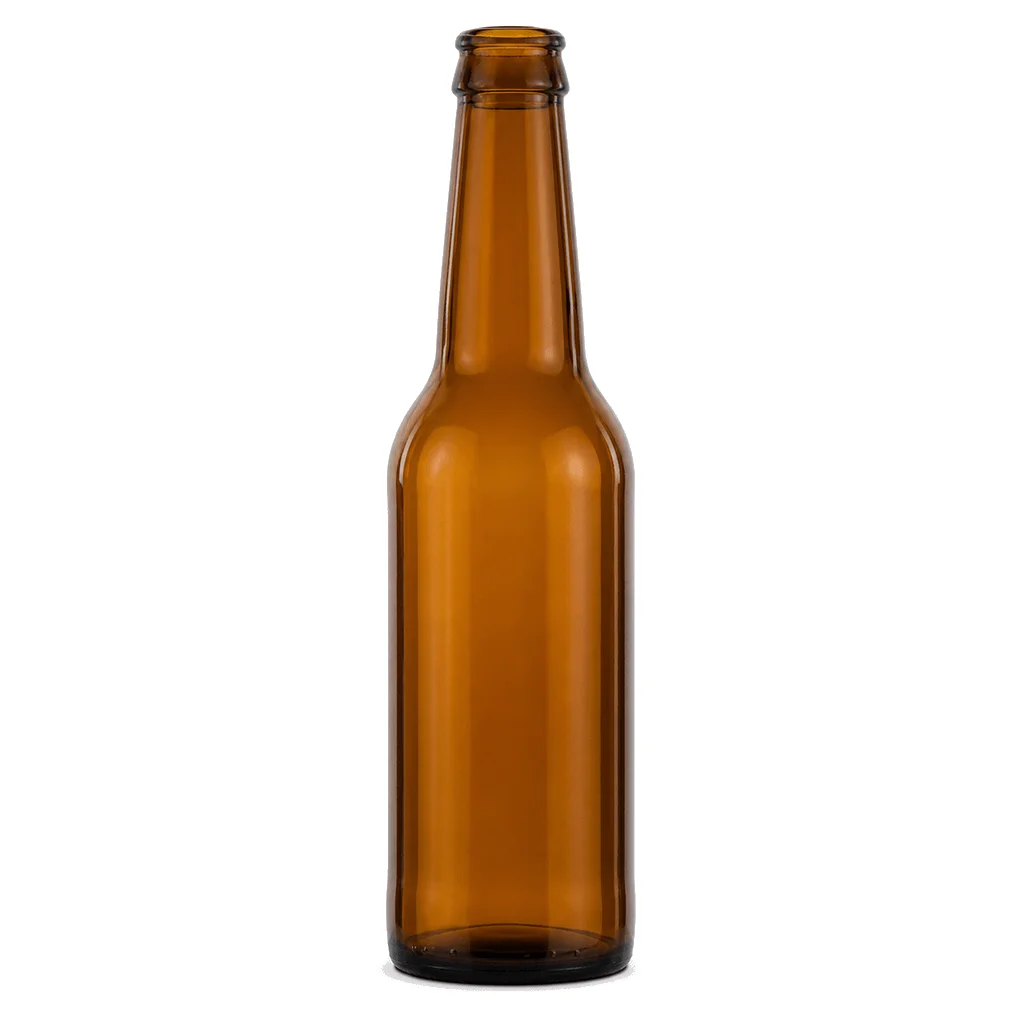
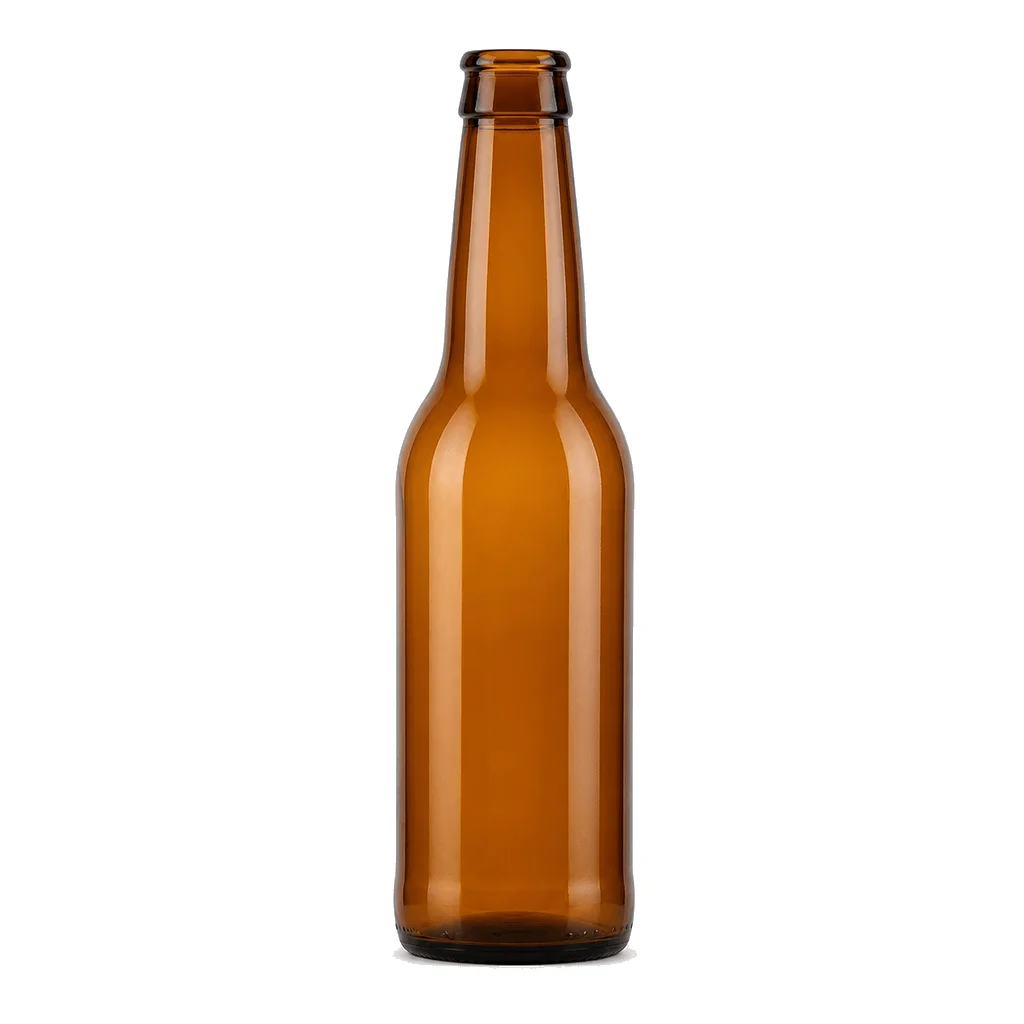
Beer bottles

Growler

A refillable growler for draft beer, filled at a taproom and carried home, where carbonation retention over hours and repeated washing define the format.

Filled at the tapCarbonation fades in hoursWashed and refilled repeatedly
Stock status
In stock
Lead time
2–3 weeks
FOB price / pc
$0.15 - $0.55
MOQ
2,000 pcs

Final availability, dimensions, materials, assembled components and commercial terms are confirmed against the selected drawing and approved sample.

Hours, not months

It is a take-home vessel, not a package

Closure holds the carbonation

A poor seal flattens the beer overnight

Cleaned by the customer

Design has to survive amateur washing

Growler profile

A vessel that keeps beer good for an evening, not for a shelf life.

Carbonation retention, filling method & reuse

Six things that separate a growler from a beer bottle.

A growler is filled from a tap, carried home and drunk within a day or two. It is not a package in the sense a capped bottle is: there is no pasteurization, no controlled headspace and no sealed shelf life. What it needs is a closure that holds carbonation for hours, a body a customer can carry, and a construction that survives being washed in a kitchen sink.

01

Carbonation loss is measured in hours

Beer poured into a growler starts losing carbonation immediately, and an unsealed or badly sealed vessel is noticeably flat by the next day. That sets the customer expectation the format has to be sold with, and it is why counter-pressure filling and a genuinely gas-tight closure make more difference here than any property of the glass.

02

How it is filled changes how long it lasts

Filling from a tap into open air introduces oxygen and knocks carbonation out; counter-pressure filling purges the vessel and fills under pressure, keeping both. A taproom's filling method determines how good the beer is at home far more than the growler does, and the pack should be sold with that understood.

03

The closure is the entire barrier

Whether a swing top with a gasket, a threaded cap with a liner or a proprietary pressurized lid, the closure is the only thing holding carbonation. Gaskets take a compression set and are the part that fails, so a growler program needs replacement gaskets stocked from launch rather than added after complaints arrive.

04

It is washed by a customer, not a plant

Growlers are cleaned in domestic sinks with domestic detergent, and residues left behind kill head retention on the next fill. A wide mouth that a brush and a hand can reach, and a shape without an internal shoulder, are what make proper cleaning likely rather than theoretical.

05

Weight and a handle are practical requirements

A full two-liter growler is heavy, and it is carried by hand from a taproom to a car and into a kitchen. A molded handle, a manageable capacity and a base that does not tip in a footwell are ordinary requirements that nonetheless decide whether the vessel is used again or left in a cupboard.

06

Amber matters as much as on a bottle

Light strike happens in minutes of direct sun, and a growler spends part of its life on a car seat rather than in a crate. Amber glass blocks the responsible wavelengths; clear glass looks better on a shelf and offers almost no protection. That trade should be made deliberately rather than on appearance alone.
Application guide

Filled at a tap, and drunk within days.

A growler carries draft beer home from a brewery or taproom, which means it is filled without a bottling line, carried by hand and opened again within a short window before the beer goes flat. These are development directions confirmed with the actual beer.

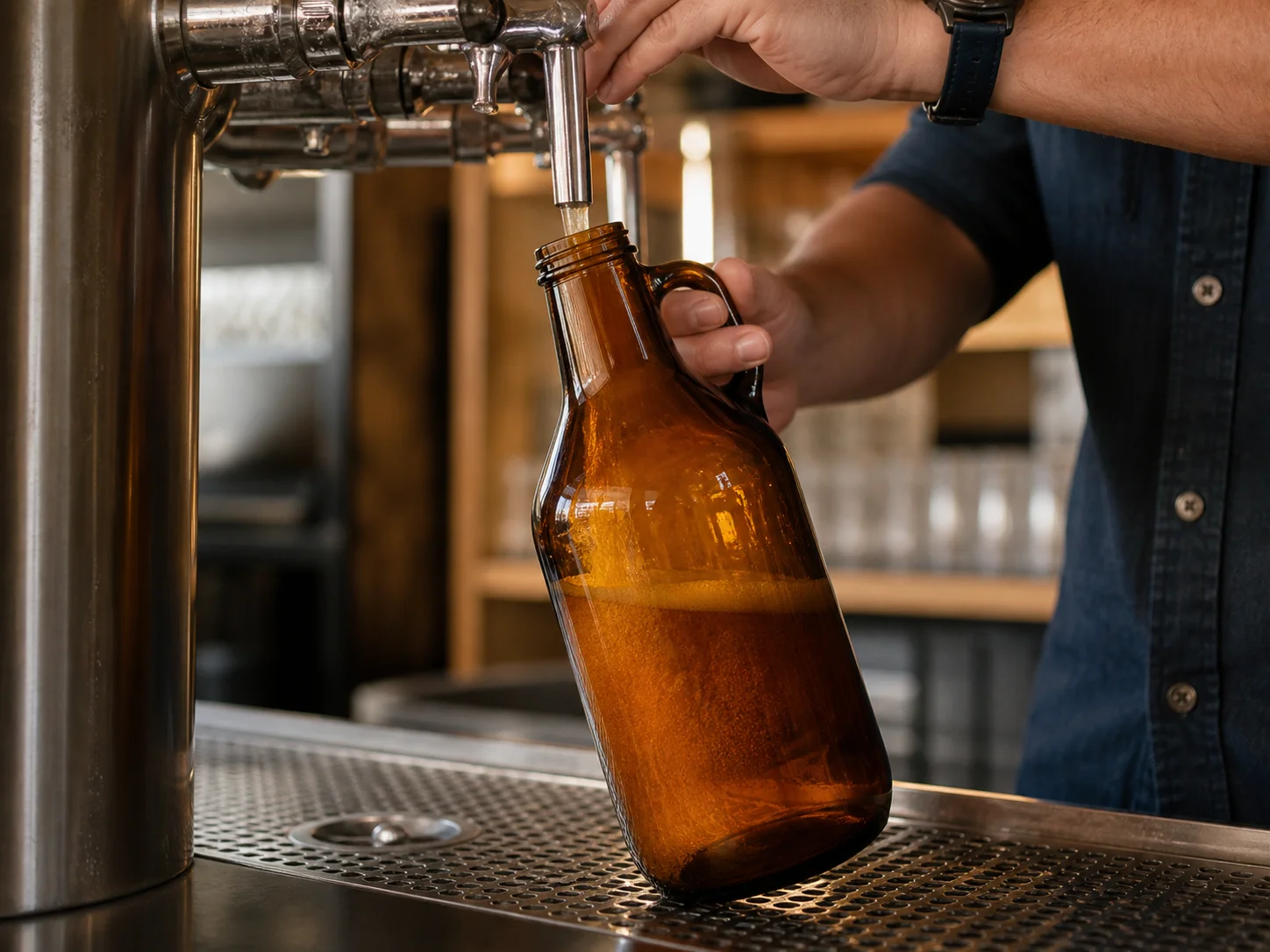
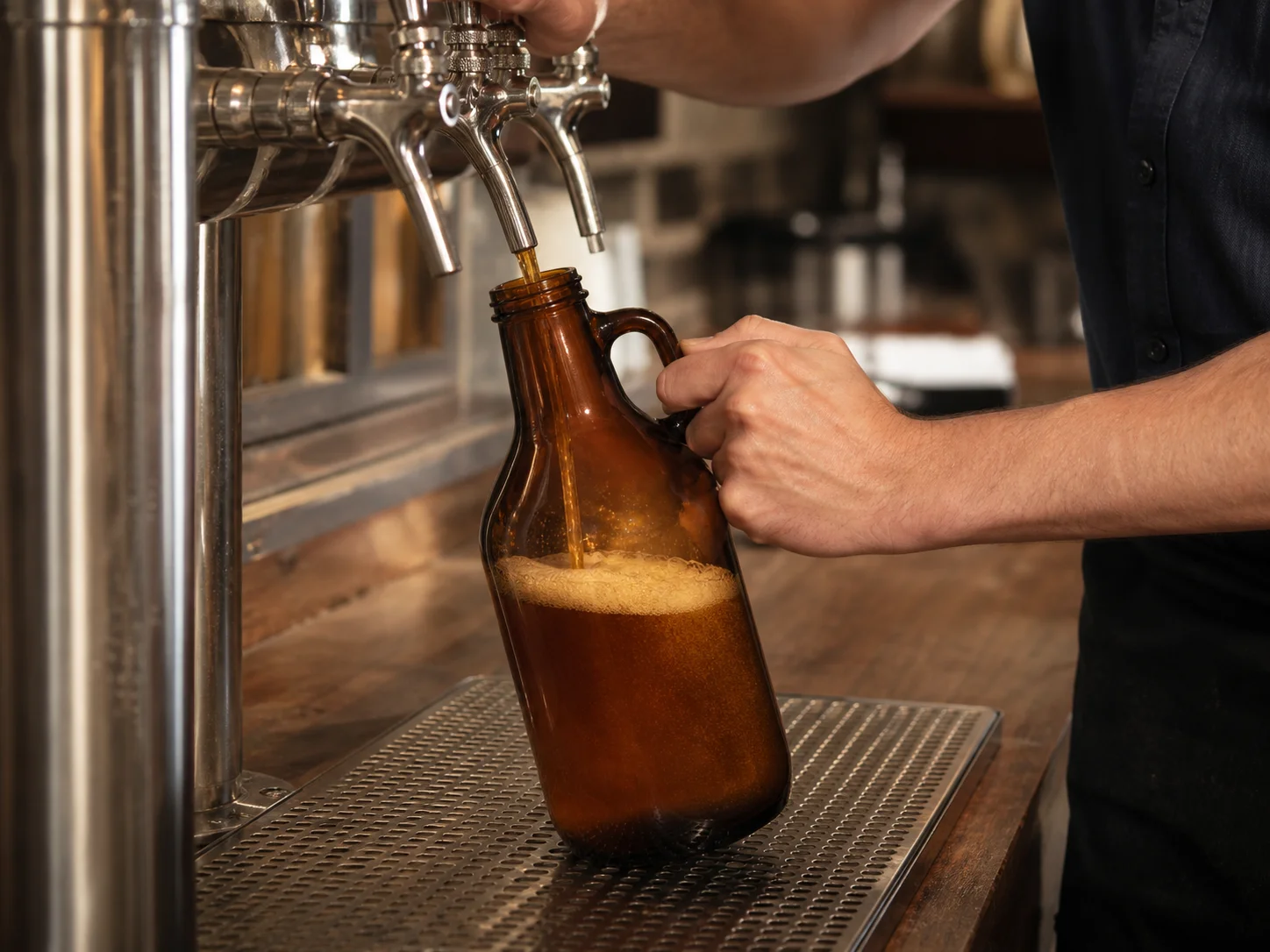
Growler used for beer poured from a tap into a jug in a taproom fills setting

Taproom fills

Beer poured from a tap into a jug

For customers buying draft beer to take home, filled at a counter under a tap and screwed shut on the spot. The wide threaded mouth accepts a filling spout without foaming everywhere, and the handle makes a heavy full jug carryable, which is exactly what the format exists to solve.

  • Confirm the mouth suits a tap spout
  • Test carrying the full weight
  • Review foaming during a counter fill
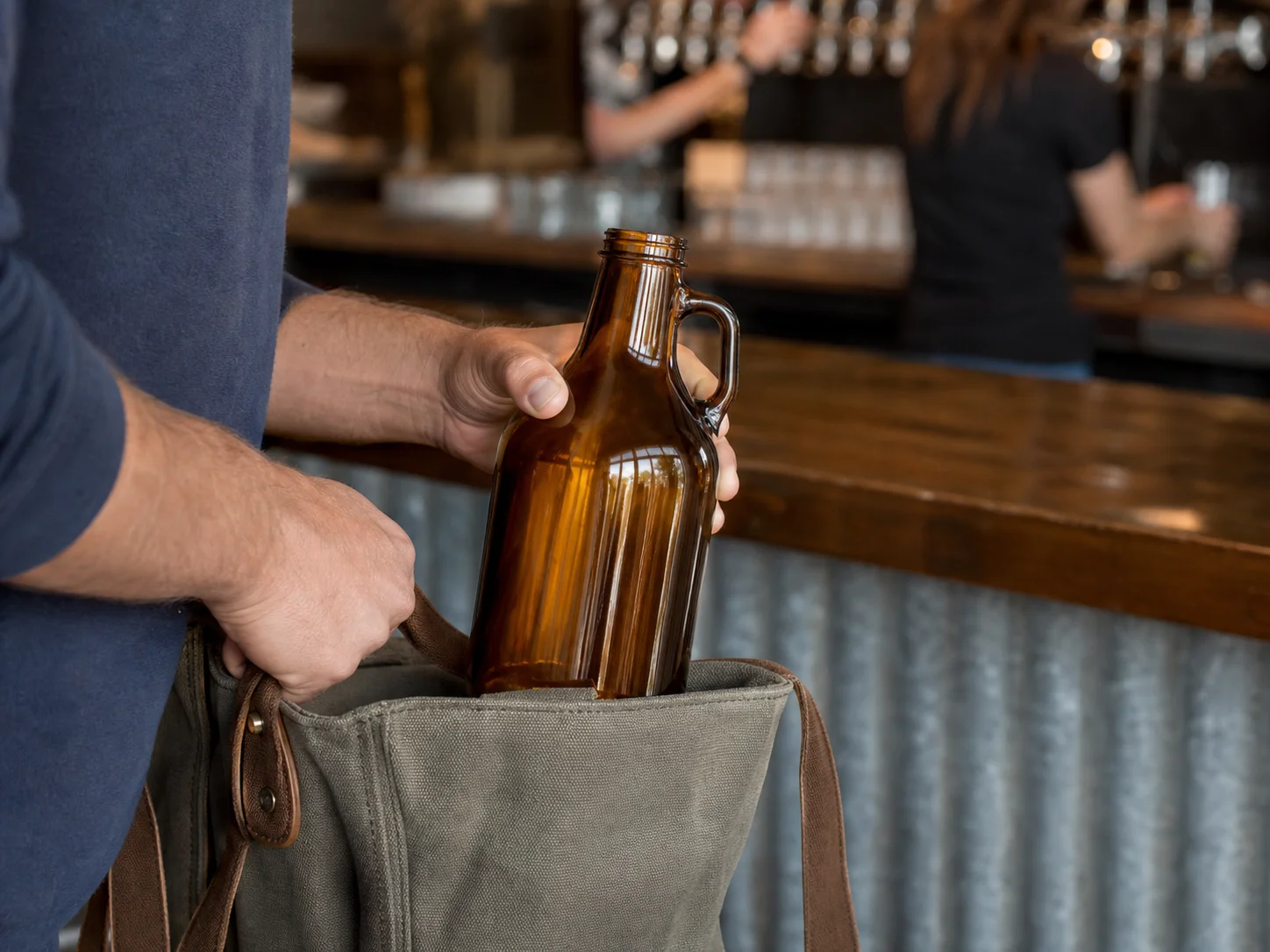
Growler used for the same jug brought back every week in a taproom regulars setting

Taproom regulars

The same jug brought back every week

For customers who buy a growler once and refill it for years, carrying it home in a car and putting it through a dishwasher between visits. Staff at the fill station see which jugs survive: handles loosen, threads wear and a jug that holds the smell of last month's stout gets quietly retired.

  • Confirm the handle holds over years
  • Test cleaning between beer styles
  • Check the thread after repeated use
Growler used for beer that will not keep for long in a short shelf life setting

Short shelf life

Beer that will not keep for long

Draft beer in a growler loses carbonation and freshness within days of filling, and a customer who expects bottle shelf life is disappointed. The closure slows that loss, but setting the expectation at the point of sale matters more than any packaging feature.

  • Confirm the closure holds carbonation
  • Set a realistic drink-by expectation
  • Advise refrigeration after filling

Applications describe development directions. Carbonation retention, closure fit, filling and handling outcomes are confirmed for the selected program.

Common questions

Growler questions

A take-home vessel rather than a package, with all that implies.

How long does beer stay good in a growler?

Hours to a day or two rather than a shelf life. Carbonation starts leaving the moment the beer is poured, and a badly sealed vessel is noticeably flat by the next day. That expectation has to be sold with the format, since customers who expect bottle behavior are disappointed by something working exactly as designed.

Does the filling method matter?

More than the growler does. A taproom's filling method decides how good the beer is at home far more than any property of the glass it went into.

How do we handle cleaning?

By designing for a kitchen sink rather than a plant. Growlers are washed with domestic detergent and residues left behind kill head retention on the next fill. A wide mouth a brush and a hand can reach, and a shape with no internal shoulder, make proper cleaning likely rather than merely possible in principle.

Who is washing this vessel?

A customer, not a plant — and that changes the specification. There is no caustic cycle and no verification, so the geometry has to be cleanable by hand at a domestic sink and the closure has to tolerate being cleaned imperfectly. Design for that reality rather than for a returnable fleet.

Next step

Send us the Growler brief.

Tell us the product, fill volume, closure preference and destination market. We will come back with the matching drawings, available configurations and a sample plan before anything is quoted.

  • 01Send the briefProduct, volume, closure and market
  • 02Get the optionsMatching drawings and configurations
  • 03Approve the sampleConfirm the pack before production