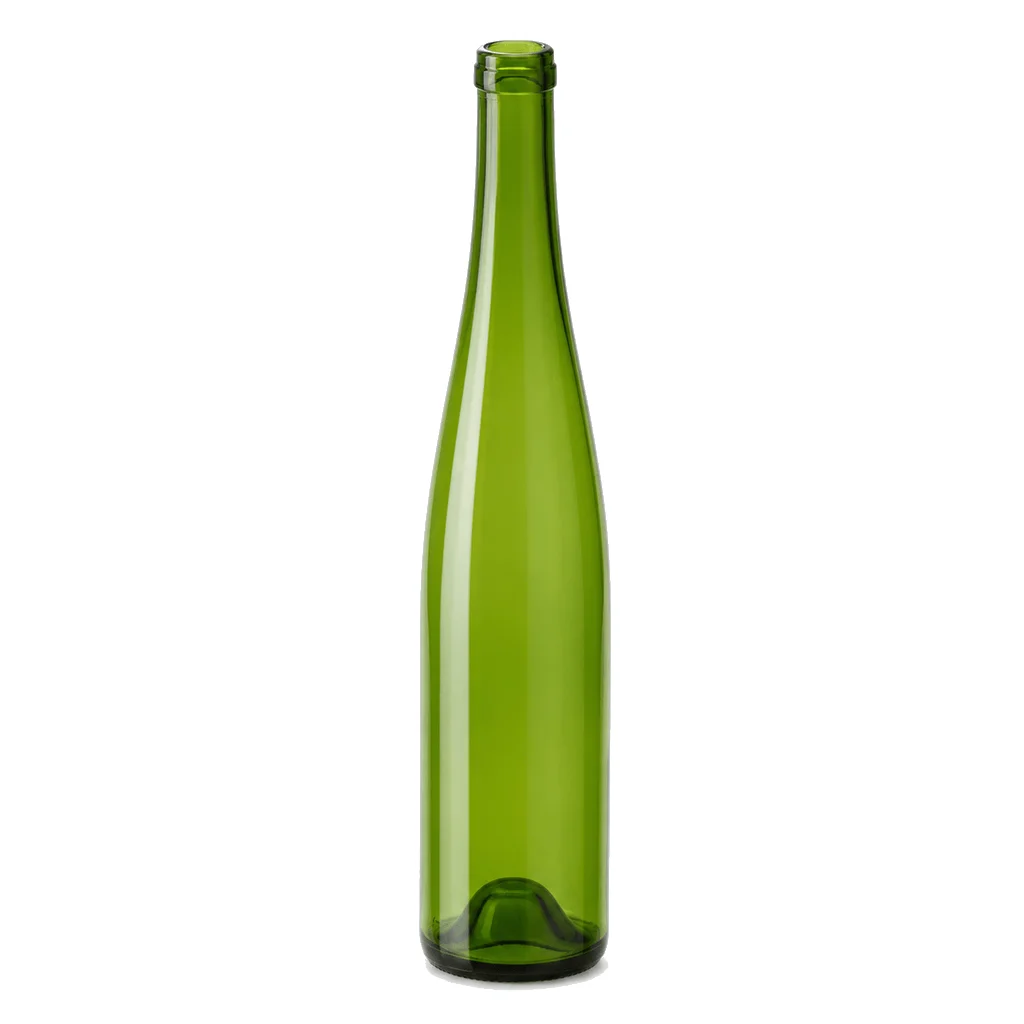
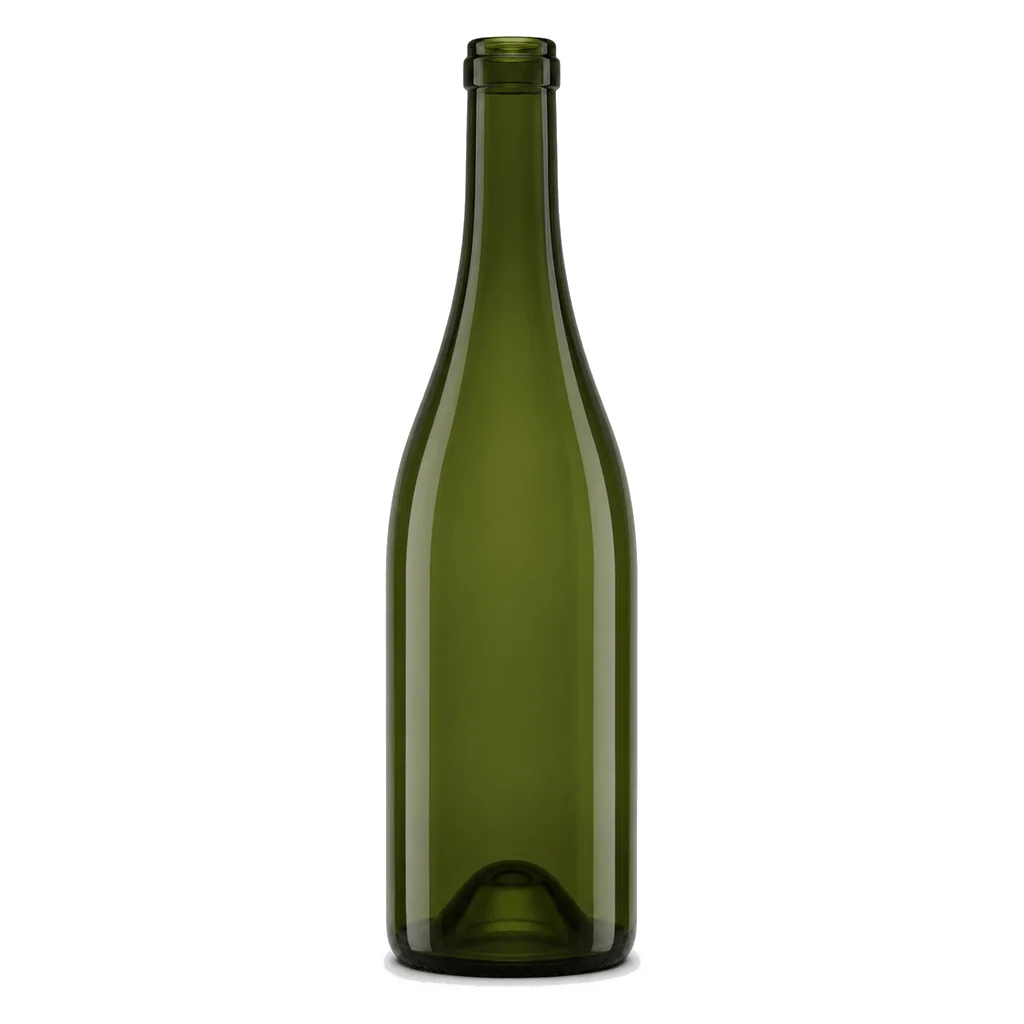
Shoulder geometry, dimensions & category convention
Six practical consequences of a sloping shoulder.
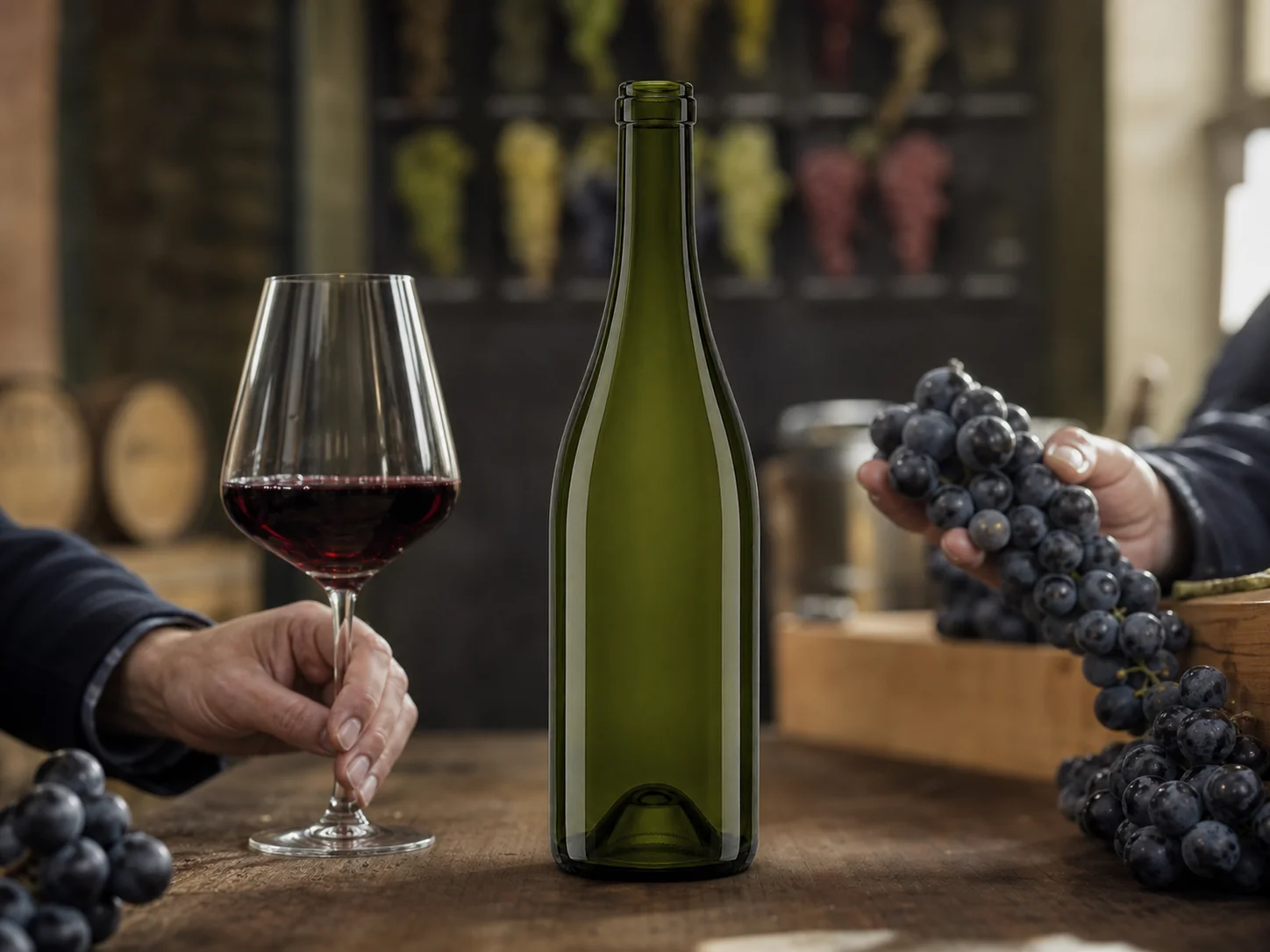
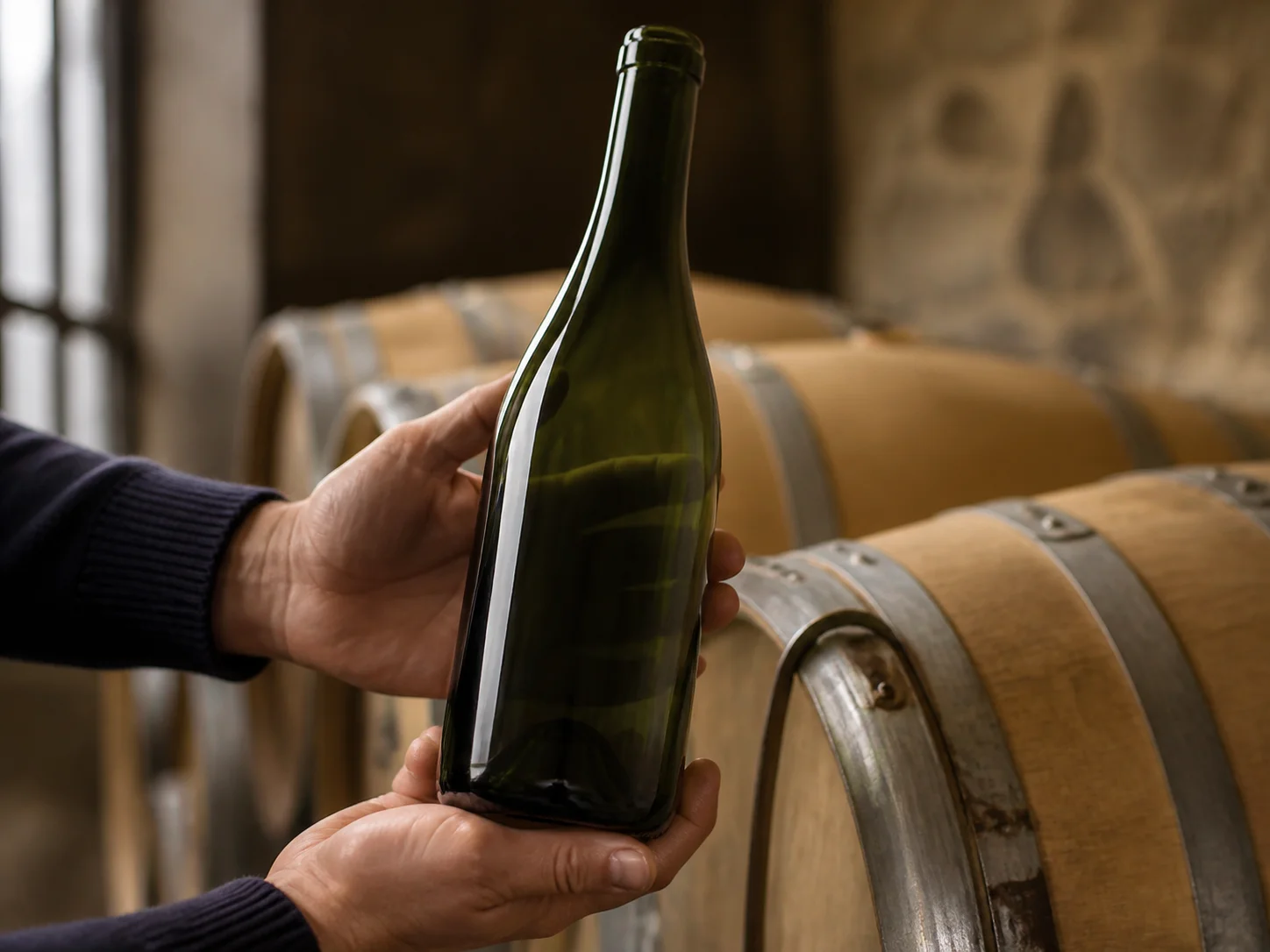
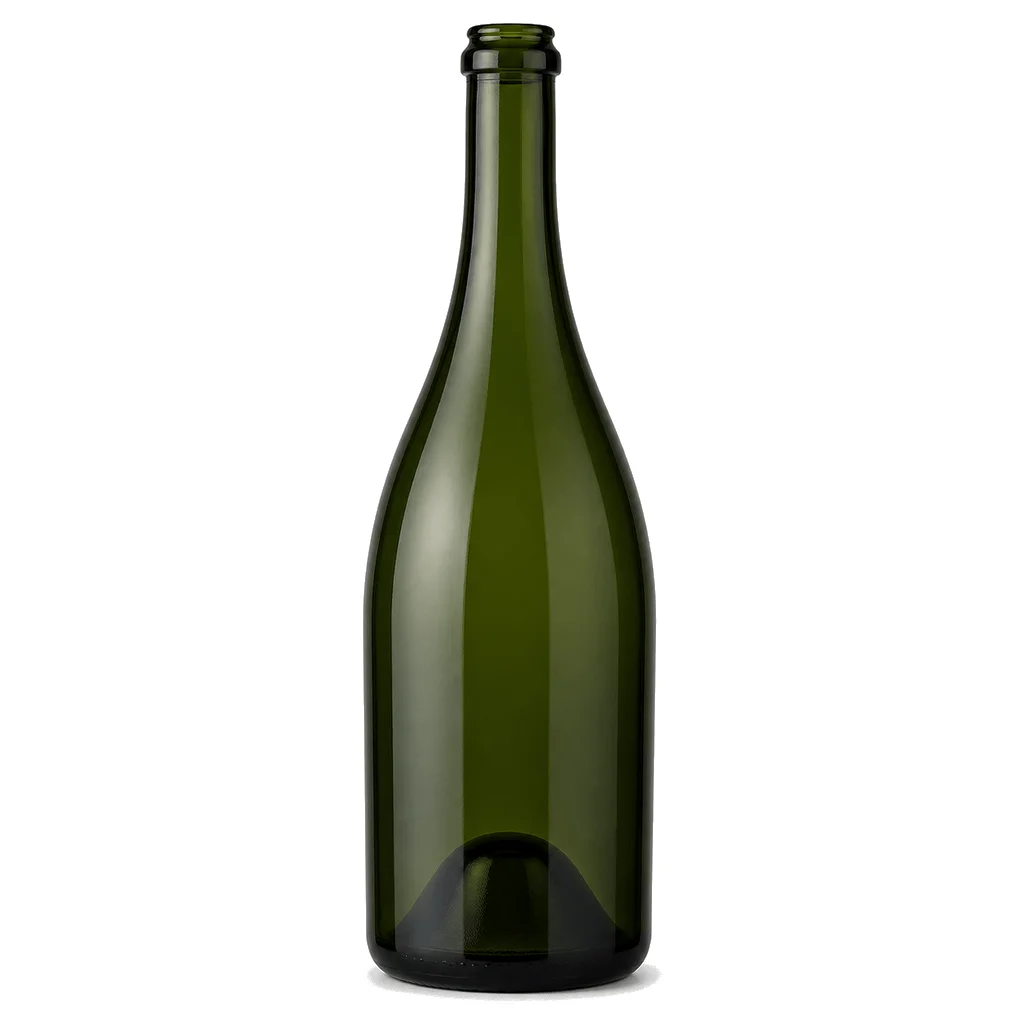
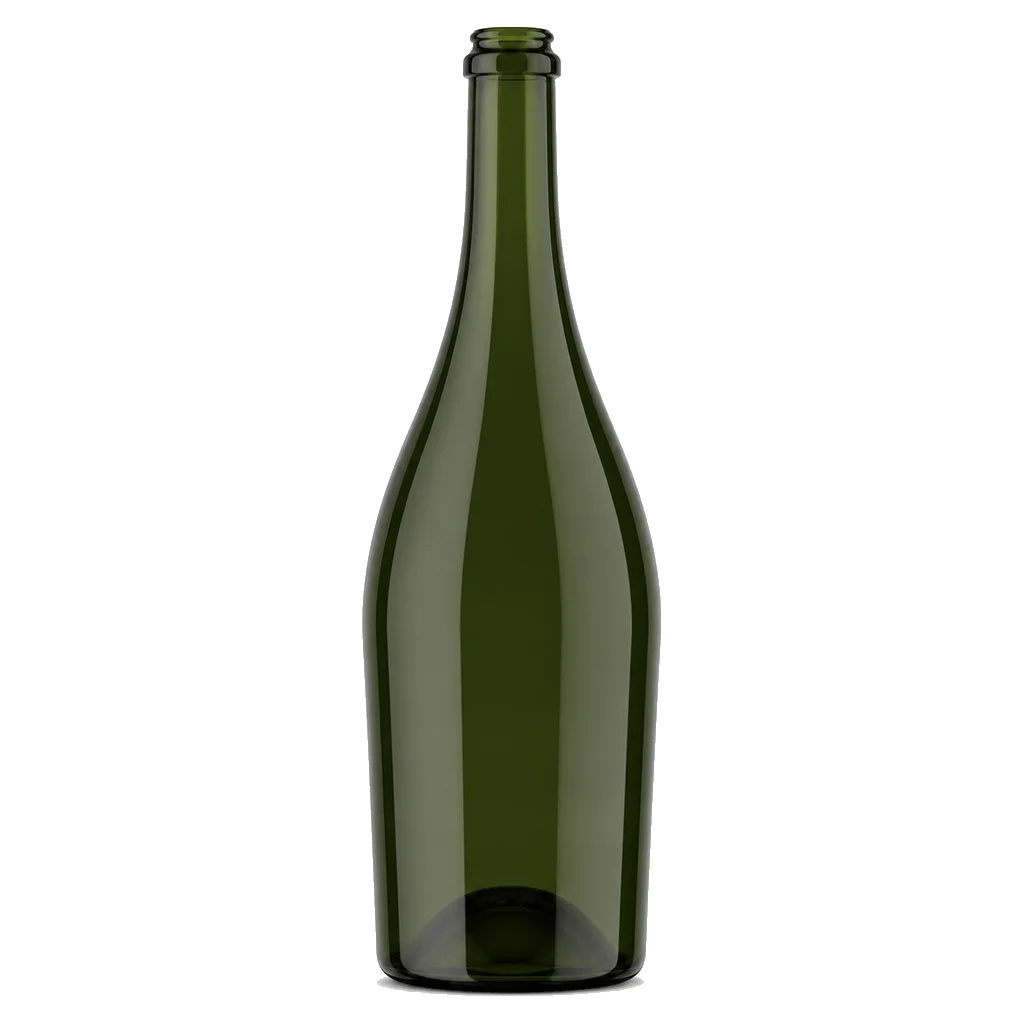
A sloping-shoulder bottle holds the same volume as a high-shouldered one in a wider, shorter body. That single change removes the internal ledge that catches sediment during pouring, adds diameter that ripples through cases, racks and shipping, and carries a strong category signal about which wines belong in it.
There is no ledge for sediment to catch on
A high shoulder gives sediment somewhere to lodge as a bottle is tilted, which is exactly what it was intended to do for wines aged long enough to throw a deposit. A sloping shoulder does not, so sediment travels with the pour. Whether that matters depends entirely on whether the wine in question throws a deposit at all.
The wines traditionally bottled this way throw less deposit
The grape varieties associated with this shape are generally drunk younger and filtered more, so the sediment problem the high shoulder solves is less pressing for them. The shape and the wine style co-evolved, which is why the convention has held rather than being arbitrary tradition.
Extra diameter changes everything downstream
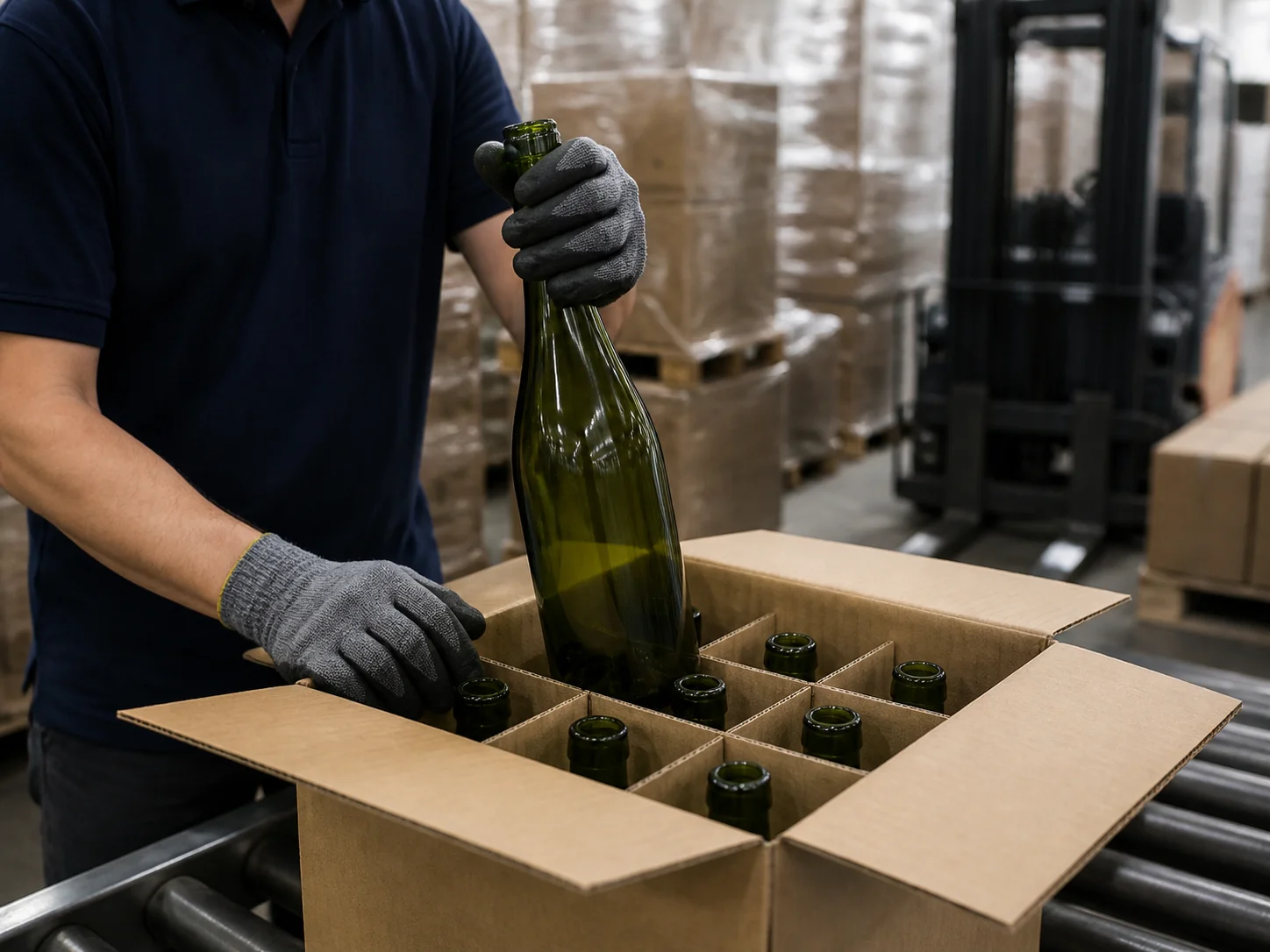
A wider bottle means fewer per case layer, different case dimensions, different pallet patterns and a different fit in retail racking and cellar bins. Producers switching from a high-shouldered format frequently discover that their existing cartons, dividers and racks were sized for the narrower bottle.
It sits lower, which is not always an advantage
For the same volume the bottle is shorter, which suits low shelves and some display formats and can look understated where a tall bottle commands attention. Judging that on a real shelf, alongside the bottles it will compete with, is more informative than judging it on a photograph or a bench.
The shape carries a strong expectation
Customers read wine bottle shapes as category signals, and putting a wine associated with one shape into the other reads either as a deliberate statement or as an error. Both are legitimate positions; the important thing is choosing knowingly rather than on the basis of what a supplier happened to have.
Weight is a choice made visible
This shape is produced in a wide range of weights, from light bottles reducing shipping impact to heavy ones signaling prestige. Since the silhouette is the same, weight becomes the main variable a customer perceives by hand — which makes it a more deliberate decision here than in almost any other pack.