Melt geometry, oxygen supply & filling
Six things that follow from putting the widest point in the middle.
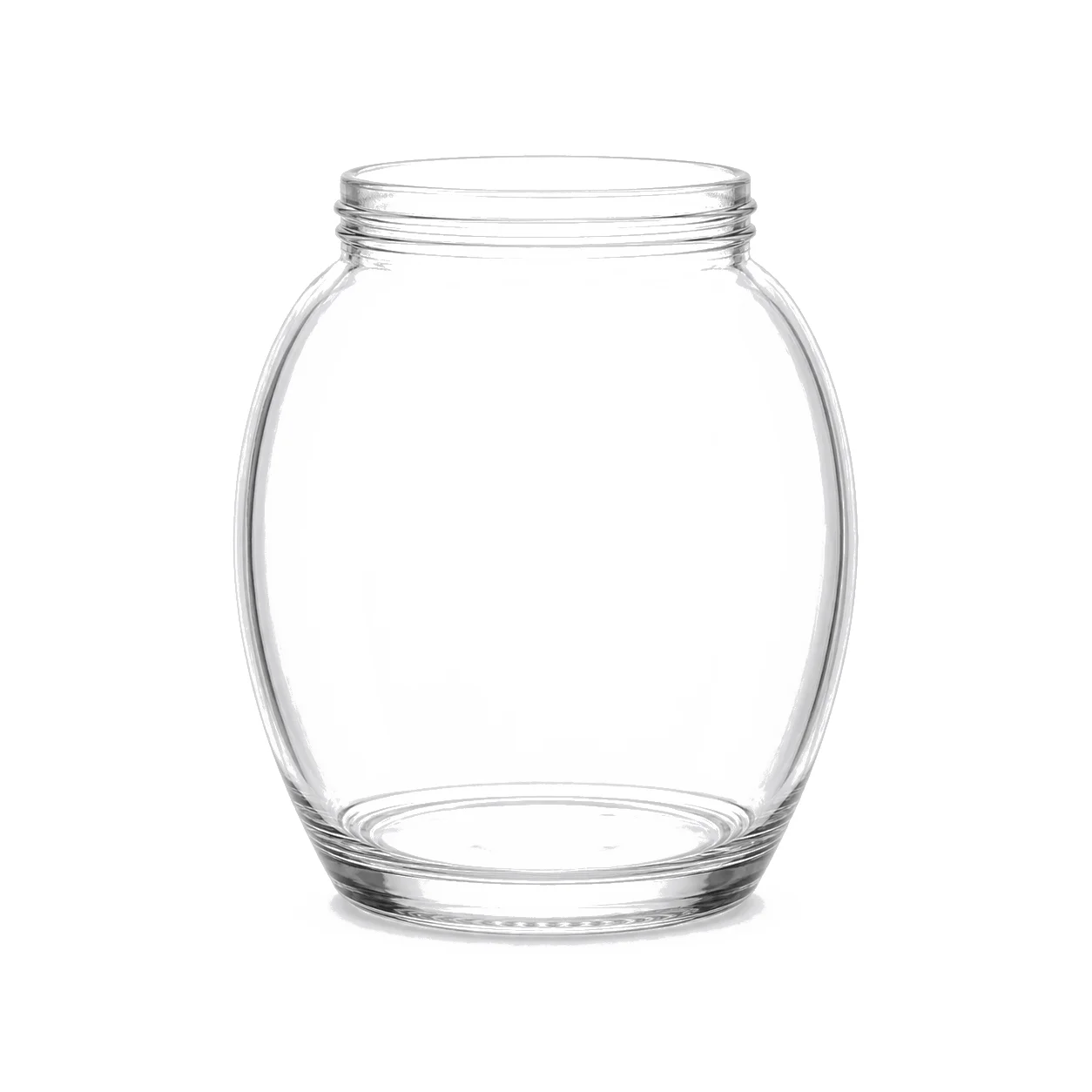
In a bellied vessel the greatest diameter is somewhere below the rim, so the melt pool has to expand outward as it descends and then contract again toward the base. The wax at the widest ring is furthest from the flame and gets the least heat, which is why unwicked or under-wicked bellies leave a permanent ring of wax.
The widest ring is the hardest wax to reach
Heat radiates outward and downward from a flame near the center, and the shoulder of a belly sits both further out and partly shielded by the wax below it. That ring is therefore the last to melt and the first to be left behind. A wick sized only for the rim diameter reliably produces a permanent wax collar at the belly.
A narrower rim restricts the flame's air supply
Combustion needs air, and a rim narrower than the body limits how freely it circulates once the pool has descended. Flames in deep bellied vessels can become starved, with a taller, sootier flame and reduced throw. That behavior appears only when the candle is half burned, which is why the second half of a burn test is where this format is judged.
Hot throw peaks early and then falls
Fragrance release scales with the exposed surface of the melt pool. In a belly that surface grows until the pool reaches the widest point and then shrinks as it descends into the narrowing base. Customers experience a candle that starts strong and fades, which is worth setting expectations about rather than treating as a defect.
Filling has to reach a body wider than the opening
A pour nozzle sized to the neck delivers into a chamber several centimeters wider, so wax can splash onto the shoulder and set as a mark. Slower filling, a diffuser on the nozzle or a two-stage pour all help. It is a line adjustment rather than a container fault, but the container is what makes it necessary.
The shape carries itself visually
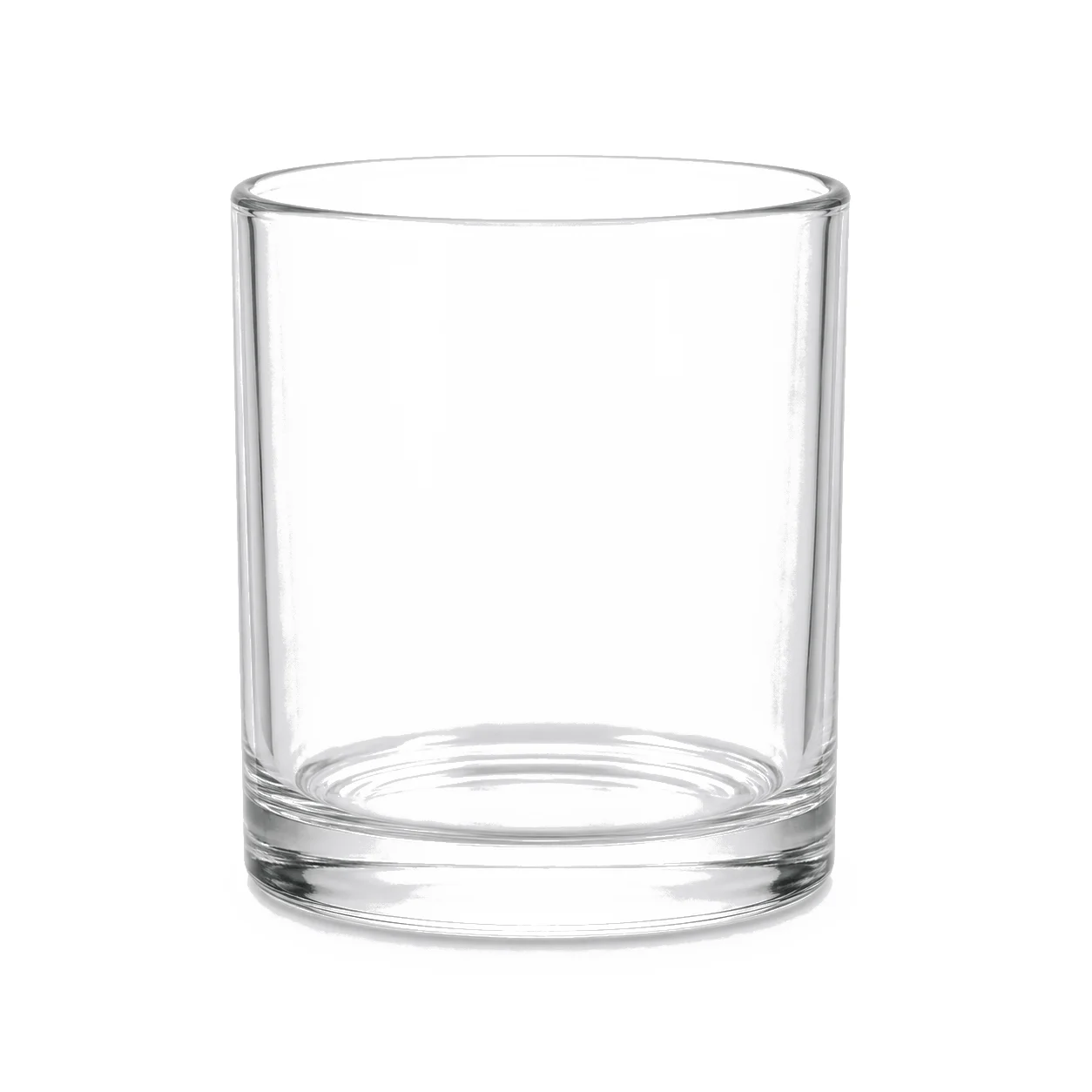
A belly is the reason customers pick this vessel up: it reads as considered rather than industrial and it holds a candle's glow in a way a cylinder cannot. That is a legitimate reason to accept harder wicking, and the honest way to make the decision is to hold a lit sample next to a tumbler of the same volume.
The widest point is where the label wants to be and where the glass moves most
A blown belly is the least dimensionally repeatable part of the form, so a label sized to the nominal diameter can wrinkle on one unit and gap on the next. Sizing the label to the smallest expected circumference, or moving it to the straighter section below the belly, absorbs the variation.