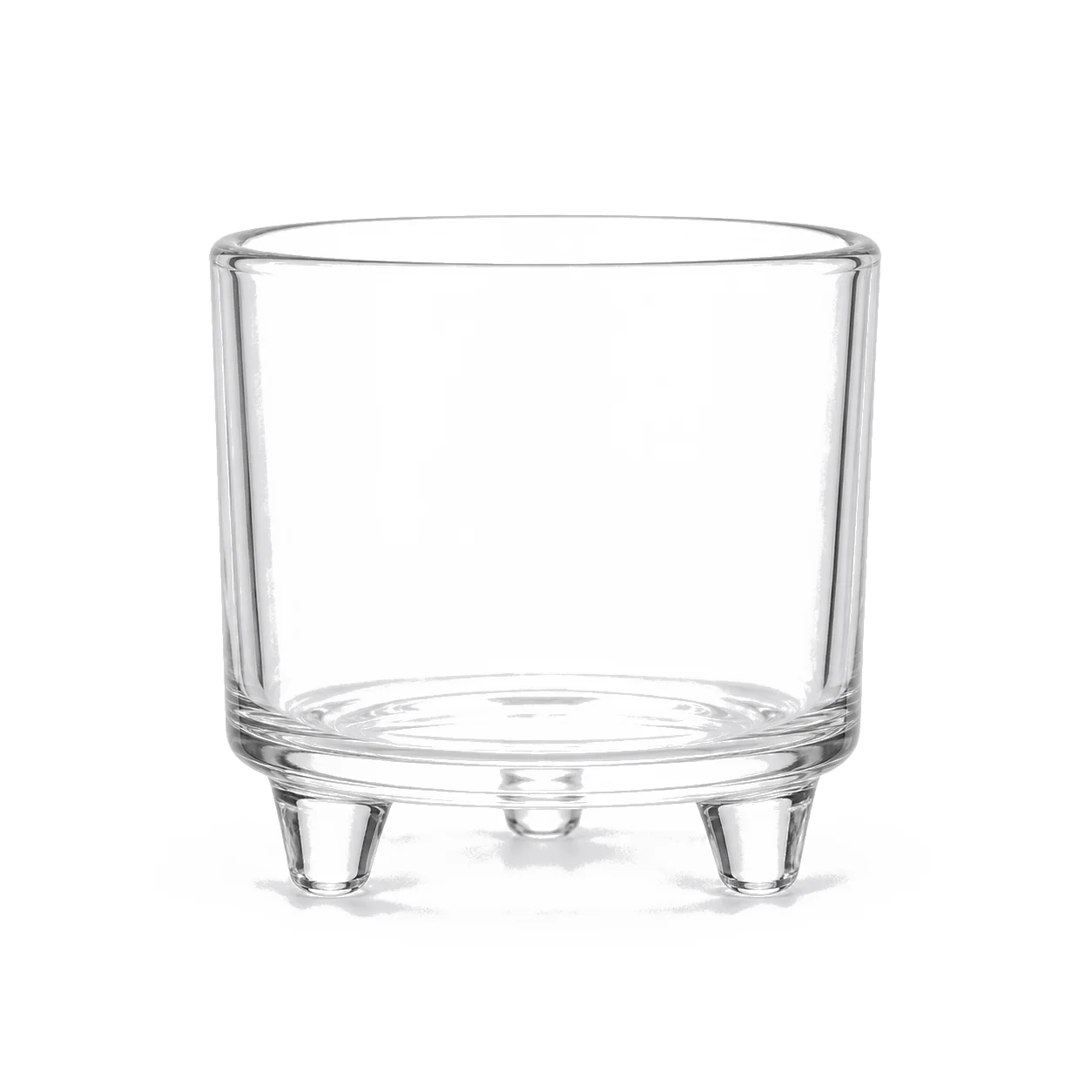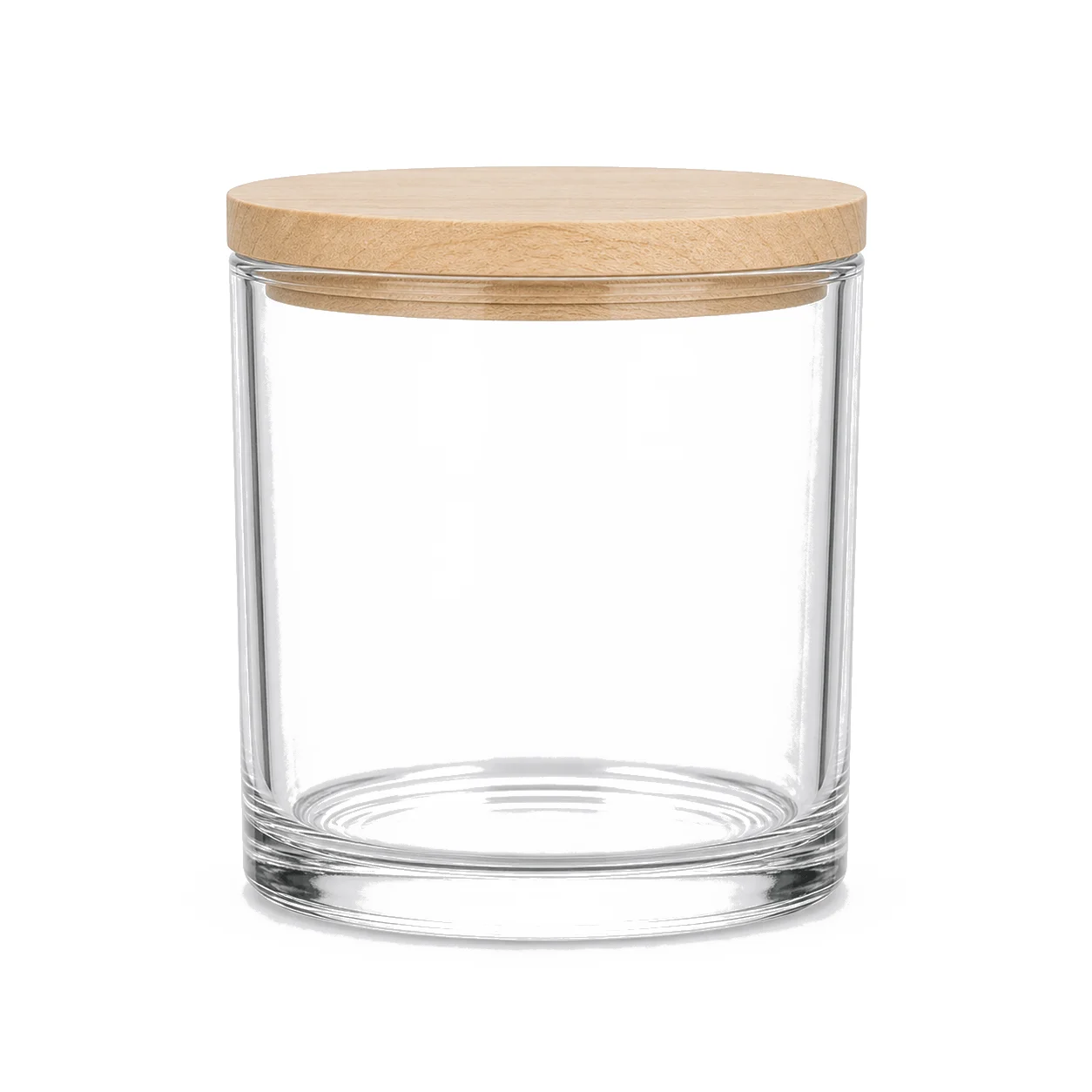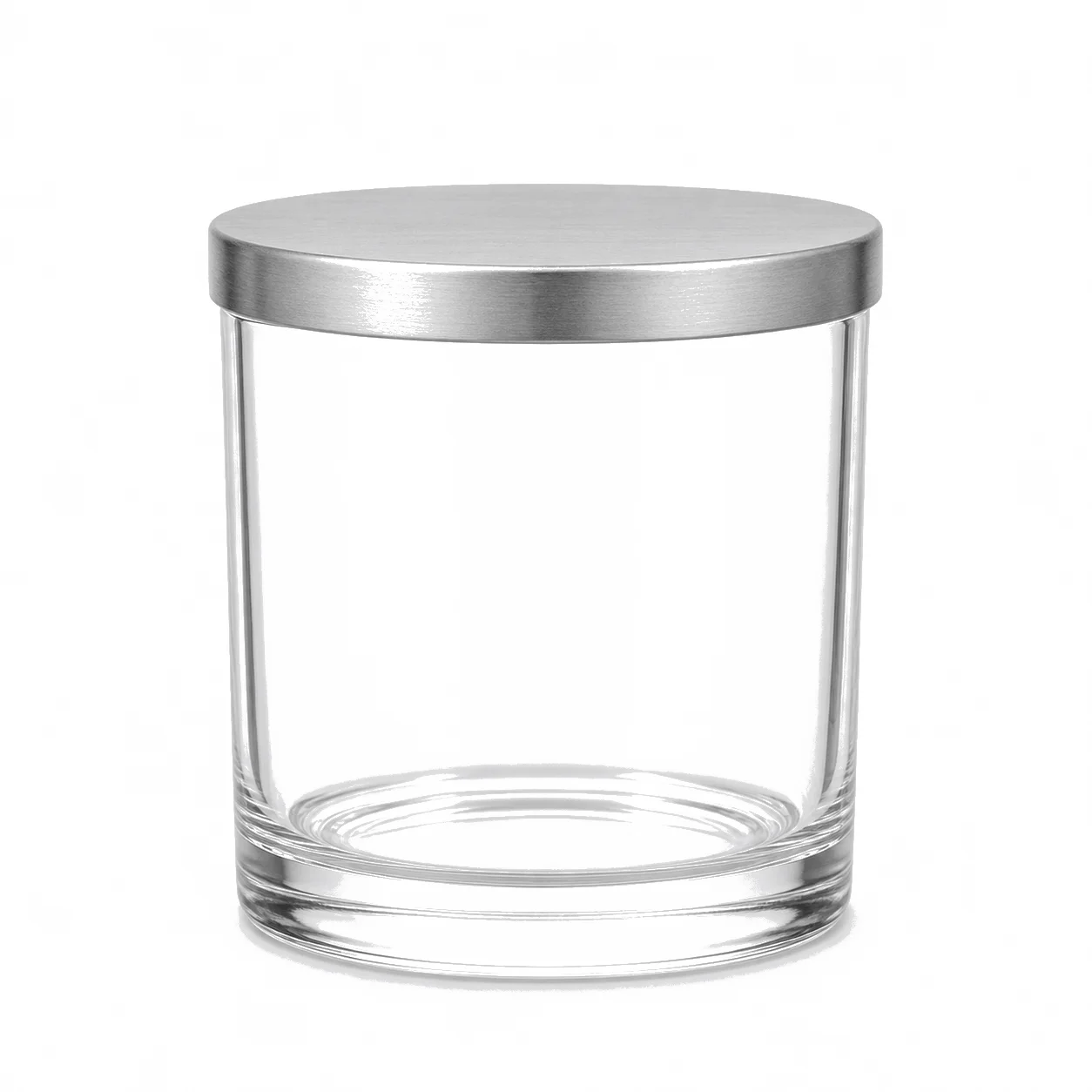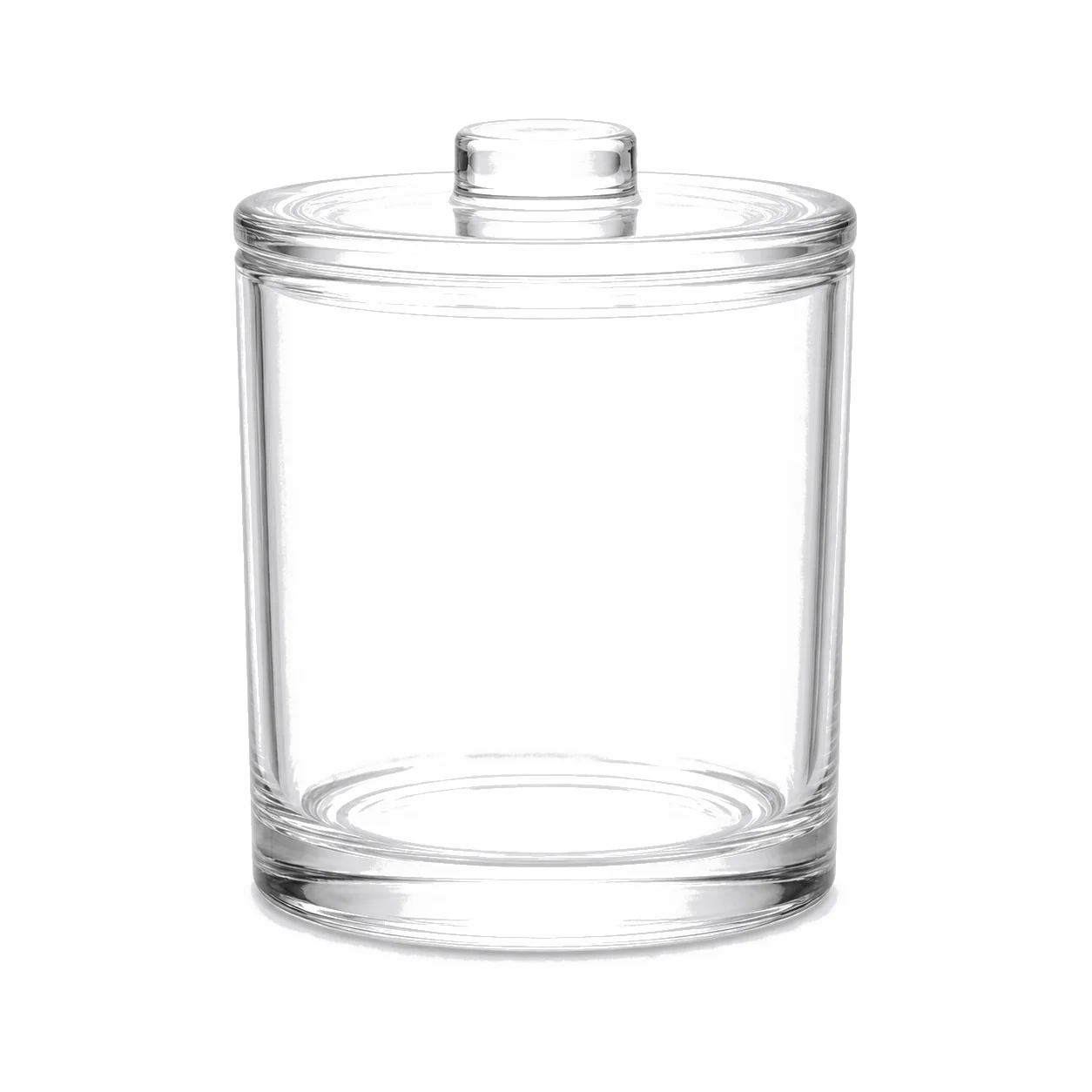
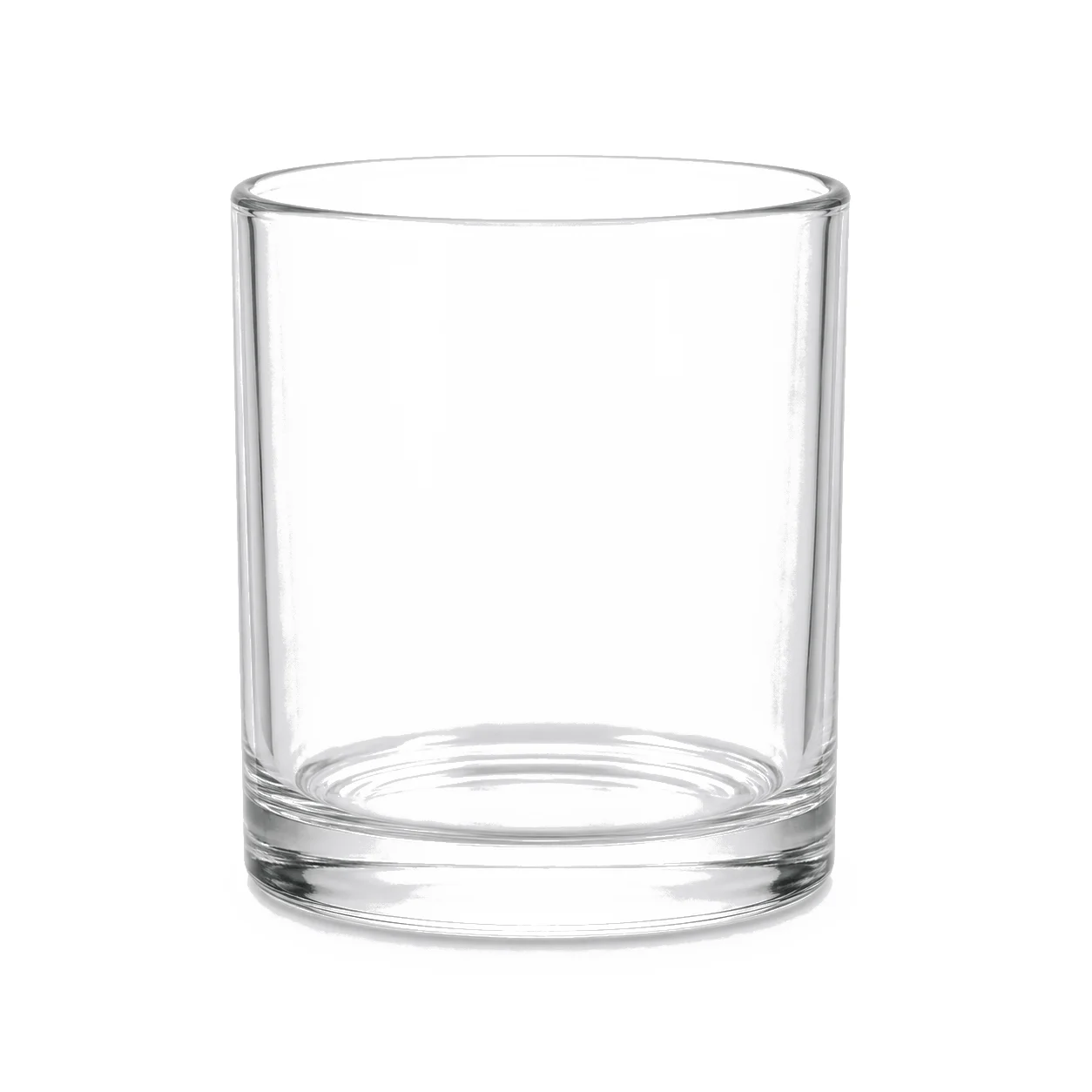
Clear cylindrical candle jar with a parallel wall, flat base and plain rim
Shown configuration · empty jar / wax, wick, lid and label not shown

Candle vessels

Straight-side Candle Jar

The straight-sided candle jar: a parallel wall from base to rim, which is the only geometry where one wick size holds a full melt pool from the first burn to the last.

Constant diameterASTM F2179 candle glassOne wick, whole burn
Stock status
In stock
Lead time
2–3 weeks
FOB price / pc
$0.70 - $1.15
MOQ
2,000 pcs

Final availability, dimensions, materials, assembled components and commercial terms are confirmed against the selected drawing and approved sample.

Diameter never changes

Wick sized once for the entire depth

Annealed for candle use

Residual stress reduced to a set level

Melt pool reaches the wall

Two to four hours is the target

Straight-side Candle Jar profile

The one candle shape where the wick does not have to compromise.

Wick sizing, annealing & burn behavior

Six things a candle maker should settle before the first pour.

A wick is sized to a diameter. In a straight-sided jar that diameter is the same at the top of the wax as at the bottom, so a wick that reaches the wall on the first burn still reaches it on the last. Every other vessel shape asks the same wick to serve two or three different diameters.

01

Candle glass is a defined specification

ASTM F2179 covers annealed soda-lime-silicate containers made for candle use, setting annealing and thermal shock requirements and requiring scratch testing so residual stress is brought to a commercially acceptable level. A jar that was designed for cold contents may look identical and carry none of that, which is the distinction worth insisting on when sourcing.

02

Melt pool to the wall in two to four hours

The working target is a melt pool that reaches the glass within two to four hours of burning. Reach it faster and the flame is probably too large for the diameter; reach it slower and the candle tunnels, leaving a ring of wax and a shrinking hot throw. In a straight jar that timing holds all the way down.

03

Wick series are families, and sizes only mean something inside one

CD, HTP and LX wicks suit paraffin and harder blends; ECO wicks are made for soy and natural waxes. The number after the family name is a step within that family, so an ECO 10 and a CD 10 are not comparable. Specifying a wick without its family is the most common way a burn test result becomes unreproducible.

04

Two limits from the fire safety standard shape the design

ASTM F2417 sets a flame height limit of 76 mm, requires that the container does not crack or break during burning, and requires that the wick not lean so the flame touches the container for more than five seconds. Those constraints reach back into vessel diameter, wick choice and how securely the wick is centered.

05

Surface temperature has a ceiling

Candle fire safety work references a maximum container surface temperature of about 140 °F for glass. That figure is why a narrow jar with an aggressive wick fails even when it burns cleanly: the glass gets too hot to pick up. It has to be measured on the filled, burning candle rather than estimated from the wick's rating.

06

Change one variable at a time, or learn nothing

Useful wick testing keeps wax, vessel, fragrance load and cure time constant and moves only the wick, usually one size cooler and one hotter than the starting point. Flame height, melt-pool reach, soot and glass temperature are logged on the same schedule. Testing several changes at once produces data that cannot be attributed to anything.
Application guide

Straight walls are what make a candle burn evenly.

A cylinder with parallel sides gives the melt pool the same diameter from the first burn to the last, which is why this shape underpins most of the candle market. These are development directions confirmed by burn testing the finished candle.

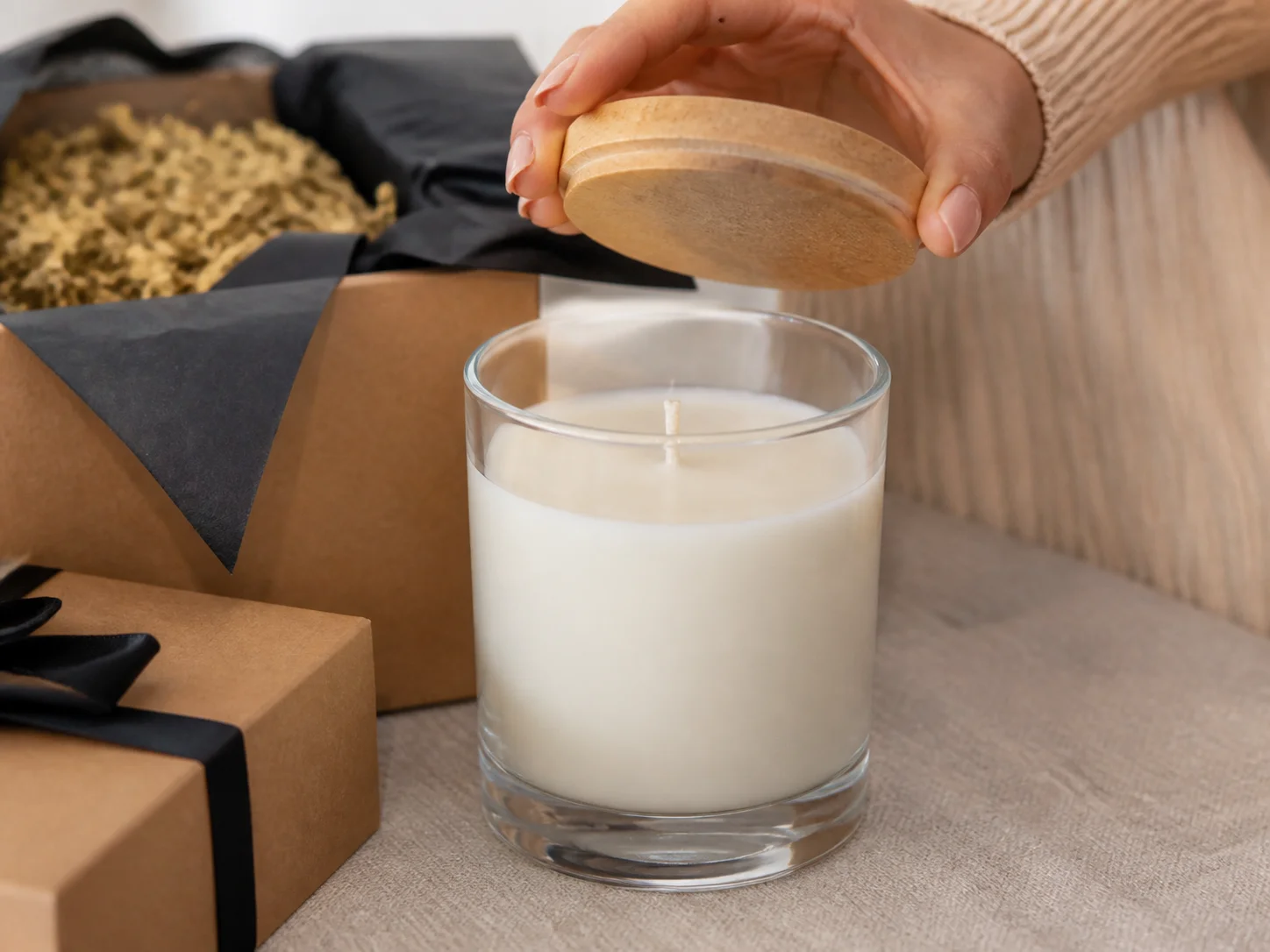
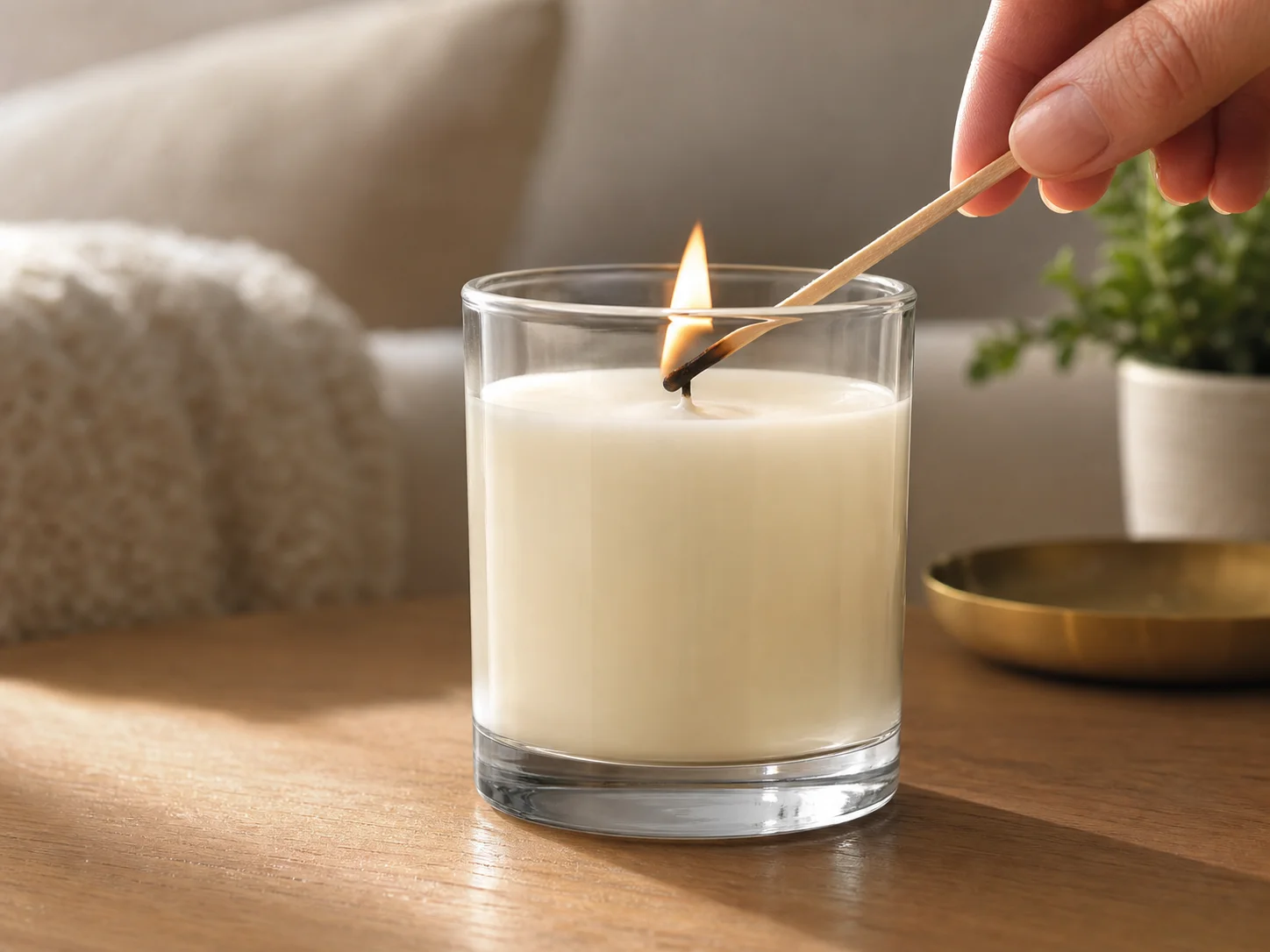
Straight-side Candle Jar used for everyday scented candles in a single wick setting

Single wick

Everyday scented candles

For a candle someone lights on a table most evenings and expects to burn cleanly down to the base. Parallel walls keep the melt pool diameter constant throughout the life of the candle, so a wick sized correctly on the first burn stays correct at the bottom rather than tunneling or drowning.

  • Size the wick to the wall diameter
  • Burn test from full to empty
  • Watch for tunneling in later burns
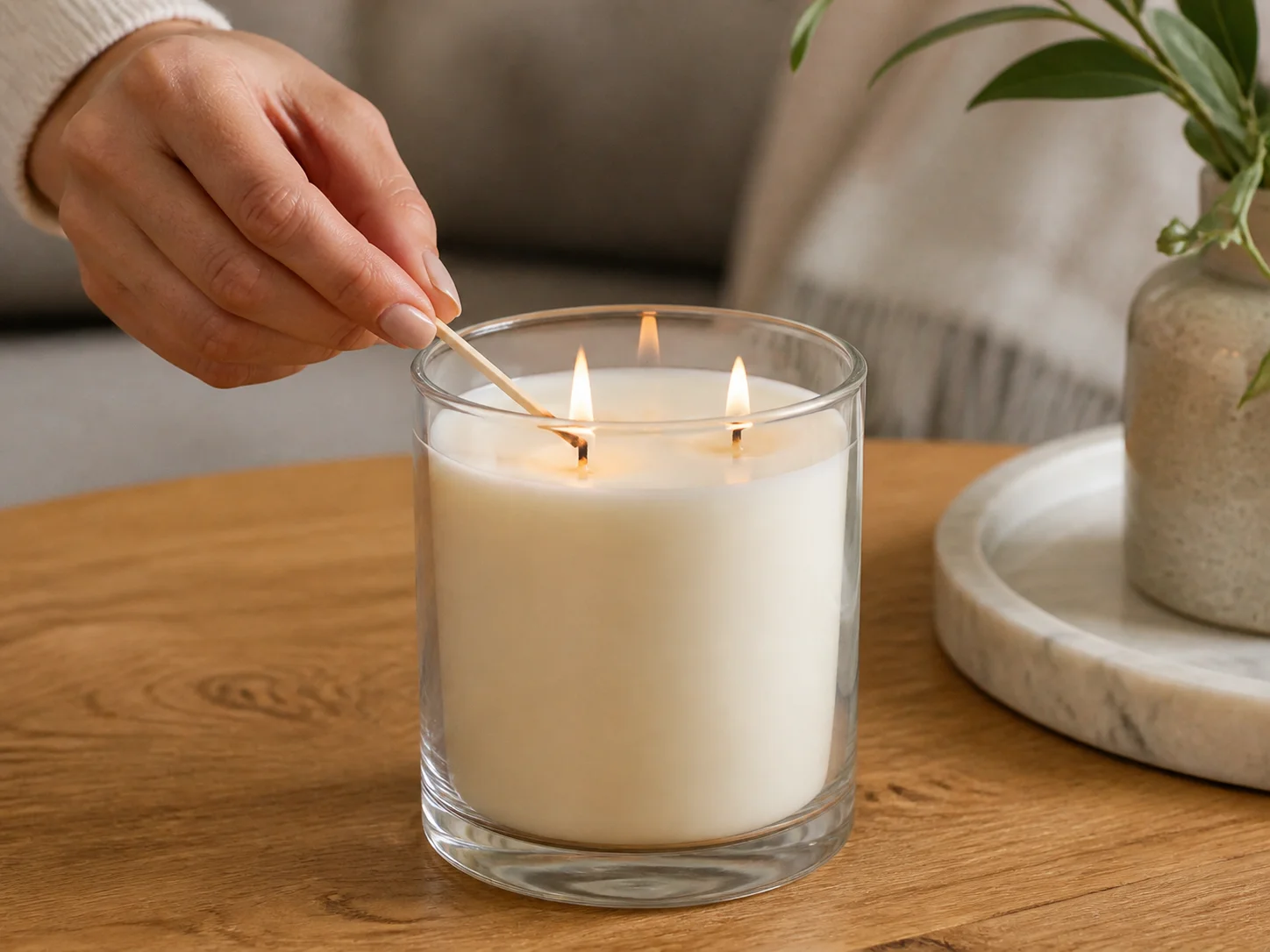
Straight-side Candle Jar used for wider vessels with two or three wicks in a multi-wick setting

Multi-wick

Wider vessels with two or three wicks

Once a vessel exceeds roughly the width a single wick can melt, a customer is left with unused wax around the rim unless more wicks are added. Placement and spacing decide whether the pool merges evenly or leaves ridges, and that has to be established by burning the actual candle.

  • Set spacing from the wall inward
  • Confirm the pools merge evenly
  • Check rim temperature when lit
Straight-side Candle Jar used for lidded candles and boxed sets in a gifting setting

Gifting

Lidded candles and boxed sets

Clear straight-sided vessels are the default for gift candles because the wax color and any embeds are fully visible through the wall. That visibility cuts both ways: frosting, wet spots and shrinkage against the glass all show, so the wax and the pour temperature have to suit the format.

  • Review wet spots against clear glass
  • Match pour temperature to the vessel
  • Select the lid with the carton

Wax, fragrance, wick, fill, burning, safety and distribution requirements are confirmed for the selected program.

Common questions

Straight-side Candle Jar questions

Six questions that come up before the first burn test.

Is candle glass different from ordinary jar glass?

It should be. ASTM F2179 covers annealed soda-lime-silicate containers made for candle use, with annealing and thermal shock requirements and scratch testing so residual stress is reduced to a commercially acceptable level. A jar designed for cold contents can look identical and carry none of that, which is exactly the distinction worth insisting on when sourcing.

How fast should the melt pool reach the wall?

Two to four hours is the working target. Much faster and the flame is probably too large for the diameter, which shows up as high glass temperature and soot; much slower and the candle tunnels, leaving a wax ring and losing hot throw as it burns down. In a straight jar that timing holds through the whole candle.

Can we compare wick sizes across brands?

Not directly. CD, HTP and LX suit paraffin and harder blends while ECO is made for soy and natural waxes, and the number after the family name is only a step within that family. An ECO 10 and a CD 10 are unrelated. Recording the family with every test result is what makes the data reusable.

How should burn testing be run?

One variable at a time, or the result teaches nothing. Wax, wick, fragrance load and jar all interact, so changing two together leaves you unable to say which caused the improvement. Fix everything but the wick, then move to the next variable — it is slower and it is the only way to build a record you can reuse.

Next step

Send us the Straight-side Candle Jar brief.

Tell us the product, fill volume, closure preference and destination market. We will come back with the matching drawings, available configurations and a sample plan before anything is quoted.

  • 01Send the briefProduct, volume, closure and market
  • 02Get the optionsMatching drawings and configurations
  • 03Approve the sampleConfirm the pack before production