Draft angle, wick compromise & end-of-burn heat
Six consequences of a bore that changes as the candle burns.
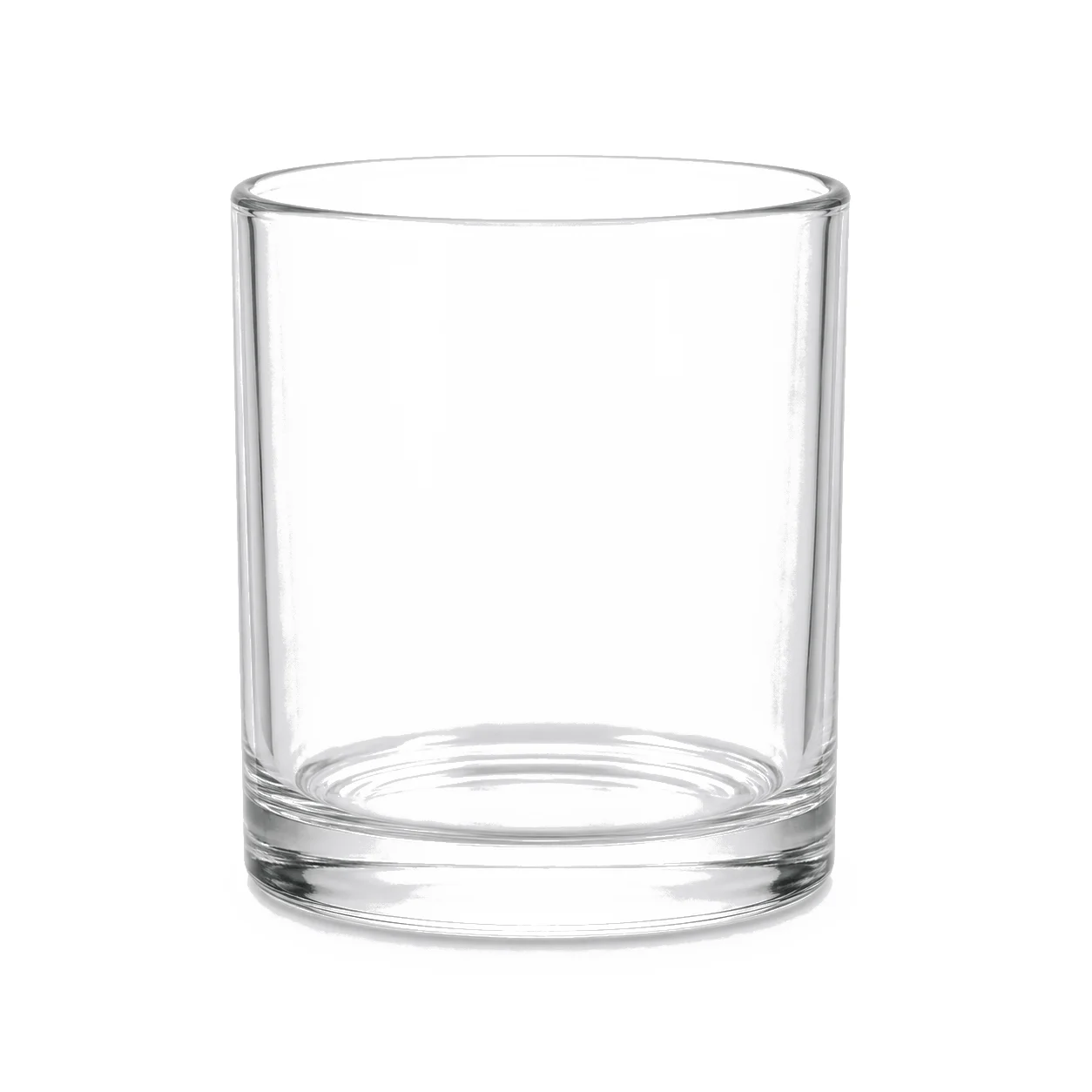
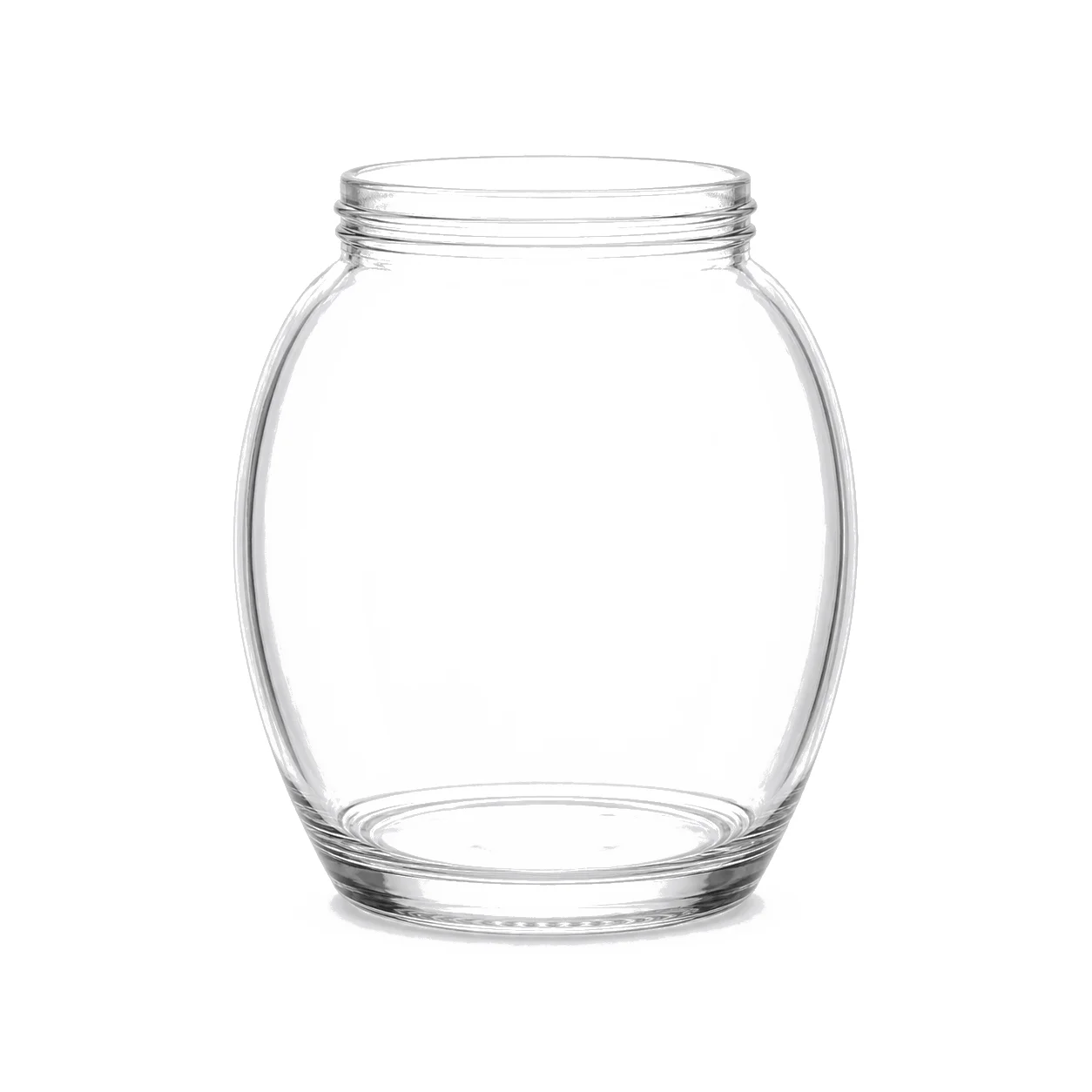
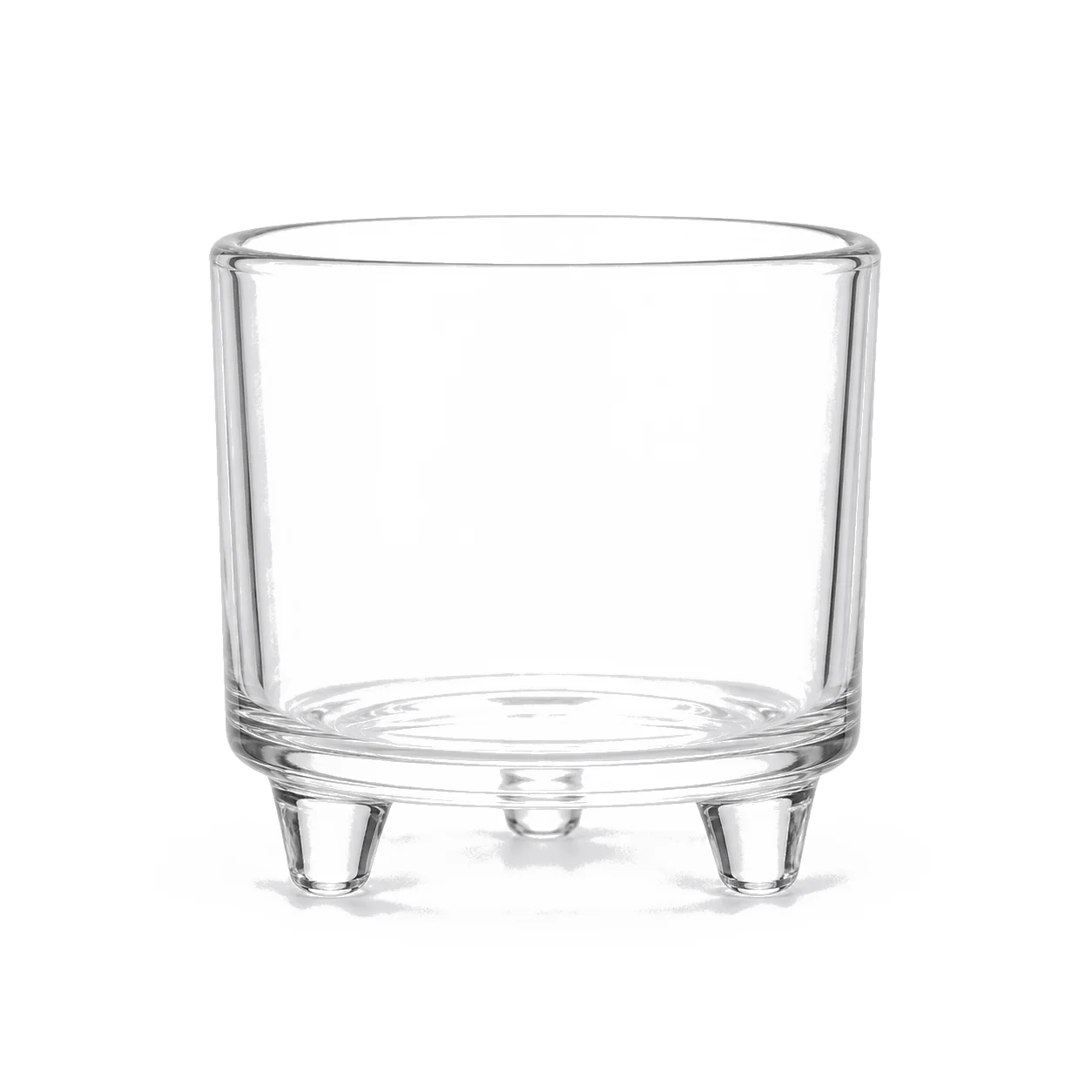
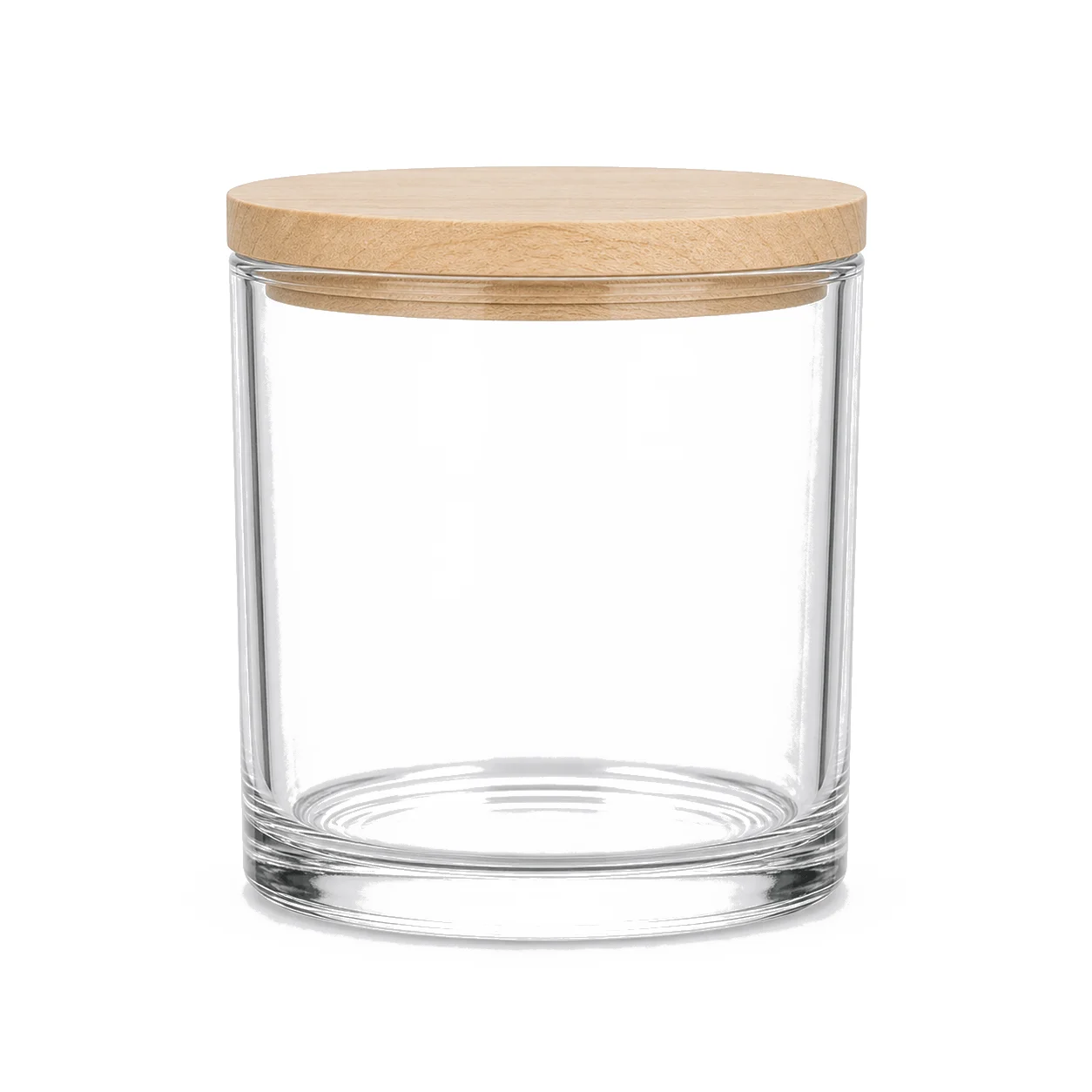
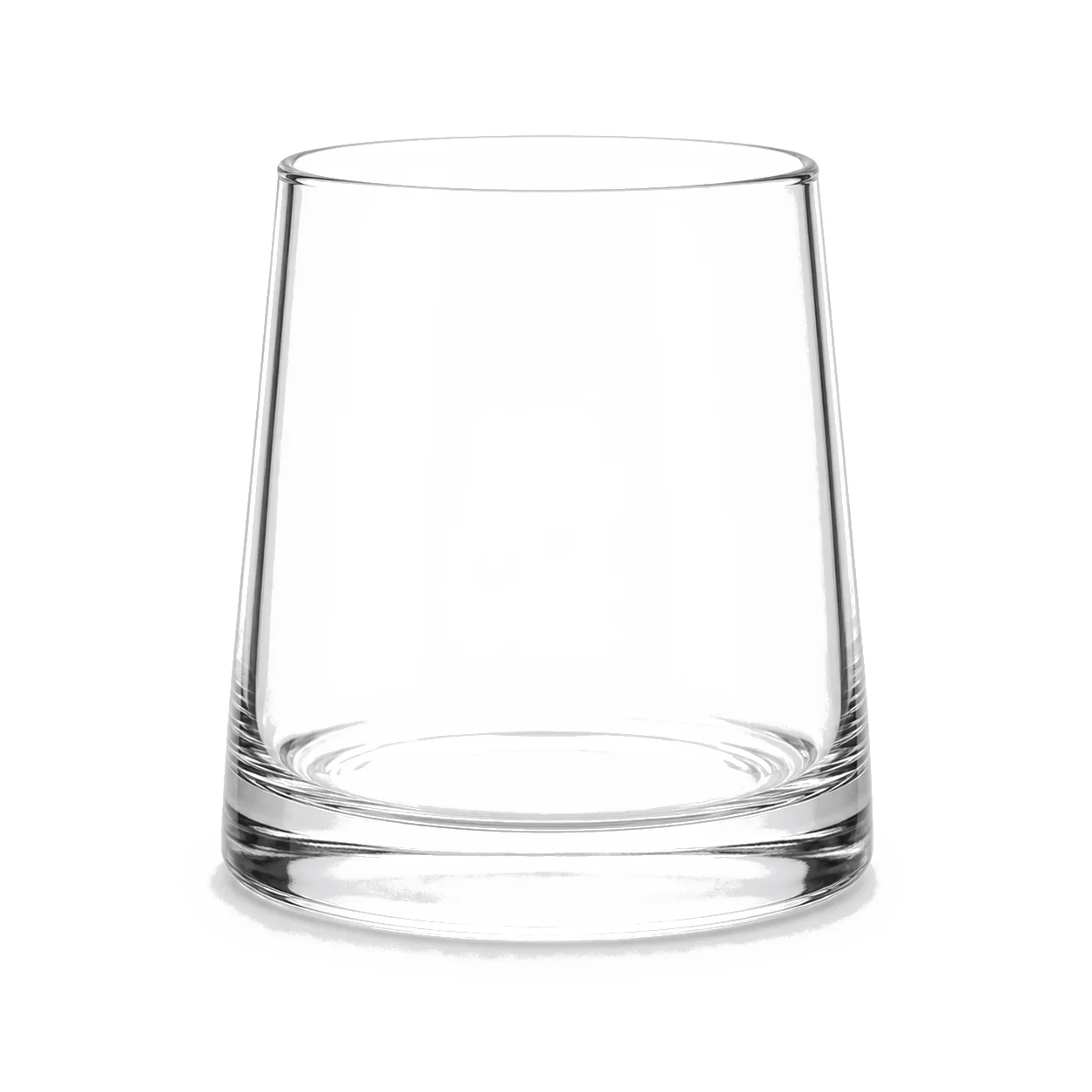
Draft angle makes glass easier to form and jars easier to stack and ship. It also means the burning surface starts wide and finishes narrow, so a wick chosen for the rim over-burns the base and one chosen for the base tunnels at the top. Managing that gap is the whole craft of wicking a tapered vessel.
The wick is chosen for the middle, not the ends
A wick sized to the rim diameter burns too hot once the pool has descended into the narrow section; one sized to the base never reaches the wall at the top. Practical wicking targets a diameter partway down and accepts slight tunneling early and a slightly warmer glass late. That compromise is set by testing, not by averaging two numbers.
End-of-burn is where a tapered jar gets hot
As the pool narrows, the same flame heats a smaller mass of wax against less glass, and the flame sits closer to the wall. Surface temperature and container integrity therefore need checking at the end of the burn rather than in the middle, which is the part of a burn test people most often skip because it takes the longest.
Draft is what makes the jar cheap to make
Tapered walls release from a mold readily, allow lighter glass distribution and let empty jars nest for shipping. Those are real savings that show up in unit price and freight. The candle maker pays part of them back in wick development time, which is a fair trade as long as both sides of it are visible when the shape is chosen.
Label panels have to account for the slope
A rectangular label on a tapered wall either wrinkles or has to be die-cut to an arc. Wrap labels need the correct radius calculated from both diameters, and a label applied flat will lift along one edge within weeks. This is a routine cause of finished candles looking amateurish for reasons that have nothing to do with the candle.
The base carries the standard's stability requirement
A narrow base under a wide rim raises the center of mass, and candle fire safety work includes stability among its requirements. A tapered vessel therefore needs its base diameter checked against its filled height rather than assumed, particularly for tall formats where the shape is being used for its appearance.
A taper stacks and nests, and that changes the freight
Conical vessels can be shipped nested before decoration and stack more densely than straight-walled ones, which is a real cost difference on a bulky, low-value item. It is one of the few candle formats where the shape pays for itself in logistics.